
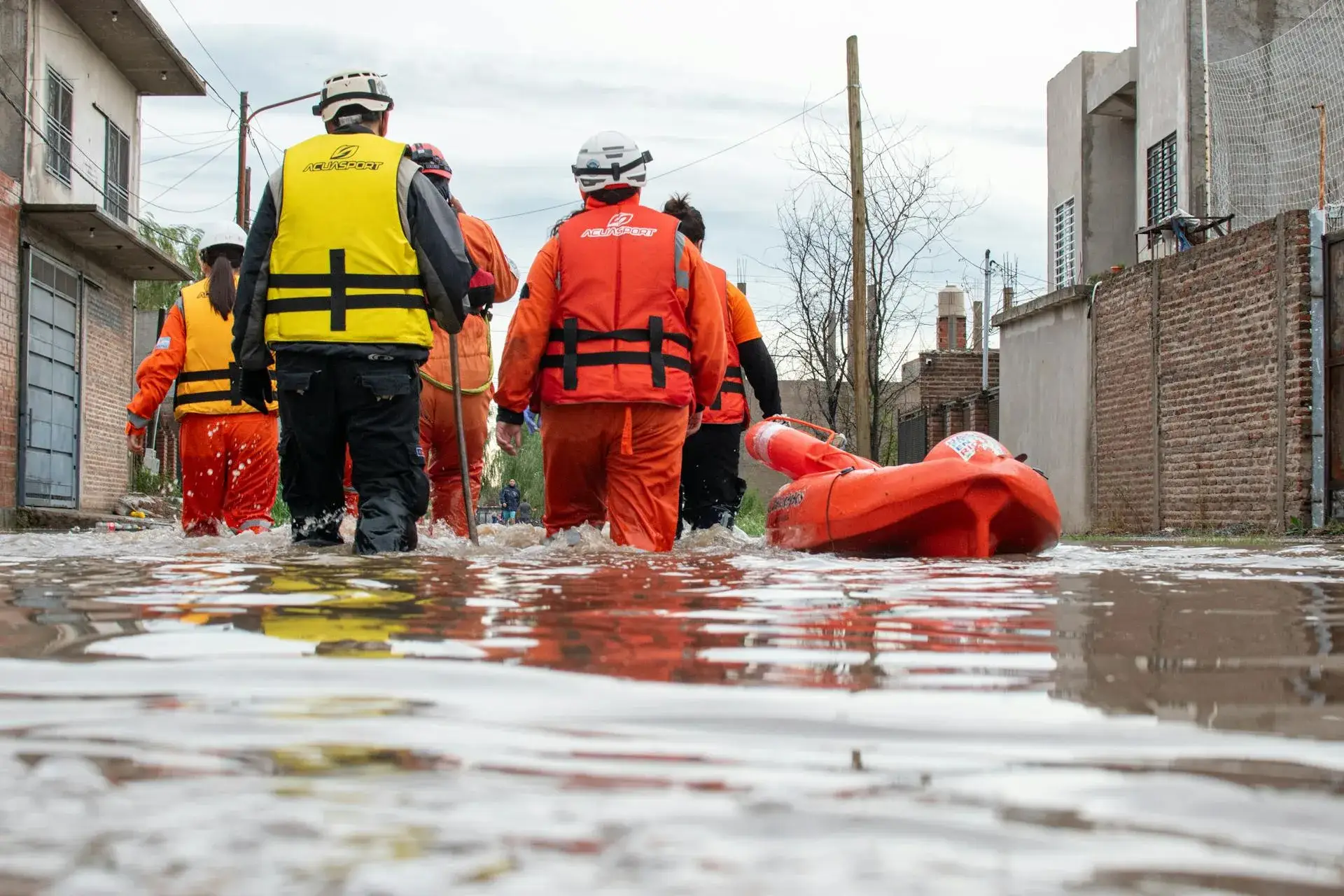
Water Damage Restoration in Bonita Springs, FL
Every hour of standing water increases structural damage and mold risk in Southwest Florida's intense humidity. Our local Bonita Springs team responds rapidly to extract water and begin drying before it destroys your home.
What Happens When You Call
A real person answers your call. We assess your specific location in Bonita Springs and dispatch our technicians immediately.
Your dedicated restoration team navigates Lee County roads to reach your property, arriving equipped with industrial-grade extraction units.
The team begins immediate water extraction, prioritizing safety and halting the spread of moisture across your floors.
Once standing water is removed, heavy-duty dehumidification equipment is installed and calibrated for the Florida climate.
When water is rushing into your Bonita Springs living room, every minute counts. Whether it is a burst pipe or flooding from the Imperial River, you need immediate action. When you reach out to X Response, your local Lee County restoration team is dispatched quickly to mitigate the damage. Call now. Your team is standing by.
Why Bonita Springs Homes Are Vulnerable to Water Damage
Bonita Springs, Florida, is a coastal community with a high susceptibility to flooding and storm-related water damage due to its geography. Located in Lee County along the Gulf of Mexico and Estero Bay, much of the city is low-lying. According to the 2020 United States census, Bonita Springs had a population of 53,644. These residents frequently face the dual threats of intense summer rainstorms and tropical cyclones that push immense volumes of water onshore.
The Imperial River watershed represents a significant vulnerability for the city. When heavy, persistent rainfall occurs, the river and its surrounding canals can overtop their banks, causing devastating street-level flooding in nearby neighborhoods. Furthermore, storm surge from massive weather events like Hurricane Ian in 2022 has demonstrated how quickly saltwater can inundate coastal properties, requiring immediate and specialized extraction techniques to save structural materials.
Coastal Storm Surge Risk
Bonita Springs sits directly on the Gulf Coast. During major hurricanes, the shallow coastal shelf allows immense walls of water to be pushed onto the land, flooding ground-level homes and causing severe saltwater corrosion to building materials.
Imperial River Flooding
The Imperial River winds through the heart of the city. During periods of heavy precipitation, this watershed routinely exceeds its capacity, leading to localized flash floods that easily breach residential thresholds and overwhelm neighborhood drainage systems.
High Subtropical Humidity
Southwest Florida is renowned for its sweltering heat and extreme humidity. Once water enters a Bonita Springs home, natural evaporation is nearly impossible. This climate demands immediate mechanical dehumidification to prevent rampant mold colonization within 48 hours.
Low-Lying Geography
Much of Bonita Springs is built at or very near sea level. The lack of elevation means that water has nowhere to go during extreme rain events, causing prolonged standing water issues that saturate foundations and compromise structural integrity.
Slab-on-Grade Vulnerabilities
A majority of homes in Lee County utilize concrete slab-on-grade foundations. When the water table rises or localized flooding occurs, hydrostatic pressure can force moisture directly up through the porous concrete, damaging flooring from underneath.
These unique geographical and climatic factors make water intrusion a serious emergency in Bonita Springs. Mitigating damage here requires an understanding of how quickly the Gulf Coast environment turns a simple leak into a major structural crisis.
What Happens to Your Home While You Wait
Within 1 Hour
Water spreads rapidly across hard surfaces, saturating carpets and beginning to wick up into drywall and baseboards. Furniture legs may swell and stain floor coverings.
1-24 Hours
Drywall continues to absorb moisture, weakening significantly. Engineered wood floors and laminates in your Bonita Springs home start to buckle and cup as humidity rises indoors.
24-48 Hours
In the humid Southwest Florida climate, mold spores begin to germinate and colonize in damp, dark spaces like wall cavities. Musty odors become noticeable.
48-72 Hours
Fungal growth accelerates and spreads rapidly. What was once a localized water issue now requires extensive demolition and professional mold remediation protocols.
One Week and Beyond
Prolonged moisture compromises structural wood framing and completely ruins interior finishes. Restoration costs multiply exponentially as the home becomes unsafe to inhabit.
Time is the enemy when dealing with water damage in Lee County. Contact X Response immediately to stop the clock and save your property.
How We Restore Water-Damaged Bonita Springs Homes
Our water damage restoration process is engineered to handle the specific challenges of the Bonita Springs climate, ensuring your home is dried thoroughly and safely.
Thorough Moisture Assessment
We utilize advanced thermal imaging and moisture meters to map the exact migration path of the water, ensuring no hidden pockets of moisture are missed behind walls or under flooring.
Rapid Water Extraction
Using truck-mounted industrial pumps and vacuums, we remove thousands of gallons of standing water quickly. This is especially crucial for saltwater storm surge, which must be extracted immediately to halt corrosion.
Targeted Structural Drying
We deploy specialized air movers and commercial-grade dehumidifiers tailored for Florida's high humidity. This equipment runs continuously to pull moisture out of the air and structural materials.
Sanitization and Cleaning
Floods and sewage backups bring harmful bacteria. We apply EPA-registered antimicrobial treatments to all affected surfaces, neutralizing health threats and preventing microbial growth.
Restoration and Verification
We monitor the drying progress daily until the structure reaches its dry standard. Finally, we provide comprehensive documentation for your insurance carrier, proving the home is safe and dry.
The X Response Difference
Choosing X Response means partnering with a team that understands Bonita Springs' unique environmental challenges and fights to restore your home efficiently.
Insurance Claim Guidance for Bonita Springs Homeowners
Navigating a water damage insurance claim in Bonita Springs requires understanding the difference between covered perils and excluded events. Most standard homeowner's policies in Florida cover sudden and accidental plumbing failures, like a ruptured supply line. However, they almost universally exclude damage caused by rising water, such as storm surge from the Gulf or overflowing canals connected to the Imperial River. These events require a separate flood insurance policy. Our team helps you document the exact source and extent of the damage to support your claim.
How X Response Helps
- Provide detailed thermal imaging and moisture mapping reports
- Document the precise point of water entry for the adjuster
- Itemize all extracted water and damaged materials
- Ensure all mitigation efforts comply with Lee County regulations
- Supply daily drying logs to prove the necessity of all equipment used
X Response does not file claims on your behalf, adjust claims, or make coverage determinations. We provide documentation and guidance to help you make informed decisions about your property and your policy. Coverage decisions are made solely by your insurance carrier.
Certified Restoration Specialists Serving Bonita Springs
When you face a water emergency in Bonita Springs, you need technicians who understand the local landscape. Our Lee County restoration team is deeply familiar with the region's construction styles, from the older waterfront properties to modern developments inland. They know exactly how the local climate dictates drying strategies and how to manage the logistical challenges of a coastal flood response.
Every member of our rapid response unit is IICRC-certified and trained in the latest mitigation techniques. They arrive fully equipped to handle everything from a minor appliance leak to major storm surge inundation, ensuring your Southwest Florida home is protected and restored to its pre-loss condition.
In Bonita Springs, X Response works with Florida Restoration, an independent local restoration partner serving Lee County.
Water Damage Restoration FAQ for Bonita Springs Homeowners
Other Emergency Services in Bonita Springs

Fire Damage Restoration
Structural damage, soot, debris. We stabilize, clean, and rebuild what fire destroyed.
Learn more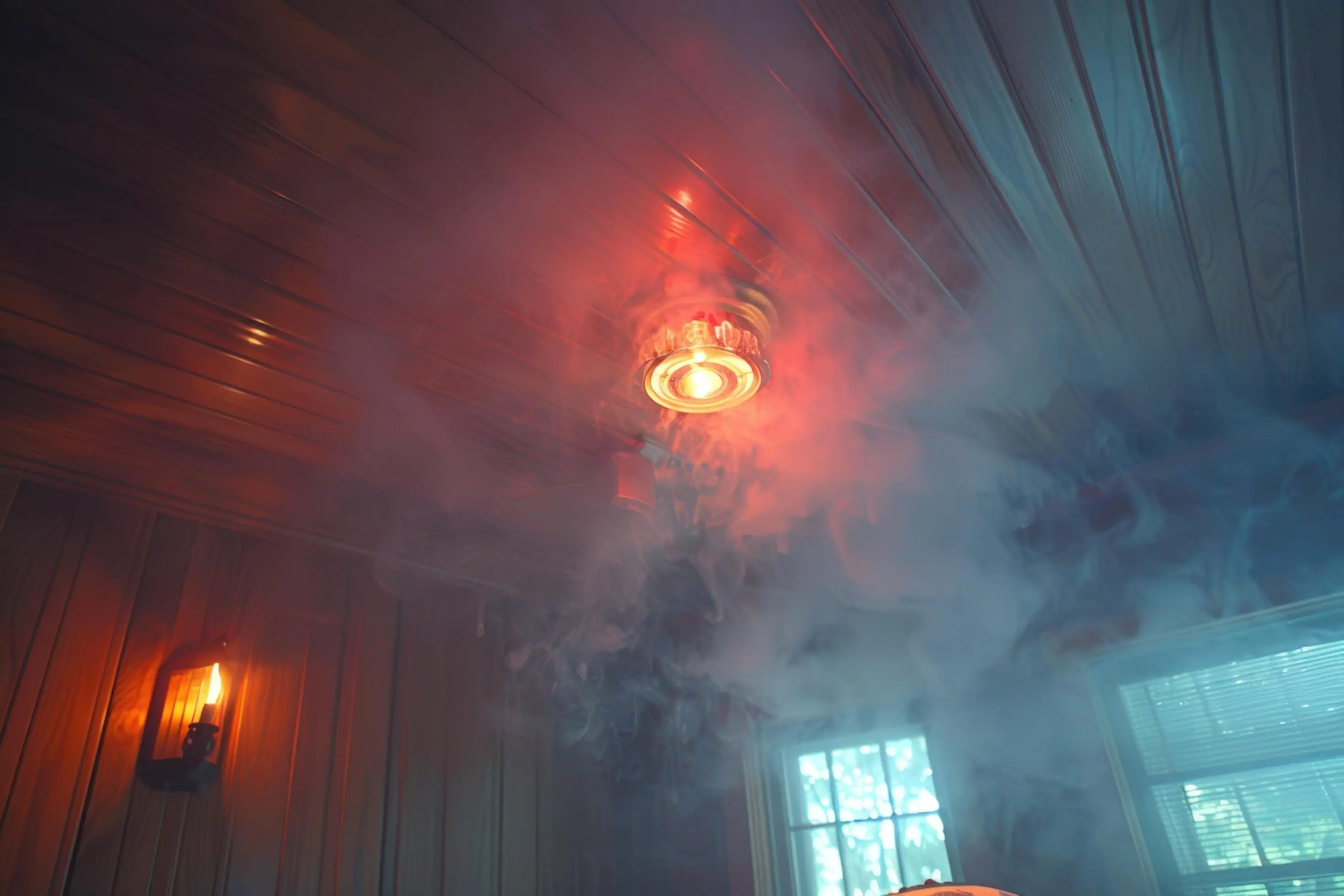
Smoke Damage Restoration
Soot residue, chemical odors, HVAC contamination. We decontaminate surfaces, eliminate odors, and restore air quality.
Learn more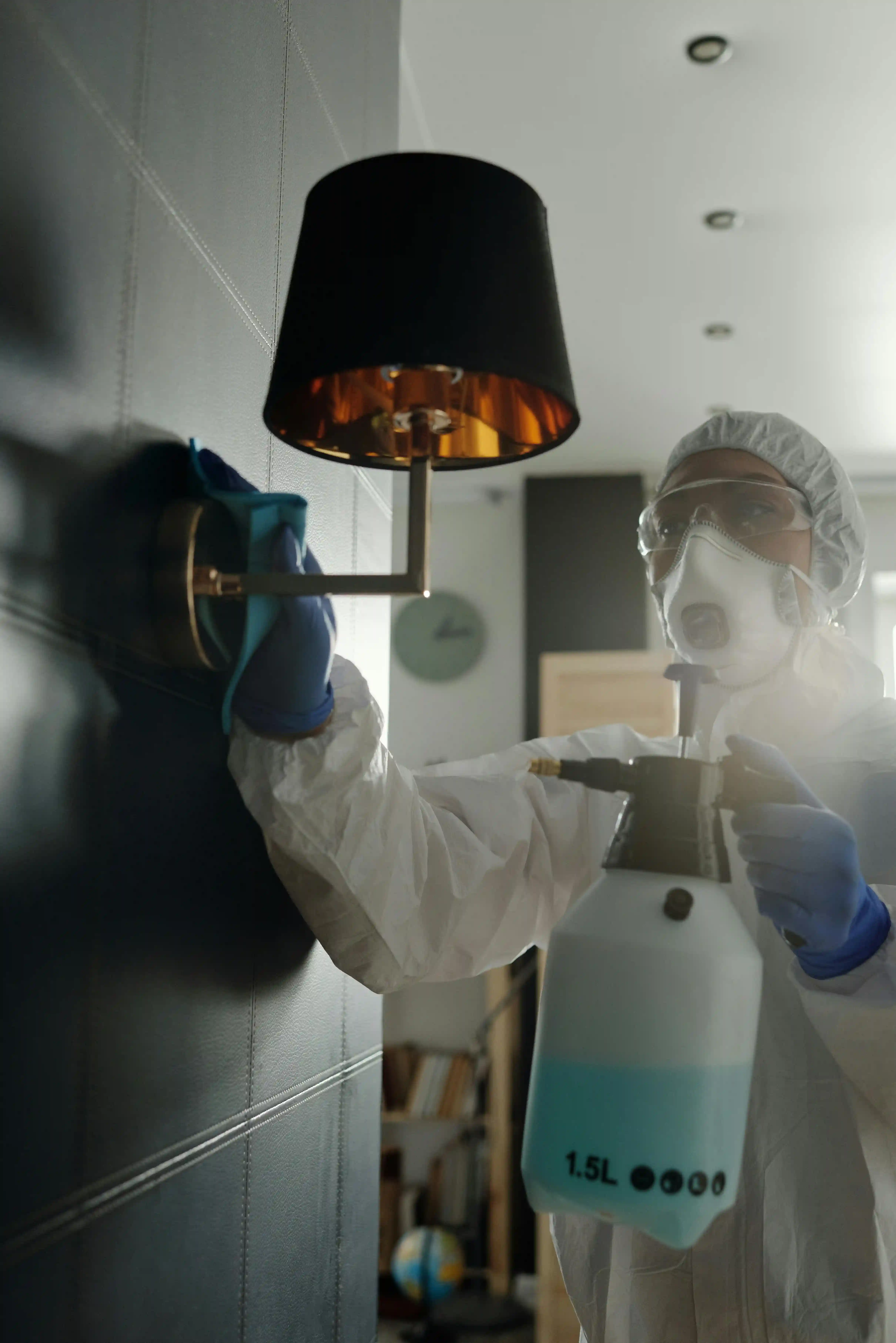
Mold Remediation
Testing, containment, removal, prevention. We find the source, eliminate the growth, and stop it from returning.
Learn more
Sewage Cleanup
Sewer backups, contaminated water, biohazard. We extract, sanitize, and restore safely.
Learn more