
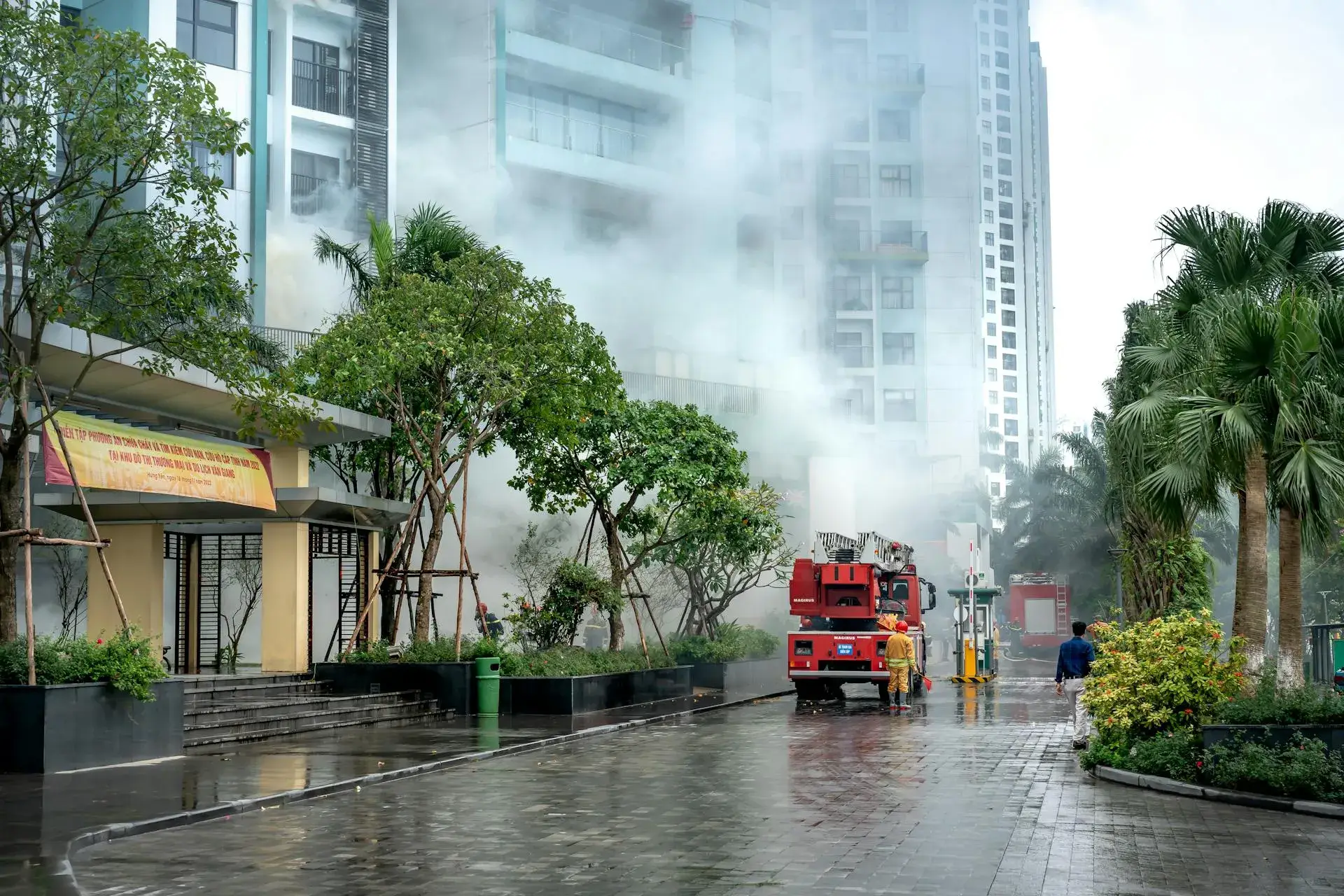
Smoke Damage Restoration in Tyndall AFB, FL
Acidic soot combined with Gulf salt air corrodes metal fixtures and electronics within 48 hours. Our certified restoration team arrives within 60 minutes.
What Happens When You Call
Your call connects directly to our regional emergency desk, dispatching certified smoke remediation technicians immediately.
We place industrial HEPA air scrubbers on site to capture airborne carbon particulates and stabilize indoor air quality.
Technicians map soot deposition types, distinguishing between dry carbon, synthetic resins, and greasy protein residues.
We clean all surfaces with specialized chemical sponges, decontaminate HVAC duct systems, and run hydroxyl deodorization.
Even when a fire is quickly contained or occurs outdoors, microscopic smoke particles travel throughout residential and commercial facilities across Tyndall AFB. Soot settles into ceiling plenums, penetrates porous building materials, and infiltrates central HVAC ductwork. In our exposed peninsula setting, high humidity and salt aerosol convert soot into corrosive chemical acids that attack building finishes and sensitive electronics. X Response provides rapid, scientific smoke remediation to eliminate odors and restore your property. Connect with our local smoke restoration specialists today.
Why Tyndall AFB Homes Are Vulnerable to Smoke Damage
Tyndall AFB occupies an expansive 29,000-acre peninsula in southern Bay County, bordered by St. Andrew Sound, East Bay, and the Gulf of Mexico. The installation features military residential neighborhoods, operational headquarters, and training complexes alongside extensive coastal woodlands. Because the installation sits on a low-lying peninsula extending directly into the Gulf, facilities experience steady, high-velocity coastal winds. According to the National Weather Service, coastal onshore winds along the Gulf of Mexico rapidly distribute smoke and airborne contaminants into interior structures throughout beachfront communities. When structural fires, electrical equipment malfunctions, or nearby prescribed burns occur, strong marine winds drive fine soot particles and combustion gases through HVAC fresh-air intakes, soffit louvers, and building envelopes, contaminating living areas far removed from the original heat source.
Within the maritime environment of Tyndall AFB, smoke damage causes rapid, severe surface degradation due to high ambient relative humidity and continuous salt spray. Burning plastics, cable insulation, and modern home furnishings release acidic combustion byproducts. In the humid coastal air, these particles form corrosive chemical solutions that aggressively attack interior finishes and mission-critical electronics. Acidic soot deposits pit metal window hardware, tarnish copper electrical buses, etch tempered glass panes, and permanently stain vinyl and painted drywall within 24 to 48 hours. Furthermore, because base facilities and housing units rely on central air conditioning systems that run constantly during warm months, smoke particles are pulled into return registers and blown throughout the duct system, coating duct linings and evaporator coils with acrid, sticky chemical resins that recirculate odors indefinitely without professional remediation.
Salt-Air Acidic Soot Corrosion Acceleration
Tyndall AFB's coastal atmosphere carries continuous salt aerosol and relative humidity consistently above 85 percent in summer. Acidic combustion residues react with moisture and salt crystals to form caustic acids that pit metals, etch window glass, and corrode copper electrical wiring within 48 hours.
High-Volume HVAC Duct Infiltration
Residential and administrative buildings utilize high-capacity central air systems. When smoke enters return vents, microscopic carbon particles and chemical resins coat interior ductwork and air handlers, distributing burnt odors throughout every room whenever the cooling system activates.
Electronic and Electrical Circuit Vulnerability
Facilities across Tyndall AFB house sensitive computing, communications, and monitoring equipment. Airborne soot is electrically conductive and acidic, posing an immediate risk of short circuits and permanent component corrosion unless neutralized with specialized electronic cleaning solvents.
Porous Concrete and Drywall Absorption
Many structures feature concrete masonry walls and gypsum board partitions. Porous materials absorb microscopic smoke molecules deep into their matrix, requiring specialized chemical poultices and sealing primers to eliminate trapped odors.
Professional smoke mitigation in Tyndall AFB requires immediate chemical neutralization, industrial air scrubbing, and thorough HVAC duct decontamination to protect your property investment.
What Happens to Your Home While You Wait
Within 1 Hour
Fine soot particles settle on horizontal surfaces, furniture, and electronic equipment. Acidic residues begin causing visible yellowing on light-colored fabrics, synthetic plastics, and fiberglass fixtures.
1 to 24 Hours
Corrosive chemical residues start attacking metal surfaces. Chrome plumbing fixtures, brass hardware, and aluminum window frames begin tarnishing and developing surface pitting.
24 to 48 Hours
Soot bonds chemically with porous drywall, grout, and natural stone surfaces. Pungent burnt odors penetrate deep into wall insulation and wood framing. Painted walls begin to exhibit permanent discoloration.
48 to 72 Hours
Acidic etching becomes irreversible on unprotected metals, glass, and porcelain, requiring costly replacement. HVAC ductwork becomes thoroughly contaminated with toxic chemical resins.
One Week and Beyond
Soot residues harden into a greasy, immovable film. Burnt smoke odors become permanently embedded in structural timber and concrete, requiring aggressive demolition of affected drywall and complete duct replacement.
Stop corrosive soot before it causes permanent property damage. Call X Response immediately for emergency smoke and odor restoration in Tyndall AFB.
How We Restore Smoke-Damaged Tyndall AFB Homes
Our smoke restoration protocol follows rigorous IICRC S540 standards, combining advanced filtration, specialized surface washing, and molecular odor eradication.
Soot Residue Identification and Air Filtration Setup
We evaluate the full path of smoke migration through your Tyndall AFB property, classifying soot as dry carbon, wet synthetic, or protein film. Industrial HEPA air scrubbers are installed immediately to capture airborne toxins and establish negative air pressure.
Precision Surface Cleaning and Chemical Neutralization
Technicians use specialized dry chemical sponges and commercial alkaline soot-lifting detergents to remove soot from walls, ceilings, and cabinetry. We lift residues without smearing or driving particles deeper into porous paint.
Comprehensive HVAC Duct and Air Handler Decontamination
We seal all registers, attach high-powered negative air vacuums to main duct trunks, and use mechanical rotary brushes to scrub soot from interior duct surfaces. The air handler, evaporator coils, and blower fan are cleaned and treated with an EPA-registered antimicrobial agent.
Molecular Odor Elimination with Hydroxyl and Thermal Fogging
We deploy industrial hydroxyl generators and thermal foggers that replicate the particle size of hot smoke. The vaporized deodorizing agents bond with and chemically neutralize smoke odor compounds trapped in wall framing, subflooring, and insulation.
Structural Encapsulation and Final Air Clearance
Where intense smoke exposure has penetrated framing lumber, we apply specialized odor-blocking shellac-based sealers. A final air quality inspection confirms your property is completely fresh, clean, and safe for occupancy.
The X Response Difference
Partner with X Response for advanced, science-based smoke and odor remediation in Tyndall AFB.
Insurance Claim Guidance for Tyndall AFB Homeowners
Smoke damage claims in Florida frequently involve hidden structural losses that are easy to miss during a preliminary walkthrough. While direct charring is obvious, microscopic soot contamination inside HVAC ductwork, behind electrical outlets, and throughout wall insulation can cause severe long-term corrosion and health risks. Our technicians provide exhaustive technical documentation to ensure your insurance or property claim includes all necessary cleaning, deodorization, and duct restoration.
How X Response Helps
- Professional soot wipe sampling and surface pH testing confirming the presence of chemical smoke residues.
- Comprehensive photographic documentation of all etched glass, pitted metal fixtures, and discolored finishes.
- Detailed itemization of required HVAC system decontamination, duct cleaning, and mechanical filter replacements.
- Itemized restoration scopes prepared in standard Xactimate pricing recognized by all major Florida insurance carriers.
- Direct on-site coordination with your insurance adjuster or facility manager to walk through all hidden smoke migration pathways.
X Response is an independent certified restoration contractor. We provide technical damage scoping and restoration services. We do not act as public insurance adjusters or provide legal policy interpretations. Final coverage decisions rest with your insurance provider.
Certified Restoration Specialists Serving Tyndall AFB
Our smoke restoration team serving Tyndall AFB consists of certified professionals with extensive field experience managing fire and smoke emergencies across Bay County. Every technician holds active certifications from the Institute of Inspection, Cleaning and Restoration Certification (IICRC) in Fire and Smoke Restoration (FSRT) and Odor Control (OCT). We understand how coastal humidity and salt air accelerate soot damage on modern residential and commercial materials.
We operate heavy-duty service vehicles equipped with industrial HEPA air scrubbers, ultrasonic cleaning tanks, and advanced thermal fogging machines. From base housing areas to administrative offices, our team delivers meticulous, detail-oriented service to restore your property to pristine condition.
In Tyndall AFB, X Response works with Coastal Emergency Restoration, an independent local restoration partner serving Bay County.
Smoke Damage Restoration FAQ for Tyndall AFB Homeowners
Other Emergency Services in Tyndall AFB
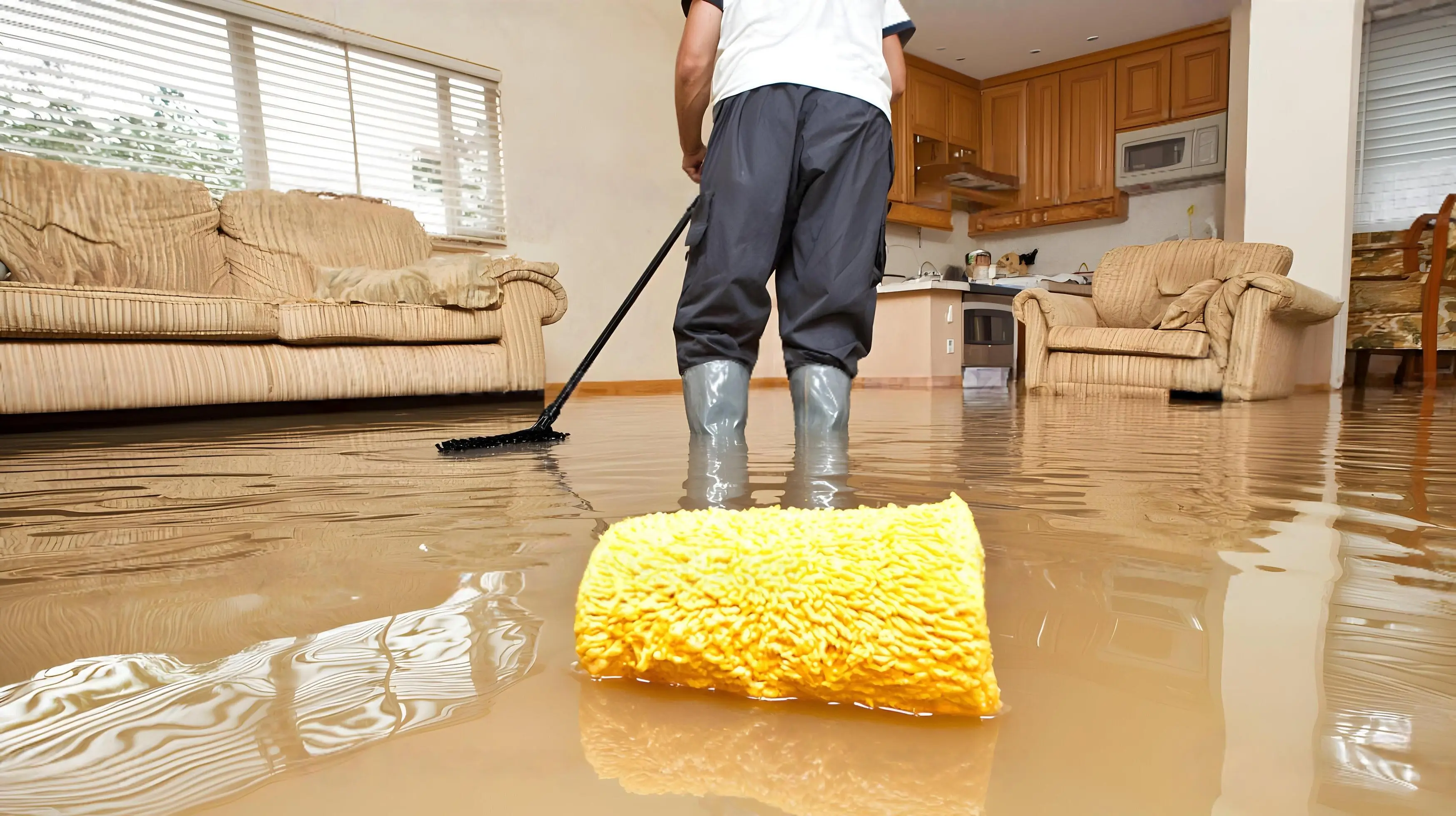
Water Damage Restoration
Burst pipes, storm flooding, standing water. We extract, dry, and restore before mold sets in.
Learn more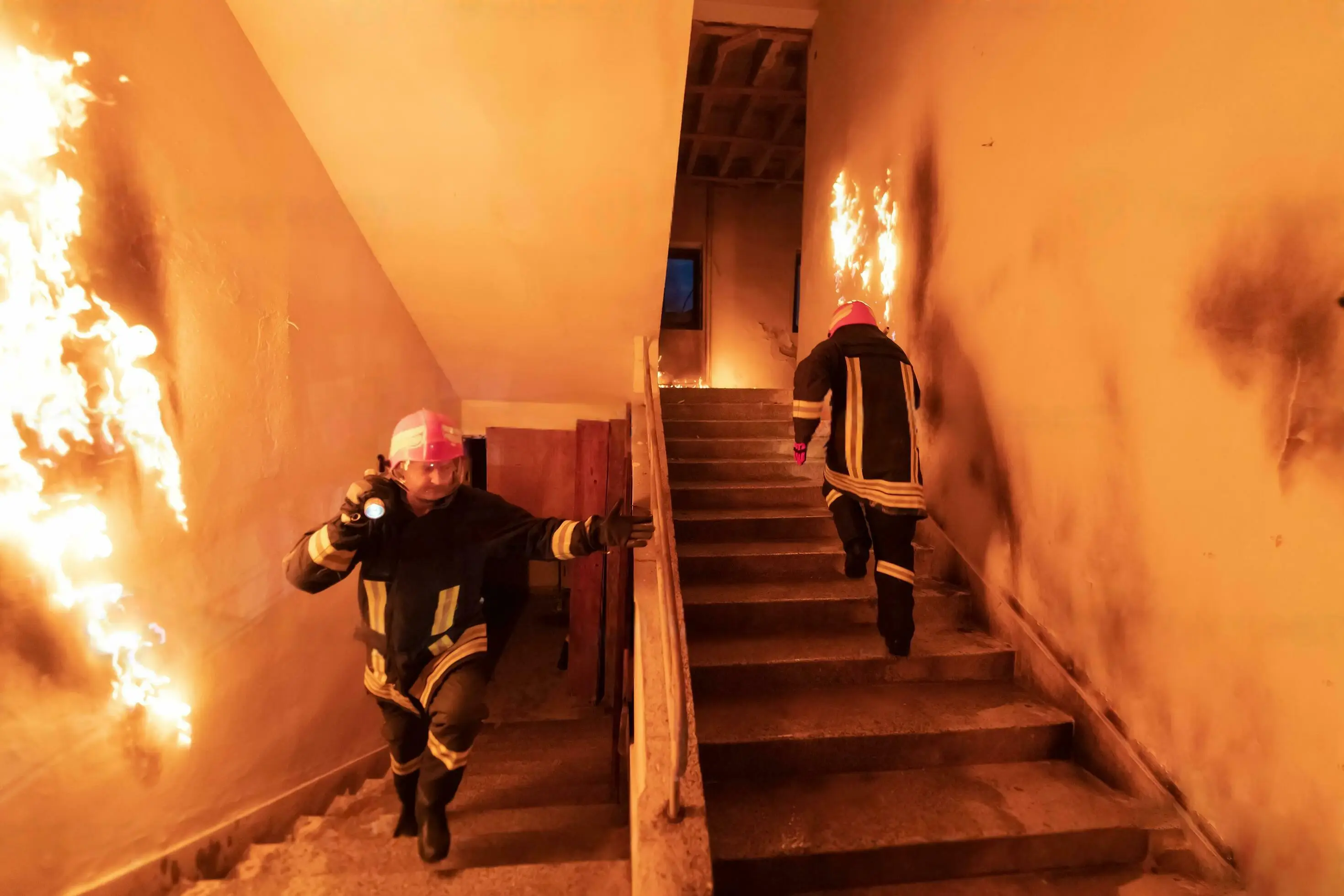
Fire Damage Restoration
Structural damage, soot, debris. We stabilize, clean, and rebuild what fire destroyed.
Learn more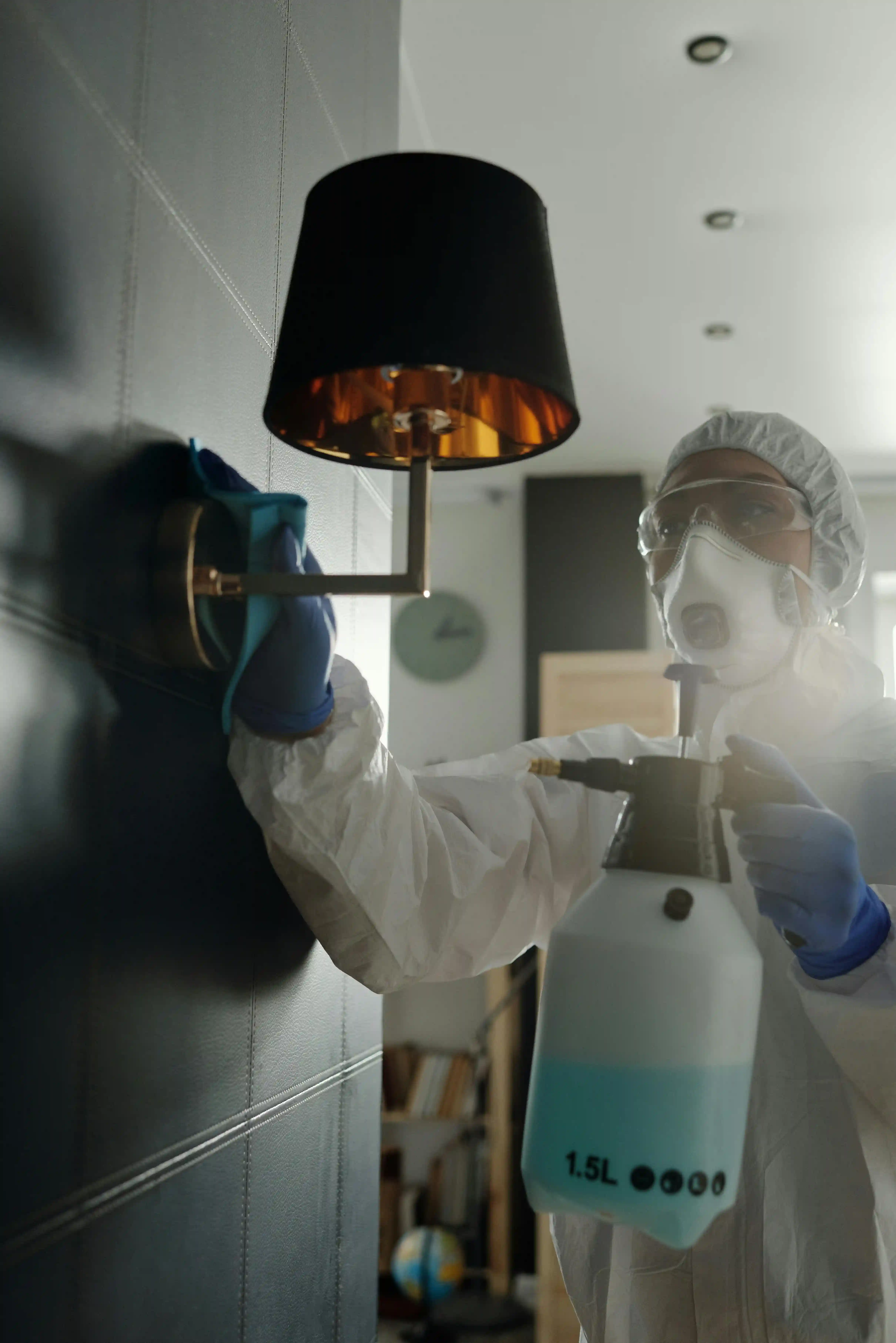
Mold Remediation
Testing, containment, removal, prevention. We find the source, eliminate the growth, and stop it from returning.
Learn more