
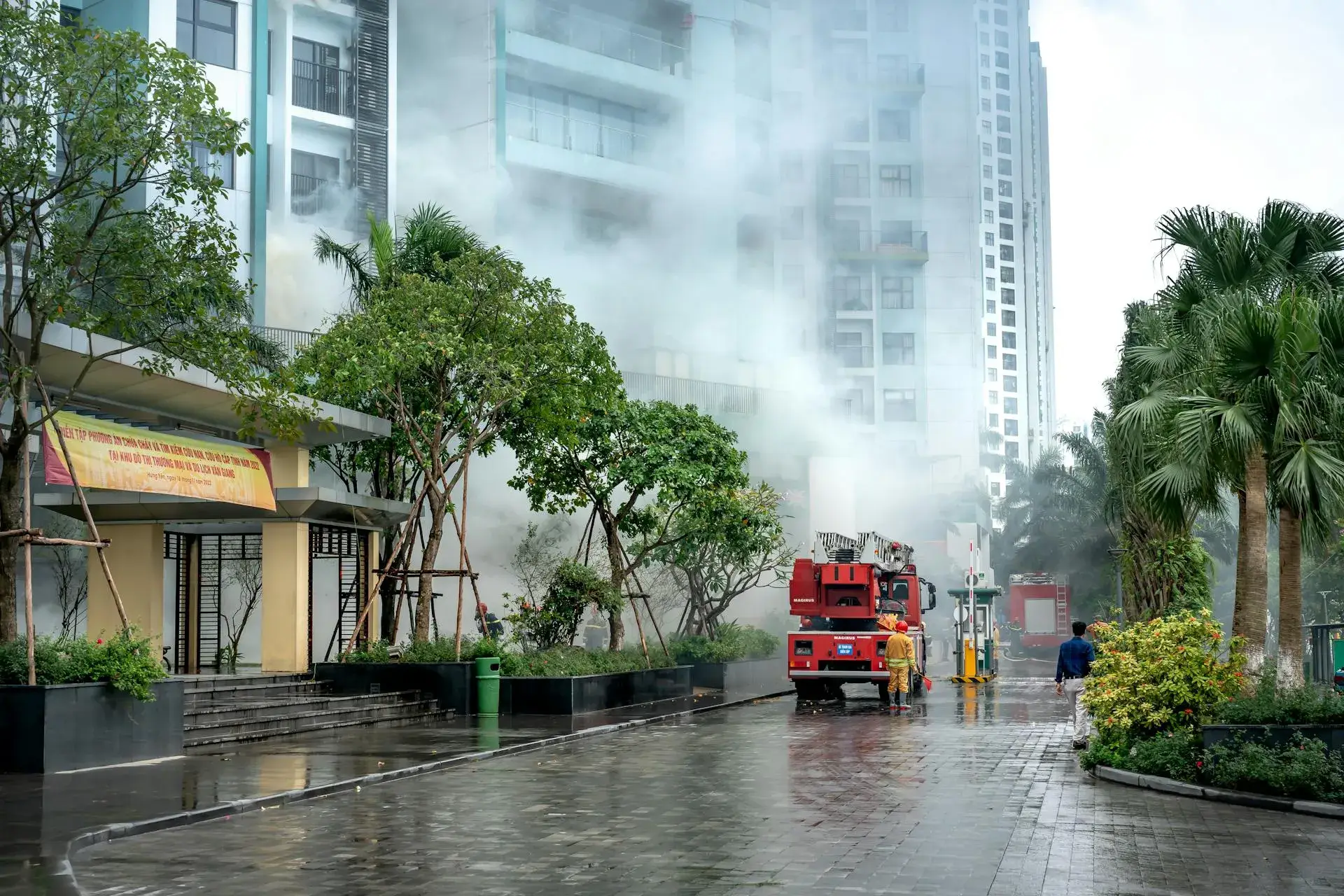
Smoke Damage Restoration in New Orleans, LA
Smoke residues are acidic and corrosive, attacking surfaces continuously after the visible fire is out. Whether from a structure fire, a neighbor's blaze spreading through party walls, or the wildfire smoke events that increasingly affect New Orleans, smoke contamination worsens every hour. Our Orleans Parish team responds immediately.
What Happens When You Call
A real person takes your emergency call and dispatches smoke damage specialists to your New Orleans location.
Technicians conduct a thorough assessment, tracing smoke migration paths through ductwork, party walls, and structural cavities.
Systematic soot removal begins with surface-appropriate techniques, from dry chemical sponges on historic plaster to HEPA vacuuming on textiles.
Deep odor neutralization using thermal fogging and hydroxyl generators addresses embedded contamination that surface cleaning cannot reach.
Smoke does not stay contained to the room or building where the fire occurred. It migrates through HVAC ducts, gaps in century-old framing, shared party walls, and even electrical outlets, contaminating spaces that appear untouched. The longer smoke residue sits, the deeper it penetrates. Call now. Your local team is standing by.
Why New Orleans Homes Are Vulnerable to Smoke Damage
Smoke damage in New Orleans originates from a convergence of factors unique to this densely built, historically significant city. The concentration of structure fires in the French Quarter and adjacent neighborhoods creates smoke exposure far beyond the building of origin. When the Quarterhouse bar burned on Bourbon Street in November 2024, 20 NOFD units fought to contain flames that spread into the attic of the historic structure. Businesses and residences for blocks in every direction received smoke contamination carried by thermal updrafts and wind patterns channeled through the Quarter's narrow street grid. The tourism-driven economy means that hotels, restaurants, and shops surrounding any French Quarter fire experience both property damage and business interruption from smoke contamination. In August 2023, wildfire smoke from Louisiana fires blanketed New Orleans and air quality monitors detected pollution levels exceeding EPA standards across the metropolitan area. The Louisiana Department of Health issued advisories urging residents to limit outdoor exposure, but the fine particulate matter infiltrated homes through HVAC intakes, window seals, and the countless air gaps present in New Orleans' aging building stock. Unlike a localized structure fire that contaminates one property or one block, regional wildfire smoke events deposit a thin but pervasive layer of fine soot across every surface in every home that lacks sealed, filtered ventilation, affecting hundreds of thousands of residences simultaneously.
New Orleans' urban fire frequency compounds the smoke exposure problem. The NOFD responds to structure fires across 299 square miles serving approximately 364,000 residents, and the city's residential density means that individual fire events routinely contaminate multiple adjacent properties. In neighborhoods like the Marigny, Bywater, and Uptown where shotgun houses sit three to five feet apart, smoke from a kitchen fire in one home can penetrate the neighboring structure's walls and attic within minutes. The party-wall construction common in the French Quarter creates even more direct pathways for smoke migration, as shared structural cavities act as flues channeling hot gases and soot particles between buildings without any barrier or firebreak to impede them. Property owners in these adjacent structures often discover smoke contamination days after the original fire, when persistent odor or discolored walls reveal that their home absorbed significant smoke despite never being directly threatened by flame. A single-structure fire on a French Quarter block can generate smoke damage claims from three or four neighboring properties, each requiring professional assessment and treatment.
The subtropical humidity that defines New Orleans' climate adds a critical complication to smoke damage that does not exist in drier regions. Moisture in the air bonds with acidic soot residues and accelerates the chemical etching of surfaces. In a low-humidity environment, property owners might have several days before soot permanently stains a painted wall or etches a metal fixture. In New Orleans' average 75 to 85 percent relative humidity, that window shrinks to 24 to 48 hours. The moisture acts as a solvent, carrying dissolved soot compounds deeper into porous materials like historic plaster, exposed brick, and unfinished cypress. Soot that remains on a plaster wall for 48 hours in this humidity environment will often leave a permanent shadow stain even after thorough cleaning, because the dissolved compounds have penetrated below the surface and reacted with the calcium carbonate in the plaster itself. This means that restoration professionals working in Orleans Parish must prioritize immediate soot stabilization before the humidity drives contaminants beyond the reach of surface cleaning methods. For historic materials that cannot be replaced, including hand-carved millwork, decorative plasterwork, and antique hardware, this urgency becomes critical to preserving both the property's structural integrity and its historical value.
Professional smoke damage restoration in New Orleans requires a layered approach adapted to the city's unique building materials and construction methods. Surface soot removal using dry chemical sponges, HEPA vacuuming, and alkaline detergent solutions addresses visible contamination on hard surfaces. For historic plaster, which is more porous and chemically reactive than modern drywall, technicians must use gentler pH-neutral solutions and avoid aggressive scrubbing that can damage the surface texture and decorative finishes. However, the real challenge lies in treating embedded odor within balloon-framed wall cavities, aged attic insulation, and HVAC ductwork that may run through multiple rooms of a shotgun house in a single linear path without branching. Our teams use thermal fogging, which generates a heated vapor that penetrates the same pathways smoke originally traveled, neutralizing odor compounds at the molecular level within cavities inaccessible to direct cleaning. For sensitive historic interiors or occupied commercial spaces on Magazine Street or in the Warehouse District, we deploy hydroxyl generators that produce reactive molecules mimicking natural atmospheric cleaning processes, eliminating odors without the ozone exposure concerns of older treatment methods. Complete HVAC decontamination, including supply and return ducts, the air handler coil, and the blower housing, ensures that residual smoke particles are not continuously recirculated throughout the structure each time the system cycles on.
Dense Urban Fire Frequency
New Orleans' concentration of closely spaced wood-frame structures means that structure fires routinely contaminate multiple adjacent properties with smoke, even when flames do not spread beyond the building of origin.
Party-Wall Smoke Migration
French Quarter and Marigny party-wall construction creates direct pathways for smoke to travel between buildings through shared structural cavities, contaminating adjacent properties without visible exterior evidence.
Regional Wildfire Smoke Infiltration
Louisiana wildfire seasons produce smoke plumes that blanket the New Orleans metro area, depositing fine particulate matter inside homes through HVAC systems and the many air gaps in the city's aging building stock.
Humidity-Accelerated Soot Damage
New Orleans' persistent 75 to 85 percent relative humidity bonds with acidic soot residues, accelerating surface etching and driving contaminants deeper into porous historic materials within 24 to 48 hours.
Smoke damage in New Orleans' humid climate and dense historic fabric requires rapid, professional treatment before the combination of soot, humidity, and porous century-old materials creates permanent damage that no consumer cleaning product can reverse.
What Happens to Your Home While You Wait
Within 1 Hour
Smoke particles settle on horizontal surfaces. Acidic residues begin interacting with metal finishes and historic hardware, causing tarnishing and discoloration.
1 to 24 Hours
Soot penetrates into fabric weaves, carpet fibers, and plaster surfaces. In New Orleans' humidity, moisture bonds carry soot compounds into porous materials.
24 to 48 Hours
Chemical etching begins on countertops, appliance faces, and painted or plastered walls. Yellow-brown staining becomes visible on light surfaces and ceilings.
48 to 72 Hours
Odor compounds embed deeply into plaster, insulation, and wood framing. Surface cleaning alone can no longer eliminate the persistent smoke smell.
One Week and Beyond
Permanent discoloration and material degradation occur. Historic plaster and millwork may become unrestorable. HVAC system requires full professional decontamination.
Smoke damage worsens rapidly in New Orleans' humid conditions, especially in porous historic materials. Contact X Response for immediate smoke restoration in New Orleans.
How We Restore Smoke-Damaged New Orleans Homes
Our smoke damage restoration process systematically addresses contamination from visible surfaces through hidden structural cavities, adapted for New Orleans' unique building stock and the historic materials that require specialized care.
Smoke Migration Assessment
We trace smoke pathways through your property using visual inspection, particle counters, and thermal imaging, identifying contamination in rooms and adjacent structures that may appear unaffected to the naked eye but harbor embedded soot and odor compounds.
Surface Soot Removal
Technicians use material-matched techniques: dry sponges for historic plaster, HEPA vacuuming for textiles, alkaline solutions for hard surfaces, and specialized treatments for exposed brick and antique wood.
Deep Odor Neutralization
Thermal fogging and hydroxyl generators penetrate balloon-framed wall cavities, attic spaces, and ductwork to neutralize embedded odor molecules that surface cleaning cannot reach.
HVAC Decontamination and Verification
Complete duct cleaning, evaporator coil treatment, blower housing decontamination, and filter replacement ensure your system circulates clean air rather than recirculating trapped soot particles. Post-treatment air quality testing with particle counters confirms elimination of contamination.
The X Response Difference
X Response restores New Orleans properties from smoke damage completely, addressing both the visible residue and the hidden contamination that causes lingering odors, while preserving the irreplaceable historic materials that give this city its character.
Insurance Claim Guidance for New Orleans Homeowners
Smoke damage claims require documentation of contamination extent beyond the immediate fire area, including migration through ductwork, party walls, and into adjacent properties or units that may file separate claims.
How X Response Helps
- Photographic evidence of soot deposits on surfaces throughout the structure, not just near the fire origin
- Air quality testing results documenting particulate levels and volatile organic compounds in affected spaces
- HVAC contamination assessment showing smoke migration through the duct system to rooms distant from the fire source
- Content inventory with cleaning feasibility determination for each affected item, including valuation of historic or irreplaceable materials
X Response does not adjust claims or guarantee coverage, but our detailed contamination documentation demonstrates the full scope of smoke damage to your insurance carrier.
Certified Restoration Specialists Serving New Orleans
Our New Orleans smoke damage specialists combine IICRC Fire and Smoke Restoration (FSRT) certification with specialized training in thermal fogging, hydroxyl generation, and HVAC decontamination. They understand how Southeast Louisiana's humidity interacts with smoke residues in historic materials, and they tailor treatment protocols for the century-old plaster, exposed brick, and antique wood surfaces that define New Orleans architecture. Whether the smoke source is a kitchen grease fire, a three-alarm blaze on the next block, or a regional wildfire event blanketing the metro area, our team has the equipment and experience to restore your property's air quality and surface condition completely.
In New Orleans, X Response works with PowerPro Remediation, an independent local restoration partner serving Orleans Parish County.
Smoke Damage Restoration FAQ for New Orleans Homeowners
Other Emergency Services in New Orleans

Water Damage Restoration
Burst pipes, storm flooding, standing water. We extract, dry, and restore before mold sets in.
Learn more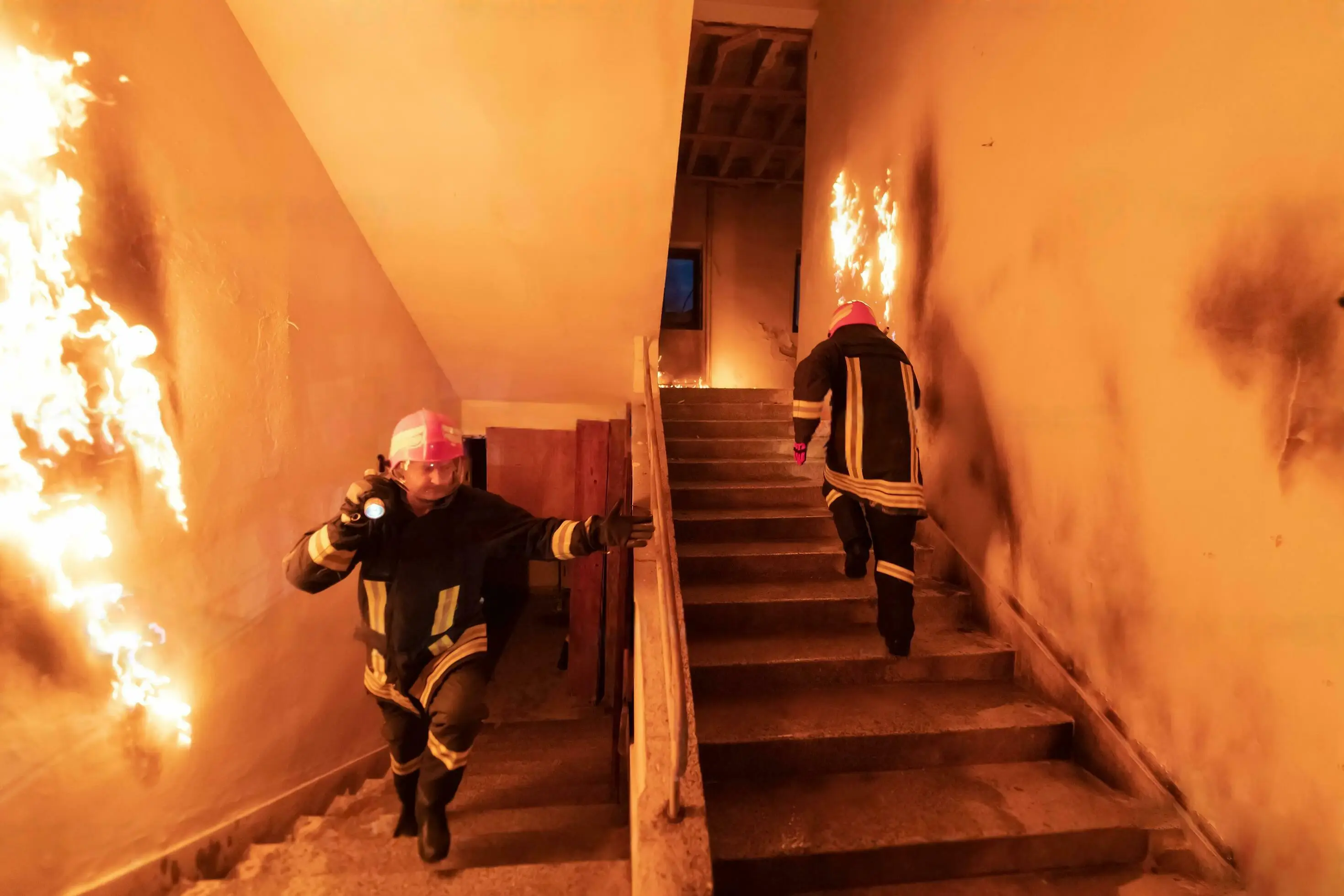
Fire Damage Restoration
Structural damage, soot, debris. We stabilize, clean, and rebuild what fire destroyed.
Learn more
Mold Remediation
Testing, containment, removal, prevention. We find the source, eliminate the growth, and stop it from returning.
Learn more