
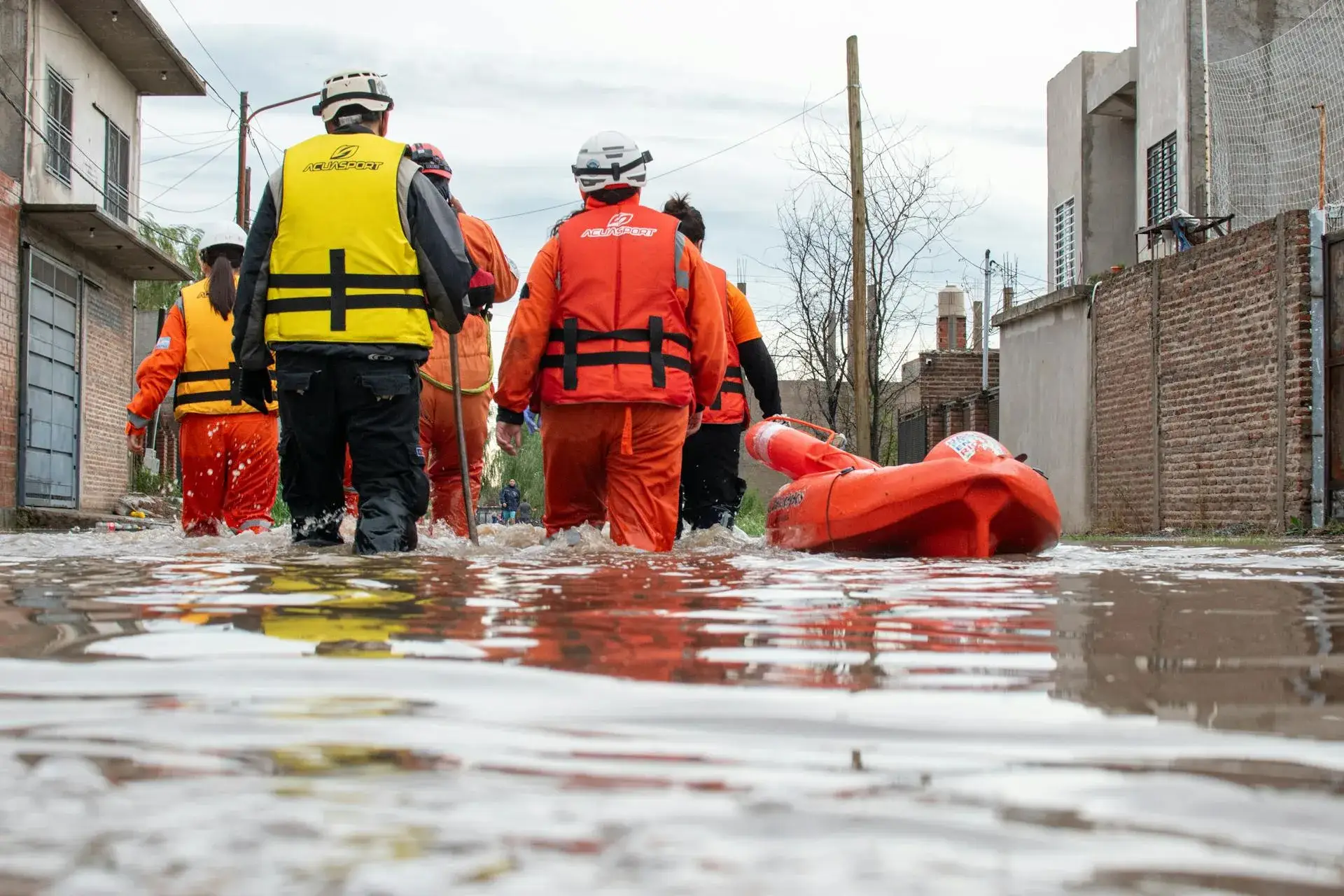
Water Damage Restoration in North Fort Myers, FL
Every hour of standing water deepens structural damage and accelerates mold colonization in North Fort Myers' subtropical heat. Our local team responds to emergencies within 60 minutes.
What Happens When You Call
A real person answers, not a call center. We assess your situation, ask the right questions, and begin coordinating your response immediately.
Your dedicated restoration team is dispatched from our local base serving North Fort Myers and the surrounding Lee County communities.
Team arrives with industrial extractors, commercial dehumidifiers, and moisture detection equipment. Emergency mitigation begins immediately.
Water extracted, drying equipment placed and calibrated, restoration plan documented. You know exactly what comes next.
Water is moving through your home and you need it stopped now. Not after a callback queue, not tomorrow morning. X Response exists for exactly this moment. When you reach out, your restoration team is mobilized within minutes and on site within the hour. From that point forward, one team manages everything: extraction, drying, documentation, and insurance guidance. You are never left guessing about the next step. Call now. Your team is standing by.
Why North Fort Myers Homes Are Vulnerable to Water Damage
North Fort Myers is an unincorporated census-designated place in Lee County, Florida, with a population of 42,719 as of the 2020 census. It sits on the north bank of the Caloosahatchee River directly across from the City of Fort Myers, bordered to the west by Cape Coral and to the north by Charlotte County. The community's water damage risk is defined by its position along the Caloosahatchee, the river that connects Lake Okeechobee to the Gulf of Mexico through the Franklin Lock and Dam system managed by the U.S. Army Corps of Engineers. When tropical systems push storm surge from the Gulf eastward up the Caloosahatchee, the low-lying neighborhoods on its north bank absorb the worst of the flooding. On September 28, 2022, Hurricane Ian made landfall as a Category 4 hurricane near Cayo Costa, just 20 miles from North Fort Myers, and drove 140 mph winds and storm surge up the Caloosahatchee. The destruction in North Fort Myers was catastrophic, particularly in Suncoast Estates, one of the largest mobile home communities in Southwest Florida. Hundreds of families were displaced as the wind crumbled mobile homes along Twin Brooks Road near Bayshore Road. The storm did not just damage roofs and walls. It pushed water into every structure at ground level, saturating floors, belongings, and the building materials that hold these homes together.
North Fort Myers does not require a Category 4 hurricane to flood. The community sits on a low coastal plain where the Caloosahatchee River widens before reaching its estuary. The U.S. Army Corps of Engineers operates the Franklin Lock and Dam approximately 33 miles upstream to manage water flow from Lake Okeechobee. During heavy wet-season rainfall from June through September, the Corps releases water through the lock system to prevent upstream flooding, raising the Caloosahatchee's level downstream and increasing flood risk to waterfront properties in North Fort Myers. Lee County receives approximately 55 inches of annual rainfall concentrated into intense summer thunderstorms that overwhelm local drainage. The community's stormwater infrastructure serves a mix of older subdivisions, mobile home parks, and commercial corridors along US 41, many built decades before current drainage standards existed. When heavy rain coincides with elevated river levels or high tides from the Gulf, the drainage system backs up and low-lying neighborhoods flood from below through storm drains and saturated ground.
Caloosahatchee River and Gulf Storm Surge
The Caloosahatchee River forms North Fort Myers' entire southern boundary, and this waterway is the primary flood threat to the community. Unlike a typical river that rises gradually with rainfall, the Caloosahatchee is tidally influenced from the Gulf of Mexico all the way to the Franklin Lock. Storm surge from tropical systems enters the river mouth at San Carlos Bay and pushes upstream, raising water levels along the entire North Fort Myers waterfront simultaneously. During Hurricane Ian, surge and wind-driven water from the Caloosahatchee inundated properties along North River Road, Bayshore Road, and the waterfront communities between the river and US 41. The river's width at North Fort Myers, roughly half a mile across, means there is a large surface area for wind to act upon, pushing water against the north bank during storms approaching from the south or southwest. Properties closest to the river face both surge flooding from below and wind-driven rain from above during tropical events.
Mobile Home Vulnerability and Ground-Level Construction
North Fort Myers has one of the highest concentrations of mobile and manufactured homes in Lee County. Communities including Suncoast Estates, Palm Beach Mobile Estates, Tropicana, and scattered parks along Bayshore Road and North Cleveland Avenue house thousands of residents in structures particularly vulnerable to water intrusion. Older mobile homes sit on piers or blocks with skirting that provides no barrier to floodwater. Water enters beneath the home and rises through the floor system, saturating subfloor materials, insulation, and interior finishes simultaneously. Even mobile homes on slightly elevated pads suffer because wind-driven rain enters through damaged skirting, window seals, and roof penetrations. Hurricane Ian demonstrated this vulnerability catastrophically, with entire communities reduced to debris. For residents who remained or returned to damaged but standing homes, the water that entered during the storm created conditions for rapid mold growth and structural deterioration in the subtropical heat.
Shallow Water Table and Saturated Soils
North Fort Myers sits on sandy soils over a shallow water table that rises close to the surface during the wet season. A 2017 to 2018 study by Florida Atlantic University's Harbor Branch Oceanographic Institute measured water table depths across the community and found that over 80 percent of measurements were too shallow to support proper septic system functioning, defined as less than 1.07 meters below grade. This shallow water table means the soil has limited capacity to absorb additional water during rainfall events. When the ground is already saturated and heavy rain falls, water has nowhere to go but across the surface and into structures at ground level. Properties that never experience river flooding can still suffer water intrusion from groundwater rising through the slab or floor system during extended wet periods. The shallow water table also means that once water enters a structure, the surrounding soil cannot draw moisture away, extending drying times significantly.
Aging Drainage Infrastructure
As an unincorporated area of Lee County, North Fort Myers relies on county-maintained drainage systems that serve a patchwork of subdivisions, mobile home parks, and commercial corridors developed over multiple decades. Many of the community's drainage ditches, culverts, and retention areas were sized for a smaller population and less impervious surface than exists today. US 41, the primary commercial corridor, runs north-south through the community and acts as a dividing line between neighborhoods that drain east toward interior canals and those that drain west toward the river. Decades of incremental development have blocked historical drainage paths, undersized culverts have restricted flow, and maintenance deferred during budget constraints has allowed vegetation to reduce channel capacity. During heavy rainfall events, the system reaches capacity quickly, and water backs up into neighborhoods, parking lots, and commercial properties before it can reach the river or retention areas.
Post-Hurricane Ian Conditions
Hurricane Ian fundamentally altered flood dynamics in North Fort Myers. The storm damaged drainage infrastructure, displaced fill material, eroded ditchbanks, and deposited debris in channels and retention areas across the community. Lee County's ongoing repair work has not yet restored all damaged systems to pre-storm capacity. Additionally, Ian destroyed or damaged thousands of structures in the community, and the reconstruction process has changed ground conditions around many properties. Cleared lots that once held mobile homes now have different drainage characteristics than the original development. Properties that survived the storm may sit adjacent to cleared lots where altered grading directs runoff toward them. The cumulative effect is that historical flood experience no longer reliably predicts future risk in many parts of North Fort Myers. A property that stayed dry through every previous wet season may now flood because the infrastructure, grading, and surrounding development that protected it were changed by Ian and have not been fully restored.
These factors combine to create water damage risk that is both varied and persistent in North Fort Myers. The Caloosahatchee River delivers storm surge from tropical systems. The shallow water table pushes groundwater up through foundations during extended rainfall. Aging drainage infrastructure fails to convey heavy wet-season downpours. Mobile home construction offers minimal resistance to water intrusion from any direction. And post-Ian changes have reshuffled risk across the community in ways that historical patterns do not predict. Effective water damage restoration here requires understanding the specific intrusion source, whether tidal surge from the river, surface flooding from overwhelmed drainage, groundwater rising from below, or an interior plumbing failure, because each demands a different extraction, drying, and materials approach.
What Happens to Your Home While You Wait
Within 1 Hour
Water spreads across flooring and wicks into drywall, baseboards, and cabinetry at ground level. In North Fort Myers' mobile homes, water penetrates beneath the floor system and saturates subfloor materials and insulation from below. In slab-on-grade site-built homes, it pushes beneath vanities, islands, and built-in furniture where it becomes trapped. Lee County's year-round warmth above 80 degrees accelerates bacterial growth in standing water immediately.
1–24 Hours
Drywall wicks moisture upward and softens. Wood trim swells and delaminates. In mobile homes, particleboard subfloor materials absorb water rapidly and begin losing structural integrity. North Fort Myers' average humidity above 70 percent prevents natural evaporation, so materials remain saturated far longer than in drier climates. Musty odors develop as bacteria multiply in the warm, wet environment. Laminate and vinyl plank flooring traps moisture beneath its surface.
24–48 Hours
Mold colonization begins on drywall paper facing, beneath mobile home flooring, behind cabinets, and inside wall cavities. Southwest Florida's heat and humidity provide ideal conditions for mold to establish within 24 hours rather than the 48 to 72 hours typical of temperate climates. Drywall loses structural integrity. Particleboard cabinet boxes and mobile home subfloor panels absorb water and lose their bonding. The restoration scope begins expanding significantly.
48–72 Hours
Mold spreads into HVAC ductwork and distributes spores through the air conditioning system. In North Fort Myers, where homes run AC year-round, contamination moves quickly beyond the original wet area. In mobile homes, mold colonizes the insulation between floor joists and the belly board beneath, creating problems invisible from inside. Restoration costs increase sharply as more materials require demolition rather than drying.
One Week and Beyond
Extensive mold growth through wall cavities, beneath flooring systems, and throughout HVAC systems. The shallow water table keeps soil moisture elevated around foundations, preventing complete drying without mechanical intervention. Structural connections deteriorate. What started as a water extraction job becomes full mold remediation, demolition, and rebuild. Insurance claims grow more complex and disputed as the scope of damage compounds.
In North Fort Myers' heat and humidity, the window between drying your home in place and gutting it to the studs is measured in hours, not days. Contact X Response now. Our North Fort Myers team responds within 60 minutes.
How We Restore Water-Damaged North Fort Myers Homes
From the moment our team arrives, every step is documented, measured, and verified. Here is exactly what the restoration process involves.
Emergency Assessment and Documentation
Our team arrives with thermal imaging cameras and professional moisture meters to map the full extent of water intrusion. In North Fort Myers homes, that means scanning walls, flooring, and foundations to identify moisture migration paths invisible to the eye. For mobile homes, we inspect beneath the structure to assess subfloor saturation and insulation damage. For site-built homes, we check behind cabinetry, inside wall cavities, and beneath flooring materials. For properties near the Caloosahatchee River, we assess whether the intrusion source involves brackish or saltwater, which changes the drying protocol and materials requirements. Everything is documented with photos, moisture readings, and a written scope of work that guides the restoration and provides your insurance company the evidence it needs.
Water Extraction
Standing water is removed using truck-mounted and portable extraction units capable of pulling hundreds of gallons per hour. For North Fort Myers homes flooded by Caloosahatchee storm surge, extraction involves brackish water-contaminated materials requiring different handling than freshwater damage. We extract from carpet and pad separately, pull water from beneath cabinetry using specialized tools, and use weighted extraction to remove moisture from concrete slabs and subfloor assemblies. In mobile homes, we access the floor system from below where possible to extract water trapped against the belly board. If the intrusion source remains active, such as tidal flooding from the river or backed-up drainage, we deploy pumping to manage inflow while extraction continues. Every gallon removed mechanically is a gallon that does not need to be evaporated, which is critical in a climate where ambient humidity already exceeds 70 percent.
Structural Drying and Dehumidification
This is the longest and most critical phase. We position commercial dehumidifiers and high-velocity air movers in a calculated pattern that drives airflow across every wet surface. North Fort Myers' year-round humidity makes mechanical dehumidification essential. Opening windows only pulls more moisture in from the subtropical air. We dry wall cavities from the inside using injection ports, pull moisture from concrete slabs using specialized mat systems, and maintain negative air pressure to prevent cross-contamination. In mobile homes, we address the floor system from both above and below, removing saturated insulation and directing airflow through the joist cavities. The warm ambient temperature assists drying when dehumidifiers can capture the moisture-laden air, but it requires precise calibration. We return daily to take readings and reposition equipment until meters confirm the structure has reached its dry standard.
Antimicrobial Treatment and Mold Prevention
Once surfaces reach target moisture levels, we apply EPA-registered antimicrobial treatments to all affected areas. In Lee County's climate, mold colonization can begin within 24 hours of water contact during summer months. For storm events involving brackish Caloosahatchee water, we treat for both biological contamination and salt residue that attracts atmospheric moisture and can restart the wetting cycle. HEPA air scrubbers run throughout the project to capture airborne spores and maintain indoor air quality. Any materials that cannot be dried to standard within the mold prevention window are removed and documented for insurance purposes. In mobile homes, this often includes subfloor insulation, belly board material, and sections of particleboard subfloor that cannot be adequately dried in place.
Quality Verification and Completion
Before we consider the job complete, a final inspection verifies that all moisture readings have returned to acceptable levels, every treated area is clean and dry, and the full scope of work has been executed. We pay particular attention to mobile home floor systems and slab foundations, which can continue releasing moisture for weeks after visible surfaces appear dry in Southwest Florida's climate. Completion documentation includes before-and-after photos, final moisture readings, and a summary of all work performed. That record supports your insurance claim and gives you a clear account of what was done. If any area does not pass our quality check, we keep working until it does.
The X Response Difference
When you contact X Response, you get a dedicated restoration team that manages everything from emergency mitigation through insurance documentation to final quality verification. One team, one point of contact, one standard of work from start to finish.
Insurance Claim Guidance for North Fort Myers Homeowners
Water damage insurance claims in Florida depend on the source of the water and the type of policy you hold. Standard homeowner's policies typically cover sudden and accidental interior water damage such as burst pipes, failed water heaters, appliance malfunctions, and storm-driven roof leaks. Flood damage from rising surface water, including Caloosahatchee River overflow, storm surge, and stormwater system backup, is not covered under a standard homeowner's policy. It requires separate flood insurance through the National Flood Insurance Program or a private carrier. After Hurricane Ian, many North Fort Myers residents outside mapped FEMA high-risk flood zones discovered they had no flood coverage even though surge from the Caloosahatchee reached their properties. Mobile home policies have their own coverage structures and limitations. Understanding which policy covers your specific damage source is the first step toward a successful claim.
How X Response Helps
- Document all damage with professional photos, moisture readings, and a detailed scope of work from day one
- Identify the water source clearly, which determines whether your homeowner's policy, flood policy, or mobile home policy applies
- Prepare documentation that meets Florida Department of Financial Services requirements so your claim is complete
- Align our restoration scope with standard insurance coverage categories so your adjuster can process the claim efficiently
- Explain your policy's likely coverage before you file, so you understand your options and potential out-of-pocket exposure
X Response does not file claims on your behalf, adjust claims, or make coverage determinations. We provide documentation and guidance to help you make informed decisions about your property and your policy. Coverage decisions are made solely by your insurance carrier.
Certified Restoration Specialists Serving North Fort Myers
When you contact X Response for a water damage emergency in North Fort Myers, your restoration team is drawn from certified professionals who work across Lee County and understand the specific challenges of restoring homes here. They know how the Caloosahatchee River behaves when storm surge pushes inland from the Gulf, how the shallow water table saturates foundations during the wet season, and how North Fort Myers' mix of mobile homes and site-built structures each require different restoration approaches. They have worked through brackish storm surge intrusion along the riverfront communities, freshwater flooding from overwhelmed drainage systems, and the interior plumbing failures that affect both newer subdivisions and the older mobile home parks along Bayshore Road and North Cleveland Avenue. This is not a crew dispatched from hours away. It is a local team with local expertise operating under national quality standards.
Every technician on your team holds current IICRC certification in water damage restoration and carries the appropriate Florida state licensing for the work performed. Equipment is commercial-grade and maintained to manufacturer specifications. When your team arrives, they bring everything needed to begin mitigation immediately: extraction systems designed for both slab-on-grade and mobile home floor assemblies, commercial dehumidifiers sized for Southwest Florida's extreme humidity, thermal imaging cameras to map hidden moisture paths, and the specialized tools required to dry the varied construction types found throughout North Fort Myers.
In North Fort Myers, X Response works with Florida Restoration and Platinum Air Mold Inspection, independent local restoration partners serving Lee County.
Water Damage Restoration FAQ for North Fort Myers Homeowners
Other Emergency Services in North Fort Myers

Fire Damage Restoration
Structural damage, soot, debris. We stabilize, clean, and rebuild what fire destroyed.
Learn more
Smoke Damage Restoration
Soot residue, chemical odors, HVAC contamination. We decontaminate surfaces, eliminate odors, and restore air quality.
Learn more
Mold Remediation
Testing, containment, removal, prevention. We find the source, eliminate the growth, and stop it from returning.
Learn more
Sewage Cleanup
Sewer backups, contaminated water, biohazard. We extract, sanitize, and restore safely.
Learn moreNearby Service Areas
Also serving nearby: