
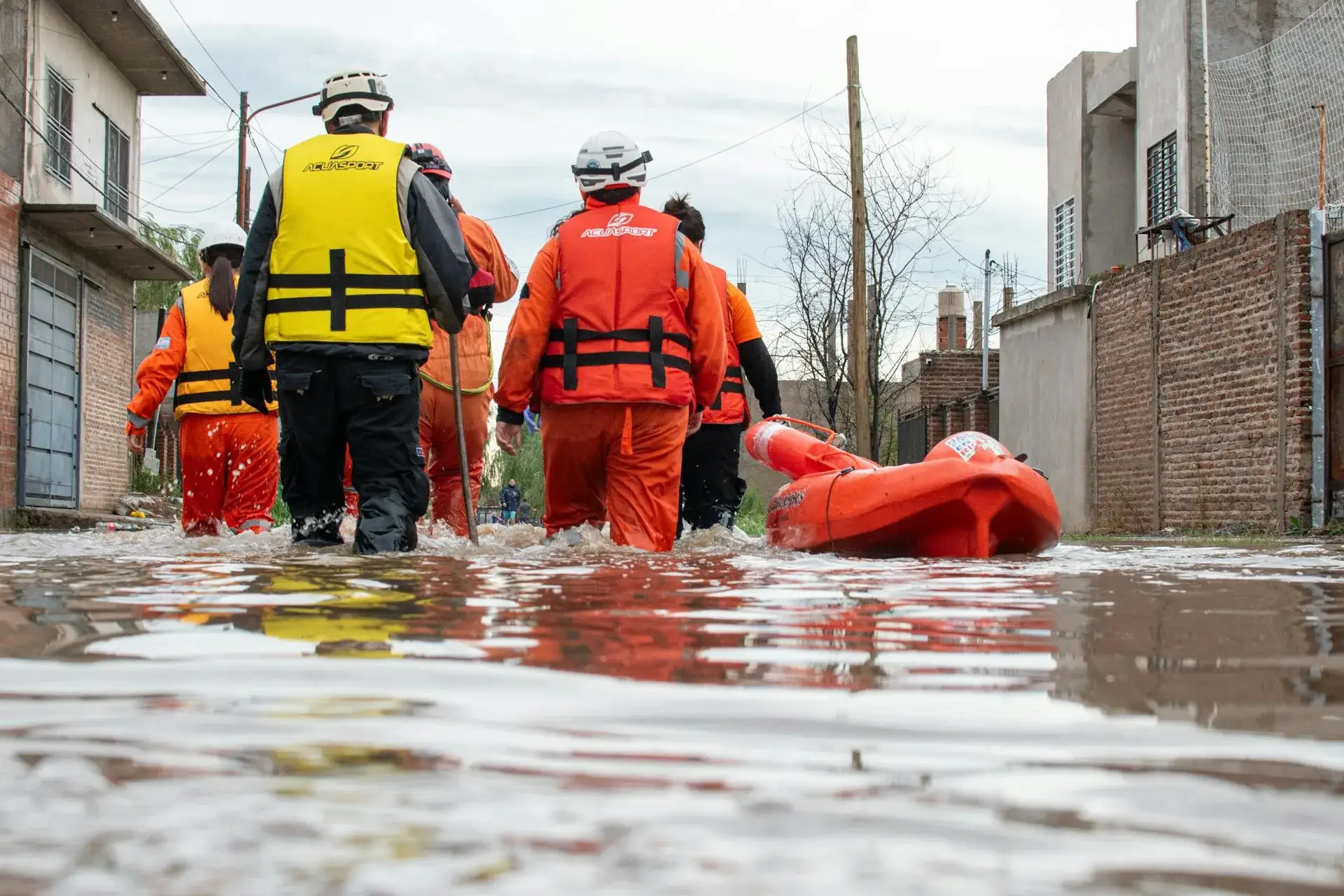
Water Damage Restoration in Tampa, FL
Water in a Tampa home soaks into drywall, wood floors, and cabinets within minutes, and in Florida heat mold can follow within a day or two. Our local team responds to Tampa emergencies within 60 minutes.
What Happens When You Call
A real person answers your call. We find out where the water is coming from, check for safety risks like live outlets or a sagging ceiling, and start coordinating your response.
Your restoration team is dispatched from its local base serving Tampa and the rest of Hillsborough County.
The team arrives with extractors, pumps, commercial dehumidifiers, and moisture meters, ready for anything from a burst supply line to bay or river floodwater.
Water is extracted, drying equipment is placed and set, and the restoration plan is written down so you know exactly what happens next.
Water is coming into your Tampa home and you need it stopped now, not after a callback from a dispatcher in another state. X Response exists for exactly this moment. When you reach out, a restoration team based in the Tampa area is on the move within minutes and on site within the hour. From then on, one team handles everything: extraction, drying, documentation, and insurance guidance. Call now. Your team is standing by.
Why Tampa Homes Are Vulnerable to Water Damage
Tampa sits at the top of Tampa Bay, where the Hillsborough River empties into Hillsborough Bay, and much of its waterfront, from Davis Islands and Bayshore Boulevard to Port Tampa and Palmetto Beach, sits only a few feet above the water. The Gulf shelf off this coast is shallow and gently sloping, which lets a hurricane pile water up quickly, and the bay funnels it toward the city. The last major hurricane to strike Tampa Bay directly came ashore near Tarpon Springs in October 1921 and pushed storm surge of up to 11 feet, with the highest water in downtown Tampa. A century later, Hurricane Helene passed far offshore on September 26, 2024 and still set record water levels at tide gauges around Tampa Bay, with preliminary peaks near 7.2 feet at the East Bay gauge and 6.8 feet at Old Port Tampa.
Two weeks after Helene, Hurricane Milton made landfall at Siesta Key on October 9, 2024. Its winds pulled water out of Tampa Bay instead of pushing it in, a reverse surge, but it dropped close to 19 inches of rain on Westchase in Hillsborough County and about 19 inches in St. Petersburg, where the previous 24-hour record was 6.9 inches. In the days that followed, the Alafia River at Lithia rose past 23 feet, its highest recorded flooding there since 1933, and deputies in boats went door to door to rescue stranded residents. That is the other half of Tampa's water risk: rain and river flooding that has nothing to do with the coast. After Hurricane Donna flooded Tampa in 1960, the region built a flood control system that includes the Tampa Bypass Canal, which runs about 15.7 miles alongside the Hillsborough River and empties into McKay Bay. The Southwest Florida Water Management District still activates it to protect Tampa and Temple Terrace, as it did for Milton and Tropical Storm Debby, but neighborhood streets and yards can flood long before the river does.
Storm Surge in a Shallow Bay
Because the bay is shallow and narrows toward the city, a storm does not need to hit Tampa to flood it. Helene stayed far out in the Gulf and still sent record water into Hillsborough Bay, Old Tampa Bay, and the low streets of South Tampa, Davis Islands, and Port Tampa. Surge water is never clean. It carries salt, sand, fuel, and sewage, so anything it soaked has to be treated as contaminated, and salt left in drywall, wood, and concrete keeps pulling moisture back in from the air long after the water is gone.
Record Rain and River Flooding
Milton showed that the biggest flood threat can come from the sky rather than the bay. Close to 19 inches of rain in Westchase, a swollen Alafia River in Lithia and Valrico, and rising water on the Hillsborough River flooded homes miles from the coast that had never flooded before. River and rain floodwater is just as dirty as surge water, and it often stays high for days while rivers slowly drain, which means walls, floors, and cabinets sit wet far longer than in a quick plumbing leak.
The Summer Wet Season
Tampa International Airport averages about 49.5 inches of rain a year under the 1991–2020 normals. June, July, and August alone average more than 24 inches combined, and August is the wettest month at about 9 inches, while November averages only about 1.4. Much of that summer rain falls in heavy afternoon thunderstorms. When a downpour lands at high tide, storm drains that empty into the bay cannot discharge, and water backs up into streets, garages, and ground-floor rooms.
Older Bungalows and Newer Slabs
Tampa's housing ranges from early 1900s neighborhoods to brand-new subdivisions. Seminole Heights, first platted in 1911, has more bungalows than any other Tampa neighborhood, and its historic district holds homes built from about 1912 to 1939. Older frame homes like these often have original wood floors, aging plumbing, and in some cases a crawl space under the floor, where water can collect out of sight. Newer homes in areas such as New Tampa are usually built slab-on-grade, so water spreads across the whole ground floor at once and soaks into the bottom of every wall. Each type needs a different drying plan.
Low-Lying Waterfront Streets
Much of South Tampa, Davis Islands, Harbour Island, and the streets around Port Tampa and Palmetto Beach sit only a few feet above the bay. In these areas a strong onshore wind, a high tide, or a heavy storm can put water in the street without any hurricane at all, and garages, ground-floor rooms, and HVAC equipment set at ground level are the first to get wet. Homes near the water also tend to have outdoor plumbing and pool equipment that can leak unnoticed into slabs and walls.
These risks stack up. The shallow bay can flood the waterfront even when a storm passes offshore, record rain can fill rivers and streets miles inland, the summer wet season adds water almost every afternoon, and Tampa's mix of old bungalows and new slab homes means no two drying jobs look the same. Good water damage restoration in Tampa starts with knowing whether the water came from the bay, a river, a backed-up drain, or a broken pipe, because each one calls for a different cleanup, a different drying plan, and often a different insurance policy.
What Happens to Your Home While You Wait
Within 1 Hour
Water runs under baseboards, into carpet pad, and beneath kitchen cabinets. In a slab home it covers the whole floor at once; in an older bungalow it can drip through gaps in the wood floor into the crawl space below. If the water came from the bay, a river, or a flooded street, treat it as contaminated from the start.
1–24 Hours
Drywall draws water upward and softens. Original heart pine and oak floorboards begin to swell and cup at the edges. With doors open for cleanup, hot, wet outside air flows in, so materials barely dry on their own. Musty smells start as bacteria grow in damp carpet and padding.
24–48 Hours
The EPA recommends drying wet materials within 24 to 48 hours to prevent mold growth, and Tampa summers sit at the short end of that range. Mold begins on drywall paper, behind baseboards, and on the underside of wood floors. Particleboard vanities and cabinet boxes swell and come apart at the joints.
48–72 Hours
Mold reaches the air handler and ducts, and the air conditioning that runs most of the year spreads spores through the house. Floors that could have been dried now need to be replaced, and more drywall, insulation, and trim has to come out.
One Week and Beyond
Mold spreads through wall cavities and under flooring, wood framing in crawl spaces starts to decay, and the job turns into removal and rebuild. The repair bill climbs, and the insurance claim gets harder to settle because the carrier may argue part of the damage could have been prevented.
In a Tampa summer, the difference between drying a home in place and tearing it out can be a single day. Contact X Response now. Our Tampa team responds within 60 minutes.
How We Restore Water-Damaged Tampa Homes
From the moment our team arrives at your Tampa home, every step is measured, recorded, and checked. Here is exactly what the restoration process involves.
Emergency Assessment and Documentation
Your team maps the water with thermal cameras and moisture meters, room by room. In a slab home that means the bottom of every wall and the floor around cabinets. In an older bungalow it also means looking under the floor, where water can pool in the crawl space and soak the joists. The team notes where the water came from, the bay, a river, a storm drain, or a pipe, because that decides how it is cleaned up and which insurance policy applies. Everything is recorded with photos, readings, and a written scope of work.
Water Extraction
Standing water is pumped and extracted with truck-mounted and portable units. Floodwater from the bay, a river, or the street is treated as contaminated, so carpet and pad that sat in it are removed rather than cleaned, and hard surfaces are washed and disinfected. Clean water from a broken supply line can often be extracted from carpet in place. Under raised floors, water is pumped out of the crawl space before drying starts, so the joists and subfloor are not sitting in it.
Structural Drying and Dehumidification
Drying is the longest phase. Commercial dehumidifiers and air movers are set up so air moves across every wet surface, and the house is kept closed so the dehumidifiers are not fighting Tampa's outside air. Wood floors are dried with floor mat systems that pull water up through the boards, which can save original flooring that would otherwise be torn out. Wall cavities are dried through small holes near the base, and crawl spaces get their own dehumidifier. Readings are taken every day until every area reaches its dry standard.
Antimicrobial Treatment and Mold Prevention
Once materials are dry, affected areas are treated with EPA-registered antimicrobials. After surge or river flooding, surfaces are also cleaned of salt and silt, which can hold moisture and feed mold. HEPA air scrubbers run while the drying finishes, and anything that could not be saved, such as swollen cabinets or soaked insulation, is removed, photographed, and listed for your adjuster.
Quality Verification and Completion
Before the job is closed, the team confirms that moisture readings are back to normal in walls, floors, and the crawl space, and that the full scope is complete. You receive before-and-after photos, final readings, and an itemized list of the work. That record supports your claim and tells any contractor who rebuilds exactly what condition the structure was left in. If any area fails the check, the team keeps working until it passes.
The X Response Difference
When you contact X Response, you get a dedicated Tampa restoration team that manages everything, from emergency mitigation through insurance documentation to final quality verification. One team, one point of contact, one standard of work from start to finish.
Insurance Claim Guidance for Tampa Homeowners
After Helene and Milton, many Tampa homeowners learned that the cause of the water decides who pays. Wind-driven rain that gets in through a roof or window damaged by a storm is usually a homeowner's policy claim, subject to its separate hurricane deductible. A burst pipe or a failed water heater is usually covered too. Rising water is different: surge from the bay, an overflowing river, or rain that floods the yard and comes in under the door all count as flood, and only a separate NFIP or private flood policy pays for that, whether you live on Bayshore or miles inland in Westchase or Riverview. Florida also expects you to move quickly. A new claim must be reported within one year of the date of loss, and a supplemental claim within 18 months. If your home is insured through Citizens, check your renewal paperwork, because Citizens is phasing in a requirement to carry flood insurance as well.
How X Response Helps
- Document all damage with photos, moisture readings, and a written scope of work from the first visit
- Record whether the water came from wind-driven rain, plumbing, or rising floodwater, since that decides which policy applies
- Separate damage that belongs on a flood claim from damage that belongs on a homeowner's claim when a storm caused both
- Give you dated records early, so you can report the loss well within Florida's claim deadlines
- Explain your policy's likely coverage before you file, so you understand your options and your deductible
X Response does not file claims on your behalf, adjust claims, or make coverage determinations. We provide documentation and guidance to help you make informed decisions about your property and your policy. Coverage decisions are made solely by your insurance carrier.
Certified Restoration Specialists Serving Tampa
When you contact X Response for a water damage emergency in Tampa, your restoration team is drawn from certified professionals who work across Hillsborough County. They have dried out homes after bay surge in South Tampa and Davis Islands, after river flooding near Riverview, and after summer storms that backed water into slab homes in New Tampa. They know how differently a 1920s bungalow in Seminole Heights and a newer slab home need to be dried, and how to tell a plumbing leak from storm water when both happen in the same week.
Every technician holds current IICRC certification and carries the appropriate Florida state licensing for the work being performed. When your team arrives, they bring everything needed to start mitigation immediately, including extraction units, pumps for crawl spaces, wood floor drying systems, commercial dehumidifiers, and thermal cameras to find hidden moisture.
In Tampa, X Response works with Dry Out Daddy Restoration, an independent local restoration partner serving Hillsborough County.
Water Damage Restoration FAQ for Tampa Homeowners
Other Emergency Services in Tampa
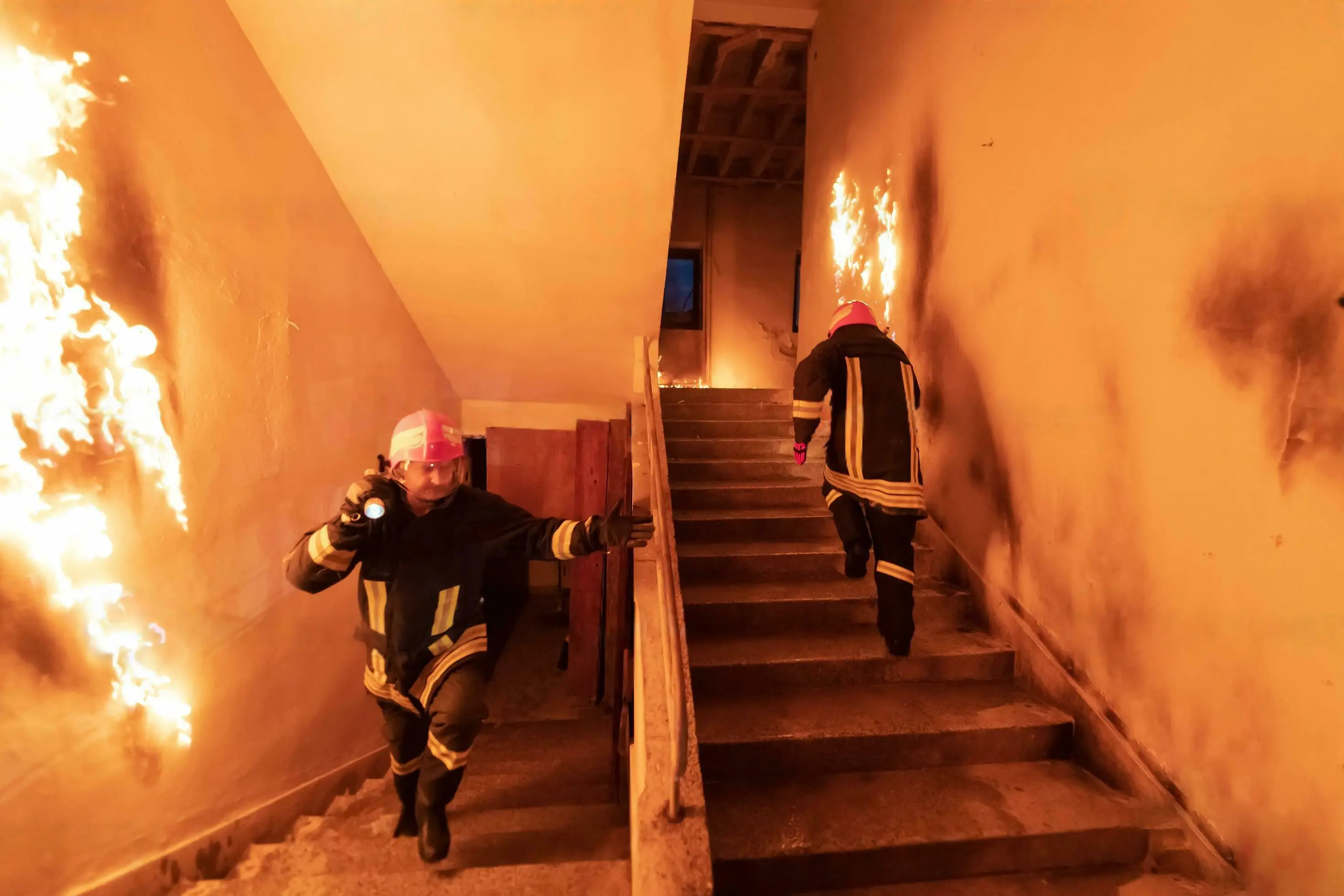
Fire Damage Restoration
Structural damage, soot, debris. We stabilize, clean, and rebuild what fire destroyed.
Learn more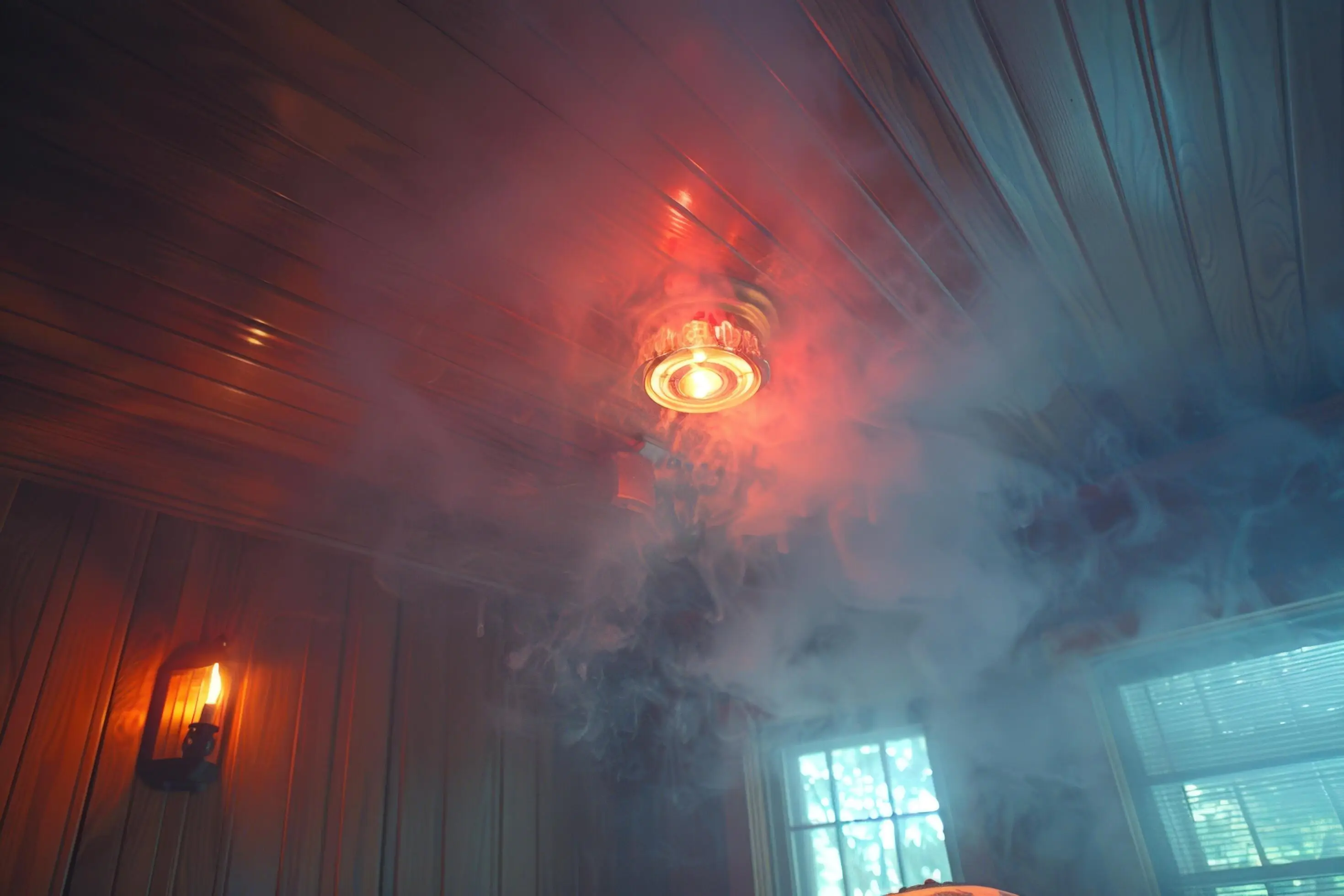
Smoke Damage Restoration
Soot residue, chemical odors, HVAC contamination. We decontaminate surfaces, eliminate odors, and restore air quality.
Learn more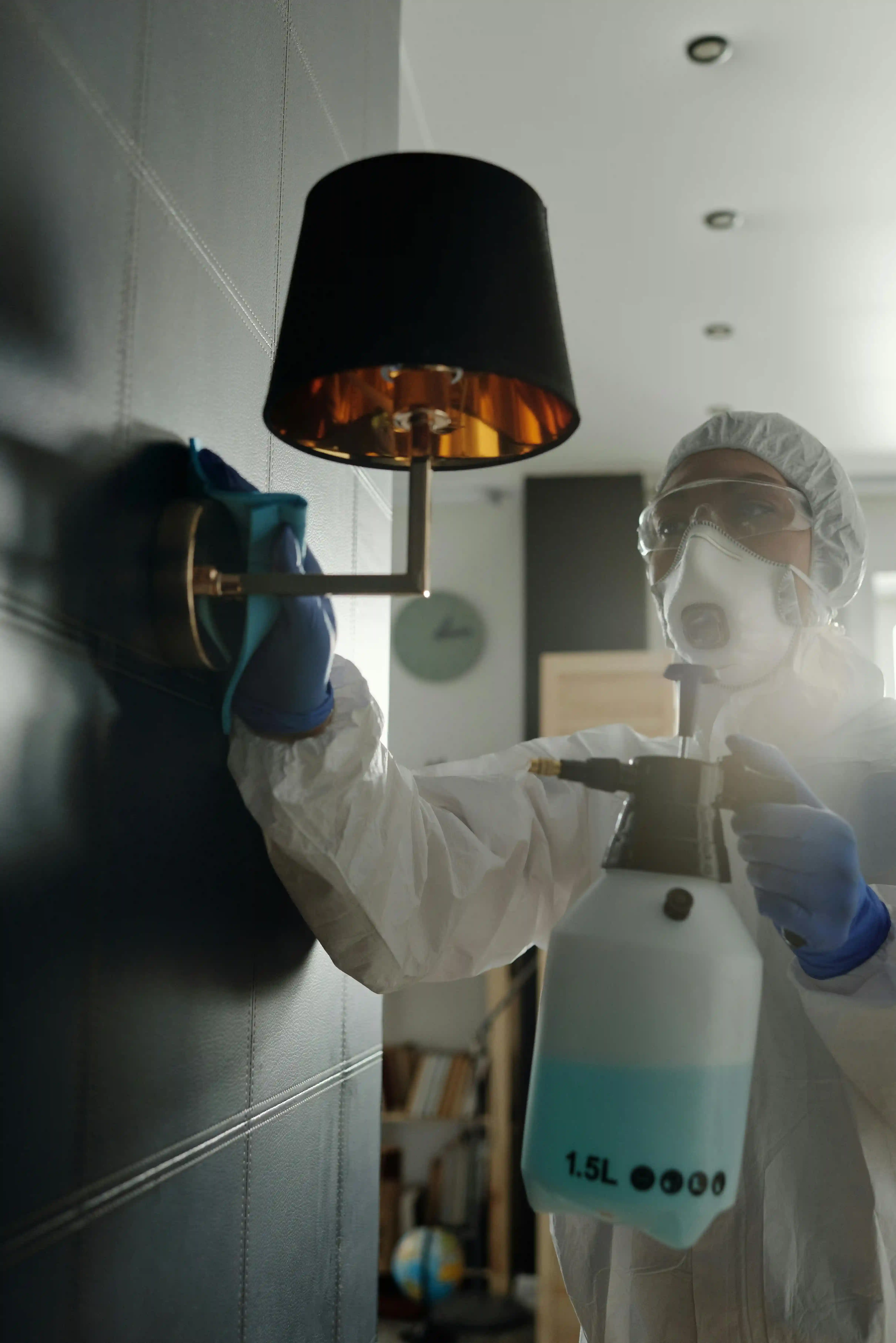
Mold Remediation
Testing, containment, removal, prevention. We find the source, eliminate the growth, and stop it from returning.
Learn more
Sewage Cleanup
Sewer backups, contaminated water, biohazard. We extract, sanitize, and restore safely.
Learn more