
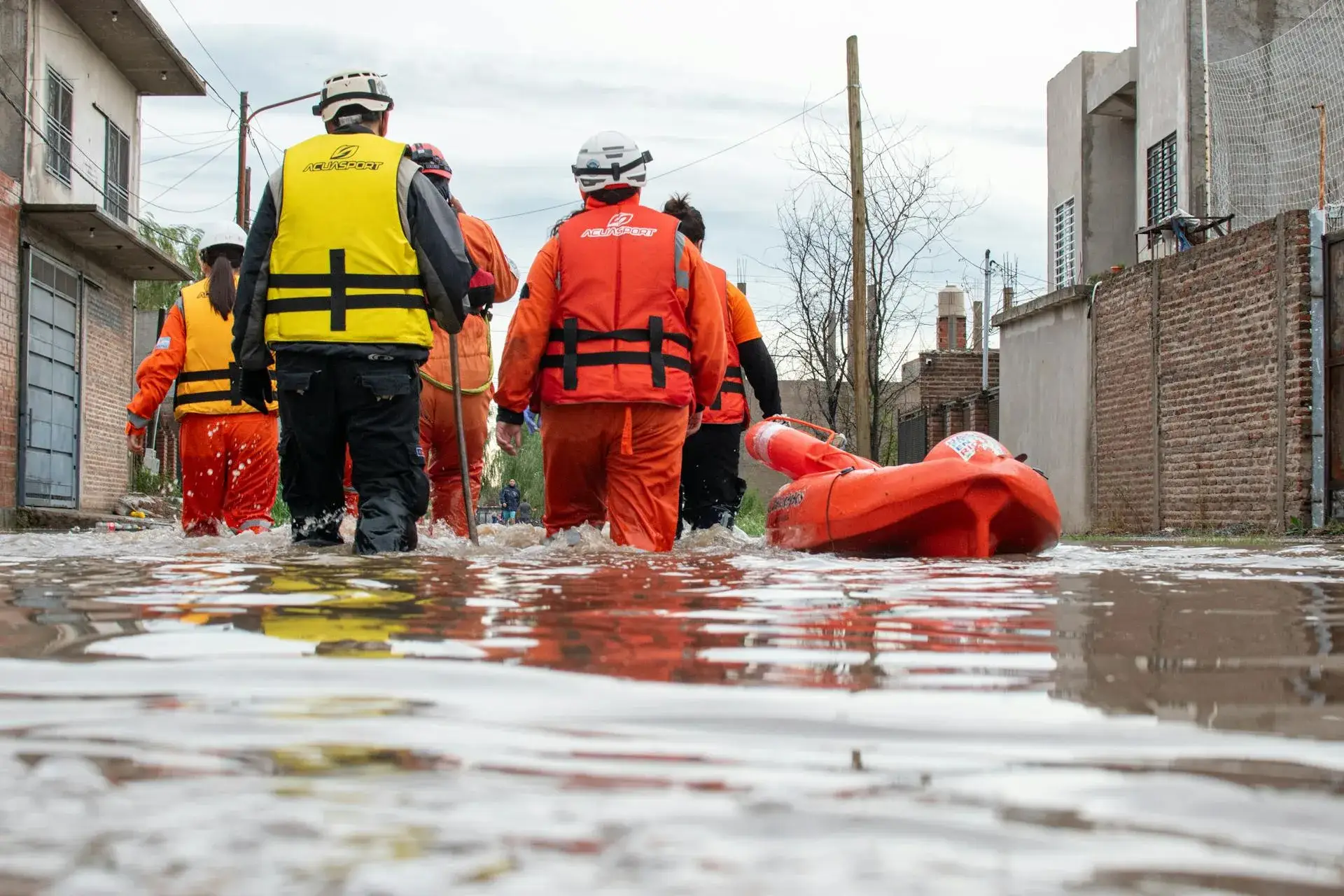
Water Damage Restoration in Riverview, FL
Every hour of standing water increases structural damage and mold risk in Hillsborough County's sweltering humidity. Our local Riverview team responds within 60 minutes to extract water and protect your home.
What Happens When You Call
A real person answers your call. We assess your specific location in Riverview, identify immediate safety risks like submerged electrical outlets, and begin coordinating your response.
Your dedicated restoration team is dispatched directly from our local base serving Hillsborough County, navigating local traffic to reach you within the hour.
The team arrives with industrial extractors designed for both severe rainwater intrusion and massive freshwater plumbing floods, beginning mitigation immediately.
Water is extracted, Florida-rated dehumidification equipment is calibrated, and a restoration plan is documented for your specific insurance carrier.
Water is moving through your Riverview home and you need it stopped now. Not after a callback queue in another state, not tomorrow morning when the Florida heat has already begun baking the moisture into your drywall. X Response exists for exactly this moment. When you reach out, your restoration team is mobilized down US-301 or I-75 within minutes. From that point forward, one local team manages everything: extraction, drying, Hillsborough County permitting, and insurance guidance. Call now. Your team is standing by.
Why Riverview Homes Are Vulnerable to Water Damage
Riverview is deeply defined by its relationship with water. The community is bisected by the Alafia River, making homes in the surrounding low-lying areas highly vulnerable to both storm surge pushed up from Tampa Bay during hurricanes and intense freshwater flooding during the summer wet season. On August 3, 2026, a flood watch was issued for parts of west-central Florida, including the Alafia River near Riverview, which warned of potential major flooding following intense summer thunderstorms. When the river breaches its banks, the resulting Category 3 floodwaters inundate the ground floors of waterfront properties, requiring immediate, aggressive extraction and sanitization.
Beyond severe weather and river flooding, Riverview has experienced explosive residential growth over the past two decades. We routinely respond to catastrophic plumbing failures in these newer suburban developments, such as ruptured water heater supply lines in the attic or failed washing machine hoses. Because the vast majority of these homes utilize slab-on-grade foundations, the water pools rapidly across the main living areas, soaking into baseboards, drywall, and laminate flooring. Combined with Hillsborough County's oppressive summer humidity, any trapped moisture must be mechanically extracted immediately to prevent rapid biological growth.
Alafia River Flooding Vulnerability
Homes near the Alafia River face a constant threat during hurricane season. The river can rise rapidly due to massive inland rainfall or storm surge backing up from Tampa Bay, pushing contaminated floodwaters directly into ground-level living spaces.
Intense Urban Flash Flooding
During the summer wet season, stationary fronts and afternoon sea-breeze collisions dump massive amounts of rain over Riverview. Overwhelmed retention ponds in newer subdivisions struggle to keep pace, frequently pushing water into streets and adjacent properties.
Slab-on-Grade Vulnerabilities
The vast majority of single-family homes in Riverview utilize slab-on-grade foundations. While this protects against crawl space rot, it means any internal plumbing leak immediately spreads across the entire footprint of the home.
Florida's Humid Subtropical Climate
Riverview experiences average summer humidity well above 70%. When water enters a home here, natural evaporation is virtually impossible. Without rapid, professional-grade mechanical dehumidification, the ambient moisture accelerates mold colonization in as little as 24 to 48 hours.
Aging Plumbing in Rapid Developments
Many of the subdivisions built during Riverview's rapid expansion in the early 2000s are now experiencing the end of the lifecycle for original plumbing fixtures. Burst supply lines are a leading cause of massive interior water damage.
These factors compound each other. The river threatens from the outside, aging plumbing systems fail from the inside, and the oppressive humidity ensures any trapped moisture rapidly evolves into a structural hazard. Effective water damage restoration in Riverview means deploying aggressive mechanical drying tailored to Hillsborough County's specific environment.
What Happens to Your Home While You Wait
Within 1 Hour
Water spreads across flooring and begins wicking into drywall and baseboards. In a Riverview home with central AC running, the airflow can inadvertently push evaporated moisture into untouched rooms, spreading the risk.
1-24 Hours
Drywall wicks moisture upward. Laminate flooring begins to cup, warp, and separate. Hillsborough County's high humidity severely limits natural drying, causing musty odors to develop overnight.
24-48 Hours
Mold colonization begins in hidden wall cavities and throughout HVAC ductwork. Florida's sweltering heat and indoor humidity accelerate biological growth rapidly. Drywall loses structural integrity and sags.
48-72 Hours
Contamination spreads rapidly. Spores distribute via the forced-air system. Restoration in Riverview at this stage often pivots from drying-in-place to costly demolition and material removal.
One Week and Beyond
Extensive mold growth and structural wood damage compromise the home. What started as a simple extraction job becomes full mold remediation requiring Hillsborough County permitting, demolition, and a complex rebuild.
In Florida, the difference between drying your home in place and gutting it to the studs is just a few hours. Contact X Response now. Our Riverview team responds within 60 minutes.
How We Restore Water-Damaged Riverview Homes
From the moment our team arrives in your Riverview neighborhood, every step is documented, measured, and verified. Here is exactly what the restoration process involves.
Emergency Assessment and Documentation
Our team arrives with thermal imaging cameras to map the full extent of water intrusion. Whether it is river flooding or an inland plumbing failure, everything is documented with moisture readings to provide irrefutable evidence for Florida insurance carriers.
Water Extraction
Standing water is removed using truck-mounted extraction units. We utilize specialized weighted extraction wands to pull water out of saturated carpets and pads, minimizing the amount of demolition required.
Florida-Specific Dehumidification
This is the most critical phase. We position commercial dehumidifiers engineered specifically to combat Hillsborough County's high heat index and humidity. Equipment stays running until our meters confirm the structure has reached its dry standard.
Antimicrobial Treatment
Once surfaces are dry, we apply EPA-registered antimicrobial treatments. In Riverview's climate, mold prevention is a necessity, not an option. HEPA air scrubbers run continuously to capture airborne spores.
Quality Verification and Completion
We conduct a final inspection to verify that all moisture readings have returned to acceptable levels. We hand you completion documentation including before-and-after photos, formatted exactly how Florida adjusters prefer to see them.
The X Response Difference
When you contact X Response, you get a dedicated Riverview restoration team that manages everything, from emergency mitigation through Florida insurance documentation to final quality verification.
Insurance Claim Guidance for Riverview Homeowners
Water damage insurance claims in Florida turn almost entirely on the source of the water. Standard homeowner's policies generally cover sudden and accidental events like a burst pipe or a ruptured water heater in your Riverview home. However, flood damage from rising water (including the Alafia River breaching its banks) is not covered under a standard policy. That requires a separate NFIP or private flood policy. Given Hillsborough County's vulnerability to severe weather, understanding the nuances of your coverage and Florida Department of Financial Services regulations is paramount.
How X Response Helps
- Document all damage with professional photos and a detailed scope of work tailored for Florida adjusters
- Identify the exact water source (wind-driven rain vs. rising floodwater), which dictates coverage under Florida law
- Prepare documentation that meets Hillsborough County building code requirements for any required tear-outs
- Align our restoration scope with standard Florida insurance coverage categories for efficient processing
- Help you understand the difference between standard peril coverage and specific flood endorsements
X Response does not file claims on your behalf, adjust claims, or make coverage determinations. We provide documentation and guidance to help you make informed decisions about your property and your policy. Coverage decisions are made solely by your insurance carrier.
Certified Restoration Specialists Serving Riverview
When you contact X Response for a water damage emergency in Riverview, your restoration team is drawn from certified professionals who work across Hillsborough County. They understand the specific challenges of restoring homes in this environment, they know how Alafia River flooding impacts properties, how slab-on-grade homes drain differently from older construction, and how Riverview's high humidity demands aggressive mechanical drying.
Every technician holds current IICRC certification and carries the appropriate Florida state licensing for the work being performed. We operate under stringent Hillsborough County building and safety guidelines. When your local team arrives, they bring everything needed to begin mitigation immediately, from specialized extraction tools to Florida-rated commercial dehumidifiers.
In Riverview, X Response works with Dry Out Daddy Restoration, an independent local restoration partner serving Hillsborough County.
Water Damage Restoration FAQ for Riverview Homeowners
Other Emergency Services in Riverview

Fire Damage Restoration
Structural damage, soot, debris. We stabilize, clean, and rebuild what fire destroyed.
Learn more
Smoke Damage Restoration
Soot residue, chemical odors, HVAC contamination. We decontaminate surfaces, eliminate odors, and restore air quality.
Learn more
Mold Remediation
Testing, containment, removal, prevention. We find the source, eliminate the growth, and stop it from returning.
Learn more
Sewage Cleanup
Sewer backups, contaminated water, biohazard. We extract, sanitize, and restore safely.
Learn more