
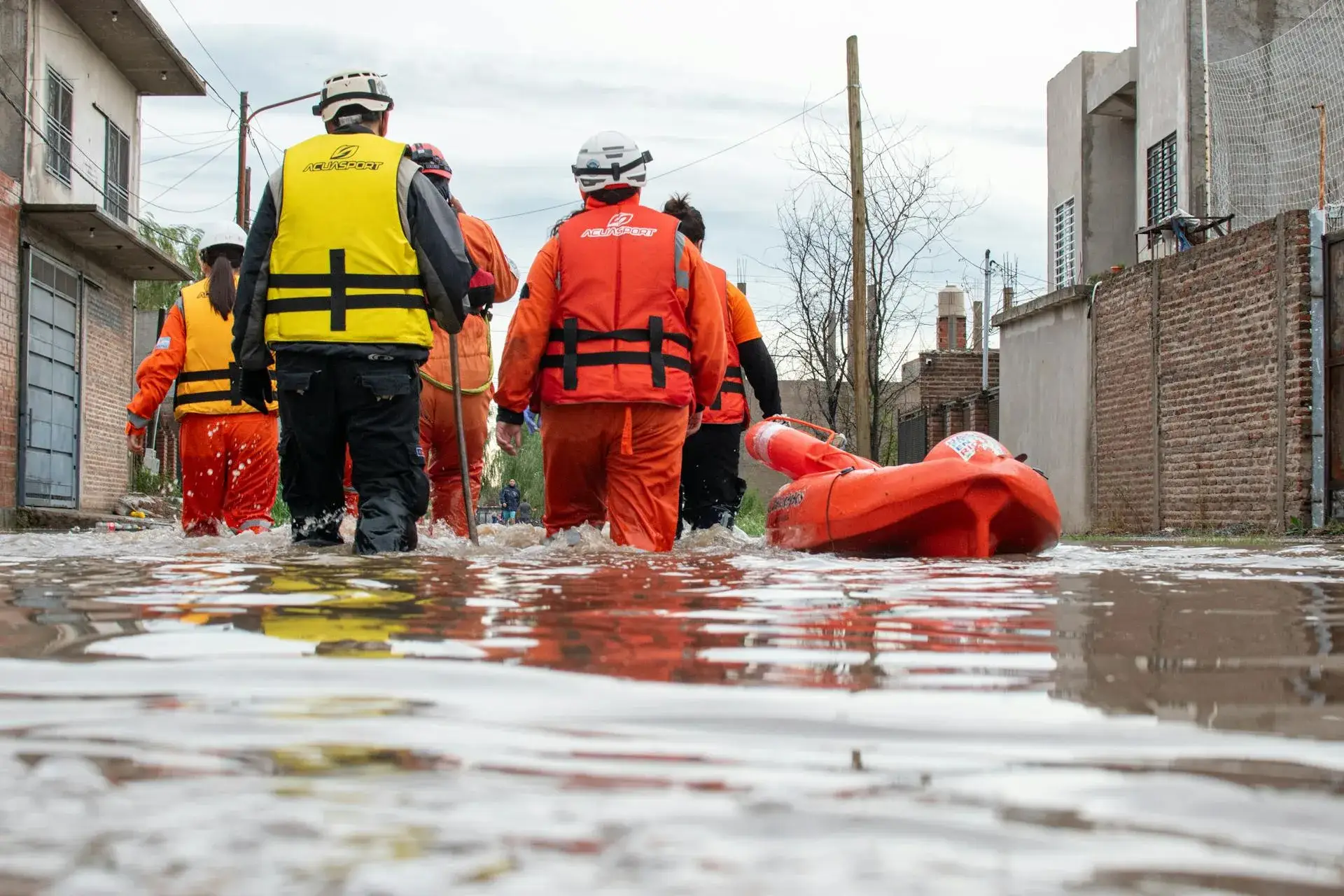
Water Damage Restoration in Smyrna, GA
Every hour standing water lingers compromises subflooring, warps trim, and sparks mold. Our local Smyrna response unit arrives within 60 minutes.
What Happens When You Call
A dedicated dispatcher answers 24/7, assesses the loss category, and sends the nearest Cobb County certified water mitigation crew.
Our response truck arrives at your Smyrna address within 60 minutes equipped with truck-mounted vacuum extractors and infrared cameras.
Technicians map hidden water travel behind baseboards, beneath flooring, and inside wall cavities using non-invasive thermal imaging.
Standing water is removed, commercial drying systems are deployed, and daily psychrometric monitoring begins for your insurance file.
Water spreading through your Smyrna home or commercial property is an immediate crisis requiring aggressive, certified extraction. Whether triggered by an upstairs plumbing burst in a Williams Park bungalow, a ruptured water heater in Smyrna Heights, or flash flooding along the Nickajack Creek and Chattahoochee River drainage corridors, waiting allows moisture to wick deep into wall framing and subfloors. X Response delivers rapid, professional mitigation across Smyrna and surrounding Cobb County neighborhoods. When you call, our local dispatch mobilizes immediately with commercial extractors, thermal imaging equipment, and low-grain refrigerant dehumidifiers. From first moisture mapping to insurance sign-off, our team manages your recovery. Call now for 60-minute emergency response in Smyrna.
Why Smyrna Homes Are Vulnerable to Water Damage
Smyrna is a vibrant Cobb County city located northwest of Atlanta, covering nearly 16 square miles with a population exceeding 55,000 residents. Known historically as the Jonquil City, Smyrna features a blend of historic mid-century ranch homes in neighborhoods like Williams Park and Forest Hills, modern townhomes near Market Village, and expansive riverfront developments along the Chattahoochee River Line corridor such as Riverview Landing. Geographically, Smyrna sits within the upper Piedmont plateau, drained by Nickajack Creek and Rottenwood Creek as they flow toward the Chattahoochee River. The area is characterized by rolling terrain, dense pine and hardwood canopies, and heavy Piedmont red clay soil that readily sheds surface runoff during severe subtropical convective storms.
The Federal Emergency Management Agency reported that 23 counties in Georgia were declared disaster areas due to the epic September 2009 flood and that 16,981 homes and 3,482 businesses were affected by floodwaters, with total estimated damages exceeding 193 million dollars. In Cobb County, catastrophic rainfall caused Nickajack Creek to crest at a record 19.85 feet, inundating residential subdivisions, parklands, and finished basements throughout Smyrna and Mableton. Beyond major regional floods, Smyrna property owners regularly face severe localized moisture threats caused by dense clay soil holding groundwater against daylight basement foundations, aging galvanized or polybutylene plumbing lines in older subdivisions, and torrential summer downpours that overwhelm storm drainage swales.
Nickajack Creek and Chattahoochee River Flood Basins
Smyrna is bordered by the Chattahoochee River and bisected by the Nickajack Creek and Rottenwood Creek tributary systems. Heavy North Georgia rainstorms generate rapid runoff that fills creek beds, backing up low-lying storm drains and inundating riverfront properties, garden basements, and foundation footings.
Dense Piedmont Red Clay and Hydrostatic Pressure
Cobb County's dense red clay absorbs moisture slowly. Once saturated by prolonged rains, water pools against foundation walls, creating tremendous lateral hydrostatic pressure that drives water through microscopic foundation fissures, block joints, and concrete basement floor slabs.
Split-Level and Daylight Basement Construction
Many Smyrna homes built between the 1960s and 1990s feature split-level or daylight basement layouts where foundation walls meet sloped terrain. Surface runoff channeling downhill easily enters window wells, patio walkouts, and floor-wall joints during intense thunderstorms.
Upper-Level Multi-Zone Residential Plumbing
Contemporary two-story homes and townhomes in communities like Market Village and Riverview Landing house attic HVAC air handlers, second-floor laundry rooms, and pressurized supply lines. A single supply line burst sends thousands of gallons through finished ceilings, drywall partitions, and hardwood flooring.
Subtropical Summer Humidity and Slow Structural Evaporation
During Smyrna's long, humid summers, ambient outdoor relative humidity frequently runs high. Natural ventilation cannot dry saturated building materials; without high-capacity commercial dehumidifiers, moisture remains trapped, fueling microbial colonization within 24 to 48 hours.
Restoring water-damaged property in Smyrna demands scientific psychrometric drying, commercial extraction power, and thorough knowledge of Cobb County architecture. Saturated clay, creek flood zones, and high ambient humidity require immediate professional intervention. X Response provides the certified equipment and local expertise necessary to safeguard your structure.
What Happens to Your Home While You Wait
Within 1 Hour
Water spreads across flooring surfaces, soaking into drywall, subfloor sheathing, and base molding. Water in finished Smyrna basements penetrates carpet pad layers and begins wicking up interior partition framing.
1-24 Hours
Drywall swells and deteriorates as it wicks water upward from the baseplates. Hardwood planks in Smyrna living areas cup along their edges. Trapped moisture raises relative humidity inside enclosed wall cavities to high levels.
24-48 Hours
Active mold spores begin germinating on damp sheetrock backing, subflooring, and joists in crawl spaces. Pressed wood cabinetry begins delaminating, and musty odors become noticeable throughout the living area.
48-72 Hours
Visible fungal colonies appear along floorboards and behind drywall. Subfloor seams swell permanently, requiring costly sanding or replacement. Fungal spores enter central HVAC ductwork, spreading across unaffected rooms.
One Week and Beyond
Severe structural compromise. Framing members soften, floor joists sag, and widespread toxic microbial contamination takes hold. The project shifts from standard restorative drying to extensive structural demolition and biohazard containment.
Immediate extraction within the first 24 hours prevents progressive structural degradation and saves thousands in reconstruction costs. Contact X Response immediately for rapid 24/7 service in Smyrna.
How We Restore Water-Damaged Smyrna Homes
Our water mitigation process adheres strictly to IICRC S500 standards, ensuring thorough moisture extraction, scientific structural drying, and transparent communication with your insurance provider.
Comprehensive Moisture Diagnostic and Infrared Mapping
Upon arriving at your Smyrna property, our technicians inspect all affected areas with infrared thermal cameras, calibrated pinless moisture meters, and penetrating probes. We map moisture boundaries behind walls, under hardwood floors, and beneath basement slabs to establish precise drying benchmarks.
Industrial Water Extraction
We deploy high-volume truck-mounted extraction rovers and submersible pumps to remove standing water from living spaces, crawl spaces, and basements. For saturated hardwood floors, we utilize specialized vacuum drying mats that extract trapped moisture without removing undamaged planks.
Engineered Dehumidification and High-Velocity Airflow
To combat Smyrna's high outdoor humidity, we build sealed drying chambers using industrial low-grain refrigerant (LGR) dehumidifiers and commercial axial air movers. Strategic airflow pulls moisture from wet timber framing while dehumidifiers extract airborne vapor, keeping indoor humidity below 40 percent.
Antimicrobial Treatment and Air Scrubbing
All affected structural surfaces are sanitized with EPA-registered botanical antimicrobials to eliminate bacteria and prevent fungal colonization. Commercial HEPA air scrubbers operate continuously during drying to capture airborne dust, particulates, and mold spores.
Daily Psychrometric Monitoring and Insurance Documentation
Technicians return daily to record moisture readings in framing studs, subfloors, and drywall, adjusting air movers to ensure balanced drying. When materials reach verified dry standards, we compile a full documentation package with thermal images and psychrometric logs for your adjuster.
The X Response Difference
When water threatens your Smyrna property, rely on the certified restoration team with proven local experience and commercial equipment. Call X Response today.
Insurance Claim Guidance for Smyrna Homeowners
Navigating property insurance claims in Georgia requires an accurate understanding of policy terms and loss classifications. Standard Georgia homeowners insurance policies generally cover sudden and accidental internal water damage, such as a burst plumbing line, failed washing machine hose, or water heater rupture. Conversely, damage caused by rising surface water from Nickajack Creek or the Chattahoochee River is classified as flood damage and excluded from standard policies, requiring separate coverage through the National Flood Insurance Program (NFIP) or a private flood insurer. Sewer and drain backups also require a specific optional policy endorsement. X Response delivers complete, itemized forensic documentation to support your claim under the proper coverage.
How X Response Helps
- Deliver immediate infrared photo logs that verify the precise point of origin and initial moisture boundaries
- Itemize damaged structural materials and contents using industry-standard pricing schedules
- Work collaboratively with your insurance adjuster, providing daily moisture tracking data
- Clearly delineate between sudden internal plumbing failures and excluded exterior flood conditions
- Provide an organized, complete documentation package that accelerates claim settlement and limits out-of-pocket expenses
X Response does not adjust insurance claims or provide legal coverage determinations. We supply forensic moisture documentation and structural drying logs to assist you and your insurer throughout the claim process.
Certified Restoration Specialists Serving Smyrna
Our Smyrna water damage restoration team consists of IICRC-certified technicians who specialize in rapid emergency extraction, structural dehumidification, and moisture diagnostics. Serving neighborhoods from Williams Park and Smyrna Heights to King Springs and Riverview Landing, our crews are familiar with the distinct structural characteristics of Cobb County properties. Whether addressing a finished basement flooded by saturated red clay runoff or a multi-story plumbing failure in a modern townhome, we bring the right equipment and experience to every job.
We operate specialized emergency response trucks equipped with high-capacity extraction units, LGR dehumidifiers, HEPA air scrubbers, and infrared inspection cameras. Our commitment to transparent communication, scientific drying standards, and rapid local response has made X Response a trusted restoration partner for homeowners and businesses throughout Smyrna.
In Smyrna, X Response works with Boss Contracting, an independent local restoration partner serving Cobb County.
Water Damage Restoration FAQ for Smyrna Homeowners
Other Emergency Services in Smyrna
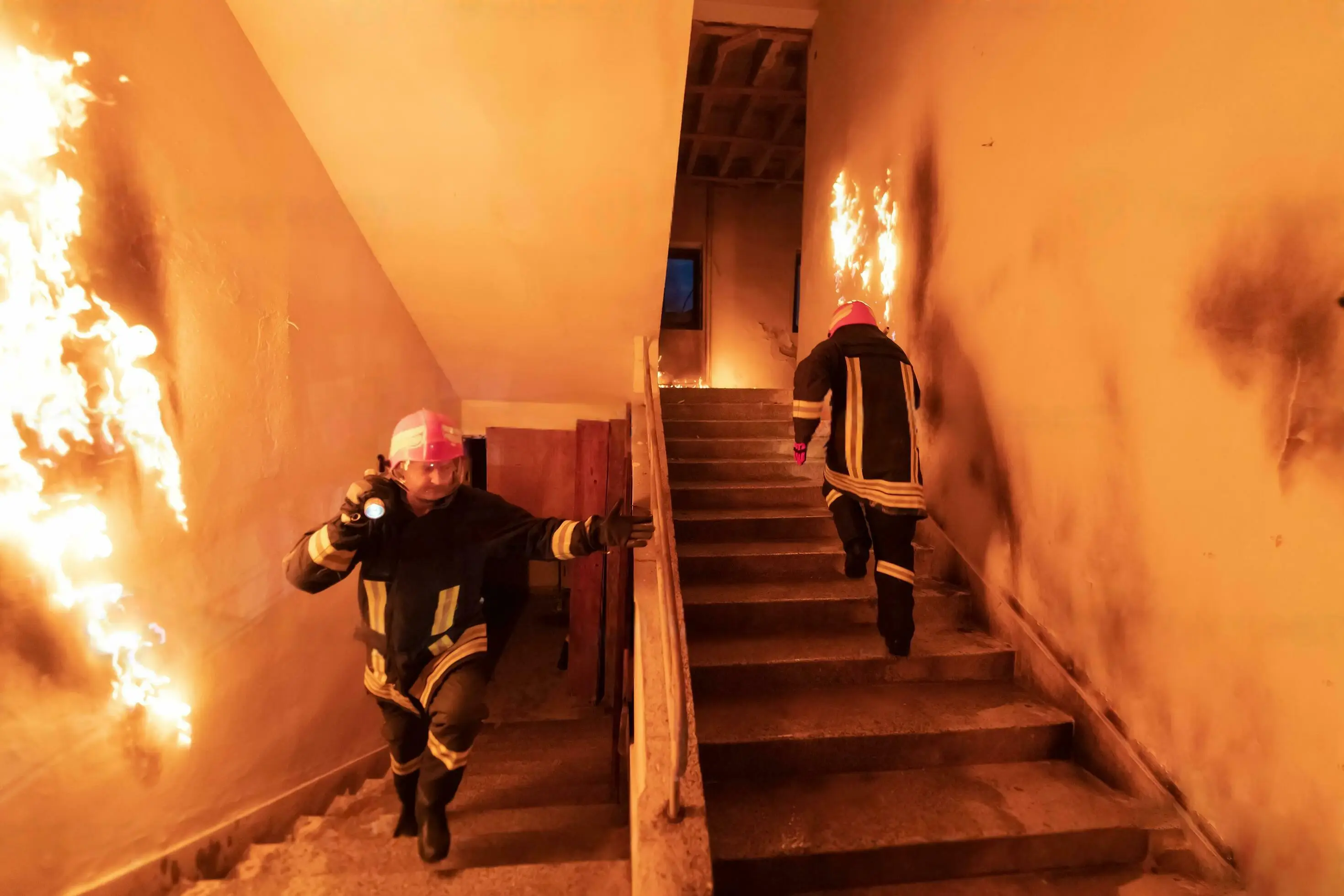
Fire Damage Restoration
Structural damage, soot, debris. We stabilize, clean, and rebuild what fire destroyed.
Learn more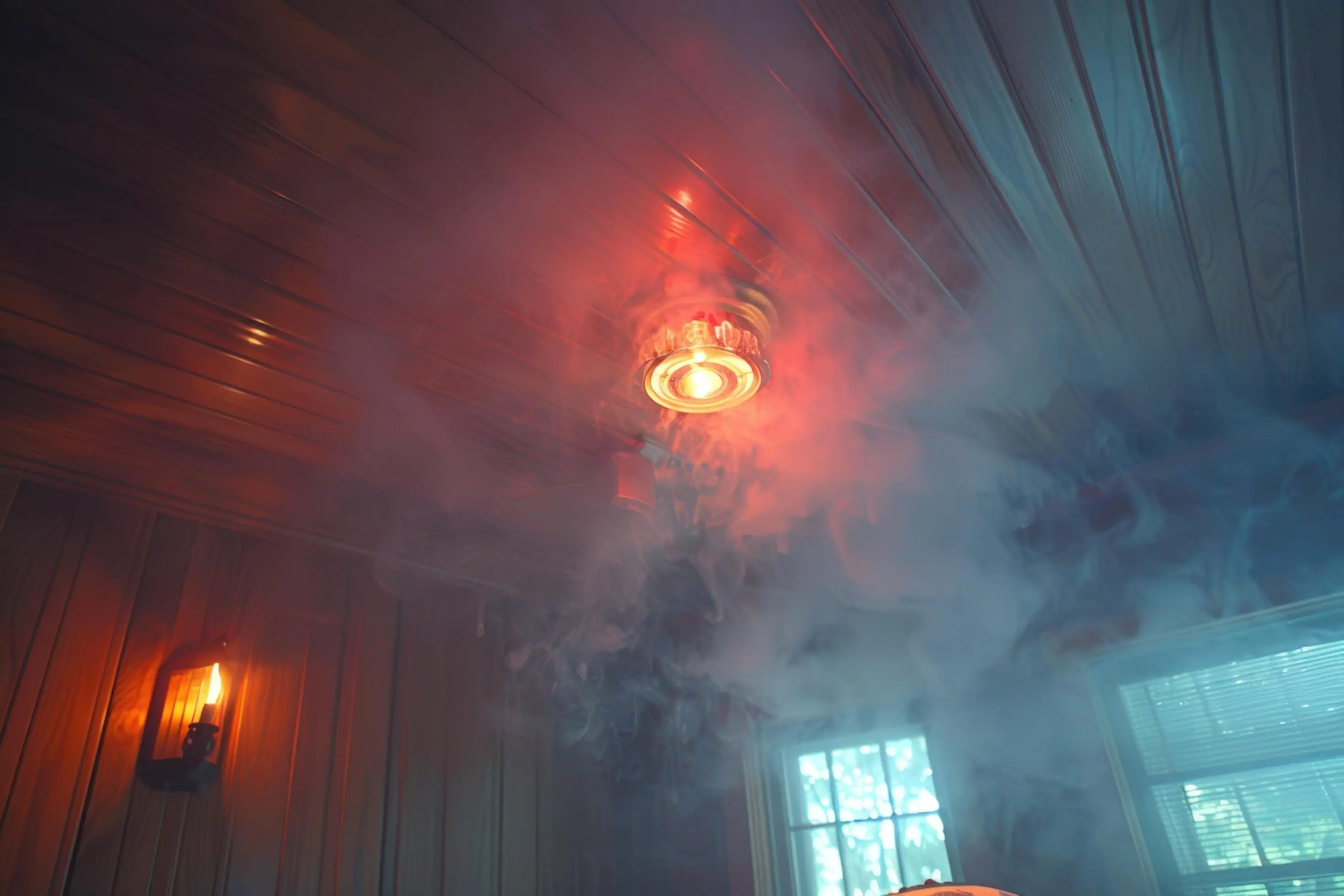
Smoke Damage Restoration
Soot residue, chemical odors, HVAC contamination. We decontaminate surfaces, eliminate odors, and restore air quality.
Learn more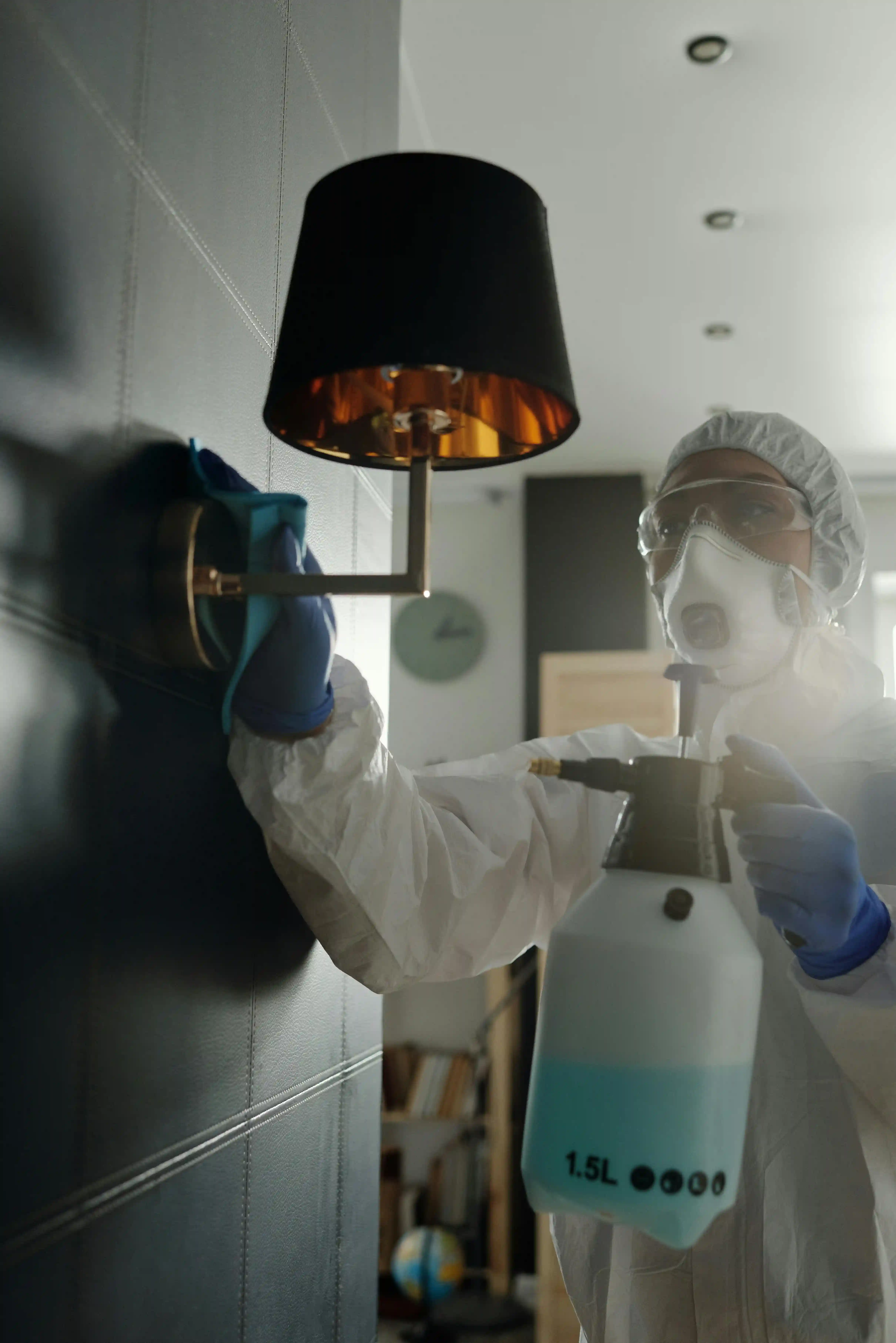
Mold Remediation
Testing, containment, removal, prevention. We find the source, eliminate the growth, and stop it from returning.
Learn more
Sewage Cleanup
Sewer backups, contaminated water, biohazard. We extract, sanitize, and restore safely.
Learn more