
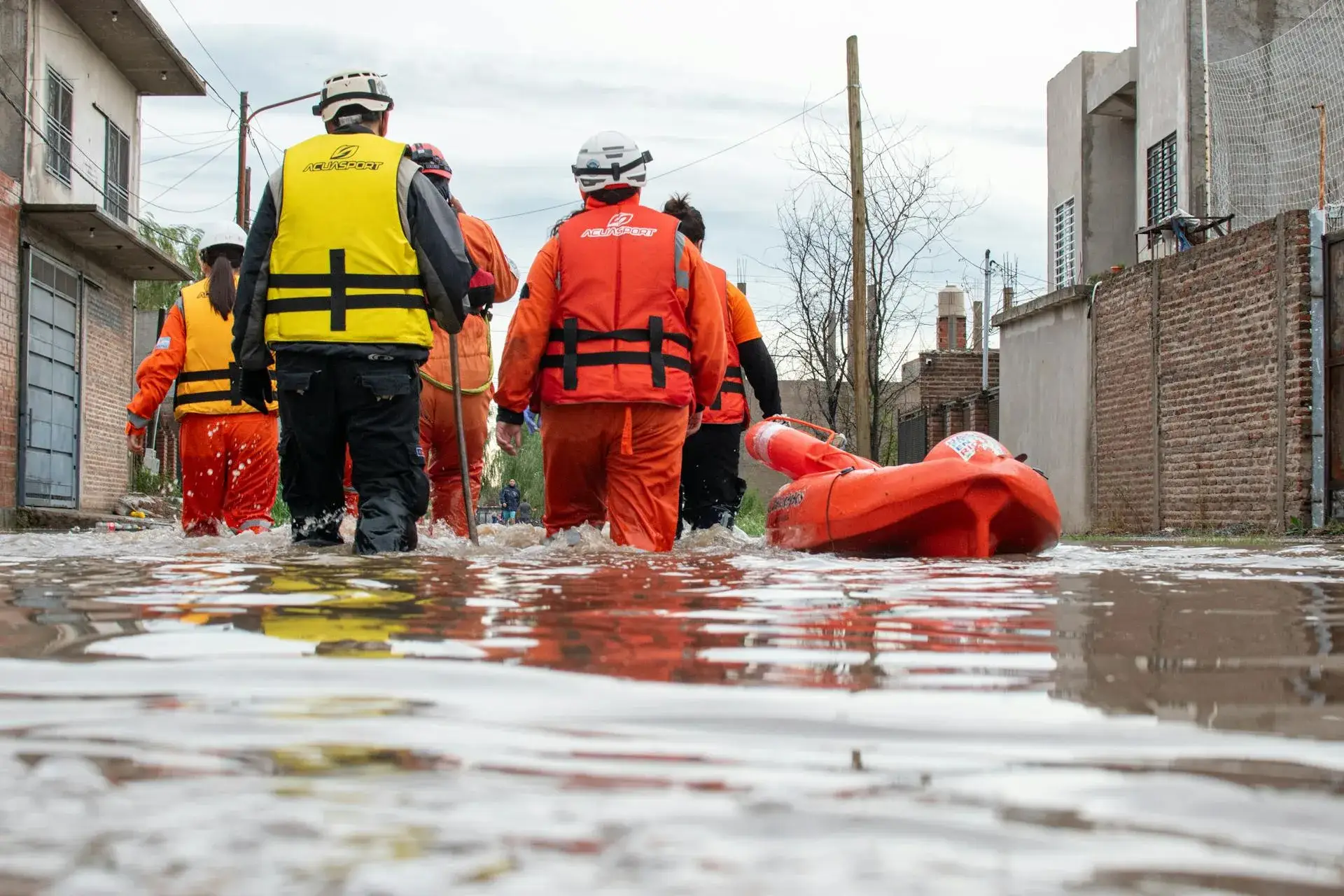
Water Damage Restoration in Vinings, GA
Every hour of standing water deepens structural damage and accelerates mold growth. Our local team responds to Vinings emergencies within 60 minutes.
What Happens When You Call
A real person answers, not a call center. We assess your situation, ask the right questions, and begin coordinating your response immediately.
Your dedicated restoration team is dispatched from our local base serving Vinings and the surrounding southeast Cobb County communities.
Team arrives with industrial extractors, commercial dehumidifiers, and moisture detection equipment. Emergency mitigation begins immediately.
Water extracted, drying equipment placed and calibrated, restoration plan documented. You know exactly what comes next.
Water is moving through your property and you need it stopped now. Not after a callback queue, not tomorrow morning. X Response exists for exactly this moment. When you reach out, your restoration team is mobilized within minutes and on site within the hour. From that point forward, one team manages everything: extraction, drying, documentation, and insurance guidance. You are never left guessing about the next step. Call now. Your team is standing by.
Why Vinings Homes Are Vulnerable to Water Damage
Vinings is an unincorporated census-designated place in southeast Cobb County, sitting directly on the west bank of the Chattahoochee River across from the Buckhead section of Atlanta. The community covers approximately 12,500 residents spread along rolling Piedmont terrain that descends sharply toward the river. The Chattahoochee defines the eastern boundary of Vinings, and Rottenwood Creek, a flashy urban tributary monitored by USGS gauge 02335910, drains the interior of the community before emptying into the river. Paces Ferry Road, the primary east-west corridor named for Hardy Pace who operated a ferry crossing here in the 1830s, crosses both the Rottenwood Creek floodplain and the Chattahoochee River floodplain within the Vinings boundary. The community's topography creates a direct relationship between elevation and flood risk: properties along the river bluff sit safely above any recorded flood, while homes in the low-lying areas near the river and along the Rottenwood corridor sit squarely in the path of rising water during major rain events.
During the September 2009 flood, the U.S. Geological Survey gauge on the Chattahoochee River at Vinings reached the highest level recorded in 81 years. The USGS classified the event as a 1-percent annual chance exceedance flood, meaning it reached or exceeded the 100-year flood level. The Georgia Emergency Management Agency documented that the Chattahoochee topped 28 feet at Vinings during that event, five feet higher than the flood produced by Hurricane Ivan in September 2004 that had previously been considered the worst modern flood in the area. GEMA reported that homes in the lower-lying areas of Vinings were seriously damaged or destroyed, with water reaching the second floors of several neighboring structures along the riverbank. The event demonstrated that the Chattahoochee at Vinings can produce catastrophic flooding that exceeds every historical reference point, and that properties along the river corridor carry risk that engineering assumptions cannot fully account for.
The Chattahoochee River and the September 2009 Record Flood
The Chattahoochee River is the defining flood hazard in Vinings. The river forms the entire eastern boundary of the community and is the reason Vinings exists at all, since Hardy Pace established his ferry crossing here in the 1830s and the subsequent railroad construction followed the river corridor. During the September 2009 flood, the USGS gauge at Vinings recorded the highest level in its 81 years of continuous operation. The river topped 28 feet, five feet above the Hurricane Ivan flood crest of approximately 23 feet just five years earlier in 2004. GEMA documented that the 2009 event destroyed homes in the lower-lying areas of Vinings, with floodwater reaching second-floor levels in some structures. The fundamental hydrology driving these floods has not changed: the Chattahoochee drains a massive watershed that extends north through Roswell, Alpharetta, and into the north Georgia mountains. When sustained rainfall saturates that entire drainage basin simultaneously, the river rises at Vinings with a volume and duration that no local pump or sandbagging effort can counter. The 2009 event exceeded the 100-year recurrence interval at this gauge, meaning it was statistically more severe than what the floodplain maps assume as the maximum credible event.
Rottenwood Creek and Urban Flash Flooding
Rottenwood Creek drains the interior of Vinings and the adjacent commercial development along Cumberland Boulevard before entering the Chattahoochee River. The USGS monitors flow at gauge 02335910, operated in cooperation with the Cobb County Water System. American Whitewater documents that Rottenwood Creek spikes dramatically during heavy rain, rising and falling over 1,000 cubic feet per second in less than an hour due to the heavily urbanized watershed above it. That flashiness creates a second, independent flood mechanism in Vinings distinct from the Chattahoochee's slower rise: Rottenwood can overflow its banks and flood properties along its corridor hours before the main river reaches flood stage. The creek's watershed includes extensive commercial and retail development, parking surfaces, and highway infrastructure including Interstate 285, all of which shed runoff rapidly during intense rainfall. Properties along Rottenwood Creek face flash flooding from the creek during intense local storms, Chattahoochee backwater during major river floods, and the compound scenario where both happen simultaneously during widespread regional rain events.
Piedmont Geology and Subsurface Moisture
Vinings sits on the Georgia Piedmont, where a mantle of red clay overlies decomposed granite and shallow bedrock. When rain saturates the clay layer, it becomes essentially impermeable, refusing additional infiltration and shedding surface runoff rapidly into Rottenwood Creek and the Chattahoochee. Below grade, saturated clay holds moisture against foundations for days or weeks after surface water recedes. Properties in Vinings with basements or crawl spaces, common in the older residential areas along the river corridor and in the historic Vinings neighborhood near Paces Ferry Road, experience hydrostatic pressure from saturated clay forcing water through foundation walls, floor joints, and any penetration below grade. This subsurface moisture intrusion operates independently of surface flooding: a property can have no visible water at ground level while its basement or crawl space takes on water from the saturated clay pressing against its below-grade walls. The shallow bedrock prevents deep drainage, so groundwater accumulates near the surface and remains there until the clay eventually dries.
River Proximity and the Floodplain Gradient
Vinings occupies a section of the Chattahoochee corridor where the river makes a broad curve, and the terrain drops steeply from the ridge along Paces Ferry Road down to the river's edge. This gradient means that flood risk varies dramatically across short distances. Properties on the ridge have expansive river views and sit 40 or more feet above normal water level, safe from any historical or projected flood. Properties partway down the slope toward the river sit in the mapped FEMA floodplain and experienced significant damage during both the 2004 and 2009 floods. Properties nearest the river, including those in the neighborhoods that GEMA documented as destroyed in 2009, face existential flood risk during major events. This gradient also means that water draining from the ridge concentrates along the slope and reaches the lower properties with velocity, carrying soil and debris. During intense local rainfall, the steep terrain produces overland flow that enters lower-elevation homes from uphill, a form of water damage that has nothing to do with the river or creek flooding but is driven purely by topographic drainage during storms that exceed the capacity of the local stormwater system.
Tropical Remnants and Stalled Fronts Over Metro Atlanta
The two most damaging flood events in Vinings' recent history came from distinct weather patterns that both produced extreme rainfall. Hurricane Ivan in September 2004 was a tropical system that moved inland and delivered sustained heavy rain across north Georgia, raising the Chattahoochee to approximately 23 feet at Vinings. The September 2009 flood was produced by a stalled low-pressure system that parked over metro Atlanta for days, delivering 10 to 20 inches of rain that overwhelmed every drainage system simultaneously. Both patterns recur in north Georgia's climate: the Chattahoochee basin sits in the path of tropical moisture from both the Gulf and the Atlantic, and the Southern Appalachian terrain north of Atlanta can trap and stall frontal boundaries that deliver multi-day rainfall. The National Weather Service office in Peachtree City monitors the Chattahoochee and issues warnings for the Vinings area, but for properties near the river the transition from watch to catastrophic flooding can happen in hours when upstream tributary contributions compound faster than forecast models predict.
These factors converge in Vinings to create a water damage profile defined by the Chattahoochee River. The 2009 flood proved the river can far exceed its mapped 100-year level at this location. Rottenwood Creek adds flash-flood risk from the urbanized watershed above it. Piedmont clay holds subsurface moisture against foundations long after surface water recedes. The steep terrain concentrates drainage toward the lower-lying properties where flood risk is already highest. And the weather patterns that produced the two worst floods in recent memory, tropical systems and stalled fronts, are recurring features of north Georgia's climate. Effective water damage restoration in Vinings requires understanding whether the source is Chattahoochee River flooding, Rottenwood Creek flash overflow, subsurface hydrostatic pressure from saturated clay, overland flow from the steep terrain, or an interior plumbing failure, because each demands a different extraction and drying strategy.
What Happens to Your Home While You Wait
Within 1 Hour
Water spreads across flooring, wicks into drywall and baseboards, and saturates carpet padding against the subfloor. In Vinings homes along the Chattahoochee corridor, river flood water carries sediment, organic debris, and potential sewage contamination from overwhelmed infrastructure upstream, compounding damage beyond what a clean pipe burst would produce. In properties with crawl spaces along the Rottenwood Creek corridor, water pools beneath the structure and wicks into floor joists from below. The deterioration you cannot yet see is already underway in wall cavities, beneath flooring, and behind cabinetry.
1–24 Hours
Drywall wicks moisture upward at roughly one inch per hour and softens as it climbs. Wood flooring cups and warps as it absorbs unevenly. North Georgia's humid subtropical climate, staying high relative humidity in summer months, slows natural evaporation dramatically so materials stay wet far longer than in drier regions. Musty odors develop as bacteria multiply in warm, enclosed spaces. If the water source is the Chattahoochee or Rottenwood Creek overflow, the organic load accelerates bacterial growth and introduces biological contaminants that make the affected space a health concern. Metal fasteners, HVAC connections, and ductwork begin to corrode.
24–48 Hours
Mold colonization begins in hidden wall cavities, beneath flooring, and across crawl space framing. Cobb County's warm climate provides ideal conditions for rapid fungal growth once moisture content exceeds 60 percent in organic materials. Drywall loses structural integrity and begins to sag. Wood framing swells at connection points, stressing fasteners and weakening joints. River flood water that carried sediment leaves deposits trapped behind walls and under flooring, creating persistent moisture reservoirs that standard surface drying cannot reach. What began as an extraction job is crossing into demolition territory.
48–72 Hours
Mold spreads into HVAC ductwork and distributes spores throughout the structure every time the system cycles. Contamination extends well beyond the original wet footprint. Hardwood floors delaminate as adhesive bonds fail. Particleboard subfloor swells past structural capacity. In Vinings homes that flooded from the river, fine silt deposited by floodwater hardens against surfaces and traps moisture that prevents materials from drying even with equipment running. Restoration scope and cost climb sharply as more material requires removal rather than drying in place.
One Week and Beyond
Extensive mold colonization through wall cavities, crawl space framing, and HVAC systems. Structural wood at connection points begins to decay. Sediment deposits from river flooding harden and require mechanical removal. Hydrostatic moisture from saturated Piedmont clay continues to press water against foundation walls even after surface water has fully receded. What started as a water extraction job becomes full mold remediation, structural repair, and rebuild. Insurance claims grow more complex and contested as carriers question whether prompt mitigation could have limited the scope of loss.
The difference between drying your property in place and gutting it to the studs is often measured in hours of response time. Contact X Response now. Our Vinings team responds within 60 minutes.
How We Restore Water-Damaged Vinings Homes
From the moment our team arrives, every step is documented, measured, and verified. Here is exactly what the restoration process involves for Vinings properties.
Emergency Assessment and Documentation
Our team arrives with thermal imaging cameras and professional moisture meters to map the full extent of water intrusion. In Vinings that means inspecting the living space, any crawl space or basement below, behind walls, under flooring, and along the entire foundation perimeter. For properties near the Chattahoochee River or Rottenwood Creek, we assess whether flood water reached the structure and at what depth, because river and creek flooding introduces sediment and Category 3 contamination that changes the restoration protocol entirely. The Piedmont clay holds moisture against foundations long after visible water recedes, so we probe well beyond the obviously wet areas. Everything is documented with photos, moisture readings, and a written scope of work that guides the restoration and gives your insurance company the evidence it needs from the first hour.
Water Extraction
Standing water is removed using truck-mounted and portable extraction units capable of pulling hundreds of gallons per hour. For Vinings homes with crawl spaces along the river corridor, we deploy submersible pumps and low-clearance extraction tools that reach beneath the floor system where standard equipment cannot access. For slab homes, we extract from the lowest points and pull water from wall cavities before it climbs higher. If flooding is ongoing because the Chattahoochee remains elevated or Rottenwood Creek is still overbanked, we establish temporary pumping to manage active intrusion while extraction continues inside. When river flooding has deposited fine silt, extraction includes removing contaminated water and debris before sediment dries and bonds permanently to surfaces. Every gallon removed mechanically is a gallon that does not need to be evaporated, shortening the drying timeline significantly.
Structural Drying and Dehumidification
This is the longest and most critical phase. We position commercial dehumidifiers and high-velocity air movers in a calculated pattern that drives airflow across every wet surface and pulls moisture from materials faster than Vinings' humid air would allow naturally. North Georgia's subtropical climate makes mechanical dehumidification essential rather than optional. Opening windows in summer only pulls more moisture-laden air into the structure, defeating the drying effort. We dry floor joists, subfloor sheathing, sill plates, foundation walls, and wall cavities directly, returning daily to take moisture readings and reposition equipment until meters confirm the structure has reached its dry standard. For properties flooded by the Chattahoochee, we verify that silt deposits behind walls are not creating hidden moisture reservoirs that undermine the drying effort from within.
Antimicrobial Treatment and Mold Prevention
Once surfaces are dry, we apply EPA-registered antimicrobial treatments to all affected areas. In Cobb County's warm, humid climate, the 24 to 48 hour mold colonization window is compressed, particularly from May through September when heat and humidity peak together. For crawl spaces, treatment covers joists, sill plates, and any sheathing that contacted water. For slab and basement homes, it means treating the wall base and any cavity that wicked moisture. Chattahoochee River flood water introduces Category 3 contamination containing sewage from overwhelmed upstream infrastructure, organic debris, and biological contaminants, requiring more aggressive treatment protocols than a clean pipe burst. HEPA air scrubbers run throughout the project to capture airborne spores and protect indoor air quality while the structure dries and treatments cure.
Quality Verification and Completion
Before we consider the job complete, a final inspection verifies that all moisture readings have returned to acceptable levels, every treated area is clean and dry, and the scope of work has been fully executed. We hand you completion documentation including before-and-after photos, final moisture readings, and a summary of all work performed. That record supports your insurance claim and gives you a clear account of what was done. If any area does not pass our quality check, we keep working until it does. There is no partial completion and no gray area about whether the job is finished.
The X Response Difference
When you contact X Response, you get a dedicated restoration team that manages everything, from emergency mitigation through insurance documentation to final quality verification. One team, one point of contact, one standard of work from start to finish.
Insurance Claim Guidance for Vinings Homeowners
Water damage insurance claims in Georgia turn on the source of the water. Standard homeowner's policies cover sudden and accidental events like burst pipes, failed water heaters, and storm-driven roof leaks. Flood damage from rising surface water, including Chattahoochee River overflow, Rottenwood Creek overbank flooding, and sheet flooding across saturated ground, is not covered under a standard policy. It requires separate flood insurance through the National Flood Insurance Program or a private carrier. Many Vinings homeowners along the river sit outside the mapped high-risk Special Flood Hazard Area and assume they are protected by their standard policy, only to discover after an event like September 2009 that every dollar of river flood damage is excluded. Sewer and drain backup is another common gap that typically requires its own endorsement.
How X Response Helps
- Document all damage with professional photos, moisture readings, and a detailed scope of work from day one
- Identify the water source clearly, which determines which coverage applies under your policy
- Prepare documentation that meets Cobb County requirements so your claim is complete and defensible
- Align our restoration scope with standard insurance coverage categories so your adjuster can process the claim efficiently
- Explain your policy's likely coverage before you file, so you understand your options and potential out-of-pocket exposure
X Response does not file claims on your behalf, adjust claims, or make coverage determinations. We provide documentation and guidance to help you make informed decisions about your property and your policy. Coverage decisions are made solely by your insurance carrier.
Certified Restoration Specialists Serving Vinings
When you contact X Response for a water damage emergency in Vinings, your restoration team is drawn from certified professionals who work across southeast Cobb County and understand the specific challenges of restoring properties here. They know how the Chattahoochee River behaves when a stalled front or tropical remnant parks over the watershed, how the Piedmont clay holds water against foundations for weeks after rain stops, how Rottenwood Creek flashes during intense local storms, and how the crawl spaces beneath older homes along the river corridor trap moisture in ways that newer construction does not. They have worked through river corridor flooding, subsurface hydrostatic intrusion, and the standard plumbing and appliance failures that happen in any community. This is not a crew dispatched from hours away with no local context. It is a local team with local expertise, operating under national quality standards.
Every technician on your team holds current IICRC certification in water damage restoration and carries the appropriate Georgia state licensing for the work being performed. Equipment is commercial-grade and maintained to manufacturer specifications. When your team arrives, they bring everything needed to begin mitigation immediately: crawl space and basement extraction tools, commercial dehumidifiers sized for North Georgia's humidity, thermal imaging equipment to map hidden moisture behind walls and beneath floors, and the documentation tools to build your insurance file from the first hour on site.
In Vinings, X Response works with Atlanta's Best Restoration, an independent local restoration partner serving Cobb County.
Water Damage Restoration FAQ for Vinings Homeowners
Other Emergency Services in Vinings
Fire Damage Restoration
Structural damage, soot, debris. We stabilize, clean, and rebuild what fire destroyed.
Learn more
Smoke Damage Restoration
Soot residue, chemical odors, HVAC contamination. We decontaminate surfaces, eliminate odors, and restore air quality.
Learn more
Mold Remediation
Testing, containment, removal, prevention. We find the source, eliminate the growth, and stop it from returning.
Learn more
Sewage Cleanup
Sewer backups, contaminated water, biohazard. We extract, sanitize, and restore safely.
Learn more