
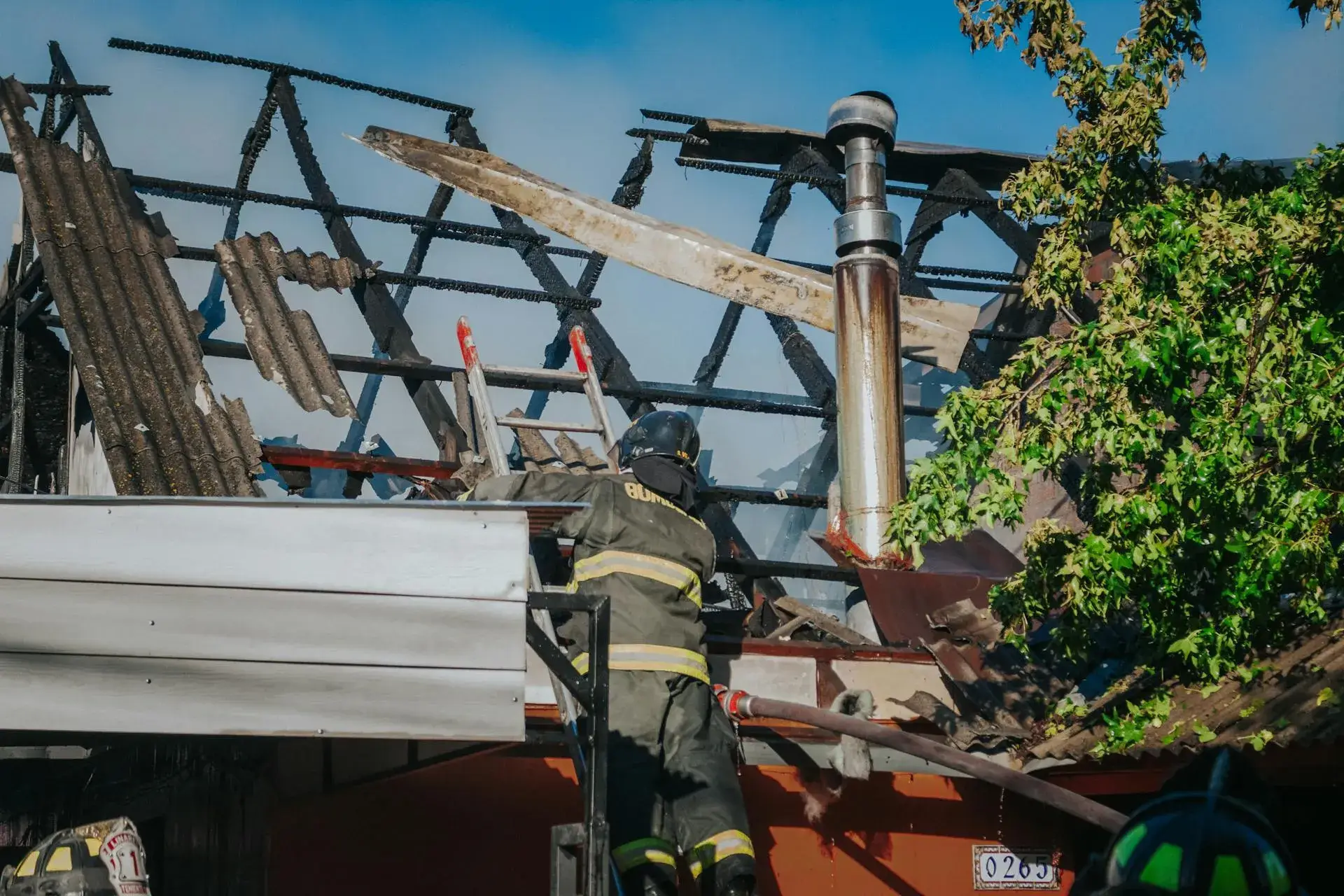
Fire Damage Restoration in Smyrna, GA
Acidic soot and extinguishing water cause progressive damage every hour after a fire. Our Smyrna emergency team responds within 60 minutes.
What Happens When You Call
A restoration coordinator takes your call 24/7, verifies site safety clearance from the fire marshal, and dispatches our local crew.
Our response truck arrives in Smyrna within 60 minutes with emergency board-up materials, heavy-duty tarps, and water extraction equipment.
Technicians secure broken windows, doors, and compromised roofs to prevent weather intrusion and unauthorized entry.
Water extraction begins immediately, soot is chemically stabilized, and a comprehensive scope of work is generated for your insurance claim.
A property fire in Smyrna is a devastating event that leaves behind charred framing, corrosive soot, toxic odors, and thousands of gallons of firefighting water. Whether sparked by an electrical failure in a historic Williams Park cottage, an attic HVAC malfunction in Smyrna Heights, or a kitchen flare-up near Market Village, rapid stabilization is essential to prevent permanent material loss. The Smyrna Fire Department works swiftly to extinguish flames, but extinguishing water combined with acidic soot begins etching metals, glass, and countertops within hours. X Response provides 24/7 emergency fire mitigation and complete reconstruction across Smyrna and Cobb County. When you call, our certified crew dispatches immediately to secure the property, extract water, and begin systematic structural recovery. Call now for 60-minute emergency fire response in Smyrna.
Why Smyrna Homes Are Vulnerable to Fire Damage
Smyrna is a bustling community in south-central Cobb County with over 55,000 residents, bounded by the Chattahoochee River to the east and Marietta to the north. The city's residential landscape combines historic 1950s post-war brick ranches and cottages with dense contemporary townhome developments and multi-story single-family residences along Concord Road, Atlanta Road, and South Cobb Drive. Fire protection across the municipality is provided by the Smyrna Fire Department, which operates five dedicated stations from its headquarters on Atlanta Road and maintains an ISO Class 2 rating. Despite rapid fire department response times, residential fires in Smyrna often create complex restoration challenges due to modern synthetic construction materials, heavy furniture foam padding, and attic-mounted HVAC systems that pull toxic smoke through structural voids.
The U.S. Fire Administration reported that residential structures in Georgia accounted for 81.3 percent of all fire fatalities and 78.9 percent of all fire injuries across the state. This high concentration of residential fire impact underscores the destructive nature of home fires across Georgia communities. In Smyrna, property owners frequently face severe post-fire complications stemming from extinguishing water trapped between subfloors, corrosive chemical residues left by burned polymers, and intense heat that compromises load-bearing wood roof trusses and floor joists.
Smyrna Fire Department Five-Station Coverage and Water Deployment
The Smyrna Fire Department provides rapid response from five strategically located stations. Fire suppression operations often require thousands of gallons of water, meaning fire-damaged structures in Smyrna simultaneously suffer severe Category 2 or 3 water damage that requires immediate extraction.
Synthetic Material Combustion and Acidic Soot Deposition
Modern homes contain abundant synthetic polymers, including polyurethane foam, vinyl flooring, and plastic appliances. When burned, these materials produce highly acidic soot that immediately begins pitting polished metals, etching glass window panes, and permanently yellowing quartz or laminate surfaces.
Attic-Mounted HVAC Systems and Smoke Distribution
In many Smyrna homes, central air handling units and flex ducting run through unconditioned attic spaces. When an attic fire occurs or smoke is drawn into return vents, corrosive particulate matter is forced through every room in the structure, contaminating insulation and ceiling cavities.
Historic Timber Framing and Balloon Construction Risks
Established neighborhoods like Williams Park contain older timber-framed homes built without modern fire stops. Fire and smoke travel rapidly through vertical wall cavities, requiring careful thermal inspection and targeted structural demolition during cleanup.
Extinguishing Water Retention in Finished Basements and Crawl Spaces
Water used during fire suppression drains downward through subfloors into crawl spaces and finished daylight basements. If not extracted within 24 hours, this stagnant water combines with soot residues to create intense humidity and rapid mold outbreaks.
Recovering from fire damage in Smyrna requires professional structural stabilization, chemical soot removal, and complete reconstruction capabilities. X Response brings certified restoration expertise, industrial air scrubbers, and dedicated insurance coordination to restore your Smyrna property safely and efficiently.
What Happens to Your Home While You Wait
Within Minutes
Acidic soot and combustion gases settle onto all exposed surfaces. Highly porous materials like curtains, upholstery, and unfinished drywall absorb corrosive smoke particles. Plastics begin yellowing and polished chrome fixtures start tarnishing.
Hours 1-24
Acidic soot etches bathroom mirrors, glass shower doors, and kitchen appliances. Fire suppression water pooling on floors causes subfloors to swell and drywall to buckle. Unprotected structural wood framing absorbs moisture and soot deep into its grain.
Days 1-3
Uncleaned soot causes permanent chemical staining on painted walls, custom cabinetry, and stone countertops. Metal plumbing fixtures and electrical panels corrode rapidly. Trapped firefighting water triggers active mold growth across damp framing and insulation.
Days 3-7
Synthetic soot bonds permanently with porous building components, making restorative cleaning impossible and requiring full structural demolition. Musty mold odors combine with burnt chemical residues, saturating the indoor environment.
One Week and Beyond
Severe structural weakening of wood framing, rusted electrical wiring, and widespread toxic contamination. Restoration costs increase dramatically as salvageable materials become total losses requiring full reconstruction.
Immediate intervention within hours of fire suppression halts chemical corrosion and salvages valuable property. Contact X Response immediately for 24/7 fire recovery in Smyrna.
How We Restore Fire-Damaged Smyrna Homes
Our IICRC-certified fire restoration methodology systematically stabilizes your structure, eliminates toxic soot residues, and prepares your property for seamless reconstruction.
Emergency Security, Board-Up, and Roof Tarping
Immediately upon safety clearance from the Smyrna Fire Marshal, our crew secures the property by boarding up broken windows and doors, establishing temporary security fencing, and installing heavy-duty commercial tarps over compromised roof sections to protect against weather damage.
Firefighting Water Extraction and Structural Dehumidification
We deploy industrial truck-mounted extractors and submersible pumps to remove standing firefighting water from living areas, basements, and crawl spaces. Commercial LGR dehumidifiers and high-velocity air movers are set up to dry structural framing before mold develops.
Soot Removal, Chemical Sponge Cleaning, and HEPA Filtration
Technicians clean all salvageable surfaces using specialized chemical dry-cleaning sponges, alkaline soot detergents, and HEPA-filtered vacuums. We remove dry soot, oily protein residues, and synthetic film from walls, ceilings, and ductwork.
Thermal Fogging and Hydroxyl Odor Neutralization
To eliminate stubborn burnt odors embedded deep within wall cavities and subflooring, we deploy industrial thermal foggers and hydroxyl generators. These systems neutralize odor molecules at the chemical level rather than simply masking them.
Complete Structural Reconstruction and Insurance Sign-Off
Our licensed reconstruction team handles all necessary repairs, including replacing charred roof trusses, installing new drywall and insulation, rewiring electrical circuits, and finishing interior surfaces back to pre-loss condition.
The X Response Difference
Restore your home with confidence by choosing Smyrna's premier fire and smoke recovery specialists. Call X Response today.
Insurance Claim Guidance for Smyrna Homeowners
Filing a fire damage insurance claim in Georgia involves complex documentation requirements. Standard homeowners and commercial property policies cover structural damage, personal property loss, and additional living expenses (ALE) resulting from accidental fires. However, insurers require detailed proof of loss, itemized inventories of damaged contents, and precise origin documentation. X Response provides complete claim support from initial board-up through final reconstruction, ensuring every phase of mitigation and repair is fully substantiated.
How X Response Helps
- Provide detailed photo and video documentation of all structural damage and personal contents prior to removal
- Compile itemized estimates using industry-standard pricing databases accepted by all major Georgia insurers
- Coordinate directly with your carrier's assigned adjuster, attending all on-site inspections
- Document emergency mitigation expenses, including board-up, tarping, and water extraction, for rapid reimbursement
- Maintain comprehensive logs of additional living expense documentation and structural repair timelines
X Response does not act as a licensed public adjuster or provide legal coverage advice. We provide comprehensive forensic documentation, moisture tracking, and repair estimates to support your property claim.
Certified Restoration Specialists Serving Smyrna
Our Smyrna fire restoration specialists hold advanced certifications from the IICRC in Fire and Smoke Restoration (FSRT), Odor Control (OCT), and Water Damage Restoration (WRT). Serving communities across Cobb County from Smyrna Heights to Riverview Landing, our team brings decades of combined experience in stabilizing fire-damaged structures, neutralizing acidic residues, and executing full-scale property rebuilding.
We operate fully equipped service vehicles loaded with structural shoring lumber, heavy-duty tarps, chemical cleaning agents, hydroxyl generators, and industrial air scrubbers. Our dedicated project managers guide Smyrna families through every step of the recovery journey with empathy, craftsmanship, and unwavering attention to detail.
In Smyrna, X Response works with Boss Contracting, an independent local restoration partner serving Cobb County.
Fire Damage Restoration FAQ for Smyrna Homeowners
Other Emergency Services in Smyrna
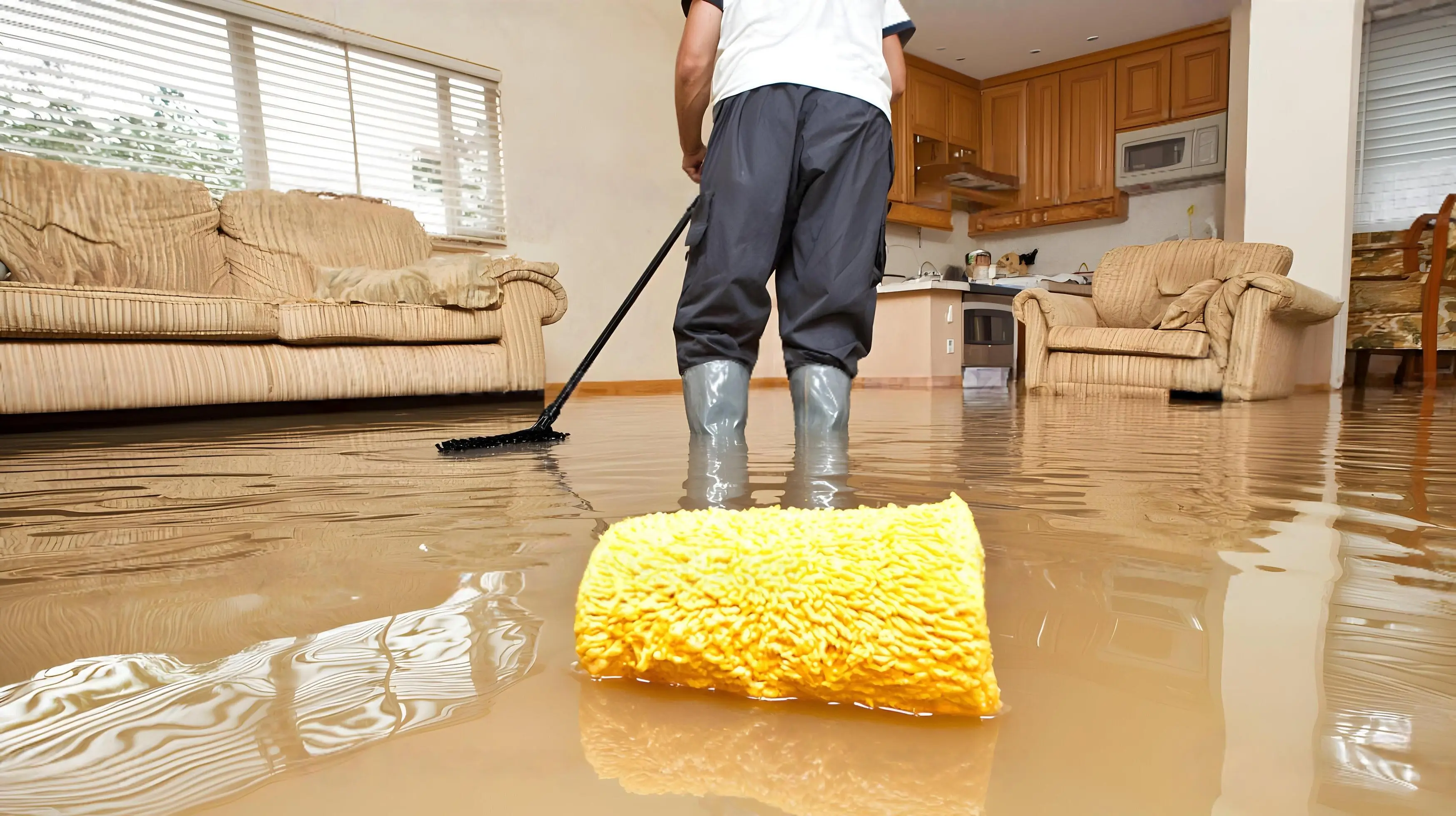
Water Damage Restoration
Burst pipes, storm flooding, standing water. We extract, dry, and restore before mold sets in.
Learn more
Smoke Damage Restoration
Soot residue, chemical odors, HVAC contamination. We decontaminate surfaces, eliminate odors, and restore air quality.
Learn more
Mold Remediation
Testing, containment, removal, prevention. We find the source, eliminate the growth, and stop it from returning.
Learn more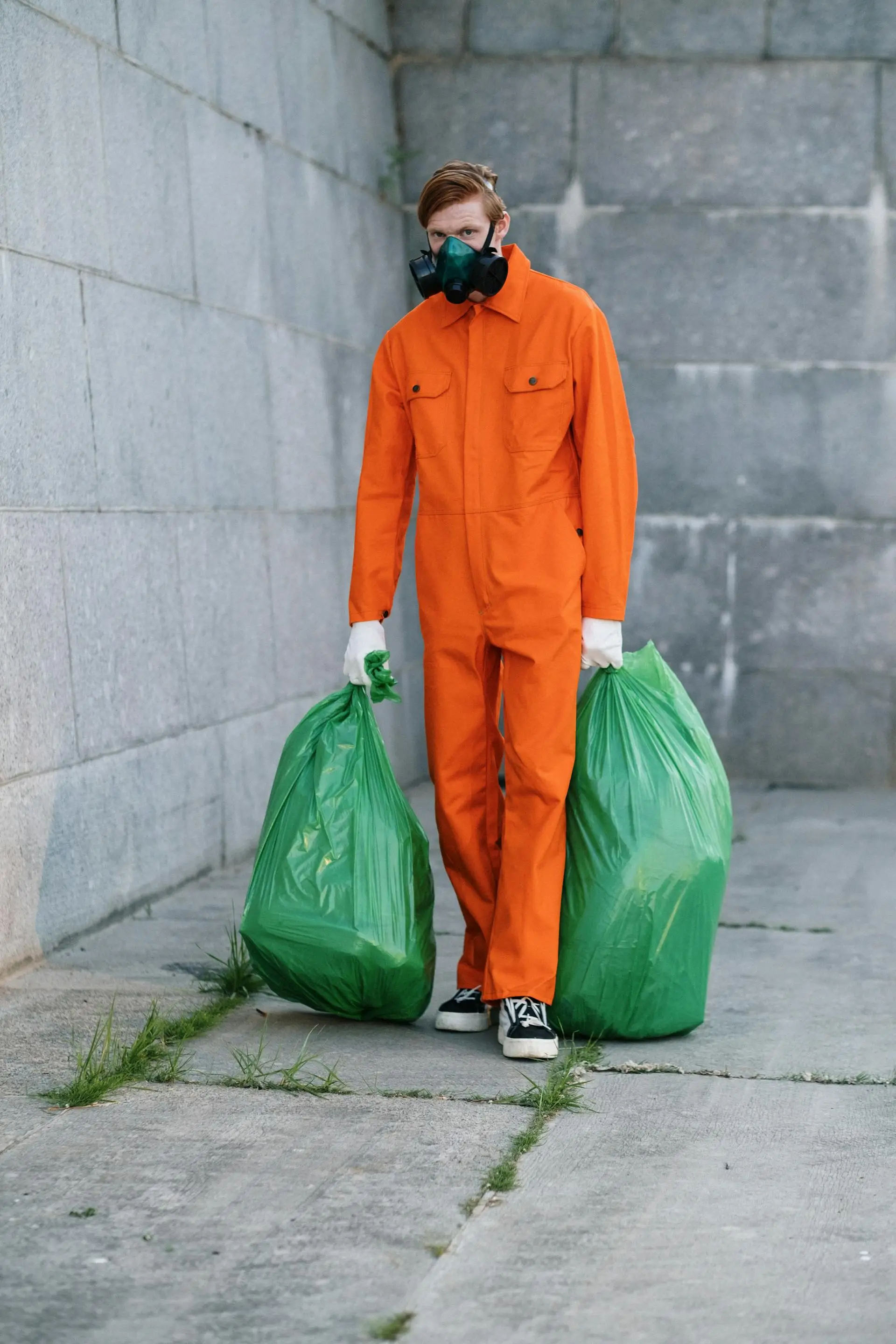
Sewage Cleanup
Sewer backups, contaminated water, biohazard. We extract, sanitize, and restore safely.
Learn more