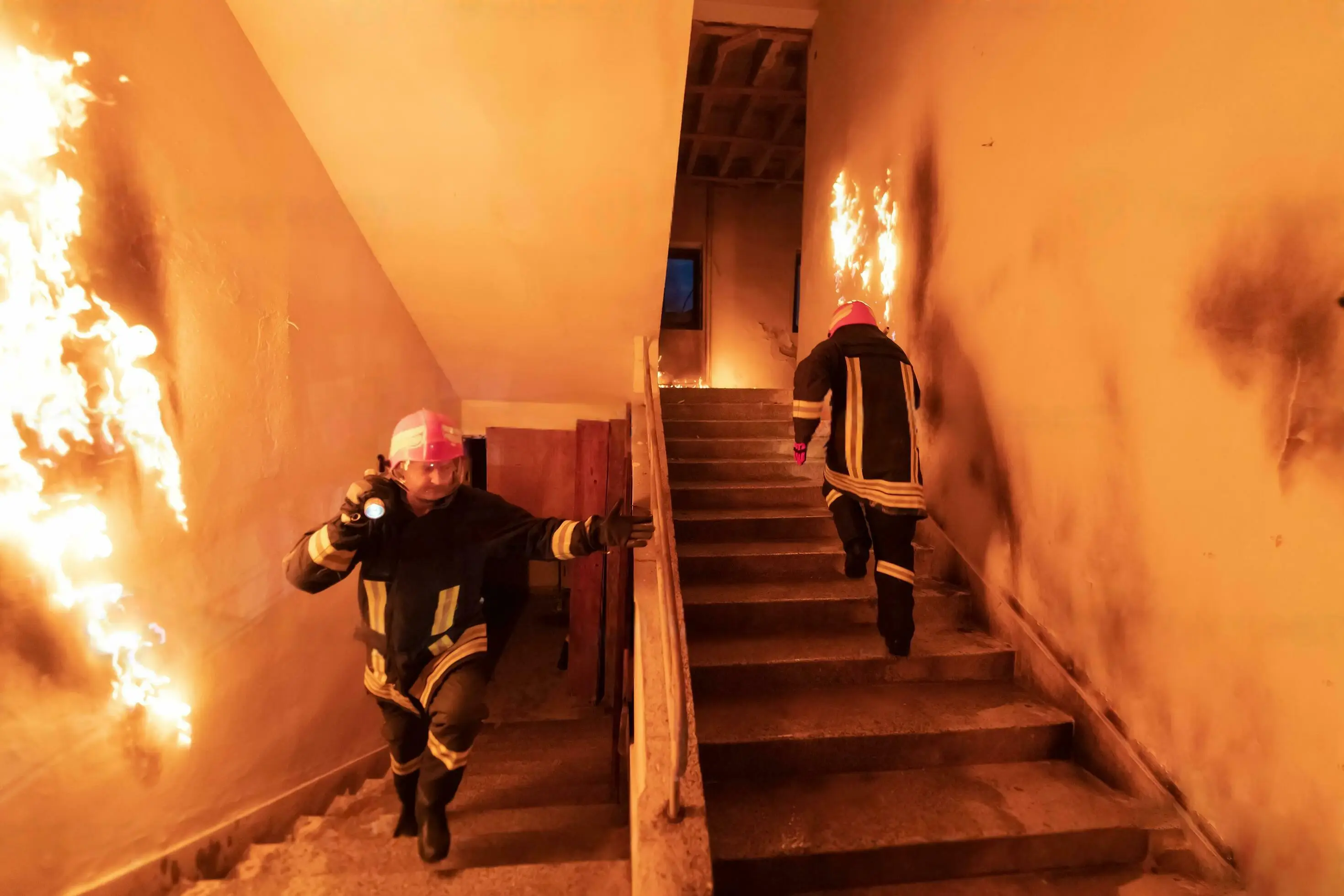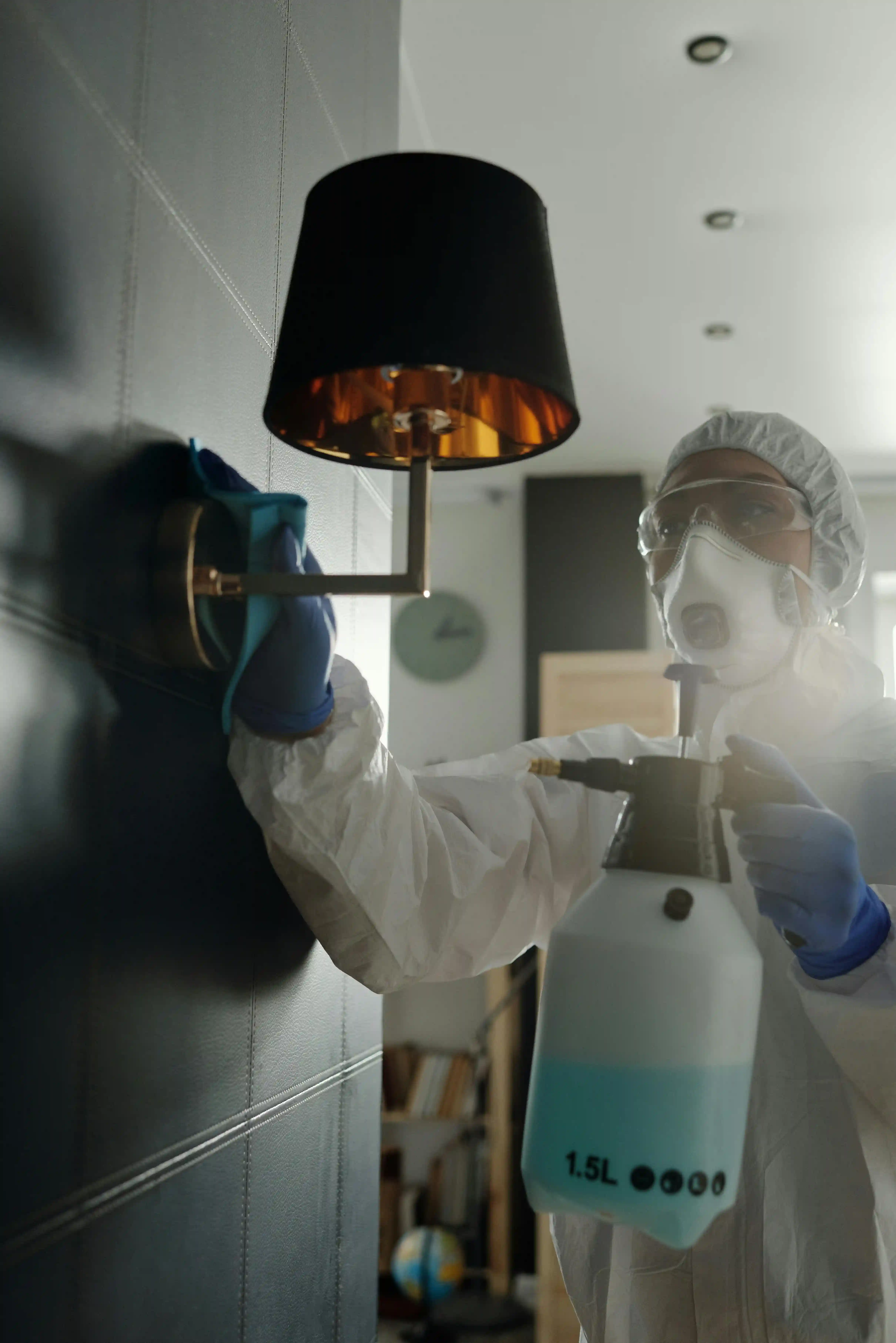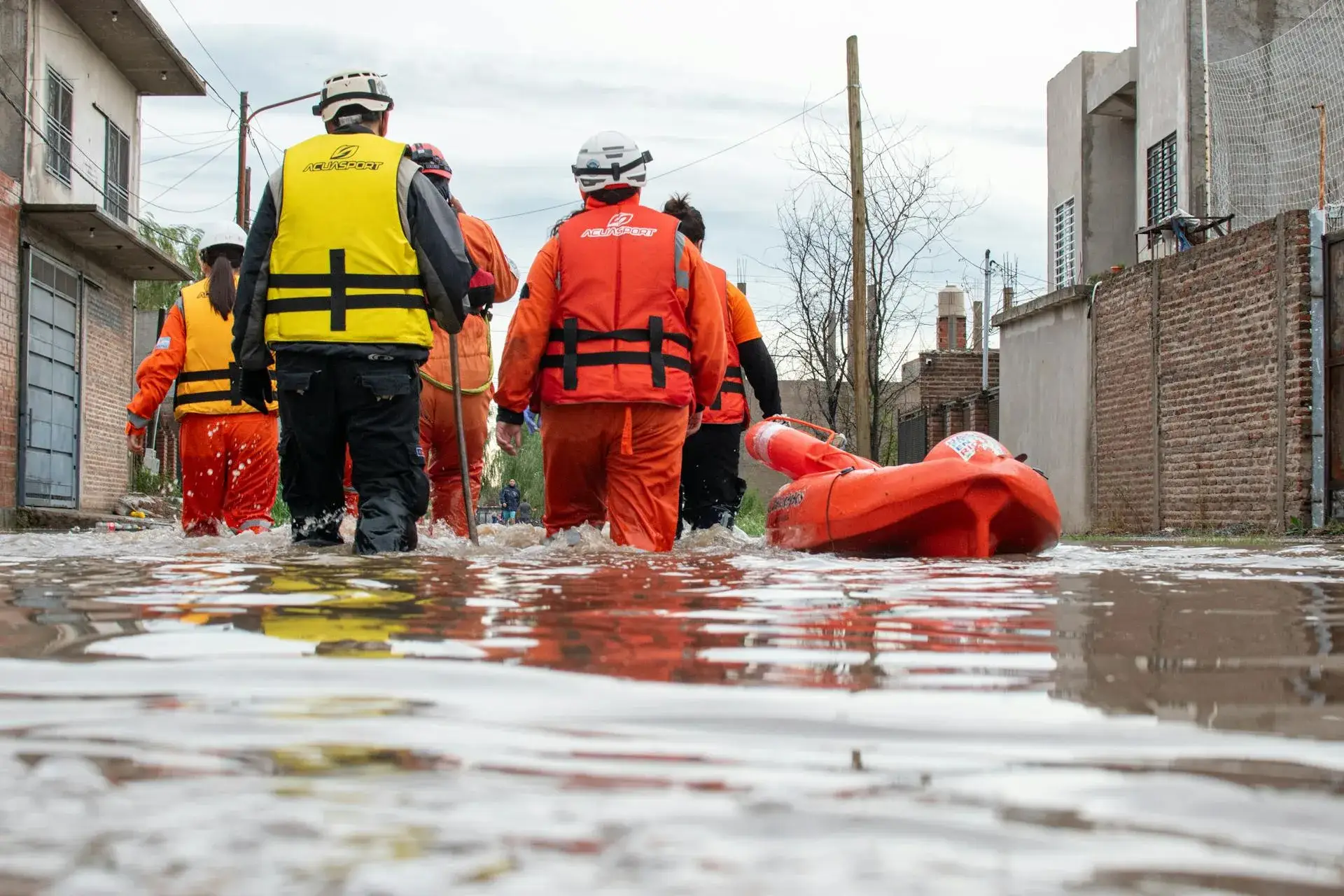
Water damage restoration team deploying industrial drying equipment inside a residential property
Teams Active in DuPage County

Water Damage Restoration in Naperville, IL

Every hour of standing water in your basement increases structural damage and mold risk. Our local team responds to Naperville emergencies within 60 minutes.

60-Min Response IICRC Certified Insurance Guidance Serving DuPage County

What Happens When You Call

You Call

A real person answers, not a call center. We assess your situation, ask the right questions, and begin coordinating your response immediately.

15 Minutes

Your dedicated restoration team is dispatched from our local base serving Naperville and the DuPage County area.

45–60 Minutes

Team arrives with industrial extractors, commercial dehumidifiers, and moisture detection equipment. Emergency mitigation begins in your basement.

Same Day

Water extracted, drying equipment placed and calibrated, restoration plan documented. You know exactly what comes next.

Your basement is flooding and you need it handled now. Not tomorrow, not after a callback queue. X Response exists for exactly this moment. When you reach out, your restoration team is mobilized within minutes and on site within the hour. From that point forward, one team manages everything: extraction, drying, documentation, and insurance guidance. You are never left wondering what happens next. Call now. Your team is standing by.

Why Naperville Homes Are Vulnerable to Water Damage

Naperville sits along the West Branch of the DuPage River in DuPage County, roughly 28 miles west of downtown Chicago. Founded in 1831 as Naper's Settlement, the city has grown to over 150,000 residents and consistently ranks among the best places to live in the United States. The housing stock spans from pre-war bungalows near the historic downtown through the massive suburban expansion of the 1970s, 1980s, and 1990s that transformed Naperville from a small town of 12,000 into a major city. Nearly every home has a full basement, and that single fact changes everything about how water damage occurs and how restoration must be approached.

DuPage County receives approximately 38 to 40 inches of rainfall annually, plus an average of 30 to 35 inches of snowfall that melts in spring. The combination of heavy clay soil, flat terrain, and universal basement construction creates a persistent flooding challenge that the city has spent decades and tens of millions of dollars trying to manage. The DuPage River has flooded through downtown Naperville multiple times, most recently forcing closure of the Riverwalk and surrounding areas. When that volume of water hits a landscape where every home sits on top of a below-grade living space surrounded by clay, basement flooding becomes one of the most common homeowner emergencies in the region.

Full Basements on Heavy Clay Soil

Nearly every Naperville home has a full basement, and the surrounding soil is dense glacial clay that does not drain water. During rain or snowmelt, water saturates the clay and builds hydrostatic pressure against foundation walls and floor slabs. This pressure forces water through cracks, cold joints, and the wall-floor seam. The clay bowl effect, created when builders backfill around a new foundation with looser soil, funnels even more water directly against the basement walls. This is the single most common cause of water intrusion in Naperville homes.

Sump Pump Dependency and Failure

Because of the high water table and clay soil, virtually every Naperville home relies on a sump pump to keep the basement dry. These pumps run constantly during wet seasons, cycling thousands of times per year. When a pump fails mechanically, loses power during a storm, or simply cannot keep up with the volume of water entering the foundation drain system, the basement floods. The city's own stormwater resources identify sump pump failure as the primary cause of residential basement flooding. A single failure during a heavy rain event can put inches of water across an entire finished basement within hours.

Harsh Winters, Frozen Pipes, and Ice Dams

Naperville winters regularly drop below zero, with temperatures ranging from the mid-teens to well below -10°F during polar vortex events. Pipes in exterior walls, unheated garage supply lines, and poorly insulated rim joists are vulnerable to freezing and bursting. A single burst pipe can release hundreds of gallons into a finished basement before the supply is shut off. Ice dams form on roofs when heat escaping through the attic melts snow that refreezes at the eaves, forcing water under shingles and into wall cavities and ceilings. The freeze-thaw cycles of a typical Illinois winter make both pipe bursts and ice dam leaks recurring threats from December through March.

DuPage River Flooding and Stormwater Surges

The West Branch of the DuPage River runs directly through Naperville, and the city has experienced repeated flooding events along the river corridor and Riverwalk area. DuPage County maintains the Fawell Dam specifically to reduce flood heights in downtown Naperville, and the county began a streambank stabilization project along the river in late 2024. Beyond river flooding, the flat terrain and clay soil mean that heavy summer thunderstorms overwhelm storm sewers and detention basins, sending surface water toward foundations and into window wells. Homes in low-lying areas near the river or downstream of detention ponds face the highest risk.

Sanitary Sewer Infiltration and Backups

Naperville operates separate sanitary and storm sewer systems, but during heavy rainfall, stormwater infiltrates the sanitary system through aging pipe joints and service laterals. When the sanitary sewer surcharges beyond its hydraulic capacity, sewage backs up through basement floor drains. The city has invested over $55 million lining more than 500,000 feet of sanitary sewer and 2,400 service laterals to reduce this infiltration, and offers a backflow device reimbursement program for homeowners. Despite these efforts, sewer backups remain a significant source of basement water damage during major rain events, particularly in older neighborhoods with original infrastructure.

These factors compound each other. Clay soil holds water against a basement wall, the sump pump runs continuously to keep up, a power outage during a thunderstorm kills the pump, and within hours the basement has standing water. Or a January cold snap freezes a pipe in a rim joist, the pipe bursts while the homeowner is at work, and by evening the finished basement has sustained catastrophic water damage. Professional restoration in Naperville requires understanding basement construction, clay soil hydrology, and the specific mechanical systems that Illinois homes depend on to stay dry. It is a fundamentally different job than drying a slab home in Florida or a crawl space in Georgia.

What Happens to Your Home While You Wait

Within 1 Hour

Water spreads across the basement floor and begins wicking into drywall, baseboards, and any stored belongings at ground level. Carpet padding absorbs water like a sponge and holds it against the concrete slab. If the basement is finished, the bottom of every wall begins absorbing moisture upward.

1–24 Hours

Drywall saturates upward through capillary action, often reaching 12 to 18 inches above the visible water line. Laminate flooring delaminates. Particle board shelving and furniture disintegrates. Metal framing and fasteners begin corroding. Musty odors develop as bacteria multiply in the warm, wet environment.

24–48 Hours

Mold colonization begins behind wet drywall, inside wall cavities, and beneath carpet padding. In a finished basement with insulation between studs, mold can establish in hidden spaces that are impossible to see without removing wall materials. Drywall loses structural integrity and begins to sag.

48–72 Hours

Mold spreads to HVAC ductwork in the basement and can distribute spores to upper floors through the forced-air system. Contamination moves well beyond the original water-affected area. Restoration scope and cost increase significantly as more materials require removal rather than drying in place.

One Week and Beyond

Extensive mold growth throughout basement wall cavities. If sewage was involved, biological contamination makes the space hazardous. What started as a water extraction job becomes a full mold remediation, drywall demolition, and rebuild project. Insurance claims become more complex and contested at this stage.

The difference between drying your basement in place and gutting it to the studs is often just a few hours of response time. Contact X Response now. Our Naperville team responds within 60 minutes.

How We Restore Water-Damaged Naperville Homes

From the moment our team arrives, every step is documented, measured, and verified. Here is exactly what the restoration process involves.

Emergency Assessment and Documentation

Our team arrives with thermal imaging cameras and professional moisture meters to map the full extent of water intrusion. In a finished basement, moisture often travels behind drywall and beneath flooring in ways that are invisible from the surface. We check wall cavities, insulation bays, and the concrete slab perimeter. We document everything with photos, moisture readings, and a written scope of work. This documentation guides the restoration plan and provides the evidence your insurance company needs to process your claim.

Water Extraction

Standing water is removed using truck-mounted and portable extraction units capable of pulling hundreds of gallons per hour. For basements with carpet, we extract from the carpet and pad separately, as pad holds many times its weight in water against the concrete slab. Hard-surface basement floors require weighted extraction along perimeter edges where water pools against walls. If the sump pump has failed, we deploy temporary pumping to manage ongoing water entry while extraction proceeds. Every gallon removed mechanically is a gallon that does not need to be evaporated, shortening the drying timeline significantly.

Structural Drying and Dehumidification

This is the longest and most critical phase. We deploy commercial dehumidifiers and high-velocity air movers in a calculated pattern designed to create airflow across all wet surfaces. Basements present unique drying challenges because they are below grade with limited natural ventilation, and concrete walls and slabs release moisture slowly over days. In finished basements where drywall has absorbed water, we make strategic flood cuts, removing the lower portion of drywall to expose the wall cavity and allow airflow behind the wall. Our team returns daily to take moisture readings, reposition equipment, and verify drying progress. Equipment stays until moisture meters confirm the structure has reached its dry standard.

Antimicrobial Treatment and Mold Prevention

Once surfaces are dry, we apply EPA-registered antimicrobial treatments to all affected areas. In basements where flood cuts were made, this includes treating the exposed wall cavity, studs, and the back side of any remaining drywall. HEPA air scrubbers run throughout the project to capture airborne spores and maintain indoor air quality. For homes where sewage backup was involved, antimicrobial treatment is more extensive and includes all surfaces that contacted contaminated water. Illinois law requires sellers to disclose known mold issues, so proper prevention and documentation protects both your health and your property value.

Quality Verification and Completion

Before we consider the job complete, a final inspection verifies that all moisture readings have returned to acceptable levels, all treated areas are clean and dry, and the scope of work has been fully executed. We provide you with completion documentation including before-and-after photos, final moisture readings, and a summary of all work performed. This documentation supports your insurance claim and gives you a clear record of what was done. If any area does not pass our quality check, we continue work until it does.

The X Response Difference

Typical Experience You call, get transferred to a dispatcher, and wait for someone to call you back. Hours pass. The water keeps rising.
X Response A real person answers your call. Your restoration team is dispatched within minutes. No callback queue, no waiting.
Typical Experience A random crew shows up, does the extraction, and you never see the same people again. Different faces every visit.
X Response One dedicated team handles your project from first call to final inspection. Same people, every visit. They know your home and your situation.
Typical Experience The restoration company finishes and hands you a stack of paperwork. You are left to figure out the insurance claim on your own.
X Response We document everything from day one with your claim in mind. Scope of work, moisture readings, photos, all formatted for your adjuster. We guide you through the process before you file.
Typical Experience The crew says "we're done" and disappears. No follow-up. If something was missed, you are starting over.
X Response Final quality inspection with documented moisture readings. Completion report with before-and-after evidence. Post-restoration follow-up to confirm everything holds.

When you contact X Response, you get a dedicated restoration team that manages everything, from emergency mitigation through insurance documentation to final quality verification. One team, one point of contact, one standard of work from start to finish.

Insurance Claim Guidance for Naperville Homeowners

Water damage insurance claims in Illinois depend heavily on the source of the water. Standard homeowner's policies cover sudden and accidental events like burst pipes, appliance failures, and ice dam leaks. However, the most common cause of basement flooding in Naperville, sump pump failure, is not covered under a standard policy. It requires a separate sump pump and water backup endorsement that many DuPage County homeowners carry but some do not realize they need until the basement floods. Sewer backup coverage falls under the same endorsement. Flood damage from rising groundwater or river overflow requires a separate NFIP or private flood policy entirely.

How X Response Helps

  • Document all damage with professional photos, moisture readings, and a detailed scope of work from day one
  • Identify the water source clearly, which determines which coverage applies under your policy
  • Align our restoration scope with standard insurance coverage categories so your adjuster can process the claim efficiently
  • Explain your policy's likely coverage before you file, so you understand your options and potential out-of-pocket exposure
  • Guide you on timing: when to file, what to include, and what to expect from the process

X Response does not file claims on your behalf, adjust claims, or make coverage determinations. We provide documentation and guidance to help you make informed decisions about your property and your policy. Coverage decisions are made solely by your insurance carrier.

Certified Restoration Specialists Serving Naperville

When you contact X Response for a water damage emergency in Naperville, your restoration team is drawn from certified professionals who work in DuPage County and understand the specific challenges of restoring homes in this area. They know basement construction. They know how clay soil and hydrostatic pressure drive water into below-grade spaces. They have worked through the aftermath of sump pump failures, frozen pipe bursts, and sewer backups in this community. This is not a crew dispatched from across the Chicago metro. It is a local team with local knowledge, operating under national quality standards.

Every technician on your team holds current IICRC certification in water damage restoration (WRT) and carries the appropriate Illinois state licensing for the work being performed. Equipment is commercial-grade and maintained to manufacturer specifications. When your team arrives, they bring everything needed to begin mitigation immediately, including basement-specific extraction tools, commercial dehumidifiers sized for below-grade environments, and temporary pumping systems for ongoing water entry.

IICRC Certified
Licensed & Insured
24/7 Availability
Serving DuPage County
EPA Lead-Safe

Water Damage Restoration FAQ — Naperville, IL

Nearby Service Areas

Also serving nearby:

Basement Water Damage Gets Worse Every Minute

Your Naperville restoration team is standing by. Free assessment. No obligation.

Available 24/7 · IICRC Certified · Insurance guidance included

Call Now Get Help Now Text Us