Sewage Cleanup in Naperville, IL
Sewage in your basement is a biohazard emergency. Do not enter the contaminated area. Our local team provides professional extraction, sanitation, and restoration.
What Happens When You Call
A real person answers. We treat this as the biohazard emergency it is. We ask about the source, affected areas, and whether anyone has been exposed. We dispatch your team immediately.
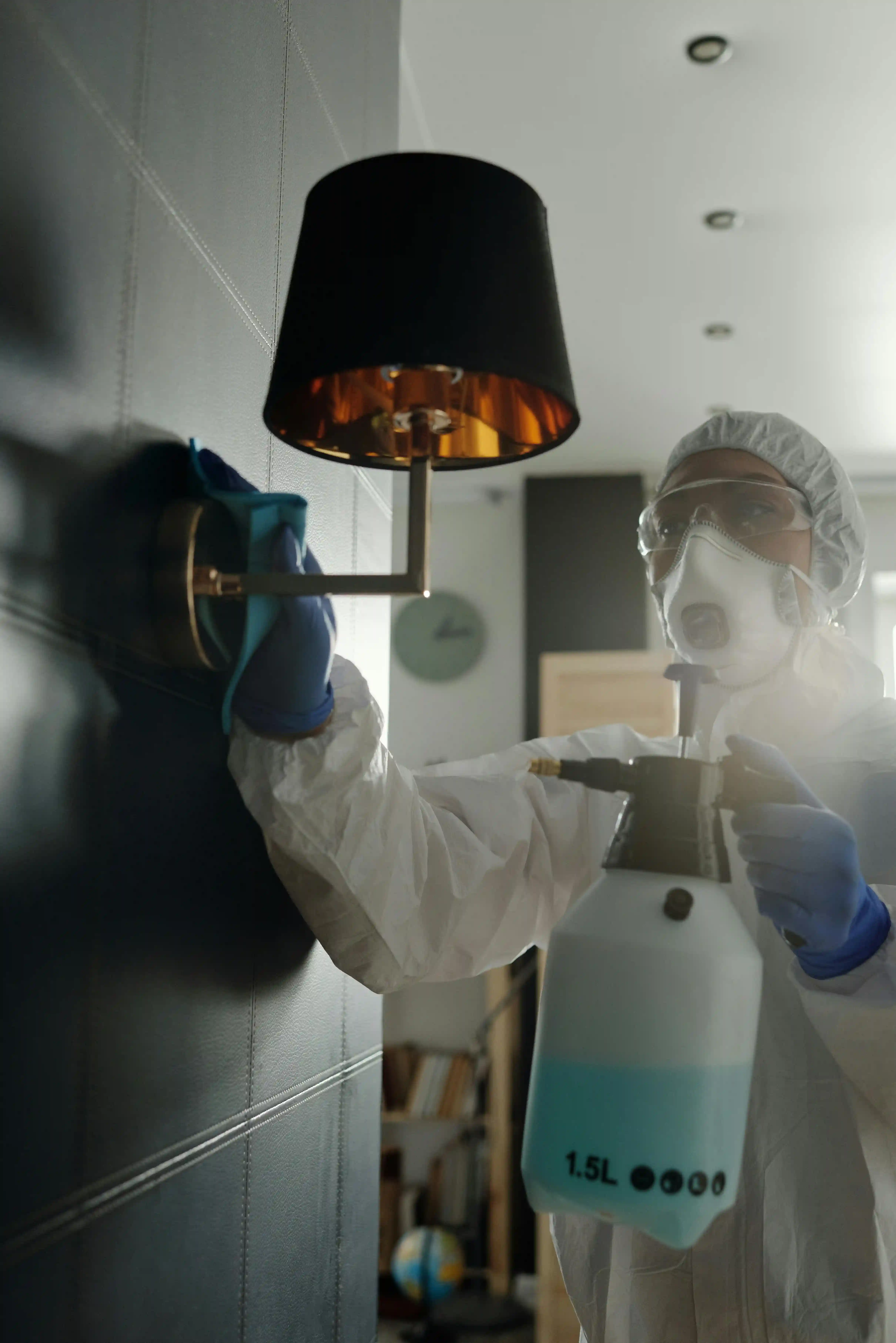
Your team arrives in full PPE with extraction equipment, containment materials, and biohazard disposal supplies. Safety perimeter established. No one enters without protection.
Sewage extracted. Contaminated porous materials removed and bagged for biohazard disposal. All affected surfaces cleaned and treated with EPA-registered disinfectants. Drying equipment deployed.
Structure dried to target moisture levels. Final sanitation verified. Reconstruction of removed materials begins. Documentation complete for your insurance claim.
Sewage is backing up through your basement floor drain and you need it handled now. Do not try to clean this yourself. Do not enter the contaminated area without protective equipment. Sewage contains bacteria, viruses, and parasites that pose serious health risks. X Response exists for exactly this situation. When you call, a biohazard-trained team is dispatched immediately with the equipment and expertise to extract, sanitize, and restore your basement safely. Call now. Do not wait.
Why Sewer Backups Happen in Naperville Basements
Naperville operates separate sanitary and storm sewer systems, which means sewage and rainwater are supposed to travel through different pipe networks. In practice, during heavy rainfall events, stormwater infiltrates the sanitary system through aging pipe joints, cracked service laterals, and improperly connected sump pumps. When the volume of water entering the sanitary system exceeds its hydraulic capacity, the system surcharges and sewage backs up through the path of least resistance: your basement floor drain.
The City of Naperville has invested over $55 million lining more than 500,000 feet of sanitary sewer and 2,400 service laterals to reduce this infiltration. They conduct ongoing cleaning, televising, smoke testing, and flow monitoring of the system. Despite these efforts, backups still occur during major rain events, particularly in older neighborhoods where the original infrastructure has not yet been rehabilitated. The city acknowledges this reality by offering a backflow device reimbursement program that covers 75% of the installation cost for homeowners who have experienced a backup caused by system surcharging.
Stormwater Infiltration and System Surcharging
During heavy rainfall, stormwater enters the sanitary sewer system through aging pipe joints, cracked laterals, and foundation drains that were improperly connected decades ago. The city's own documentation states that this inflow and infiltration can exceed the system's hydraulic capacity, causing surcharging that forces sewage backward through service laterals and up through basement floor drains. This is not a failure of your home's plumbing. It is a system-wide hydraulic overload that affects multiple homes simultaneously during major storm events.
Tree Root Intrusion in Service Laterals
The City of Naperville identifies tree roots as the number one cause of sanitary sewer backups. Roots from trees and shrubs seek moisture and enter sewer pipes through small cracks. Over time, the roots grow and obstruct the pipe, causing waste to build up until it backs up into the home. Naperville's mature tree canopy means root intrusion is a persistent problem throughout the city. The homeowner is responsible for maintaining the service lateral from the home to the main sewer line, which means root-caused backups are the homeowner's responsibility to clear and repair.
Finished Basements Maximize Damage
When sewage backs up through a floor drain in an unfinished basement, the damage is primarily to stored items and the concrete floor, which can be sanitized. When it backs up into a finished basement with drywall, carpet, insulation, and built-in cabinetry, the damage is catastrophic. Sewage-contaminated porous materials cannot be salvaged. Under the IICRC S500 standard, all porous materials that contact Category 3 water (sewage) must be removed and disposed of as biohazard waste. In a finished Naperville basement, this means removing drywall, carpet, padding, insulation, and any particleboard or MDF materials that contacted the sewage.
Grease, Wipes, and Household Blockages
Beyond system-wide surcharging, individual service lateral blockages cause many Naperville sewer backups. The city specifically warns against pouring cooking grease down drains, where it solidifies and constricts the pipe over time. Flushable wipes, despite their marketing, weave together into masses that clog service lines and damage wastewater equipment. Paper towels, diapers, and feminine products also cause blockages because they do not deteriorate like toilet paper. These blockages build gradually until the pipe is fully obstructed and sewage has nowhere to go but back into the home.
Improperly Connected Sump Pumps
The City of Naperville identifies sump pumps connected to the sanitary sewer as a contributing factor to system surcharging. When a sump pump discharges into the sanitary system instead of to the exterior, it adds stormwater volume to a system designed only for wastewater. During heavy rain, hundreds of improperly connected sump pumps across a neighborhood can collectively overwhelm the sanitary system's capacity. The city instructs homeowners to verify that their sump pump discharges to the exterior and to contact the Sanitary Sewer Supervisor if they are unsure where their system discharges.
The city is working to reduce these backups through infrastructure investment, but the reality is that sewer backups still happen in Naperville, particularly during intense rainfall in older neighborhoods. When sewage enters a finished basement, the health hazard is immediate and the damage to materials is total. Professional cleanup is not optional. It is a health and safety requirement. The contaminated space must be extracted, stripped of porous materials, disinfected, dried, and rebuilt. That is what X Response delivers.
What Happens While Sewage Sits in Your Basement
Immediately
Sewage is a Category 3 biohazard containing bacteria, viruses, parasites, and other pathogens. The space is immediately unsafe to enter without protective equipment. Every porous material the sewage contacts — carpet, padding, drywall, insulation, particleboard — is contaminated beyond salvage. The longer it sits, the higher the contamination wicks up walls and spreads across the floor.
1–24 Hours
Sewage wicks upward through drywall via capillary action, often reaching 12 to 18 inches above the visible water line. Bacteria multiply rapidly in the warm, nutrient-rich environment. Odor intensifies as biological decomposition accelerates. The contamination zone expands beyond the area of visible standing water.
24–48 Hours
Mold begins colonizing on contaminated surfaces. The combination of moisture, organic material, and biological nutrients from the sewage creates ideal growth conditions. Airborne pathogen levels increase as contaminated materials begin drying and releasing particles. Health risk to occupants on upper floors increases as contaminated air migrates upward.
48+ Hours
Extensive mold growth on all contaminated surfaces. Structural materials begin degrading from biological activity. The scope of required removal expands significantly. What could have been contained to the lower 12 inches of wall may now require full-height drywall removal. Restoration costs increase substantially with every day of delay.
Sewage cleanup is not a project you can schedule for next week. Every hour of delay increases the contamination zone, the health risk, and the restoration cost. Contact X Response now. We respond within 60 minutes.
How We Handle Sewage Cleanup in Naperville Homes
Sewage is classified as Category 3 water — the most hazardous classification. Our process follows the IICRC S500 standard for contaminated water restoration.
Emergency Response and Safety Assessment
Our team arrives in full PPE — Tyvek suits, respirators, rubber boots, and nitrile gloves. We establish a safety perimeter, assess the extent of contamination, and identify the sewage source. If the backup was caused by a city main surcharge during heavy rain, we note this for your insurance documentation and recommend you contact the Naperville Water Utility at (630) 420-6137 to confirm the system issue. We document everything with photos and moisture readings from the moment we arrive.
Sewage Extraction and Contaminated Material Removal
Standing sewage is extracted using truck-mounted pumps and industrial wet vacuums designed for contaminated water. Once the bulk liquid is removed, all porous materials that contacted the sewage are removed as required by the IICRC S500 standard for Category 3 water. In a finished Naperville basement, this means carpet, carpet padding, drywall below the contamination line (typically cut 12 to 18 inches above the visible water mark to account for wicking), insulation, and any particleboard or MDF materials. Everything is sealed in heavy-duty polyethylene bags and disposed of as biohazard waste.
Sanitation, Disinfection, and Antimicrobial Treatment
After contaminated materials are removed, every remaining surface is cleaned and disinfected. Concrete subfloors, wood framing, metal fixtures, and other non-porous surfaces are scrubbed and treated with EPA-registered antimicrobial and disinfectant solutions effective against the bacteria, viruses, and parasites found in sewage. Treatment is applied in multiple passes to ensure full coverage, including areas behind where drywall was removed and inside floor cavities. Containment barriers remain in place throughout to prevent cross-contamination of unaffected areas of the home above.
Structural Drying and HEPA Air Filtration
Commercial dehumidifiers and industrial air movers are positioned throughout the basement to dry the exposed structure to target moisture levels. Air scrubbers with HEPA filters run continuously to capture airborne contaminants, bacteria, and mold spores that may have become aerosolized during extraction and removal. Our team monitors moisture levels daily, adjusting equipment as the structure dries. This phase typically takes 3 to 5 days for moderate sewage damage. The structure must reach documented dry standards before any reconstruction begins, preventing mold growth behind new materials.
Restoration, Reconstruction, and Prevention
Once the structure is dry and sanitation is verified, reconstruction begins. New drywall, insulation, flooring, baseboards, and trim are installed to replace materials removed during cleanup. Your team documents the full scope of work with before-and-after photos, moisture readings, and a detailed inventory of removed and replaced materials for your insurance claim. We also recommend prevention measures: if your backup was caused by system surcharging, we advise you about the City of Naperville's backflow device reimbursement program, which covers 75% of the installation cost for a backflow preventer on your floor drain.
The X Response Difference
Sewage cleanup requires biohazard training, proper PPE, EPA-registered disinfectants, and strict adherence to contaminated water standards. It is not a job for a general cleaning company or a DIY project. X Response delivers the full scope: extraction, removal, sanitation, drying, reconstruction, and prevention guidance.
Insurance Claim Guidance for Naperville Sewage Cleanup
Standard Illinois homeowner's policies do not cover sewer backup damage. Coverage requires a separate water backup and sump pump endorsement added to your policy. Many DuPage County homeowners carry this endorsement because basement flooding and sewer backups are common in the area, but some do not realize they need it until a loss occurs. If you have the endorsement, sewage cleanup and restoration are typically covered up to the endorsement limit, which commonly ranges from $5,000 to $25,000 depending on your policy. The source of the backup matters: if the city's main sewer caused the backup during a surcharge event, the city may have limited liability, but your endorsement is still your primary coverage path.
How X Response Helps
- Document the backup source clearly — system surcharge vs. private lateral blockage — which affects both insurance and potential city responsibility
- Provide photos, moisture readings, and contamination mapping from the moment we arrive on scene
- Document all materials removed with detailed inventory for your claim
- Align our restoration scope with your endorsement limits and standard coverage categories
- Help you understand your specific policy language regarding water backup coverage before you file
X Response does not file claims on your behalf, adjust claims, or make coverage determinations. We provide documentation and guidance to help you make informed decisions about your property and your policy. Coverage decisions are made solely by your insurance carrier.
Certified Sewage Cleanup Specialists Serving Naperville
When you contact X Response for a sewage backup in Naperville, your team is drawn from certified professionals who are trained in biohazard response and understand the specific sewer infrastructure challenges in DuPage County. They know that Naperville backups during heavy rain are often system-wide surcharge events, not individual plumbing failures. They know the city's reporting process and can guide you on contacting the Water Utility to confirm the source. And they know that in a finished basement, the cleanup scope is extensive because every porous material that contacted sewage must be removed.
Every technician holds current IICRC certification in water damage restoration (WRT) with specialized training in Category 3 contaminated water handling. The team arrives in full personal protective equipment and carries biohazard disposal materials, EPA-registered disinfectants, industrial extraction equipment, and commercial drying systems. No one enters a sewage-contaminated space without proper protection, and no contaminated material leaves the containment zone without being sealed in biohazard bags.
Sewage Cleanup FAQ — Naperville, IL
The most common cause during heavy rain is stormwater infiltrating the sanitary sewer system through aging pipe joints and service laterals, exceeding the system's capacity and forcing sewage back through basement floor drains. The city identifies tree roots as the number one cause of individual lateral blockages. Grease buildup, flushable wipes, and improperly connected sump pumps that discharge into the sanitary system also contribute to backups.
Standard Illinois homeowner's policies do not cover sewer backup damage. Coverage requires a separate water backup and sump pump endorsement added to your policy. Many DuPage County homeowners carry this endorsement, but some do not realize they need it until a loss occurs. If you have the endorsement, sewage cleanup and restoration are typically covered up to the endorsement limit. X Response documents the backup source and damage extent to support your claim.
Yes. The city instructs residents to notify the Water Utility before calling a plumber when experiencing a sanitary sewer backup from a floor drain, especially during heavy rainfall. A city representative will determine at no cost whether the problem is in the city's main sewer line. Call (630) 420-6137 during business hours or (630) 420-6060 after hours. Then contact X Response for professional cleanup and restoration of the damage in your basement.
Yes. Sewage is classified as Category 3 water under the IICRC S500 standard, meaning it contains dangerous bacteria, viruses, parasites, and other pathogens. Direct contact or inhalation of aerosolized particles can cause serious illness. Do not attempt to clean sewage yourself. Do not enter the contaminated area without protective equipment. Keep children and pets away from the affected space until professional cleanup is complete.
The City of Naperville offers a Sanitary Sewer Backflow Device Reimbursement Program for Water Utility customers who have experienced a backup caused by system surcharging during intense rainfall. The program reimburses 75% of the approved cost for installing a backflow prevention device. You must contact the Water Service Center at (630) 420-6137 to confirm the backup was sanitary-related, receive approval before work begins, and obtain three contractor quotes. The device prevents sewage from flowing backward through your floor drain during future surcharge events.
Other Emergency Services in Naperville
Water Damage Restoration
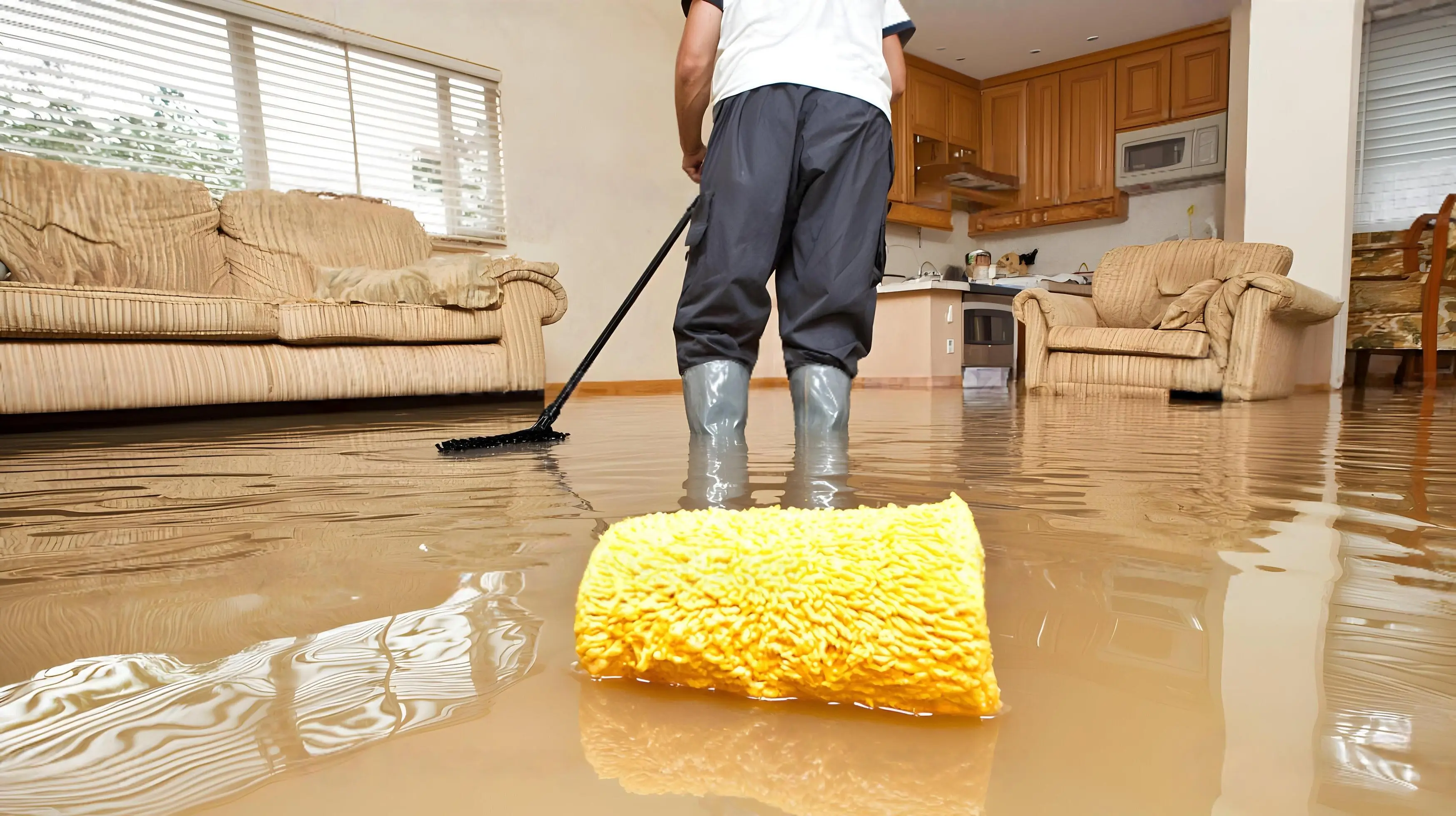
Basement flooding, burst pipes, sump pump failures. We extract, dry, and restore.
Learn more
Fire Damage Restoration
Structural damage, soot, debris. We stabilize, clean, and rebuild what fire destroyed.
Learn more
Smoke Damage Restoration
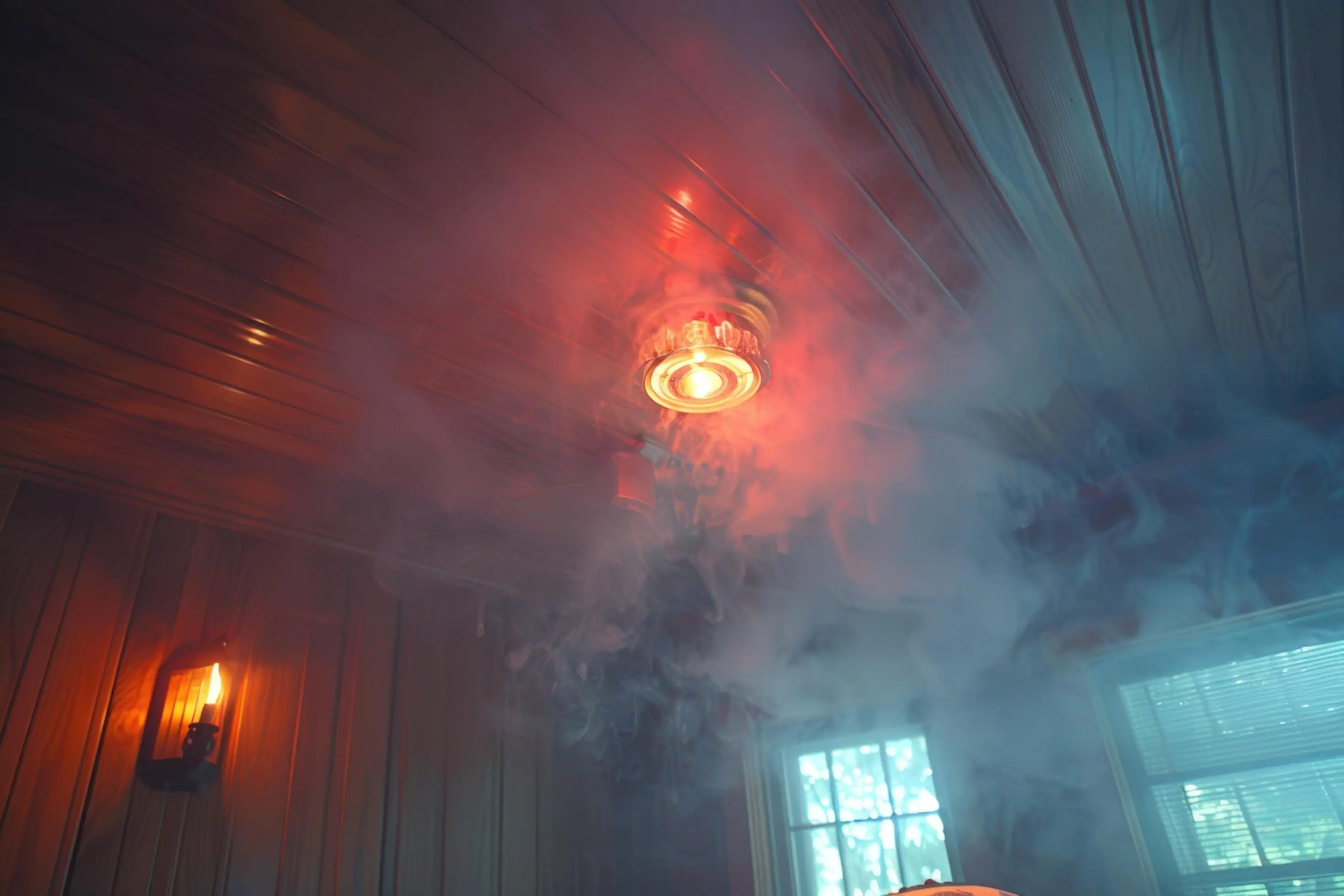
Soot residue, chemical odors, HVAC contamination. We decontaminate surfaces, eliminate odors, and restore air quality.
Learn more
Mold Remediation
Testing, containment, removal, prevention. We find the source, eliminate the growth, and stop it from returning.
Learn more