
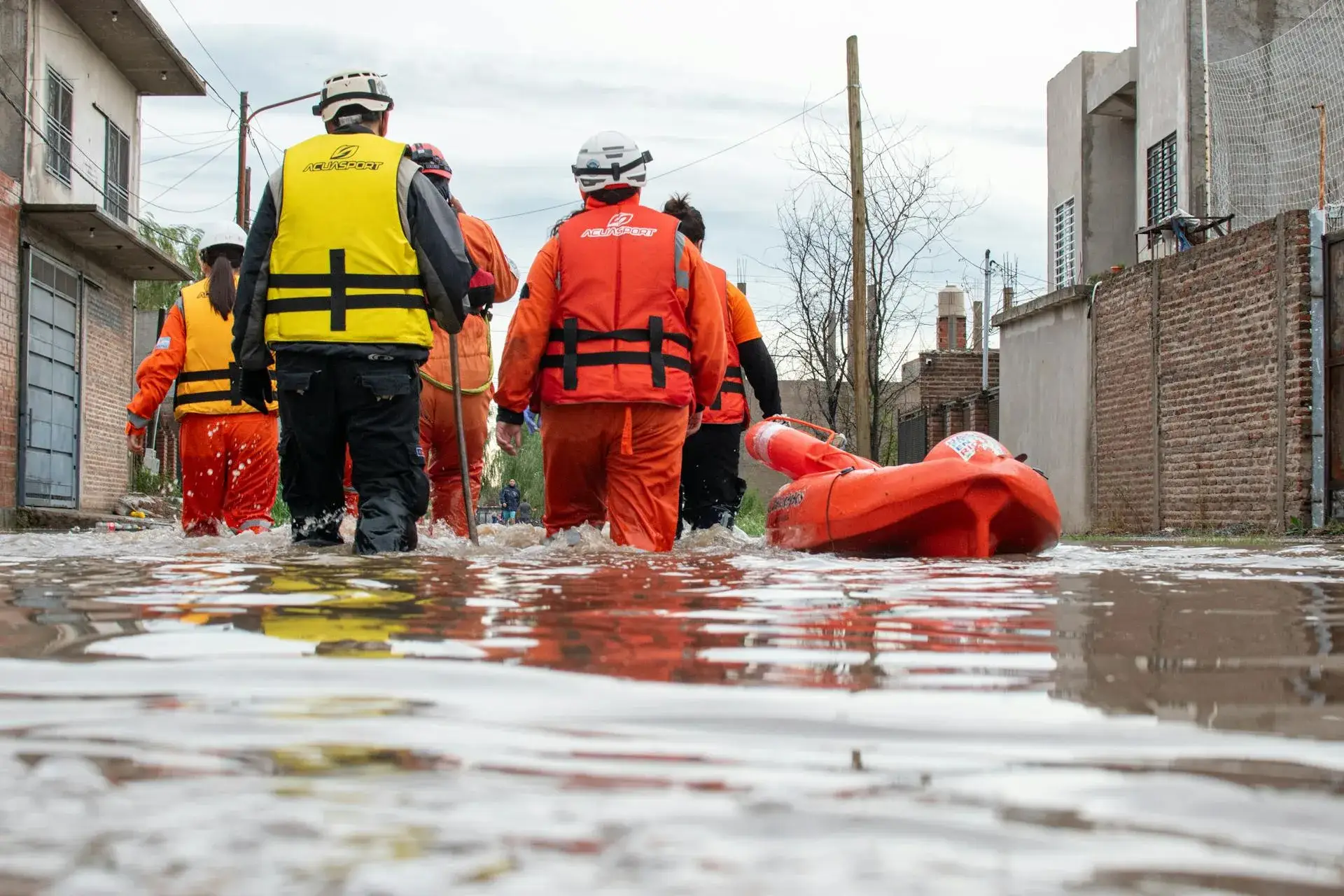
Water Damage Restoration in Lawrence, IN
Every hour of standing water deepens structural damage and mold risk. Our local team responds to Lawrence emergencies within 60 minutes.
What Happens When You Call
A real person answers. We assess your situation and begin coordinating your response immediately.
Your dedicated restoration team is dispatched from our local base serving Lawrence and the surrounding Marion County communities.
Team arrives with industrial extractors, commercial dehumidifiers, and moisture detection equipment. Emergency mitigation begins immediately.
Water extracted, drying equipment placed and calibrated, restoration plan documented. You know exactly what comes next.
Water is moving through your home and you need it stopped now. X Response exists for exactly this moment. When you reach out, your restoration team is mobilized within minutes and on site within the hour. One team manages everything: extraction, drying, documentation, and insurance guidance. Call now. Your team is standing by.
Why Lawrence Homes Are Vulnerable to Water Damage
Lawrence is a city of approximately 49,600 residents in Marion County, Indiana, positioned northeast of Indianapolis along the I-465 corridor. Fall Creek flows through the city and through Fort Harrison State Park, the 1,700-acre former military installation that is now one of the state's most visited parks. The National Weather Service has issued flood warnings for Fall Creek in the Lawrence area during heavy rain events when the creek rises rapidly and threatens low-lying areas along the corridor. Fall Creek collects runoff from a large watershed stretching northeast into Hamilton County, meaning that rainfall well north of Lawrence can produce flooding in the city hours later as the creek crests.
Lawrence's development history creates a distinctive water damage profile. Much of the housing stock dates to the 1960s through 1990s, built after Fort Benjamin Harrison's post-World War II expansion drew military families and civilian workers to the area. These homes were constructed on the clay soils typical of the Tipton Till Plain, with basements and drainage systems designed for a less densely developed landscape. As Lawrence and surrounding areas have added subdivisions, commercial development, and infrastructure, the impervious surface area generating stormwater has increased substantially while the underlying drainage capacity has remained largely the same. The August 2026 flooding events that affected the broader Indianapolis metro, including 2 inches of rain in two hours on August 1 and the derecho on August 10-11, caused water damage across Marion County including the Lawrence area.
Fall Creek Flooding
Fall Creek is the primary waterway through Lawrence, flowing from its headwaters in Henry and Hancock counties through Fort Harrison State Park and into the White River in downtown Indianapolis. The creek drains a large watershed, and heavy rainfall anywhere in the upper basin produces elevated flows through Lawrence hours later. NWS flood warnings for the Fall Creek corridor have been issued during multiple events, and the creek's response to sustained rainfall can keep water levels elevated for days. Homes near the creek corridor and in low-lying areas face both direct flooding during crest events and chronically elevated groundwater that keeps foundations damp between storms.
Fort Harrison State Park Watershed
Fort Harrison State Park's 1,700 acres of largely natural landscape within Lawrence borders residential neighborhoods along its perimeter. While the park provides some natural stormwater absorption, the creek channels and drainage features within the park concentrate runoff and direct it downstream through residential areas south of the park. Homes along the park's southern and western boundaries sit at lower elevation than the park's interior, making them recipients of surface runoff during heavy rain events. The park's mature tree canopy and natural ground cover absorb moisture better than developed land, but during intense storms the volume overwhelms even natural absorption capacity.
1960s-1990s Housing Stock and Drainage
Lawrence's housing stock is concentrated in the 1960s through 1990s era, built during and after Fort Benjamin Harrison's operational period. These homes typically have poured concrete or block basements with original drain tile systems designed for the development density of their era. As surrounding areas have added impervious surface through development, the stormwater volume reaching Lawrence's drainage infrastructure has increased beyond original design capacity. Foundation waterproofing on homes of this vintage has deteriorated over 30 to 60 years, reducing the barrier between groundwater and basement interiors. Many of these homes have been renovated with finished basements that dramatically increase damage costs when water enters.
Clay Soils and Foundation Moisture
Lawrence sits on the same glacial clay deposits that characterize the Tipton Till Plain across central Indiana. Clay soils shed rainfall rather than absorbing it, pooling water against foundations and maintaining hydrostatic pressure that forces moisture through cracks, joints, and porous concrete. After rain, the clay holds moisture against basement walls for days or weeks. Even in dry periods, the regional water table elevation from Fall Creek and the broader drainage network keeps foundation-level moisture higher than homeowners expect.
Winter Freeze-Thaw and Pipe Failures
Lawrence's humid continental climate produces winter temperatures that regularly drop below freezing from December through February. The city's 1960s through 1990s housing stock includes plumbing configurations that are vulnerable to freezing: copper lines through exterior walls, supply lines in unheated crawl spaces, and older homes with original plumbing that lacks modern freeze protection. Extended cold snaps push temperatures well below zero, and any pipe running through an inadequately insulated space becomes a rupture risk. A burst pipe can discharge hundreds of gallons per hour into wall cavities and finished basements before detection.
Water damage in Lawrence comes from the interaction of Fall Creek's flood risk, a housing stock from the 1960s through 1990s with aging drainage and waterproofing, clay soils that refuse to drain, and winter conditions that freeze and rupture supply lines. The August 2026 flooding events demonstrated that intense rainfall overwhelms drainage throughout Marion County. Effective restoration requires understanding the damage source and matching the extraction and drying approach to the specific conditions of Lawrence homes.
What Happens to Your Home While You Wait
Within 1 Hour
Water spreads across flooring and wicks into drywall and baseboards. In Lawrence homes with basements, it collects at the lowest point. Carpet padding holds water against the subfloor, beginning hidden damage.
1–24 Hours
Drywall wicks moisture upward. Wood flooring cups and warps. Marion County's humid conditions slow evaporation. Musty odors develop.
24–48 Hours
Mold colonization begins in wall cavities, beneath flooring, and in basement framing. Central Indiana's warm summers accelerate growth.
48–72 Hours
Mold spreads into HVAC ductwork. Contamination moves beyond the wet area. Restoration scope and cost climb sharply.
One Week and Beyond
Extensive mold growth and structural damage. The project becomes full remediation, demolition, and rebuild.
Hours of response time make the difference. Contact X Response now. Our Lawrence team responds within 60 minutes.
How We Restore Water-Damaged Lawrence Homes
From arrival, every step is documented, measured, and verified.
Emergency Assessment and Documentation
Thermal imaging and moisture meters map the full extent of intrusion. In Lawrence homes we inspect living space, basement, and crawl space. Near Fall Creek, we probe beyond visibly wet areas because clay soils hold moisture against foundations. Everything is documented with photos, readings, and a written scope.
Water Extraction
Standing water is removed using truck-mounted and portable extraction units. For finished basements, we extract from each material separately. For crawl spaces, we deploy submersible pumps. If Fall Creek is still elevated, we set up temporary pumping for active intrusion.
Structural Drying and Dehumidification
Commercial dehumidifiers and high-velocity air movers dry every wet surface. Central Indiana's humidity makes mechanical dehumidification essential. We monitor daily until dry standard is confirmed.
Antimicrobial Treatment
EPA-registered antimicrobials are applied to all affected areas. HEPA air scrubbers run throughout the project.
Quality Verification
Final inspection verifies acceptable moisture levels. Completion documentation supports your insurance claim.
The X Response Difference
One team, one standard of work, start to finish.
Insurance Claim Guidance for Lawrence Homeowners
Water damage claims depend on the source. Standard policies cover sudden events like burst pipes and roof leaks. Flood damage from Fall Creek or surface water requires separate flood insurance. Sewer backup requires its own endorsement.
How X Response Helps
- Document damage with photos, readings, and scope from day one
- Identify the water source clearly
- Prepare documentation for Marion County requirements
- Align scope with insurance coverage categories
- Explain coverage before you file
X Response does not file claims on your behalf, adjust claims, or make coverage determinations. Coverage decisions are made solely by your insurance carrier.
Certified Restoration Specialists Serving Lawrence
Your Lawrence restoration team works across Marion County and understands the specific challenges here: Fall Creek flood dynamics, the 1960s-1990s housing stock with aging drainage, clay soils, and Fort Harrison State Park watershed effects. Local team, local expertise, national standards.
Every technician holds current IICRC certification. Equipment is commercial-grade, sized for central Indiana's humidity.
In Lawrence, X Response works with The Cleaning Source, an independent local restoration partner serving Marion County.
Water Damage Restoration FAQ for Lawrence Homeowners
Other Emergency Services in Lawrence

Fire Damage Restoration
Structural damage, soot, debris. We stabilize, clean, and rebuild what fire destroyed.
Learn more
Smoke Damage Restoration
Soot residue, chemical odors, HVAC contamination. We decontaminate surfaces, eliminate odors, and restore air quality.
Learn more
Mold Remediation
Testing, containment, removal, prevention. We find the source, eliminate the growth, and stop it from returning.
Learn more
Sewage Cleanup
Sewer backups, contaminated water, biohazard. We extract, sanitize, and restore safely.
Learn more