
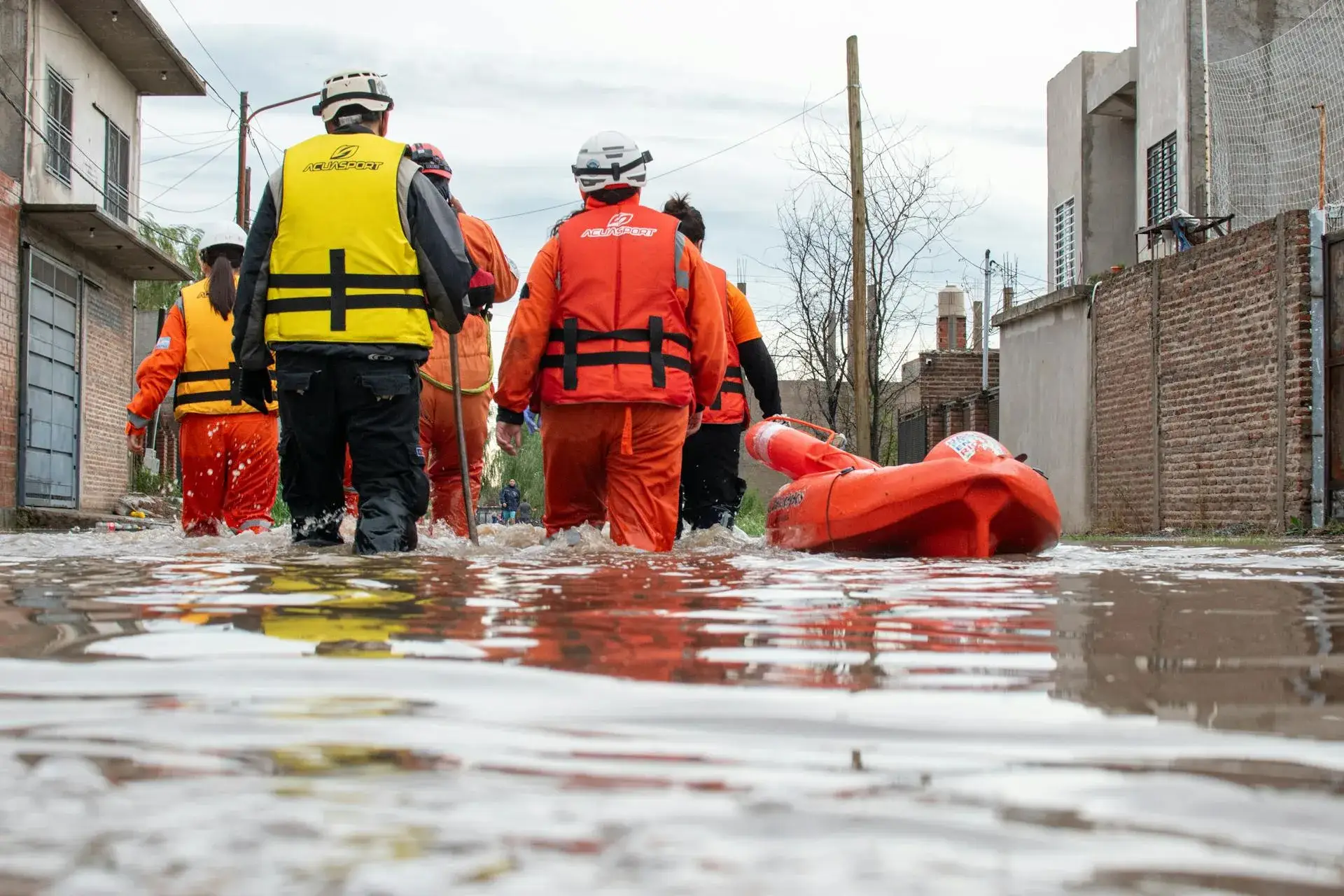
Water Damage Restoration in Westfield, IN
Every hour standing water remains accelerates structural rot and mold development. Our local team arrives at Westfield properties within 60 minutes.
What Happens When You Call
A knowledgeable restoration coordinator answers your call directly, evaluates your water emergency, and dispatches an emergency crew immediately.
Your local restoration crew mobilizes from our Hamilton County operations center serving Westfield, Carmel, and Noblesville.
Technicians arrive on site equipped with commercial truck-mounted extractors, structural dehumidifiers, and thermal imaging cameras.
Standing water is removed, precision drying equipment is positioned and calibrated, and moisture tracking protocols are established.
Water is spreading through your Westfield property and every minute counts. You cannot afford to wait through answering services or delayed scheduling. When you contact X Response, an experienced restoration team dispatches immediately from our Hamilton County operations hub. From the first assessment through industrial extraction, continuous drying, and detailed insurance documentation, one dedicated team coordinates every detail. Call now. Our team is standing by 24/7.
Why Westfield Homes Are Vulnerable to Water Damage
Westfield is a rapidly expanding city of over 64,000 residents in Hamilton County, Indiana, situated directly along the US-31 corridor north of Carmel and northwest of Noblesville. As the city has grown rapidly from a quiet agricultural community into one of the Midwest's premier residential hubs, its landscape has undergone substantial structural transformation. The 400-acre Grand Park Sports Campus in Westfield features 26 baseball and softball diamonds, 31 multipurpose fields, and a 370,000-square-foot events center, representing a major concentration of commercial turf and impervious surface in the upper Cool Creek watershed. Cool Creek originates in the wetlands and prairie tracts of northern Westfield and Washington Township, gathering stormwater from newly paved subdivisions, arterial commercial roadways, and athletic complexes before flowing south through central Westfield, past Grand Junction Plaza, and into Carmel on its journey to the West Fork White River. This dense concentration of impervious surface dramatically accelerates runoff delivery into local waterways during severe summer storm cells and intense spring squall lines.
To combat recurring flooding challenges along the central drainage corridor, the City of Westfield engineered Grand Junction Plaza along the Grassy Branch of Cool Creek, restoring the natural riparian channel and creating designated wetland floodplains to capture overflow during severe weather events. Despite municipal stormwater improvements, residential neighborhoods across Westfield face distinct hydrological pressures. Glacial till deposits across Hamilton County contain high concentrations of dense clay that severely restrict soil percolation. When intense Midwestern thunderstorms produce several inches of rainfall within hours, saturated soils create immense hydrostatic pressure against basement walls in master-planned communities like Chatham Hills, Centennial, Maple Knoll, and Village Farms. Older residences near downtown Westfield along Union Street and Penn Street contend with aging perimeter drains and gravity-fed stormwater connections that back up when municipal storm sewers run full. During winter months, severe sub-zero cold snaps frequently cause frozen water supply lines to rupture within exterior wall cavities and unconditioned crawl spaces, releasing hundreds of gallons of water before the main shut-off valve can be reached.
Upper Cool Creek Watershed and Urban Runoff
Westfield occupies the headwaters of the Cool Creek drainage basin, a 23.7-square-mile watershed that flows southward through Hamilton County into the White River. Rapid commercial expansion along US-31, State Road 32, and the 191st Street corridor has converted hundreds of acres of absorbent soil into asphalt, rooftops, and parking lots. During intense thunderstorm clusters, stormwater rushes across these impervious surfaces into tributaries like the Grassy Branch, causing stream stages to surge rapidly. Homes located in low-lying subdivisions along Cool Creek face surface inundation, overloaded backyard drainage swales, and persistent foundation saturation that challenges residential sump pump systems.
Glacial Clay Soils and Hydrostatic Basement Pressure
The subsurface geology of northern Hamilton County consists of unconsolidated glacial drift with dense clay layers that slow natural groundwater infiltration. Following heavy rainfall or rapid winter snowmelt, water pools near the surface rather than draining deep into the aquifer. This perched water table exerts relentless lateral and upward hydrostatic pressure against basement foundations and crawl space retaining walls. Even modern poured-concrete foundations in developments like Bridgewater and Chatham Hills experience moisture penetration through cold joints, form ties, and floor-wall seams when exterior drain tiles are overwhelmed by prolonged soil saturation.
High-Volume Sump Pump Dependency and Power Grid Outages
Due to the high seasonal water table and heavy clay composition in Westfield, nearly all homes with basements or deep crawl spaces rely on electric sump pump systems to evacuate foundation groundwater. Severe spring and summer convective storms in central Indiana frequently bring damaging straight-line winds and cloud-to-ground lightning that disrupt electrical service across Washington Township. When a primary sump pump loses power during a torrential downpour, basement pits overflow within minutes, flooding finished recreation rooms, mechanical closets, and subfloor carpeting with Category 3 groundwater.
Freeze-Thaw Weather Extremes and Winter Pipe Ruptures
Westfield experiences sharp continental winter extremes, with Arctic air masses dropping temperatures well below zero degrees Fahrenheit from December through February. Water supply lines routed through unheated garages, cantilevered second-story overhangs, exterior wall cavities, and ventilated crawl spaces are highly vulnerable to freezing. When ice expands inside copper, CPVC, or PEX plumbing lines, pipe walls split. As ambient temperatures rise above freezing, the resulting thaw releases pressurized water at rates exceeding 400 to 600 gallons per hour directly into finished residential living spaces.
Aging Infrastructure in Historic Downtown Districts
While Westfield features extensive new construction, the historic downtown district and adjacent older subdivisions developed prior to modern building codes feature legacy clay tile drainage lines, stone foundation walls, and undersized municipal storm laterals. During torrential rain events, municipal storm mains along Main Street and Penn Street operate at peak hydraulic capacity, causing storm runoff to back up through private foundation drains and driveway catch basins, flooding ground-floor living areas and unfinished basements.
Water damage in Westfield demands an experienced, locally knowledgeable response that addresses both surface intrusion and hidden structural moisture. Whether dealing with storm-driven Cool Creek flooding, hydrostatic foundation seepage through Hamilton County clay, or an interior burst pipe in a multi-story home, our certified technicians deploy advanced moisture detection and commercial drying equipment tailored specifically to central Indiana building styles.
What Happens to Your Home While You Wait
Within 1 Hour
Water spreads across hardwood, laminate, and carpeted floors, wicking into drywall baseboards, door casing framing, and subfloor layers. In Westfield homes with finished basements, water gravitates toward low points around utility rooms and foundation perimeters. Immediate extraction is vital to prevent permanent structural swelling and delamination.
1–24 Hours
Drywall wicks moisture upward through capillary action, softening and sagging under the added weight. Unfinished furniture, cabinetry, and cardboard storage boxes absorb water, releasing dyes and adhesives. High ambient humidity in Hamilton County slows natural evaporation, causing indoor air to become super-saturated and promoting musty odors.
24–48 Hours
Microbial activity and mold spore germination begin behind baseboards, beneath carpet padding, and within damp wall cavities. Central Indiana summer temperatures accelerate fungal colonization. Hardwood floorboards begin cupping and crowning, while metal fasteners and mechanical components start to oxidize.
48–72 Hours
Mold growth becomes visibly evident on organic surfaces, including drywall paper backing, wooden studs, and joists. Spores can infiltrate HVAC return plenums, dispersing throughout multi-story Westfield homes. Structural framing absorbs moisture to the fiber saturation point, requiring controlled tear-out rather than simple in-place drying.
One Week and Beyond
Severe fungal colonization compromises indoor air quality and structural integrity. Drywall crumbles, subfloors warp permanently, and structural load-bearing timbers weaken. The required scope of work expands from straightforward water mitigation to comprehensive mold remediation, drywall reconstruction, and structural rebuild.
Rapid intervention makes the difference between salvaging your home's original materials and enduring costly, disruptive demolition. Contact X Response immediately. Our Westfield emergency crew responds within 60 minutes.
How We Restore Water-Damaged Westfield Homes
Every Westfield water mitigation project follows strict IICRC S500 standards, utilizing scientific moisture tracking and professional-grade extraction technology.
Emergency Thermal Inspection and Moisture Mapping
Our technicians inspect the property using non-invasive FLIR thermal imaging cameras and digital pin/pinless moisture meters. We identify the exact boundaries of water migration across walls, ceilings, hardwood flooring, and sub-slab cavities, documenting baseline moisture levels to establish an accurate, targeted drying plan.
High-Volume Water Extraction
Using commercial truck-mounted vacuum systems and specialized weighted subfloor extractors, we remove standing water from carpeting, tile, concrete slabs, and crawl spaces. Removing water mechanically in liquid form is over 500 times more efficient than evaporating it, dramatically shortening total drying time.
Targeted Structural Dehumidification and Air Movement
We deploy industrial low-grain refrigerant (LGR) and desiccant dehumidifiers paired with high-velocity centrifugal air movers. Equipment is positioned to create vortex airflow across damp building assemblies, pulling moisture out of dense hardwood, subflooring, and wall studs while controlling indoor relative humidity.
Antimicrobial Treatment and Environmental Sanitization
All affected structural elements are treated with EPA-registered botanical antimicrobials to eliminate bacteria and inhibit mold growth. HEPA 500 air scrubbers operate continuously throughout the drying phase to capture airborne particulates, mold spores, and dust, safeguarding indoor air quality.
Moisture Verification and Final Job Documentation
Technicians conduct daily psychrometric monitoring to track temperature, relative humidity, and moisture content in affected materials. The project is concluded only when all readings reach verified dry standards. We supply comprehensive digital documentation, including moisture logs, thermal images, and itemized billing for your insurance adjuster.
The X Response Difference
X Response delivers elite emergency water restoration backed by local expertise and rigorous technical standards. One dedicated crew manages your project from emergency extraction through final drying verification.
Insurance Claim Guidance for Westfield Homeowners
Navigating an Indiana water damage insurance claim requires clear identification of the moisture source and prompt mitigation documentation. Homeowner policies generally cover sudden and accidental internal events, such as broken water supply pipes, water heater tank ruptures, and appliance supply line failures. However, exterior overland flooding from overflowing creeks or surface stormwater runoff requires a dedicated flood insurance policy through the National Flood Insurance Program (NFIP) or private surplus lines. Backup of sewers and drains typically requires a specific endorsement on standard homeowner policies. Because Hamilton County insurers require prompt mitigation to prevent secondary mold damage, beginning professional drying immediately protects your coverage eligibility.
How X Response Helps
- Provide thorough photographic and thermal imaging evidence of the initial damage before cleanup begins
- Accurately classify the water category and origin to align with your policy language
- Maintain daily psychrometric moisture logs demonstrating professional mitigation compliance
- Generate standardized line-item estimates formatted in Xactimate for direct adjuster review
- Assist you in understanding deductible requirements and policy endorsements before filing
X Response provides professional mitigation and documentation services to assist property owners during the claim process. We do not act as public adjusters or provide legal advice. All final coverage determinations are made by your insurance carrier.
Certified Restoration Specialists Serving Westfield
When water strikes your Westfield home or commercial property, you need a local restoration partner that understands the specific architectural styles and environmental factors of Hamilton County. Our certified technicians have managed water emergencies across Westfield, from finished basements in Chatham Hills and Village Farms to historic commercial structures near Main Street. We understand how Cool Creek behaves during extreme summer storms and how winter freezes impact plumbing lines across modern suburban developments.
Every field technician on our team holds current IICRC certification in Water Damage Restoration (WRT) and Applied Structural Drying (ASD). We continually invest in state-of-the-art moisture diagnostics and industrial drying equipment, ensuring your property is restored quickly, safely, and thoroughly to pre-loss condition.
In Westfield, X Response works with The Cleaning Source, an independent local restoration partner serving Hamilton County.
Water Damage Restoration FAQ for Westfield Homeowners
Other Emergency Services in Westfield
Fire Damage Restoration
Structural damage, soot, debris. We stabilize, clean, and rebuild what fire destroyed.
Learn more
Smoke Damage Restoration
Soot residue, chemical odors, HVAC contamination. We decontaminate surfaces, eliminate odors, and restore air quality.
Learn more
Mold Remediation
Testing, containment, removal, prevention. We find the source, eliminate the growth, and stop it from returning.
Learn more
Sewage Cleanup
Sewer backups, contaminated water, biohazard. We extract, sanitize, and restore safely.
Learn more