

Water Damage Restoration in Mission, KS
Water spreads through finished basements and framing in minutes. Our local response team reaches Mission homes within 60 minutes.
What Happens When You Call
Your call connects immediately to a knowledgeable local coordinator who identifies your water source and dispatches technicians to Mission.
Our emergency truck mobilizes from northeast Johnson County equipped with industrial submersible extractors, desiccant drying units, and thermal moisture sensors.
Technicians arrive at your residence, stabilize the water intrusion, map hidden structural moisture, and begin high-volume water extraction.
Commercial dehumidifiers and high-velocity air movers are placed strategically, creating a documented drying plan with daily moisture monitoring.
When water breaches your foundation or plumbing ruptures inside your Mission home, every minute counts. Standing water weakens subflooring, wicks up drywall, and creates an immediate mold hazard in Johnson County's humid climate. X Response provides immediate emergency dispatch. From the instant you reach out, our local restoration crew prepares commercial extraction and drying units to deploy directly to your address. We guide you through emergency shutoffs, begin physical water removal on arrival, and coordinate insurance documentation from the first visit. Call our Mission emergency response team now.
Why Mission Homes Are Vulnerable to Water Damage
Mission spans 2.7 square miles in the urbanized core of northeast Johnson County, positioned along the vibrant Johnson Drive corridor between Roeland Park to the east, Prairie Village to the south, and Merriam and Overland Park to the west. With a population of approximately 9,954 residents, Mission blends established post-war suburban charm with modern walkability. The city's residential neighborhoods, including Mission Highlands, Milhaven Estates, Countryside, and the residential avenues flanking Broadmoor Street and Lamar Avenue, feature classic 1950s ranch-style homes, Cape Cod cottages, and split-level residences. Many of these properties include subterranean basements or daylight lower levels that homeowners have remodeled into home theaters, guest rooms, and lower-level offices. Topographically, Mission occupies the upper drainage basin of Rock Creek, a vital tributary channel that conveys urban stormwater westward into the Turkey Creek valley.
The City of Mission coordinates with the Johnson County Stormwater Management Program on the Rock Creek Stormwater Improvements Project between Woodson Street and Maple Street to stabilize channel walls and replace vulnerable bridge infrastructure. Rock Creek meanders directly through residential neighborhoods and commercial areas south of Johnson Drive. During severe convective summer storms that dump several inches of rain in under an hour, stormwater runoff from surrounding paved corridors funnels quickly into the creek corridor. When channel capacity is exceeded, localized flash flooding overtops local street bridges, backs up storm culverts, and saturates the shallow groundwater table. Saturated soils generate severe hydrostatic pressure against older basement foundations, pushing water through cold joints, hairline settling cracks, and unsealed floor drains across adjacent residential properties.
Rock Creek Stormwater Basin and Channel Overflow
The Rock Creek drainage corridor collects intense urban runoff from commercial parking surfaces along Shawnee Mission Parkway, Martway Street, and Johnson Drive. Because the surrounding topography slopes toward the natural stream channel, peak water volume occurs within minutes of severe cloudbursts. Low-lying residential pockets near Woodson Street, Maple Street, and Broadmoor Park face rapid overland flash flood risks when channel walls overflow and storm sewers surcharge.
Post-War Foundation Construction and Expansive Clay Soils
Most Mission homes were constructed between 1948 and 1962 using concrete masonry block or unreinforced poured concrete basement walls. Johnson County's native soil is a dense, plastic silty clay that swells significantly when wet and shrinks during drought. This constant volumetric cycling exerts massive lateral pressure against basement foundation walls. Over decades, this force creates step-cracking along mortar seams, through which saturated groundwater seeps into finished basement living areas.
Finished Basements and Porous Building Assemblies
Because original footprints of Mission ranches and cottages often range from 1,000 to 1,400 square feet, homeowners frequently finish lower basement levels to expand family living space. Sump pit failures, foundation leaks, or plumbing backups saturate subfloors, luxury vinyl, wall-to-wall carpeting, and drywall. Porous materials wick contaminated moisture upward into wall framing, demanding scientific psychrometric drying rather than superficial water cleanup.
Overhead Electrical Service Outages and Sump Failures
Mission is celebrated for its dense, mature tree canopy of American elms, pin oaks, and silver maples. Convective summer squalls and severe windstorms frequently topple heavy tree branches across overhead power lines, triggering localized power blackouts during the height of severe storms. When primary electric service cuts out, standard sump pumps immediately stop pumping. Without a secondary battery-powered backup system, basement sump pits overflow rapidly and submerge finished flooring.
Winter Arctic Plunges and Uninsulated Plumbing Lines
Continental winter storms in northeast Kansas routinely plunge overnight temperatures below zero degrees Fahrenheit. Mid-century homes in Mission often have original copper or galvanized supply lines routed through unheated crawl spaces, exterior wall chases, or uninsulated garage walls. When freezing temperatures penetrate these assemblies, pipes freeze, expand, and rupture, discharging hundreds of gallons of pressurized water across multiple floor levels before main shutoffs can be operated.
Water damage in Mission properties requires fast, customized restoration protocols designed for mid-century building envelopes and local hydrologic conditions. Our IICRC-certified specialists utilize infrared moisture diagnostics, high-capacity extraction pumps, and commercial dehumidification to protect your home and prevent long-term structural decay.
What Happens to Your Home While You Wait
Within 1 Hour
Water pools across finished flooring, carpet, and concrete slabs, migrating under baseboards into wall framing. Gypsum drywall absorbs moisture through capillary action, wicking dampness upward. In finished Mission basements, base trim, cabinetry, and stored cardboard begin absorbing moisture, initiating stain migration.
1–24 Hours
Porous materials swell, cup, and delaminate. Baseboards bow away from walls, and doors begin sticking inside frames. Ambient relative humidity rises above 70 percent, triggering secondary condensation on upper-level ceilings. Faint musty odors become noticeable in enclosed spaces.
24–48 Hours
Microbial growth initiates on damp drywall, carpet backing, and organic insulation. In warm Kansas summer weather, mold spores germinate within 48 hours on wet cellulose surfaces. Wet drywall softens and sags, while metal wall ties and electrical junction boxes begin corroding.
48–72 Hours
Active mold colonies expand visibly along baseboards, behind lower cabinets, and within wall cavities. Forced-air HVAC blowers spread airborne spores throughout the living area whenever heating or cooling cycles run. Hardwood floorboards buckle permanently under saturated subflooring.
One Week and Beyond
Structural framing members suffer severe wood rot and biological degradation. Subflooring delaminates, framing loses load-bearing capacity, and restoration costs escalate significantly. Full structural demolition down to bare studs becomes necessary.
Immediate extraction and psychrometric drying prevent irreversible structural loss. Contact X Response immediately for emergency water mitigation in Mission.
How We Restore Water-Damaged Mission Homes
Our IICRC S500-certified water mitigation workflow ensures thorough water removal, structural drying, and verifiable documentation for Mission homeowners.
Thermal Moisture Mapping and Diagnostic Assessment
Our certified technicians deploy FLIR infrared thermal cameras and non-invasive digital moisture meters to trace the complete migration of water behind walls, under stone tile, and beneath floating hardwood assemblies. We establish drying goals matching baseline moisture levels in unaffected areas of your Mission home.
High-Volume Extraction and Water Evacuation
We utilize commercial truck-mounted extraction systems and heavy-duty submersible pumps to remove standing water rapidly. Weighted extraction tools pull moisture from carpet and padding simultaneously, reducing drying time and salvaging high-end flooring whenever possible.
Controlled Demolition and Moisture Access
To accelerate drying while protecting architectural integrity, we execute minimal, strategic openings. Baseboards are carefully removed and small injection holes are placed beneath baseboard sightlines to circulate dry air directly into wall cavities, avoiding widespread drywall removal.
Commercial Dehumidification and Air Movement
We install commercial low-grain refrigerant (LGR) dehumidifiers and high-velocity centrifugal air movers in calculated configurations to create a high-evaporation drying vortex. Equipment is calibrated daily to maintain optimal vapor pressure differentials that pull trapped water from deep within structural framing.
Antimicrobial Sanitization and Final Certification
All exposed framing and concrete slabs are treated with EPA-registered botanical antimicrobials to eliminate fungal pathogens. Daily psychrometric logs record humidity, temperature, and moisture content until verified dry standards are reached, concluding with a comprehensive completion report for your insurance carrier.
The X Response Difference
Trust the restoration specialists who understand Mission homes. X Response combines scientific precision with dedicated local care.
Insurance Claim Guidance for Mission Homeowners
Water damage insurance claims in Mission require precise documentation to establish the exact cause of loss under Kansas property coverage standards. Standard homeowner policies generally cover sudden and accidental internal water releases, such as ruptured copper plumbing or appliance supply hose failures. Conversely, overland flooding from Rock Creek or Turkey Creek requires dedicated flood insurance through the National Flood Insurance Program (NFIP) or private flood underwriters. Sump pump failure and sewer backup generally require a specific endorsement. We supply your insurance adjuster with the technical reports needed to support your claim.
How X Response Helps
- Comprehensive photographic and thermal imaging evidence documenting water depth and structural moisture boundaries
- Detailed Xactimate estimates adhering to standardized insurance billing guidelines and regional material pricing
- Psychrometric drying logs and daily moisture readings demonstrating the necessity of deployed equipment and labor
- Accurate cause-and-origin documentation distinguishing between internal plumbing failures, sewer backup, and surface runoff
- Direct technical consultations with your insurance adjuster to review drying progress and avoid claim approval delays
X Response provides certified restoration and emergency mitigation documentation. We do not act as public insurance adjusters or negotiate insurance claim settlements. Policyholders should consult their insurance carrier regarding specific coverage terms, exclusions, and deductibles.
Certified Restoration Specialists Serving Mission
Our restoration professionals hold advanced certifications from the Institute of Inspection, Cleaning and Restoration Certification (IICRC), including Water Damage Restoration Technician (WRT) and Applied Structural Drying (ASD). Serving Mission, Roeland Park, Fairway, and surrounding Johnson County communities, our team brings deep technical expertise to restoring residential and commercial properties.
We maintain a dedicated fleet of mobile response vehicles equipped with high-output extraction machinery, commercial desiccant dehumidifiers, HEPA air scrubbers, and precision moisture sensors. We treat your property with exceptional care, delivering technical excellence, transparent communication, and rapid turnaround on every project.
In Mission, X Response works with Best Option Restoration, an independent local restoration partner serving Johnson County.
Water Damage Restoration FAQ for Mission Homeowners
Other Emergency Services in Mission
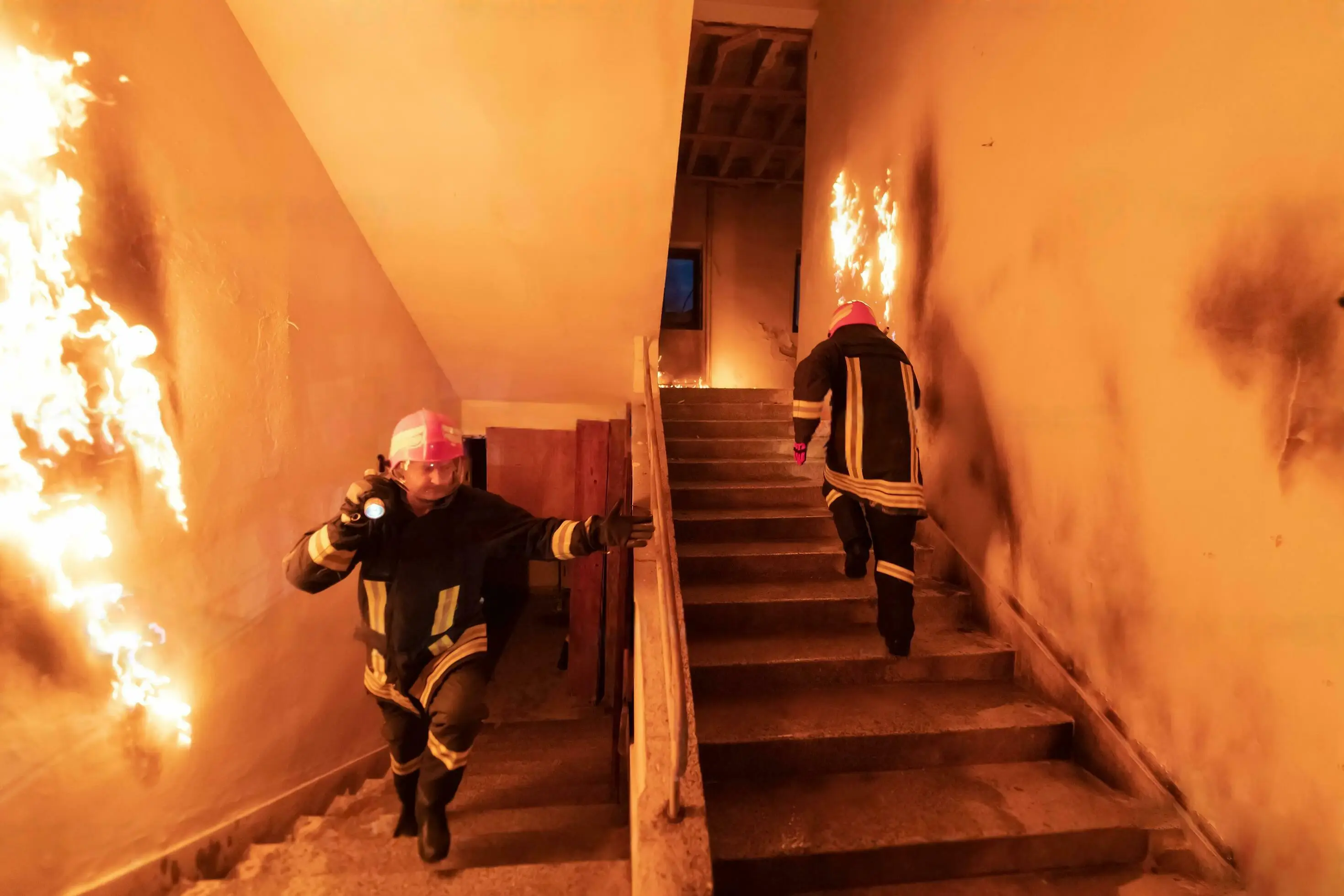
Fire Damage Restoration
Structural damage, soot, debris. We stabilize, clean, and rebuild what fire destroyed.
Learn more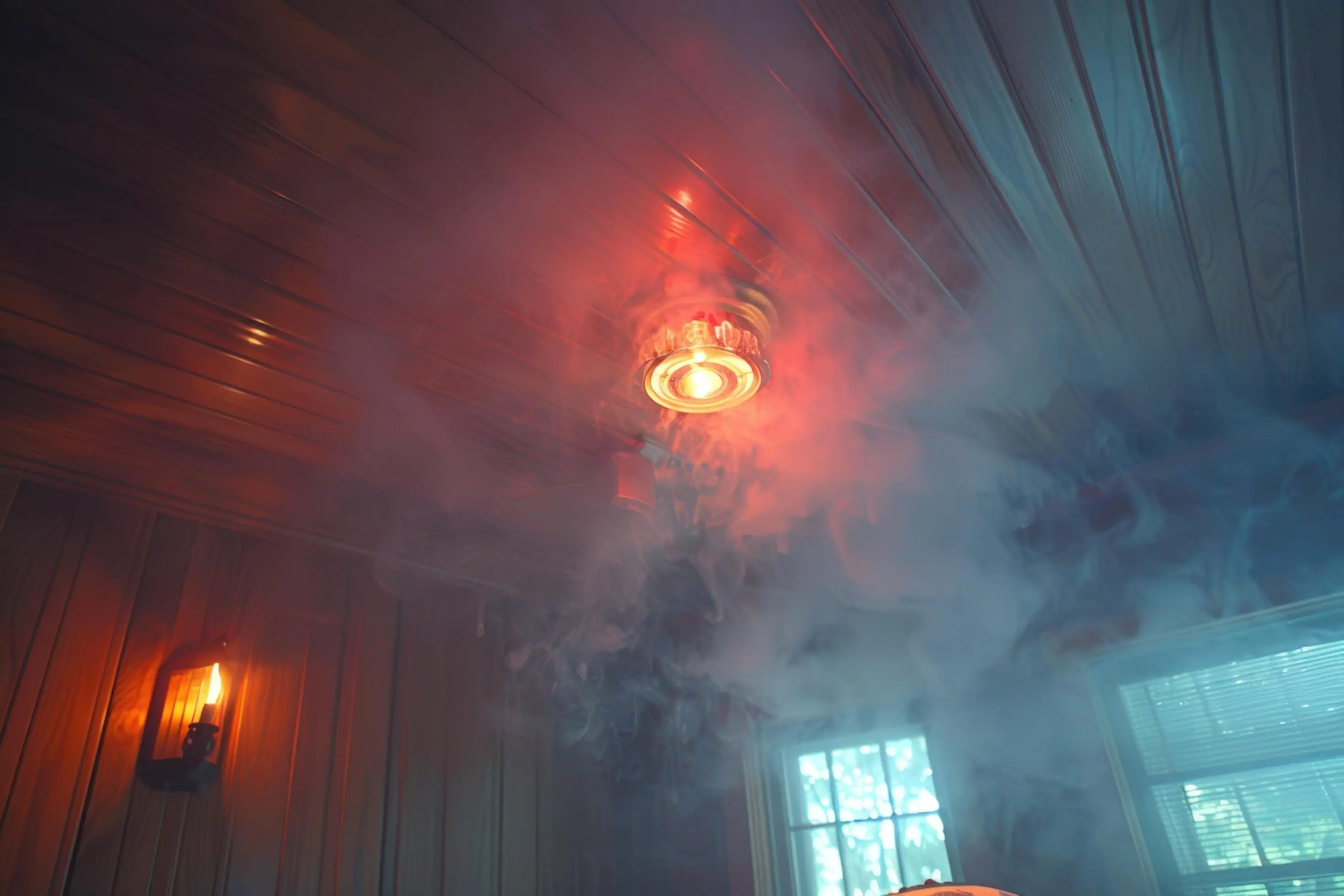
Smoke Damage Restoration
Soot residue, chemical odors, HVAC contamination. We decontaminate surfaces, eliminate odors, and restore air quality.
Learn more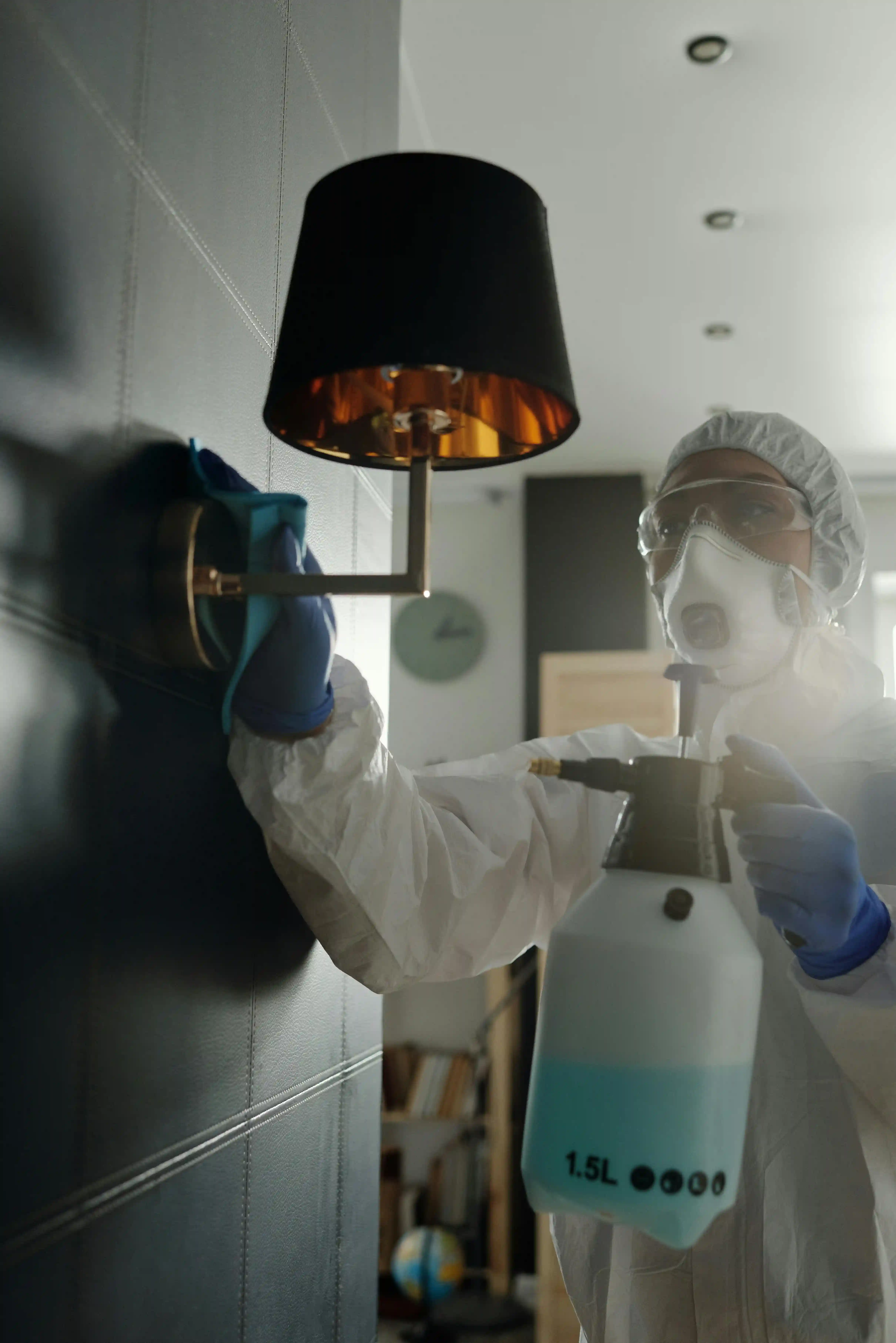
Mold Remediation
Testing, containment, removal, prevention. We find the source, eliminate the growth, and stop it from returning.
Learn more
Sewage Cleanup
Sewer backups, contaminated water, biohazard. We extract, sanitize, and restore safely.
Learn moreNearby Service Areas
Also serving nearby: