
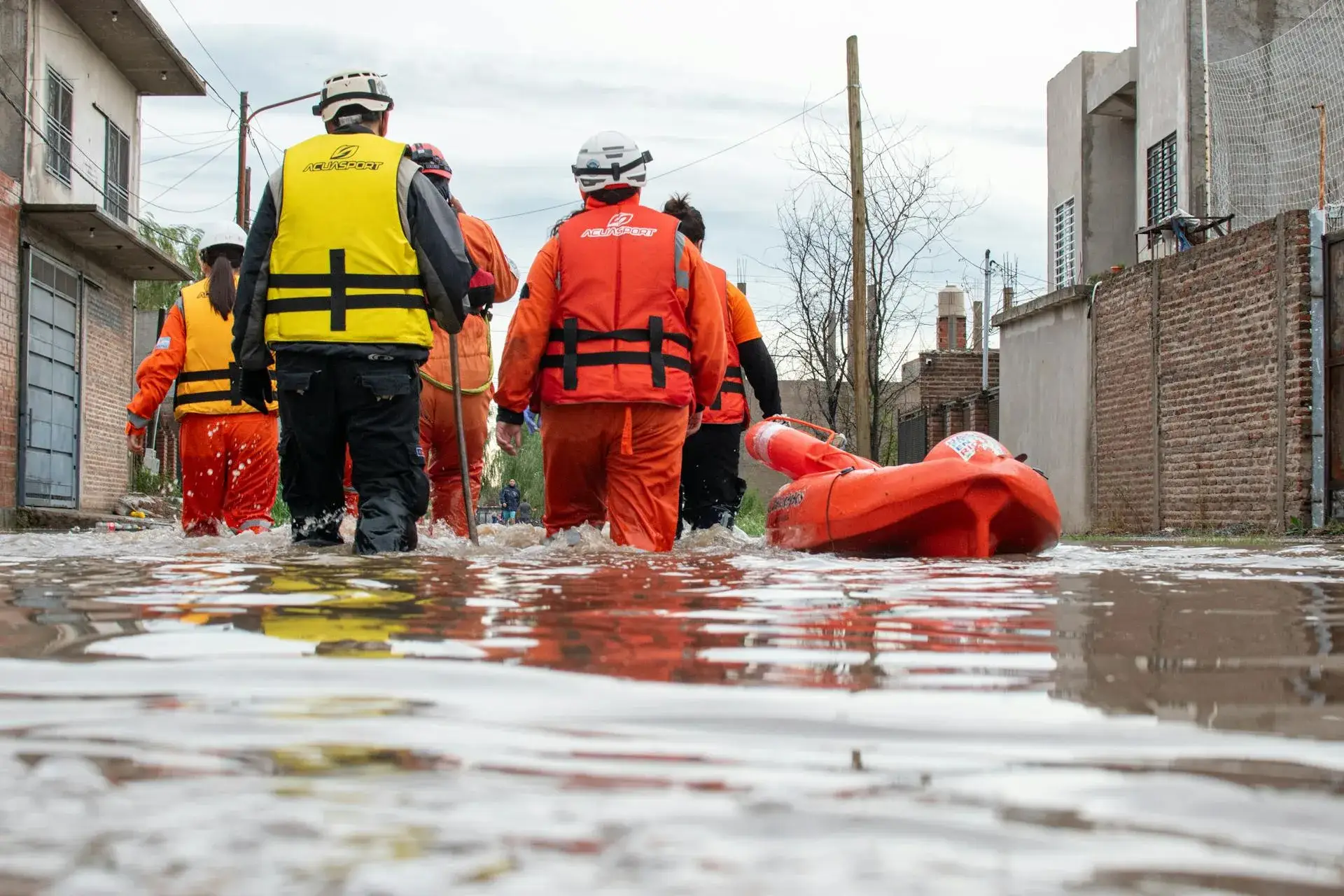
Water Damage Restoration in Livonia, MI
Every hour that water sits in a Livonia basement, it wicks deeper into drywall, subfloor, and framing. With 485 miles of aging water mains beneath this city, pipe failures can happen without warning. Our local team responds within 60 minutes.
What Happens When You Call
A real person answers, not a call center. We assess your situation, ask the right questions, and begin coordinating your response immediately.
Your dedicated restoration team is dispatched from our local base serving Livonia and the surrounding Wayne County communities.
Team arrives with industrial extractors, commercial dehumidifiers, and moisture detection equipment. Emergency mitigation begins immediately.
Water extracted, drying equipment placed and calibrated, restoration plan documented. You know exactly what comes next.
Water is spreading through your home and the damage compounds with every passing minute. Not after a callback queue, not tomorrow morning. X Response exists for exactly this moment. When you reach out, your restoration team is mobilized within minutes and on site within the hour. From that point forward, one team manages everything: extraction, drying, documentation, and insurance guidance. You are never left guessing about the next step. Call now. Your team is standing by.
Why Livonia Homes Are Vulnerable to Water Damage
Water damage in Livonia is shaped by the city's aging water infrastructure, its clay-rich geology, and Michigan's severe seasonal extremes. In February 2018, a 48-inch Great Lakes Water Authority transmission main ruptured along the I-96 service drive in Livonia, triggering a cascade of water main breaks that flooded the freeway, destroyed a pressure-reducing valve, and forced a city-wide boil-water advisory that closed Livonia Public Schools. That event exposed the vulnerability of the city's water system: Livonia maintains 485 miles of water mains, some dating to the 1920s as original cast-iron pipe, and the infrastructure is now actively being replaced because age and cold-weather stress have made failures increasingly frequent. When a pressurized transmission main ruptures, it discharges thousands of gallons per minute into the surrounding area, and homes in the path take on water before crews can isolate the break.
Livonia sits on flat terrain with clay-rich soil that creates persistent drainage challenges for residential properties. Unlike sandy soils that absorb rainfall quickly, Livonia's clay expands when wet and contracts when dry, cycling stress against foundation walls with every major rain event and every freeze-thaw cycle. This soil characteristic means that rainwater and snowmelt do not drain away from foundations efficiently. Instead, moisture accumulates against basement walls and beneath slabs, building hydrostatic pressure that forces water through any crack, joint, or porous section of the foundation. The result is chronic basement seepage that accelerates during spring snowmelt and after heavy summer downpours, when the clay becomes saturated and has nowhere to release the water except inward through the foundation.
The June 25 and 26, 2021 storm that dropped a record 5.77 inches of rain on the metro Detroit area overwhelmed sewer systems across Wayne County, and Livonia was not spared. When rainfall exceeds the combined sewer system's capacity, water backs up through the lowest fixtures in the home, filling basements with a mix of stormwater and sewage. For Livonia homeowners with finished basements, that backup saturates carpet, drywall, stored belongings, and furniture before anyone realizes the system has failed. The Great Lakes Water Authority denied all flooding claims from that event, ruling that the rainfall exceeded the system's designed capacity rather than reflecting a defect in the infrastructure. Livonia homeowners without a water backup endorsement on their insurance policy bore the full cost of cleanup and restoration.
The city's location within the Middle Rouge River watershed adds another flooding dimension. The Middle Rouge and its tributaries thread through Livonia's parks and residential areas, collecting runoff from miles of developed landscape. During sustained or intense rainfall, the river and its tributary channels rise quickly and overflow into adjacent properties, particularly in the neighborhoods nearest the Newburgh Lake impoundment and the creek corridors that feed it. When surface water from the Rouge system reaches residential yards, it finds paths into basements through window wells, walkout doors, and the gap between the foundation and the sill plate, carrying sediment and organic debris with it.
Aging Water Main Infrastructure and Catastrophic Breaks
Livonia's 485 miles of water mains include pipe dating to the 1920s, and the system has experienced multiple catastrophic failures as the infrastructure ages beyond its designed service life. The February 2018 rupture of a 48-inch GLWA transmission main along the I-96 service drive sent water flooding onto the freeway and triggered a pressure surge that destroyed a reducing valve at Schoolcraft and Stark Road, which in turn caused additional breaks at other locations across the city. The cascading failure dropped water pressure citywide and forced the boil-water advisory that lasted through the weekend and shut down schools. For homes near a main break, the flood volume is enormous because transmission mains operate at high pressure and high flow rates. A single break can discharge more water in minutes than a burst household pipe produces in days, and the water enters homes from outside rather than from a known interior source, complicating the identification of damage extent.
Clay Soil Hydrostatic Pressure and Foundation Seepage
Livonia's clay-rich soil creates a unique water damage exposure that operates year-round independently of any single storm event. When the clay absorbs moisture from rain, snowmelt, or rising groundwater, it expands and exerts lateral pressure against basement walls. This hydrostatic pressure forces water through poured concrete cracks, block wall joints, the cold joint where the wall meets the floor slab, and any point where the foundation is not perfectly sealed. Unlike a sudden pipe burst that produces an obvious flood, foundation seepage is slow and persistent. It saturates the base of drywall, soaks into carpet padding at the perimeter, and wets framing and insulation inside finished wall cavities without producing visible standing water. Homeowners often detect it only when a musty odor develops or when they move furniture and find saturated carpet beneath.
Sewer Backup During Intense Rainfall
Livonia's combined sewer system carries both household wastewater and stormwater in the same pipes. During intense rainfall, the system's capacity is exceeded and the combined flow backs up through the sanitary connection into the lowest fixtures in the home. In Livonia, that means the basement floor drain, basement toilet, or laundry tub becomes the overflow point for the entire neighborhood's combined sewage and stormwater. The June 2021 record rainfall event overwhelmed systems across Wayne County and filled thousands of basements with Category 3 contaminated water. Because the backup enters at the lowest point of the home and fills upward, it saturates everything on the basement floor, including finished drywall, carpet and padding, stored belongings, furniture, and appliances, before the homeowner becomes aware of the problem.
Freeze-Thaw Pipe Failures in Older Livonia Homes
Livonia winters drive temperatures below zero for extended periods, and the city's housing stock includes homes built across every decade from the 1920s forward. Older homes were constructed before modern insulation standards, and supply lines frequently run through exterior walls, unheated garages, and rim joist areas with minimal protection from cold. When temperatures hold below zero for multiple days, water freezes inside these vulnerable pipes and expands until the pipe splits or a fitting separates. The damage remains hidden until temperatures climb above freezing and the ice plug melts, releasing water at full household pressure into the wall cavity, ceiling, or crawl space. A single burst half-inch supply line delivers hundreds of gallons per hour into the home's structure, and the loss is often worst in homes where the owners were away or asleep during the thaw.
Middle Rouge River Corridor Flooding
The Middle Rouge River flows through Livonia's park system and residential neighborhoods, passing through Newburgh Lake before continuing downstream. During prolonged or heavy rainfall, the river and its feeder creeks rise and overflow their shallow banks into adjacent residential lots. Homes built near the Rouge corridor, particularly in the areas around Rotary Park, Newburgh Lake, and the creek tributaries that thread through subdivisions, experience surface flooding that enters through walkout basement doors, window wells, and over foundation walls where the exterior grade has settled below the sill plate. This flooding carries river sediment, organic material, and whatever contaminants the stormwater runoff collected on its path to the river, making it a gray-water or contaminated-water event that requires sanitation protocols beyond simple extraction and drying.
Water damage in Livonia arises from multiple independent sources that can strike at any time of year: catastrophic main breaks in a system with 1920s-era pipe, clay soil that forces groundwater through foundations during every wet cycle, sewers that back up during intense rainfall, frozen pipes that burst on the thaw, and river corridor flooding during sustained storms. Effective restoration requires identifying which source caused the intrusion, because a clean main-break flood, a contaminated sewer backup, and chronic foundation seepage each demand different extraction, sanitation, and drying approaches.
What Happens to Your Home While You Wait
Within 1 Hour
Water spreads across the basement floor, seeking the lowest point. It wicks into carpet and padding, climbs the base of drywall, and soaks baseboards and any belongings on the floor. In Livonia homes with original hardwood above, water can migrate through floor register openings and seams to reach the main level. If the source is a sewer backup, contamination spreads across every surface the water contacts.
1 to 24 Hours
Drywall wicks moisture upward and begins to swell. Wood baseboards and door casings absorb water and warp. Carpet padding holds water against the subfloor like a sponge. In a closed Livonia basement with limited airflow, humidity spikes and the forced-air system circulates that moisture through the house. Livonia's clay soil continues pressing groundwater against the foundation, maintaining the intrusion even as you attempt to dry.
24 to 48 Hours
Mold colonization begins on damp drywall paper, carpet backing, and stored cardboard. A musty odor develops. Swollen drywall starts to delaminate and lose strength. Particleboard furniture and shelving absorb water and crumble. The restoration scope shifts from extraction and drying toward material removal and replacement.
48 to 72 Hours
Mold spreads through wall cavities and enters the HVAC ductwork, distributing spores to every room served by the forced-air system. Framing members that remained damp begin to soften. Subfloor adhesives fail. What began as a contained basement flood becomes a whole-house air quality problem as the HVAC system circulates contaminated air.
One Week and Beyond
Extensive mold colonization throughout wall cavities, insulation, and ductwork. Finished basement materials require full removal. Structural wood retains deep moisture that continues degrading the framing even after surface drying. The project scope expands from water damage restoration to comprehensive mold remediation and reconstruction.
Livonia's clay soil keeps moisture pressing against foundations long after a storm passes, and the city's closed-up basements with forced-air systems accelerate mold development by limiting airflow while distributing spores. Contact X Response now. Our Livonia team responds within 60 minutes.
How We Restore Water-Damaged Livonia Homes
From the moment our team arrives, every step is documented, measured, and verified. Here is exactly what the restoration process involves in a Livonia home.
Emergency Assessment and Documentation
Our team arrives with thermal imaging cameras and professional moisture meters to map the full extent of the intrusion. In a Livonia home that typically means scanning the basement perimeter for foundation seepage, checking behind finished walls for hidden saturation, probing beneath flooring, and tracing the water source. We determine whether the intrusion is clean water from a pipe or main break, gray water from a foundation seep carrying soil contaminants, or Category 3 sewage from a lateral backup. That classification drives every subsequent decision about sanitation, demolition, and drying. Everything is documented with photos, moisture readings, and a written scope of work that supports your insurance claim.
Water Extraction
Standing water is removed with truck-mounted and portable extraction units. For a flooded basement we begin at the lowest point and work outward, extracting carpet and padding separately when present. If the basement is still taking on water because the clay soil outside is saturated and hydrostatic pressure continues forcing water through the foundation, we set temporary pumps to manage the active intrusion while extraction proceeds. For sewer backups, containment protocols prevent tracking contamination into clean areas of the home during the work.
Structural Drying and Dehumidification
This is the longest and most critical phase. We position commercial low-grain refrigerant dehumidifiers and high-velocity air movers in a calculated pattern that targets every wet surface. Livonia's clay soil means the exterior moisture source often persists for days after the rain stops, because the saturated clay releases water slowly. Opening windows in humid Michigan weather adds moisture rather than removing it. Our equipment pulls water mechanically from concrete block, poured walls, framing, subfloor, and wall cavities regardless of outdoor conditions. We monitor daily with quantitative readings and reposition equipment as the drying front progresses.
Antimicrobial Treatment and Mold Prevention
Once surfaces reach verified dryness, we apply EPA-registered antimicrobial treatments to all affected areas. Livonia basements with foundation seepage have often had repeated minor moisture events before the homeowner calls for professional help, which means dormant mold may already be present behind finished walls. We treat wall cavities, framing, block or poured concrete surfaces, and the underside of the subfloor. HEPA air scrubbers run throughout the project to capture airborne spores and protect indoor air quality while the structure dries.
Quality Verification and Completion
Before we consider the job complete, a final inspection confirms that moisture readings have returned to acceptable levels throughout the structure, every treated area is clean and dry, and the scope of work has been fully executed. We hand you completion documentation that includes before-and-after photos, final moisture readings, and a summary of all work performed. That record supports your insurance claim and provides a clear account of what was done. If any area does not pass our quality check, we continue working until it does.
The X Response Difference
When you contact X Response, you get a dedicated restoration team that manages everything from emergency extraction through insurance documentation to verified completion. One team, one point of contact, one standard from start to finish.
Insurance Claim Guidance for Livonia Homeowners
Water damage insurance claims in Livonia depend on the source of the intrusion. Standard homeowner's policies cover sudden and accidental events like burst pipes, water heater failures, appliance malfunctions, and supply line ruptures. However, the most common water damage sources in Livonia, sewer backups and foundation seepage from clay soil, are both typically excluded from standard coverage. Sewer and drain backups require a specific water backup endorsement, and many Livonia homeowners learned this after the June 2021 storm when the GLWA denied all basement flood claims across Wayne County. Foundation seepage is generally treated as a maintenance issue rather than a covered peril. Understanding these gaps before a loss occurs is critical for Livonia homeowners.
How X Response Helps
- Document all damage with professional photos, moisture readings, and a detailed scope of work from day one
- Identify the water source precisely, because the distinction between a covered pipe burst, an excluded foundation seep, and a sewer backup requiring endorsement coverage determines your claim outcome
- Prepare documentation that meets Michigan requirements for a complete and defensible claim
- Align restoration scope with standard insurance coverage categories for efficient adjuster processing
- Explain your policy's likely coverage and exclusions before you file, so you understand your financial exposure
X Response does not file claims on your behalf, adjust claims, or make coverage determinations. We provide documentation and guidance to help you make informed decisions about your property and your policy. Coverage decisions are made solely by your insurance carrier.
Certified Restoration Specialists Serving Livonia
When you contact X Response for a water damage emergency in Livonia, your restoration team is drawn from certified professionals who work across Wayne County and understand the specific challenges of restoring homes in this community. They know how Livonia's clay soil creates persistent hydrostatic pressure that continues forcing water through foundations long after the rain stops, how the city's aging water main system can fail catastrophically as it did in February 2018, and how the combined sewer system backs contaminated water into basements during intense rainfall. They have restored homes after main breaks, sewer overflows, frozen pipe bursts discovered days later, and chronic foundation seepage that went unaddressed until mold appeared. This is a local team with direct experience in Livonia's infrastructure and soil conditions.
Every technician on your team holds current IICRC certification in water damage restoration and carries appropriate Michigan licensing for the work being performed. Equipment is commercial-grade: submersible pumps and extraction units sized for flooded basements, low-grain refrigerant dehumidifiers that pull moisture from concrete and framing regardless of outdoor humidity, and thermal imaging cameras to locate hidden water behind finished walls without destructive testing. When your team arrives, they bring everything needed to begin immediate mitigation.
In Livonia, X Response works with H2O Pros, an independent local restoration partner serving Wayne County.
Water Damage Restoration FAQ for Livonia Homeowners
Other Emergency Services in Livonia


Nearby Service Areas
Also serving nearby: