

Water Damage Restoration in Rochester Hills, MI
When water enters a Rochester Hills home it moves fast, wicking into finished basements, subfloor, and framing within the first hour. Our local team responds to emergencies within 60 minutes.
What Happens When You Call
A real person answers, not a call center. We assess your situation, ask the right questions, and begin coordinating your response immediately.
Your dedicated restoration team is dispatched from our local base serving Rochester Hills and the surrounding Oakland County communities.
Team arrives with industrial extractors, commercial dehumidifiers, and moisture detection equipment. Emergency mitigation begins immediately.
Water extracted, drying equipment placed and calibrated, restoration plan documented. You know exactly what comes next.
Water is spreading through your home and the damage compounds with every passing minute. Not after a callback queue, not tomorrow morning. X Response exists for exactly this moment. When you reach out, your restoration team is mobilized within minutes and on site within the hour. From that point forward, one team manages everything: extraction, drying, documentation, and insurance guidance. You are never left guessing about the next step. Call now. Your team is standing by.
Why Rochester Hills Homes Are Vulnerable to Water Damage
Water damage in Rochester Hills is defined in large part by the Clinton River and its tributaries, which wind through the city and drain a heavily developed watershed. Rivers in urban watersheds are described by water resources engineers as flashy, meaning they rise and fall rapidly during storms because so much of the land around them is paved or built on and sheds water fast. In July 2024, heavy rains caused the Clinton River to surge and wash away roughly 100 feet of the Clinton River Trail near Rochester, part of a broader round of flooding across southern Oakland County. When the river and its tributaries come up quickly, low-lying and creekside properties are the first to feel it, and water enters through window wells, walkout doors, and foundation seams. Whether the intrusion comes from the river, a backed-up sewer, or a burst pipe, the damage compounds by the hour and demands an immediate response.
Most Rochester Hills homes are built on full basements, and that lower level is where the majority of local water losses play out. A finished basement filled with drywall, carpet, built-ins, and stored belongings turns a plumbing failure or a wet-weather backup into a major claim, because everything sits at the lowest point of the house where water naturally collects. The area's clay soils and high water table mean many homes depend on a sump pump running around the clock during wet stretches. We use thermal imaging cameras and penetrating moisture meters to trace water behind finished walls and beneath flooring, so no saturated pocket is left to warp materials, feed mold, or rot framing after the standing water is gone.
The timeline of water damage is unforgiving. In the first minutes, water spreads across the floor, soaks carpet and padding, and wicks up the base of drywall and into baseboards. Within 24 hours, drywall swells, particleboard cabinet bases and furniture legs absorb water and start to fail, and wood framing begins to warp. Past 48 hours, mold colonization becomes the dominant concern, and a closed basement with limited airflow is exactly the environment mold prefers. Rapid extraction and controlled structural drying are what keep a manageable loss from becoming a full basement gut and rebuild.
Our approach to water damage restoration in Rochester Hills is systematic and guided by IICRC standards. We begin with a safety inspection and damage assessment that locates the source and stops it if it is still active, then perform emergency extraction with truck-mounted and submersible equipment. Next we deploy low-grain refrigerant dehumidifiers and high-velocity air movers positioned to pull bound moisture out of framing, subfloor, and wall cavities. Finally, we apply professional antimicrobial treatment and verify dryness with documented moisture readings before any reconstruction begins.
The Clinton River and Flash Flooding
The Clinton River watershed is highly developed, and that changes how the river behaves. Rainfall that once soaked into fields and wetlands now runs off roofs, roads, and parking lots into the river and its tributaries, so water levels rise fast and fall fast. When the river surged in July 2024, it washed away a section of the Clinton River Trail and pushed water into low-lying areas across southern Oakland County. Cities and fire departments along the river routinely issue warnings during high water for unstable banks and fast currents. For homeowners near the river or its feeder creeks, a strong storm can put water against the foundation and into a walkout basement within hours, carrying silt and outdoor contaminants that complicate cleanup.
Freeze-Thaw Cycles and Burst Pipes
Rochester Hills winters routinely drive pipes past their breaking point. During the last week of January 2019, a polar vortex pushed the Detroit metro to 13 below zero and held the region below zero for roughly 36 hours, with wind chills of 35 to 45 below. Pipes in exterior walls, unheated garages, crawl spaces, and attics freeze first. Water expands as it turns to ice, splits the pipe, and then sits frozen until the thaw. When temperatures climb back above freezing, the break releases water at full household pressure, often while a family is asleep or away. A single burst supply line can push hundreds of gallons an hour into a home, and a house left with the heat turned down during a winter trip can flood for days before anyone finds it.
Basement Backups and Overwhelmed Sewers
With nearly every home on a full basement, the sanitary and storm sewer system is a primary water-damage exposure in Rochester Hills. When intense rain overwhelms capacity, water backs up through basement floor drains and low fixtures. The record June 2021 rainfall that hit the region drove sewage and stormwater into thousands of basements across Oakland and Wayne counties. Because the water enters at the lowest point of the home, it saturates basement drywall from the bottom up, destroys carpet and padding, and ruins anything stored on the floor, frequently before a homeowner realizes there is a problem.
Sump Pump Failure During Power Outages
The high water table that keeps sump pumps running also makes their failure severe. The storms most likely to flood a basement are the same storms that knock out the power the pump needs, and a sump pump without electricity cannot hold back rising groundwater. Severe summer storms have repeatedly caused widespread outages across Oakland County, and homes without a battery or water-powered backup pump flood from the sump pit outward. The loss is often discovered only after several inches have already collected across the basement floor and soaked into finished materials.
Regional Water Service Disruptions
Rochester Hills draws its water from the regional Great Lakes Water Authority system, and that system has seen repeated stress in recent years. In July 2026, a service disruption at a regional pumping center forced boil water advisories and water restrictions for Rochester Hills and several neighboring Oakland County communities, and northern Oakland County saw a major transmission main break earlier that year that triggered a state of emergency. A sudden main break sends a large volume of water toward nearby streets and basements, and even a pressure event can be a sign of the kind of infrastructure stress that leads to failures, especially during winter freeze cycles.
These factors interact in ways specific to Oakland County. A flashy river rises fast during storms, freeze-thaw cycles split pipes that flood the house on the thaw, downpours overwhelm sewers and back water into basements, and power outages disable the sump pumps homes depend on. Effective water damage restoration in Rochester Hills means correctly identifying whether you are dealing with clean supply-line water, contaminated sewer or river water, or storm runoff, because each demands a different extraction, sanitation, and drying strategy in a home built on a basement.
What Happens to Your Home While You Wait
Within 1 Hour
Water finds the lowest point in the home, which in most Rochester Hills houses is the basement. It wicks into carpet and padding, climbs the base of drywall, and soaks baseboards and stored belongings. Particleboard furniture and cabinet bases begin absorbing moisture. If the source is river water or a sewer backup, contamination and silt spread across every surface from the start.
1 to 24 Hours
Drywall wicks moisture upward, swells, and loses strength. Wood baseboards, door casings, and cabinet toe kicks warp. Carpet padding stays saturated and holds water against the subfloor. In a closed basement, humidity spikes throughout the space, and a running furnace or air handler circulates that damp air into the upper floors.
24 to 48 Hours
Mold colonization begins on damp drywall paper, carpet backing, and stored cardboard and fabric. A musty odor develops. Swollen drywall and delaminating particleboard start to fail structurally. What began as an extraction job starts shifting toward removal and replacement of finished basement materials.
48 to 72 Hours
Mold spreads through wall cavities and into the HVAC system, which distributes spores to rooms that never contacted water. Cabinetry, vanities, and built-ins with particleboard cores lose integrity as they swell and crumble. Restoration scope and cost climb sharply as more materials must be removed rather than dried in place.
One Week and Beyond
Extensive mold colonization through wall cavities and ductwork. Finished basement drywall, insulation, carpet, and trim require full replacement. Subfloor adhesives and flooring systems degrade. A contained leak becomes full mold remediation, demolition, and reconstruction, and the insurance claim grows more complex as the carrier questions whether faster mitigation could have limited the loss.
In a finished Rochester Hills basement, the window between drying the space in place and gutting it to the studs is short, because trapped moisture and limited airflow accelerate mold growth. Contact X Response now. Our Rochester Hills team responds within 60 minutes.
How We Restore Water-Damaged Rochester Hills Homes
From the moment our team arrives, every step is documented, measured, and verified. Here is exactly what the restoration process involves in a Rochester Hills home.
Emergency Assessment and Documentation
Our team arrives with thermal imaging cameras and professional moisture meters to map the full extent of the intrusion. In a Rochester Hills home that usually means scanning the basement perimeter and floor, checking behind finished walls, probing beneath flooring, and following water up into the main level where it may have wicked into wall cavities. We identify the source, classify the water as clean, gray, or contaminated, and document everything with photos, moisture readings, and a written scope of work that guides the restoration and gives your insurer the evidence it needs.
Water Extraction
Standing water is removed with truck-mounted and portable extraction units that pull hundreds of gallons per hour. In a flooded basement we start at the lowest point and work outward, extracting carpet and padding separately when present. If the basement is still taking on water from a failed sump pump, rising groundwater, or river backup, we set temporary pumps to manage the active intrusion while extraction continues. When the water is contaminated, extraction is paired with containment so nothing is tracked into clean areas of the home.
Structural Drying and Dehumidification
This is the longest and most critical phase. We position commercial dehumidifiers and high-velocity air movers in a calculated pattern that drives airflow across every wet surface. A closed basement holds humidity that will not resolve on its own, and opening windows in humid Michigan weather only adds moisture. Our low-grain refrigerant dehumidifiers extract water mechanically from framing, subfloor, and wall cavities regardless of outdoor conditions. We monitor daily with quantitative readings and reposition equipment until every material reaches its verified dry standard.
Antimicrobial Treatment and Mold Prevention
Once surfaces are dry, we apply EPA-registered antimicrobial treatments to the affected areas. This matters most in a basement, where limited light and airflow create ideal conditions for mold whenever moisture lingers. We treat wall cavities, framing, and the underside of finished materials, and we run HEPA air scrubbers throughout the project to capture airborne spores. When the loss involved river water or a sewer backup, we sanitize every contaminated surface to a documented standard.
Quality Verification and Completion
Before we consider the job complete, a final inspection confirms that moisture readings have returned to acceptable levels, every treated area is clean and dry, and the scope of work has been fully executed. We hand you completion documentation including before-and-after photos, final moisture readings, and a summary of all work performed. That record supports your insurance claim and gives you a clear account of what was done. If any area does not pass our quality check, we keep working until it does.
The X Response Difference
When you contact X Response, you get a dedicated restoration team that manages everything, from emergency mitigation through insurance documentation to final quality verification. One team, one point of contact, one standard of work from start to finish.
Insurance Claim Guidance for Rochester Hills Homeowners
Water damage insurance claims in Michigan depend heavily on the source of the water. Standard homeowner's policies generally cover sudden and accidental events like burst pipes, supply line failures, water heater ruptures, and appliance malfunctions. Flooding from the Clinton River or other surface water is not covered under a standard policy and requires separate flood insurance through the National Flood Insurance Program or a private carrier, which is worth serious consideration for Rochester Hills homes near the river or its tributaries. Sewer and drain backups require a specific water backup endorsement, and sump pump failure needs a sump overflow endorsement. Many homeowners do not learn about these gaps until a loss reveals them.
How X Response Helps
- Document all damage with professional photos, moisture readings, and a detailed scope of work from day one
- Identify the water source clearly, which determines whether standard coverage, a backup endorsement, or flood insurance applies
- Prepare documentation that meets Michigan requirements so your claim is complete and defensible
- Align our restoration scope with standard insurance coverage categories so your adjuster can process the claim efficiently
- Explain your policy's likely coverage before you file, so you understand your options and potential out-of-pocket exposure
X Response does not file claims on your behalf, adjust claims, or make coverage determinations. We provide documentation and guidance to help you make informed decisions about your property and your policy. Coverage decisions are made solely by your insurance carrier.
Certified Restoration Specialists Serving Rochester Hills
When you contact X Response for a water damage emergency in Rochester Hills, your restoration team is drawn from certified professionals who work across Oakland County and understand the specific challenges of restoring homes in southeast Michigan. They know how the flashy Clinton River watershed pushes water into low-lying and creekside properties during storms, how a finished basement collects water at the lowest point of the house, and how freeze-thaw winters split supply lines that flood a home on the thaw. They have worked through river and storm flooding, record rain events that backed sewers into basements, and frozen pipe failures discovered days after the fact. This is not a crew dispatched from hours away. It is a local team with local expertise, operating under national quality standards.
Every technician on your team holds current IICRC certification in water damage restoration and carries the appropriate Michigan licensing for the work being performed. Equipment is commercial-grade and maintained to manufacturer specifications. When your team arrives, they bring everything needed to begin mitigation immediately, including submersible pumps and extraction units sized for flooded basements, low-grain refrigerant dehumidifiers that pull moisture from framing and subfloor regardless of Michigan's humidity, and thermal imaging equipment to map hidden water behind walls and beneath flooring without destructive testing.
In Rochester Hills, X Response works with Snyder Mitigation Restoration, an independent local restoration partner serving Oakland County.
Water Damage Restoration FAQ for Rochester Hills Homeowners
Other Emergency Services in Rochester Hills
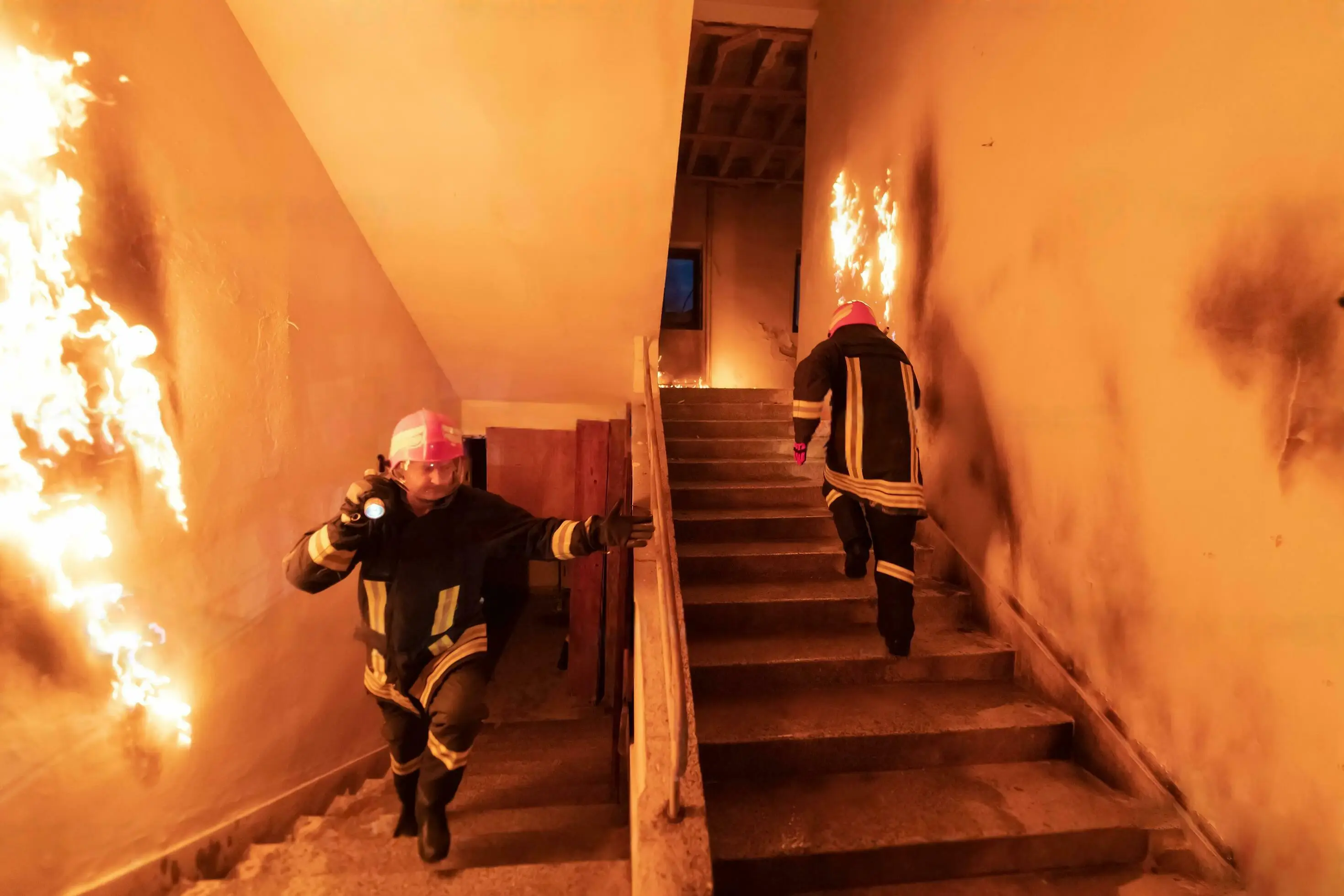
Fire Damage Restoration
Structural damage, soot, debris. We stabilize, clean, and rebuild what fire destroyed.
Learn more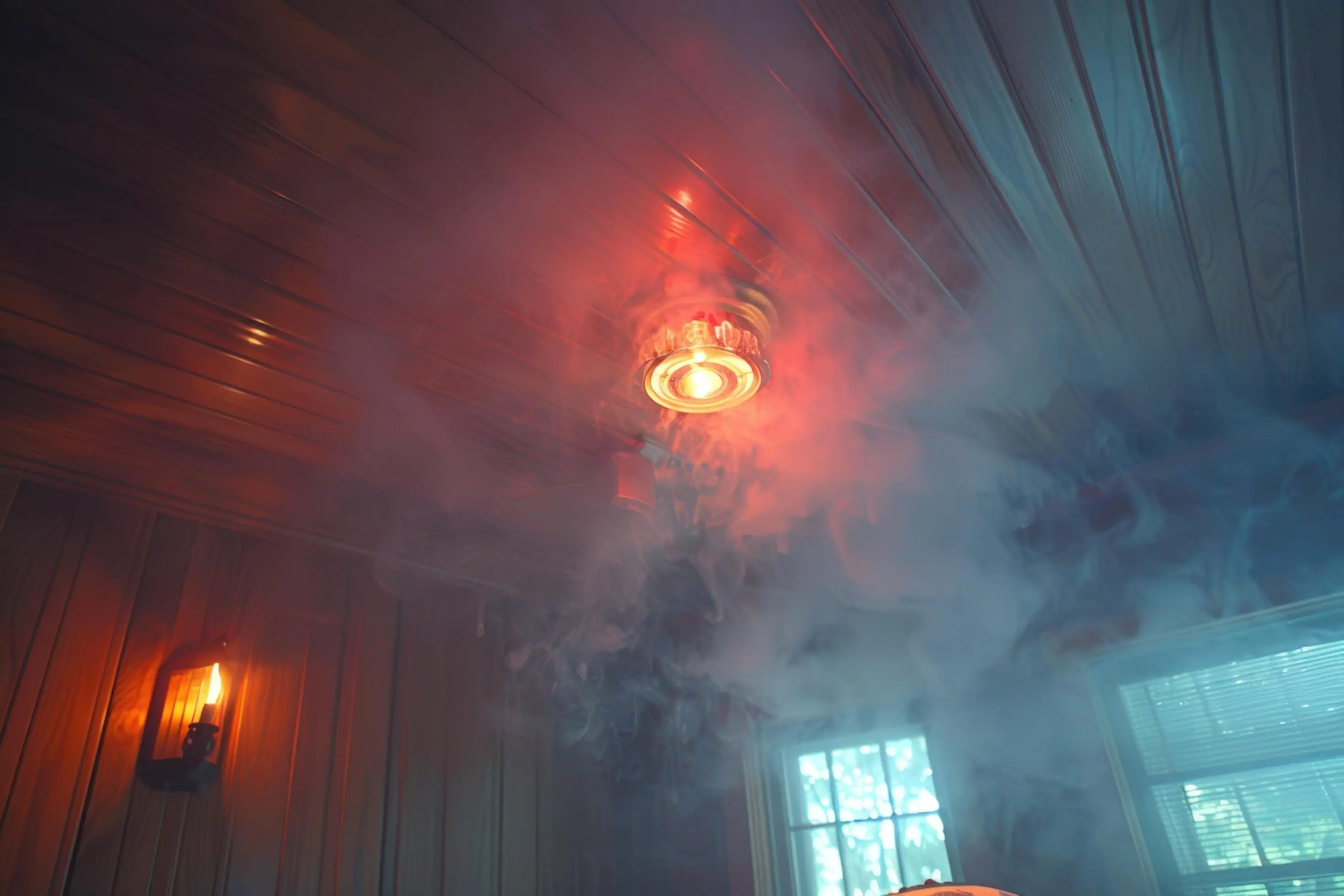
Smoke Damage Restoration
Soot residue, chemical odors, HVAC contamination. We decontaminate surfaces, eliminate odors, and restore air quality.
Learn more
Mold Remediation
Testing, containment, removal, prevention. We find the source, eliminate the growth, and stop it from returning.
Learn more
Sewage Cleanup
Sewer backups, contaminated water, biohazard. We extract, sanitize, and restore safely.
Learn more