
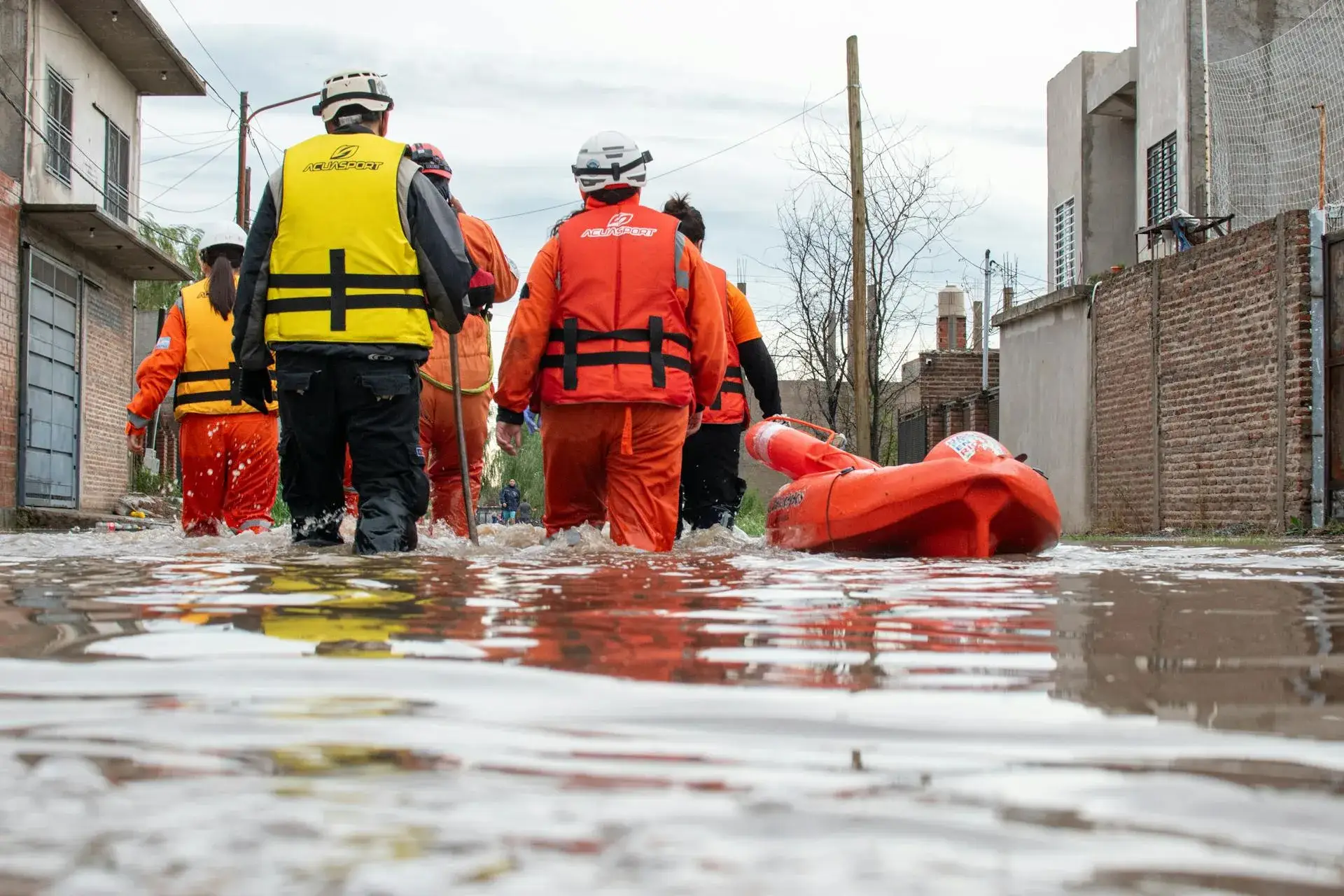
Water Damage Restoration in Gladstone, MO
Standing floodwater and plumbing leaks saturate subfloors and framing within hours. Our Gladstone emergency restoration crew arrives on scene within 60 minutes.
What Happens When You Call
Your emergency call connects directly with an experienced restoration supervisor who determines water category, structural hazards, and dispatches our local response team.
Our fully equipped emergency mitigation vehicle arrives at your Gladstone residence within 60 minutes, carrying industrial truck-mounted extractors, submersible pumps, and thermal cameras.
Technicians map moisture penetration through drywall, finished baseboards, and foundation perimeters, isolating active leaks and beginning high-volume extraction.
Commercial low-grain refrigerant dehumidifiers and high-velocity axial air movers are calibrated and installed to initiate scientific structural drying.
Water intrusion demands immediate, decisive mitigation before structural wood framing warps and secondary microbial colonization spreads throughout Clay County properties. Whether your residence experiences a sudden plumbing supply failure along North Oak Trafficway, groundwater seepage in a finished split-level basement near Antioch Road, or flash flooding within local creek drainages, X Response delivers immediate relief. A dedicated local restoration manager coordinates your recovery from emergency extraction through certified dry clearance. Call our 24/7 emergency restoration hotline now.
Why Gladstone Homes Are Vulnerable to Water Damage
Gladstone encompasses an 8-square-mile municipal enclave in southern Clay County, entirely encircled by Kansas City approximately 8 miles north of downtown. The U.S. Geological Survey operates streamgage 06821280 on Line Creek at Riverside, monitoring discharge and hydrologic stages across the Northland watershed adjacent to Gladstone. Situated along rolling ridge lines between the Shoal Creek basin to the east and the Line Creek basin to the west, Gladstone occupies a dynamic hydrological corridor. Local drainage channels, including Rock Creek and Mill Creek tributaries, carve through suburban neighborhoods before conveying runoff south toward the Missouri River. When severe Midwestern convective thunderstorm complexes stall over southern Clay County, intense downpours generate rapid sheet runoff that quickly overwhelms roadway gutters, storm catch basins, and residential storm laterals.
The structural vulnerability of Gladstone residences to water intrusion is shaped by this rolling terrain combined with dense, clay-heavy Knox and Sharpsburg silt loam soils. Established primarily as a post-war suburban community following its incorporation in 1952, Gladstone features extensive neighborhoods of 1950s to 1970s ranch homes, split-level residences, and raised ranches across communities like Carriage Hills, Bolling Heights, and Kendallwood. These homes predominantly feature subterranean poured concrete or concrete masonry block foundation walls. Clay County clay soils exhibit high shrink-swell ratios, absorbing rainwater slowly and expanding with tremendous force. Saturated clay exerts severe lateral hydrostatic pressure against foundation walls, pushing groundwater through floor-to-wall cold joints, masonry mortar seams, and settlement cracks. Furthermore, severe summer thunderstorms frequently produce damaging lightning and straight-line winds that sever overhead electrical feeds, knocking out primary sump pumps at the exact moment water pressure reaches peak intensity.
Northland Creek Tributaries and Valley Runoff
Runoff from steep residential ridges drains rapidly into Rock Creek, Mill Creek, and adjacent Northland streams. Intense storm downpours surcharge local channels, causing swift flash flooding across low-lying properties along Antioch Road and North Oak.
Expansive Clay Soils and Hydrostatic Pressure
Clay County's dense Knox and Sharpsburg silt loam soils possess high shrink-swell clay content. Saturated clay exerts massive lateral hydrostatic pressure against subterranean basement walls, forcing groundwater through concrete cold joints and porous block mortar.
Severe Convective Storms and Sump Pump Failures
Midwestern summer supercell thunderstorms frequently produce intense lightning that severs overhead electrical power throughout Gladstone. When primary sump pumps lose power during heavy downpours, basement sump pits overflow and flood finished basements within minutes.
Mid-Century Split-Level and Ranch Foundations
A significant percentage of Gladstone residences feature mid-century split-level or ranch designs with below-grade living areas. Ground moisture easily penetrates settling concrete block walls, saturating carpet padding, drywall partitions, and baseboard trim.
Sub-Zero Polar Vortex Pipe Freeze Ruptures
Prolonged winter Arctic cold snaps drive temperatures below zero across Clay County. Domestic water lines located in exterior walls, unconditioned crawl spaces, and overhangs freeze rapidly, causing catastrophic pipe ruptures when temperatures thaw.
Water damage in Gladstone is shaped by rolling Northland hydrology, mid-century residential foundations, and expansive Clay County clay soils. Whether your property suffers from a sudden plumbing burst, groundwater foundation seepage, or a storm-induced sump overflow, X Response provides certified technical extraction and scientific structural drying tailored specifically to Gladstone homes.
What Happens to Your Home While You Wait
Within 1 Hour
Water spreads across basement and main-level flooring, soaking carpeting, saturating underlayment, and wicking into baseboards, drywall, and structural wood framing. Standing moisture begins migrating into porous concrete floor slabs.
1–24 Hours
Drywall wicks water 12 to 18 inches above the floor, softening and losing structural integrity. Finished hardwood floors begin cupping and warping, while indoor relative humidity rises above 75 percent, creating optimal conditions for mold germination.
24–48 Hours
Active mold colonization initiates on damp drywall paper, carpet padding, and framing lumber. Metal door hinges, electrical junction boxes, and fasteners begin surface corrosion, and engineered wood flooring delaminates.
48–72 Hours
Fungal colonies expand into adjacent wall cavities and forced-air HVAC supply vents. Drywall cores crumble completely, requiring structural demolition, while pervasive microbial odors penetrate upholstered furniture and draperies.
One Week and Beyond
Prolonged saturation causes deep structural wood rot along bottom plates and floor joists. Poured concrete slabs and block foundations absorb high moisture loads that require specialized desiccant drying, substantially increasing restoration expenses.
Immediate intervention within the first 24 hours prevents irreversible structural degradation and secondary mold proliferation. Contact X Response immediately. Our local crew arrives within the hour.
How We Restore Water-Damaged Gladstone Homes
Our water damage mitigation protocol adheres strictly to the IICRC S500 Standard for Professional Water Damage Restoration, utilizing scientific psychrometric calculations to return your Gladstone property to verified dry baselines.
Emergency Diagnostic Assessment and Infrared Moisture Mapping
Our certified technicians conduct a comprehensive inspection using FLIR thermal cameras and digital moisture meters to trace every path of water migration. We map moisture boundaries across basement perimeters, crawl spaces, and interior walls to formulate an individualized drying plan.
High-Volume Water Extraction
We deploy industrial truck-mounted extraction units and heavy-duty submersible pumps to rapidly remove bulk standing water. On finished carpeting, weighted extraction rovers compress carpet and pad, extracting up to 95 percent of absorbed water to accelerate drying cycles.
Antimicrobial Treatment and Source Isolation
All affected structural elements are treated with EPA-registered botanical antimicrobials to eliminate bacteria and inhibit fungal growth. Active plumbing breaches are immediately isolated and secured.
Precision Cavity Drying and Dehumidification
We position commercial low-grain refrigerant (LGR) dehumidifiers alongside high-velocity axial air movers in calculated aerodynamic configurations. This equipment accelerates structural evaporation while extracting moisture vapor from framing and concrete slabs.
Daily Psychrometric Monitoring and Final Clearance
Technicians return every 24 hours to monitor temperature, relative humidity, and moisture content in affected building assemblies. Equipment remains operational until all materials match established dry baselines, generating complete documentation for your insurer.
The X Response Difference
When water threatens your Gladstone property, rely on X Response for rapid emergency dispatch, scientific moisture extraction, and seamless insurance support.
Insurance Claim Guidance for Gladstone Homeowners
Navigating a water damage insurance claim in Clay County requires precise understanding of policy provisions and specific endorsements. Standard homeowners insurance policies in Missouri generally cover sudden and accidental internal water discharges, such as burst domestic pipes, failed water heaters, or ruptured appliance supply lines. However, water damage resulting from external rising surface water, such as overflow from local creek tributaries or flash-flood sheet runoff, is excluded under standard policies and requires dedicated flood insurance through the National Flood Insurance Program (NFIP) or a private underwriter. In addition, water backing up through basement floor drains or failing sump pumps requires a specific Water Backup and Sump Overflow endorsement. Our team documents the exact physical source of water intrusion and provides comprehensive technical logs to support your adjuster's claim review.
How X Response Helps
- Conduct thorough initial photo and thermal video documentation of all water-damaged structural assemblies before demolition begins
- Isolate and identify the exact physical failure point of the water source to substantiate appropriate policy coverage categories
- Maintain daily psychrometric drying logs verifying the operational necessity of every dehumidifier and air mover deployed
- Catalog non-salvageable structural materials and personal contents using standard industry replacement cost software
- Communicate directly with your insurance claims adjuster to provide all required moisture readings and expedite claim settlement
X Response is an independent disaster restoration contractor. We do not act as licensed insurance adjusters, public adjusters, or legal representatives. We provide objective technical documentation and professional mitigation services to support your claim.
Certified Restoration Specialists Serving Gladstone
Our water restoration specialists serving Gladstone bring deep regional expertise, technical mastery, and strong community commitment to every project. Having restored mid-century ranch homes near North Oak Trafficway, finished walkout basements in Carriage Hills, and properties near Antioch Road, our technicians understand the unique structural framing and soil dynamics of southern Clay County. We arrive with empathy and clear communication, taking immediate control of the emergency to protect your home and ease your stress.
Every crew leader maintains active certification through the Institute of Inspection, Cleaning and Restoration Certification (IICRC), including Water Damage Restoration Technician (WRT) and Applied Structural Drying (ASD) credentials. We operate modern, fully stocked response vehicles equipped with commercial extraction units, calibrated infrared cameras, and commercial LGR dehumidifiers. By adhering to the highest scientific standards, our team ensures your Gladstone residence is restored safely, thoroughly, and without delay.
In Gladstone, X Response works with Best Option Restoration, an independent local restoration partner serving Clay County.
Water Damage Restoration FAQ for Gladstone Homeowners
Other Emergency Services in Gladstone
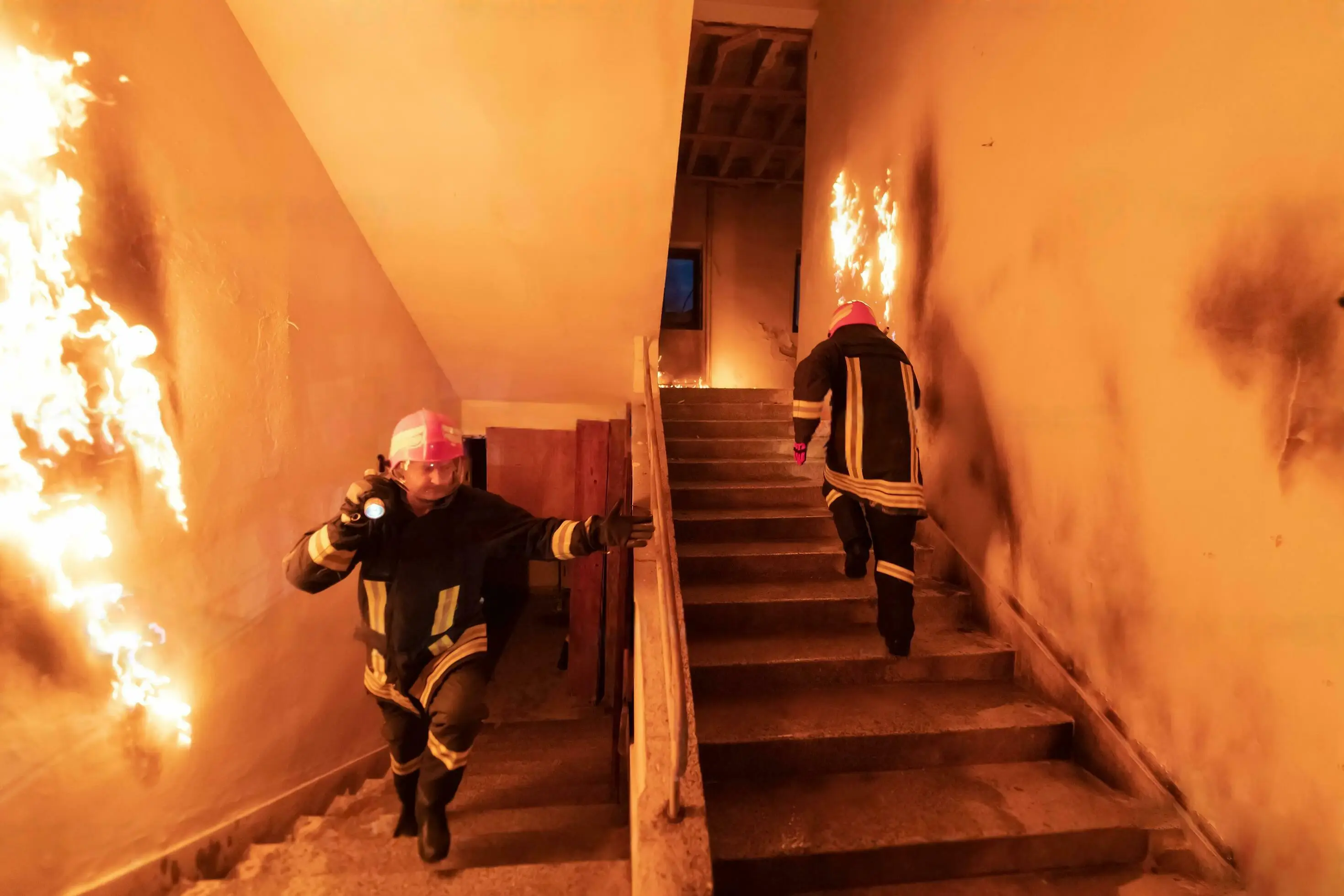
Fire Damage Restoration
Structural damage, soot, debris. We stabilize, clean, and rebuild what fire destroyed.
Learn more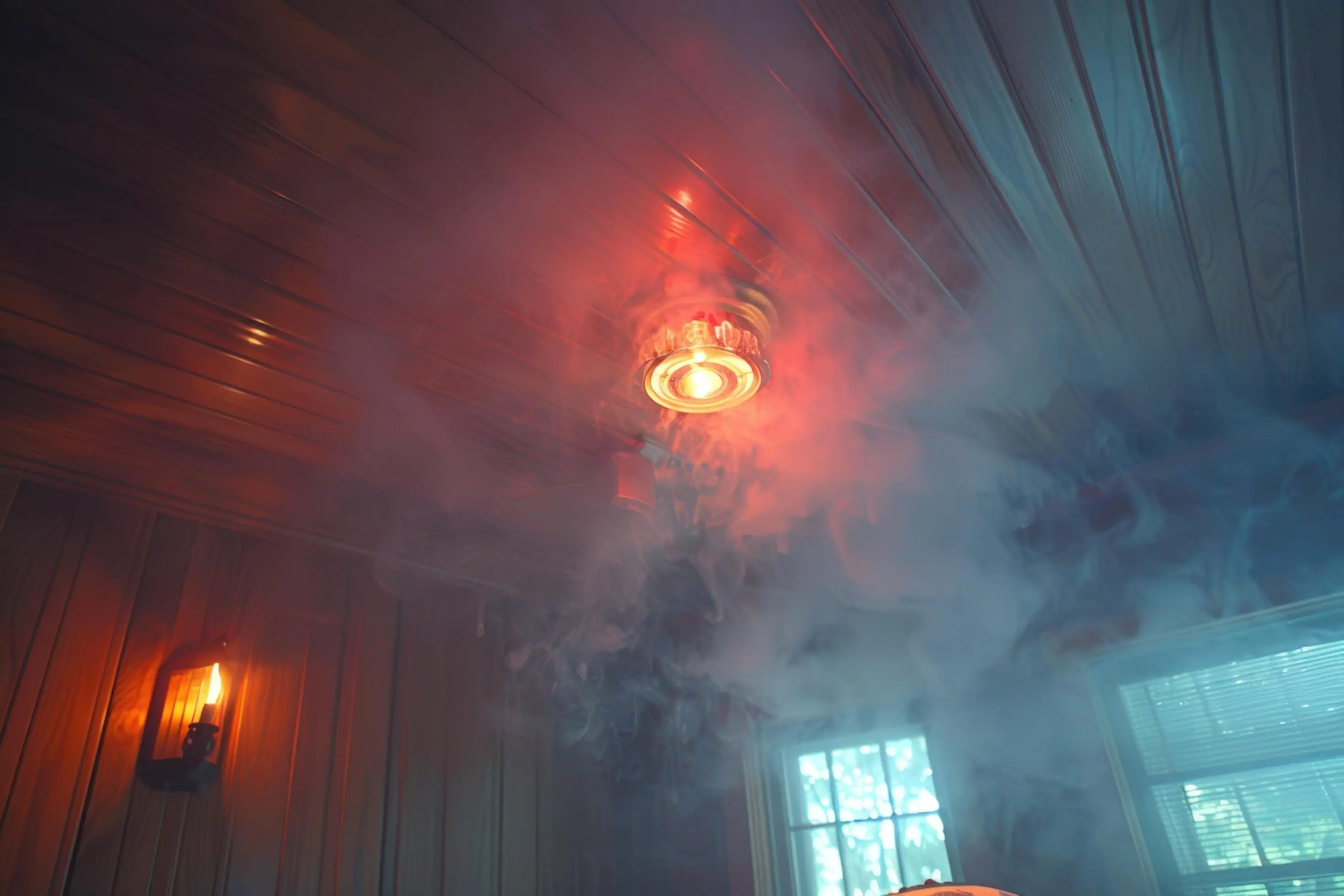
Smoke Damage Restoration
Soot residue, chemical odors, HVAC contamination. We decontaminate surfaces, eliminate odors, and restore air quality.
Learn more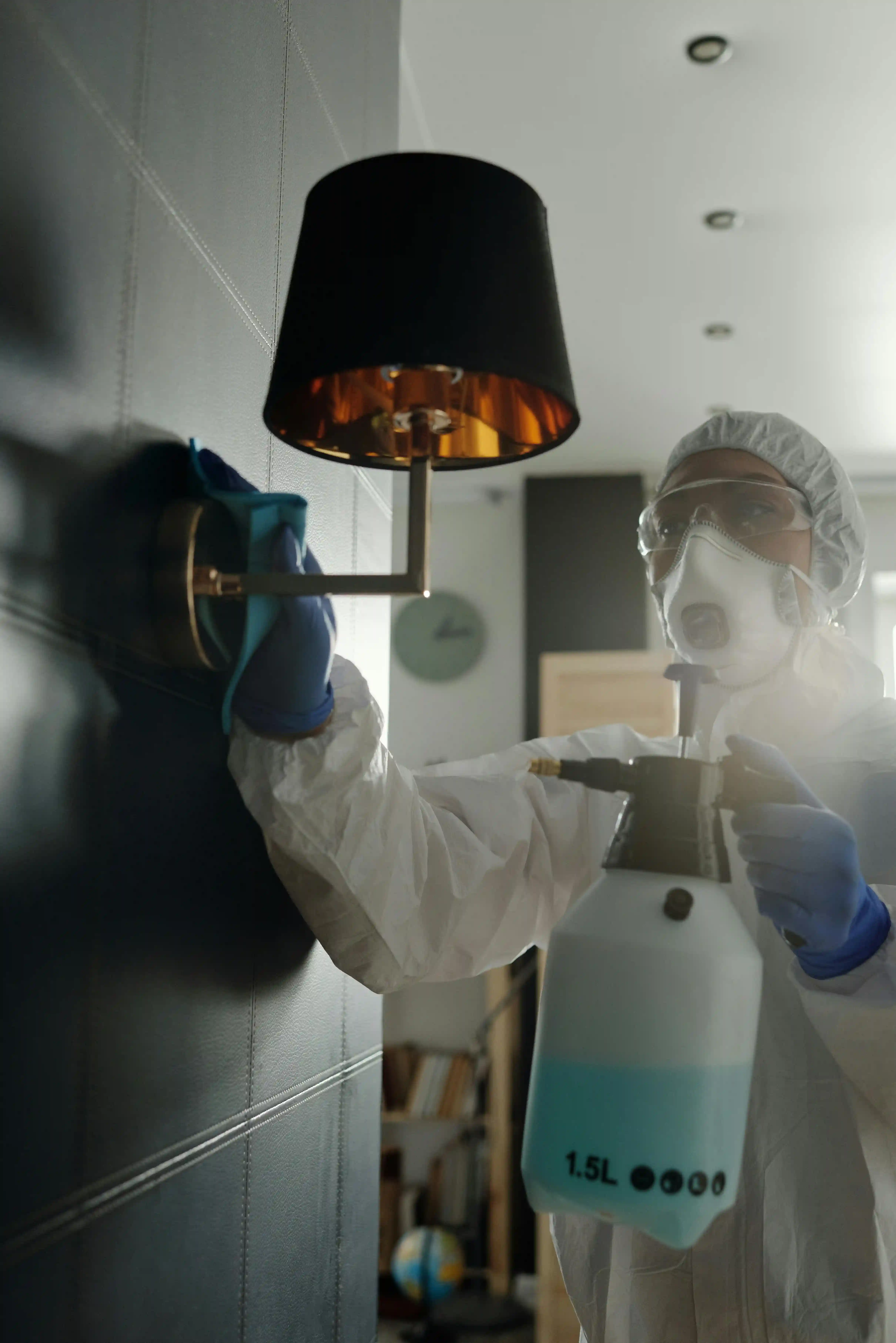
Mold Remediation
Testing, containment, removal, prevention. We find the source, eliminate the growth, and stop it from returning.
Learn more
Sewage Cleanup
Sewer backups, contaminated water, biohazard. We extract, sanitize, and restore safely.
Learn more