
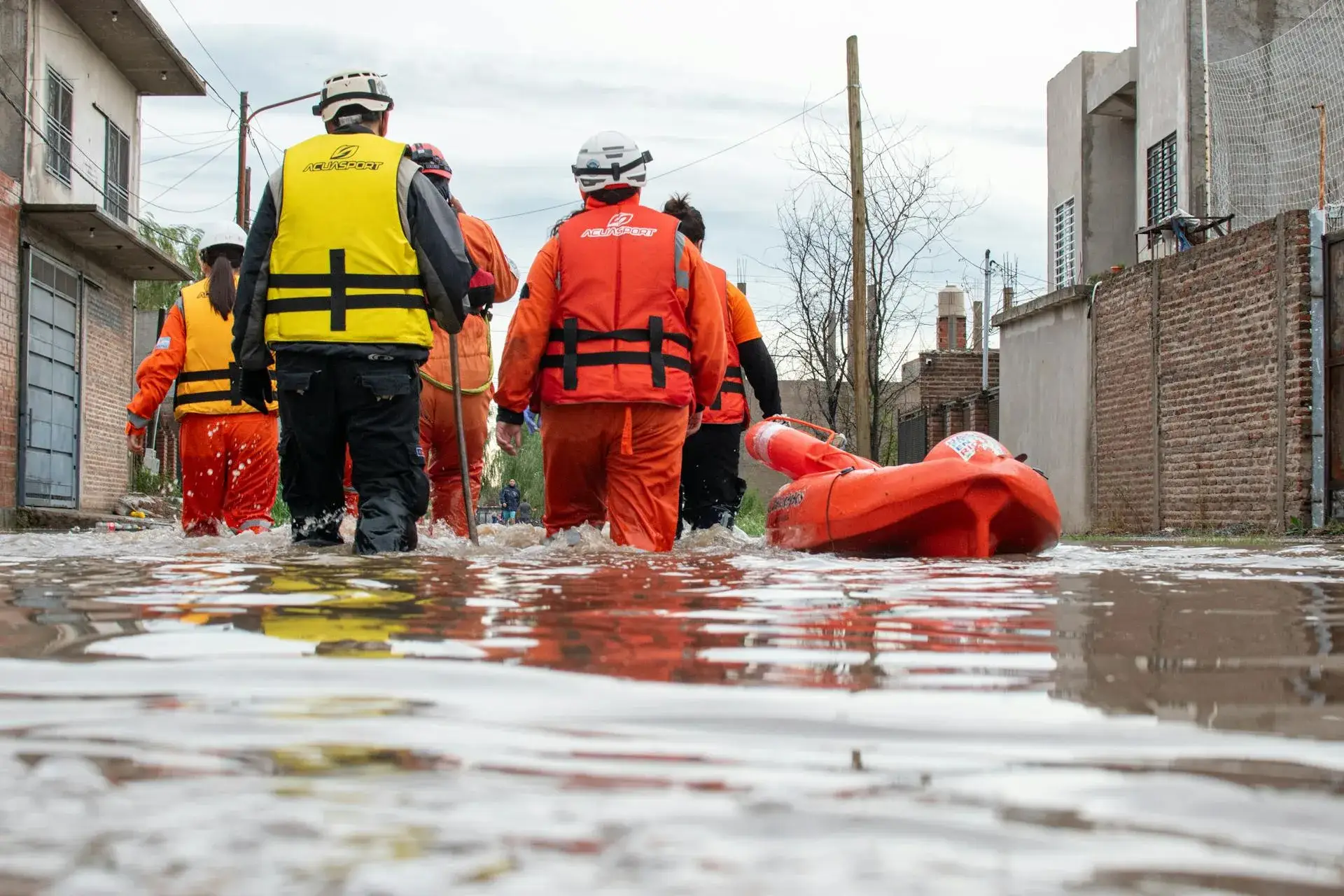
Water Damage Restoration in Port Arthur, TX
Sabine Lake surges, tropical storm deluges, and domestic plumbing ruptures cause catastrophic structural flooding and mold in Port Arthur. Our certified team responds 24/7 within 60 minutes.
What Happens When You Call
An emergency coordinator evaluates your water loss scenario and dispatches the nearest Jefferson County rapid response crew.
Technicians arrive in Port Arthur with truck-mounted water extractors, commercial desiccant dryers, and infrared thermal cameras.
Crews identify hidden moisture migration paths across concrete slabs and low-elevation foundations, extracting standing water rapidly.
Industrial LGR dehumidifiers and high-velocity air movers are configured to stabilize relative humidity and initiate controlled structural drying.
Water spreading across residential or commercial properties in coastal Southeast Texas causes immediate structural breakdown as gypsum drywall wicks moisture upward, framing buckles, and fungal spores activate. X Response mobilizes certified restoration technicians across Port Arthur within minutes of your call, arriving on site within the hour. From thermal diagnostic mapping through high-volume extraction and scientific structural drying, our local team manages every stage. Call now. Your team is standing by.
Why Port Arthur Homes Are Vulnerable to Water Damage
Port Arthur is a major deep-water port city and petrochemical refining hub in Southeast Texas, located on the shores of Sabine Lake approximately 90 miles east of Houston near the Gulf of Mexico. According to the 2020 United States Census, Port Arthur had a population of 56,039 residents across 144.17 square miles, located primarily in Jefferson County. Together with Beaumont and Orange, Port Arthur anchors the Golden Triangle, home to massive energy complexes including the Motiva Refinery, the Port Arthur Canal, and extensive shipping channels along the Gulf Intracoastal Waterway.
The city's unique coastal geography positions it in a low-lying topographic bowl bounded by Sabine Lake and the Port Arthur Hurricane Flood Protection Levee System. While the seawall defends against coastal storm surges from the Gulf of Mexico, severe tropical weather frequently traps extreme rainfall behind the levees. During Hurricane Harvey in August 2017, catastrophic stalled rainfall exceeding 50 to 60 inches overwhelmed municipal drainage pump stations, leaving an estimated 80% to 90% of the city underwater. Because residential and commercial structures rest at or near sea level on concrete slab-on-grade foundations or coastal pilings, storm inundations and internal plumbing ruptures create massive moisture saturation that requires immediate high-capacity industrial extraction and scientific dehumidification.
Sabine Lake Basin and Levee-Enclosed Bowl Topography
Port Arthur sits along Sabine Lake, protected by a massive earthen levee and seawall network. When extreme tropical downpours strike, stormwater cannot drain by gravity into high tidal bodies and collects rapidly inside the levee perimeter, flooding low-lying neighborhoods and subdivisions.
Tropical Cyclone and Stalled Deluge Vulnerability
Southeast Texas experiences severe tropical cyclones, including Hurricane Harvey and Hurricane Ike. Stalled weather systems dump immense rainfall volumes that overwhelm ditch networks and mechanical lift stations, inundating thousands of residential slab foundations.
Low-Elevation Slab Foundations and Lateral Water Spread
Most residential properties across Port Arthur, including neighborhoods in Port Acres and Lakeview, are built on slab-on-grade concrete foundations at elevations near sea level. Horizontal floodwaters penetrate beneath baseboards and flooring, wicking quickly into bottom wall plates and drywall.
Extreme Coastal Humidity and Suppressed Natural Drying
With Port Arthur's humid subtropical climate and direct maritime airflow from the Gulf of Mexico, outdoor relative humidity routinely runs high. Open-air ventilation cannot dry saturated building materials, causing rapid fungal colonization within 24 to 48 hours.
Saline and Brackish Storm Surge Residues
When storm surges enter through Sabine Pass and coastal bayous like Taylor Bayou, floodwaters carry dissolved marine salts and organic marsh particulates. Saturated building materials retain hygroscopic salt residues that attract atmospheric moisture unless structurally flushed and dried.
Water damage restoration in Port Arthur demands heavy-duty industrial extraction equipment and psychrometric drying protocols tailored to coastal hydrology. Our certified teams protect residential and commercial properties throughout Jefferson County from permanent structural loss.
What Happens to Your Home While You Wait
Within 1 Hour
Floodwaters spread across horizontal slab surfaces and subflooring, soaking carpets, underlayment, and baseboards. Framing bottom plates absorb water, and adhesives dissolve.
1–24 Hours
Drywall wicks moisture vertically up to twelve inches. Structural wood framing swells, metal fasteners begin rusting, and high humidity produces strong musty odors.
24–48 Hours
Fungal mold spores germinate across damp organic building materials, including drywall paper backing and carpet padding. Hardwood and laminate flooring warp and buckle.
48–72 Hours
Visible microbial colonies colonize wall assemblies and subflooring. Airborne spores enter HVAC duct systems, and structural framing begins losing dimensional stability.
One Week and Beyond
Severe structural wood rot develops, drywall cores dissolve, and secondary moisture damages unaffected rooms, requiring extensive structural gutting and reconstruction.
Immediate extraction stops escalating structural damage. Contact X Response immediately for 24/7 water restoration in Port Arthur.
How We Restore Water-Damaged Port Arthur Homes
Our restoration process follows rigorous IICRC S500 standards, combining industrial high-capacity extraction with scientific psychrometric dehumidification.
Comprehensive Moisture Mapping and Assessment
Certified technicians perform a full diagnostic survey using thermal imaging cameras and digital moisture meters to locate all hidden water pathways through concrete slabs, wall cavities, and low-lying subfloors.
Industrial-Scale Water Extraction
Using heavy-duty truck-mounted extraction units and high-volume submersible pumps, we rapidly remove standing surface water and deep moisture from floor coverings and slab surfaces.
Controlled Material Removal and Sanitization
Unsalvageable wet materials such as soaked insulation and ruined drywall are cleanly excised. Structural framing and slabs are treated with EPA-registered antimicrobial agents.
Psychrometric Dehumidification and Structural Drying
We deploy industrial Low Grain Refrigerant (LGR) dehumidifiers, desiccant drying units, and high-velocity air movers to draw trapped moisture out of dense framing and concrete.
Daily Monitoring and Final Clearance
Technicians track temperature, relative humidity, and grains per pound (GPP) daily until all structural elements reach verified dry standards for your insurance records.
The X Response Difference
Choose dependable, professional restoration backed by certified technicians and rigorous documentation.
Insurance Claim Guidance for Port Arthur Homeowners
Navigating property insurance claims in coastal Texas requires clear documentation of the water source, loss timeline, and structural impact. Standard Texas homeowners policies generally cover sudden and accidental discharge from domestic plumbing fixtures, whereas rising coastal floodwaters require separate flood insurance through the National Flood Insurance Program (NFIP) or private underwriters. Wind-driven rain damage may involve the Texas Windstorm Insurance Association (TWIA). Our team provides comprehensive forensic evidence to streamline your claims process.
How X Response Helps
- High-resolution photographic and thermal imaging records of all affected building components
- Daily digital moisture logs recording ambient temperature, relative humidity, and drying progress
- Detailed line-item scopes prepared using industry-standard Xactimate pricing software
- Clear distinction between clean water supply line breaks and Category 2 or 3 flood events
- Direct coordination with insurance adjusters to meet all Texas Prompt Payment of Claims Act timelines
X Response delivers independent damage assessment and structural restoration services. Final coverage determinations and claim payments remain the exclusive authority of your insurance carrier.
Certified Restoration Specialists Serving Port Arthur
Our Port Arthur water restoration specialists possess deep technical knowledge of Jefferson County architecture, coastal soil hydrology, and regional hurricane storm patterns. Experienced in addressing the severe moisture challenges of low-lying slab-on-grade construction, coastal elevated homes, and extreme Gulf Coast humidity, our technicians deliver targeted drying strategies for every property type. We maintain 24/7 readiness to respond across Port Arthur, Beaumont, and the Golden Triangle.
Every crew member holds active certifications from the Institute of Inspection, Cleaning and Restoration Certification (IICRC) in Water Damage Restoration (WRT) and Applied Structural Drying (ASD). Using precision diagnostic instruments including digital hygrometers, non-invasive moisture meters, and thermal cameras, our team ensures verifiable drying results.
In Port Arthur, X Response works with First Response Restoration, an independent local restoration partner serving Jefferson County.
Water Damage Restoration FAQ for Port Arthur Homeowners
Other Emergency Services in Port Arthur
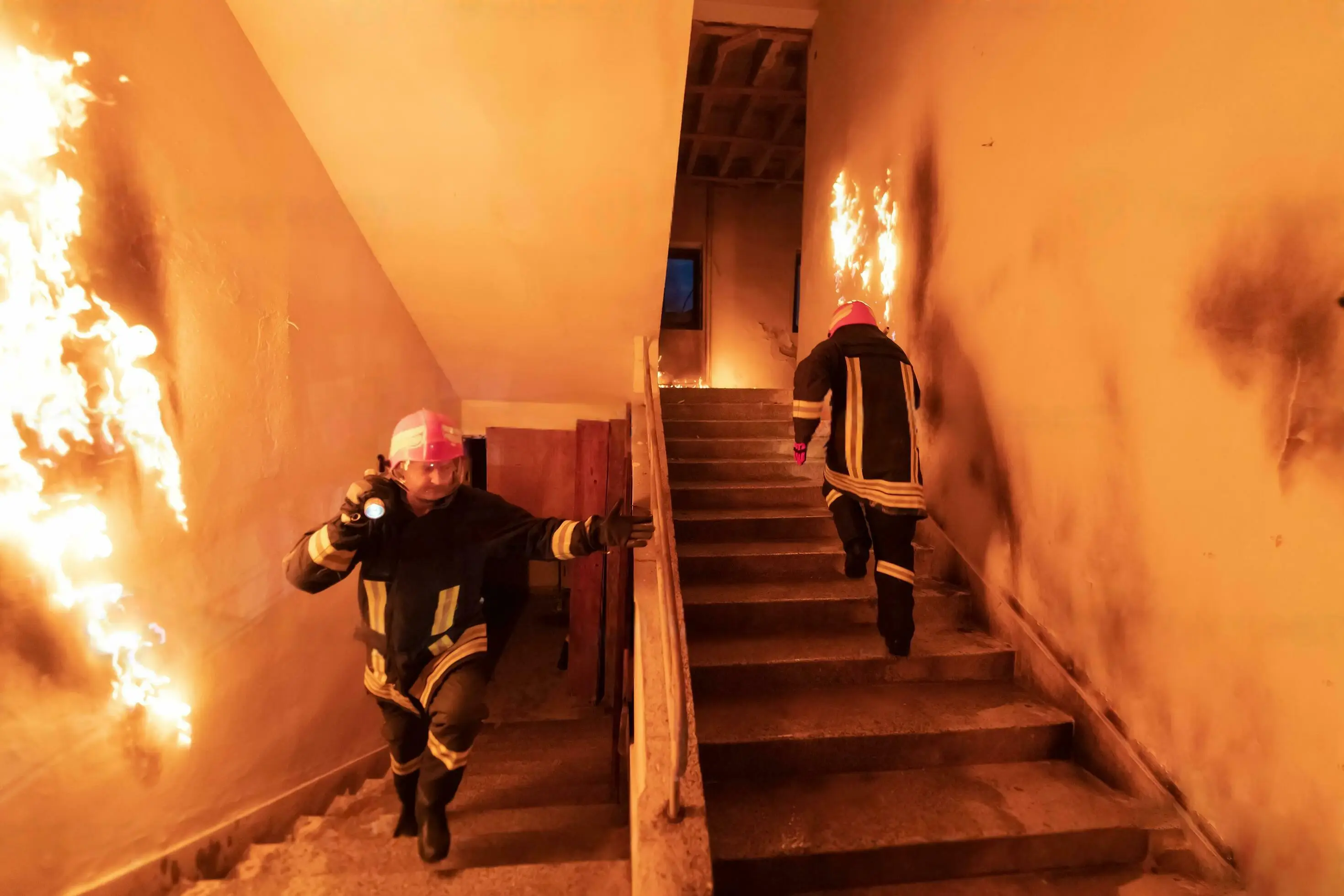
Fire Damage Restoration
Structural damage, soot, debris. We stabilize, clean, and rebuild what fire destroyed.
Learn more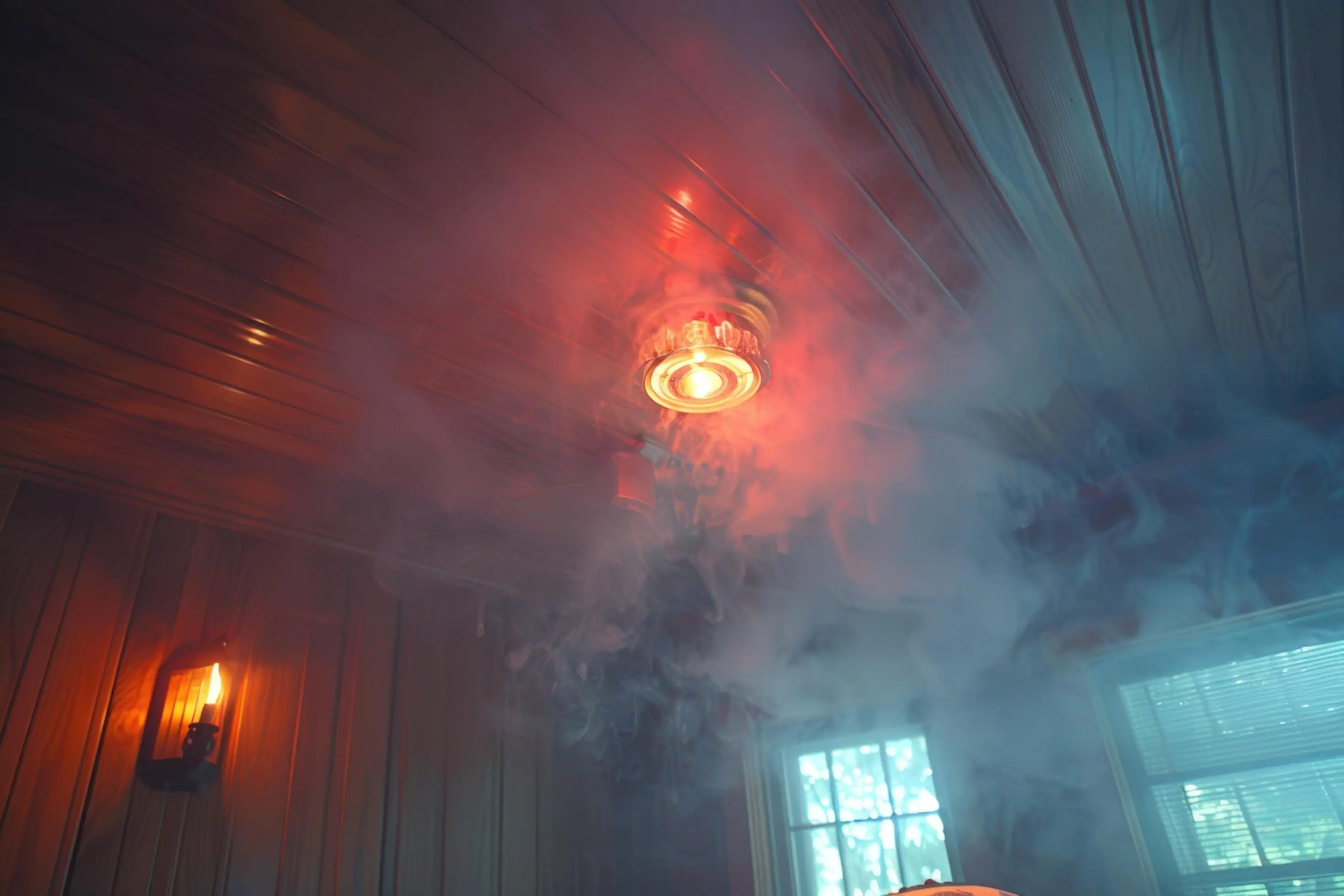
Smoke Damage Restoration
Soot residue, chemical odors, HVAC contamination. We decontaminate surfaces, eliminate odors, and restore air quality.
Learn more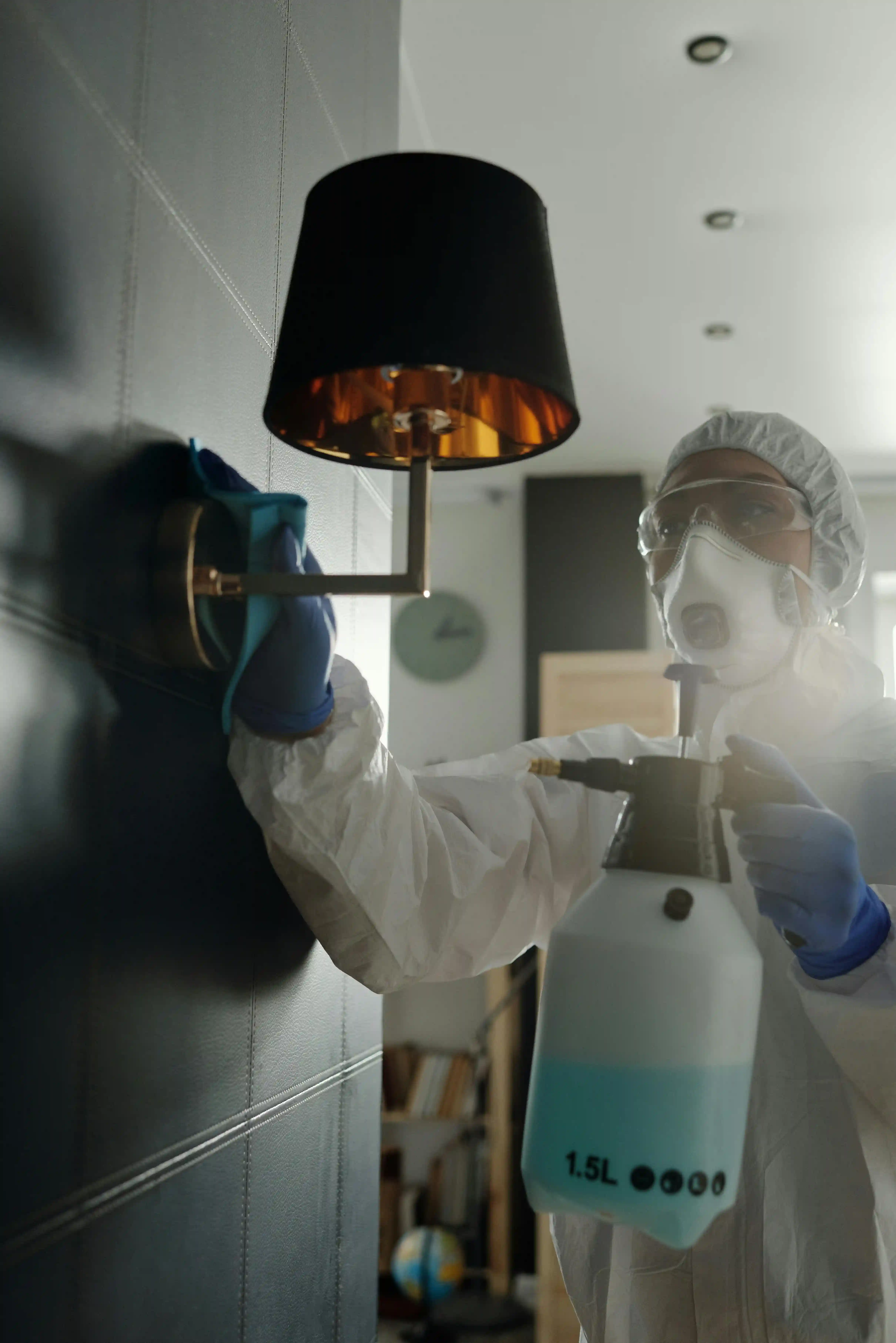
Mold Remediation
Testing, containment, removal, prevention. We find the source, eliminate the growth, and stop it from returning.
Learn more
Sewage Cleanup
Sewer backups, contaminated water, biohazard. We extract, sanitize, and restore safely.
Learn more