
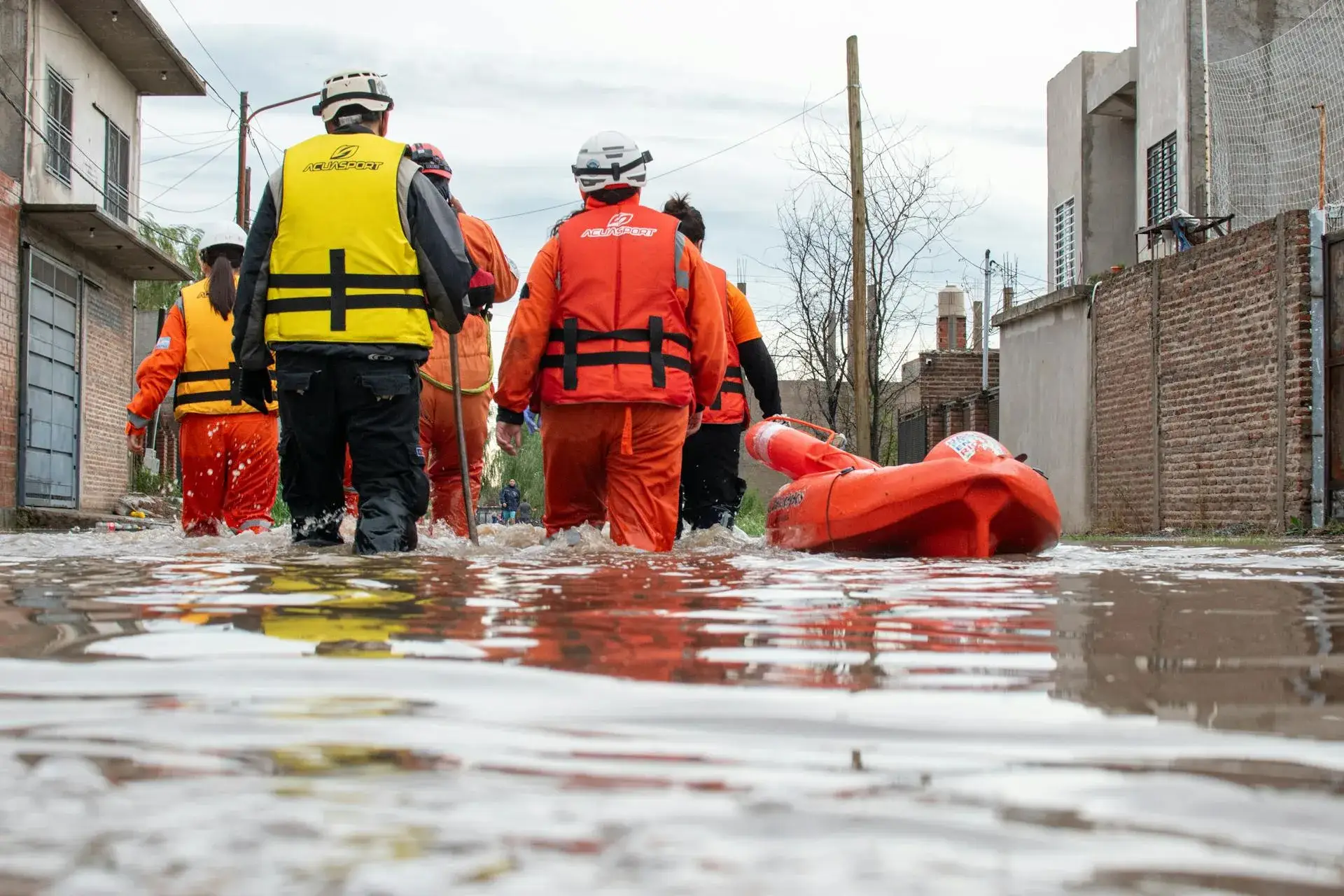
Water Damage Restoration in Pasadena, TX
Every hour of standing water accelerates structural damage and mold growth in Pasadena's humid climate. Our local team responds within 60 minutes.
What Happens When You Call
A live emergency coordinator answers immediately, evaluates your water loss scenario, and dispatches the nearest Harris County response unit.
Our dedicated restoration crew arrives on site in Pasadena with commercial extractors, desiccant units, and diagnostic moisture meters.
Technicians map moisture boundaries with thermal imaging, isolate contaminated zones, and extract standing water from all affected surfaces.
High-velocity air movers and LGR dehumidifiers are calibrated to local atmospheric conditions, stabilizing the indoor environment.
Water is spreading across your property and requires immediate mitigation before drywall wicks moisture and flooring delaminates. X Response mobilizes certified restoration specialists within minutes of your call, placing industrial extraction and drying equipment on site in Pasadena within the hour. From first assessment through complete structural drying and insurer documentation, our local team coordinates every stage. Call now. Your team is standing by.
Why Pasadena Homes Are Vulnerable to Water Damage
Pasadena is a major industrial and residential municipality of roughly 152,000 residents in southeastern Harris County, Texas, situated between downtown Houston and Galveston Bay along the Houston Ship Channel corridor. The city rests on exceptionally flat Gulf Coastal Plain terrain with elevations averaging just 30 feet above sea level. Natural drainage across its 52 square miles relies on a network of sluggish waterways, primarily Vince Bayou, Little Vince Bayou, Berry Bayou, and the upper reaches of Armand Bayou. These bayous convey runoff through dense residential subdivisions, older single-family neighborhoods, and extensive commercial zones toward the Ship Channel and Clear Lake. Because topographical relief across Pasadena is minimal, sustained rainfall rapidly overwhelms storm sewer inlets and channel banks, creating backwater conditions that push runoff into roadways, yards, and low-lying ground-level living spaces.
Tropical Storm Allison caused $8.5 billion in damage across southeast Texas in June 2001, leaving over 30,000 residents temporarily homeless and flooding more than 70,000 houses throughout Harris County as Vince Bayou, Little Vince Bayou, and Armand Bayou surged past capacity. Low-lying neighborhoods throughout central and northern Pasadena experienced prolonged inundation when storm totals exceeded 35 inches across the metro. Subsequent severe events, including Hurricane Ike in 2008, the 2016 Tax Day floods, Hurricane Harvey in 2017, and Hurricane Beryl in 2024, repeatedly tested the city's drainage infrastructure. Although the Harris County Flood Control District and the City of Pasadena have invested in channel widening, watershed separation, and regional detention facilities like the Baywood Stormwater Basin, heavy precipitation events continue to pose significant water intrusion hazards for local property owners.
Vince Bayou and Armand Bayou Drainage Limitations
The Vince Bayou and Armand Bayou watersheds receive torrential runoff from miles of impervious surfaces, including retail centers along Spencer Highway, industrial facilities along State Highway 225, and established residential tracts. During high-intensity rainfall, stream stages in Vince Bayou rise quickly, slowing down local gravity storm pipes. When bayou channels reach bankfull capacity, floodwaters back up through street gutters and storm culverts into residential areas, inundating driveways and rising above foundation slabs in neighborhoods built prior to modern elevation requirements.
Slab-on-Grade Foundations and Capillary Wicking
The vast majority of Pasadena homes are constructed on concrete slab-on-grade foundations, which are standard for the Gulf Coast's high water table. When floodwaters or plumbing leaks reach the slab, water has no subfloor gravity outlet or basement sump to collect in. Water spreads laterally across concrete floors, soaking underneath baseboards, wall framing, and floor coverings. Untreated concrete allows moisture to wick vertically into drywall and insulation at rates exceeding one inch per hour under warm subtropical conditions.
Beaumont Formation Clay Soils
Pasadena is underlain by heavy, impermeable clay soils belonging to the Beaumont Formation. These cohesive clays exhibit minimal percolation rates, preventing rainwater from absorbing into the subsoil. During heavy storms, precipitation remains entirely on the surface as overland sheet flow. When the clay soils become fully saturated, hydrostatic pressure mounts against foundation perimeters, forcing water through weep holes, expansion joints, and door thresholds into interior living areas.
Tropical Cyclone and Severe Storm Inundation
Located less than 25 miles from Galveston Bay, Pasadena lies in the direct path of tropical depressions, tropical storms, and hurricanes entering the upper Texas coast. Tropical cyclones deliver extreme rainfall rates that can exceed four inches per hour, coupled with gusting winds that drive rain behind exterior siding and through damaged roof coverings. These systems saturate the entire urban canopy, leaving municipal storm drainage overwhelmed and creating multi-day standing water conditions.
Aging Domestic Plumbing in Mid-Century Housing
A significant portion of Pasadena's residential housing stock was constructed between 1950 and 1985. Aging copper supply lines, galvanized pipes, and early polybutylene plumbing systems in these homes face corrosion, joint fatigue, and mineral scaling. Slab leaks occurring underneath concrete foundations can discharge hundreds of gallons of pressurized water into structural framing and sub-slab soil before visible dampness appears on flooring.
These overlapping environmental and structural hazards mean water damage in Pasadena requires rapid, specialized mitigation. From bayou-driven floodwaters carrying heavy silt to pressurized plumbing failures within slab homes, our IICRC-certified crews apply tailored extraction and scientific drying protocols designed specifically for Harris County properties.
What Happens to Your Home While You Wait
Within 1 Hour
Water spreads across impervious slab surfaces, saturating carpets, laminate underlayment, and drywall bases. Moisture wicks into wall cavities and baseboards begin swelling as adhesive bonds weaken.
1–24 Hours
Drywall absorbs water up to twelve inches above the floor level. Wood framing members swell, metal fasteners oxidize, and high ambient humidity in Pasadena fosters musty odors as microbial activity initiates.
24–48 Hours
Fungal spores germinate across damp organic substrates, including drywall paper backing, carpet padding, and cabinetry. Structural wood framing begins warping, and vinyl flooring buckles from trapped sub-slab moisture.
48–72 Hours
Active mold colonies become visible on porous building materials. Biological contamination spreads into HVAC plenum spaces and wall cavities, transitioning the loss into a hazardous remediation category.
One Week and Beyond
Severe structural degradation occurs as gypsum cores dissolve, wood studs experience fungal rot, and secondary moisture damages adjacent unaffected rooms. Complete demolition of drywall, cabinetry, and flooring becomes necessary.
Immediate intervention stops the progression of structural damage. Contact X Response immediately for 24/7 water mitigation in Pasadena.
How We Restore Water-Damaged Pasadena Homes
Our restoration methodology follows rigorous IICRC S500 standards, combining scientific moisture tracking with commercial extraction equipment.
Comprehensive Moisture Mapping and Assessment
Certified technicians perform a thorough thermal imaging and moisture meter survey across your property. We identify all moisture migration paths through slabs, wall cavities, and subflooring while categorizing the water source to establish appropriate containment safety protocols.
Industrial Water Extraction
Using heavy-duty truck-mounted and high-capacity submersible extraction units, we remove standing surface water rapidly. Weighted extraction tools pull deeply embedded moisture from carpet fibers and concrete sub-bases, drastically reducing downstream drying time.
Controlled Material Removal and Sanitization
Unsalvageable, contaminated porous materials such as flood-soaked insulation, damaged drywall, and wet underlayment are cleanly excised. We treat structural framing and slab concrete with EPA-registered antimicrobial agents to inhibit bacterial proliferation and mold growth.
Dehumidification and Structural Drying
We deploy commercial Low Grain Refrigerant (LGR) dehumidifiers and high-velocity centrifugal air movers in engineered psychrometric configurations. This system draws moisture out of dense hardwood, framing studs, and concrete slabs despite high external humidity.
Final Verification and Clearance Documentation
Daily moisture tracking records temperature, relative humidity, and grains per pound (GPP) until all structural components meet established dry baseline standards. We compile full photographic logs and drying records for your insurance adjuster.
The X Response Difference
Choose dependable, professional restoration backed by certified technicians and industry-standard documentation.
Insurance Claim Guidance for Pasadena Homeowners
Navigating Texas property insurance claims requires accurate documentation of the water source, loss timeline, and structural impact. Standard homeowner policies generally cover sudden and accidental discharge from internal plumbing fixtures, while overland flood damage from overflowing bayous or tropical storms requires separate flood insurance through the National Flood Insurance Program (NFIP) or private flood carriers. Our team provides comprehensive forensic evidence to streamline your claims process.
How X Response Helps
- Comprehensive photographic and thermal imaging documentation of affected structural components
- Digital moisture logs recording daily psychrometric readings to validate required drying duration
- Detailed line-item scopes prepared using industry-standard Xactimate pricing formats
- Clear distinction between clean water supply losses and contaminated Category 2 or 3 flood events
- Direct coordination with insurance adjusters to facilitate timely inspection and claim resolution
X Response delivers independent damage assessment and structural restoration services. Final coverage determinations and claim payments remain the exclusive authority of your insurance carrier.
Certified Restoration Specialists Serving Pasadena
Our Pasadena water restoration specialists possess deep technical expertise in managing the unique moisture dynamics of southeastern Harris County. Trained in the behavior of slab-on-grade construction, coastal soil hydrology, and subtropical psychrometrics, our technicians understand how Gulf Coast humidity complicates the structural drying process. We maintain rapid response readiness around the clock, positioning advanced extraction and drying equipment throughout the Houston metro to ensure prompt arrival in Pasadena.
Every crew member holds active certifications from the Institute of Inspection, Cleaning and Restoration Certification (IICRC) in Water Damage Restoration (WRT) and Applied Structural Drying (ASD). We utilize calibrated diagnostic instruments, including non-destructive thermal imagers, digital psychrometers, and dual-depth pin meters, ensuring every restoration project achieves verified dry standards without guesswork.
In Pasadena, X Response works with First Response Restoration, an independent local restoration partner serving Harris County.
Water Damage Restoration FAQ for Pasadena Homeowners
Other Emergency Services in Pasadena
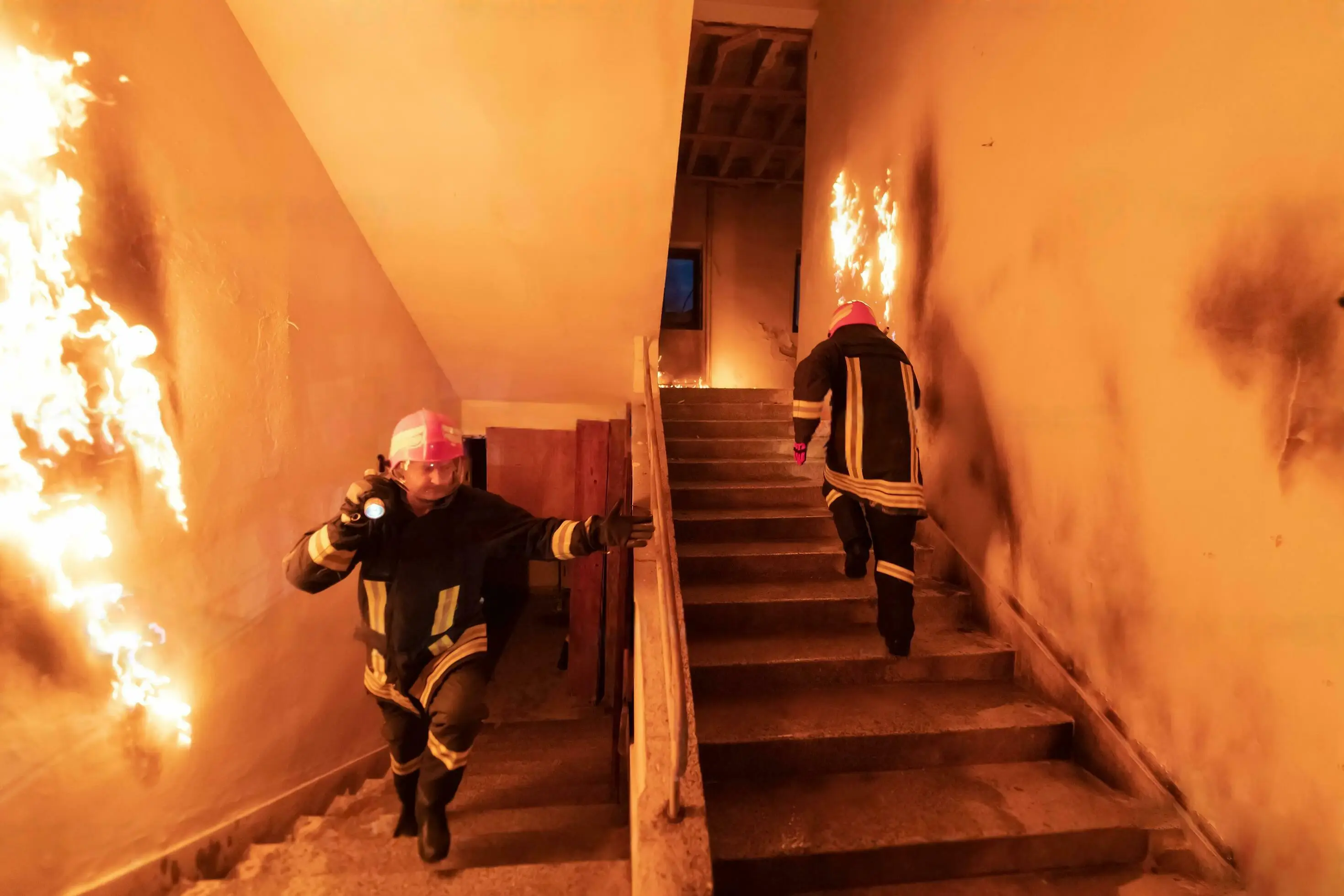
Fire Damage Restoration
Structural damage, soot, debris. We stabilize, clean, and rebuild what fire destroyed.
Learn more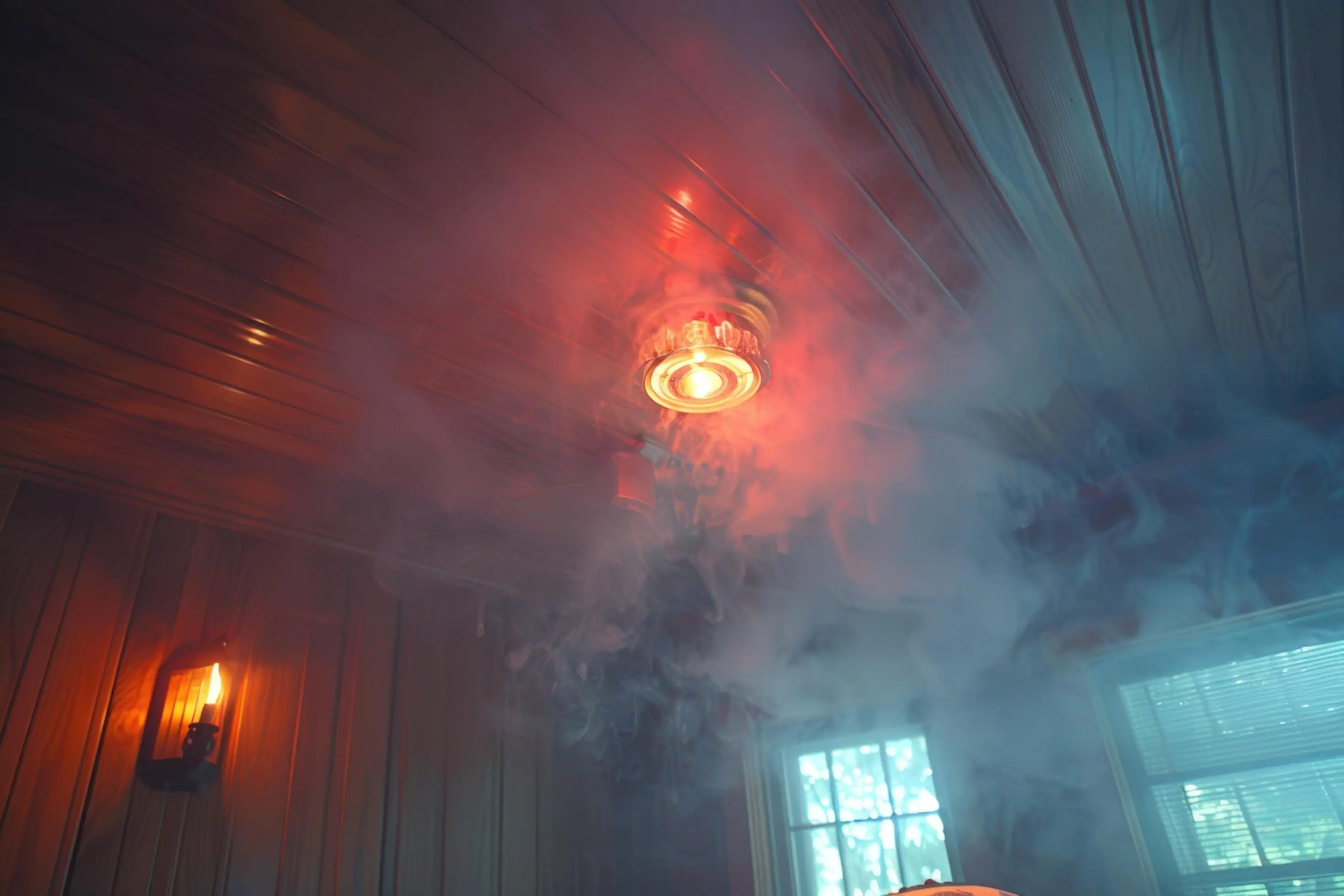
Smoke Damage Restoration
Soot residue, chemical odors, HVAC contamination. We decontaminate surfaces, eliminate odors, and restore air quality.
Learn more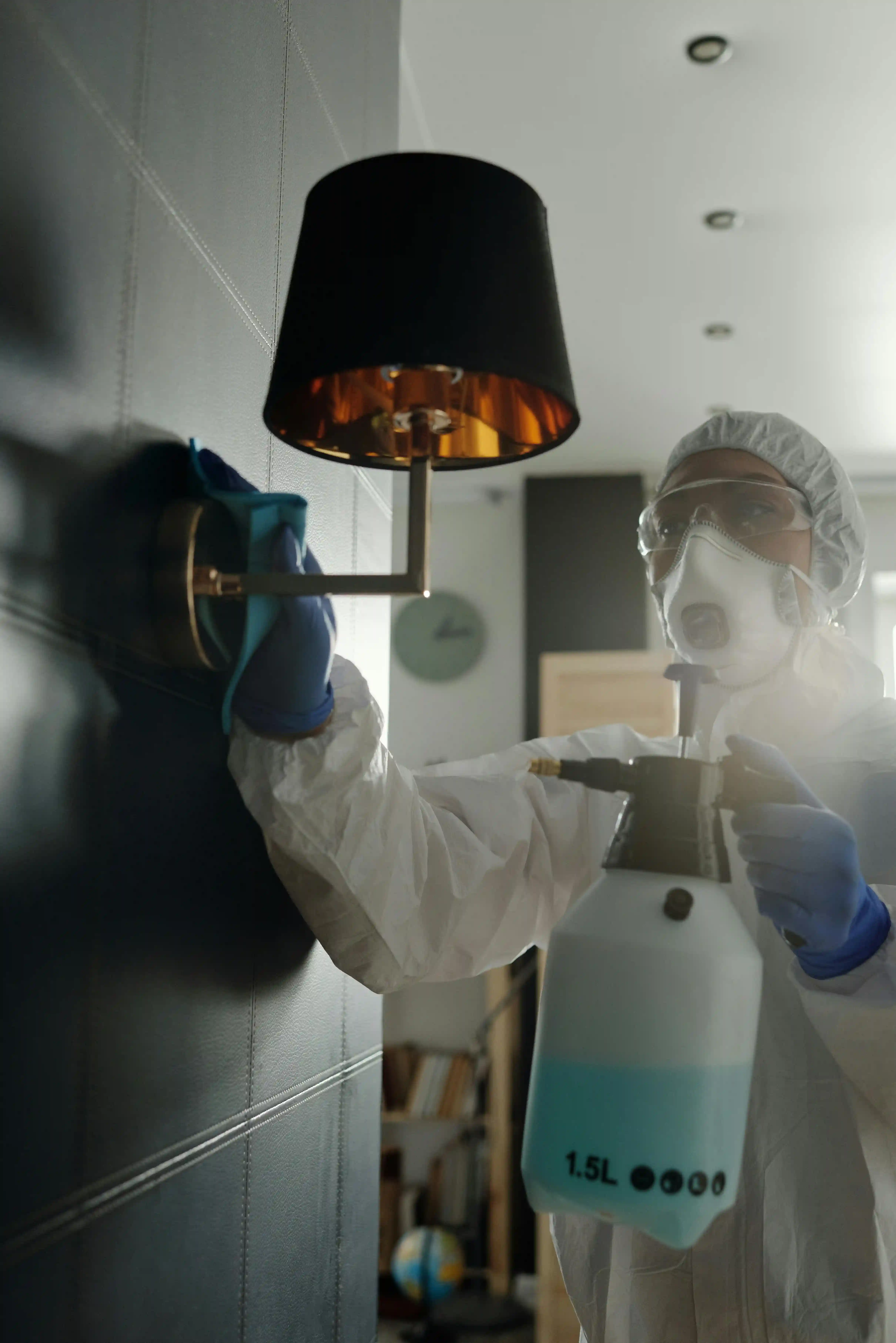
Mold Remediation
Testing, containment, removal, prevention. We find the source, eliminate the growth, and stop it from returning.
Learn more
Sewage Cleanup
Sewer backups, contaminated water, biohazard. We extract, sanitize, and restore safely.
Learn moreNearby Service Areas
Also serving nearby: