
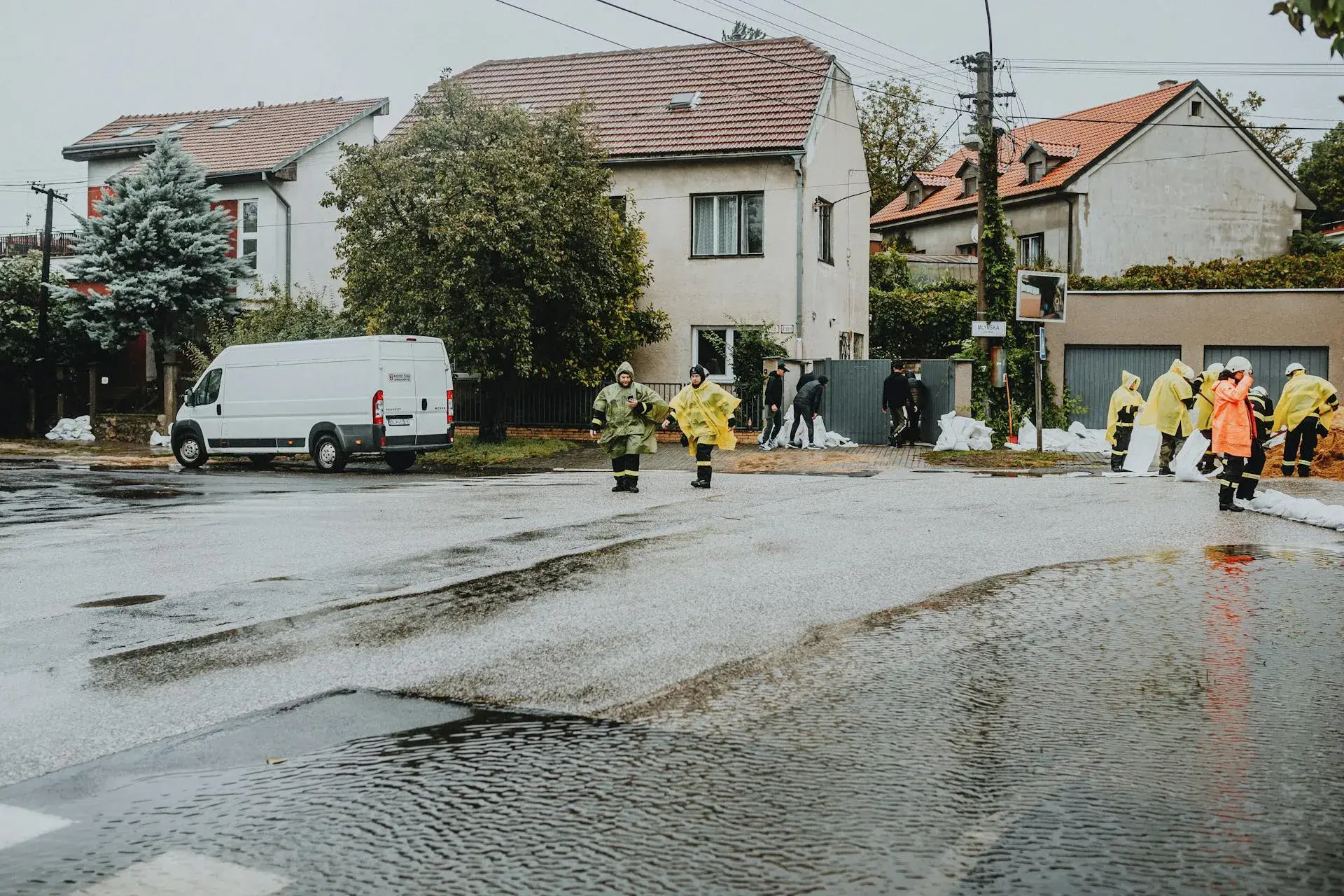
Sewage Cleanup in Gilbert, AZ
Sewage contamination is a Category 3 biohazard that threatens your family's health every minute it remains in your home. Our local team responds to Gilbert emergencies within 60 minutes.
What Happens When You Call
A real person answers, not a call center. We assess your situation, determine the sewage source and contamination extent, and begin coordinating your biohazard response immediately.
Your dedicated decontamination team is dispatched from our local base serving Gilbert and the surrounding East Valley communities in Maricopa County.
Team arrives with sewage extraction equipment, antimicrobial treatment systems, personal protective equipment, and commercial drying equipment. Emergency mitigation begins immediately.
Sewage extracted, contaminated materials removed, antimicrobial treatment applied, drying equipment deployed. You know exactly what comes next.
Sewage has entered your home. Whether from a backed-up lateral, a construction-damaged sewer line, or an overwhelmed system, this is a biohazard emergency that demands immediate professional response. Sewage contains bacteria, viruses, parasites, and chemical contaminants that pose serious health risks with every minute of exposure. X Response exists for exactly this moment. When you reach out, your decontamination team is mobilized within minutes. From that point forward, one team manages everything: extraction, decontamination, drying, and restoration. Call now. Your team is standing by.
Why Gilbert Homes Are Vulnerable to Sewage
Gilbert is a town of approximately 289,000 residents in Maricopa County, Arizona, where rapid infrastructure expansion has introduced new sources of sewage damage risk beyond traditional lateral failures. In October 2024, construction crews installing a fiber optic network in a Gilbert neighborhood off Recker Road and Ray Road punctured a residential sewer line, flooding the home with raw sewage that destroyed a dining room, bathroom, closet, hallway, and foyer, displacing the family for weeks. The homeowners reported sewage coming out the front door and through the stucco wall, with tens of thousands of dollars in damage from a single punctured pipe. This was not an isolated incident. Multiple additional Gilbert homes experienced sewage flooding from the same fiber optic installation project, with complaints continuing into 2025 as the construction company responsible, Tilson, a subcontractor to utility provider GigaPower, eventually filed for bankruptcy amid property damage complaints and unpaid bills.
The Town of Gilbert's contract with GigaPower for fiber optic installation granted utility access to rights-of-way throughout the community. Construction crews boring underground to install fiber cables intersect existing sewer laterals, water lines, and gas lines that may not be precisely located on utility maps. When a boring machine strikes a 4-inch sewer lateral, the pipe ruptures and raw sewage backs up into the connected home through the lowest drain. In slab-on-grade construction, that sewage immediately contacts the living space. The town confirmed it has no jurisdiction over utility contractors under Arizona state law, meaning homeowners affected by these construction-caused sewer breaks must pursue resolution through the utility and its subcontractors rather than through municipal channels. For families dealing with raw sewage flooding their homes, this jurisdictional gap leaves them navigating complex liability chains while their home remains contaminated.
Beyond construction-caused damage, Gilbert's sewer infrastructure serves a town that has more than doubled in population since 2000. The Greenfield Water Reclamation Plant processes wastewater from Gilbert and portions of southeast Mesa and Queen Creek at a capacity of 30 million gallons per day. Individual sewer laterals connecting homes to the collection system age alongside the housing stock, with tree root infiltration, grease accumulation, and ground settling all contributing to blockages that back sewage into homes. Gilbert's hardpan desert soils provide poor drainage around lateral pipes, meaning that any disruption to the pipe from root penetration, construction vibration, or ground movement creates conditions where sewage has nowhere to go except back toward the home.
Construction-Caused Sewer Line Damage
Gilbert's ongoing fiber optic, utility, and development construction introduces direct risk to residential sewer laterals. Underground boring operations that install fiber cables, gas lines, or water mains can strike sewer laterals that are not precisely mapped or located before work begins. The October 2024 fiber optic incident off Recker Road demonstrated the catastrophic consequences: a single punctured sewer line flooded a home with raw sewage, destroyed five rooms, and displaced the family for weeks while multiple contractors, subcontractors, and the town debated responsibility. Additional homes in the same Gilbert neighborhood experienced similar damage from the same project. Under Arizona law, the town has no jurisdiction over utility contractors operating in the right-of-way, creating a liability gap where homeowners must navigate complex chains of contractors and subcontractors to seek restoration costs. Professional sewage cleanup cannot wait for liability resolution. The biohazard demands immediate response regardless of who ultimately pays.
Aging Sewer Laterals in Growth-Era Housing
Gilbert's explosive growth between 1990 and 2015 produced tens of thousands of homes connected to the municipal sewer system through individual laterals. These lateral lines, the homeowner's responsibility from the property line to the home, are now 10 to 35 years old. In Gilbert's desert environment, tree roots aggressively seek the moisture inside sewer lines, infiltrating through joints and fractures. Non-native trees planted for shade in the intense heat, including Ficus, Brazilian Pepper, and African Sumac, are particularly aggressive root invaders. As roots accumulate inside the pipe, they trap debris, grease, and waste material, gradually reducing flow until a complete blockage forms. When the lateral blocks completely, sewage has nowhere to go except backward through the lowest drain in the home, which in slab-on-grade Gilbert homes is a shower, floor drain, or toilet at living-space level.
Slab-on-Grade Construction and Contamination Spread
When sewage enters a Gilbert home through a backed-up drain or construction-damaged lateral, the slab-on-grade construction means contaminated water immediately contacts finished living space. There is no basement to contain the backup. Sewage flows across tile, carpet, and hardwood flooring, wicks into drywall at the base of walls, and migrates beneath baseboards and into cabinet toe kicks. In the October 2024 incident, sewage reached five rooms including the foyer and came through exterior stucco walls, demonstrating how pressure from a severed lateral can force waste through multiple pathways simultaneously. Every porous material contacted by sewage, including carpet, padding, drywall below the flood line, and particleboard cabinetry, must be removed and disposed of as contaminated waste. The slab surface requires antimicrobial treatment, and any cracks or joints where sewage penetrated need targeted attention.
Desert Heat and Accelerated Biohazard Timeline
Sewage contamination in Gilbert's summer heat creates an accelerated biohazard compared to cooler climates. Indoor temperatures in a home without functioning HVAC can exceed 100 degrees within hours during summer. At these temperatures, bacterial colonies in sewage multiply rapidly, organic matter decomposes producing toxic off-gases including hydrogen sulfide, and contaminated materials deteriorate faster. Mold colonization on sewage-dampened materials compounds the biological contamination with fungal growth within 24 to 48 hours. For Gilbert homeowners, this compressed timeline means a sewage backup discovered even a few hours after it occurred may already require full biohazard protocols. In summer, there is no realistic scenario where sewage cleanup can wait until the next day.
Monsoon Surcharge and System Capacity
While Gilbert operates a separated sewer system, intense monsoon storms still affect sanitary sewer capacity through infiltration and inflow. Groundwater rises during heavy rain events, seeping into aging joints and pipe cracks throughout the collection system. Illicit connections where roof drains or area drains were historically tied to sanitary laterals introduce stormwater directly into the sewer system. When the Greenfield Water Reclamation Plant's 30 MGD capacity is approached during these inflow events, the system's ability to convey normal residential flows decreases. Homes at lower elevations along the east-to-west slope or near the downstream end of collection segments may experience slow drainage or backups during intense monsoon events as the system absorbs additional water. The September 2025 monsoon demonstrated this vulnerability across the metro.
Sewage cleanup in Gilbert operates under the same compressed desert timeline as all other restoration categories. The town's rapid growth has introduced new sewage risks from construction damage to buried infrastructure, while aging laterals in homes built during the expansion era approach the end of their service life. When raw sewage enters a slab-on-grade home in summer conditions, whether from a construction-punctured line, a root-blocked lateral, or a monsoon-surcharged system, professional biohazard response within hours determines whether the home requires targeted decontamination or comprehensive demolition of all contacted materials.
What Happens to Your Home While You Wait
Within 1 Hour
Sewage spreads across slab flooring and wicks into drywall, baseboards, and carpet padding. In the October 2024 fiber optic incident, sewage reached five rooms and exited through the front door and stucco wall within minutes of the sewer line rupture. Pathogens are active on every contacted surface. Organic decomposition begins producing toxic gases in Gilbert's warm conditions. No one should enter without respiratory and skin protection.
1–24 Hours
Bacterial populations multiply rapidly in warm indoor conditions. Contamination penetrates deeper into porous materials. Odor intensifies as decomposition accelerates. In summer, these processes operate at an accelerated rate. Mold colonization begins on organic materials contacted by the nutrient-rich sewage water. The contamination zone expands as water migrates along the slab edge.
24–48 Hours
Porous materials contacted by sewage are unsalvageable under professional standards. Drywall, carpet, padding, and particleboard must be removed as contaminated waste. Mold becomes visible. Structural wood at wall bases may show sewage saturation. The health hazard has expanded beyond the original backup point. Professional antimicrobial treatment of all hard surfaces is essential before reoccupation.
48–72 Hours
Secondary contamination throughout the affected zone. Mold colonies actively growing on every damp organic surface. Sewage that penetrated wall cavities has contaminated insulation and framing. Restoration scope has expanded significantly. Health risks include both sewage pathogens and mold spore exposure. The space is uninhabitable without respiratory protection.
One Week and Beyond
Extensive biological contamination. Structural materials may degrade from prolonged sewage contact. Mold has colonized beyond the original area and potentially entered the HVAC system. The project has evolved from targeted decontamination to comprehensive demolition and reconstruction. Insurance claims become more complex.
Sewage is a Category 3 biohazard. In Gilbert's heat, every biological process accelerates. Contact X Response now. Our Gilbert team responds within 60 minutes.
How We Restore Sewage-Damaged Gilbert Homes
Sewage cleanup is a biohazard operation requiring specialized equipment, protocols, and personal protective equipment. Here is exactly what the process involves in a Gilbert home.
Biohazard Assessment and Safety Protocols
Our team arrives in full PPE including respirators, full-body suits, gloves, and boot covers. We assess contamination extent, identify the sewage source, and determine whether the backup is still active. In Gilbert, this means checking whether the lateral is blocked, whether construction crews damaged the line, or whether the municipal system is surcharged. If the backup is active, we coordinate with the appropriate party to stop the source. For construction-caused damage like the 2024 fiber optic incidents, this may involve contacting the utility and their contractors while we simultaneously begin emergency mitigation to protect the home.
Sewage Extraction and Contaminated Material Removal
Standing sewage is extracted using specialized pumps and vacuum equipment. All porous materials contacted by sewage are removed: carpet, padding, drywall below the flood line cut at least 12 inches above the highest water mark, particleboard cabinetry, baseboards, and insulation in affected wall cavities. In Gilbert's slab-on-grade homes, removal extends along the entire path sewage traveled. In the October 2024 case, that included five rooms plus hallways and the foyer. Removed materials are bagged, sealed, and disposed of as contaminated waste per Maricopa County regulations.
Antimicrobial Treatment and Decontamination
All remaining hard surfaces receive comprehensive antimicrobial treatment with EPA-registered solutions effective against Category 3 pathogens including E. coli, Salmonella, and hepatitis A. This includes the concrete slab, exposed wall framing, remaining drywall above the cut line, and non-porous items salvageable with disinfection. In Gilbert homes where sewage penetrated slab cracks or control joints, these areas receive targeted treatment. The HVAC system is assessed and decontaminated if sewage contacted any return air pathway.
Structural Drying
After decontamination, the exposed structure is dried using commercial dehumidifiers and air movers. Mechanical dehumidification is essential despite dry outdoor air because enclosed wall cavities and slab surfaces do not benefit from ambient ventilation. Daily moisture readings track progress until all readings confirm acceptable dryness for reconstruction. Only then can new materials be installed.
Reconstruction and Verification
New drywall, insulation, baseboards, flooring, and other removed materials are installed to current building standards. Final inspection verifies all surfaces are clean, dry, and properly finished, and that the sewage source has been permanently addressed. Complete documentation is provided including contamination mapping, treatment records, moisture readings, and reconstruction details for your insurance file.
The X Response Difference
Sewage cleanup requires biohazard-level protocols, not standard water damage procedures. X Response brings the specialized training, equipment, and process that Category 3 contamination demands.
Insurance Claim Guidance for Gilbert Homeowners
Sewage backup coverage in Arizona depends on your policy and the source. Standard homeowner's policies often exclude sewer backup unless a specific endorsement has been purchased. For construction-caused sewer damage like the October 2024 fiber optic incidents in Gilbert, liability typically falls on the construction company or utility rather than the homeowner's policy, but pursuing those claims can take months. Your homeowner's policy may cover the damage and then subrogate against the responsible party. The key is beginning professional cleanup immediately regardless of who ultimately pays, because delays allow the biohazard to worsen and costs to multiply. Documenting everything from day one protects your position whether the claim goes against your own policy, the utility, or their contractor.
How X Response Helps
- Verify whether your policy includes a sewer and drain backup endorsement
- Document the backup source, especially if construction crews caused the damage, as this affects liability
- Photograph all contamination before any cleanup begins
- Maintain records of all costs including emergency lodging if displaced
- Prepare documentation supporting claims against third parties if construction-caused
X Response does not file claims on your behalf, adjust claims, or make coverage determinations. We provide documentation and guidance to help you make informed decisions about your property and your policy. Coverage decisions are made solely by your insurance carrier.
Certified Restoration Specialists Serving Gilbert
When you contact X Response for sewage cleanup in Gilbert, your team is drawn from certified professionals trained in biohazard response who understand the specific sewage risk factors facing this community. They know how construction projects in Gilbert's rapidly expanding infrastructure create direct risk to buried sewer laterals, how the town's growth-era housing stock faces aging lateral failures from root infiltration and ground settling, how slab-on-grade construction means sewage immediately contacts living space, and how to coordinate with utilities and contractors when third-party construction causes the damage. They have worked through construction-punctured sewer lines, lateral root blockages, and monsoon-surcharge events.
Every technician holds current IICRC certification in water damage restoration with specific Category 3 contaminated water training. Equipment includes sewage-rated extraction pumps, EPA-registered antimicrobial systems, full PPE, commercial dehumidifiers, and HEPA air scrubbers. When your team arrives in full biohazard gear, they bring everything needed to begin decontamination immediately.
In Gilbert, X Response works with No Worries Rooter, an independent local restoration partner serving Maricopa County.
Sewage Cleanup FAQ for Gilbert Homeowners
Other Emergency Services in Gilbert
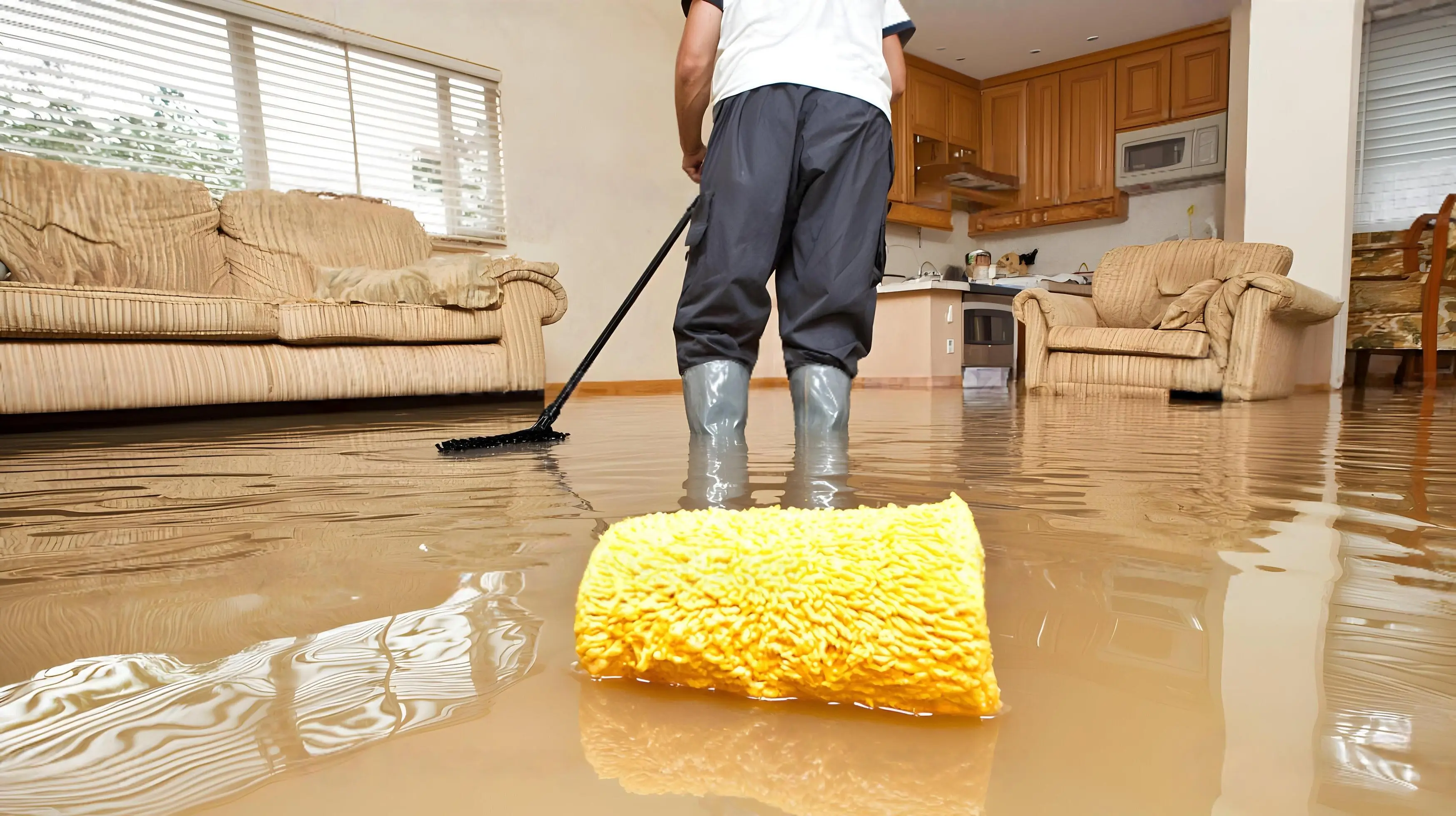
Water Damage Restoration
Burst pipes, storm flooding, standing water. We extract, dry, and restore before mold sets in.
Learn more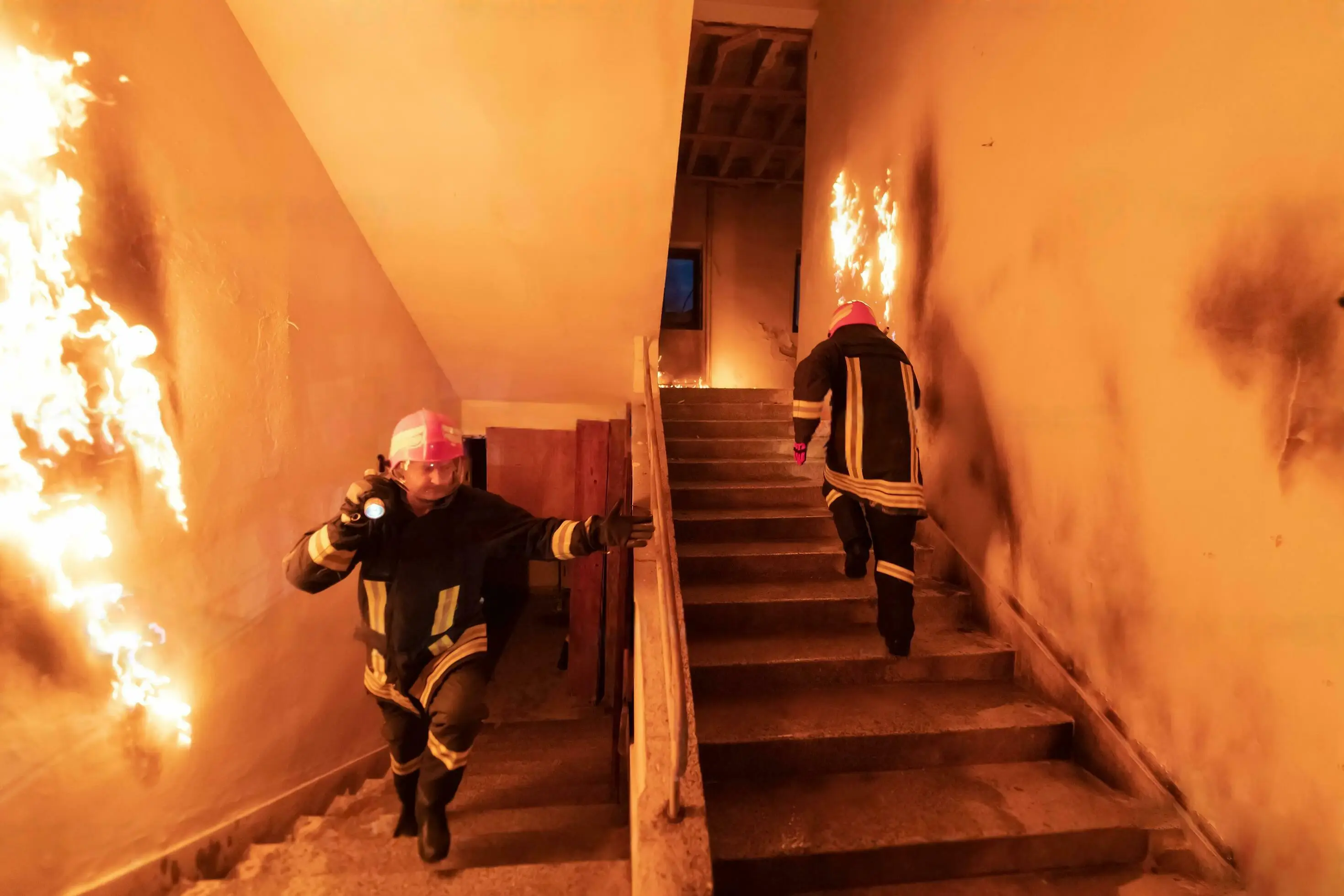
Fire Damage Restoration
Structural damage, soot, debris. We stabilize, clean, and rebuild what fire destroyed.
Learn more
Smoke Damage Restoration
Soot residue, chemical odors, HVAC contamination. We decontaminate surfaces, eliminate odors, and restore air quality.
Learn more
Mold Remediation
Testing, containment, removal, prevention. We find the source, eliminate the growth, and stop it from returning.
Learn more