
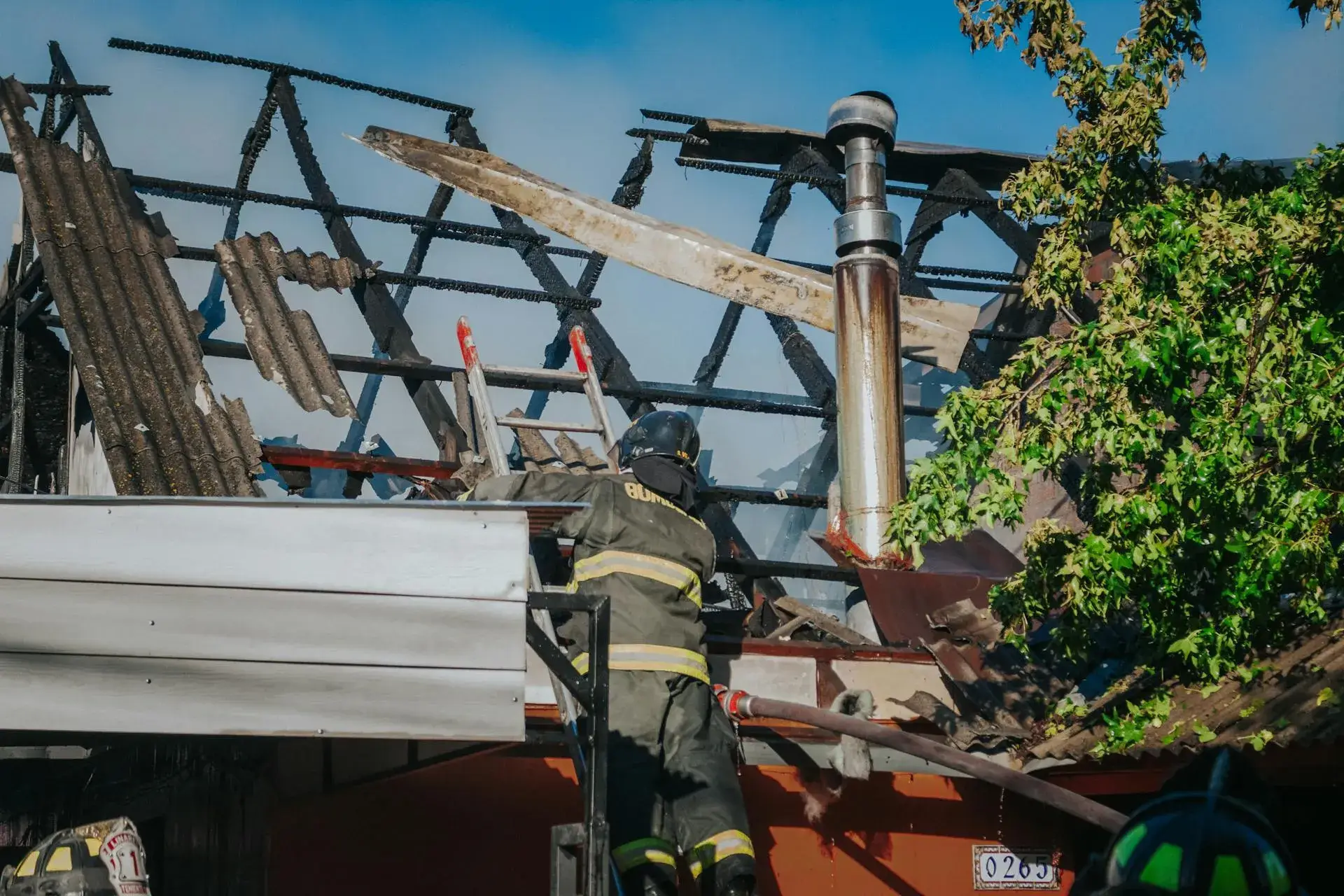
Fire Damage Restoration in Brandon, FL
Soot and smoke damage become permanent if left untreated in Florida's humidity. Our local team responds to Brandon fire emergencies within 60 minutes to secure your property.
What Happens When You Call
A real person answers your call. We assess your location within Brandon, identify safety risks, and dispatch an emergency response team immediately.
Your dedicated restoration team is dispatched directly from our local base serving Hillsborough County, navigating traffic to reach you fast.
The team arrives to perform emergency board-up and tarping, securing the property against afternoon thunderstorms and unauthorized entry.
Initial mitigation is completed, standing water from firefighting efforts is extracted, and a comprehensive restoration plan is documented for your Florida insurance carrier.
The fire is out, but the damage is still spreading. Acidic soot, lingering smoke odors, and the thousands of gallons of water used by Hillsborough County Fire Rescue are actively destroying what remains of your home. X Response exists for exactly this moment. When you reach out, your restoration team is mobilized down SR-60 or I-75 within minutes. From that point forward, one local team manages everything: board-up, water extraction, soot removal, and structural repair compliant with Hillsborough County codes. Call now. Your team is standing by.
Why Brandon Homes Are Vulnerable to Fire Damage
Brandon faces a unique set of challenges when it comes to residential fires, largely driven by its dense suburban layout and frequent severe weather. Florida is the lightning capital of the United States, and Hillsborough County is frequently battered by intense electrical storms during the summer, which can ignite attic fires. Furthermore, the intensity of residential blazes requires massive suppression efforts. On March 8, 2026, Hillsborough County Fire Rescue spent approximately 45 minutes battling a significant residential fire on Sunshine Avenue in Brandon, highlighting the intense response required for structural fires in the area. Such a prolonged fire, and the corresponding volume of water needed to extinguish it, leaves the structure completely saturated.
Beyond the flames themselves, Florida's climate acts as an accelerant for post-fire destruction. Once the fire department leaves the scene, whether it's a house on Sunshine Avenue or the massive 2-alarm fire on Pine Ridge Circle in April 2026, the remaining structure is left vulnerable. In Hillsborough County's sweltering, humid environment, this standing water quickly breeds mold, while acidic soot actively corrodes metal fixtures, tarnishes glass, and stains drywall. Immediate mitigation is not just about boarding up broken windows; it's a race against chemical reactions and biological growth fueled by the Florida heat.
Intense Suburban Suppression Efforts
When Hillsborough County Fire Rescue responds to a major structure fire in densely packed Brandon neighborhoods, they must utilize thousands of gallons of water to prevent the blaze from spreading to adjacent homes. This massive volume of water ensures that the secondary water damage is often as severe as the fire damage itself.
The Humidity Multiplier
Brandon's subtropical climate is the enemy of fire restoration. The high ambient humidity acts as a catalyst for the acidic compounds found in soot. When combined with the standing water left by firefighters, the environment inside the home becomes a pressure cooker for corrosion, permanent staining, and rapid mold colonization.
Lightning-Induced Attic Fires
Brandon's intense summer thunderstorms frequently produce cloud-to-ground lightning strikes that ignite the wooden trusses and insulation in attics. These fires often go unnoticed until they breach the roof, leaving the home's electrical systems completely compromised.
HVAC System Contamination
Because Brandon residents rely heavily on central air conditioning year-round, HVAC systems often pull thick, oily smoke through the ductwork during a fire. This spreads toxic soot into rooms far away from the actual flames, necessitating comprehensive duct cleaning before the Florida heat requires you to turn the AC back on.
Severe Weather Exposure
A fire often leaves a home's roof or windows compromised. In Brandon, afternoon thunderstorms mean that a burned home is highly vulnerable to sudden, severe water intrusion. Emergency board-up and tarping must be performed to storm-ready standards.
These factors compound each other. Lightning sparks the flames, the massive water response saturates the structure, and the oppressive humidity turns soot into a corrosive acid while inviting mold. Effective fire damage restoration in Brandon demands a team that can simultaneously handle structural securing against weather, rapid water extraction, and intricate chemical cleanup.
What Happens to Your Home While You Wait
Within Minutes
Acidic soot residues cause plastics to yellow and highly porous materials to discolor permanently. The immense volume of water used by Hillsborough County Fire Rescue begins soaking into drywall and subfloors.
1-24 Hours
Metal fixtures, door knobs, and appliances begin to pit and corrode from the acidic soot combining with Brandon's ambient humidity. Grout stains, and fiberglass fixtures yellow irreparably.
24-48 Hours
Corrosion and staining become permanent on many surfaces. The acidic soot etches glass and tarnishes metal. Mold colonies begin to form in the waterlogged materials thanks to Florida's sweltering heat.
48-72 Hours
Mold growth becomes highly visible as the combination of firefighting water and indoor humidity takes hold. Synthetic materials emit toxic off-gassing, making the indoor air quality hazardous.
One Week and Beyond
Restoration costs skyrocket in Hillsborough County. Structural wood may require total replacement due to a combination of charring, deep smoke penetration, and advanced mold rot requiring complex permitting.
In Florida's climate, the difference between salvaging your property and facing a total loss is often measured in hours. Contact X Response now. Our Brandon team responds within 60 minutes.
How We Restore Fire-Damaged Brandon Homes
From the moment our team arrives in your Brandon neighborhood, every step is documented, measured, and verified for your insurance carrier. Here is exactly what the fire damage restoration process involves.
Emergency Board-Up and Assessment
Our first priority is securing your Brandon home against Florida weather, wildlife, and unauthorized entry. We board up broken windows and tarp compromised roofs to withstand unpredictable summer thunderstorms.
Water Extraction and Drying
Before we can address the fire damage, we must remove the water left behind by the fire department. We use commercial extractors and deploy high-capacity dehumidifiers to pull moisture out of the structure, preventing rampant mold growth common in Hillsborough County.
Soot and Smoke Removal
We utilize specialized chemical sponges and industrial vacuums to remove acidic soot. Because smoke behaves like a gas, we meticulously clean HVAC ductwork to ensure toxic particulates aren't recirculated when you turn your central AC back on.
Deep Deodorization
Masking the smell of a fire is not enough. We use advanced thermal fogging and hydroxyl technology to neutralize smoke odor molecules at the microscopic level, permanently eliminating the smell from porous materials like structural framing.
Reconstruction and Final Polish
Once the property is mitigated, cleaned, and deodorized, the rebuild phase begins. We restore your home to its pre-loss condition, ensuring all work meets Hillsborough County's stringent building and fire codes.
The X Response Difference
When you contact X Response, you get a dedicated Brandon restoration team that manages everything, from emergency securing through soot removal to final reconstruction compliant with Hillsborough County codes.
Insurance Claim Guidance for Brandon Homeowners
Fire damage claims are among the most complex property insurance claims in Florida. Standard homeowner's policies generally cover fire, smoke, and the secondary water damage caused by Hillsborough County Fire Rescue suppression efforts. However, disputes frequently arise over the scope of the damage, particularly regarding hidden smoke damage in HVAC systems running constantly in the Florida heat, and the necessity of complete structural deodorization. Proper documentation meeting Florida Department of Financial Services standards is essential.
How X Response Helps
- Document all fire, smoke, and secondary water damage with professional photos tailored for Florida adjusters
- Detail the specific techniques required for acidic soot removal and molecular deodorization
- Prepare documentation that meets Hillsborough County building codes for any necessary structural rebuilds
- Align our restoration scope with standard Florida insurance coverage categories for efficient processing
- Provide evidence of emergency mitigation efforts to prove you upheld your duty to prevent further damage
X Response does not file claims on your behalf, adjust claims, or make coverage determinations. We provide documentation and guidance to help you make informed decisions about your property and your policy. Coverage decisions are made solely by your insurance carrier.
Certified Restoration Specialists Serving Brandon
When you contact X Response for a fire damage emergency in Brandon, your restoration team is drawn from certified professionals who work across Hillsborough County and understand the specific challenges of restoring homes in this environment. They know how to handle the rapid onset of mold fueled by Florida's humidity, how to secure a property against sudden afternoon storms, and how to decontaminate complex HVAC systems.
Every technician holds current IICRC certification in Fire and Smoke Restoration (FSRT) and carries the appropriate Florida state licensing. Equipment is commercial-grade and maintained to manufacturer specifications. When your local team arrives, they bring everything needed to begin mitigation immediately, from heavy-duty board-up materials to advanced thermal fogging units.
In Brandon, X Response works with Dry Out Daddy Restoration, an independent local restoration partner serving Hillsborough County.
Fire Damage Restoration FAQ for Brandon Homeowners
Other Emergency Services in Brandon
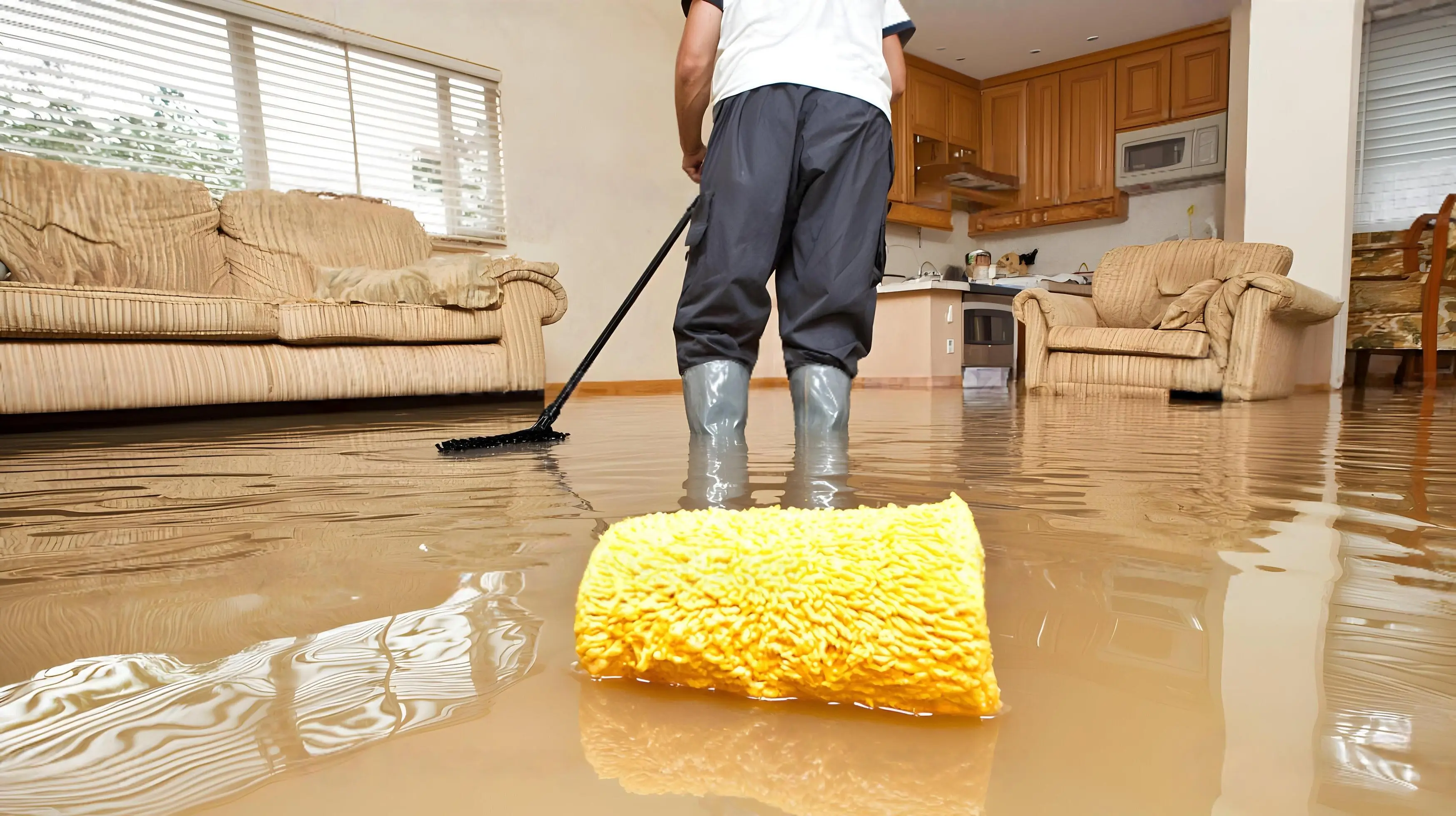
Water Damage Restoration
Burst pipes, storm flooding, standing water. We extract, dry, and restore before mold sets in.
Learn more
Smoke Damage Restoration
Soot residue, chemical odors, HVAC contamination. We decontaminate surfaces, eliminate odors, and restore air quality.
Learn more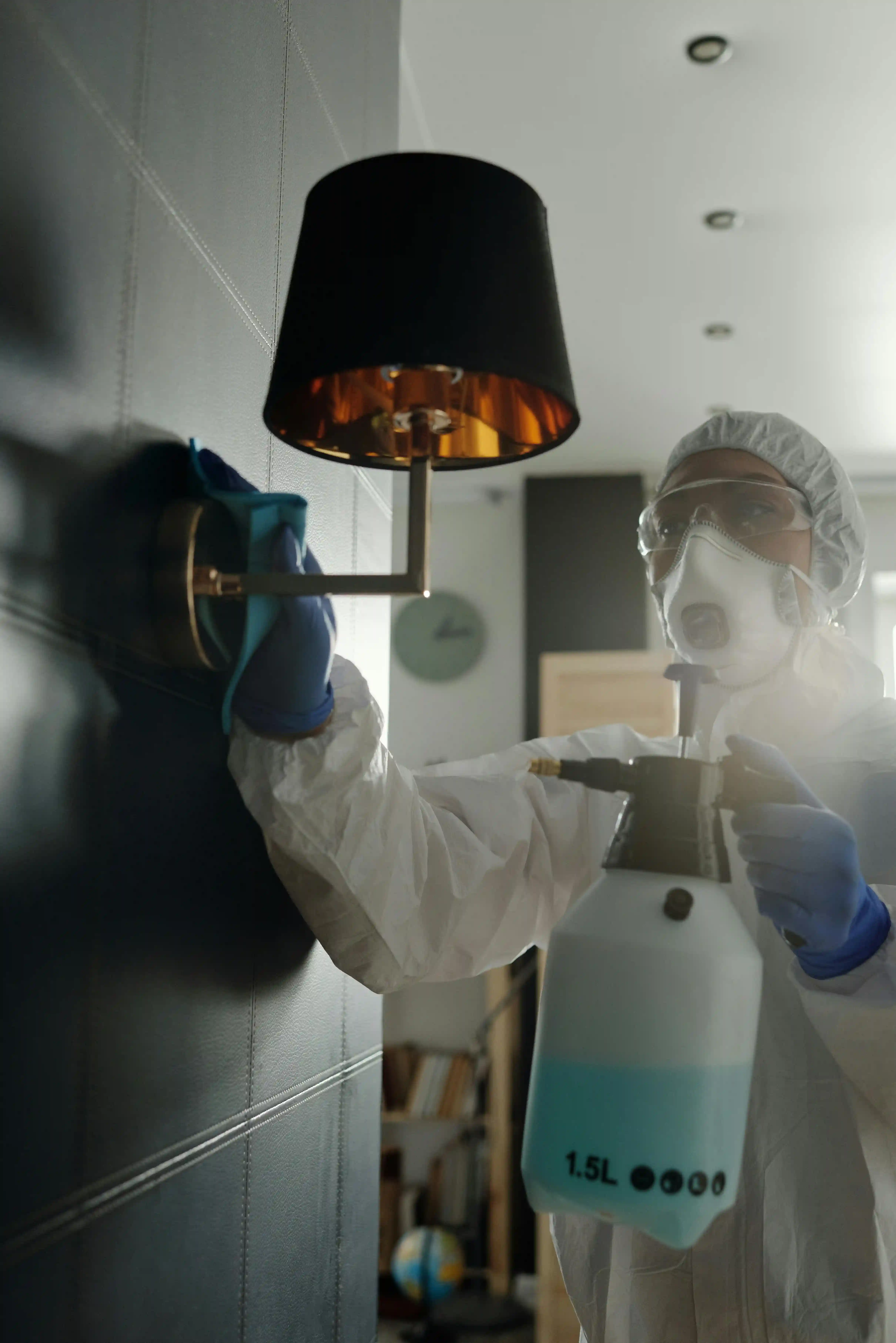
Mold Remediation
Testing, containment, removal, prevention. We find the source, eliminate the growth, and stop it from returning.
Learn more
Sewage Cleanup
Sewer backups, contaminated water, biohazard. We extract, sanitize, and restore safely.
Learn more