
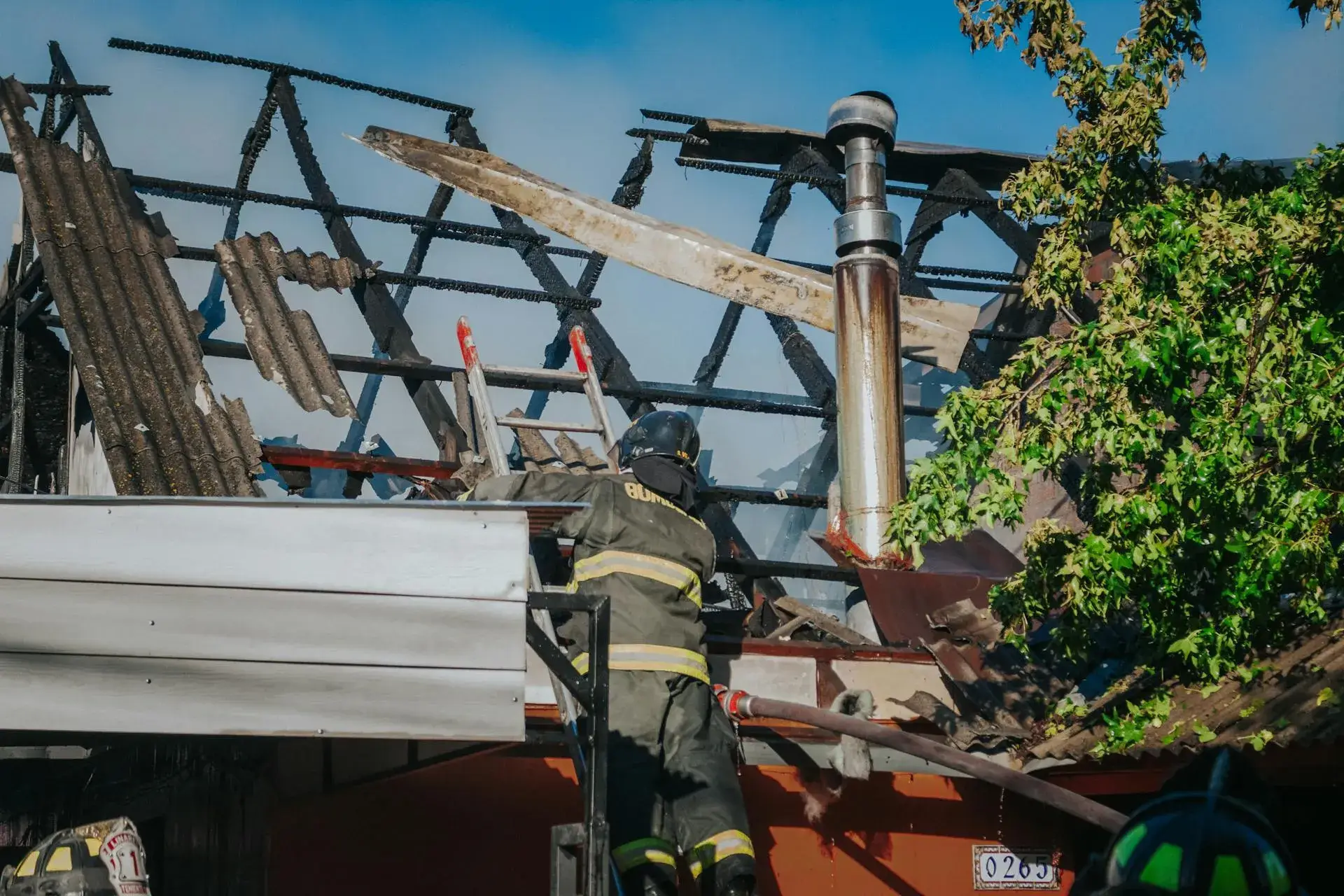
Fire Damage Restoration in Naples, FL
Fire leaves your home exposed to weather, theft, and accelerating secondary damage in Southwest Florida's heat and humidity. Our local team responds to Naples emergencies within 60 minutes to stabilize and protect your property.
What Happens When You Call
A real person answers, not a call center. We assess your fire damage situation, determine the structural risk level, and begin coordinating your response immediately.
Your dedicated fire restoration team is dispatched from our local base serving Naples and the surrounding Collier County communities.
Team arrives with board-up materials, structural tarps, air scrubbers, and assessment equipment. Emergency stabilization begins immediately to prevent secondary damage from weather and humidity.
Structure secured against weather and entry, preliminary damage assessment documented, restoration plan outlined. You know exactly what comes next.
After the fire department leaves, your home sits open and vulnerable. Rain from afternoon thunderstorms enters through the damaged roof within hours. In Naples' heat, soot acids etch surfaces faster than in cooler climates. Humidity drives mold into fire-damaged materials before you can arrange repairs. X Response exists for exactly this moment. When you reach out, your fire restoration team is mobilized within minutes and on site within the hour. From that point forward, one team manages everything: structural stabilization, debris removal, smoke and soot cleanup, reconstruction, and insurance documentation. You are never left guessing about the next step. Call now. Your team is standing by.
Why Naples Homes Are Vulnerable to Fire Damage
Naples and the surrounding Collier County communities face a fire risk profile shaped by the vast wildland areas that border the developed zone on three sides. To the east lies the Picayune Strand State Forest, a 76,000-acre expanse of pine flatwoods, cypress swamp, and palmetto prairies. To the southeast lies the Big Cypress National Preserve. To the north and northeast, the Golden Gate Estates subdivision extends into thousands of acres of semi-rural lots interspersed with undeveloped scrub and palmetto. During Florida's dry season, roughly November through May, these wildlands become fuel loads that can ignite from lightning strikes, equipment sparks, or human activity. In April 2026, the Newman Drive Fire in Picayune Strand State Forest burned over 1,500 acres just east of Naples, prompted emergency evacuations of residential neighborhoods, opened a shelter at the Golden Gate Community Center, and required response from more than a dozen agencies including Blackhawk helicopter water drops. The fire demonstrated how quickly wildland fire can threaten developed areas when drought conditions persist in Collier County.
Structure fires within the Naples metro also demand restoration expertise. The city contains a diverse building stock ranging from the historic homes along Gulf Shore Boulevard and in the Old Naples district, some dating to the 1920s and 1930s with original wood-frame construction and older wiring, to the high-rise condominiums along the beachfront, to the newer planned communities in North Naples built since 2000. Multi-family housing fires affect multiple units simultaneously through shared attic spaces and wall assemblies. The North Collier Fire Control and Rescue District and the City of Naples Fire-Rescue Department together respond to hundreds of fire calls annually across the metro. In a climate where afternoon thunderstorms can arrive within hours of a fire, leaving any structure open and unsecured means water damage compounds on top of fire damage before restoration can even begin. The subtropical environment turns every structural fire into a race against secondary deterioration.
Wildland-Urban Interface and Brush Fire Proximity
Naples' eastern boundary sits against one of the largest wildland-urban interfaces in South Florida. The Picayune Strand State Forest, Golden Gate Estates, and the Big Cypress preserve create a band of burnable vegetation that wraps around the developed area. When drought conditions develop during the dry season, which happens most years to varying degrees, this vegetation becomes fuel. The March 2023 Golden Gate Estates brush fire grew to 300 acres overnight, destroyed two homes, and forced evacuations before containment. The April 2026 Newman Drive Fire in Picayune Strand burned over 1,500 acres and sent smoke across the entire metro while firefighters deployed Blackhawk helicopters, air tankers, and strike teams from across the region. These are not distant events that only produce haze. They are fires within miles of residential neighborhoods that throw embers, send radiant heat toward structures, and produce the dense smoke infiltration that contaminates homes even when flames never reach them. Homes along the eastern edge of the developed area, in communities adjacent to preserve land, and in the semi-rural lots of Golden Gate Estates face direct structure ignition risk from wildland fires.
Historic Old Naples and Aging Wood-Frame Construction
The Old Naples neighborhood along the coast between the Naples Pier and Doctors Pass contains some of the city's oldest residential structures, with homes dating from the 1920s through the 1950s. Many feature original or partially updated wood-frame construction with older electrical systems that were designed for far less load than modern households demand. Year-round air conditioning, pool equipment, and modern appliance loads stack onto panels rated for a fraction of today's usage. These homes also feature architectural details, original millwork, and period materials that cannot be replicated with modern off-the-shelf products. When fire enters an older wood-frame wall, it can travel through open stud cavities, along wire paths, and between the exterior cladding and interior finishes without being visible until it breaks through a surface. Restoring these homes after fire means working with period-appropriate materials, matching historic profiles, and preserving the character that makes Old Naples architecturally significant, all while bringing damaged systems up to current fire and electrical codes.
High-Rise Condominium Fire Complexity
Naples' beachfront and downtown corridors contain dozens of mid-rise and high-rise condominium buildings ranging from 5 to 20 or more stories. Fire in a high-rise presents unique restoration challenges: smoke migrates vertically through elevator shafts, stairwells, and HVAC risers, contaminating floors far above and below the fire origin. Suppression water from sprinkler systems and fire department hoses travels downward through floor penetrations, damaging units below the fire. A single-unit kitchen fire on the eighth floor can produce smoke contamination on floors six through twelve and water damage cascading down to the ground level. Restoration in these buildings requires coordination with the condominium association, access to multiple units simultaneously, understanding of the building's fire-separation assemblies, and the equipment to work in occupied buildings where neighboring residents expect minimal disruption. The restoration team must manage smoke cleaning, water extraction, and structural repair across multiple units owned by different people with different insurance carriers.
Subtropical Climate and Accelerated Secondary Damage
The moment a fire is extinguished in Naples, the secondary damage clock runs faster than it would in a temperate or arid region. Ambient humidity staying high means moisture penetrates fire-damaged materials immediately through every opening the fire created. Soot residue, which contains acids from burned synthetic materials like plastics, fabrics, and coatings, reacts with atmospheric moisture and etches glass, corrodes metal hardware, and permanently stains porous surfaces faster in humid conditions than dry ones. A fire that breaches the roof envelope or burns through exterior walls exposes the interior to afternoon thunderstorms that routinely deliver inches of rain within one to two hours during the wet season. Water damage layers on top of fire and smoke damage, creating compound deterioration that multiplies both restoration cost and timeline. In Naples, board-up and tarping must happen immediately after fire department departure, not the next day.
Post-Hurricane Structural Vulnerability
Hurricane Ian in September 2022 damaged thousands of structures throughout Collier County. Many were repaired under emergency conditions with temporary electrical connections, patched roof assemblies, and expedited reconstruction that may not fully match original fire-resistance ratings. Water-damaged electrical panels, corroded wiring connections, and repairs made under time pressure create ignition risks that persist years after the storm. Structures that lost their rated roof assemblies, fire-stop materials between units, or wall sheathing during the hurricane and received incomplete repairs can allow a small fire to spread faster than the original construction would have permitted. Restoration teams working in Naples must assess not just the current fire damage but the underlying structural condition, which may have been compromised since 2022 and repaired to varying standards depending on who performed the work.
These factors define the fire damage landscape in Naples: a city bordered by tens of thousands of acres of burnable wildland that threatens structure ignition during dry seasons, an aging historic core with wood-frame construction and overtaxed electrical systems, a beachfront lined with high-rise condominiums where fire produces multi-floor cascading damage, and a subtropical climate that accelerates secondary deterioration from the moment the fire is out. Effective fire damage restoration here requires immediate stabilization against weather and humidity, assessment of post-Ian structural integrity, expertise spanning everything from 1920s Old Naples cottages to modern high-rise concrete construction, and the understanding that fire, water, and mold interact simultaneously in Collier County's climate.
What Happens to Your Home While You Wait
Within 1 Hour
Fire-damaged structure sits open to the elements. In Naples' humidity, atmospheric moisture begins penetrating exposed framing, insulation, and structural materials immediately. Soot residue on glass, metal, and stone surfaces begins the acid-etching process accelerated by ambient moisture. Odor molecules penetrate deeper into porous materials with each passing minute. If the fire breached the building envelope, the interior is now fully exposed to whatever weather arrives next.
1–24 Hours
Soot acids visibly etch window glass and corrode exposed metal surfaces, fixtures, and hardware. In Naples' subtropical humidity, this process advances faster than in drier climates. Smoke odor penetrates soft furnishings, clothing, bedding, and upholstery beyond surface-level contamination. Afternoon thunderstorms during the wet season can deposit inches of rain through any roof or wall opening. If suppression water remains in the structure, mold colonization begins within this window in Southwest Florida's warmth.
24–48 Hours
Acidic soot permanently stains porous surfaces including grout, natural stone, concrete, and unfinished wood if not neutralized. Metal components throughout the structure begin pitting and corroding beyond the point of restoration. Fire-damaged areas exposed to humidity develop mold colonization on charred and water-damaged wood and drywall. Smoke odor becomes embedded in structural materials rather than surface-level, requiring chemical deodorization rather than simple cleaning. Restoration costs escalate as more materials cross from cleanable to requiring replacement.
48–72 Hours
Mold growth is visible on fire-damaged materials that absorbed suppression water or atmospheric moisture. HVAC systems that were running during or after the fire have distributed smoke and soot throughout the entire conditioned space, contaminating areas the fire never reached. Structural wood in fire-damaged areas has absorbed enough ambient moisture to compromise remaining integrity. The boundary between fire-damaged and undamaged portions of the home becomes less distinct as secondary damage expands outward from the original fire area.
One Week and Beyond
Comprehensive secondary damage throughout the structure. Corrosion, permanent staining, embedded odor, and mold growth extend well beyond the original fire footprint. Materials that could have been cleaned in the first 24 hours now require replacement. Structural assessment becomes more complex as moisture damage compounds fire damage. Insurance claims grow substantially more expensive and disputed as carriers question whether secondary damage resulted from delayed response rather than the fire itself.
In Naples' heat and humidity, every hour between fire suppression and professional restoration allows secondary damage to expand the scope of work. Contact X Response now. Our Naples team responds within 60 minutes to stabilize your property and stop secondary damage before it compounds.
How We Restore Fire-Damaged Naples Homes
From the moment our team arrives, every step is documented, measured, and verified. Here is exactly what the fire restoration process involves.
Emergency Stabilization and Board-Up
Our team arrives with commercial-grade tarps, plywood, and hardware to secure every opening the fire created. In Naples, where afternoon thunderstorms can deliver heavy rain within hours, this step cannot wait. We seal roof openings, board windows and doors breached by the fire or by fire department entry, and cover any wall penetrations that expose the interior to weather. We also secure the property against unauthorized entry to protect your belongings and prevent liability exposure. If the fire involved electrical systems, we verify with the utility that the service is disconnected and document the panel condition for your insurance claim. The goal is to freeze the damage at its current level and prevent the subtropical climate from compounding fire damage with water and mold damage in the hours and days that follow.
Damage Assessment and Scope Documentation
Once the structure is stabilized, we conduct a thorough assessment to map the full extent of fire, smoke, soot, and water damage throughout the home. In Naples high-rise condominiums, this includes inspecting units above and below the fire origin for smoke migration and water cascading. We use thermal imaging to identify hot spots in structural members, moisture meters to map suppression water spread, and air quality instruments to measure particulate levels. Every finding is documented with photos, measurements, and notes that become the foundation of your restoration plan and your insurance claim. The scope document identifies what can be cleaned and restored versus what must be removed and replaced, giving you and your adjuster a clear, itemized picture of the work required.
Contents Pack-Out and Protection
Salvageable personal property is carefully inventoried, documented with photos, and either cleaned on-site or packed and transported to our climate-controlled facility for professional restoration. In Naples' humidity, contents left in a fire-damaged structure continue absorbing smoke odor, collecting soot, and degrading faster than in a controlled environment. Electronics, documents, photographs, artwork, and specialty items each require different cleaning and restoration protocols. Items that cannot be restored are documented for your insurance claim with condition notes and replacement value information. The pack-out protects your belongings from ongoing secondary damage while clearing the structure for restoration work to proceed without obstruction.
Structural Cleaning and Soot Removal
Once contents are protected and the scope is defined, structural cleaning begins. Different fire sources produce different residue types: protein fires (kitchen), synthetic fires (plastics and fabrics), and wildfire infiltration (vegetation) each require specific cleaning chemistry and techniques. In Naples, where wildfire smoke from Picayune Strand and Golden Gate Estates fires can infiltrate homes without any structural fire occurring, we encounter both structural fire soot and wildfire particulate, sometimes in the same home during the same event. We clean from the ceiling down, treating surfaces with appropriate chemistry for the residue type, and use HEPA air scrubbers throughout the process to capture airborne particulate. Ductwork and HVAC components are cleaned or replaced depending on the contamination level, which is critical in homes that run air conditioning year-round.
Odor Elimination and Reconstruction
Smoke odor molecules embed in porous materials and cannot be removed by surface cleaning alone. We deploy thermal fogging, ozone treatment, or hydroxyl generators depending on the material types and contamination depth, selecting the method that eliminates the odor at the molecular level rather than masking it. Once cleaning and deodorization are verified through testing, reconstruction begins. We replace damaged structural members, drywall, flooring, cabinetry, and fixtures to restore the home to its pre-fire condition. For Old Naples historic homes, that means matching period millwork and architectural details. For modern construction, it means meeting current code requirements including any upgrades triggered by the scope of repair. Final inspection confirms all work meets our quality standard and your expectations.
The X Response Difference
When you contact X Response after a fire, you get a dedicated team that manages everything from emergency board-up through full reconstruction. One team, one point of contact, one standard of work from first response to final walkthrough.
Insurance Claim Guidance for Naples Homeowners
Fire damage insurance claims in Florida typically receive coverage under standard homeowner's policies for the fire itself, but the secondary damage that follows in Naples' subtropical climate often complicates the process. The fire is covered, but was the mold that developed 72 hours later due to delayed response? Was the water damage from suppression efforts or from rain entering through the damaged roof? These distinctions matter to adjusters and can affect coverage determinations. For wildfire events like the Picayune Strand fires that damage multiple properties simultaneously, carriers may invoke catastrophe provisions that change claims handling timelines. Having thorough, timestamped documentation from the first hour protects you against coverage disputes that arise when secondary damage blurs the line between fire loss and subsequent events.
How X Response Helps
- Document all fire, smoke, water, and secondary damage with professional photos, measurements, and condition notes from the first hour
- Clearly delineate fire damage from secondary water and mold damage to prevent coverage disputes
- Inventory and document contents damage with condition, location, and estimated replacement value
- Align restoration scope with standard insurance line items so your adjuster can process efficiently
- Provide timestamped evidence that mitigation began promptly to support coverage for the full scope of damage
X Response does not file claims on your behalf, adjust claims, or make coverage determinations. We provide documentation and guidance to help you make informed decisions about your property and your policy. Coverage decisions are made solely by your insurance carrier.
Certified Restoration Specialists Serving Naples
When you contact X Response for a fire damage emergency in Naples, your restoration team is drawn from certified professionals who work across Collier County and understand the specific challenges of restoring fire-damaged homes in this subtropical coastal community. They know how wildfire proximity from Picayune Strand and Golden Gate Estates creates smoke infiltration problems distinct from structural fire damage. They understand how Naples' humidity and afternoon storm patterns accelerate secondary damage in ways that demand immediate stabilization. They have worked across the full spectrum of Naples construction, from the wood-frame historic homes in Old Naples to the beachfront high-rise condominiums to the newer planned communities of North Naples. This is not a crew dispatched from hours away with no knowledge of local conditions. It is a local team with local expertise, operating under national quality standards.
Every technician on your team holds current IICRC certification in fire and smoke restoration and carries the appropriate Florida state licensing for the work being performed. Equipment is commercial-grade and maintained to manufacturer specifications. When your team arrives, they bring everything needed to begin stabilization immediately: board-up and tarping materials for rapid weatherproofing, HEPA air scrubbers for particulate capture, thermal imaging for hot-spot detection, and the specialized cleaning systems and chemistry required for the different residue types encountered in Naples fire damage work.
In Naples, X Response works with Florida Restoration and Platinum Air Mold Inspection, independent local restoration partners serving Collier County.
Fire Damage Restoration FAQ for Naples Homeowners
Other Emergency Services in Naples
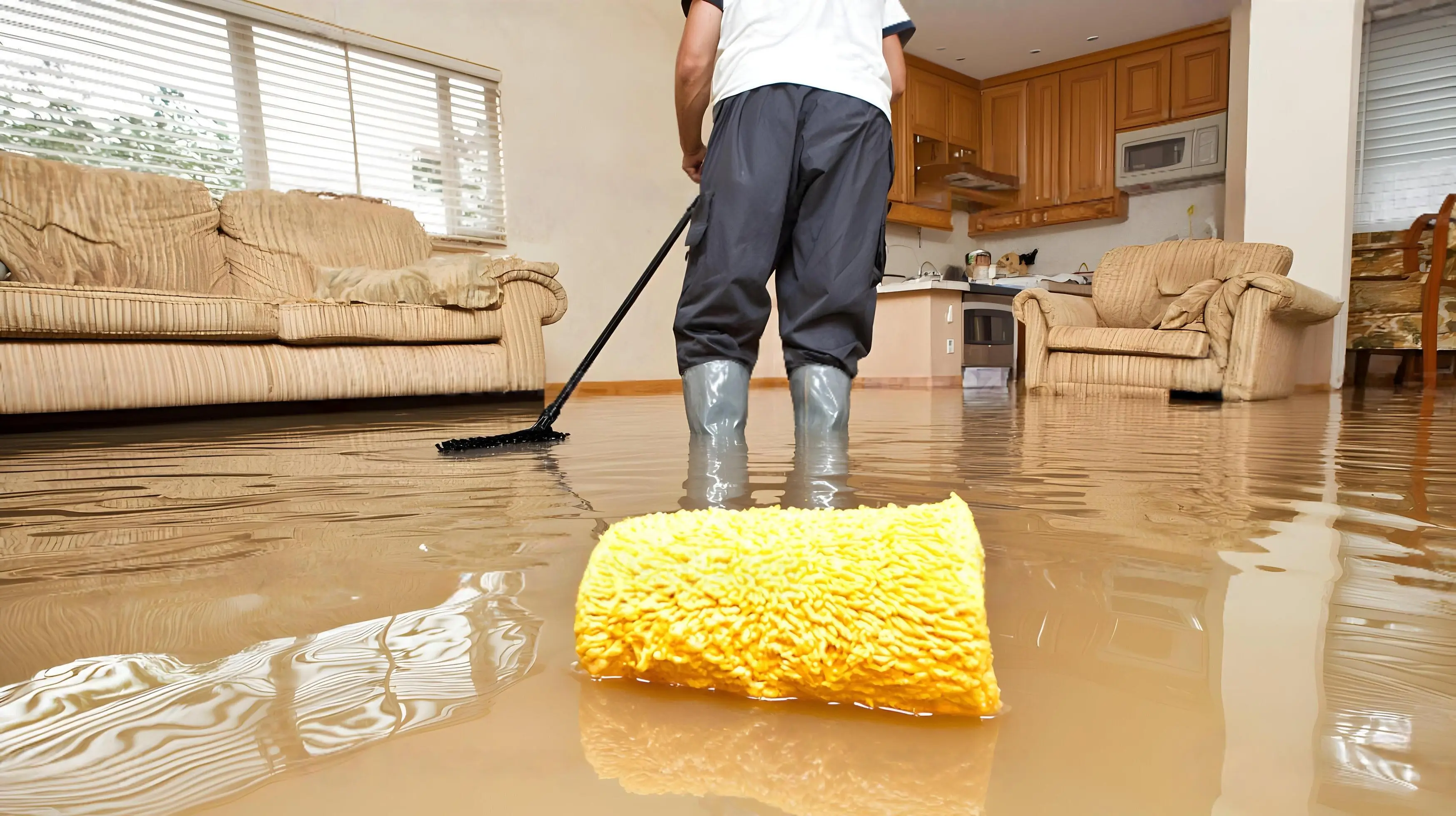
Water Damage Restoration
Burst pipes, storm flooding, standing water. We extract, dry, and restore before mold sets in.
Learn more
Smoke Damage Restoration
Soot residue, chemical odors, HVAC contamination. We decontaminate surfaces, eliminate odors, and restore air quality.
Learn more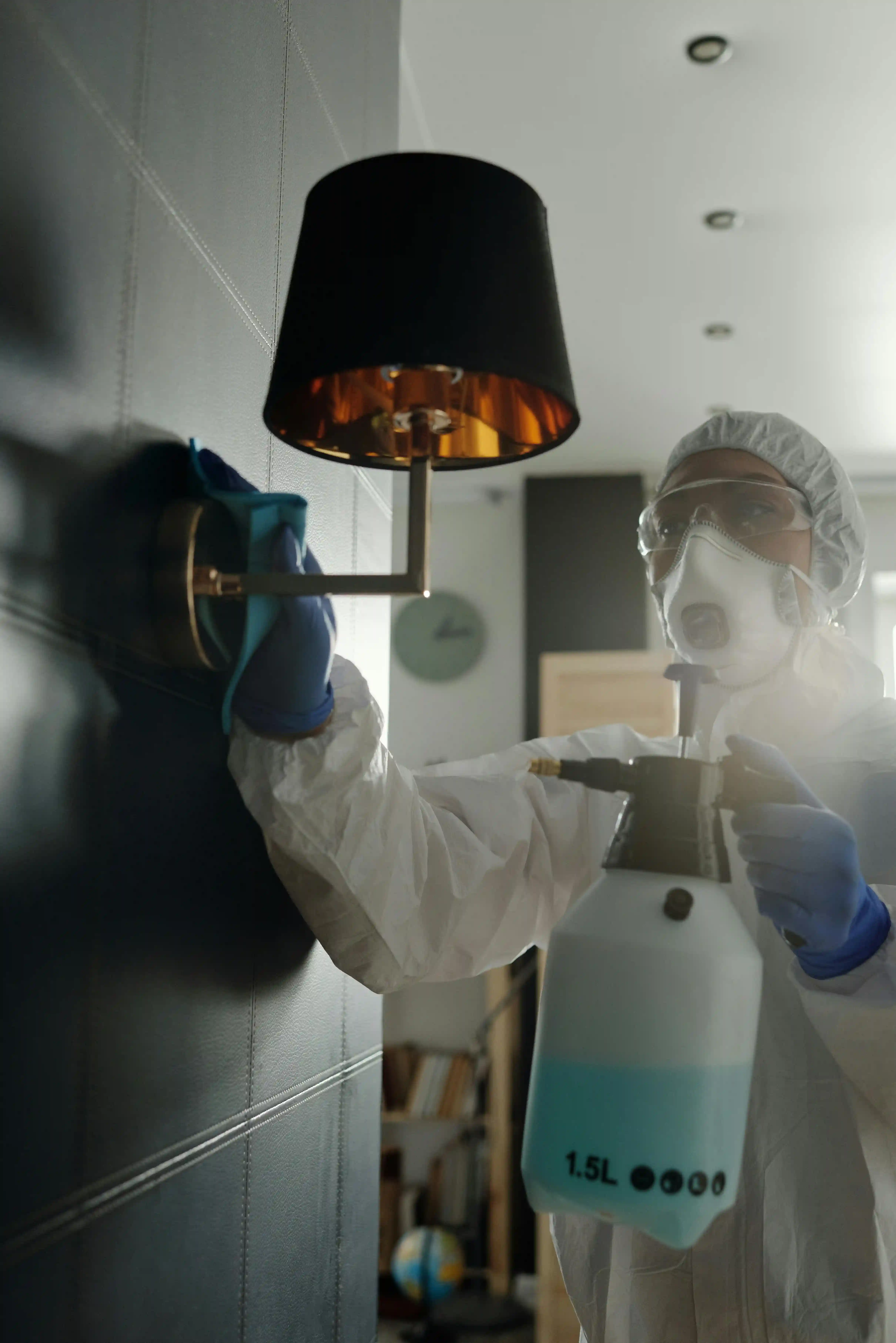
Mold Remediation
Testing, containment, removal, prevention. We find the source, eliminate the growth, and stop it from returning.
Learn more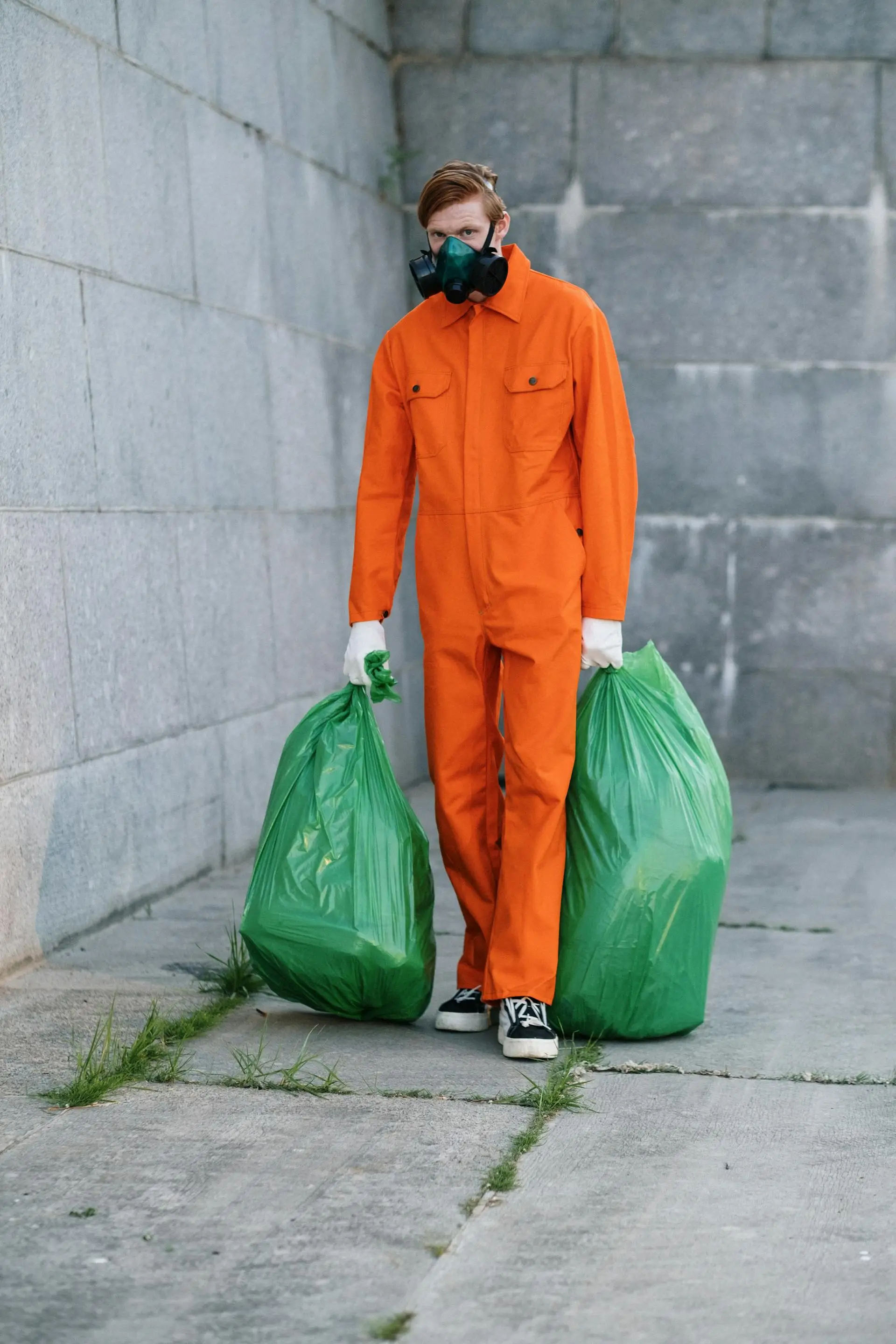
Sewage Cleanup
Sewer backups, contaminated water, biohazard. We extract, sanitize, and restore safely.
Learn more