
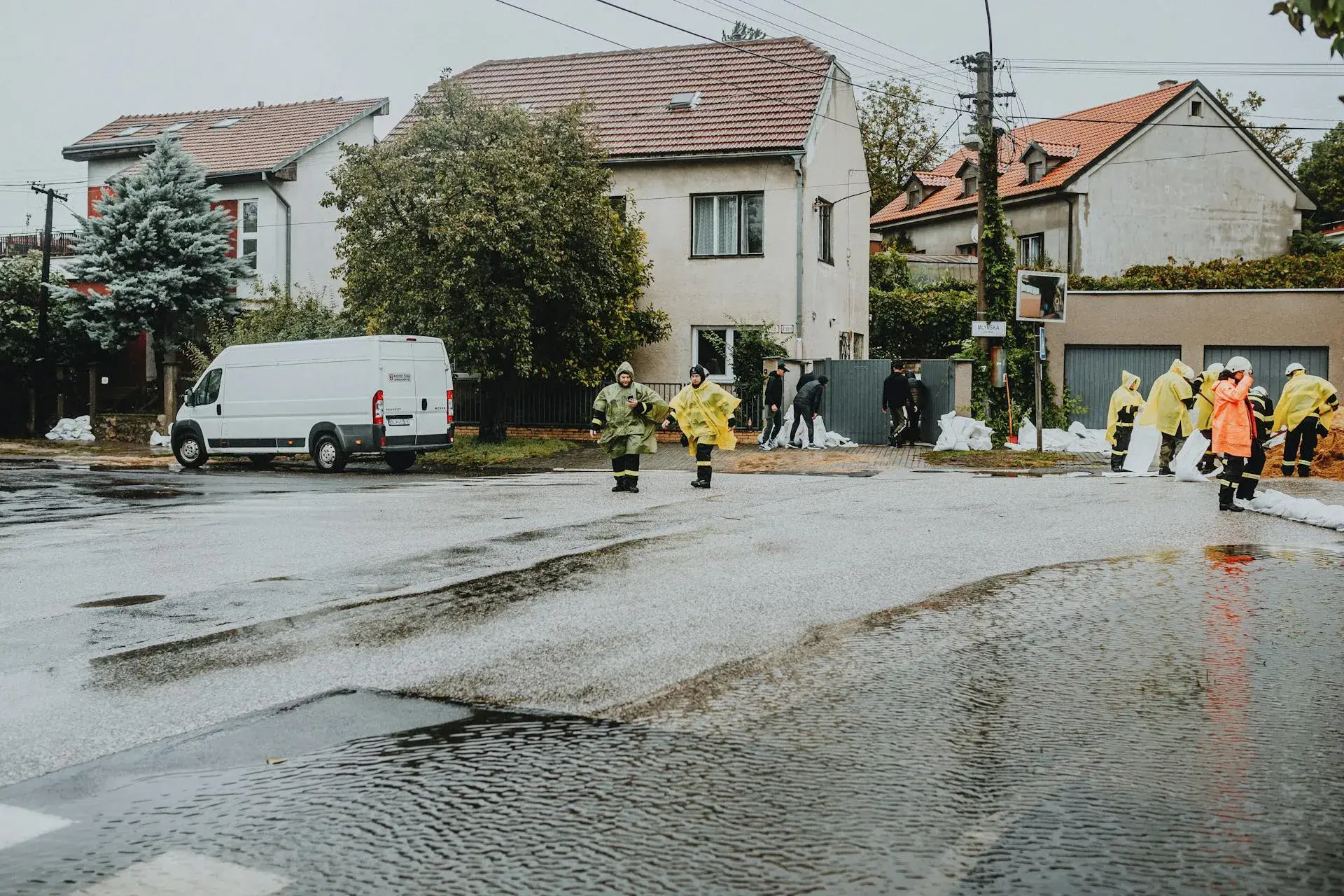
Sewage Cleanup in Naples, FL
Sewage contamination is a biohazard that threatens your health with every minute of exposure. In Naples' heat, bacterial growth accelerates immediately. Our local team responds within 60 minutes for emergency sewage cleanup.
What Happens When You Call
A real person answers, not a call center. We assess your sewage emergency, classify the contamination category, and begin coordinating your response immediately.
Your dedicated sewage cleanup team is dispatched from our local base serving Naples and the surrounding Collier County communities.
Team arrives with protective equipment, industrial extractors, biohazard containment materials, and professional disinfection systems. Emergency extraction and containment begin immediately.
Sewage extracted, contaminated materials identified and removed, decontamination underway. You know exactly what comes next.
Raw sewage in your home is not a plumbing inconvenience. It is a biohazard that threatens the health of everyone in the structure. In Naples' subtropical heat, the bacteria, parasites, and pathogens in sewage multiply far faster than in cooler climates, and the contamination penetrates porous materials rapidly. X Response exists for exactly this moment. When you reach out, your sewage cleanup team is mobilized within minutes and on site within the hour. From that point forward, one team manages everything: extraction, decontamination, material removal, sanitization, and restoration. You are never left guessing about the next step. Call now. Your team is standing by.
Why Naples Homes Are Vulnerable to Sewage
Naples has a documented history of sewage infrastructure challenges that the city is actively working to resolve. In October 2018, the Naples City Council voted to convert all homes in the city's utilities service district from septic tanks to city sewer. The decision was driven by decades of documented nutrient contamination in Naples Bay and the Gordon River from aging septic systems that discharge into the shallow groundwater table beneath the city. That groundwater drains directly into the bay and ultimately the Gulf of Mexico, carrying nitrogen, phosphorus, and fecal bacteria from failing or inadequate septic systems. The conversion project is ongoing but has proven complex and disruptive, with homeowners experiencing extended construction periods, damaged landscapes, and the challenges of connecting decades-old plumbing to new municipal infrastructure. During the transition period, homes face sewage risks from both systems: failing septic tanks that have not yet been replaced and new sewer connections that are still being tested and stabilized.
Beyond the septic-to-sewer conversion, Naples faces the sewage backup risks common to any flat, coastal, subtropical community with a high water table and exposure to tropical storms. During Hurricane Irma in September 2017, raw sewage backed up through manholes and into streets and homes across Collier County as the wastewater system lost power to lift stations and floodwater overwhelmed the network through inflow and infiltration. The Florida Department of Environmental Protection documented sanitary sewer overflows across the region, with contaminated water mixing with floodwater in residential neighborhoods. In August 2024, a lift station malfunction near a North Naples elementary school released approximately 50 gallons of raw sewage near school grounds, demonstrating that spills occur during routine operations as well as during storms. The flat terrain, high water table, and lift-station dependence of Naples' sanitary sewer network create inherent vulnerability to backups during any event that stresses the system beyond its operational capacity.
The Septic-to-Sewer Conversion and Transition Period Risk
Naples' decision to convert from septic to city sewer was driven by water quality science: the shallow water table beneath the city carries septic effluent directly into the Gordon River and Naples Bay, contributing to the nutrient loading and bacterial contamination that has degraded the bay for decades. The conversion project, however, creates a transition period during which homes face elevated sewage risk. Aging septic tanks scheduled for removal continue operating while they deteriorate, with some systems decades past their design life. New sewer connections require excavation, pipe installation, and lateral hookups that must be tested and stabilized. During the construction period, homes may experience temporary service interruptions, connection failures, or backflow events as the new system comes online section by section. For homeowners in the conversion zone, this period represents heightened risk from both the old system (a failing septic tank backing into the home) and the new one (construction-related service issues) simultaneously.
High Water Table and Lift Station Dependence
Naples sits on a coastal plain with a water table that rises within feet of the surface during the wet season and after heavy rain events. This geography creates two problems for the sanitary sewer system. First, gravity alone cannot move sewage to the treatment plant across this flat landscape, making the system entirely dependent on lift stations, mechanical pumps that move waste uphill to the next stage of the network. When lift stations lose power, whether from a hurricane, a thunderstorm taking down a transformer, or an equipment failure, the sewage they were supposed to move has nowhere to go except backward through the system or out through the nearest relief point, which may be a manhole, a cleanout in your yard, or the lowest fixture in your home. Second, the high water table creates hydrostatic pressure on underground sewer pipes, and any crack, joint failure, or deterioration allows groundwater to enter the sanitary system during wet conditions, adding volume that stresses capacity and can trigger overflow.
Hurricane and Tropical Storm Sewage Overflows
When a tropical system strikes Naples, the sanitary sewer system faces simultaneous assault from multiple directions. Power loss disables lift stations. Floodwater enters the system through manholes, cleanout caps, and any opening above the flood line, a process called inflow. Groundwater intrudes through underground pipe defects as the water table rises, a process called infiltration. The combined volume overwhelms the system's capacity and sewage backs up through the path of least resistance, which during a flood event often means through the lowest fixtures in connected homes. During Hurricane Irma in 2017, Collier County experienced widespread sanitary sewer overflows as these factors combined. Raw sewage mixed with floodwater in residential streets and entered homes that were simultaneously dealing with freshwater flooding. The contamination risk from a combined sewage and flood event is significantly more severe than either alone, because the biohazard is dispersed across a large area and mixed into materials that appear to be only water-damaged.
Individual Septic System Failures
While the city converts homes from septic to sewer, thousands of properties in greater Naples still depend on individual septic systems. Many of these systems are decades old, installed when the area was less densely developed and the water table was lower due to less impervious surface. As surrounding development has increased stormwater runoff and raised effective groundwater levels, older systems operate under conditions they were not designed for. A septic drain field that functioned adequately in the 1980s may now sit in seasonal saturation that prevents proper effluent absorption. When the drain field fails, sewage surfaces in the yard or backs up through the home's plumbing fixtures. During the wet season, when the water table is highest and the soil is most saturated, septic failures increase because the system has nowhere to discharge its effluent. For homeowners still on septic in the Naples area, the wet season represents peak failure risk.
Subtropical Heat and Accelerated Bacterial Growth
When sewage enters a Naples home, the subtropical heat does not simply make the situation more unpleasant. It fundamentally accelerates the biological contamination timeline. Bacteria including E. coli, Salmonella, and Clostridium reproduce faster at higher temperatures, and the pathogens in raw sewage multiply in Naples' 80-to-95-degree environment significantly faster than they would in a 60-degree Northern climate. Parasites and viruses in the sewage remain viable longer in warm conditions. The combination of heat and the organic matter present in sewage creates an actively escalating biohazard that grows more dangerous with each hour of exposure. Porous materials including drywall, carpet, carpet pad, and wood absorb the contaminated liquid and become saturated with biological material that cannot be adequately sanitized in place. In Naples' heat, the 24-hour window between a manageable sewage cleanup and a full biohazard remediation project is considerably tighter than the same scenario in a cooler climate.
These factors combine to make sewage backup a documented, recurring risk in Naples rather than a rare emergency. The septic-to-sewer transition creates vulnerability from both aging private systems and new municipal connections. The flat terrain and high water table make the public system entirely dependent on lift stations that fail during storms. Hurricane and tropical storm events produce widespread sanitary sewer overflows when power is lost and floodwater overwhelms the network. And the subtropical heat accelerates the biological contamination timeline, making rapid professional response essential for both property protection and health safety. Effective sewage cleanup in Naples requires immediate biohazard-rated response, professional-grade decontamination that accounts for the heat-accelerated bacterial environment, complete removal of contaminated porous materials, and the restoration expertise to make a contaminated home safe for occupancy again.
What Happens to Your Home While You Wait
Within 1 Hour
Raw sewage spreads across the slab floor and begins penetrating porous materials at contact level. Carpet, pad, drywall at floor level, and cabinet toe kicks absorb contaminated liquid immediately. In Naples' subtropical heat, bacterial reproduction begins accelerating from the moment sewage exits the plumbing system. The warm environment provides optimal growth conditions for the pathogens present in raw waste. Health risk to occupants begins immediately from airborne bacteria, gases including hydrogen sulfide and methane, and direct contact with contaminated surfaces.
1–24 Hours
Contamination wicks upward through drywall, baseboards, and cabinet materials. The biological load in sewage-saturated materials increases as bacteria multiply in the warm, nutrient-rich environment. Hydrogen sulfide and other sewer gases accumulate in enclosed spaces, creating respiratory hazard. Porous materials that have absorbed sewage for more than a few hours cannot be adequately sanitized in place and will require removal. The contamination boundary expands as liquid migrates through capillary action along connected surfaces.
24–48 Hours
Bacterial colonies are well established in every sewage-contacted porous material. Mold colonization begins on the organic materials kept moist by the sewage, combining biological contamination with fungal growth. The combination of sewage bacteria and mold produces significantly worse indoor air quality than either contaminant alone. Materials that could have been sanitized with aggressive professional treatment in the first hours now definitively require removal and replacement. The home is not safe for unprotected occupancy.
48–72 Hours
Extensive bacterial colonization deep within materials and structural components. Mold growth becomes visible on sewage-dampened surfaces. Sewage that has reached wall cavities contaminates framing, insulation, and sheathing that is more complex and costly to remediate than surface materials. The biohazard zone has likely expanded beyond the original sewage contact area through capillary migration and HVAC distribution of contaminated air. Structural materials may begin degrading from the combined effect of moisture, biological activity, and acidic waste compounds.
One Week and Beyond
Comprehensive biohazard contamination requiring full environmental remediation. Structural materials that absorbed sewage may require replacement rather than treatment. Mold growth throughout the affected zone compounds the biological contamination. The home requires extensive demolition, structural treatment, and reconstruction. Health risks from prolonged exposure to the combined sewage and mold environment are significant. Insurance claims become substantially more complex and expensive at this stage.
In Naples' subtropical heat, every hour of sewage exposure deepens the contamination and expands the scope of professional remediation required. Contact X Response now. Our Naples team responds within 60 minutes for emergency sewage cleanup.
How We Restore Sewage-Damaged Naples Homes
From the moment our team arrives, every step follows established biohazard protocols designed for the specific challenges of sewage contamination in Southwest Florida's heat. Here is exactly what the process involves.
Safety Assessment and Contamination Classification
Our team arrives in full personal protective equipment and begins by assessing the contamination extent and category. Raw sewage backups are classified as Category 3 (black water) contamination under IICRC standards, the highest contamination level, requiring the most aggressive extraction, removal, and decontamination protocols. We identify the sewage source (municipal backup, septic failure, storm-driven overflow, or blocked lateral), determine whether the source is still active, and map the contamination boundary by testing materials at the perimeter for biological contamination. If the source is still active, such as an ongoing sewer main backup or a septic system that has not yet been pumped, we coordinate with the utility or septic service to stop the inflow before extraction begins.
Sewage Extraction and Contaminated Material Removal
Standing sewage is extracted using industrial equipment operated by technicians in full PPE. All porous materials that contacted sewage, including carpet, pad, drywall below the contamination line (typically cut at least 12 inches above the visible water mark to account for wicking), insulation, baseboards, cabinet toe kicks and bases, and any fabric or paper materials, are removed, double-bagged, and disposed of as biohazard waste. In Naples slab-on-grade homes, this means removing everything at floor level that absorbed the contaminated liquid. We do not attempt to sanitize porous materials that have absorbed raw sewage; the bacterial load penetrates too deeply for surface disinfection to be effective, especially in Naples' heat where bacterial reproduction continues inside the material.
Structural Decontamination and Disinfection
With contaminated porous materials removed, we disinfect all remaining structural surfaces: the concrete slab, exposed wall framing, any non-porous surfaces that contacted sewage, and the surrounding area that may have received splash or aerosol contamination. We use EPA-registered hospital-grade disinfectants applied at full-contact concentration and dwell time to achieve documented kill rates for the organisms present in raw sewage. In Naples' heat, where bacterial reproduction continues in any remaining organic material, this disinfection step must be thorough and verified rather than assumed. We treat the concrete slab surface and any joints or cracks where contamination can penetrate into the porous concrete below.
Structural Drying and Environmental Control
After decontamination, the exposed structure must be dried to prevent mold colonization on the now-exposed framing, slab surface, and remaining materials. In Naples' humidity, this requires the same aggressive mechanical dehumidification used for any water damage project. We position commercial dehumidifiers and air movers to dry the exposed wall cavities, concrete slab, and structural framing to levels that will not support mold growth. The drying process also helps ensure that any remaining organic material is desiccated rather than providing a growth medium for residual bacteria. Air scrubbers with HEPA filtration run throughout the drying period to maintain indoor air quality.
Verification, Clearance, and Reconstruction Preparation
Before clearing the space for reconstruction, we verify that decontamination and drying are complete. Visual inspection confirms no remaining contaminated material, moisture meters verify the structure is at target dry levels, and when warranted by scope or insurance requirements, surface testing confirms bacterial counts have reached acceptable levels. We provide documentation of the entire process: the initial contamination extent, materials removed, disinfection protocols used, drying verification, and clearance results. This documentation supports your insurance claim and provides the reconstruction contractor confidence that the structure is clean and ready for new materials. Only after verification is complete do we clear the project for drywall, flooring, and finish work to proceed.
The X Response Difference
When you contact X Response for sewage cleanup, you get a dedicated biohazard team that eliminates the contamination, not just the visible evidence of it. Full extraction, material removal, structural disinfection, verified drying, and documented clearance. One team, complete resolution.
Insurance Claim Guidance for Naples Homeowners
Sewage backup insurance coverage in Florida depends on the cause of the backup and your specific policy provisions. Standard homeowner's policies often exclude sewer backup damage unless you have purchased a specific sewer backup endorsement or rider. When sewage backup results from a covered peril like a hurricane that disabled the municipal system, the damage may be covered under your windstorm or flood provisions depending on how it is classified. Septic system failures on your own property may or may not be covered depending on policy language and whether the failure resulted from a sudden event versus gradual deterioration. The coverage landscape is complex, and having thorough documentation of the cause, the contamination extent, and the professional remediation performed gives you the strongest possible position regardless of which coverage applies.
How X Response Helps
- Document the sewage source and cause with professional assessment findings linking the backup to either your policy or a specific endorsement
- Photograph and document all contaminated materials before removal with measurements, locations, and condition notes
- Provide detailed scope of work with biohazard protocols, material quantities, and line-item costs for each remediation phase
- Include documentation of the health hazard that necessitated immediate response regardless of coverage determination
- Provide clearance testing results proving successful decontamination and restoration to safe occupancy standards
X Response does not file claims on your behalf, adjust claims, or make coverage determinations. We provide documentation and guidance to help you make informed decisions about your property and your policy. Coverage decisions are made solely by your insurance carrier.
Certified Restoration Specialists Serving Naples
When you contact X Response for sewage cleanup in Naples, your team consists of certified professionals trained in Category 3 biohazard remediation who work across Collier County and understand the specific sewage challenges this community faces. They know the septic-to-sewer conversion timeline and the transition-period risks that affect different Naples neighborhoods. They understand how the lift-station-dependent sewer system fails during storms and how the high water table exacerbates inflow and infiltration during heavy rain events. They have remediated sewage contamination from municipal backups, septic system failures, and hurricane-driven overflows across every type of construction in the metro. This is not a general cleaning crew attempting biohazard work. It is a specialized sewage remediation team with the training, equipment, and protocols for safe and complete decontamination.
Every technician holds current IICRC certification in water damage restoration with specific training in Category 3 contamination protocols. The team operates with full personal protective equipment including respiratory protection, chemical-resistant suits, and eye protection. Equipment includes industrial extraction units, biohazard waste containment and disposal systems, EPA-registered hospital-grade disinfectants, commercial dehumidifiers for post-decontamination drying, and HEPA air scrubbers for maintaining air quality throughout the project. When your team arrives, they bring everything needed to begin safe extraction immediately without waiting for equipment or materials.
In Naples, X Response works with Florida Restoration and Platinum Air Mold Inspection, independent local restoration partners serving Collier County.
Sewage Cleanup FAQ for Naples Homeowners
Other Emergency Services in Naples
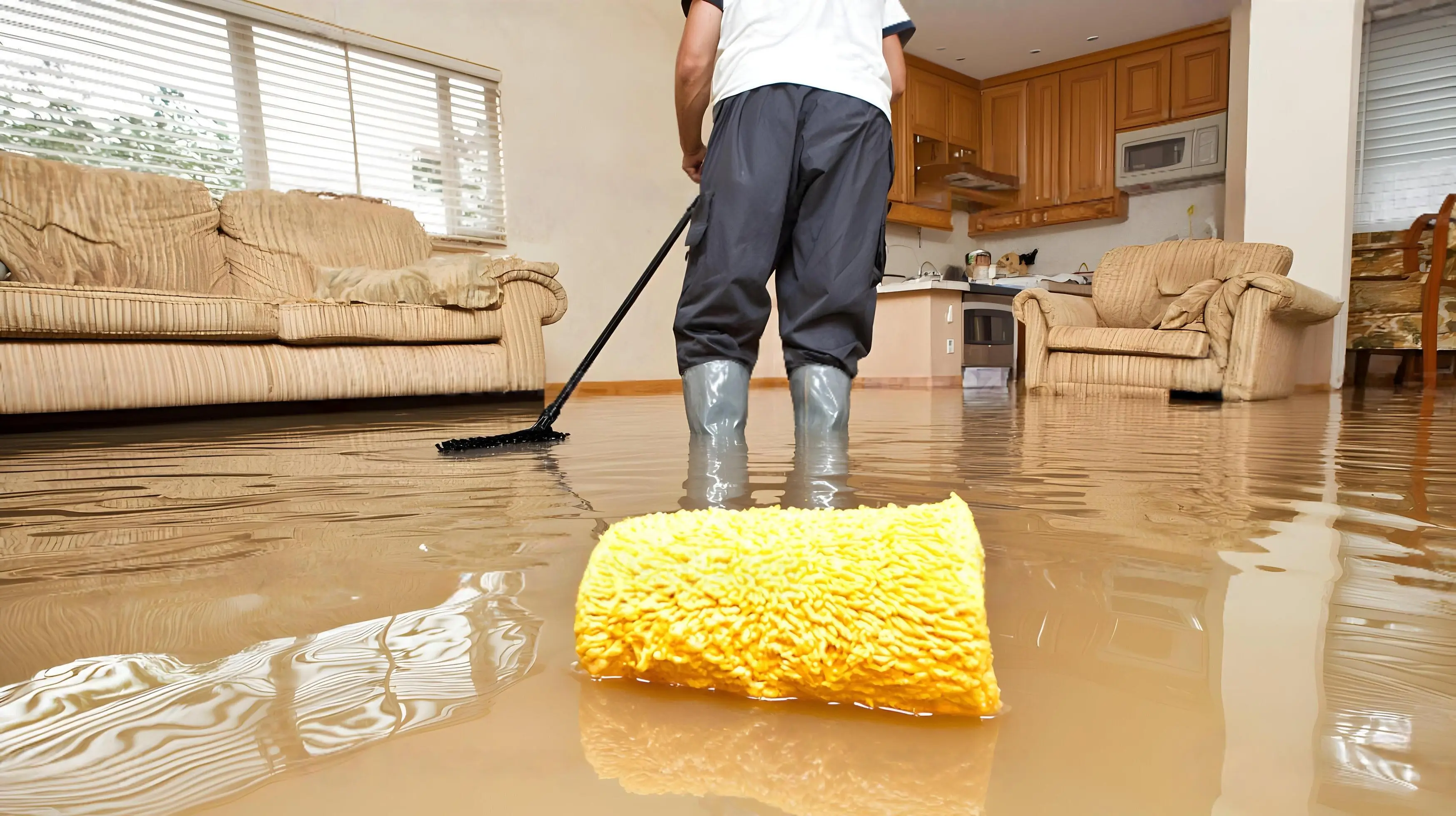
Water Damage Restoration
Burst pipes, storm flooding, standing water. We extract, dry, and restore before mold sets in.
Learn more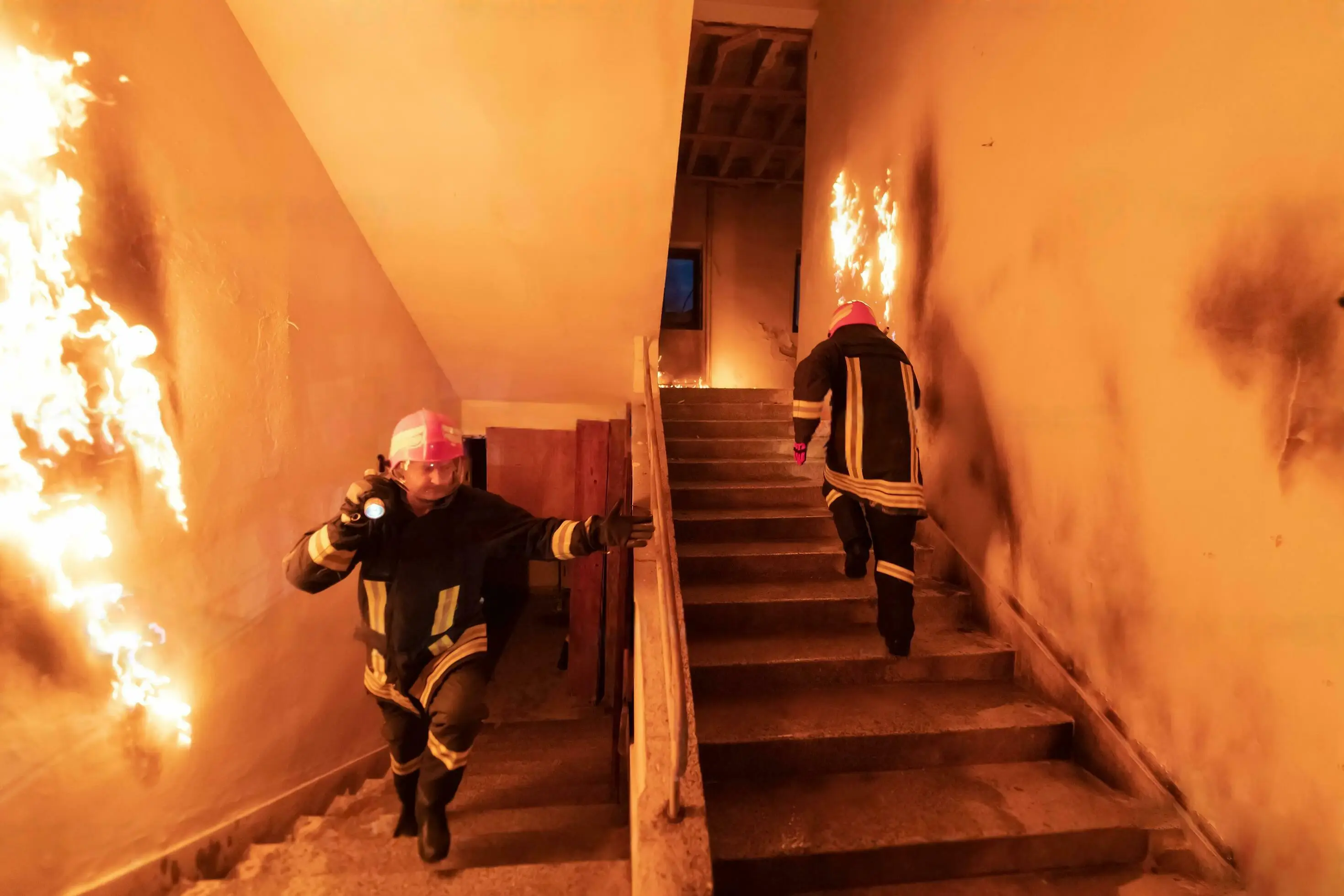
Fire Damage Restoration
Structural damage, soot, debris. We stabilize, clean, and rebuild what fire destroyed.
Learn more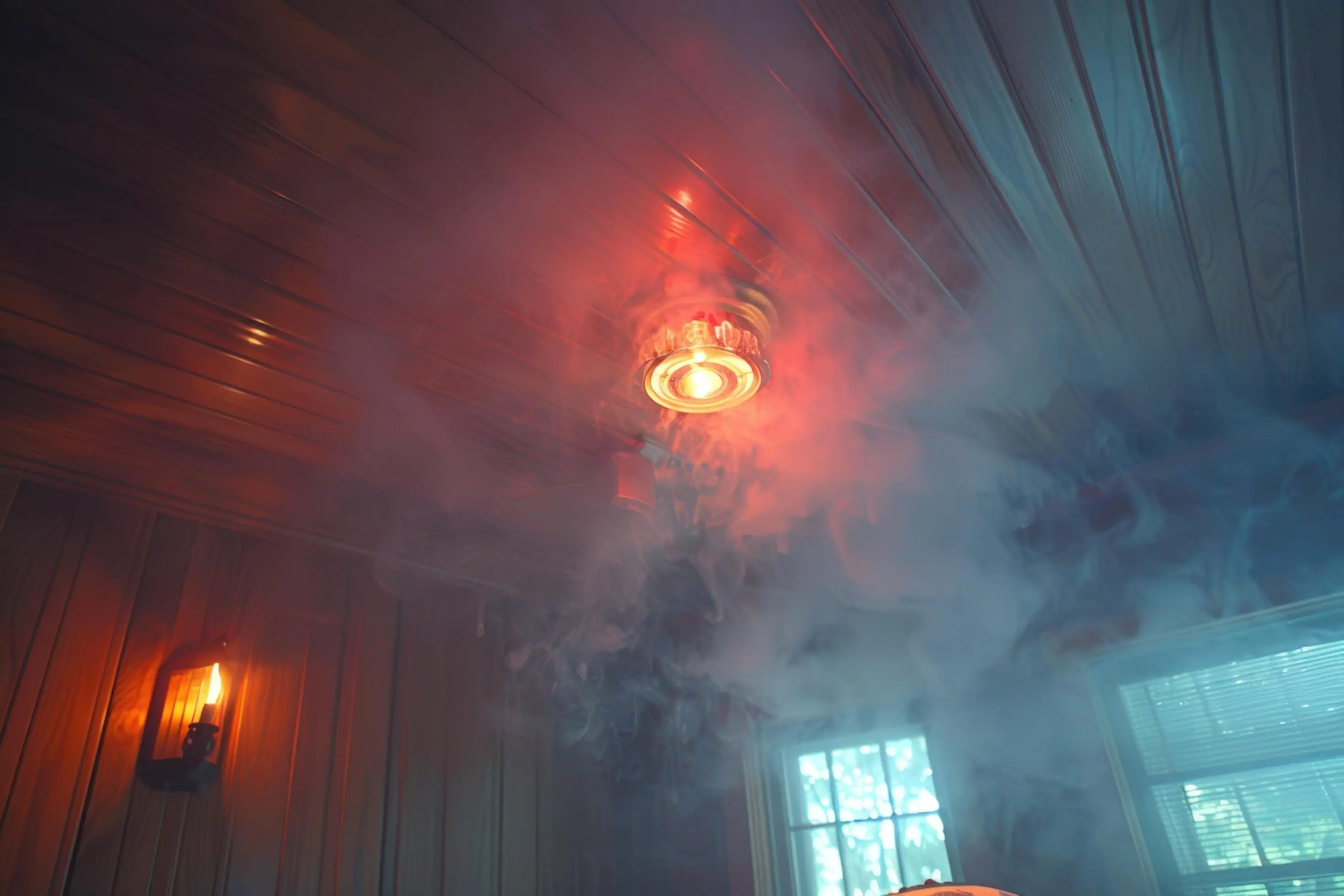
Smoke Damage Restoration
Soot residue, chemical odors, HVAC contamination. We decontaminate surfaces, eliminate odors, and restore air quality.
Learn more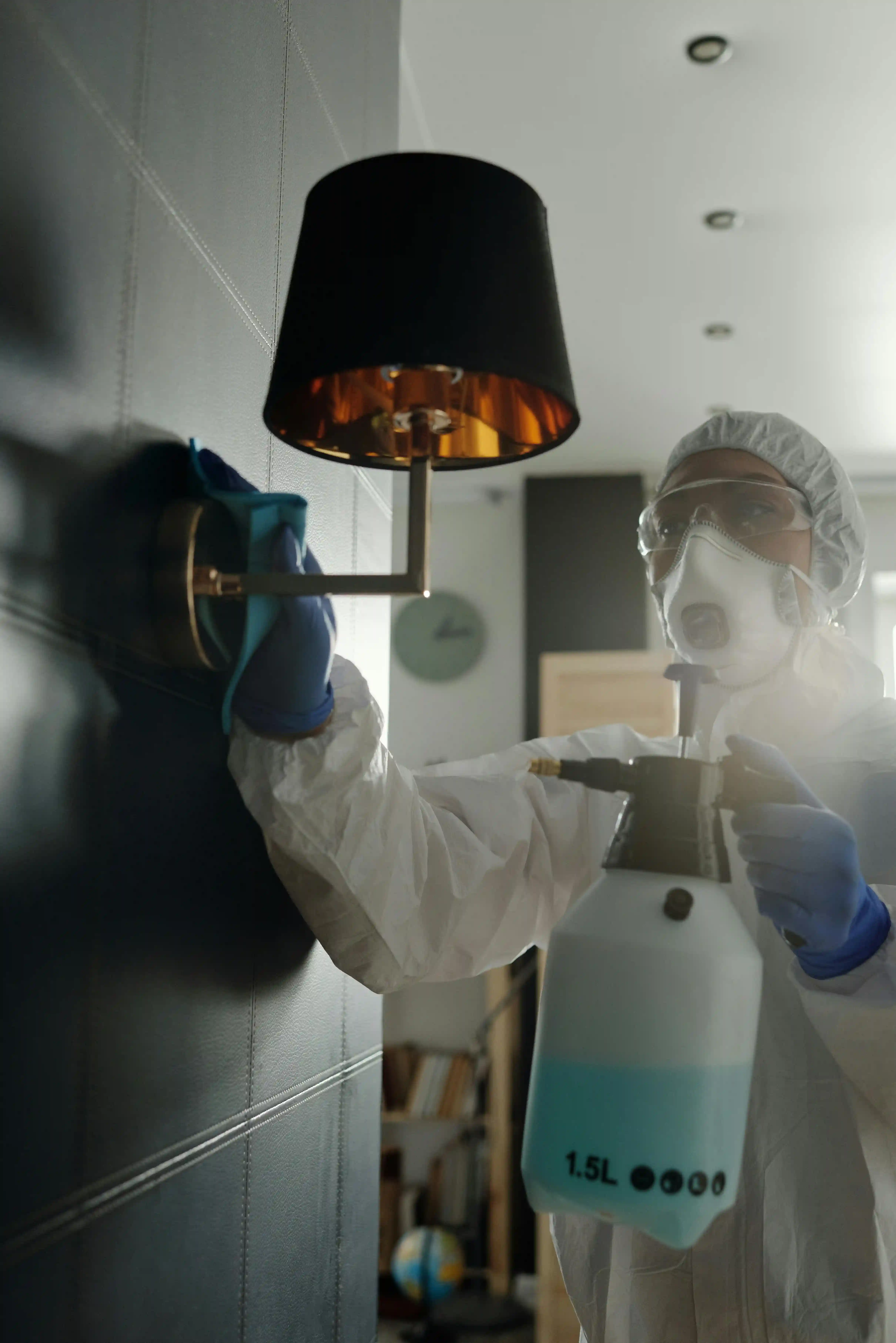
Mold Remediation
Testing, containment, removal, prevention. We find the source, eliminate the growth, and stop it from returning.
Learn more