
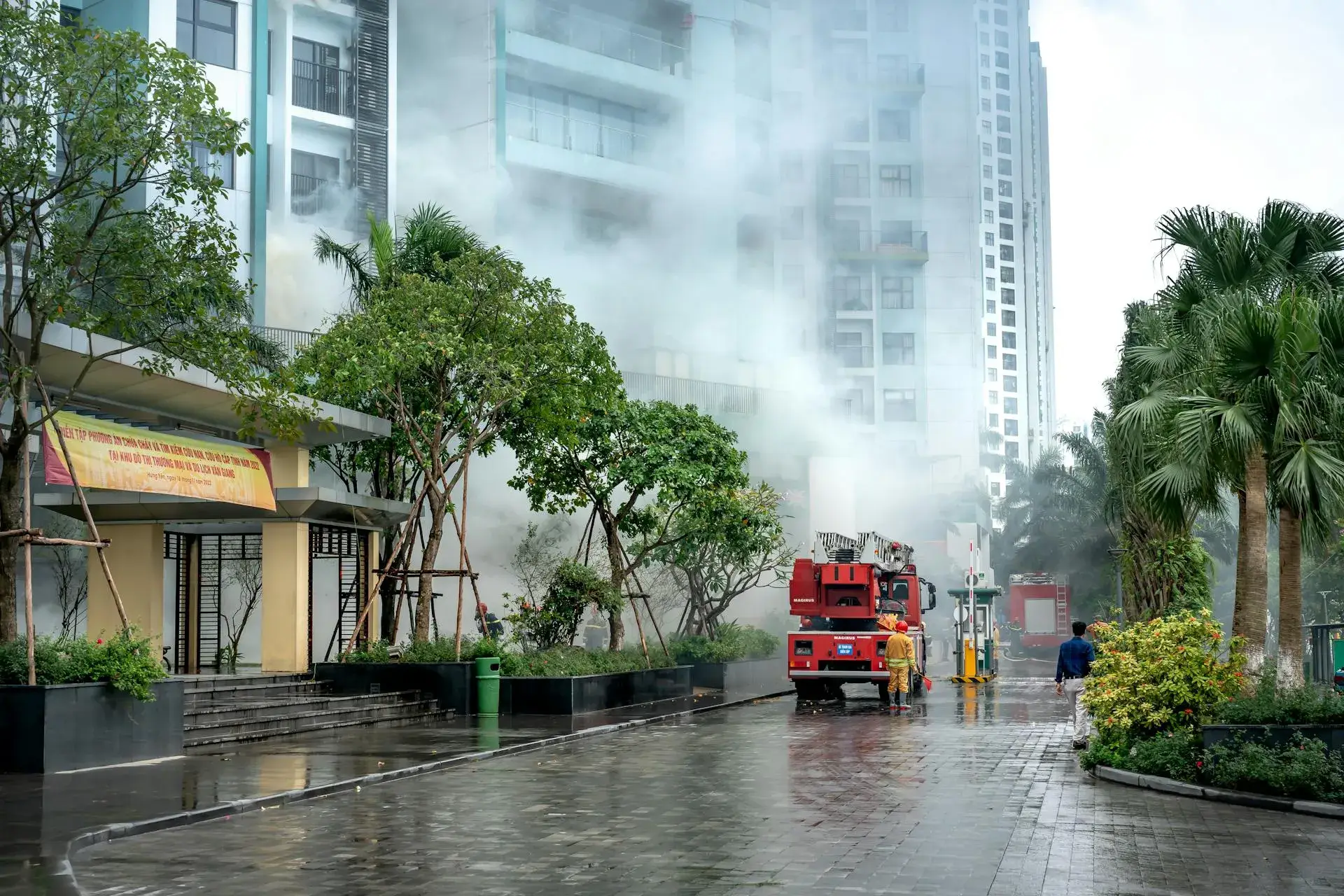
Smoke Damage Restoration in Naples, FL
Smoke residue bonds to surfaces within hours and becomes permanently embedded if untreated. In Naples' humidity, that process accelerates dramatically. Our local team responds within 60 minutes to begin professional smoke damage restoration.
What Happens When You Call
A real person answers, not a call center. We assess your smoke damage situation, identify the source type, and begin coordinating your response immediately.
Your dedicated smoke restoration team is dispatched from our local base serving Naples and the surrounding Collier County communities.
Team arrives with air quality monitoring equipment, HEPA air scrubbers, and professional cleaning systems. Assessment and initial air filtration begin immediately.
Contamination scope mapped, cleaning plan documented, air scrubbers running. You know exactly what comes next.
Smoke does not stop causing damage when the fire goes out or when the haze clears from the sky. The particles and acids in smoke residue continue reacting with your home's surfaces, and in Southwest Florida's humidity, they do so faster than in drier climates. X Response exists for exactly this moment. When you reach out, your smoke damage restoration team is mobilized within minutes and on site within the hour. From that point forward, one team manages everything: assessment, cleaning, deodorization, air quality restoration, and insurance documentation. You are never left guessing about the next step. Call now. Your team is standing by.
Why Naples Homes Are Vulnerable to Smoke Damage
Naples sits at the western edge of one of the largest wildland expanses in South Florida. The Picayune Strand State Forest extends 76,000 acres east and south of the city, the Big Cypress National Preserve lies to the southeast, and Golden Gate Estates stretches northeast with thousands of semi-rural lots interspersed with undeveloped pine flatwoods and palmetto prairies. During Florida's dry season, roughly November through May, this vegetation becomes fuel for wildfire, and the prevailing winds carry smoke directly into the Naples metro. In April 2026, the Newman Drive Fire in Picayune Strand State Forest burned over 1,500 acres just east of the city, sending visible smoke across all of Collier County and prompting health advisories from the Naples Daily News warning residents of serious respiratory risks from particulate matter infiltrating homes. This was not an isolated event. In March 2023, a 300-acre brush fire in Golden Gate Estates produced dense smoke that blanketed eastern Naples neighborhoods for days. In January 2026, the Hacienda Fire burned 650 acres in Picayune Strand at 65% containment, again sending smoke into residential areas. The pattern is recurring and predictable: every dry season brings wildfire smoke into Naples homes.
Smoke in Naples does not only come from wildland fires. Structure fires within the metro produce localized smoke plumes that contaminate neighboring homes and businesses through HVAC systems, shared attic spaces in multi-family buildings, and the building envelope gaps that allow infiltration. In high-rise condominiums along the beachfront, smoke from a single-unit fire migrates vertically through elevator shafts, stairwells, and mechanical chases, contaminating floors far from the fire origin. And the Florida Forest Service conducts prescribed burns in Picayune Strand and other managed lands throughout the dry season for ecological maintenance, producing planned smoke events that residents have no choice but to endure. Each smoke source produces different chemical compounds that require different restoration approaches: vegetation smoke from prescribed burns differs from wildfire smoke which differs from the synthetic-laden smoke of a structure fire. Each demands its own assessment and cleaning protocol.
Picayune Strand Wildfire Smoke and the Recurring Dry Season Pattern
The Picayune Strand State Forest sits immediately east of Naples' developed boundary, with some residential neighborhoods separated from the forest by less than a mile. When wildfire ignites in the Strand during dry season, prevailing easterly or southeasterly winds carry smoke directly into the Naples metro. The April 2026 Newman Drive Fire demonstrated this pattern clearly: within hours of ignition, smoke was visible across all of Collier County, and residents miles from the fire reported haze, smell, and visible particulate inside their homes. The January 2026 Hacienda Fire burned 650 acres in the same forest before reaching 65% containment. The March 2023 Golden Gate Estates fire produced days of dense smoke in eastern Naples. These are not rare events but part of an annual cycle tied to the dry season, drought conditions, and the enormous fuel load that surrounds the city. Any resident living on the eastern side of the Naples metro, in the Vineyards, Olde Cypress, or Treviso Bay communities, or anywhere east of Livingston Road, faces recurring wildfire smoke infiltration during the dry season.
Prescribed Burns and Planned Smoke Events
Beyond wildfire, the Florida Forest Service and private landowners conduct prescribed burns on thousands of acres of managed land surrounding Naples throughout the dry season. These burns are ecologically necessary to maintain the pine flatwoods and palmetto ecosystems, reduce accumulated fuel loads, and prevent uncontrolled wildfires from growing larger. But they produce substantial smoke that affects residential areas depending on wind direction and atmospheric conditions. A prescribed burn of 1,000 to 2,000 acres east of the city on a day with westerly drainage winds may produce minimal impact, but the same burn under easterly conditions sends dense smoke directly into Naples neighborhoods. Residents cannot predict or prevent this exposure. When prescribed burn smoke infiltrates a home, it deposits fine particulate on surfaces, penetrates HVAC systems, and leaves a residue that, while typically lighter than wildfire or structure fire smoke, still causes discoloration, odor, and respiratory irritation if not properly cleaned.
HVAC Systems as Smoke Distribution Networks
Naples homes run air conditioning virtually year-round, with most using central forced-air systems that circulate conditioned air through ductwork in attic spaces or between floors. When smoke enters a home through any pathway, whether through the fresh-air intake, through gaps in the building envelope, or through doors and windows opened before the smoke was noticed, the HVAC system distributes it throughout the entire structure within minutes. Fine smoke particles deposit inside ductwork, on the evaporator coil where moisture traps them, in the air handler cabinet, on the return-side filter housing, and on supply register louvers. Even after the outdoor smoke clears, the system continues recirculating contaminated air every time it cycles. Standard filters cannot capture the ultrafine particulate matter in wildfire smoke (PM2.5 and smaller). Cleaning only the visible surfaces while leaving contaminated ductwork in place means the home continues to smell of smoke and residents continue breathing particulate with every cooling cycle.
Humidity-Accelerated Residue Bonding
Smoke residue is not a dry powder that simply sits on surfaces waiting to be wiped away. It contains oils, acids, and fine particulate that bond chemically to materials, and atmospheric moisture accelerates that bonding process. In Naples, where relative humidity stays high year-round, smoke residue bonds to surfaces faster and more permanently than in drier climates. A surface that could be cleaned with a dry chemical sponge in an arid environment may require wet chemical cleaning or even material replacement in Naples if treatment is delayed more than 24 to 48 hours. This is why speed of response matters for smoke damage in Southwest Florida: the same residue that is removable today becomes a permanent stain or embedded odor source by tomorrow, and the humid climate determines that accelerated timeline.
Multi-Story and High-Rise Smoke Migration
Naples' beachfront high-rise condominiums and multi-story residential buildings present unique smoke migration challenges. When a fire occurs in one unit, smoke travels vertically through the stack effect, moving upward through elevator shafts, stairwells, utility chases, plumbing penetrations, and HVAC risers. Residents on floors well above the fire return to find soot on surfaces, smoke odor in fabrics, and particulate in their HVAC systems. The contamination pattern in a high-rise is three-dimensional rather than the horizontal spread typical of single-family homes. Assessment must account for vertical migration paths, and restoration often requires simultaneous work in units on multiple floors, coordinated with different unit owners and different insurance carriers. The building's HVAC system design, whether individual units or a central plant with shared risers, determines how far smoke travels and how many units require professional cleaning.
These factors combine to make smoke damage in Naples both more frequent and more aggressive than in most communities. The city receives smoke from recurring Picayune Strand wildfires, dry-season prescribed burns on surrounding managed lands, and structure fires in dense multi-family and high-rise housing. Naples' HVAC-dependent lifestyle distributes smoke through entire homes within minutes, and the year-round humidity bonds residue to surfaces faster and more permanently than drier climates. Effective smoke damage restoration here requires rapid response, source-specific cleaning chemistry matched to the residue type, HVAC decontamination as standard practice rather than an add-on, and molecular deodorization methods that eliminate smoke compounds rather than masking them.
What Happens to Your Home While You Wait
Within 1 Hour
Smoke particles settle on horizontal surfaces and begin the bonding process with materials they contact. In Naples' humid air, this chemical bonding initiates faster than in arid environments. Smoke odor molecules begin penetrating the surface layer of porous materials including drywall, fabric, carpet, and wood. If the HVAC system is running, contamination distributes throughout the entire home within minutes regardless of where the smoke originally entered.
1–24 Hours
Soot and smoke residue visibly discolor light-colored surfaces, walls, and ceiling areas. The acidic components in smoke residue begin etching glass, tarnishing metal hardware, and reacting with painted surfaces. Odor penetrates deeper into soft furnishings, upholstery, clothing, and bedding. In Naples' humidity, the acid reaction with surfaces accelerates compared to drier climates, and surfaces that could have been cleaned with dry methods now require chemical cleaning to achieve full residue removal.
24–48 Hours
Smoke residue bonds permanently to porous surfaces including natural stone, unfinished wood, concrete, and unsealed grout. Metal fixtures, hardware, and decorative elements begin pitting and corroding beyond the point of cleaning, requiring replacement. Smoke odor becomes embedded in structural materials rather than remaining at the surface level, requiring thermal fogging or hydroxyl treatment rather than surface wiping. The cost differential between cleaning in place and replacing materials begins widening significantly at this stage.
48–72 Hours
Permanent staining on untreated surfaces throughout affected areas. Odor saturation deep enough in porous materials that surface cleaning alone cannot eliminate it. HVAC system contamination becomes entrenched as particulate bonds to interior duct surfaces with each humidity-laden cooling cycle. Soft furnishings and upholstery may cross from professionally cleanable to requiring replacement. Contents with sentimental value, such as books, photographs, and documents, sustain accelerating deterioration from acid residue.
One Week and Beyond
Extensive permanent damage to untreated surfaces throughout the home. Smoke odor embedded so deeply in structural materials that complete odor elimination requires removal and replacement of affected drywall, insulation, and framing. HVAC system requires full ductwork replacement rather than cleaning if contamination has bonded over multiple humid days. Total restoration cost at this stage can be multiple times what it would have been with professional response in the first 24 hours.
In Naples' humidity, the window between cleaning smoke damage in place and replacing entire material assemblies is measured in hours, not days. Contact X Response now. Our Naples team responds within 60 minutes.
How We Restore Smoke-Damaged Naples Homes
From the moment our team arrives, every step is documented, measured, and verified. Here is exactly what the smoke damage restoration process involves.
Air Quality Assessment and Source Identification
Our team arrives with particulate monitoring equipment and begins by measuring indoor air quality levels and identifying the smoke source type. Wildfire smoke from Picayune Strand vegetation produces different residue chemistry than a kitchen grease fire or an electrical fire in a neighboring unit. The source determines the cleaning methods, chemistry, and materials protocols we use. We map the contamination extent by testing surfaces in every room, inspecting the HVAC system for infiltration, checking attic spaces and wall cavities where smoke accumulates, and identifying the entry pathways smoke used to reach the interior. This assessment produces the scope of work that drives the restoration plan and provides your insurance company documented evidence of the contamination.
HVAC Isolation and Air Filtration
Before cleaning begins, we shut down the HVAC system to stop it from redistributing contamination with every cycle. We deploy commercial HEPA air scrubbers throughout the affected areas to begin filtering airborne particulate immediately. These units run continuously throughout the restoration to maintain breathable air quality and capture particles dislodged during the cleaning process. In Naples homes where AC runs year-round, this step also includes sealing supply and return registers to prevent cross-contamination between cleaned and uncleaned zones until the ductwork itself is addressed.
Surface Cleaning with Source-Specific Chemistry
We clean every affected surface using chemistry and techniques matched to the specific residue type identified during assessment. Protein-based smoke (kitchen fires) requires alkaline cleaning agents. Synthetic smoke (burned plastics and electronics) requires different solvents. Wildfire vegetation smoke from palmetto and pine produces yet another residue profile that responds to specific formulations. We clean from the ceiling down in each room, preventing recontamination of cleaned surfaces. Walls, ceilings, trim, cabinetry, countertops, fixtures, and all hard surfaces are treated. Porous materials that cannot be cleaned to standard, determined by pre-and-post cleaning testing, are documented and removed for replacement.
HVAC Decontamination
Once interior surfaces are cleaned, we address the HVAC system that has been distributing contamination since the smoke event. This includes cleaning or replacing the air filter, vacuuming and brushing all accessible ductwork with HEPA-filtered equipment, cleaning the evaporator coil where moisture-trapped particulate accumulates, treating the air handler interior, and verifying supply registers are clean. In Naples, where the AC system runs almost continuously, leaving contaminated ductwork in place defeats the entire restoration because the system redistributes residue with every cycle. We test air quality at supply registers after cleaning to verify the system is delivering clean air before clearing it for operation.
Molecular Odor Elimination and Verification
Surface cleaning removes visible residue, but smoke odor molecules penetrate deeply into porous materials and require a separate elimination step. We select the appropriate method based on the materials present and the contamination depth: thermal fogging uses heated chemical vapor that penetrates the same paths the smoke molecules followed, reaching inside wall cavities, behind cabinets, and into structural materials. Hydroxyl generators produce reactive molecules that break down odor compounds at the molecular level without the ozone concerns that make occupied-space treatment problematic. After treatment, we verify with our own assessment and, when requested, with third-party air quality testing that odor levels have reached acceptable standards. Only when verified complete do we clear the home for normal occupancy and HVAC operation.
The X Response Difference
When you contact X Response for smoke damage, you get a dedicated team that eliminates the contamination rather than masking it. Source-specific cleaning, HVAC decontamination, molecular odor elimination, and documented verification. One team, one standard, one result.
Insurance Claim Guidance for Naples Homeowners
Smoke damage insurance claims depend on the source of the smoke and your policy language. Most Florida homeowner's policies cover smoke damage from nearby fires, including wildfire and brush fire smoke that infiltrates your home from outside your property. Structure fire smoke in your own home is covered under the fire damage provisions. For multi-unit buildings, smoke damage to your unit from a fire in a neighbor's unit is typically covered under your own policy. The key challenge is documenting the extent of damage, because smoke contamination is often invisible to the untrained eye and affects materials that appear undamaged. Without professional documentation of particulate levels, residue testing, and a detailed scope of work, adjusters may underestimate the cleaning and restoration required. Having thorough documentation from the first assessment protects you against disputed coverage for work that was necessary but not visually obvious.
How X Response Helps
- Document contamination extent with air quality measurements, surface testing, and professional photos from the initial assessment
- Identify and document the smoke source event, including wildfire incident reports or fire department records for structure fires
- Provide detailed scope of work with line-item cleaning, HVAC decontamination, and deodorization costs
- Document contents damage including affected items, condition notes, and cleaning versus replacement determinations
- Provide before-and-after testing results that prove contamination existed and was successfully eliminated
X Response does not file claims on your behalf, adjust claims, or make coverage determinations. We provide documentation and guidance to help you make informed decisions about your property and your policy. Coverage decisions are made solely by your insurance carrier.
Certified Restoration Specialists Serving Naples
When you contact X Response for smoke damage in Naples, your restoration team is drawn from certified professionals who work across Collier County and understand the specific smoke challenges this community faces. They know the Picayune Strand wildfire smoke patterns and how prevailing winds carry particulate into different Naples neighborhoods. They understand how Naples' high-rise condominiums distribute smoke vertically through mechanical and structural pathways. They have cleaned residue from prescribed burn infiltration, wildfire particulate events, and structure fires across every type of construction in the metro. This is not a general cleaning crew attempting restoration work. It is a specialized smoke damage team with the training, chemistry, and equipment to eliminate contamination at the molecular level.
Every technician on your team holds current IICRC certification in fire and smoke restoration and carries the appropriate Florida state licensing for the work being performed. Equipment includes commercial HEPA air scrubbers, particle counters for air quality measurement, thermal fogging systems, hydroxyl generators, and the specialized cleaning chemistry required for different residue types. When your team arrives, they bring everything needed to begin air filtration immediately and proceed through assessment, cleaning, deodorization, and verification without waiting for equipment or materials.
In Naples, X Response works with Florida Restoration and Platinum Air Mold Inspection, independent local restoration partners serving Collier County.
Smoke Damage Restoration FAQ for Naples Homeowners
Other Emergency Services in Naples
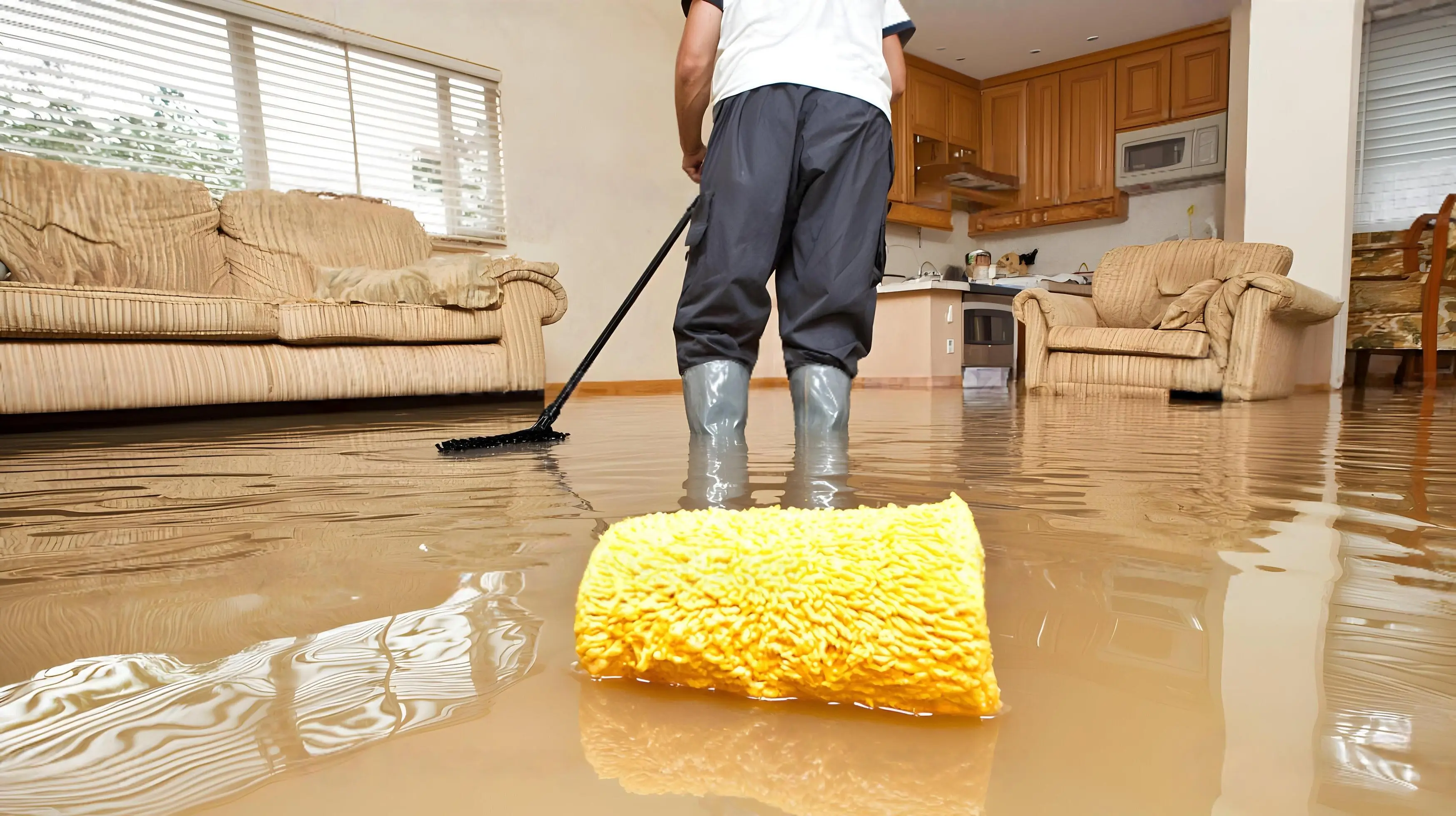
Water Damage Restoration
Burst pipes, storm flooding, standing water. We extract, dry, and restore before mold sets in.
Learn more
Fire Damage Restoration
Structural damage, soot, debris. We stabilize, clean, and rebuild what fire destroyed.
Learn more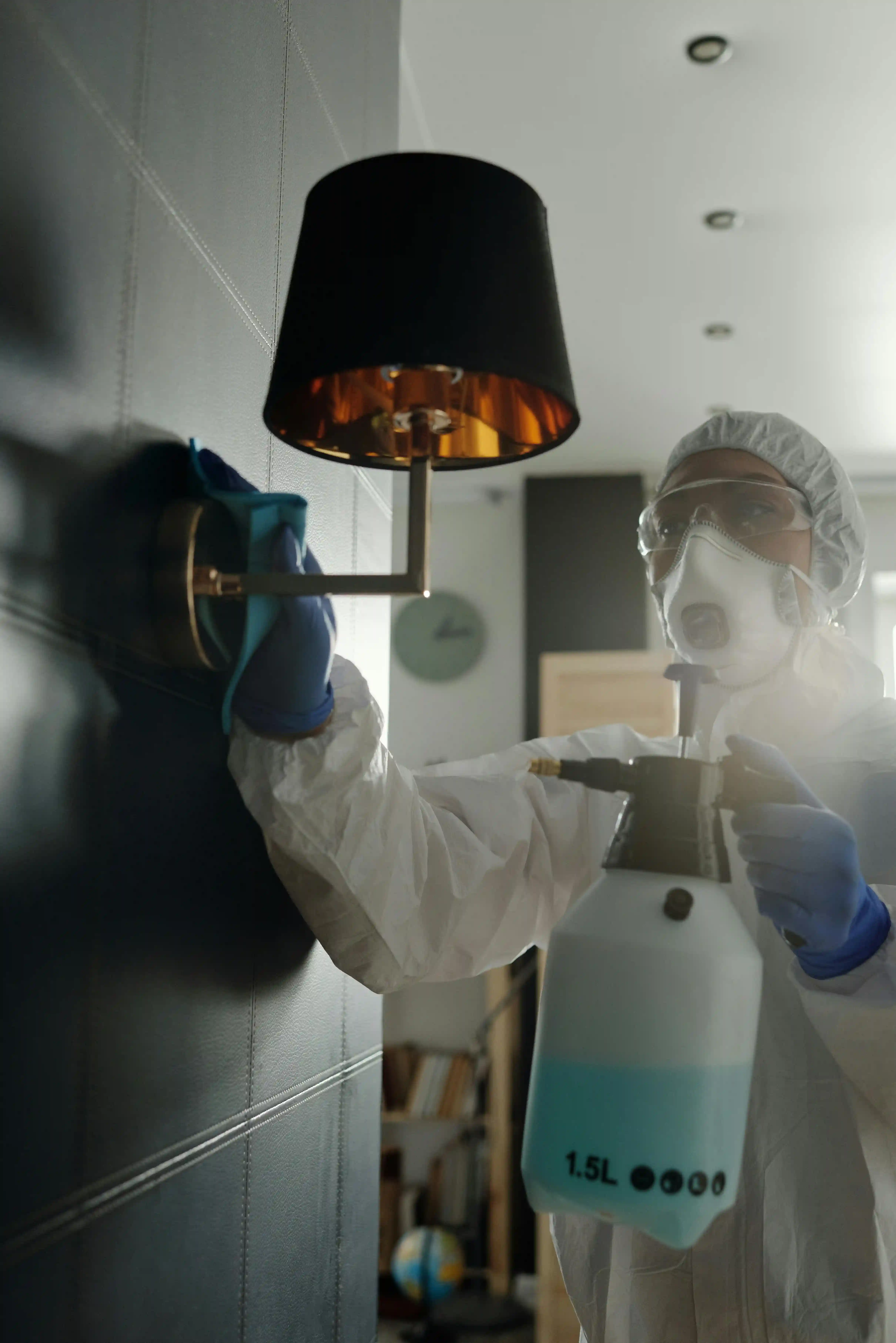
Mold Remediation
Testing, containment, removal, prevention. We find the source, eliminate the growth, and stop it from returning.
Learn more
Sewage Cleanup
Sewer backups, contaminated water, biohazard. We extract, sanitize, and restore safely.
Learn more