
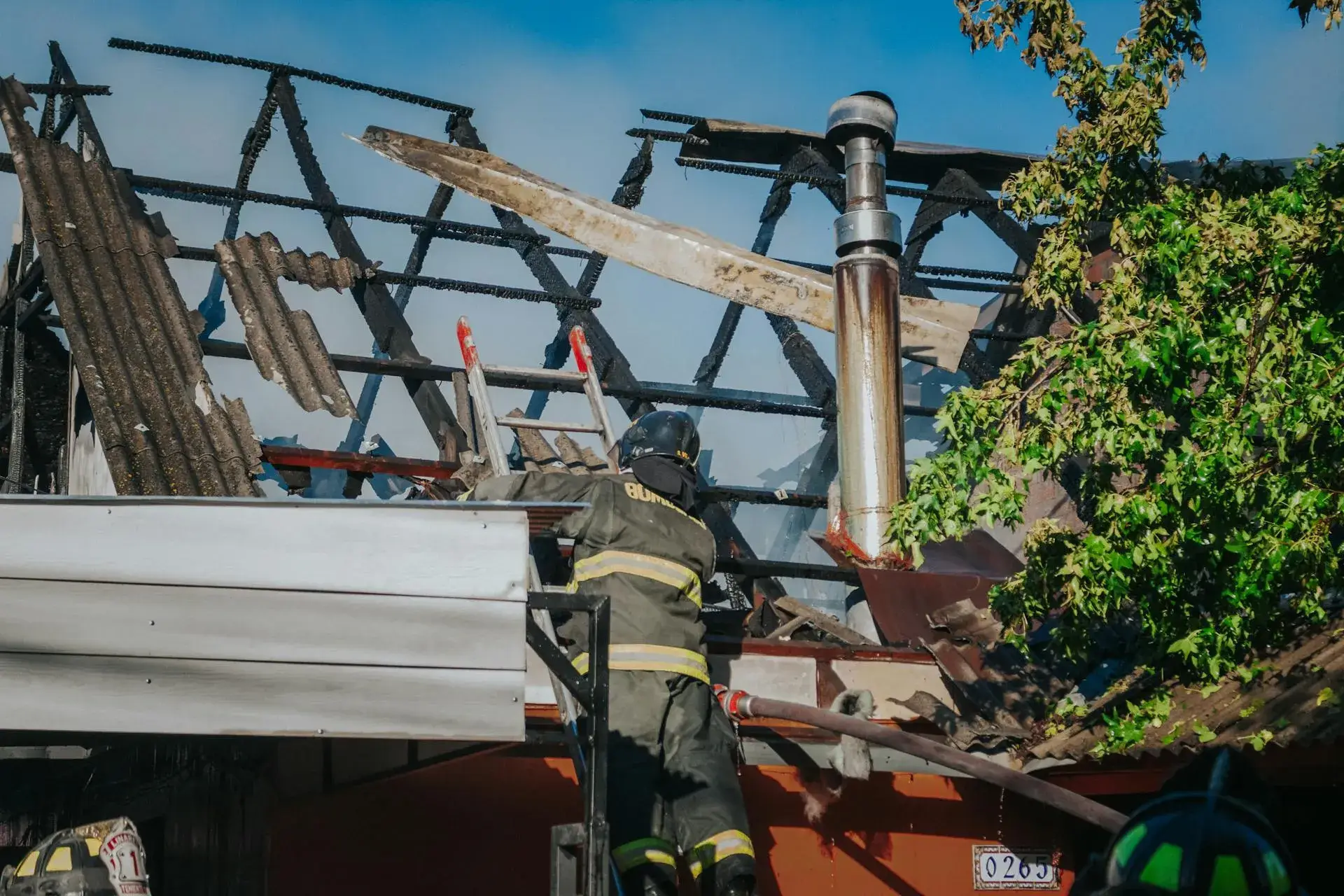
Fire Damage Restoration in Franklin, IN
Fire damage spreads through soot, char, and corrosive residues every hour you wait. Our local team responds to Franklin emergencies within 60 minutes to stabilize your property.
What Happens When You Call
A real person answers. We assess your situation and begin coordinating your response immediately.
Your dedicated team is dispatched from our local base serving Franklin and Johnson County.
Team arrives with board-up materials, assessment tools, and soot containment equipment. Stabilization begins immediately.
Property secured, damage documented, restoration plan mapped. You know exactly what comes next.
Your home just experienced a fire. You need someone to take control now. X Response exists for exactly this moment. When you reach out, your team is mobilized within minutes. One team manages everything: stabilization, assessment, soot removal, odor elimination, and insurance documentation. Call now. Your team is standing by.
Why Franklin Homes Are Vulnerable to Fire Damage
Franklin, a city of approximately 26,000 residents and the county seat of Johnson County, is characterized by its blend of historic charm and rapid modern growth. The Franklin Fire Department protects a diverse array of properties across the city, from the densely packed historic homes near Franklin College and the downtown square-where aging electrical systems pose elevated risks-to the rapidly expanding modern subdivisions along Interstate 65 that present severe challenges involving synthetic building materials and attached garages. This stark contrast in building eras means that fire restoration in Franklin is never a one-size-fits-all process; a Victorian home requires a drastically different structural assessment and soot removal protocol than a newly built suburban tract home.
Beyond structural aging, Franklin's geographic location in central Indiana places it squarely in a severe weather corridor. Spring and summer thunderstorms frequently bring intense lightning, a primary ignition source for attic and electrical fires that often occur simultaneously with heavy rain and wind. Furthermore, Franklin's harsh winters drive the heavy use of central heating systems and supplemental space heaters, pushing both aging furnaces and overloaded electrical panels past their limits during extended cold snaps.
Historic Homes and Aging Electrical Systems
The neighborhoods surrounding Franklin College and the historic downtown feature beautiful homes dating back to the late 19th and early 20th centuries. However, many of these structures still rely on aging, under-capacity electrical panels and outdated wiring (such as knob-and-tube or early aluminum wiring). As modern homeowners add heavy electrical loads for air conditioning, home offices, and entertainment systems, these original circuits can overheat and spark. Fires in these historic homes often travel upward through original balloon-frame construction, spreading rapidly from the basement or ground floor into the attic before smoke alarms even trigger.
Modern Subdivisions and Synthetic Fires
In stark contrast to the historic district, Franklin's newer subdivisions expanding outward toward I-65 are built with modern engineered lumber and synthetic materials. While structurally sound under normal conditions, engineered joists burn hotter and fail much faster during a fire than legacy solid wood. Additionally, modern homes are filled with synthetic furnishings, plastics, and electronics. When these materials burn, they produce a thick, sticky, highly toxic soot that is far more corrosive than natural wood smoke. This synthetic residue requires specialized chemical sponges and neutralizing agents for effective removal.
Lightning and Severe Storm Ignitions
Johnson County experiences frequent and severe thunderstorms. Cloud-to-ground lightning strikes are a significant cause of residential fires in Franklin. A direct strike can enter a home through the roof or electrical service panel, instantly igniting attic insulation or wiring inside wall cavities. Because these fires begin in concealed spaces, they can cause extensive structural damage before being detected. Furthermore, because these fires occur during storms, the home often suffers from simultaneous fire, smoke, wind, and water damage, requiring a complex, multi-phased restoration approach.
Attached Garages and Flammable Storage
The vast majority of Franklin's suburban housing stock features attached garages, which act as the primary storage areas for vehicles, lawn equipment, gasoline, and solvents. When a fire ignites in an attached garage, it feeds on these highly combustible accelerants and can rapidly spread to the main living area through shared walls or the attic space. Even if the fire department contains the flames to the garage, the HVAC system often draws heavy, oily smoke into the living quarters, necessitating extensive duct decontamination and aggressive odor removal.
Winter Heating Fire Risks
Franklin's harsh winters force heating equipment to run continuously from November through March. According to the NFPA, heating equipment is the second leading cause of residential fires. In older homes, aging furnaces and deteriorating gas connections pose significant risks. Across all housing types in Franklin, the use of supplemental space heaters during extreme cold snaps introduces a highly dangerous ignition source, particularly when placed too close to bedding, curtains, or upholstered furniture.
Fire damage restoration in Franklin requires specialized knowledge of how fires behave across vastly different construction eras-from historic balloon-framed homes to modern engineered subdivisions. Effective restoration addresses the structural char, the corrosive smoke contamination, the thousands of gallons of water used for suppression, and the imminent risk of secondary mold as a single, fully integrated project.
What Happens to Your Home While You Wait
Within 1 Hour
Soot and smoke residues immediately begin bonding to surfaces. Acidic byproducts from burning materials start corroding metal fixtures and etching glass. The HVAC system, if running, distributes toxic particulate to every room.
1–24 Hours
Soot oxidizes and bonds more tightly to surfaces. Metal tarnishes permanently, and painted surfaces begin to yellow. Smoke odor penetrates deep into soft furnishings. Suppression water begins soaking into subfloors.
24–48 Hours
Permanent staining sets on porous surfaces. Corrosion accelerates on appliances and electronics. Mold from suppression water begins colonizing affected drywall and framing, severely narrowing the window for simple surface cleaning.
48–72 Hours
Many surfaces cross the threshold from cleanable to requiring total replacement. Embedded smoke odors become significantly harder to neutralize. Suppression water mold is well established inside wall cavities.
One Week and Beyond
Extensive corrosion, permanent staining, and deeply embedded odors ruin the property. The combined fire, smoke, water, and mold damage transitions the project from a restoration job to a full-scale demolition and rebuild.
Contact X Response now. Our Franklin team responds within 60 minutes.
How We Restore Fire-Damaged Franklin Homes
Every step is documented and coordinated from the moment we arrive on the scene.
Emergency Stabilization and Board-Up
Our team arrives to secure the property immediately. Broken windows, compromised doors, and damaged roof sections are boarded and tarped to prevent weather intrusion. In Franklin, where severe thunderstorms can follow a fire event within hours, rapid stabilization is critical.
Structural Assessment
We evaluate the structural integrity of fire-damaged areas. In historic Franklin homes, we check for fire travel through balloon framing. In modern subdivisions, we assess engineered trusses, where damage to a single component can compromise the entire roof system. Our assessment maps the fire's travel path comprehensively.
Soot and Smoke Removal
Professional cleaning is matched specifically to the smoke type-whether synthetic soot from modern furnishings or natural wood smoke in historic properties. HEPA air scrubbers run continuously. Each HVAC zone is evaluated and decontaminated independently.
Odor Elimination
We utilize thermal fogging, hydroxyl generators, and ozone treatment to neutralize smoke odor at the molecular level, ensuring it is permanently eliminated, not just masked with fragrances.
Suppression Water Drying
Fire suppression water is rapidly extracted, and the structure is dried using commercial dehumidifiers and air movers. Mechanical drying prevents secondary mold colonization from the immense volume of water used by the fire department.
The X Response Difference
One team, one integrated project, and fully documented results.
Insurance Claim Guidance for Franklin Homeowners
Standard Indiana homeowner's policies cover fire damage to the dwelling and personal property. However, a successful claim must distinguish between direct fire char, smoke contamination, suppression water damage, and potential secondary mold. Thorough documentation from the first day is essential to ensure your claim reflects the full scope of the loss.
How X Response Helps
- Document fire, smoke, water, and mold damage separately with professional photos
- Prepare a comprehensive inventory of damaged personal property and contents
- Align the restoration scope precisely with your insurance coverage categories
- Explain coverage implications before you file so you understand your options
- Format all documentation specifically for your insurance adjuster
X Response does not file claims on your behalf, adjust claims, or make coverage determinations. Coverage decisions are made solely by your insurance carrier.
Certified Restoration Specialists Serving Franklin
Your Franklin fire restoration team understands Johnson County conditions and the specific construction types prevalent in this community. They have restored historic properties near the downtown square, mitigated radiant heat damage in dense new subdivisions, and managed complex fire-and-water storm damage. This is a local team operating under strict national standards.
Every technician holds current IICRC certification in fire and smoke restoration. Our equipment inventory includes heavy-duty board-up materials, HEPA filtration units, thermal foggers, and commercial drying systems necessary for handling suppression water.
In Franklin, X Response works with The Cleaning Source, an independent local restoration partner serving Johnson County.
Fire Damage Restoration FAQ for Franklin Homeowners
Other Emergency Services in Franklin
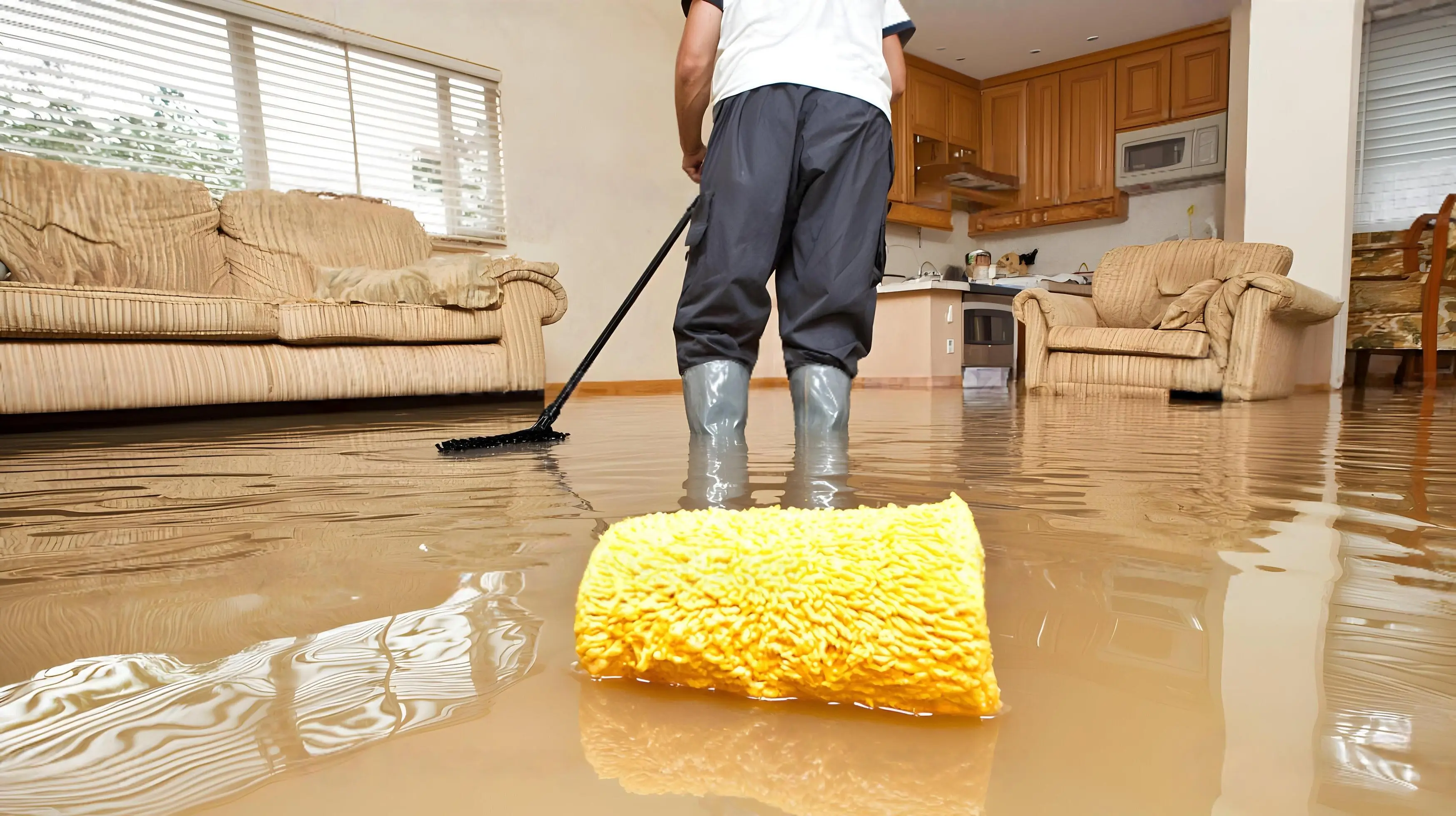
Water Damage Restoration
Burst pipes, storm flooding, standing water. We extract, dry, and restore before mold sets in.
Learn more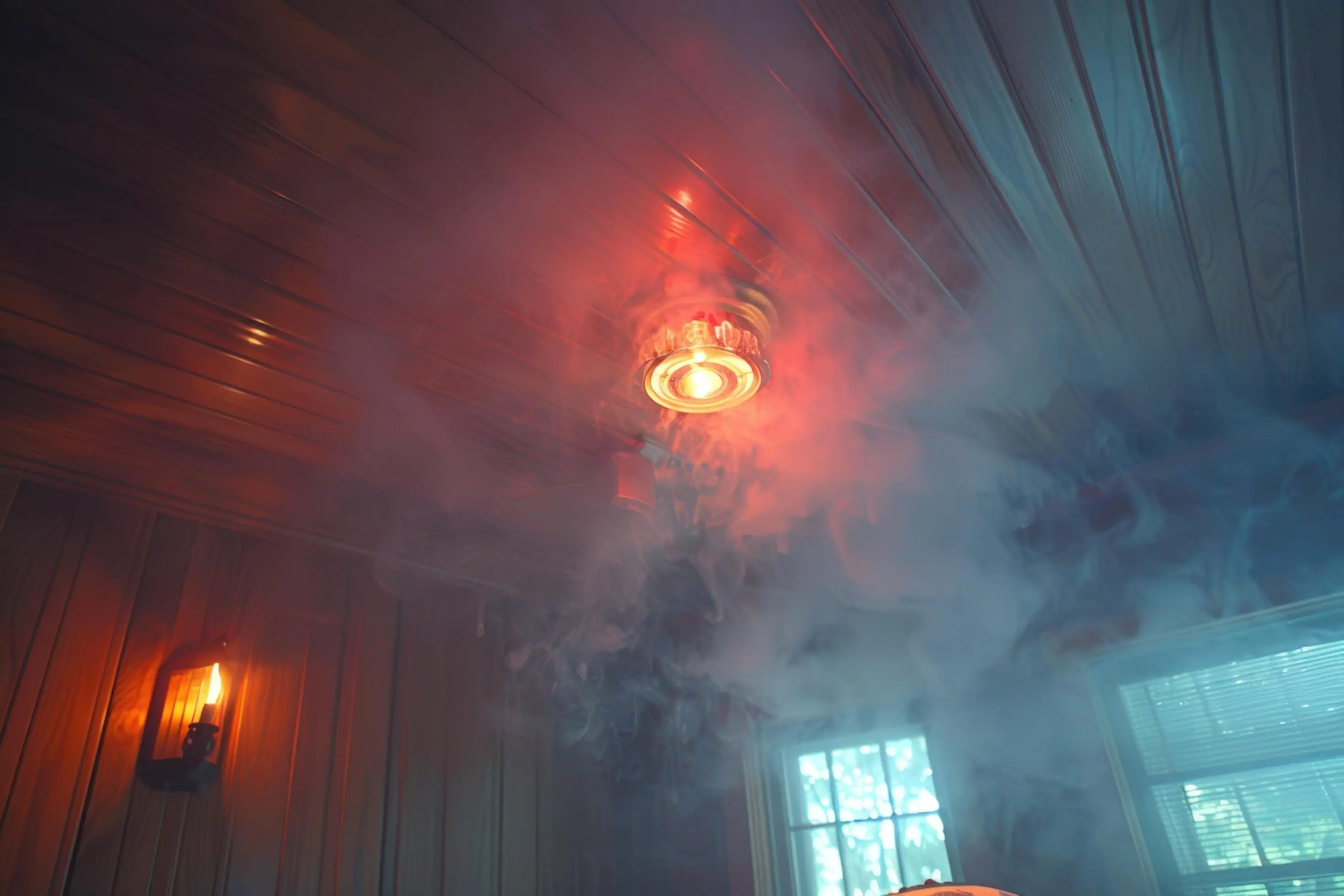
Smoke Damage Restoration
Soot residue, chemical odors, HVAC contamination. We decontaminate surfaces, eliminate odors, and restore air quality.
Learn more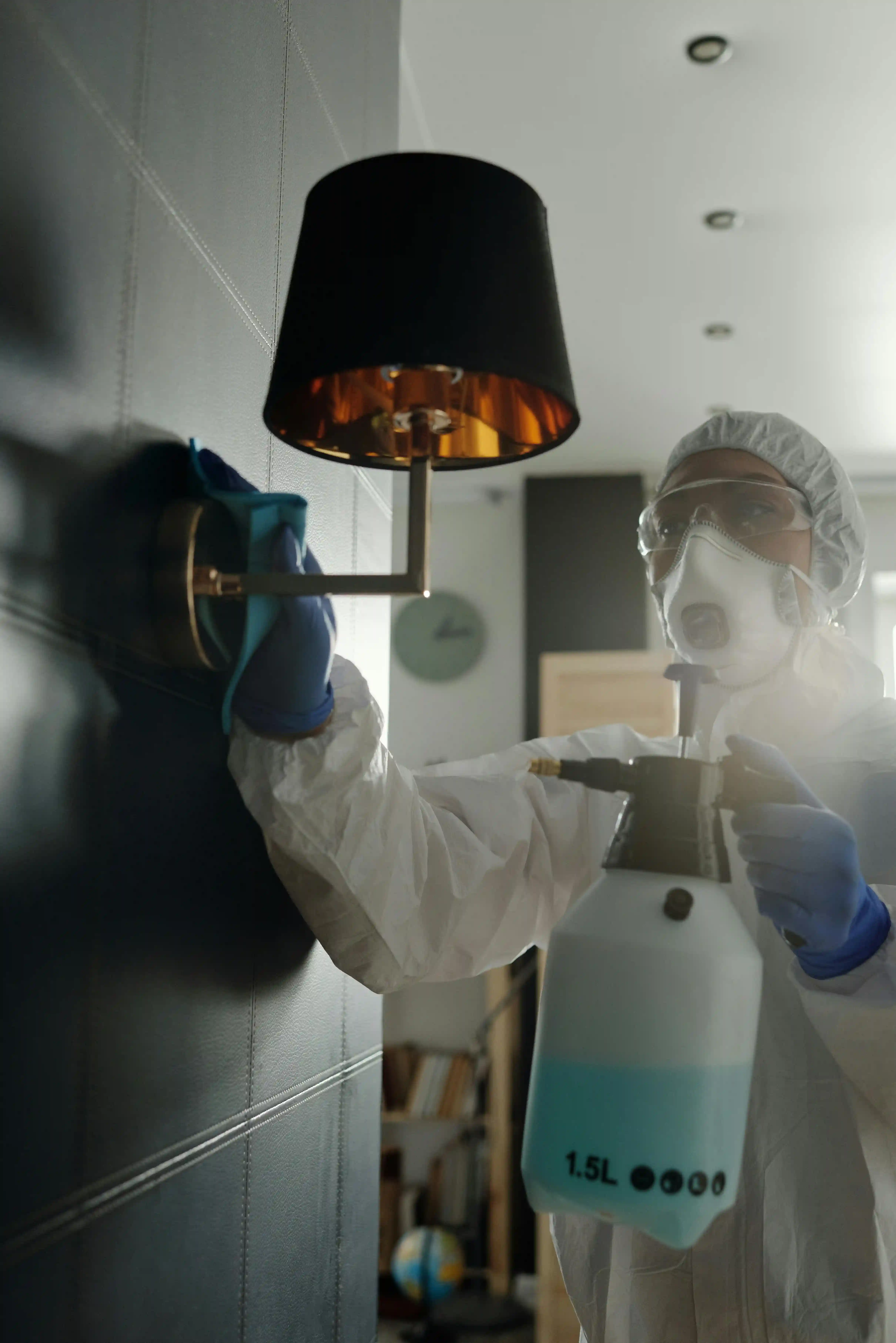
Mold Remediation
Testing, containment, removal, prevention. We find the source, eliminate the growth, and stop it from returning.
Learn more
Sewage Cleanup
Sewer backups, contaminated water, biohazard. We extract, sanitize, and restore safely.
Learn moreNearby Service Areas
Also serving nearby: