
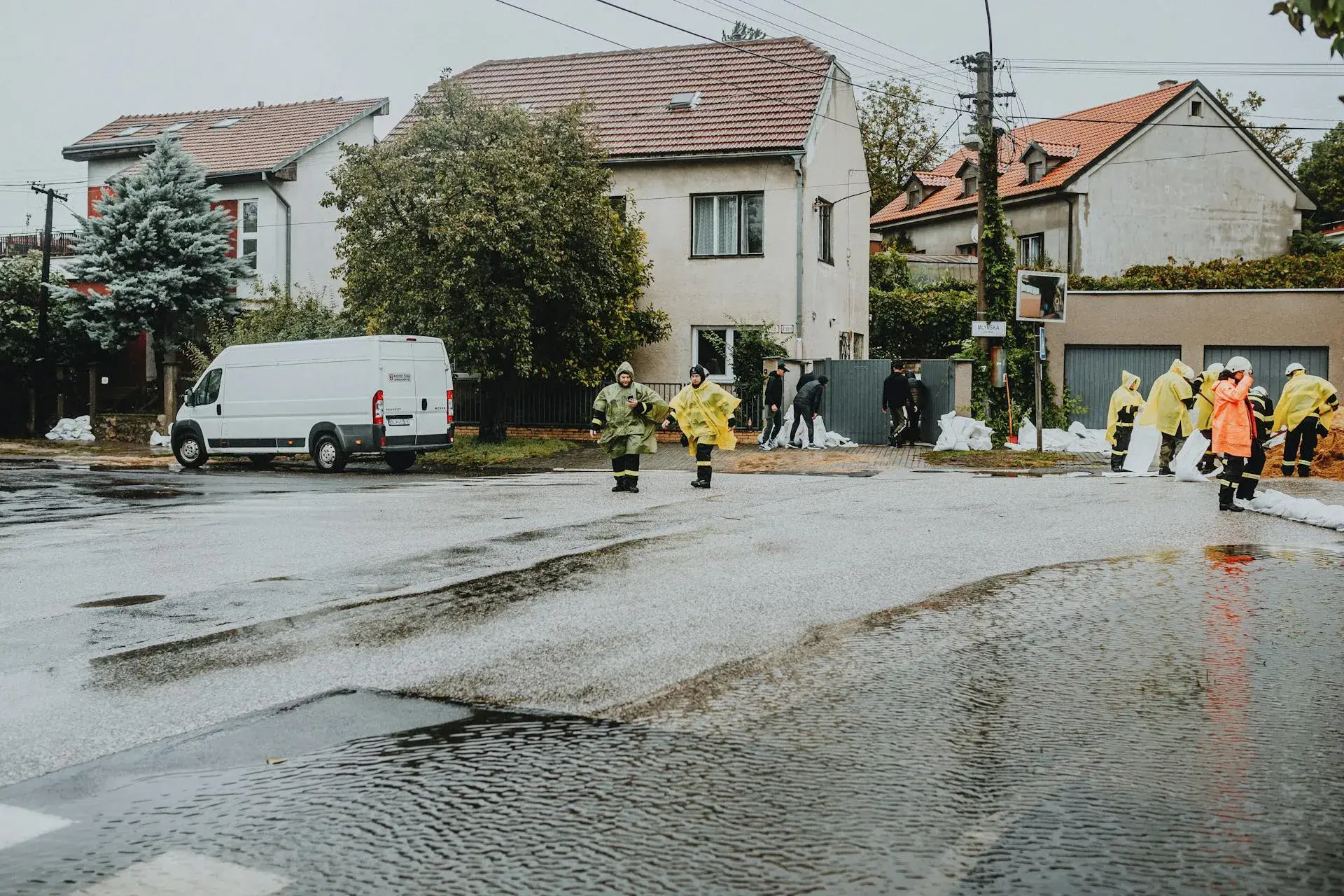
Sewage Cleanup in Franklin, IN
Sewage contains dangerous bacteria, viruses, and parasites that threaten your family's health every minute it remains in your home. Our local team responds to Franklin emergencies within 60 minutes.
What Happens When You Call
A real person answers. We assess your situation, identify the sewage source, and begin coordinating your response immediately.
Your dedicated restoration team is dispatched from our local base serving Franklin and the surrounding Johnson County communities.
Team arrives with sewage-rated extraction equipment, personal protective gear, and professional-grade disinfection systems. Emergency extraction begins immediately.
Sewage extracted, contaminated materials removed, disinfection applied, drying equipment placed. You know exactly what comes next.
Sewage in your home is a health emergency. Category 3 black water contains pathogens including E. coli, Salmonella, hepatitis, and parasitic organisms that pose immediate health risks to everyone in the home, particularly children and those with compromised immunity. X Response exists for exactly this moment. When you reach out, your restoration team is mobilized within minutes and on site within the hour. Call now. Your team is standing by.
Why Franklin Homes Are Vulnerable to Sewage
Franklin, the county seat of Johnson County, is a city of approximately 26,000 residents with a diverse architectural footprint. Franklin's wastewater infrastructure spans generations, meaning that while newer subdivisions rely on modern materials, the historic properties near the downtown square and Franklin College are often connected to the municipal system via century-old clay or cast iron laterals that are highly susceptible to collapse, tree root intrusion, and catastrophic backups. The City of Franklin operates a separated sanitary sewer system, but the sheer age of the infrastructure in the city core makes it highly vulnerable to infiltration and inflow (I&I) during severe weather.
When severe storms strike central Indiana, or when Youngs Creek experiences rapid rises, the elevated groundwater table exerts immense hydraulic pressure on Franklin's aging underground pipes. Groundwater infiltrates the sanitary sewers through degraded joints and cracked manholes, drastically increasing the volume flowing to the treatment plant. When the system surpasses capacity, the resulting surcharge forces raw sewage backward through private laterals, frequently overflowing from basement floor drains and ground-level fixtures in homes that lack modern backwater valves.
Aging Historic Laterals and Root Intrusion
In Franklin's historic district, the sanitary laterals connecting homes to the municipal main are the homeowner's responsibility and are often original to the house. These clay tile or cast iron pipes deteriorate over 80 to 100 years. Furthermore, Franklin's beautiful, mature tree canopy means aggressive root systems actively seek the moisture inside these failing pipes. Roots intrude through separated joints, forming dense masses that restrict flow until a complete blockage occurs. When blocked, wastewater from the home has nowhere to go but backward, surfacing through the lowest drain in the house.
Inflow and Infiltration (I&I) During Storms
During heavy rainfall events, Franklin's separated sanitary sewer system is heavily impacted by Inflow and Infiltration. The elevated groundwater associated with Youngs Creek and Johnson County's dense clay soils seeps into the municipal pipes through structural defects. This excess stormwater overwhelms local lift stations and trunk mains. When the system is fully pressurized (surcharged), it backs up into connected properties. The historic June 2008 floods demonstrated how vulnerable local infrastructure can be when surface water and groundwater simultaneously overwhelm municipal capacities.
Absence of Backwater Valves
Modern building codes frequently require backwater valves to prevent municipal sewage from flowing backward into a home. However, the vast majority of Franklin's older housing stock lacks this critical defense mechanism. Without a backwater valve, any system surcharge in the municipal main sends sewage directly into the home's basement floor drains, showers, or toilets. Because retrofitting these valves in historic basements is costly and invasive, many homeowners remain highly vulnerable to repeated backups during extreme weather.
Sump Pump Failures and Cross-Contamination
Because clay soils trap water against foundations, mechanical sump pumps are mandatory in most Franklin basements. During severe thunderstorms, power outages frequently disable these pumps. If a municipal sewer backup occurs simultaneously with a sump pump failure, relatively clean groundwater mixes with raw sewage. In the restoration industry, any water that contacts sewage immediately becomes Category 3 black water. This drastically complicates cleanup, as porous materials that might have been saved from simple groundwater flooding must now be completely removed and discarded as a biohazard.
Finished Basements and High-Value Damage
Many Franklin homeowners utilize their basements as finished living spaces, home theaters, and offices. When a sewage backup occurs, the contaminated water saturates drywall, premium carpeting, padding, and personal belongings. Because porous materials exposed to Category 3 water cannot be effectively sanitized, a backup in a finished basement necessitates extensive, controlled demolition. Everything below the contamination line must be removed to expose the structural framing for rigorous cleaning and disinfection, significantly increasing the cost and emotional toll of the event.
Sewage backup in Franklin is driven by the vulnerabilities of aging historic laterals, the strain of stormwater infiltration on municipal systems during severe weather, and the compounding effects of heavy clay soils and sump pump failures. Whether the backup originates from a municipal surcharge or a localized root blockage in a century-old pipe, the resulting Category 3 contamination requires professional extraction, strict biohazard disinfection, structural drying, and adherence to established safety protocols.
What Happens to Your Home While You Wait
Within 1 Hour
Sewage spreads across flooring and saturates porous materials at ground level. Dangerous pathogens, including bacteria and viruses, contaminate every surface they contact. The health risk to occupants is immediate, and offensive odors begin to permeate the home.
1–24 Hours
Contaminated water wicks upward into drywall, baseboards, and wall cavities by capillary action. Bacterial populations multiply rapidly in the nutrient-rich, damp environment. The contamination zone expands significantly beyond the visible sewage line.
24–48 Hours
Secondary contamination develops as mold begins colonizing the damp, organic materials in Johnson County's humid climate. Sewage odors embed deeply into structural materials. All porous items that contacted the sewage cross from potentially salvageable to requiring removal.
48–72 Hours
Contamination spreads through wall cavities and into HVAC systems if return intakes are located near the floor. Mold colonization becomes well-established. The restoration scope expands as more materials require demolition rather than disinfection.
One Week and Beyond
Extensive biological contamination permeates the structure. Structural degradation begins in wood framing and subfloors. The project escalates into a full-scale biohazard demolition and reconstruction effort, severely increasing costs and health risks.
Sewage in your home is a health emergency that worsens every hour. Contact X Response now. Our Franklin team responds within 60 minutes.
How We Restore Sewage-Damaged Franklin Homes
From the moment our team arrives, every step prioritizes your family's health and safety while restoring your property. Here is exactly what the sewage cleanup process involves.
Hazard Assessment and Safety Setup
Our team arrives in full personal protective equipment (PPE) and assesses the contamination scope. We identify the sewage source and determine if the backup is active. We evaluate electrical hazards caused by standing water near outlets or panels. A safety perimeter is established to prevent cross-contamination before any material is disturbed.
Sewage Extraction and Contaminated Material Removal
Standing sewage is extracted using specialized, sewage-rated pumps. All porous materials that contacted the sewage-including carpet, padding, drywall below the contamination line, and absorbent belongings-are removed and disposed of according to biohazard regulations. In Franklin's finished basements, this requires controlled demolition.
Biohazard Disinfection
After extraction and demolition, all remaining structural surfaces receive professional-grade biocide treatment. We apply EPA-registered disinfectants rated specifically for sewage-borne pathogens. Every surface that contacted sewage or was affected by wicking receives treatment. HEPA air scrubbers run throughout the process to capture airborne contaminants and odors.
Structural Drying
Following disinfection, the structure must be thoroughly dried to prevent secondary mold colonization. We position commercial dehumidifiers and air movers to dry foundation walls, floor joists, and subflooring. Moisture levels are monitored daily until readings confirm the structure has reached its verified dry standard.
Verification and Clearance
Before the space is cleared for reconstruction, we verify that all contaminated materials have been removed, surfaces are disinfected, and moisture levels are acceptable. We provide complete documentation, including photos, moisture readings, and disinfection records, to support your insurance claim.
The X Response Difference
When you contact X Response for sewage cleanup, you get a team that treats it as the biohazard emergency it is. Professional extraction, EPA-rated disinfection, verified drying, and complete documentation.
Insurance Claim Guidance for Franklin Homeowners
Sewage backup insurance coverage in Indiana is not automatic. Standard homeowner's policies generally exclude sewer and drain backups unless a specific endorsement is added. Even with this endorsement, coverage is typically capped at amounts ranging from $5,000 to $25,000, which may not cover the full cost of extraction, demolition, disinfection, drying, and reconstruction-especially in a finished basement. Understanding your specific policy provisions is essential before filing.
How X Response Helps
- Document the sewage source and entry pathway to determine applicable coverage endorsements
- Record the full scope of contamination with photos and a detailed inventory of affected materials
- Identify your policy's sewer and drain backup endorsement limits prior to filing
- Document all extraction, demolition, disinfection, and drying work with professional records
- Explain coverage implications before filing so you understand your potential out-of-pocket exposure
X Response does not file claims on your behalf, adjust claims, or make coverage determinations. We provide documentation and guidance to help you make informed decisions about your property and your policy. Coverage decisions are made solely by your insurance carrier.
Certified Restoration Specialists Serving Franklin
When you contact X Response for a sewage emergency in Franklin, your team is drawn from certified professionals who understand the specific infrastructure challenges in Johnson County. They are familiar with the impact of severe storms on local lift stations, the complications of sump pump failures in clay soils, and the complexities of cleaning up both historic basements and modern finished spaces. This is a local team with direct experience in Franklin's unique conditions.
Every technician on your team holds current IICRC certification and is trained in strict Category 3 biohazard response protocols. Our equipment inventory includes sewage-rated extraction units, EPA-registered biocide application systems, HEPA air scrubbers, and commercial dehumidifiers, ensuring we are fully prepared for any contamination level.
In Franklin, X Response works with The Cleaning Source, an independent local restoration partner serving Johnson County.
Sewage Cleanup FAQ for Franklin Homeowners
Other Emergency Services in Franklin

Water Damage Restoration
Burst pipes, storm flooding, standing water. We extract, dry, and restore before mold sets in.
Learn more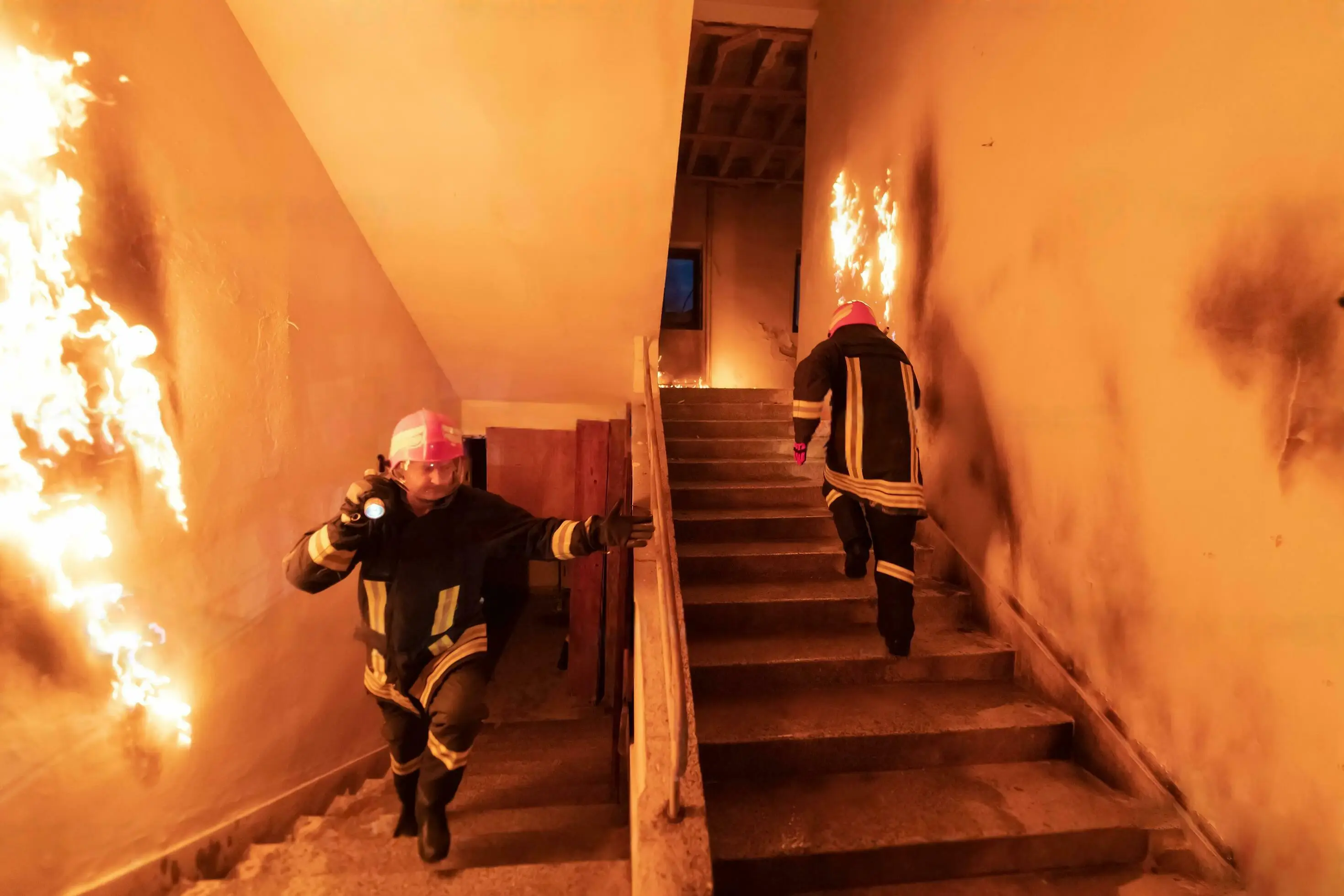
Fire Damage Restoration
Structural damage, soot, debris. We stabilize, clean, and rebuild what fire destroyed.
Learn more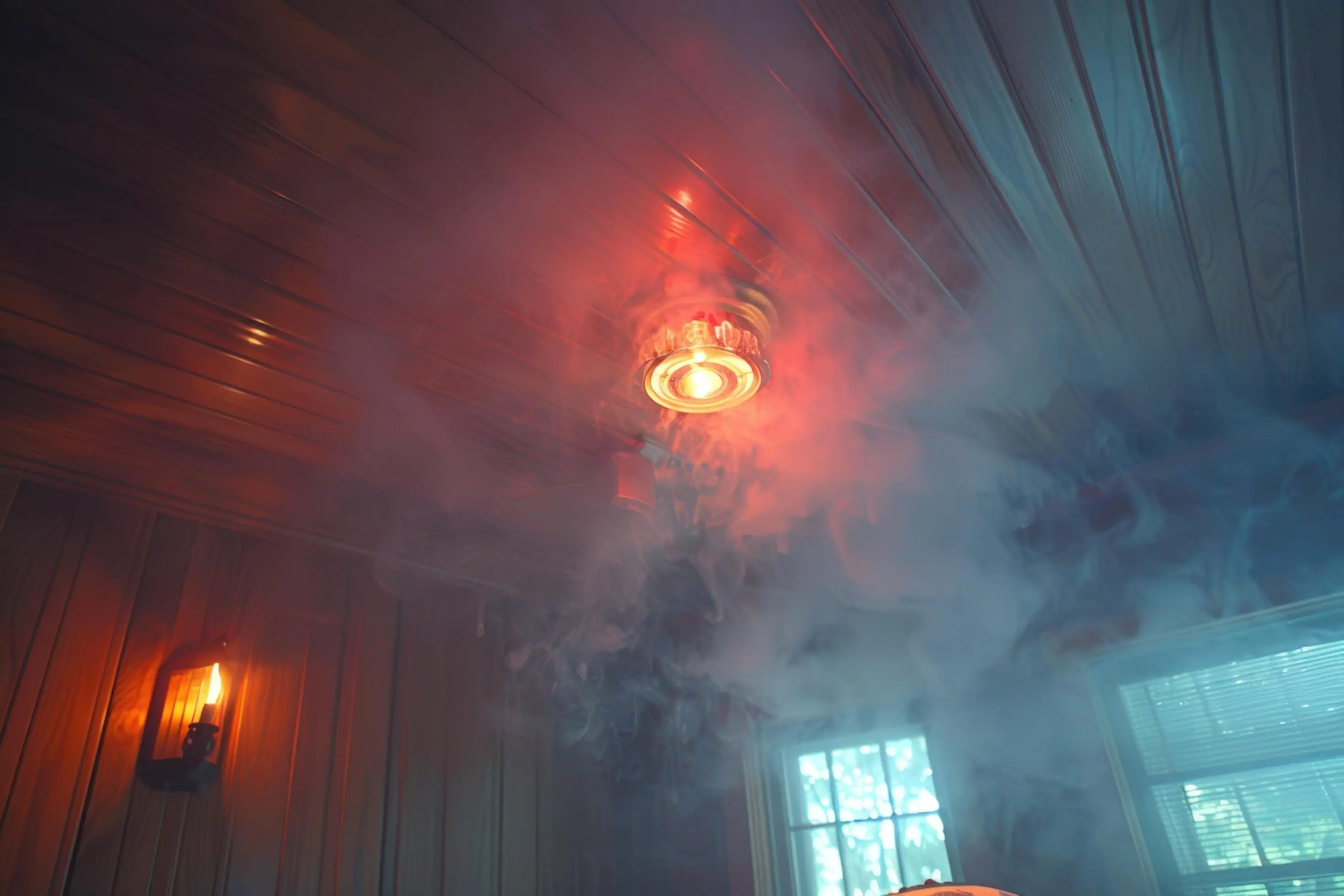
Smoke Damage Restoration
Soot residue, chemical odors, HVAC contamination. We decontaminate surfaces, eliminate odors, and restore air quality.
Learn more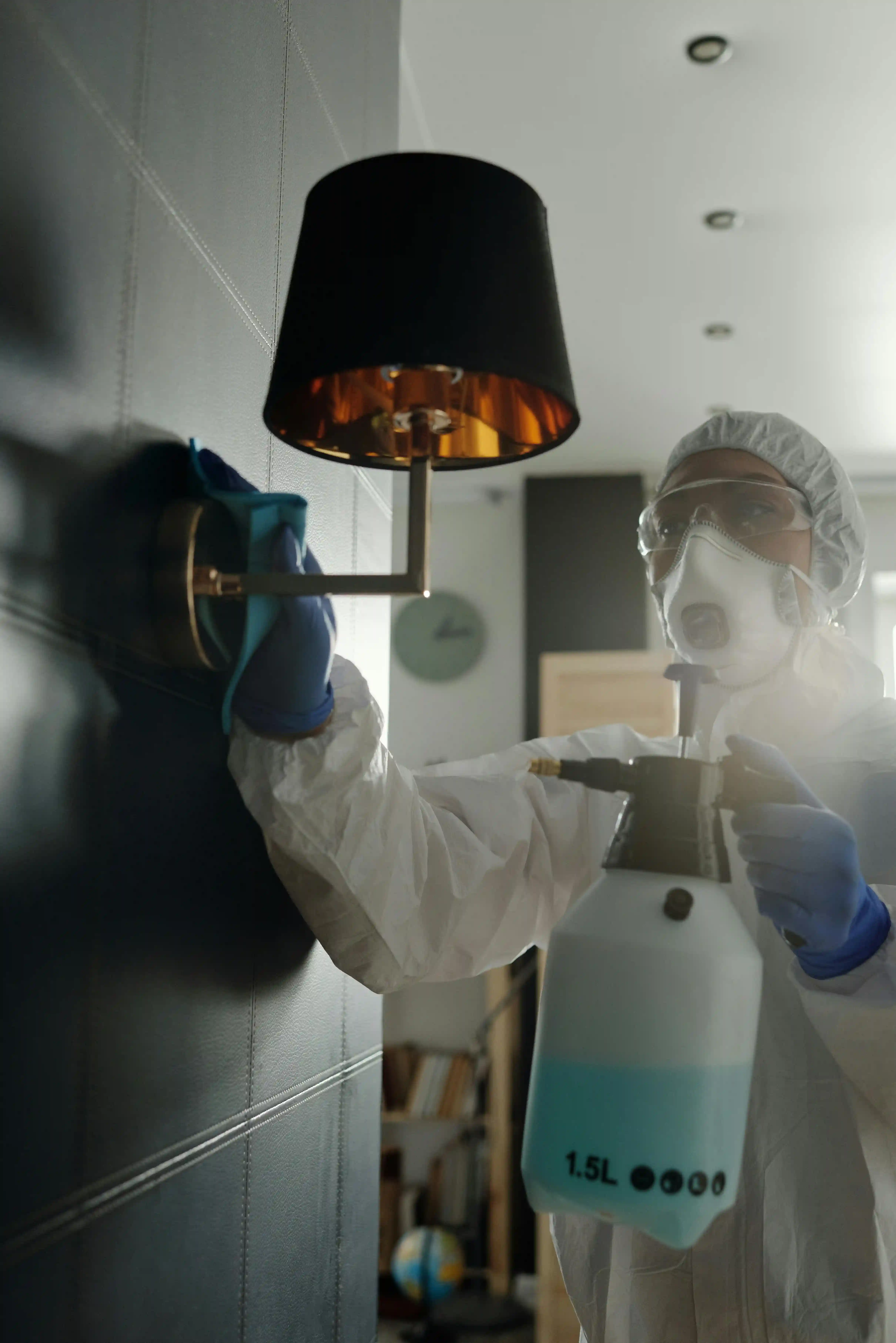
Mold Remediation
Testing, containment, removal, prevention. We find the source, eliminate the growth, and stop it from returning.
Learn moreNearby Service Areas
Also serving nearby: