
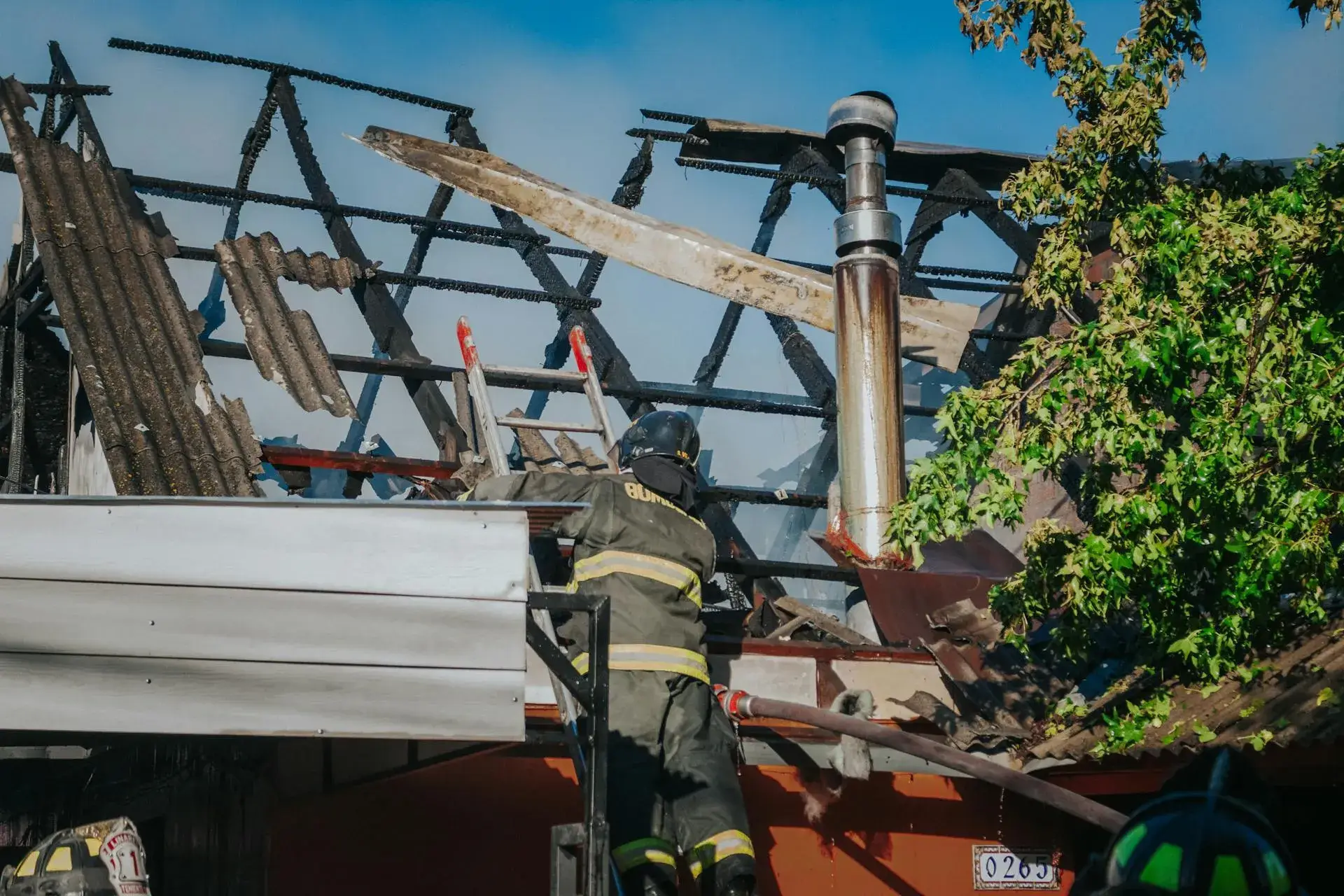
Fire Damage Restoration in Indianapolis, IN
Fire damage spreads through soot, char, and corrosive residues every hour you wait. Our local team responds to Indianapolis emergencies within 60 minutes to stabilize your property.
What Happens When You Call
A real person answers, not a call center. We assess your situation, ask the right questions, and begin coordinating your response immediately.
Your dedicated restoration team is dispatched from our local base serving Indianapolis and the surrounding Marion County communities.
Team arrives with board-up materials, structural assessment tools, and initial soot containment equipment. Emergency stabilization begins immediately.
Property secured, initial damage documented, restoration plan mapped. You know exactly what comes next and what your insurance needs.
Your home just experienced a fire and everything feels chaotic. You need someone to take control of the situation now, not after a callback queue, not next week. X Response exists for exactly this moment. When you reach out, your restoration team is mobilized within minutes and on site within the hour. From that point forward, one team manages everything: emergency stabilization, structural assessment, soot removal, odor elimination, and insurance documentation. You are never left guessing about the next step. Call now. Your team is standing by.
Why Indianapolis Homes Are Vulnerable to Fire Damage
Indianapolis is a city of approximately 887,642 residents across Marion County, protected by the Indianapolis Fire Department, one of the largest municipal fire departments in the Midwest. The Indianapolis Fire Department operates 44 fire stations across approximately 285 square miles of Marion County with 1,285 sworn personnel, making it one of the largest municipal fire departments in the Midwest. IFD responds to tens of thousands of emergency calls annually, with fire suppression, EMS, hazardous materials, and technical rescue comprising the department's mission. Despite this exceptional capability, fire damage remains a persistent reality across a city with housing stock spanning from 1890s-era homes in Irvington and Woodruff Place to new construction in the far-north and far-south townships. The diversity of construction types, building ages, and occupancy patterns across Marion County creates a fire risk profile that no single department configuration can eliminate.
Indianapolis has experienced significant structure fires that demonstrate the damage patterns homeowners face across different neighborhoods. The IFD Fire Investigations Section tracks fire origin, cause, and dollar loss for every investigated incident, maintaining data on incendiary, accidental, and undetermined classifications. Residential fires from cooking, heating equipment, electrical faults, and unattended candles remain the leading causes across the city. In older neighborhoods like Irvington, Fountain Square, and the near-east side, aging electrical systems, knob-and-tube wiring, and overloaded circuits create elevated ignition risk. In newer subdivisions on the far-north and far-south sides, complex HVAC systems, multiple fireplaces, and attached garages with stored flammables introduce different fire scenarios. Commercial fire risk concentrates in the downtown corridor, Mass Ave district, and Broad Ripple entertainment area where restaurants, bars, and mixed-use buildings share walls and proximity.
Pre-1960 Housing and Electrical Fire Risk
Indianapolis contains substantial concentrations of pre-1960 housing in neighborhoods like Irvington, Meridian-Kessler, Broad Ripple, Butler-Tarkington, Fountain Square, and Woodruff Place. These homes were built with electrical systems designed for far fewer circuits and lower amperage than modern households demand. Knob-and-tube wiring, undersized service panels, and aging cloth-wrapped conductors remain in many of these homes, sometimes concealed behind renovated walls. When homeowners add window air conditioning units, space heaters, home office equipment, and modern kitchen appliances to circuits designed for a few lights and a radio, the wiring operates near or beyond its rated capacity. Overheated wiring inside walls starts slow, smoldering fires that can burn undetected for hours before breaking through to visible flames, producing extensive structural and smoke damage throughout the home before occupants or smoke detectors become aware.
Mixed-Use Downtown and Commercial Fire Proximity
Indianapolis's downtown core, Mass Ave cultural district, Broad Ripple Village, and Fountain Square feature multi-story mixed-use buildings combining retail, restaurant, and residential space in close proximity. Restaurant fires from cooking equipment, grease ignition, and electrical faults are the leading cause of commercial fires nationally per NFPA data, and Indianapolis's concentration of dining and entertainment establishments in these districts creates a density of this specific risk. For residents in the condominiums, lofts, and apartments above or adjacent to these commercial spaces, a restaurant fire below can produce severe smoke damage throughout the building even when flames are contained to the point of origin. Fire in shared commercial-residential buildings travels through utility chases, HVAC plenums, and structural voids that connect spaces the occupants consider entirely separate.
Winter Heating and Supplemental Heat Sources
Indianapolis winters drive continuous furnace operation from November through March, with January average lows near 19 degrees Fahrenheit. Heating equipment is the second leading cause of home fires nationally per the National Fire Protection Association, and the risk concentrates in cold-climate communities where heating runs for months straight. Indianapolis's older homes near the city center and along the Monon Trail, built before current codes, face elevated risk from aging furnace components that have operated for decades. Space heaters in garages, workshops, and bonus rooms remain a common ignition source across Indianapolis neighborhoods during winter. Portable heaters placed too close to bedding, curtains, or stored items in garages and workshops account for a disproportionate share of residential fire fatalities. Gas fireplaces, wood-burning inserts, and supplemental heating in three-season rooms add ignition sources beyond the primary HVAC system.
Storm-Related Electrical Fires
The August 2026 derecho that swept through Indianapolis with wind gusts over 90 miles per hour caused widespread power outages, downed trees, and downed power lines across Marion County. When power lines contact structures, vegetation, or standing water, they can arc and ignite fires in attics, exterior walls, or landscaping adjacent to homes. Lightning strikes during Indiana's severe storm season, primarily April through August, hit homes directly, igniting attic insulation and roof materials or entering through electrical systems. Storm-origin fires are particularly damaging because they often occur simultaneously with water damage from the same storm, compounding the restoration with two concurrent damage types. Power restoration after extended outages can also trigger electrical fires when compromised wiring or damaged appliances receive power again.
Large Residential Properties and Complex Restoration
Indianapolis neighborhoods from Meridian-Kessler and the Butler-Tarkington area through newer developments in Geist and Fishers-adjacent areas include substantial homes with 3,000 to 6,000 or more square feet of living space. A fire in a large home presents restoration challenges beyond a standard residence: more square footage of smoke contamination, more complex ductwork to decontaminate, more surfaces requiring specialized cleaning, custom materials that cannot be replaced with standard products, and higher content values. Insurance claims on these properties are correspondingly complex, with replacement values that push policy limits and require detailed documentation of custom features. The multi-zone HVAC systems common in larger Indianapolis homes distribute smoke contamination rapidly to every served zone, turning a localized fire into whole-home smoke damage.
Fire damage restoration in Indianapolis requires understanding how fire behaves across the construction types prevalent here: pre-1960 homes with aging electrical systems in the city's historic neighborhoods, dense mixed-use buildings where commercial fires affect residential units above, large residential properties with complex HVAC and high-value content, and storm-related ignition from the severe weather events that regularly affect central Indiana. Effective restoration addresses fire damage as an integrated problem: structural char and compromise, smoke contamination throughout the building, water damage from suppression, and secondary mold risk if the structure is not properly dried.
What Happens to Your Home While You Wait
Within 1 Hour
Active fire is suppressed but soot and smoke residues are already bonding to every surface in the home. Acidic byproducts from burned plastics, synthetics, and treated wood begin corroding metal fixtures, etching glass, and permanently staining porous surfaces. The longer these residues remain in contact with materials, the more difficult and costly cleaning becomes.
1–24 Hours
Soot residue oxidizes and bonds more tightly to surfaces. Metal fixtures tarnish. Painted walls and ceilings yellow. Smoke odor penetrates soft furnishings, clothing, and upholstered furniture at the molecular level. If the HVAC system ran during or after the fire, contamination has spread to every room served by that system. Suppression water that was not extracted begins its own damage cycle.
24–48 Hours
Permanent staining sets on many surfaces that could have been cleaned if addressed sooner. Corrosion on metal appliances, hardware, and fixtures accelerates. Smoke odor embeds deeper into wood framing, carpet padding, and insulation. Water from fire suppression that was not extracted begins supporting mold growth in Indianapolis's warm, humid conditions.
48–72 Hours
Soot and smoke contamination that has not been professionally cleaned becomes significantly more difficult and expensive to address. Some surfaces cross the threshold from cleanable to requiring replacement. Mold from suppression water begins colonizing wall cavities and beneath flooring. The restoration scope expands substantially compared to what it would have been with faster intervention.
One Week and Beyond
Extensive corrosion damage to mechanical systems and fixtures. Permanent smoke odor embedded in structural framing that requires sealing or replacement. Mold growth from suppression water spreading through hidden cavities. What started as a fire restoration becomes a combined fire, smoke, water, and mold project with dramatically higher cost and timeline.
The difference between cleaning your home's surfaces and replacing them entirely is often just a few hours of response time after the fire is out. Contact X Response now. Our Indianapolis team responds within 60 minutes.
How We Restore Fire-Damaged Indianapolis Homes
From the moment our team arrives after the fire department clears the scene, every step is documented, measured, and coordinated. Here is exactly what the fire damage restoration process involves.
Emergency Stabilization and Board-Up
Our team arrives to secure the property immediately. Broken windows, compromised doors, and damaged roof sections are boarded and tarped to prevent weather intrusion, theft, and animal entry. In Indianapolis, where summer storms can follow a fire event within hours and winter temperatures can freeze exposed plumbing overnight, rapid stabilization prevents secondary damage that compounds the original fire loss. We document the full scope of fire, smoke, and water damage with photos and detailed notes from the first visit.
Structural Assessment and Safety Evaluation
We evaluate the structural integrity of fire-damaged areas to determine which sections of the home are safe to enter and work in. Fire weakens framing connections, compromises load-bearing walls, and can cause hidden damage in floor and roof systems that appears sound on the surface. In older Indianapolis homes with balloon-frame construction, fire travels through open wall cavities between floors, meaning damage may extend well beyond the visible burn area. Our assessment maps the fire's travel path through the structure and identifies every area that requires attention.
Soot and Smoke Residue Removal
Professional soot removal begins with identifying the smoke type, which determines the cleaning method for each surface. Protein-based smoke from kitchen fires requires different chemistry than synthetic smoke from burned plastics and furnishings. We clean walls, ceilings, trim, cabinetry, and all hard surfaces using the appropriate method for the residue type and surface material. HEPA air scrubbers run throughout the process to capture airborne particulate and improve air quality. In Indianapolis homes with multiple HVAC zones, each ductwork system is evaluated and decontaminated independently.
Odor Elimination
Smoke odor elimination goes far beyond masking with deodorizers. We use thermal fogging, hydroxyl generators, and ozone treatment (in unoccupied spaces) to neutralize odor at the molecular level. Smoke penetrates deep into wood framing, concrete, insulation, and soft goods, and effective elimination requires reaching these embedded sources. For Indianapolis homes with basements that absorbed smoke, the concrete walls and slab require specific treatment because concrete is highly porous and holds smoke compounds indefinitely if not properly addressed.
Suppression Water Removal and Structural Drying
Fire suppression generates significant water damage that must be addressed as part of fire restoration. We extract standing water from fire suppression, set up commercial dehumidifiers and air movers, and monitor the drying process until the structure reaches target moisture levels. In Marion County's humid climate, mechanical drying is essential. If suppression water is not fully addressed, mold colonization begins within 24 to 48 hours, adding a biological contamination problem on top of the fire damage. Our integrated approach treats fire, smoke, water, and mold prevention as one coordinated project.
The X Response Difference
When you contact X Response after a fire, you get a dedicated restoration team that manages every aspect of recovery as one integrated project. One team, one point of contact, one standard of work from start to finish.
Insurance Claim Guidance for Indianapolis Homeowners
Fire damage insurance claims in Indiana are typically covered under the dwelling and personal property sections of a standard homeowner's policy, but the process can become complex quickly. The claim must accurately distinguish between fire damage (structural char and compromise), smoke damage (contamination throughout the building), water damage (from fire suppression), and any secondary mold that develops. Each category has different coverage thresholds and documentation requirements. For Indianapolis homes with high replacement values, custom features, or significant personal property, thorough documentation from the first day of restoration is essential to ensure the claim reflects the full scope of loss.
How X Response Helps
- Document all fire, smoke, water, and mold damage with professional photos and detailed scope of work from day one
- Distinguish between fire damage, smoke contamination, suppression water damage, and secondary mold in documentation
- Prepare a comprehensive inventory of damaged personal property with replacement values
- Align our restoration scope with standard insurance coverage categories so your adjuster can process the claim efficiently
- Explain your policy's likely coverage before you file, so you understand your options and potential out-of-pocket exposure
X Response does not file claims on your behalf, adjust claims, or make coverage determinations. We provide documentation and guidance to help you make informed decisions about your property and your policy. Coverage decisions are made solely by your insurance carrier.
Certified Restoration Specialists Serving Indianapolis
When you contact X Response for a fire damage emergency in Indianapolis, your restoration team is drawn from certified professionals who work across Marion County and understand the specific challenges of restoring properties here. They know how fire behaves differently in the balloon-frame construction of Irvington's historic homes versus the modern stick-frame builds in the far-north townships. They have worked through commercial fire restoration in the Mass Ave and Broad Ripple districts, residential fire recovery in neighborhoods from Fountain Square to Speedway, and combined fire-and-storm damage events during Indiana's severe weather season. This is not a crew dispatched from hours away. It is a local team with local expertise, operating under national quality standards.
Every technician on your team holds current IICRC certification in fire and smoke restoration and carries the appropriate Indiana licensing for the work being performed. Equipment is commercial-grade and maintained to manufacturer specifications. When your team arrives, they bring everything needed to begin stabilization immediately, including board-up materials, structural assessment tools, HEPA filtration, and professional cleaning systems for every surface and smoke type.
In Indianapolis, X Response works with The Cleaning Source, an independent local restoration partner serving Marion County.
Fire Damage Restoration FAQ for Indianapolis Homeowners
Other Emergency Services in Indianapolis

Water Damage Restoration
Burst pipes, storm flooding, standing water. We extract, dry, and restore before mold sets in.
Learn more
Smoke Damage Restoration
Soot residue, chemical odors, HVAC contamination. We decontaminate surfaces, eliminate odors, and restore air quality.
Learn more
Mold Remediation
Testing, containment, removal, prevention. We find the source, eliminate the growth, and stop it from returning.
Learn more
Sewage Cleanup
Sewer backups, contaminated water, biohazard. We extract, sanitize, and restore safely.
Learn moreNearby Service Areas
Also serving nearby: