
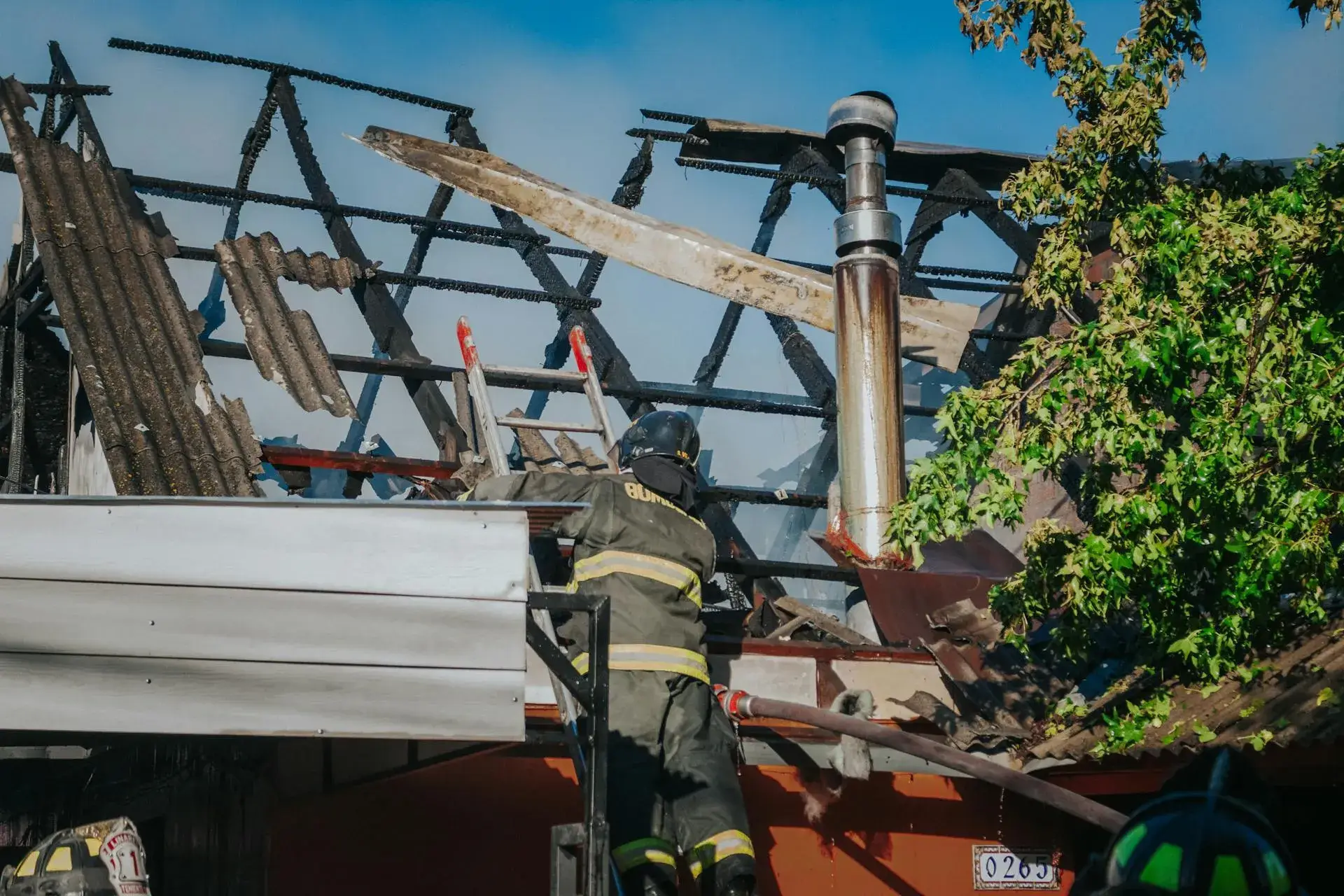
Fire Damage Restoration in Roeland Park, KS
Acidic soot and extinguishing water cause rapid structural decay in residential properties. Our Roeland Park fire response team is on site within 60 minutes.
What Happens When You Call
Your emergency call connects directly with our certified fire restoration manager who coordinates immediate dispatch to your Roeland Park address.
Technicians arrive within 60 minutes to perform safety assessments, board up compromised windows, and tarp damaged roof structures.
High-capacity extraction units remove standing firefighting water from basements and subfloors to prevent structural failure.
Our team applies specialized chemical counter-measures and activates commercial HEPA air scrubbers to neutralize acidic soot deposits.
A residential structure fire produces severe secondary damage long after the flames are extinguished. Corrosive combustion soot, toxic gases, and thousands of gallons of firefighting water immediately begin degrading fine finishes, structural framing, and home electronics across your Roeland Park residence. X Response provides immediate emergency fire mitigation. Our certified technicians arrive equipped with structural shoring, security board-up materials, and specialized soot-neutralizing chemistry to stabilize the environment and protect your property from ongoing chemical corrosion. Call our Roeland Park emergency fire restoration team now.
Why Roeland Park Homes Are Vulnerable to Fire Damage
Roeland Park occupies an established residential enclave in northeast Johnson County, characterized by compact, mature streetscapes developed primarily during the late 1930s through the 1950s. The community's historic subdivisions, including Roe Manor Heights, Roe Highlands, Southridge, and the residential avenues near R Park and Grennan Heights, feature traditional architectural styles such as wood-frame Cape Cods, stone bungalows, and mid-century ranches. Many of these older homes incorporate dimensional lumber framing, lath and plaster walls or early gypsum board, original masonry fireplaces, and below-grade basements with perimeter concrete block or native limestone walls. Over several decades, extensive residential remodels have modernized floor plans while often preserving original vertical utility chases, creating open conduits through which superheated smoke and fire gases can migrate rapidly during an ignition event.
Consolidated Fire District No. 2 provides structural fire protection to Roeland Park from regional stations including Station 21, maintaining a Class 1 ISO Public Protection Classification. Under regional mutual-aid and district operations, professional fire suppression companies deploy rapidly into Roeland Park's narrow, winding residential streets. When suppression teams combat a structure fire in a compact post-war home, controlling the flames demands aggressive interior hose streams that deliver hundreds of gallons of water per minute. While this rapid response halts structural spread, extinguishing water quickly penetrates subfloors, cascades down interior wall cavities, and pools deeply in subterranean basements, creating an urgent composite crisis of structural fire damage, acidic soot contamination, and catastrophic water saturation.
Balloon and Early Platform Framing Chaseways
Many older homes in Roeland Park built in the late 1930s and 1940s incorporate early platform or modified balloon framing without modern internal fire blocking. When a fire originates in a basement furnace area, kitchen, or laundry alcove, thermal currents draw superheated combustion gases upward through unsealed wall cavities and pipe chases into attic rafters. The unsealed chases act like interior chimneys, spreading combustion soot throughout the home before exterior venting is established.
Suppression Water Runoff in Finished Basements
Extinguishing a residential fire requires thousands of gallons of water from emergency fire lines. In Roeland Park's older bungalows and cottages, water drains through hardwood subfloors and accumulates across basement concrete slabs. Mixed with toxic soot particulate, dissolved drywall gypsum, and char debris, this standing water quickly damages finished basement living spaces and electrical panels, requiring immediate truck-mounted extraction and industrial dehumidification.
Acidic Synthetic Soot Etching on Household Finishes
Modern home furnishings, including foam upholstery, polyester carpeting, laminated cabinetry, and electronic enclosures, produce dense, acidic soot when burned. In Roeland Park homes, these sticky chemical residues settle on architectural glass, chrome plumbing fixtures, kitchen appliances, and polished stone. Within 24 hours, acidic residues begin etching metals and permanently discoloring painted surfaces unless neutralized with professional dry chemical sponges and specialized alkaline rinses.
Attached Single-Car Garages and Workshop Hazards
A large portion of Roeland Park homes feature attached single-car garages positioned directly beneath or adjacent to primary living quarters. Garages frequently store lawn care equipment, gasoline containers, paint thinners, and power tools. When an electrical short or chemical fire ignites in an attached garage, high fuel loads trigger rapid flashover, breaching interior drywall separations and threatening shared attic trusses.
Forced-Air HVAC Distribution of Toxic Particulates
Central heating and air conditioning systems in Roeland Park properties pull combustion soot into return air grills if blowers run during or immediately after a fire. Microscopic soot particulates coat internal ductwork walls, blower assemblies, and cooling coils. Unless isolated and professionally decontaminated using commercial negative-air containment and HEPA vacuums, restarting the HVAC system circulates toxic smoke particles into clean living areas.
Recovering from a major residential fire in Roeland Park requires technical expertise in soot neutralization, structural stabilization, and water extraction. Our IICRC-certified restoration specialists deploy commercial air scrubbers, thermal foggers, and industrial drying equipment to restore properties safely and efficiently.
What Happens to Your Home While You Wait
Within Minutes
Hot acidic soot blankets horizontal and vertical surfaces throughout the home. Plastics, appliance housings, and synthetic textiles begin chemically yellowing and discoloring. Firefighting water collects on finished floors and leaks into lower basement spaces.
1–24 Hours
Acidic residues cause chemical etching on polished marble, glass mirrors, and metallic bathroom hardware. Soot odors absorb deeply into porous drywall, hardwood subfloors, and ceiling insulation. Standing water initiates warping in subflooring and framing.
24–48 Hours
Soot stains become permanently embedded in painted walls, wooden cabinetry, and porous grout lines. Bare metals begin pitting and corroding. Unextracted extinguishing water promotes rapid bacterial growth and initiates mold germination in warm wall cavities.
48–72 Hours
Corrosion permanently destroys sensitive electronic components and home wiring circuits. Structural lumber in wall assemblies begins showing signs of moisture fatigue. Smoke odors penetrate deeply into structural framing, requiring advanced thermal fogging.
One Week and Beyond
Acidic soot etching becomes irreversible, requiring total replacement of fixtures, glass, and cabinets. Structural timbers suffer dry rot or microbial degradation from trapped moisture, and persistent smoke odors settle permanently into masonry and structural framing.
Immediate intervention prevents chemical etching and permanent structural odor. Contact X Response immediately for emergency fire restoration in Roeland Park.
How We Restore Fire-Damaged Roeland Park Homes
Our IICRC-certified fire restoration protocol provides rigorous structural cleaning, soot neutralization, and air quality restoration for Roeland Park homeowners.
Emergency Structural Stabilization and Board-Up
We arrive within 60 minutes to secure compromised door entries, window openings, and punctured roof decking with weather-resistant plywood and heavy tarps, protecting your Roeland Park property from weather intrusion and unauthorized entry.
Suppression Water Extraction and Moisture Control
Technicians deploy commercial truck-mounted vacuum extractors to remove thousands of gallons of extinguishing water from basements, floor cavities, and crawl spaces, installing commercial dehumidifiers to stop secondary mold growth.
Soot Residue Identification and Chemical Cleaning
We classify soot types, whether wet, dry, protein, or fuel oil residue, and apply specialized chem-sponges, enzymatic degreasers, and alkaline rinses to strip corrosive acids from walls, ceilings, and architectural trim without spreading stains.
Thermal Fogging and Hydroxyl Odor Neutralization
Our technicians deploy commercial hydroxyl generators and thermal foggers that recreate combustion conditions, driving odor-counteracting compounds deep into structural wood pores and masonry to neutralize smoke odors at the molecular level.
HVAC Decontamination and HEPA Air Scrubbing
We seal off living spaces with plastic containment barriers and connect high-volume HEPA air filtration units while mechanically brushing and sanitizing ductwork runs, eliminating lingering smoke particles from the indoor air.
The X Response Difference
Restoring a fire-damaged home requires scientific chemical cleaning and certified structural care. Trust X Response for complete restoration in Roeland Park.
Insurance Claim Guidance for Roeland Park Homeowners
Navigating a fire damage insurance claim in Roeland Park requires meticulous documentation to verify structural losses, personal property destruction, and emergency mitigation costs under Kansas insurance standards. Structural damage, soot decontamination, board-up, and water extraction are standard covered perils under residential property policies. However, detailed itemization is crucial to ensure fair replacement valuation. We work directly alongside your insurance adjuster, delivering the engineering data and itemized scopes necessary to expedite claim resolution.
How X Response Helps
- Comprehensive digital photo and video inventory of all structural char, soot etching, and suppression water damage
- Detailed line-item repair scopes prepared with industry-standard Xactimate estimating software matching Johnson County labor rates
- Clear separation of non-salvageable structural materials from salvageable architectural elements to maximize coverage limits
- Daily moisture and air quality logs proving the necessity of deployed water extractors and commercial air scrubbers
- Direct on-site coordination with insurance claims adjusters to walk through damage and answer technical remediation questions
X Response provides certified restoration, structural stabilization, and damage documentation. We do not act as public adjusters or negotiate claim settlements. Property owners should review policy limits, deductibles, and coverages with their licensed insurance representative.
Certified Restoration Specialists Serving Roeland Park
Our fire restoration technicians maintain advanced credentials from the Institute of Inspection, Cleaning and Restoration Certification (IICRC), including Fire and Smoke Restoration Technician (FSRT), Odor Control Technician (OCT), and Water Damage Restoration Technician (WRT). Serving Roeland Park, Mission, and Fairway, our team brings exceptional dedication and technical skill to every residential restoration project.
We operate fully equipped emergency service units stocked with industrial HEPA air scrubbers, hydroxyl generators, structural shoring supplies, and eco-friendly chemical neutralizers. We prioritize homeowner safety, clear communication, and impeccable workmanship throughout every phase of the restoration journey.
In Roeland Park, X Response works with Best Option Restoration, an independent local restoration partner serving Johnson County.
Fire Damage Restoration FAQ for Roeland Park Homeowners
Other Emergency Services in Roeland Park
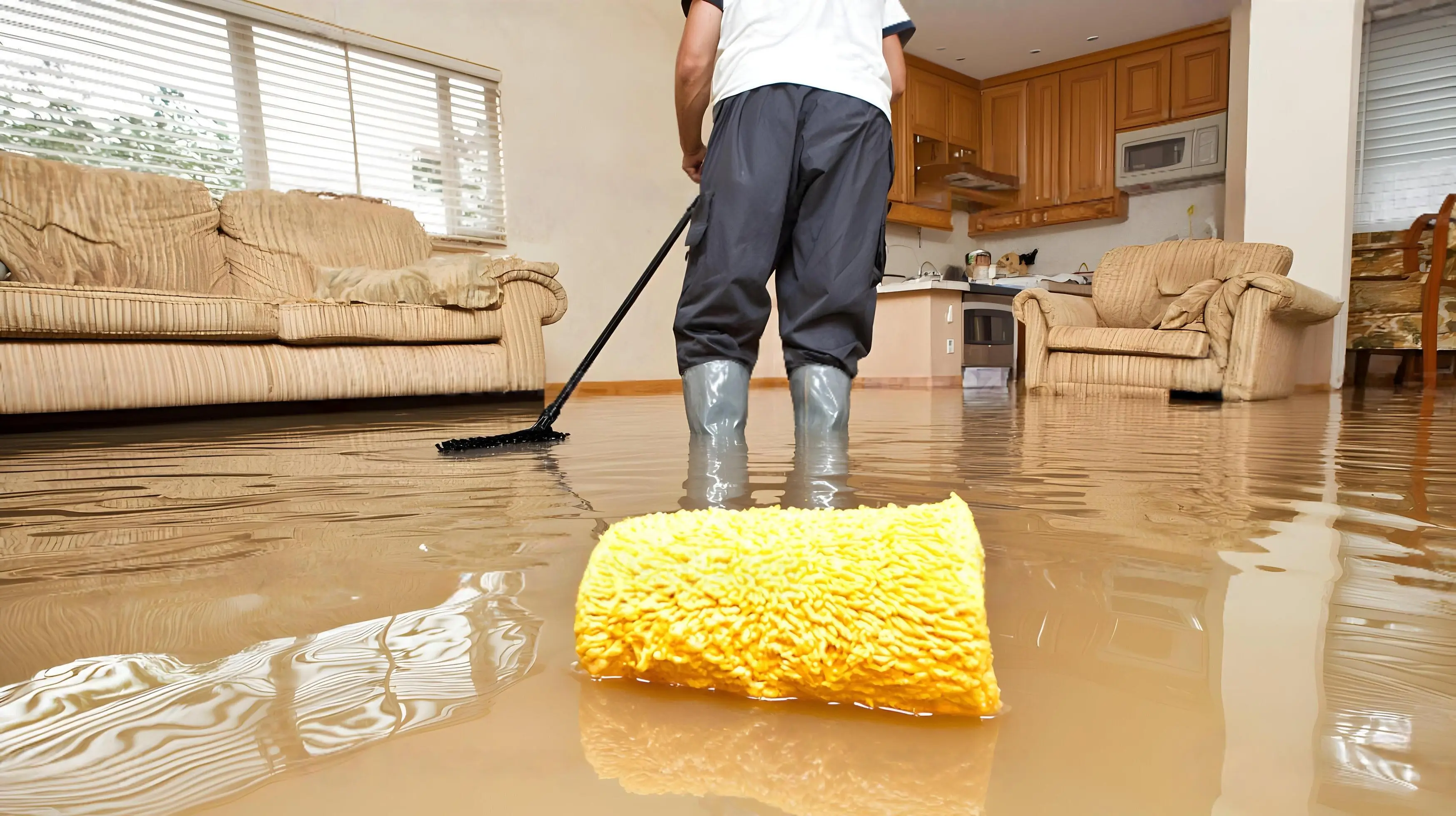
Water Damage Restoration
Burst pipes, storm flooding, standing water. We extract, dry, and restore before mold sets in.
Learn more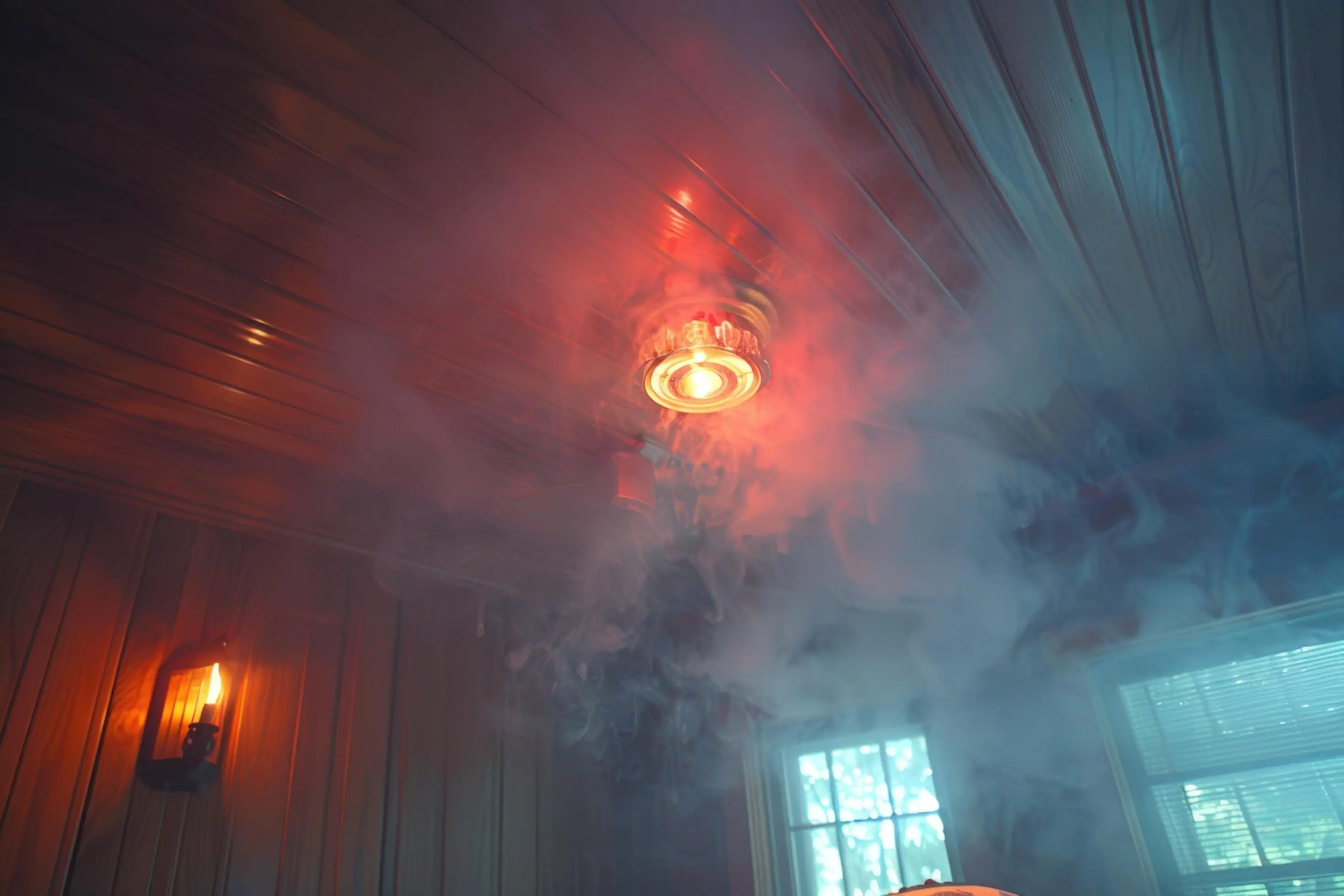
Smoke Damage Restoration
Soot residue, chemical odors, HVAC contamination. We decontaminate surfaces, eliminate odors, and restore air quality.
Learn more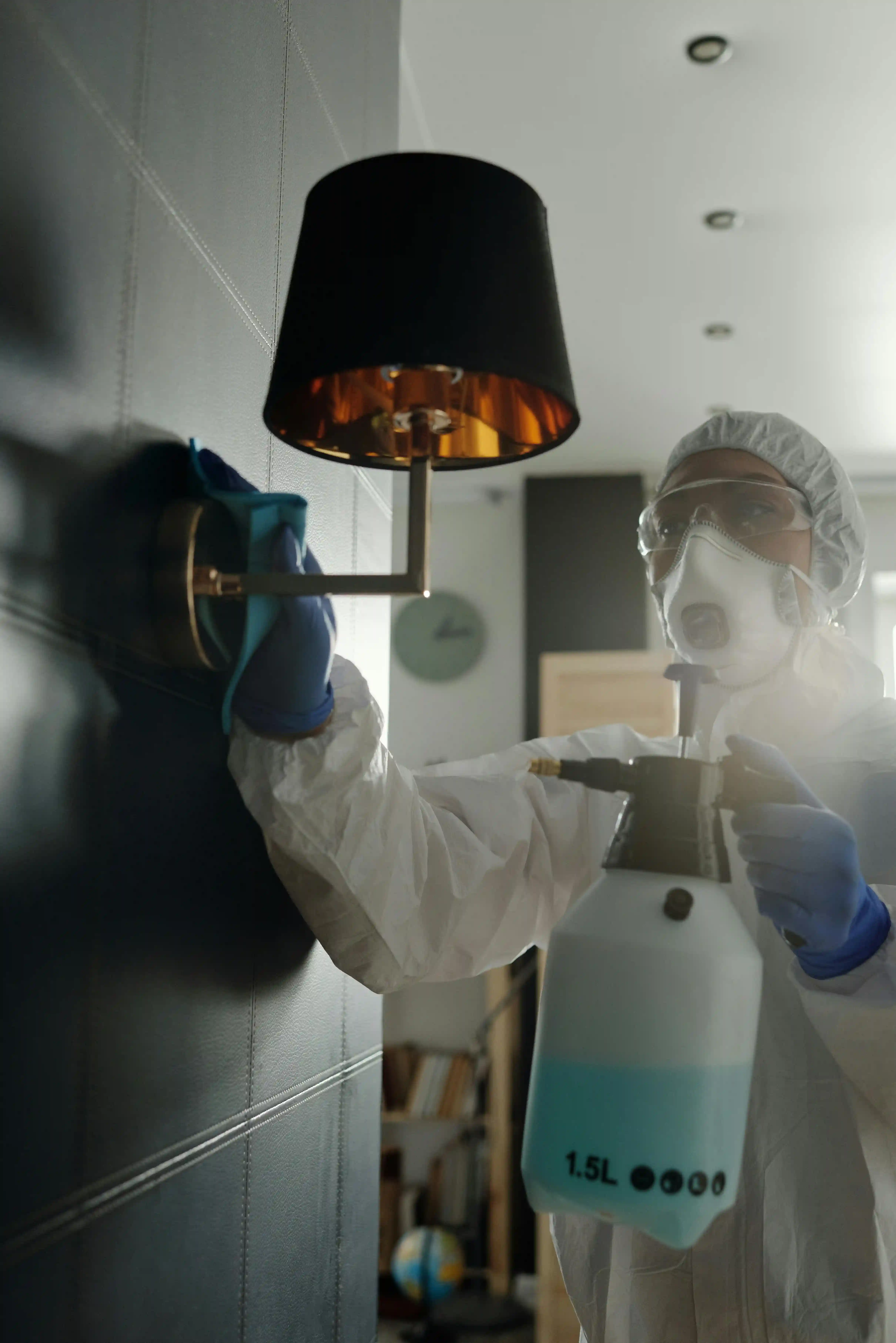
Mold Remediation
Testing, containment, removal, prevention. We find the source, eliminate the growth, and stop it from returning.
Learn more
Sewage Cleanup
Sewer backups, contaminated water, biohazard. We extract, sanitize, and restore safely.
Learn more