
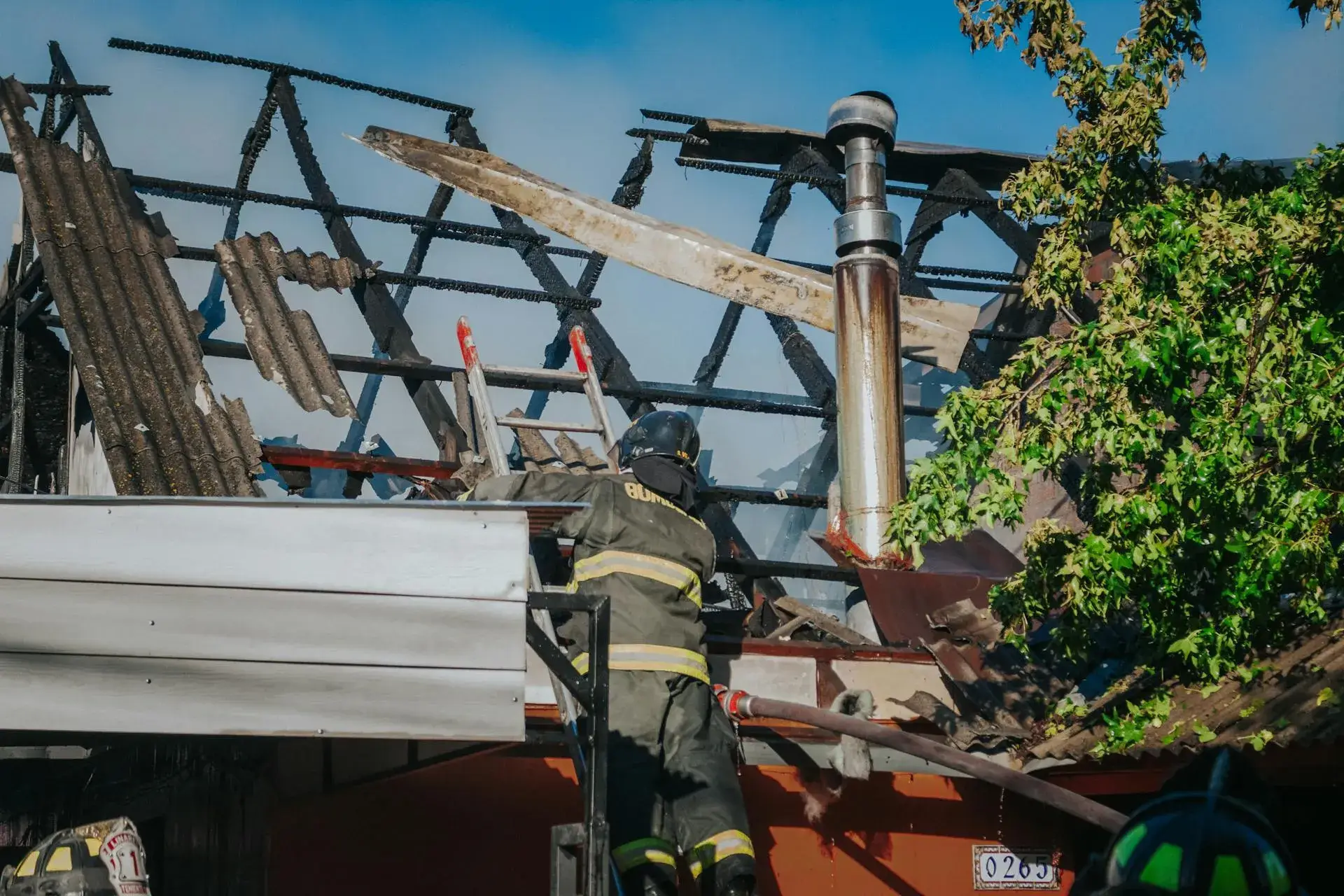
Fire Damage Restoration in Prairie Village, KS
Acidic soot and extinguishing water cause rapid structural decay. Our Prairie Village fire response team is on site within 60 minutes.
What Happens When You Call
Your emergency call connects directly with our certified fire restoration coordinator who dispatches an emergency crew to your Prairie Village address.
Technicians arrive within the hour to perform structural safety assessments, emergency roof tarping, and security board-up on compromised openings.
Our team extracts thousands of gallons of standing firefighting water from basements and main living areas to prevent structural collapse.
Soot stabilization begins immediately using dry chemical sponges and HEPA air filtration to prevent acidic soot from permanently etching finishes.
A residential fire leaves behind a complex web of structural damage, toxic residue, and standing extinguishing water. While firefighters save lives and extinguish flames, the chemical reactions triggered by heat and combustion continue to damage your Prairie Village home long after the fire department leaves. X Response provides immediate post-fire mitigation. We arrive with security board-up equipment, structural bracing, and specialized chemical soot neutralizers to halt secondary damage and protect your property. Contact our Prairie Village fire restoration team now.
Why Prairie Village Homes Are Vulnerable to Fire Damage
Prairie Village features a distinctive architectural character shaped by post-World War II residential development. Built largely between 1941 and the early 1960s, the city's housing stock predominantly comprises single-story ranch homes, Cape Cod cottages, and split-level designs with dimensional fir and pine framing. Many properties retain original layout elements, including attached single or double-car garages, wood-paneled living rooms, and open rafter attic spaces that lack modern gypsum draft stops. These construction techniques allow convective heat and fire gas to travel rapidly along ceiling plenums and roof trusses once a fire penetrates wall assemblies.
Consolidated Fire District No. 2 provides fire protection across Prairie Village from its headquarters on West 63rd Street and Station 23 on Mission Road, maintaining a Class 1 ISO Public Protection Classification. This prestigious top-tier rating reflects the district's rapid dispatch, professional staffing, and dense network of municipal fire hydrants across northeast Johnson County. When CFD2 units arrive at a residential fire, aggressive interior attacks and roof ventilation frequently require pumping hundreds to thousands of gallons of water per minute into the structure. While this rapid intervention suppresses the blaze and preserves exterior framing, the volume of extinguishing water cascades down through floor assemblies into finished basements, leaving homeowners facing an urgent combination of fire, soot, and category three water damage.
Mid-Century Dimensional Framing and Attic Fire Spread
The post-war residential architecture common in Prairie Village neighborhoods like Corinth Hills and Prairie Village Shopping Center surrounds uses true dimensional lumber that has thoroughly seasoned over six decades. While dense and structurally sound, older framing burns hot and fast when exposed to open flame. Low-pitch ranch roofs feature unified attic cavities that span the entire footprint of the residence. Without vertical draft stops or modern fire dampers, fire originating in a utility room or kitchen sweeps swiftly through attic rafters, threatening the structural integrity of the roof deck.
Suppression Water Accumulation in Finished Basements
Fire suppression is inherently water-intensive. When CFD2 hoses extinguish an attic or kitchen blaze, water seeks the lowest elevation in the home, draining through floor penetrations, duct registers, and wall cavities directly into the basement. In Prairie Village, where basements frequently house carpeted family rooms and home offices, this runoff creates an immediate pooling crisis. Extinguishing water carries dissolved soot, wood ash, and chemical residues, saturating subflooring and drywall with toxic liquid that must be extracted immediately.
Acidic Soot Deposition on Modern Materials
Modern home furnishings contain high volumes of synthetic polymers, polyurethane foams, and chlorinated vinyls. When synthetic items burn, they generate acidic soot containing hydrochloric, sulfuric, and hydrocyanic compounds. Within hours of deposition, this acidic residue attacks chrome plumbing fixtures, glass mirrors, polished marble countertops, and electronic circuit boards across unaffected rooms in your Prairie Village home, causing permanent chemical pitting if not neutralized.
Attached Garage Fire Risks and Living Area Breaches
Nearly all Prairie Village ranch homes incorporate attached front-loading or side-loading garages. Historically built without modern two-hour fire-rated separation walls or self-closing steel fire doors, older garages house significant fire fuel loads, including vehicles, power equipment, gasoline cans, and lithium-ion batteries. When garage fires occur, flames breach the residential barrier within minutes, pushing thick combustion gases directly into primary living quarters.
HVAC Forced-Air Soot Distribution
Most Prairie Village residences utilize central forced-air HVAC furnaces and air conditioning systems. If a heating and cooling system operates during or immediately following a fire, blower fans pull soot particles and microscopic smoke particulates into ductwork. The system then pressurizes and circulates these toxic contaminants into every room, embedding soot inside closet spaces, ceiling insulation, and finished flooring throughout the structure.
Recovering from a residential fire in Prairie Village requires an integrated response that addresses structural burns, corrosive chemical soot, water saturation, and pervasive smoke odors simultaneously. Our certified restoration teams utilize industrial equipment and precise chemical neutralizing solutions engineered specifically for residential building restorations.
What Happens to Your Home While You Wait
Within Minutes
Hot soot particles settle on every surface. Acidic chemical residues begin reacting with porous surfaces, causing immediate yellowing of synthetic fabrics, staining of plastic appliances, and discoloration of kitchen cabinetry. Extinguishing water pools across finished flooring and starts leaking into lower basement spaces.
1–24 Hours
Acidic soot causes irreversible etching on polished metal fixtures, chrome bathroom faucets, and glass window panes. Unprotected drywall absorbs chemical odors deeply into its porous gypsum core. Extinguishing water saturates subfloors and baseboards, initiating wood swelling and carpet delamination.
24–48 Hours
Corrosive soot penetrates deep into wooden furniture finishes, painted drywall, and electrical appliances. Bare metal fixtures pit and corrode permanently. Unmitigated extinguishing water in Prairie Village basements promotes rapid bacterial colonization and initiates mold growth.
48–72 Hours
Structural framing begins showing signs of severe water weakening. Acidic soot causes permanent chemical staining on porcelain plumbing fixtures and grout lines. Smoke odors permeate deep into structural wall framing, subflooring, and crawl space insulation, requiring thermal fogging and hydroxyl neutralization.
One Week and Beyond
Restoration costs multiply significantly as materials that could have been cleaned require complete replacement. Structural joists and subfloors undergo dry rot or warp beyond repair. Embedded chemical soot requires full structural gutting down to bare framing members.
Immediate mitigation is vital to prevent acidic soot from permanently destroying household finishes. Call X Response now for 24/7 emergency fire response in Prairie Village.
How We Restore Fire-Damaged Prairie Village Homes
Our IICRC-certified fire restoration protocol follows strict technical standards to ensure safe, comprehensive property recovery.
Emergency Board-Up, Tarping, and Structural Stabilization
Our initial priority is securing your Prairie Village home against weather intrusion, wildlife, and unauthorized access. We board up broken windows and doors, install heavy-duty exterior tarps over compromised roof structures, and erect temporary structural shoring to support weakened ceiling joists and exterior walls.
Extinguishing Water Extraction and Environmental Stabilization
Before soot cleanup can safely begin, our technicians extract standing firefighting water from basements and living areas using industrial pump units. We deploy commercial dehumidifiers and air movers to lower ambient relative humidity, halting rust formation and preventing secondary mold colonization.
Selective Demolition and Debris Removal
Charred structural members, destroyed drywall, and unsalvageable porous contents are carefully removed to eliminate primary odor reservoirs. Every discarded item is cataloged, photographed, and entered into an itemized inventory report for your insurance carrier before disposal.
Precision Soot Removal and Chemical Neutralization
We utilize specialized dry chemical sponge techniques, HEPA-filtered vacuum systems, and targeted alkaline cleaning solutions to lift soot from walls, ceilings, and delicate surfaces without forcing soot deeper into pores. Wood framing is cleaned, hand-sanded where scorched, and sealed with odor-barrier encapsulants.
Advanced Thermal Deodorization and Air Scrubbing
To eliminate stubborn combustion odors, we deploy industrial hydroxyl generators and thermal foggers that break down odor molecules at a molecular level. High-volume HEPA air scrubbers run continuously, filtering microscopic carbon particulates and volatile organic compounds (VOCs) until air quality testing confirms a clean, safe environment.
The X Response Difference
Restore your home with scientifically proven fire mitigation. X Response protects your investment with certified restoration expertise.
Insurance Claim Guidance for Prairie Village Homeowners
Fire damage claims in Kansas are among the most complex property loss scenarios homeowners encounter. Insurance policies typically encompass several distinct coverage categories, including dwelling coverage (Coverage A) for structural repair, personal property (Coverage C) for contents cleaning or replacement, and additional living expenses (Coverage D) while your Prairie Village residence remains uninhabitable. Our staff works directly with your adjuster to ensure every component of structural damage, soot deposition, and water saturation is thoroughly accounted for.
How X Response Helps
- Comprehensive line-item estimates written in Xactimate, the industry-standard software utilized by major property insurance carriers
- Complete digital photo and video documentation capturing structural fire patterns, smoke migration, and extinguishing water depth
- Detailed total loss contents inventories with manufacturer specifications, model numbers, and replacement cost estimates
- Direct coordination with insurance adjusters during on-site inspections to review structural scopes and testing results
- Detailed cause-and-origin documentation that distinguishes fire suppression water damage from ordinary plumbing issues
X Response performs professional restoration and provides technical documentation to support property claims. We do not practice public adjusting or establish policy coverage. Homeowners should consult their insurance carrier regarding policy limits, deductibles, and specific endorsements.
Certified Restoration Specialists Serving Prairie Village
Our fire and smoke remediation professionals hold advanced certifications from the Institute of Inspection, Cleaning and Restoration Certification (IICRC), including Fire and Smoke Restoration Technician (FSRT) and Odor Control Technician (OCT). Operating throughout northeast Johnson County, our team brings extensive experience in restoring both historic mid-century ranches and modern custom homes in Prairie Village.
We operate specialized mobile response units stocked with heavy-duty board-up materials, extraction machinery, hydroxyl generators, and specialized cleaning agents. From your first emergency call to final walkthrough, our team delivers technical rigor, clear guidance, and compassionate service to help your family recover from a fire loss with confidence.
In Prairie Village, X Response works with Best Option Restoration, an independent local restoration partner serving Johnson County.
Fire Damage Restoration FAQ for Prairie Village Homeowners
Other Emergency Services in Prairie Village
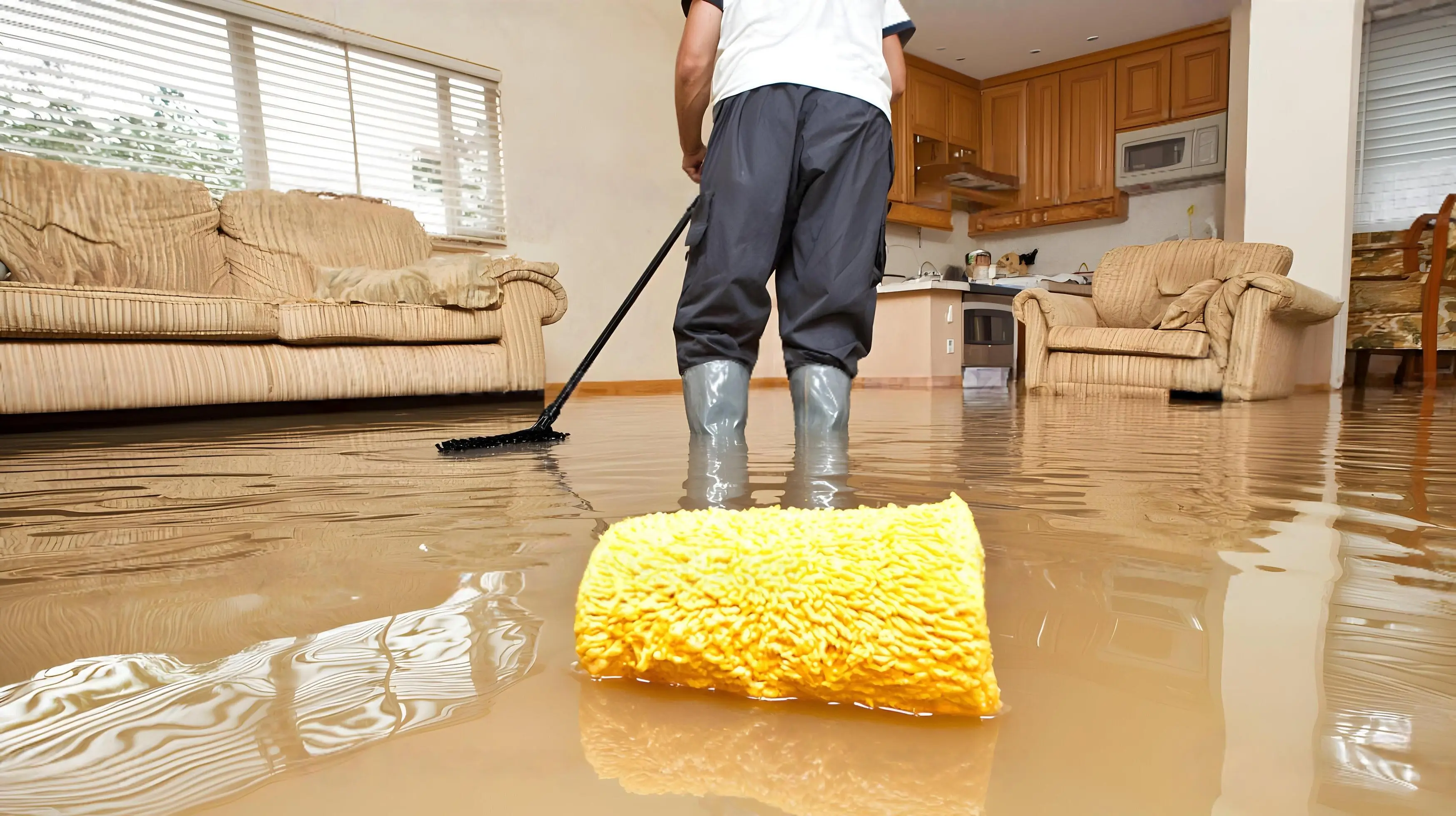
Water Damage Restoration
Burst pipes, storm flooding, standing water. We extract, dry, and restore before mold sets in.
Learn more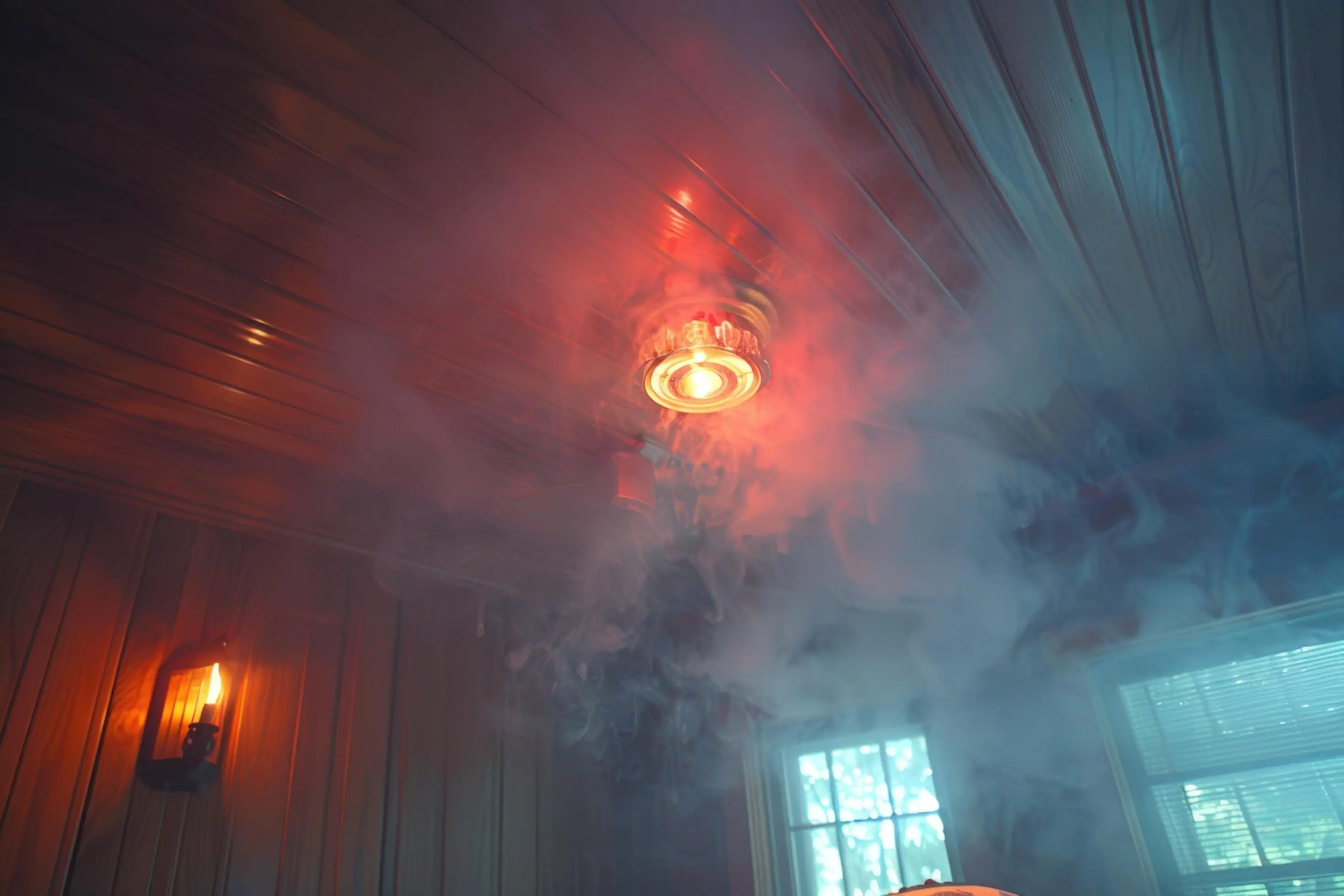
Smoke Damage Restoration
Soot residue, chemical odors, HVAC contamination. We decontaminate surfaces, eliminate odors, and restore air quality.
Learn more
Mold Remediation
Testing, containment, removal, prevention. We find the source, eliminate the growth, and stop it from returning.
Learn more
Sewage Cleanup
Sewer backups, contaminated water, biohazard. We extract, sanitize, and restore safely.
Learn moreNearby Service Areas
Also serving nearby: