
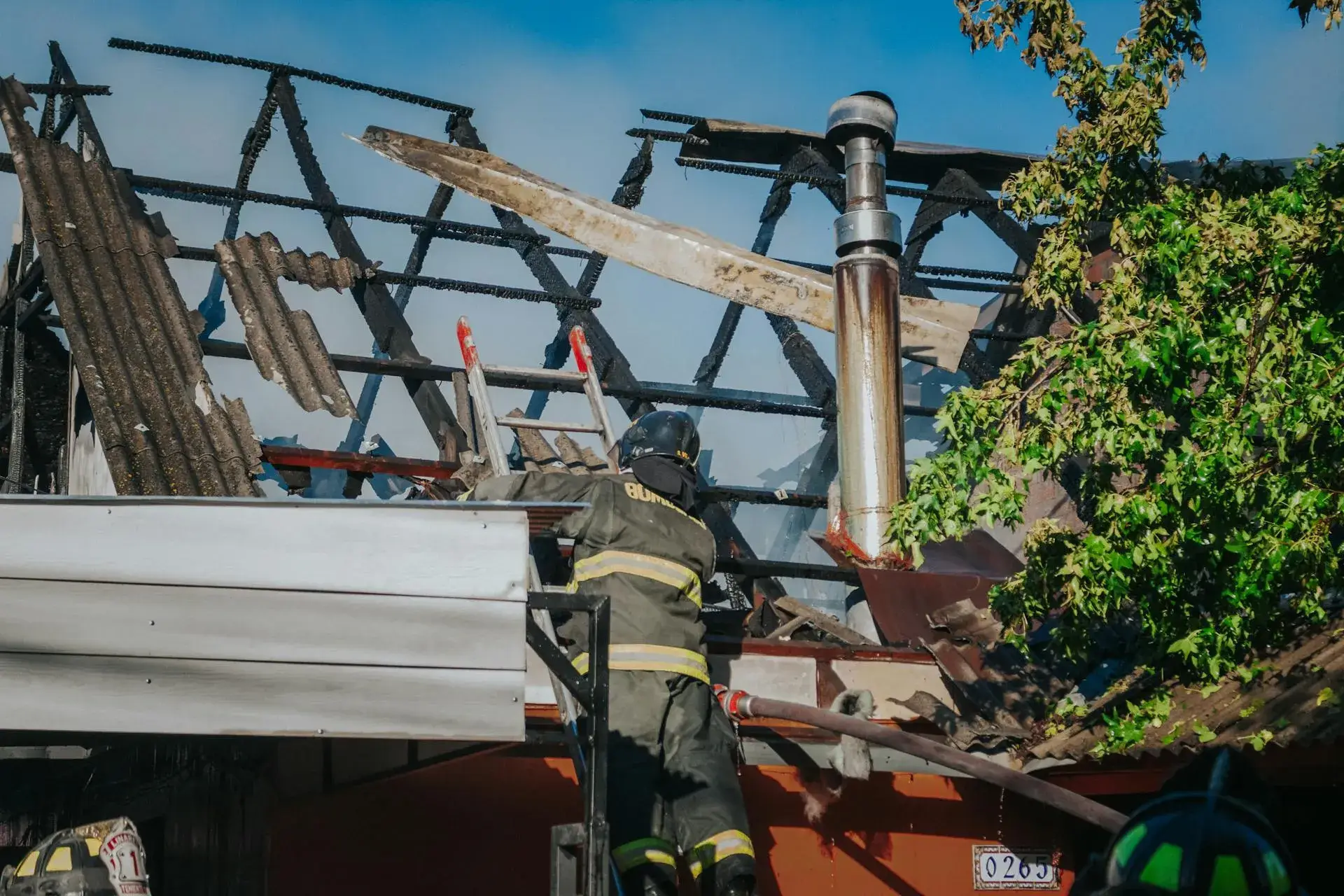
Fire Damage Restoration in Mandeville, LA
After a fire in your Mandeville home, acidic soot and moisture from suppression efforts continue damaging your property every hour. Our St. Tammany Parish team responds immediately to halt secondary damage.
What Happens When You Call
A real person takes your emergency call and dispatches our Mandeville fire restoration specialists immediately.
The team secures your property with emergency board-up and assesses structural integrity throughout the building.
Systematic soot removal and firefighting water extraction begin simultaneously to prevent secondary damage.
Full restoration planning proceeds with detailed documentation for your insurance carrier.
Fire damage does not stop when the flames are out. Soot residues are acidic and begin corroding metal surfaces, etching countertops, and permanently staining materials within hours. Firefighting water saturating a structure in Mandeville's humidity creates rapid mold risk. Immediate professional intervention limits total damage. Call now. Your local team is standing by.
Why Mandeville Homes Are Vulnerable to Fire Damage
Fire damage in Mandeville reflects the community's residential character and the specific construction patterns along the North Shore. In July 2023, a fatal fire at the Tops'l Condominiums near the Causeway in Mandeville killed a 72-year-old resident, highlighting the fire risk in the city's multi-unit residential complexes. Multi-family housing presents unique fire restoration challenges because shared walls, common attic spaces, and connected HVAC systems allow fire, smoke, and water to migrate between units. A fire originating in one condominium can produce smoke damage in a dozen neighboring units through shared ductwork and wall penetrations, requiring coordinated restoration across multiple dwellings simultaneously.
St. Tammany Fire Protection District No. 4 serves Mandeville and maintains multiple stations across the city. Despite professional response capabilities, Mandeville's residential fire risk is elevated by the same factors affecting communities across Southeast Louisiana: heavy reliance on air conditioning systems that run almost continuously from April through November, older homes with electrical systems not designed for modern load demands, and the occasional use of space heaters and fireplaces during brief but intense winter cold fronts. The historic district near the lakefront features wood-frame homes with limited fire separation between the structure and mature live oak canopy, creating conditions where an exterior fire can rapidly transition to a structure fire through roof soffits and attic vents.
Fire restoration in Mandeville is uniquely complicated by the city's persistent lakeside humidity. When firefighters suppress a structure fire, they introduce thousands of gallons of water into a building that already exists in a high-moisture environment. In drier climates, this suppression water evaporates relatively quickly. In Mandeville, where outdoor humidity rarely drops below 70 percent even in winter, the water saturating insulation, drywall, and subfloor materials has no natural path to dry. Without professional extraction and mechanical dehumidification beginning within hours of fire suppression, mold colonization begins within 48 hours. This means that every residential fire in Mandeville is simultaneously a water damage event, and the restoration protocol must address both threats in parallel.
The reconstruction phase of fire restoration in Mandeville must comply with current St. Tammany Parish building codes, which have been significantly updated since Hurricane Katrina. Homes in flood zones now require elevated construction, wind-rated roofing assemblies, and impact-resistant openings. When a fire destroys enough of a structure to trigger the parish's substantial improvement threshold, the reconstruction must meet current code, not the standards the home was originally built to. Our restoration team navigates these code requirements, manages the permitting process, and coordinates with parish inspectors to ensure that your rebuilt home meets all current standards while maintaining the architectural character of Mandeville's established neighborhoods.
Multi-Unit Housing Fire Spread
Condominiums and apartment complexes along the Causeway corridor share walls and attic spaces that allow fire and smoke to migrate between units, requiring coordinated multi-dwelling restoration.
Aging Residential Electrical Systems
Older homes in Mandeville's established neighborhoods operate electrical systems originally designed for far lower loads than modern appliances, AC units, and electronics demand, increasing ignition risk.
Post-Fire Humidity Complications
Lake Pontchartrain's proximity maintains persistent high humidity that prevents natural drying of firefighting water, making every fire event a simultaneous mold risk.
Code Upgrade Requirements
Substantial fire damage in flood-zone properties can trigger mandatory code upgrades during reconstruction, including elevated foundations and wind-rated assemblies.
Fire restoration in Mandeville requires a team that addresses structural damage, smoke contamination, water intrusion from suppression, and the regulatory requirements of rebuilding in a coastal flood zone.
What Happens to Your Home While You Wait
Within 1 Hour
Acidic soot begins etching metal surfaces including appliance finishes, light fixtures, and HVAC components. Corrosion initiates on exposed wiring and connectors.
1 to 24 Hours
Soot penetrates deeper into porous surfaces. Firefighting water saturates insulation, subfloor materials, and lower wall cavities throughout the structure.
24 to 48 Hours
In Mandeville's humidity, firefighting water trapped in building materials begins supporting mold germination. Smoke odor compounds embed in ductwork and soft furnishings.
48 to 72 Hours
Mold from suppression water becomes active. Soot residues permanently bond to surfaces that were salvageable 24 hours earlier. Restoration costs increase significantly.
One Week and Beyond
Combined fire, water, and mold damage compounds. Materials that could have been cleaned now require full replacement. Structural integrity assessments become critical.
Fire damage multiplies daily in Mandeville's humid climate. Contact X Response immediately for professional fire restoration.
How We Restore Fire-Damaged Mandeville Homes
Our fire damage restoration process in Mandeville addresses the unique combination of structural, environmental, and regulatory challenges in this lakefront community.
Emergency Stabilization
We secure your property with board-up services, assess structural integrity including heat-compromised framing, and identify immediate safety hazards from electrical damage or gas line compromise.
Simultaneous Water and Soot Mitigation
We extract firefighting water while performing systematic soot removal. In Mandeville's humidity, these processes must run concurrently to prevent mold colonization in water-saturated materials.
Smoke Odor Treatment
Thermal fogging and hydroxyl generators penetrate wall cavities, HVAC ductwork, and attic spaces to neutralize embedded smoke odor at the molecular level, beyond what surface cleaning achieves.
Code-Compliant Reconstruction
Our team manages demolition, permitting, and reconstruction to current St. Tammany Parish building standards including flood zone elevation requirements and wind-rating specifications.
The X Response Difference
X Response manages the full spectrum of fire restoration in Mandeville, from emergency stabilization through code-compliant reconstruction.
Insurance Claim Guidance for Mandeville Homeowners
Fire damage claims in Mandeville's flood-zone properties often involve both homeowner's insurance for fire and smoke damage and flood insurance considerations for properties that trigger code upgrades.
How X Response Helps
- Detailed photographic documentation of fire origin, damage extent, and structural compromise
- Separate documentation of water damage from firefighting suppression efforts
- Smoke contamination mapping showing migration into adjacent units or unburned areas
- Code upgrade cost documentation when fire damage triggers substantial improvement thresholds
X Response does not adjust claims or guarantee coverage, but our comprehensive documentation supports efficient processing of your fire damage claim including any code-upgrade components.
Certified Restoration Specialists Serving Mandeville
Our Mandeville fire restoration team combines IICRC Fire and Smoke Restoration (FSRT) certification with knowledge of St. Tammany Parish building codes and flood-zone reconstruction requirements. From emergency board-up through final inspection, our technicians handle the full scope of fire restoration in this lakefront community.
In Mandeville, X Response works with PowerPro Remediation, an independent local restoration partner serving St. Tammany Parish County.
Fire Damage Restoration FAQ for Mandeville Homeowners
Other Emergency Services in Mandeville

Water Damage Restoration
Burst pipes, storm flooding, standing water. We extract, dry, and restore before mold sets in.
Learn more
Smoke Damage Restoration
Soot residue, chemical odors, HVAC contamination. We decontaminate surfaces, eliminate odors, and restore air quality.
Learn more
Mold Remediation
Testing, containment, removal, prevention. We find the source, eliminate the growth, and stop it from returning.
Learn more