
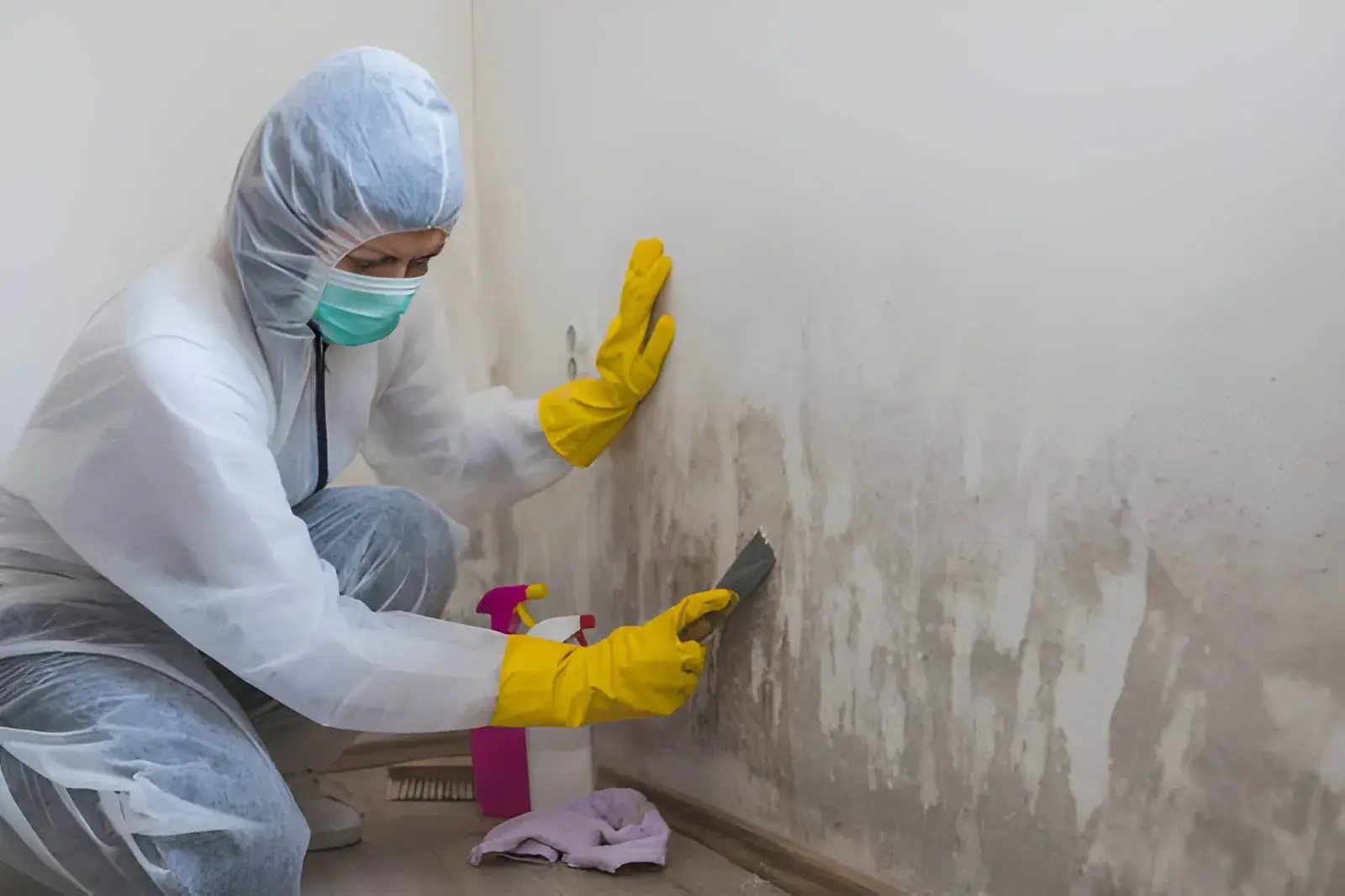
Mold Remediation in Mandeville, LA
Mandeville's lakefront location, recurring flood events, and year-round subtropical humidity create ideal conditions for persistent mold growth. Our licensed professionals identify the source and eliminate it safely.
What Happens When You Call
A real person takes your call and schedules a professional mold inspection at your Mandeville property.
Licensed inspectors identify the moisture source, map contamination extent using air sampling and moisture meters, and assess structural involvement.
A detailed remediation plan specifies containment boundaries, removal scope, and post-remediation clearance criteria.
After remediation, independent clearance testing verifies that indoor spore levels have returned to acceptable ambient conditions.
Mold in Mandeville homes is not a one-time problem that resolves on its own. The city's recurring flood exposure and persistently high humidity mean that any untreated moisture condition will support active mold colonization year-round. Without professional intervention, colonies spread aggressively and embed deeply into structural materials. Call now. Your local team is standing by.
Why Mandeville Homes Are Vulnerable to Mold
Mold remediation in Mandeville requires understanding the specific moisture conditions that make this lakefront community one of the most mold-prone environments in Louisiana. The National Institute of Building Sciences documented that more than 80 percent of the old historic section of Mandeville is in a flood zone with ground elevations ranging from 3 feet to more than 9 feet above sea level. This low elevation, combined with the city's position directly on Lake Pontchartrain, means that homes experience recurring moisture events from storm surge, heavy rainfall, and even routine south-wind lake-rise flooding. Each flood event introduces contaminated water into building materials, and if professional drying does not occur within 72 hours, mold colonization becomes virtually certain in the warm, humid conditions.
The persistent humidity along Mandeville's lakefront creates conditions where mold can initiate without a dramatic flood event. The lake moderates temperatures but maintains relative humidity levels between 75 and 90 percent for the majority of the year. In this environment, any building material maintaining moisture content above 16 percent will support mold germination. Common chronic moisture sources in Mandeville homes include condensation on cold water pipes in unconditioned spaces, HVAC drain lines that clog during peak cooling months, improperly sealed window and door assemblies that allow humid air infiltration, and crawl spaces without adequate vapor barriers where ground moisture evaporates continuously against floor joists and subflooring.
The recurring flood cycle in Old Mandeville creates a particularly insidious mold pattern. When homes flood repeatedly over a period of years, building materials accumulate moisture damage that never fully resolves between events. Baseboards, lower drywall, and subfloor materials develop hidden mold colonies that appear dormant during dry periods but reactivate and expand rapidly with each new moisture event. Homeowners may notice musty odors that intensify seasonally or after rain, indicating active colonies behind walls or under flooring that have persisted through multiple flood cycles. Effective remediation in these cases requires not just treating the visible growth but investigating the full material assembly to identify and remove components harboring dormant colonies that will reactivate.
Louisiana requires a mold remediation license from the LSLBC for commercial remediation work, reflecting the state's recognition that improper removal disperses spores and worsens contamination. Professional remediation in Mandeville follows the IICRC S520 standard: negative-pressure containment barriers isolate the affected area, HEPA-filtered air scrubbers capture airborne spores, contaminated materials are removed under controlled conditions, and antimicrobial treatments are applied to remaining structural surfaces. For lakefront homes with chronic flood exposure, our protocol also includes a moisture management assessment that identifies the pathways through which water repeatedly enters the structure and recommends permanent solutions, whether that means improved drainage grading, crawl space encapsulation, seawall-side water barriers, or elevated mechanical systems.
Recurring Flood-Cycle Mold
Homes that flood every two years accumulate hidden mold colonies in building materials that reactivate with each moisture event, creating persistent contamination that worsens over time.
Lakeside Humidity Saturation
Lake Pontchartrain maintains 75 to 90 percent relative humidity along the Mandeville waterfront year-round, providing constant moisture availability for mold colonization on any damp surface.
Low-Elevation Ground Moisture
Historic homes at 3 to 5 feet elevation face chronic ground moisture infiltration through foundations, creating persistent dampness in floor assemblies that supports continuous mold growth.
HVAC Condensation in Cooling Season
Air conditioning systems running 8 to 10 months per year generate significant condensation that feeds mold when drain lines clog or drain pans overflow inside air handler closets.
Mold in Mandeville is a chronic condition driven by geography and climate, not a one-time event. Effective remediation must address both the active contamination and the underlying moisture pathways that sustain it.
What Happens to Your Home While You Wait
24 to 48 Hours After Moisture Event
Mold spores, abundantly present in Mandeville's lakeside air, begin germinating on any damp organic surface including drywall paper, wood framing, and carpet backing.
3 to 7 Days
Visible colonies appear on surfaces. Behind walls and in crawl spaces, growth accelerates in the dark, humid conditions where detection is difficult.
1 to 2 Weeks
Active colonies produce mycotoxins and volatile organic compounds, creating musty odor. Occupants may develop respiratory symptoms, headaches, or allergic reactions.
2 to 4 Weeks
Spore production increases substantially. HVAC systems distribute spores throughout the home, potentially contaminating rooms far from the original moisture source.
One Month and Beyond
Structural materials deteriorate as colonies consume organic binding compounds. Floor joists weaken, subflooring softens, and affected drywall crumbles. Remediation costs escalate.
Mandeville's climate does not allow mold to resolve without intervention. Contact X Response for professional mold assessment and remediation.
How We Restore Mold-Affected Mandeville Homes
Our mold remediation process in Mandeville accounts for the recurring flood exposure and persistent humidity that make lakefront properties uniquely vulnerable.
Professional Inspection and Root-Cause Analysis
Licensed inspectors use moisture meters, thermal imaging, and air sampling to identify the moisture source driving growth, the full contamination extent, and whether historical flood damage contributes to current conditions.
Containment and Moisture Source Correction
Negative-pressure containment barriers and HEPA air scrubbers isolate the work area. We correct the identified moisture source before beginning removal to ensure growth does not return.
Safe Material Removal and Treatment
Contaminated materials are removed under controlled conditions. Remaining structural surfaces receive antimicrobial treatment. All surfaces within the containment zone are HEPA vacuumed.
Clearance Testing and Long-Term Recommendations
Independent post-remediation air sampling verifies success. We provide moisture management recommendations specific to your property's flood-zone position and recurring exposure patterns.
The X Response Difference
X Response treats mold in Mandeville as the chronic, geography-driven condition it is, not as a one-time cleanup. Our protocol addresses both the contamination and the environmental factors sustaining it.
Insurance Claim Guidance for Mandeville Homeowners
Mold claims in Mandeville's flood zone require careful documentation linking the mold growth to a specific covered moisture event.
How X Response Helps
- Professional inspection report documenting mold species, spore concentrations, and the identified moisture source
- Photographic evidence of contamination including behind-wall and below-floor findings
- Moisture source documentation linking growth to a covered event (e.g., pipe failure, wind-driven rain through damaged roof)
- Post-remediation clearance testing confirming successful treatment
X Response does not adjust claims or guarantee coverage. Many standard policies exclude mold unless directly caused by a covered water event. We document the causal relationship to support your claim.
Certified Restoration Specialists Serving Mandeville
Our Mandeville mold remediation team holds IICRC certifications in Applied Microbial Remediation (AMRT) and Water Damage Restoration (WRT). They understand the chronic mold pressures that lakefront living in Mandeville creates and tailor remediation protocols to address both the active contamination and the recurring moisture conditions specific to this flood-zone community.
In Mandeville, X Response works with PowerPro Remediation, an independent local restoration partner serving St. Tammany Parish County.
Mold Remediation FAQ for Mandeville Homeowners
Other Emergency Services in Mandeville
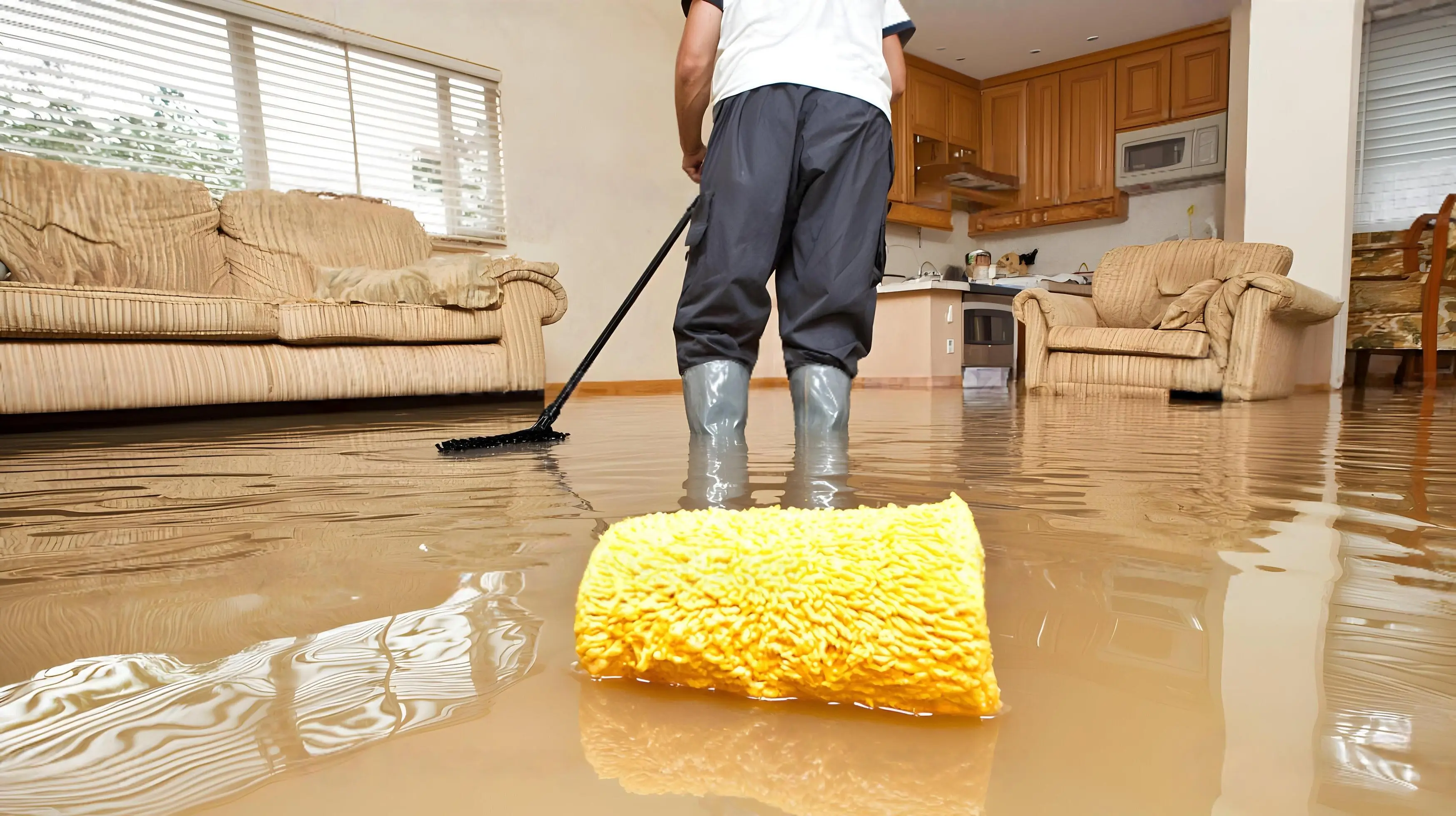
Water Damage Restoration
Burst pipes, storm flooding, standing water. We extract, dry, and restore before mold sets in.
Learn more
Fire Damage Restoration
Structural damage, soot, debris. We stabilize, clean, and rebuild what fire destroyed.
Learn more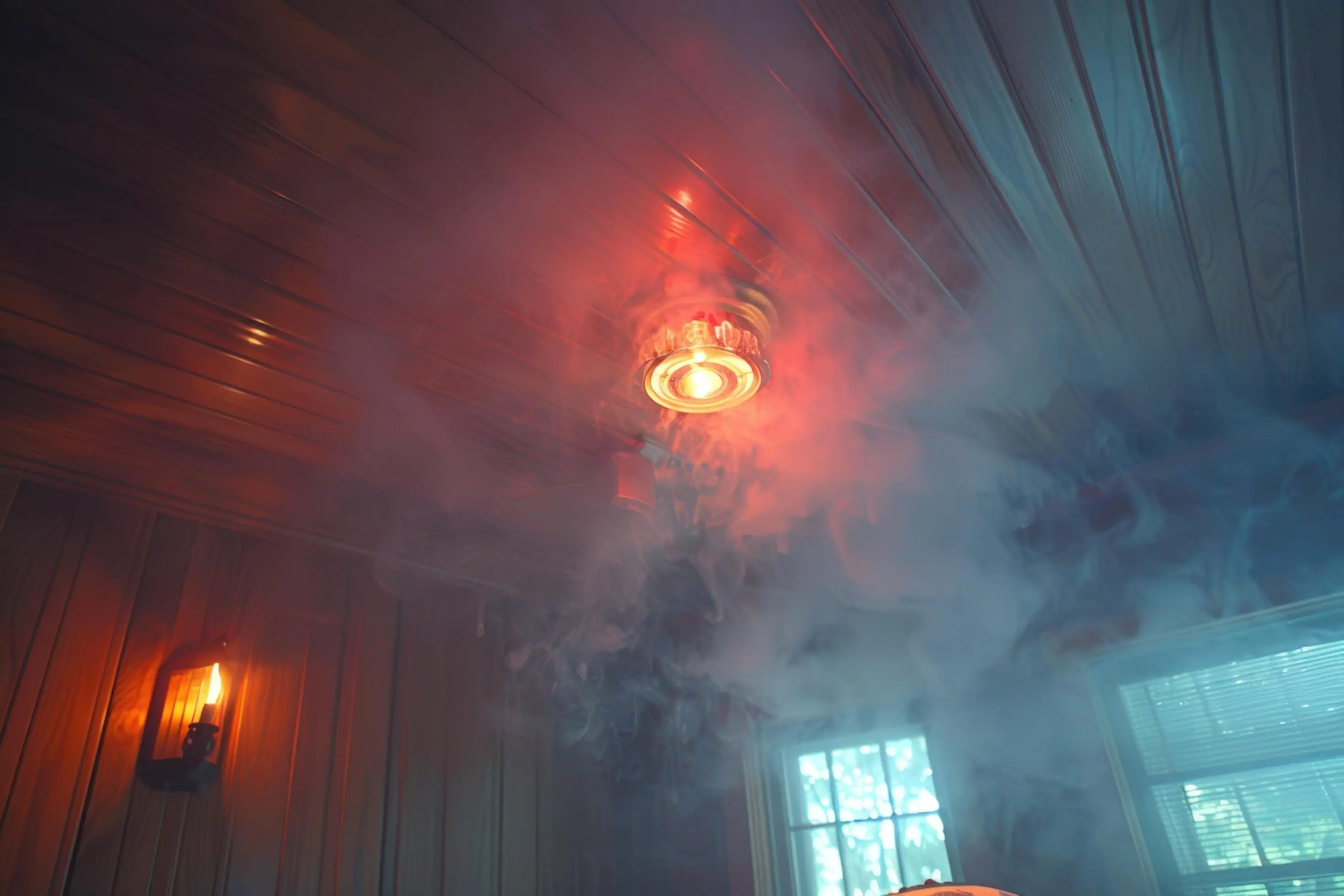
Smoke Damage Restoration
Soot residue, chemical odors, HVAC contamination. We decontaminate surfaces, eliminate odors, and restore air quality.
Learn more