
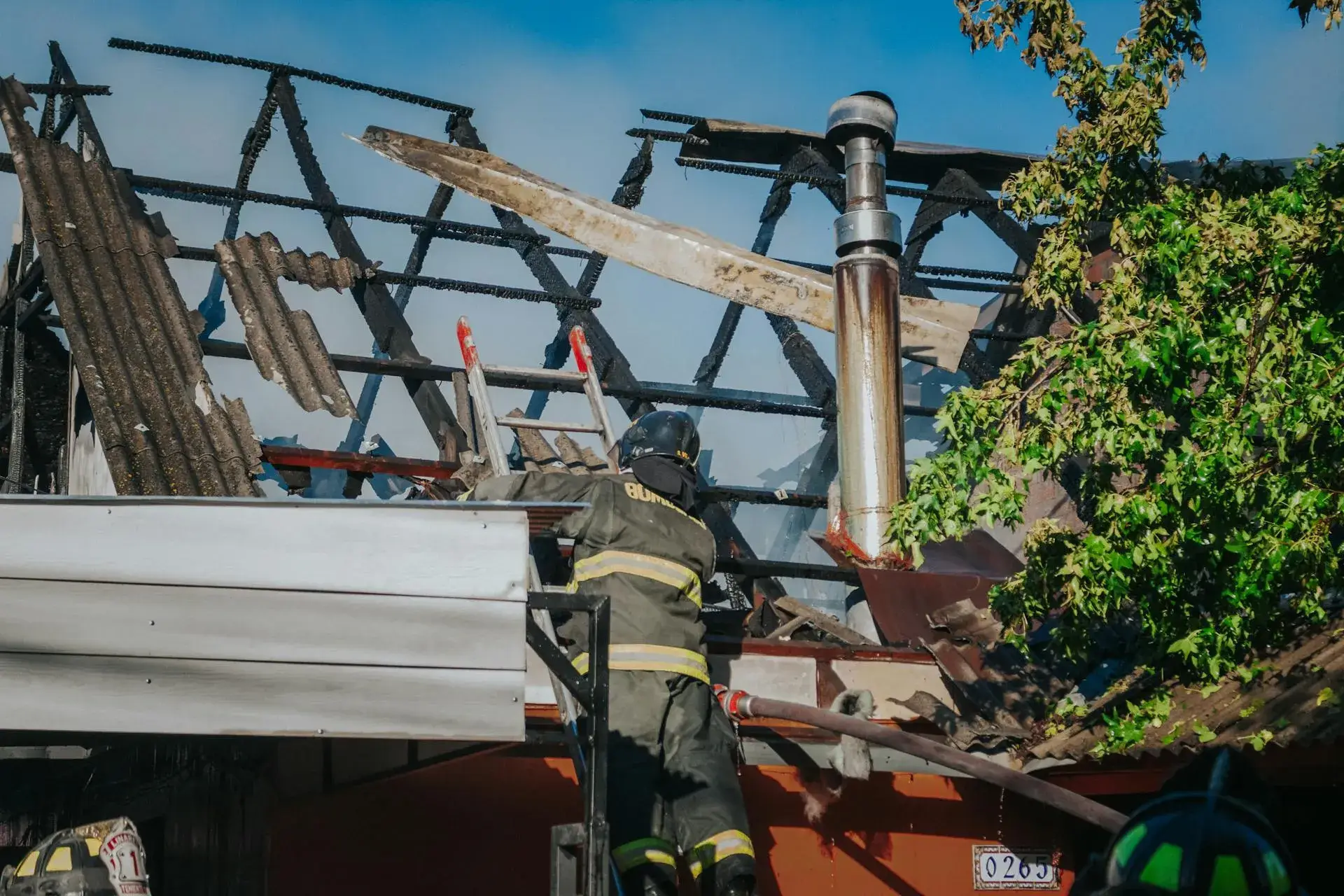
Fire Damage Restoration in Covington, LA
After a fire in your Covington home, immediate professional intervention prevents further structural deterioration and smoke contamination. Our St. Tammany Parish specialists respond around the clock.
What Happens When You Call
A real person takes your emergency call and dispatches our Covington fire restoration team immediately.
Specialists arrive to assess structural integrity, identify safety hazards, and secure the property with emergency board-up.
We begin systematic soot removal and apply treatments to halt corrosion on metal surfaces, appliances, and fixtures.
Full reconstruction planning begins with detailed documentation for your insurance carrier.
Fire leaves behind more than visible charring. Acidic soot and toxic residues continue attacking surfaces long after flames are extinguished. Immediate professional response limits permanent damage and reduces total restoration costs. Call now. Your local team is standing by.
Why Covington Homes Are Vulnerable to Fire Damage
Fire damage restoration in Covington requires understanding the specific construction patterns and fire risks present across St. Tammany Parish. On August 16, 2023, a fire at the River Club Marina on the Tchefuncte River near Covington destroyed or damaged thirteen recreational vessels, prompting a National Transportation Safety Board investigation. While marina fires differ from residential incidents, the event highlighted how quickly fire can spread through adjacent structures when combustible materials are concentrated and response routes are limited. Residential fires in Covington carry similar compounding risks because the city's mature tree canopy and close-spaced homes in older neighborhoods create conditions where radiant heat can threaten adjacent structures even when the fire itself does not spread directly.
The Louisiana State Fire Marshal documented a significant commercial fire at the Walmart store on North Highway 190 in Covington in June 2023, which required the evacuation of approximately 200 customers and employees. Residential fire risk in Covington is elevated by the region's reliance on portable space heaters during brief but intense cold snaps. While Southeast Louisiana winters are generally mild, temperatures occasionally drop into the 20s during January cold fronts, and many older Covington homes lack central heating or have aging HVAC systems. Residents turn to space heaters, kerosene units, and fireplaces that have not been properly maintained, creating ignition risks near curtains, furniture, and stored combustibles.
Covington's residential construction presents a dual challenge for fire restoration. The historic district features wood-frame structures, some dating to the early 1900s, with balloon framing that allows fire to travel rapidly between floors through open wall cavities. These older homes also often have outdated electrical wiring that increases ignition risk. Newer subdivisions use platform framing with fire stops between floors, which slows fire spread but introduces engineered wood products like oriented strand board (OSB) and laminated veneer lumber that lose structural integrity faster under heat exposure than traditional dimensional lumber. Each construction era requires a different assessment protocol to determine which structural members can be retained and which must be replaced.
After a fire in Covington's humid environment, secondary water damage from firefighting efforts becomes an immediate concern. Fire suppression typically introduces thousands of gallons of water into a structure, saturating insulation, drywall, and flooring materials. In St. Tammany Parish's subtropical humidity, this water creates ideal conditions for mold growth within 48 hours if not addressed through professional extraction and dehumidification. Acidic soot residues also become increasingly difficult to remove as humidity draws them deeper into porous surfaces. Our restoration protocol addresses both fire and water damage simultaneously, preventing the common scenario where inadequate post-fire drying leads to a secondary mold crisis weeks after the initial incident.
Aging Electrical Systems
Covington's historic district features homes with original wiring that may predate modern electrical codes, increasing the risk of arc faults and overloaded circuits that can ignite wall cavities.
Space Heater Risk During Cold Snaps
Brief but intense winter cold fronts drive residents to use portable heating devices in homes without adequate central heat, creating ignition proximity hazards near combustible furnishings.
Mixed Construction Eras
Balloon-framed historic homes and engineered-lumber modern subdivisions each present distinct fire spread patterns and restoration challenges requiring specialized structural assessment.
Post-Fire Moisture Complications
Firefighting water combined with Covington's persistent humidity creates rapid secondary damage. Soot residues bond deeper into surfaces as moisture levels remain elevated.
Professional fire restoration in Covington must account for the city's construction diversity, humid climate, and the complex interplay between fire damage, water damage, and biological contamination.
What Happens to Your Home While You Wait
Within 1 Hour
Acidic soot begins etching metal surfaces, corroding appliance finishes, and permanently staining light-colored materials and fixtures.
1 to 24 Hours
Soot residues penetrate deeper into porous surfaces. Firefighting water saturates insulation and subfloor materials throughout the structure.
24 to 48 Hours
Corrosion accelerates on HVAC components and electrical connections. Saturated building materials in Covington's humidity begin supporting mold germination.
48 to 72 Hours
Smoke odor permeates soft furnishings, clothing, and ductwork. Soot-coated surfaces become increasingly difficult to clean without replacement.
One Week and Beyond
Permanent material damage becomes widespread. Structural members exposed to heat may develop delayed fractures. Mold colonization from firefighting water compounds costs.
Fire damage intensifies every day it goes untreated. Contact X Response immediately for professional fire restoration in Covington.
How We Restore Fire-Damaged Covington Homes
Our fire damage restoration process in Covington addresses structural, cosmetic, and environmental concerns in a coordinated sequence.
Emergency Stabilization and Assessment
We secure your property with board-up services, assess structural integrity, and identify areas where heat may have compromised load-bearing members.
Water Extraction and Soot Removal
We remove firefighting water with commercial extractors, then systematically clean soot from surfaces using dry sponges, HEPA vacuuming, and chemical treatments matched to each surface type.
Smoke Odor Elimination
Thermal fogging and hydroxyl generators neutralize smoke particles embedded in porous materials, ductwork, and wall cavities that surface cleaning cannot reach.
Structural Reconstruction
Our team handles demolition of irreparable materials and complete reconstruction, matching original finishes and meeting current St. Tammany Parish building codes.
The X Response Difference
X Response provides the coordinated expertise required to restore fire-damaged Covington homes without leaving hidden contamination behind.
Insurance Claim Guidance for Covington Homeowners
Fire damage claims in Covington involve documenting structural damage, smoke contamination extent, and secondary water damage from suppression efforts.
How X Response Helps
- Detailed photographic documentation of fire origin, char patterns, and structural damage throughout the property
- Smoke penetration mapping showing the extent of soot and odor migration beyond the immediate fire area
- Water damage documentation from firefighting efforts, including moisture readings in unburned areas
- Itemized content inventory with pre-loss valuations for damaged personal property
X Response does not adjust claims or guarantee coverage, but our thorough documentation supports efficient processing of your fire damage claim.
Certified Restoration Specialists Serving Covington
Our Covington fire restoration team combines IICRC Fire and Smoke Restoration (FSRT) certification with deep familiarity with St. Tammany Parish construction styles. From assessing heat damage in balloon-framed historic homes to evaluating engineered lumber in newer subdivisions, our technicians understand how fire behaves differently in each structure type and what it takes to restore each one safely.
In Covington, X Response works with PowerPro Remediation, an independent local restoration partner serving St. Tammany Parish County.
Fire Damage Restoration FAQ for Covington Homeowners
Other Emergency Services in Covington
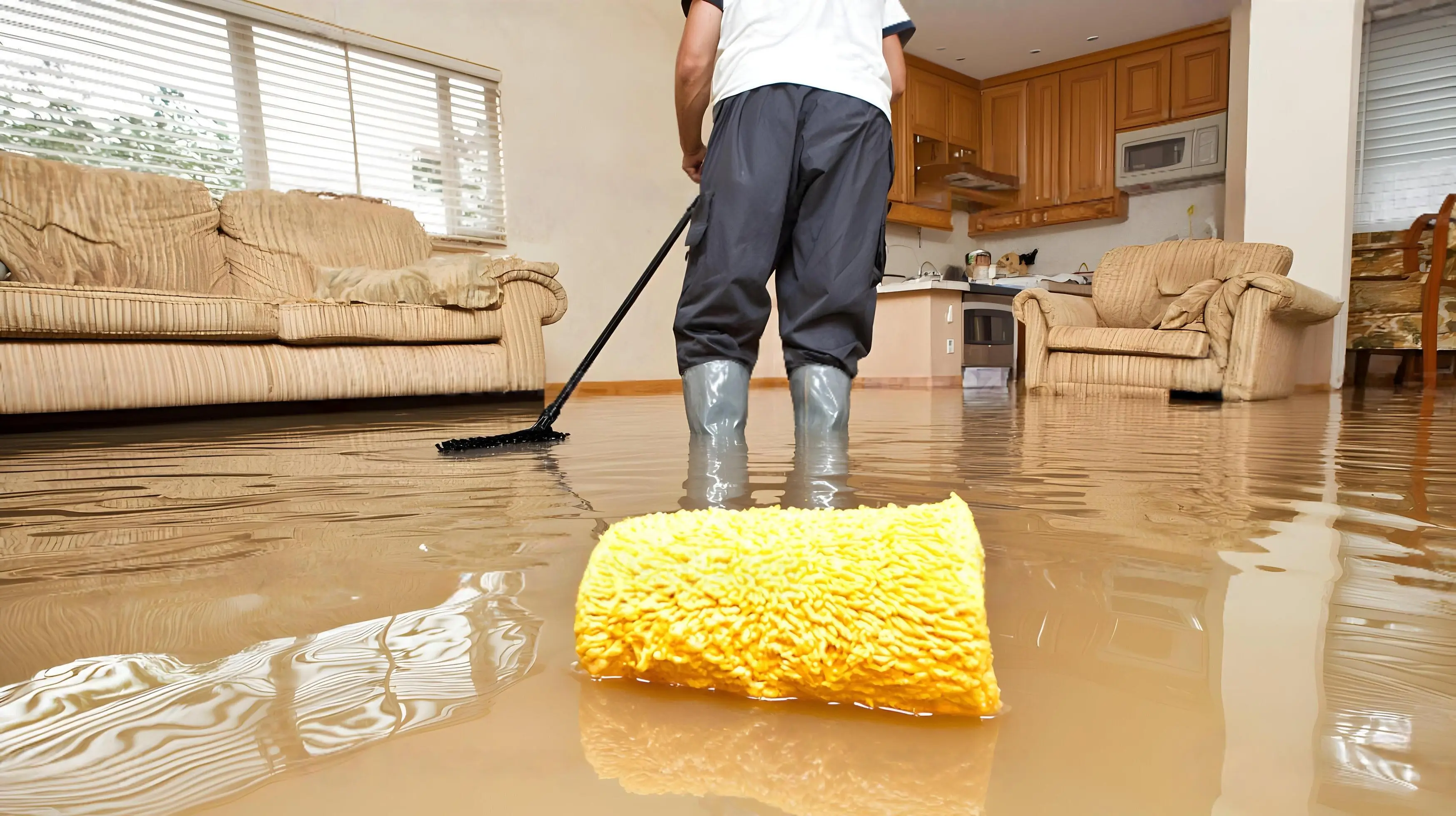
Water Damage Restoration
Burst pipes, storm flooding, standing water. We extract, dry, and restore before mold sets in.
Learn more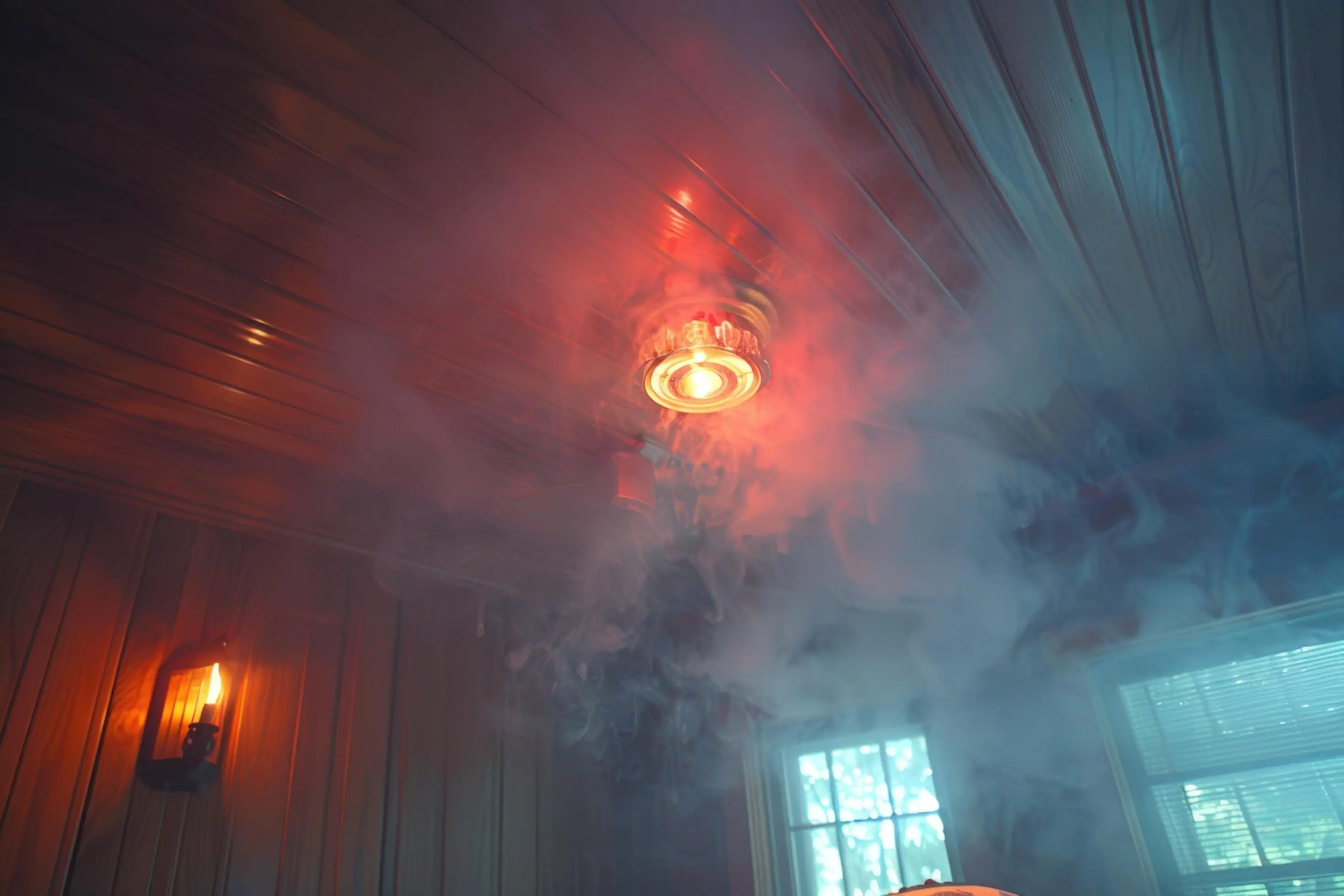
Smoke Damage Restoration
Soot residue, chemical odors, HVAC contamination. We decontaminate surfaces, eliminate odors, and restore air quality.
Learn more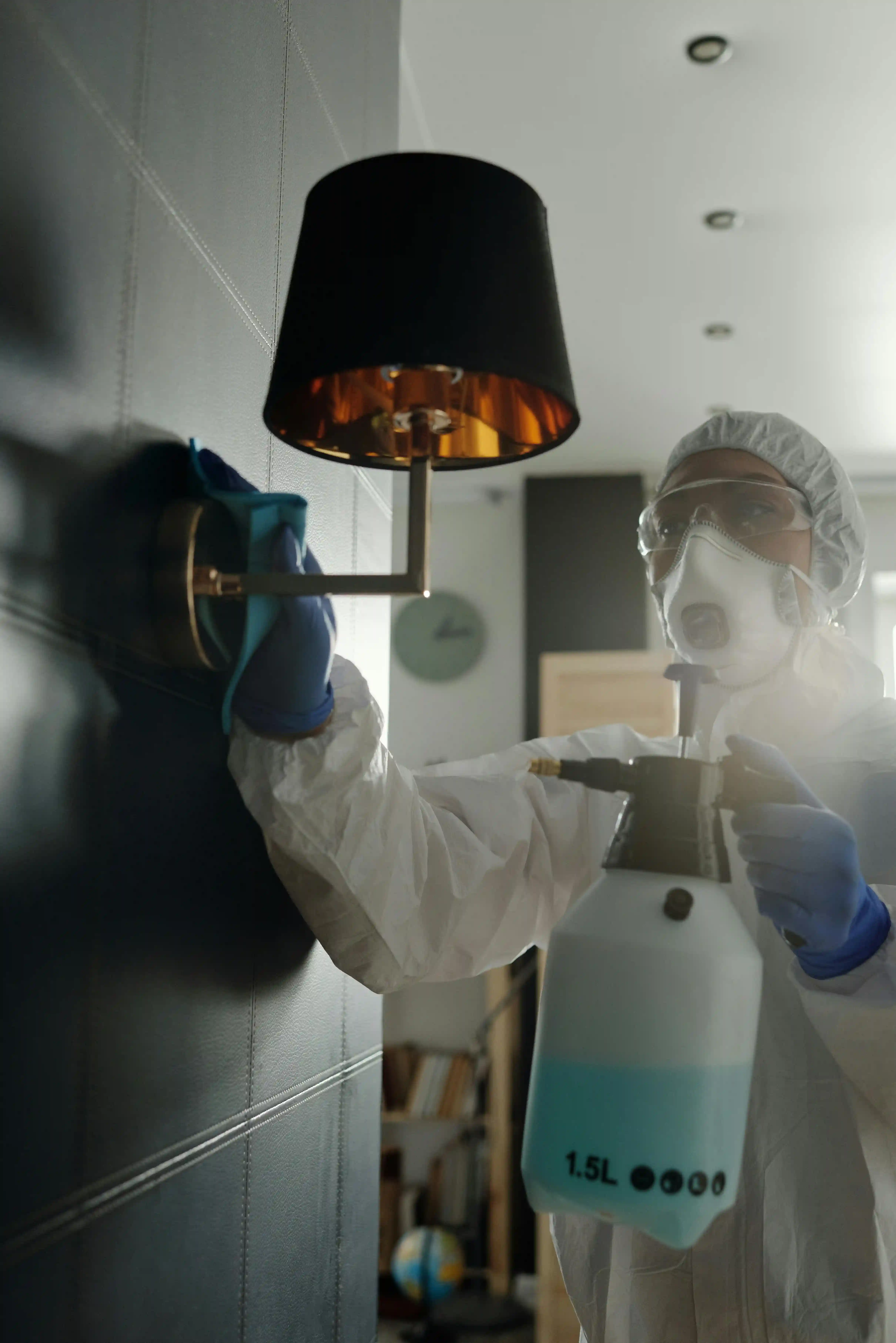
Mold Remediation
Testing, containment, removal, prevention. We find the source, eliminate the growth, and stop it from returning.
Learn more