
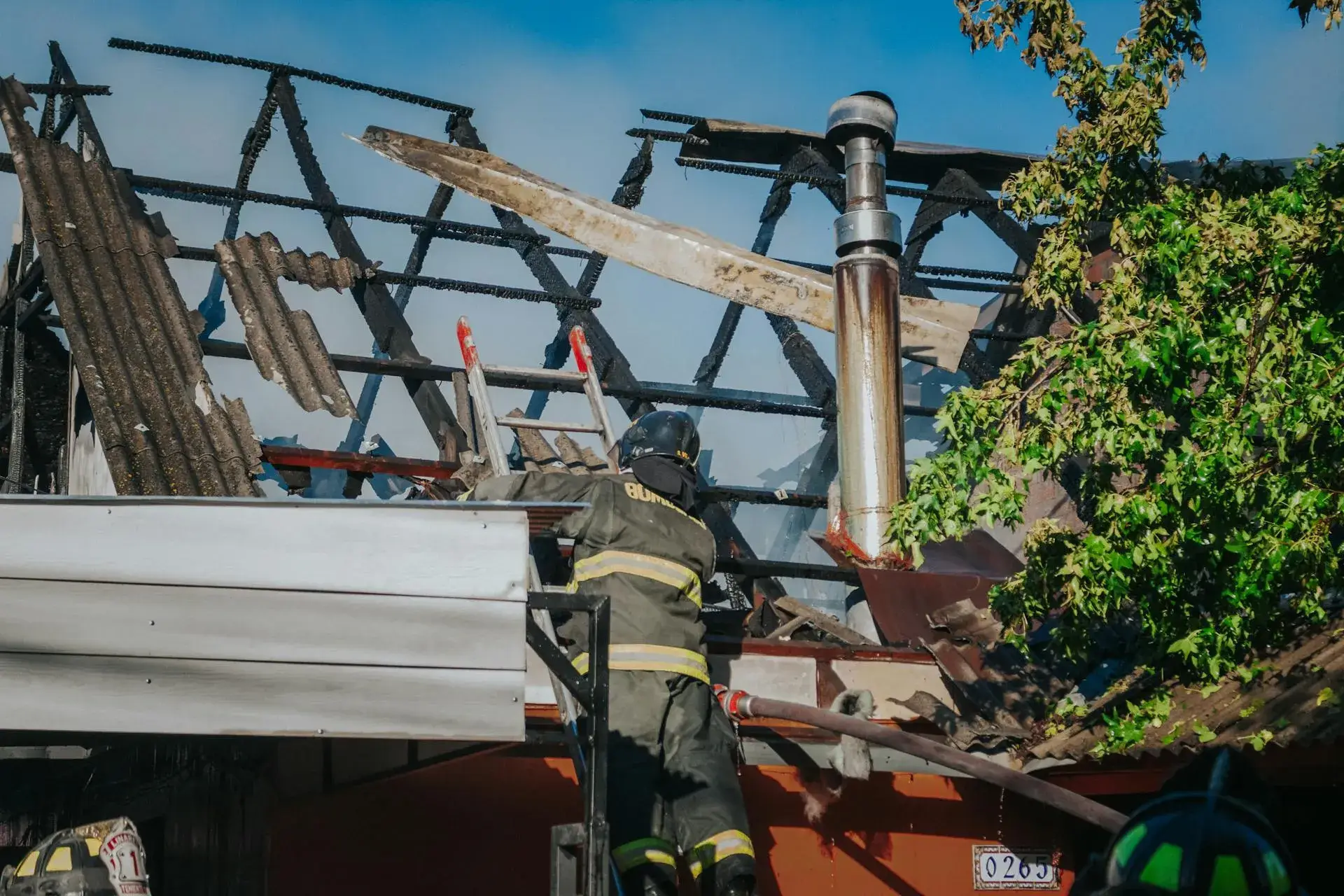
Fire Damage Restoration in Smithville, MO
Corrosive soot and residual firefighting water cause progressive structural decay within hours. Our certified Smithville fire recovery specialists arrive within 60 minutes.
What Happens When You Call
Your emergency call connects directly to a certified fire restoration director who evaluates structural integrity, safety hazards, and emergency board-up needs.
Our mobile Clay County response team arrives at your Smithville site within 60 minutes to secure the building perimeter and begin moisture extraction.
Technicians seal structural breaches using heavy plywood and weather-resistant tarps to protect interiors from weather and unauthorized access.
Specialists extract firefighting water, treat soot residues using chemical sponges and HEPA vacuums, and deploy industrial air scrubbers to eliminate toxic odors.
Rapid, expert fire damage restoration is critical to stabilize compromised building components, neutralize acidic soot residues, and extract thousands of gallons of firefighting water across Smithville properties. Whether your structure suffered an electrical kitchen blaze in a suburban neighborhood off 169 Highway, a heating appliance fire in a historic brick residence near Commercial Street, or exterior wind-driven grassland fire exposure near Smithville Lake, X Response delivers certified, comprehensive restoration. An experienced fire restoration supervisor directs every phase from emergency board-up through certified structural rebuilding. Contact our 24/7 emergency dispatch line now for immediate response.
Why Smithville Homes Are Vulnerable to Fire Damage
The Smithville Area Fire Protection District provides emergency fire suppression and rescue services across northern Clay and southern Clinton counties. Operating across varied territory that includes suburban subdivisions, rural farmsteads, and the extensive recreational corridors surrounding Smithville Lake, emergency responders encounter distinct regional fire hazards throughout the changing seasons. During bitter Midwestern winters, polar air masses frequently drive ambient temperatures well below zero degrees Fahrenheit for extended periods. These severe cold snaps place tremendous strain on residential heating equipment. Homeowners turning to supplemental electric space heaters, wood-burning stoves, and portable kerosene units inadvertently introduce major fire risks, while furnace electrical circuits running continuously can overheat inside wall cavities and attic spaces.
Conversely, transitional seasons bring elevated wildland-urban interface (WUI) fire dangers to outer Smithville. In late autumn following killing frosts and again in early spring before green-up, cured prairie grasses, cedar thickets, and timber stands surrounding Smithville Lake become tinder dry. Strong, gusty westerly prairie winds common to western Missouri can quickly turn a controlled brush burn or discarded cigarette into an aggressive grass fire that races across rural acreages, threatening lakeside residences and outbuildings. When fire strikes any Smithville home, the thousands of gallons of water deployed during suppression saturate structural timber, insulation, and drywall assemblies, generating an immediate combination of charred framing and severe water damage that demands simultaneous biohazard soot mitigation and industrial structural drying.
Sub-Zero Winter Heating Appliance Fires
Prolonged winter deep freezes push domestic heating systems past safe operational limits. Auxiliary space heaters, unserviced chimneys, and overtaxed electrical circuits cause frequent residential fires.
Wildland-Urban Interface Fire Hazards
Dry prairie grasses, brush thickets, and timber stands surrounding Smithville Lake create seasonal wildfire risks that spread rapidly toward residential properties under strong winds.
Firefighting Water Saturation and Mold Hazards
Suppressing a residential fire introduces thousands of gallons of water into attics and living spaces. If not extracted rapidly, standing water causes wood framing rot and rapid mold germination.
Acidic Soot Corrosion on Household Fixtures
Modern household furnishings containing synthetic plastics and polymers produce acidic soot that corrodes plumbing fixtures, marble counters, and electrical electronics within 24 to 72 hours.
Historic Masonry and Balloon Framing
Historic downtown properties constructed before modern fire stops permit flames and hot gases to travel rapidly through vertical wall cavities, complicating structural stabilization.
Recovering from fire damage in Smithville requires certified technical knowledge, industrial structural drying, and careful coordination with local emergency officials. From historic structures near Commercial Street to modern subdivisions along Route 169, X Response delivers 24/7 certified fire recovery.
What Happens to Your Home While You Wait
Within 1 Hour
Acidic soot and toxic smoke residues settle across all exposed surfaces. Highly porous drywall, window glass, and finished cabinetry absorb chemical residues, causing immediate surface yellowing.
1–24 Hours
Acidic soot begins chemically etching bathroom porcelain, metallic fixtures, and appliance finishes. Firefighting water soaks into structural subfloors, causing wood fibers to swell and warp.
24–48 Hours
Soot residues permanently stain painted drywall, synthetic textiles, and porous stone surfaces. Standing water initiates fungal germination on damp wood framing, drywall paper, and wet carpeting.
48–72 Hours
Acidic residues cause irreversible corrosion to electrical circuits, structural metals, and exposed pipework. Wood framing absorbs suppression water, and heavy smoke odors penetrate deep structural timbers.
One Week and Beyond
Unremediated fire char and water saturation cause structural framing rot and prolonged microbial outbreaks. Full-scale structural demolition and extensive biohazard reconstruction become unavoidable.
Immediate intervention within the first 24 hours stops corrosive soot damage and salvages irreplaceable property. Call X Response immediately for 24/7 certified fire restoration in Smithville.
How We Restore Fire-Damaged Smithville Homes
Our fire damage restoration operations adhere strictly to the ANSI/IICRC S540 Standard for Trauma and Crime Scene Cleanup alongside IICRC Fire and Smoke Restoration standards, uniting emergency stabilization, chemical decontamination, and complete rebuilding.
Site Security, Board-Up, and Structural Triage
Our certified technicians deploy to your Smithville property within 60 minutes. We secure compromised doors, windows, and roof breaches using heavy plywood and flame-retardant tarps to prevent weather intrusion.
Suppression Water Evacuation and Psychrometric Drying
We extract thousands of gallons of firefighting water using truck-mounted vacuums and heavy submersible pumps. Industrial LGR dehumidifiers and high-velocity air movers dry structural framing to prevent rot.
Soot Removal and Surface Decontamination
Specialists clean masonry, structural framing, and hard surfaces using chemical dry sponges, HEPA-filtered vacuuming, and specialized alkaline detergents that neutralize acidic soot residues.
Molecular Odor Counteraction and Thermal Fogging
We deploy hydroxyl generators, ozone chambers, and thermal fogging equipment to neutralize volatile smoke odor compounds deeply embedded in timber framing and structural subflooring.
Complete Structural Rebuilding and Final Clearance
Our licensed construction specialists reconstruct charred framing, reinstall drywall, and refinish surfaces, delivering a seamless return to pre-loss condition with complete insurance clearance.
The X Response Difference
When fire damages your Smithville residence or business, depend on X Response for rapid emergency board-up, clinical soot removal, and complete reconstruction.
Insurance Claim Guidance for Smithville Homeowners
Navigating an insurance claim for fire damage in Smithville requires detailed technical documentation establishing the full scope of structural loss, soot contamination, and suppression water damage under Missouri insurance rules. Standard homeowners and commercial property policies generally cover direct losses caused by fire, smoke, and firefighting operations. However, proving the extent of hidden smoke damage in HVAC ductwork, attic framing, and wall cavities demands rigorous scientific proof to ensure carrier approval for complete remediation rather than cosmetic patching. In Smithville, where municipal fire suppression can introduce substantial water volumes into subterranean basements and finished spaces, separating fire char from secondary water intrusion is critical for proper claim adjustment. Our team compiles meticulous photographic logs, non-destructive moisture readings, and standardized Xactimate line-item estimates to ensure fair claim settlements.
How X Response Helps
- Conduct thorough photographic and thermal imaging documentation of fire char, soot paths, and suppression water damage
- Compile comprehensive personal property and structural inventories with detailed replacement cost analysis
- Prepare standardized Xactimate estimates aligned with insurance adjuster pricing expectations
- Coordinate directly with your insurance company adjuster to validate technical stabilization requirements
- Provide formal certificates of completion, psychrometric drying logs, and indoor air quality clearance reports
X Response is an independent emergency disaster recovery contractor. We are not licensed insurance adjusters, public adjusters, or legal counsel. We provide objective technical documentation and certified restoration services to support your insurance claim.
Certified Restoration Specialists Serving Smithville
Our fire recovery specialists serving Smithville bring extensive technical proficiency and community dedication to homeowners and commercial property owners across Clay and Platte counties. Having stabilized properties following severe structure fires in modern residential developments along Route 169, historic commercial buildings in downtown Smithville, and rural lakeside acreages, our crews understand local building styles and safety requirements. We approach every fire emergency with compassionate care, rapid communication, and meticulous craftsmanship to restore your peace of mind.
Every project supervisor holds active credentials through the Institute of Inspection, Cleaning and Restoration Certification (IICRC) as a Fire and Smoke Restoration Technician (FSRT) and Water Damage Restoration Technician (WRT). We maintain a modern fleet stocked with emergency board-up materials, commercial HEPA air filtration equipment, and advanced thermal fogging systems. Operating in strict alignment with ANSI/IICRC standards, we deliver lasting fire and smoke restoration.
In Smithville, X Response works with Best Option Restoration, an independent local restoration partner serving Clay County.
Fire Damage Restoration FAQ for Smithville Homeowners
Other Emergency Services in Smithville
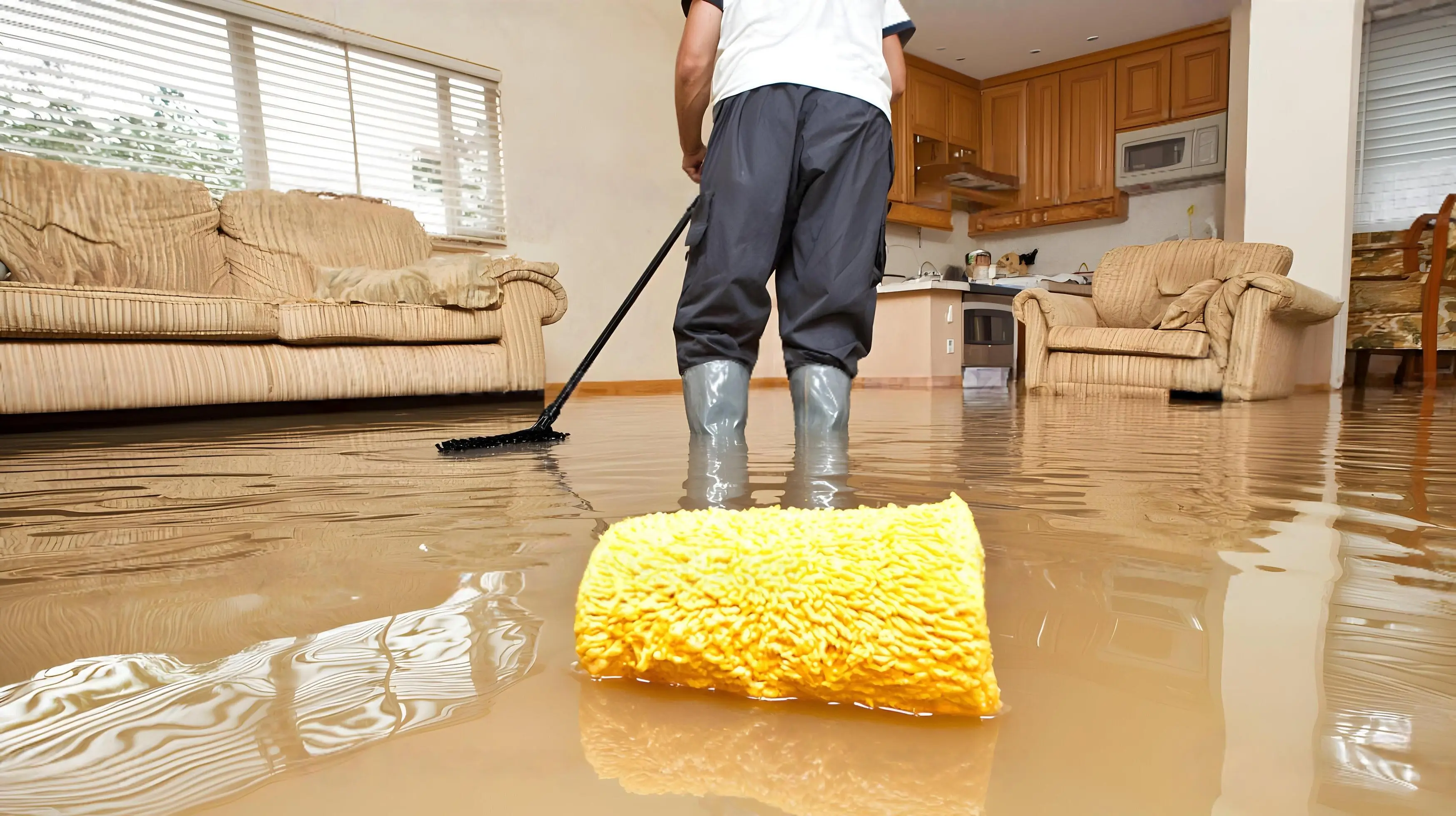
Water Damage Restoration
Burst pipes, storm flooding, standing water. We extract, dry, and restore before mold sets in.
Learn more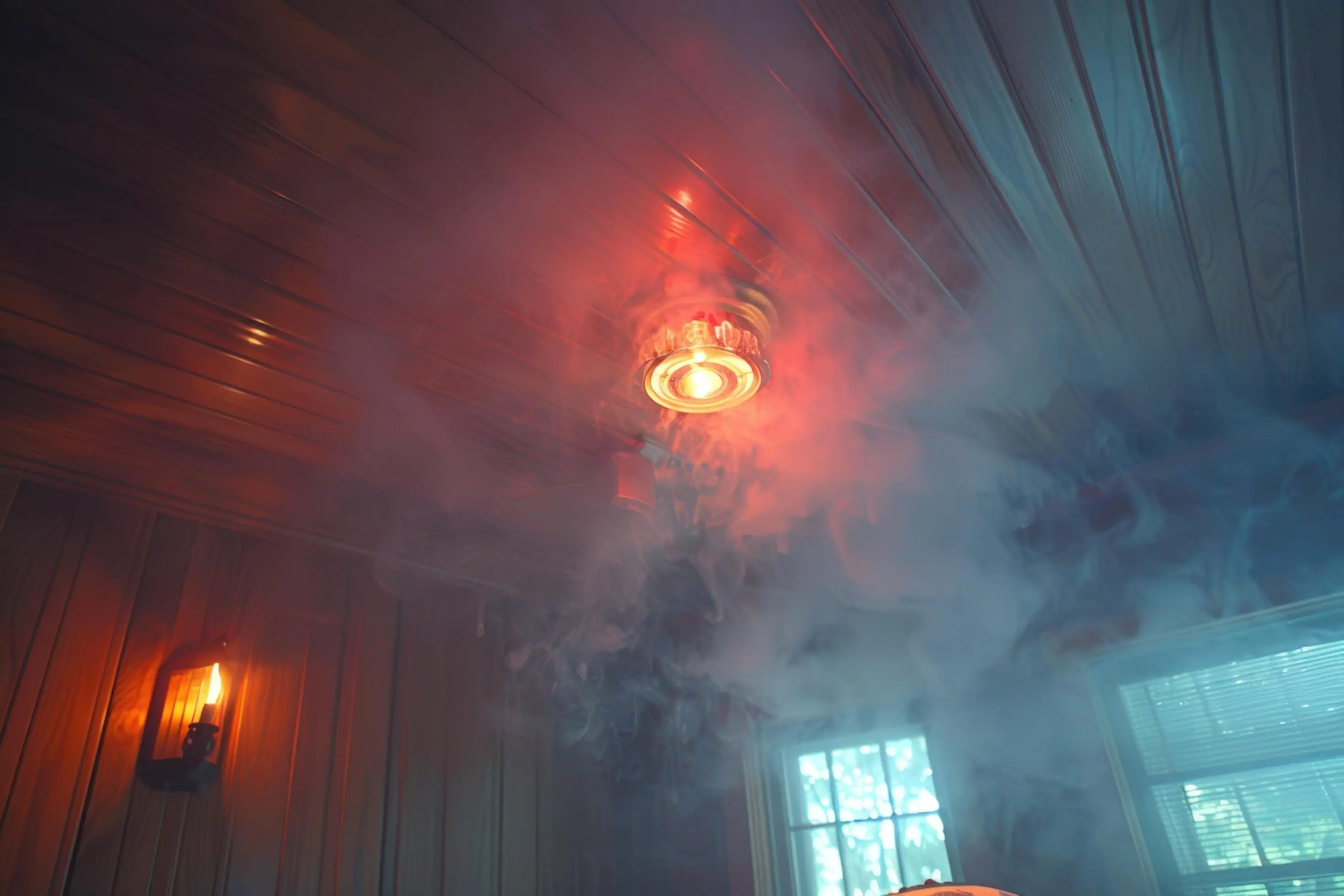
Smoke Damage Restoration
Soot residue, chemical odors, HVAC contamination. We decontaminate surfaces, eliminate odors, and restore air quality.
Learn more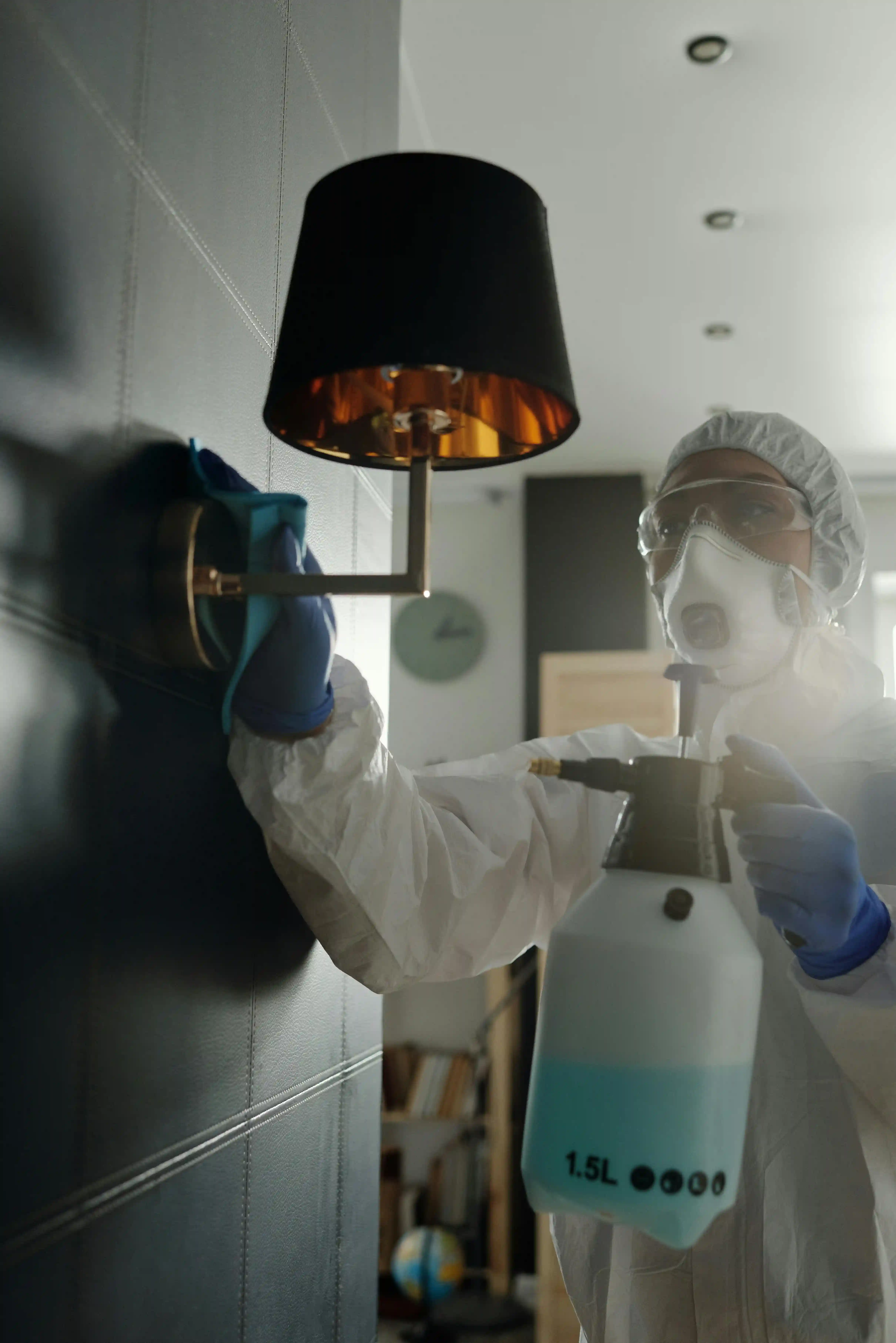
Mold Remediation
Testing, containment, removal, prevention. We find the source, eliminate the growth, and stop it from returning.
Learn more
Sewage Cleanup
Sewer backups, contaminated water, biohazard. We extract, sanitize, and restore safely.
Learn moreNearby Service Areas
Also serving nearby: