
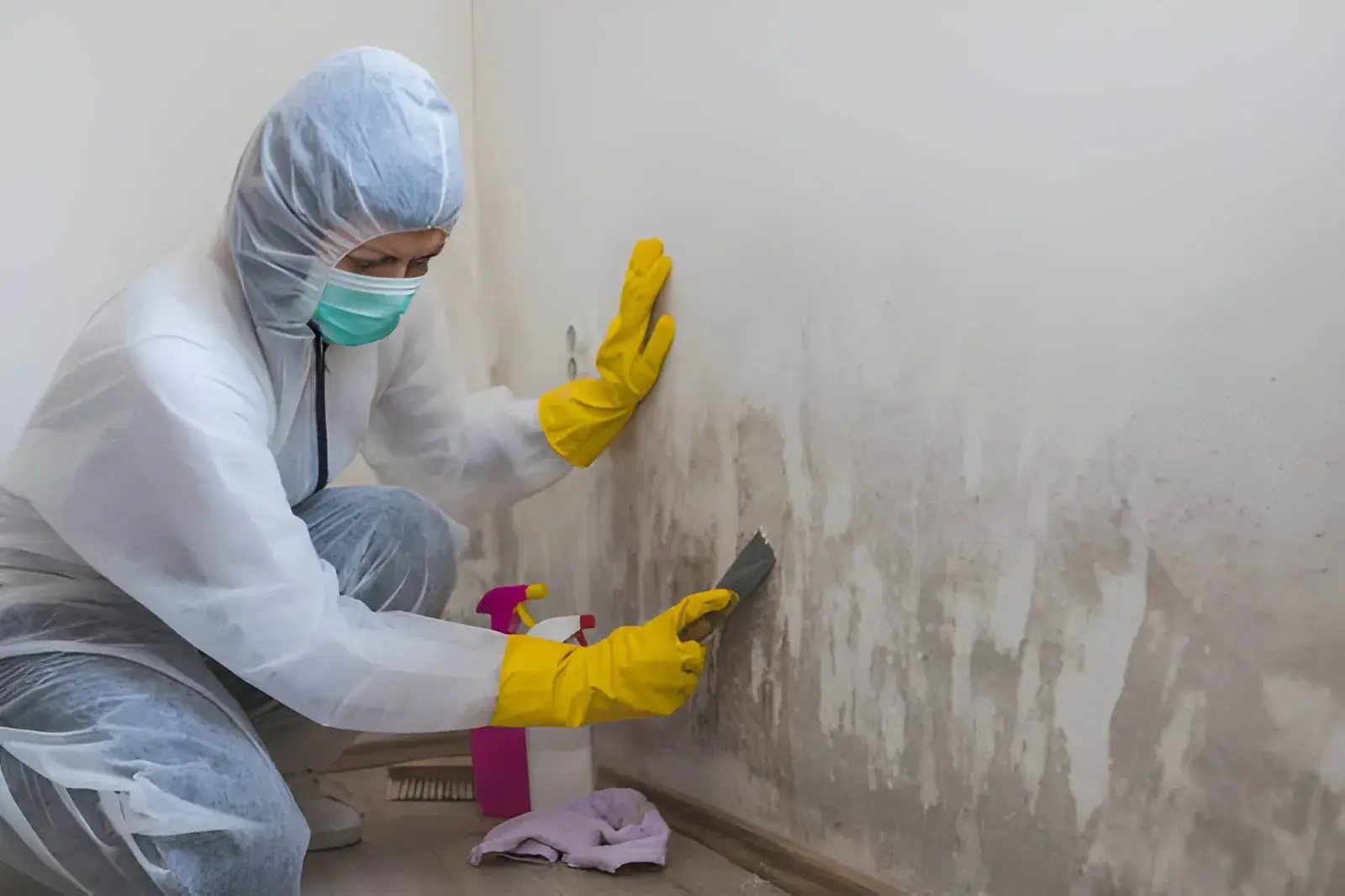
Mold Remediation in Smithville, MO
Hazardous mold spores germinate on wet drywall and organic framing timbers within 24 to 48 hours. Our Smithville remediation team arrives on site within 60 minutes.
What Happens When You Call
Your call connects immediately with an environmental remediation coordinator who assesses moisture history, visible mold growth, and building vulnerabilities.
Our Clay County emergency unit arrives at your Smithville property within 60 minutes to perform diagnostic moisture mapping and thermal imaging.
Technicians construct negative-pressure containment barriers using heavy polyethylene sheeting and industrial HEPA air filtration machines.
All colonized porous materials are excised safely, while framing timbers are treated with EPA-registered botanical antimicrobials and HEPA vacuumed.
Rapid, professional mold remediation is vital to eliminate structural timber decay, safeguard indoor air quality, and protect your family from respiratory hazards across Smithville. Whether your residence faces toxic black mold colonization behind finished basement walls along 169 Highway, pervasive fungal bloom in a lakeside home near Smithville Lake, or crawl space mold in an older property in downtown Smithville, X Response delivers certified, definitive elimination. An experienced remediation supervisor oversees every project from initial isolation through independent third-party clearance testing. Contact our 24/7 emergency dispatch line now for immediate response.
Why Smithville Homes Are Vulnerable to Mold
Smithville Lake is a 7,190-acre reservoir on the Little Platte branch of the Platte River in Clay County, Missouri near Smithville. With over 175 miles of shoreline, this expansive body of water significantly influences the local microclimate across northern Clay and southern Clinton counties. During hot Midwestern summer months from June through September, ambient evaporation elevates regional humidity levels, pushing outdoor relative humidity between 75 and 85 percent and creating sustained dew points above 68 degrees Fahrenheit. When this warm, vapor-dense outdoor air infiltrates residential basements or unconditioned crawl spaces through foundation vents or minor masonry fissures, it encounters cool below-grade concrete slabs and foundation walls maintained at subterranean temperatures of 55 to 60 degrees. This thermal gradient rapidly lowers the air temperature below its dew point, producing persistent condensation along baseboards, carpet tack strips, and drywall assemblies that initiates rapid fungal colonization.
Subsurface geological conditions in Smithville further intensify these below-grade moisture issues. Regional soils belonging to the Snead, Grundy, and Sharpsburg silt loam series feature dense, clay-heavy subsoil horizons known for slow drainage and high shrink-swell capacity. Heavy spring thunderstorms and rapid snowmelts saturate these clay soils, exerting substantial lateral hydrostatic pressure against poured concrete and masonry foundation walls. Moisture seeps inward through micro-fractures, cold joints, and foundation tie-rod holes via capillary action. When homeowners finish basements with wood studs, fiberglass batts, and drywall assemblies without proper exterior waterproofing or interior vapor barriers, trapped moisture cannot evaporate into the room, creating an ideal hidden breeding environment for colonies of Aspergillus, Penicillium, and toxic Stachybotrys chartarum behind wall panels.
Lakeside Microclimate and Elevated Summer Dew Points
Proximity to Smithville Lake elevates summer relative humidity across surrounding neighborhoods. Warm, vapor-dense air contacting cool basement concrete generates chronic condensation that feeds mold colonies.
Expansive Clay Soils and Hydrostatic Seepage
Clay County's heavy Snead and Sharpsburg soils swell when wet, trapping moisture against subterranean foundation masonry and driving capillary water migration through hairline cracks.
Finished Basement Vapor Trapping
Modern finished basements lacking adequate exterior waterproofing trap moisture behind drywall and fiberglass insulation, fostering hidden fungal growth inside wall cavities.
Unencapsulated Dirt Crawl Space Evaporation
Numerous single-family residences and rural homes feature unsealed dirt crawl spaces. Bare earth evaporates gallons of moisture vapor daily into structural subflooring and joists.
Attic Thermal Bridging and Roof Sheathing Frost
During severe winter freezes, warm indoor air escaping into under-insulated attics condenses against cold roof decking, melting into wood fibers and initiating seasonal attic mold growth.
Eradicating mold in Smithville requires comprehensive knowledge of local soil mechanics, lakeside microclimates, and regional building practices. From historic downtown residences to modern lakeside subdivisions, X Response delivers certified, lasting mold remediation.
What Happens to Your Home While You Wait
Within 24 Hours
Dormant mold spores absorb available moisture from wet drywall or framing lumber, swelling and initiating germination. Microscopic hyphae begin spreading into organic cellulose fibers.
24–48 Hours
Active fungal colonies develop visible clusters. Mold begins releasing spores and microbial volatile organic compounds into enclosed air spaces, producing noticeable musty smells.
48–72 Hours
Fungal mycelia penetrate deeply into porous drywall cores, wood framing, and carpet backings. Airborne spore levels surge, causing nasal irritation and allergic reactions in occupants.
One to Two Weeks
Colonies expand rapidly across structural timbers and insulation batts. Wood fibers suffer cellular degradation, paint films peel, and airborne spores enter central HVAC duct networks.
One Month and Beyond
Severe fungal rot compromises structural timber integrity. Large-scale environmental containment is mandatory, extensive demolition is needed, and remediation expenses rise significantly.
Immediate intervention within the first 48 hours halts fungal amplification and protects your indoor environment. Call X Response immediately for certified, 24/7 mold remediation in Smithville.
How We Restore Mold-Affected Smithville Homes
Our mold remediation services strictly adhere to the ANSI/IICRC S520 Standard for Professional Mold Remediation, utilizing negative-air containment, HEPA air scrubbing, and botanical antimicrobial decontamination.
Comprehensive Diagnostic Inspection and Moisture Mapping
Our certified technicians deploy to your Smithville property within 60 minutes. We utilize FLIR thermal imaging, non-destructive moisture meters, and air-sampling tools to pinpoint hidden fungal pockets.
Airtight Negative-Pressure Containment
We construct sealed containment chambers using 6-mil flame-retardant poly sheeting and heavy-duty zipper access doors. Industrial negative-air machines exhaust filtered air outdoors to keep spores contained.
Controlled Demolition and HEPA Capture
Unsalvageable, heavily colonized assemblies including wet drywall, carpet underlayment, and insulation are misted with antimicrobial spray, bagged in sealed poly containers, and safely removed.
Structural Abrasion and Botanical Antimicrobial Cleaning
Exposed framing timbers and concrete masonry are cleaned via HEPA vacuuming, mechanical wire brushing, or dry ice blasting. We treat all surfaces with EPA-registered botanical antimicrobials.
Antimicrobial Encapsulation and Clearance Testing
Decontaminated wood framing is sealed with mold-resistant encapsulating elastomeric coatings. We coordinate third-party clearance air sampling to verify that airborne spore counts have returned to normal baseline levels.
The X Response Difference
When mold threatens your Smithville property, rely on X Response for certified containment, meticulous remediation, and verified indoor air safety.
Insurance Claim Guidance for Smithville Homeowners
Filing an insurance claim for mold remediation in Smithville requires clear technical documentation linking the fungal growth to a covered peril under Missouri insurance regulations. Standard homeowners insurance policies generally cover mold remediation only when the growth directly results from a sudden and accidental covered loss, such as a burst domestic plumbing supply line, an appliance failure, or firefighting water infiltration. Conversely, mold resulting from ongoing groundwater seepage, high atmospheric humidity, or deferred maintenance is typically excluded or subject to strict endorsement sub-limits (commonly $5,000 to $10,000). In lakeside Smithville neighborhoods and modern subdivisions with finished basements, establishing that mold originated from a sudden mechanical failure rather than foundation seepage through expansive clay is critical for claim approval. Our team compiles meticulous moisture logs, date-stamped thermal imagery, and standardized Xactimate line-item estimates to substantiate your claim.
How X Response Helps
- Conduct thorough thermal imaging and photographic documentation establishing the sudden moisture event that caused the mold
- Map moisture migration paths connecting active fungal colonies to specific plumbing or structural failures
- Compile itemized Xactimate estimates adhering strictly to insurance carrier pricing structures
- Maintain detailed containment and negative-air operational logs validating technical necessity
- Coordinate with independent environmental testing laboratories to provide objective clearance documentation
X Response is an independent emergency disaster restoration contractor. We are not licensed insurance adjusters, public adjusters, or attorneys. We provide objective technical documentation and certified remediation services to assist your insurance claim.
Certified Restoration Specialists Serving Smithville
Our mold remediation specialists serving Smithville bring extensive local experience and specialized technical knowledge across Clay and Platte counties. Having remediated severe fungal infestations in modern finished basements, lakeside retreats around Smithville Lake, and older residential crawl spaces in downtown Smithville, our technicians understand regional building science and climate challenges. We approach every mold project with professionalism, thorough communication, and rigorous containment discipline to protect your family's health and restore peace of mind.
Every project supervisor holds active credentials through the Institute of Inspection, Cleaning and Restoration Certification (IICRC) as an Applied Microbial Remediation Technician (AMRT) and Water Damage Restoration Technician (WRT). We operate a modern fleet of emergency vehicles equipped with commercial HEPA air scrubbers, negative-air machines, and precision moisture detection tools. By adhering strictly to ANSI/IICRC S520 remediation protocols, we deliver verifiable, permanent mold elimination.
In Smithville, X Response works with Best Option Restoration, an independent local restoration partner serving Clay County.
Mold Remediation FAQ for Smithville Homeowners
Other Emergency Services in Smithville
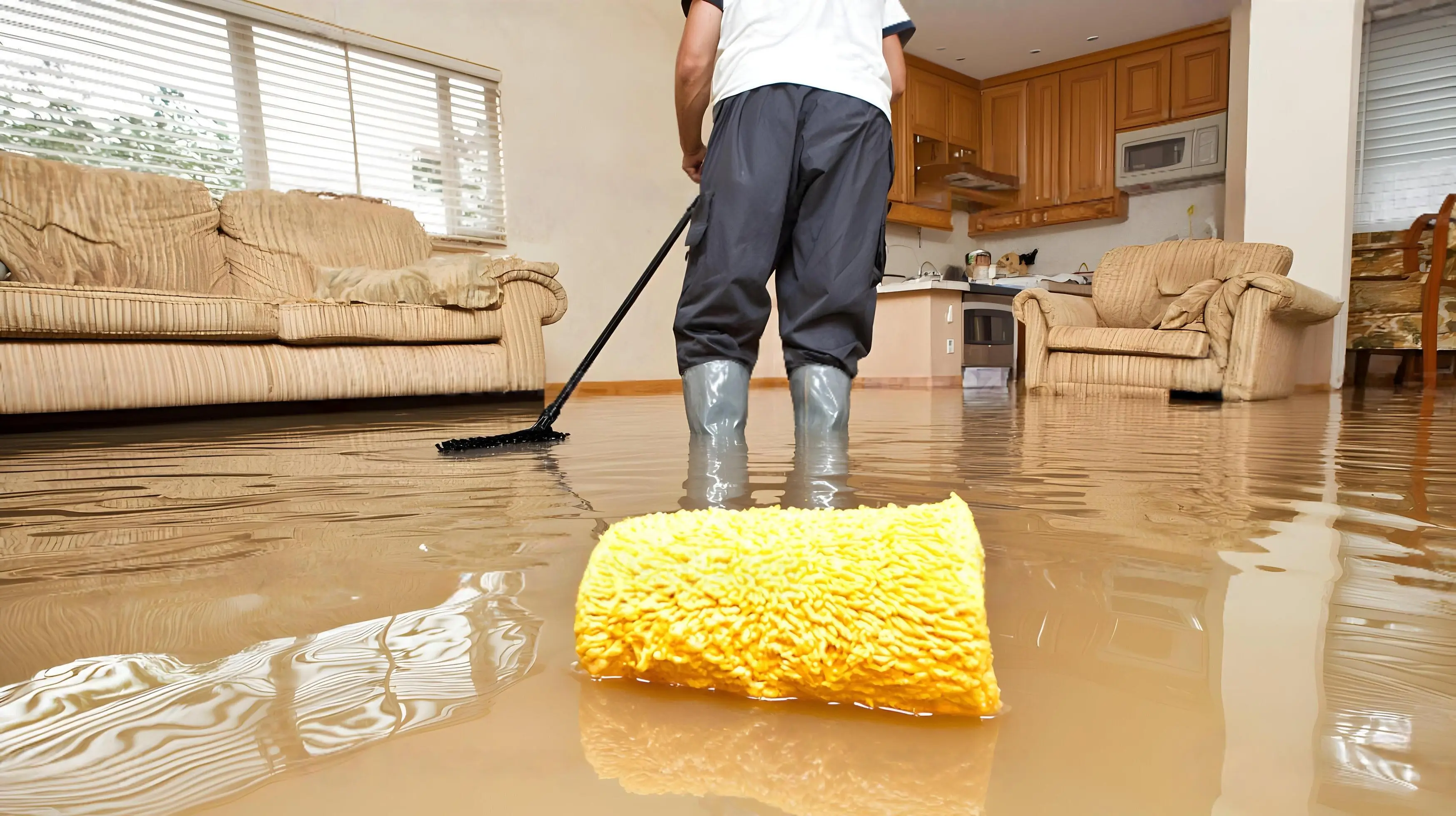
Water Damage Restoration
Burst pipes, storm flooding, standing water. We extract, dry, and restore before mold sets in.
Learn more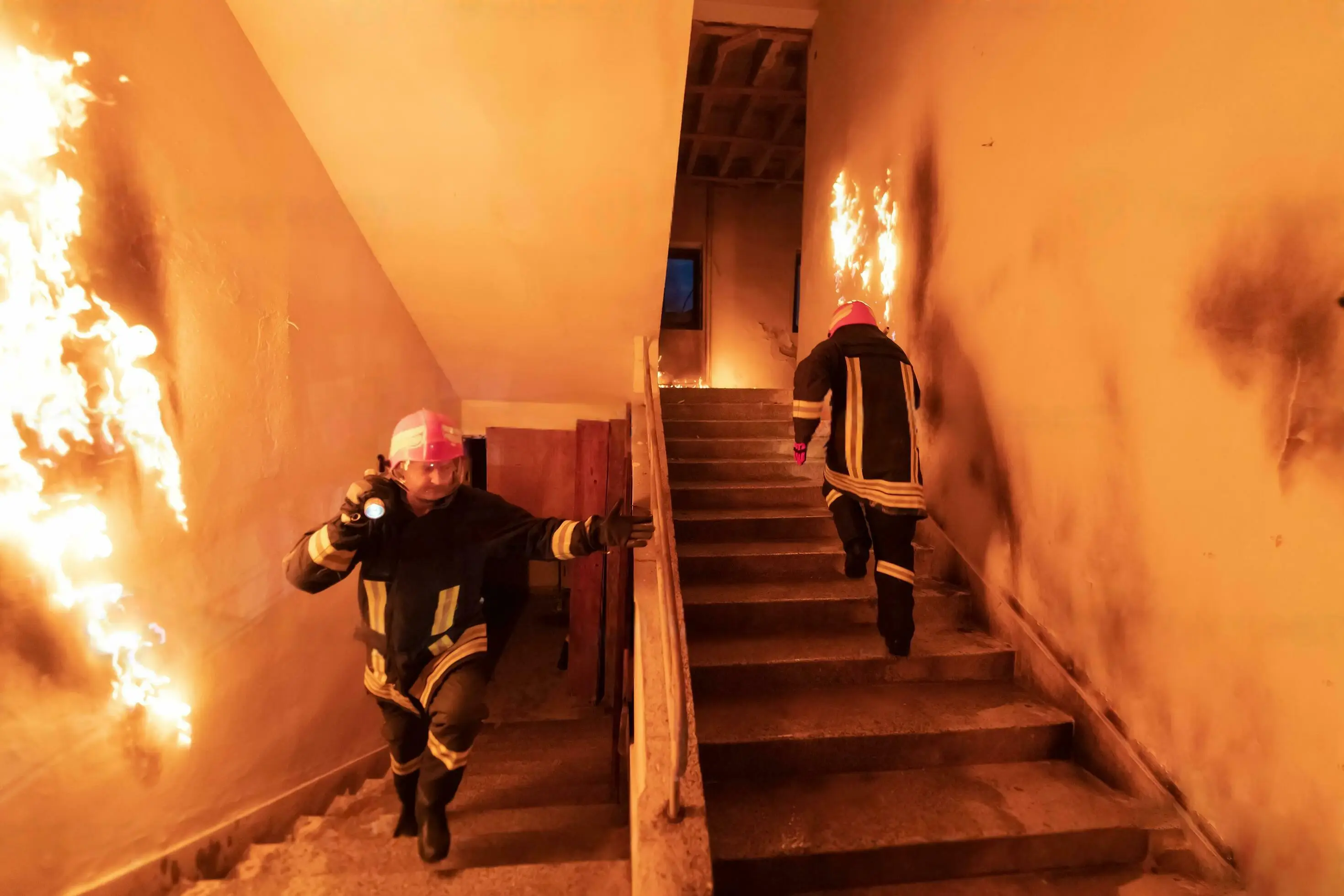
Fire Damage Restoration
Structural damage, soot, debris. We stabilize, clean, and rebuild what fire destroyed.
Learn more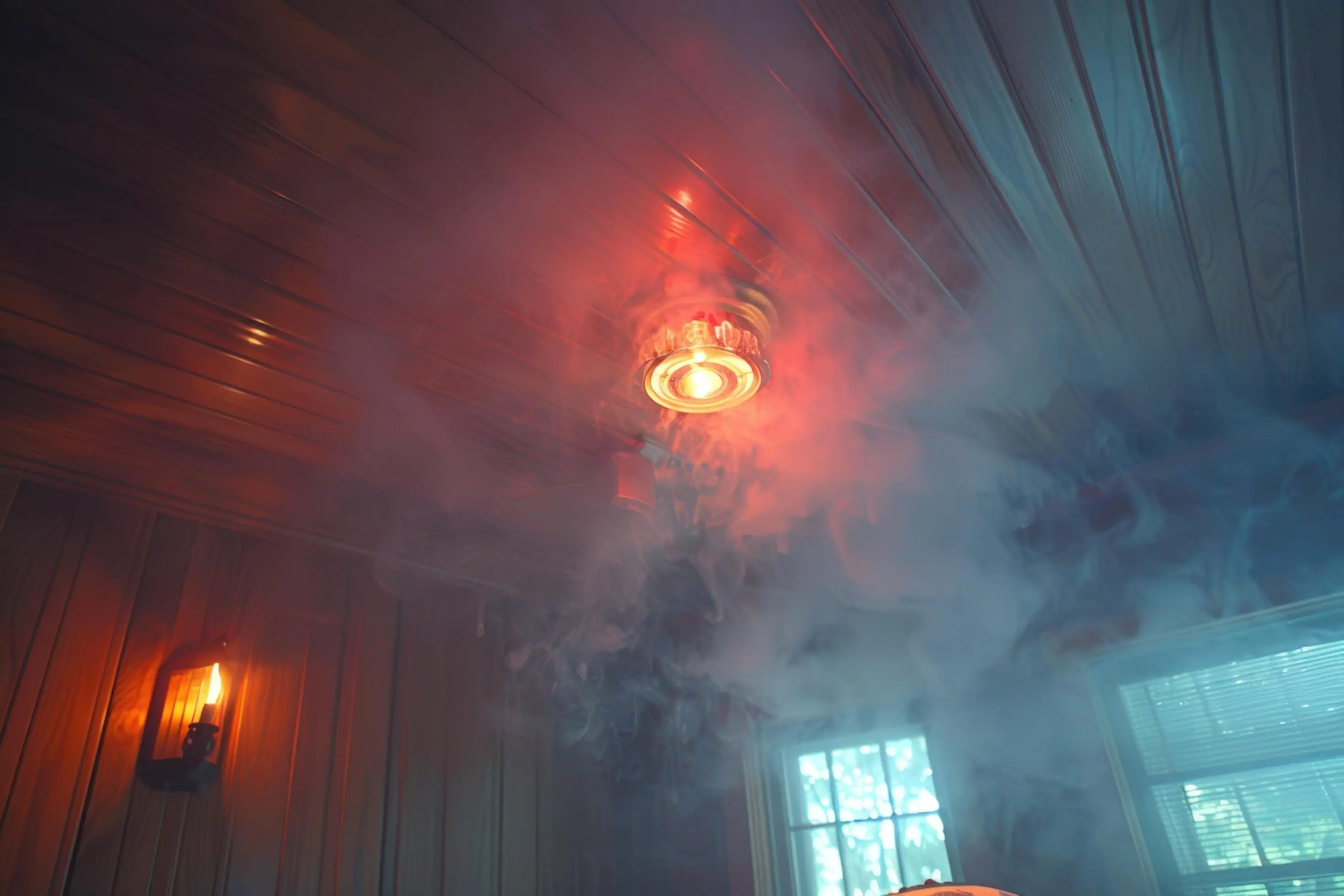
Smoke Damage Restoration
Soot residue, chemical odors, HVAC contamination. We decontaminate surfaces, eliminate odors, and restore air quality.
Learn more
Sewage Cleanup
Sewer backups, contaminated water, biohazard. We extract, sanitize, and restore safely.
Learn moreNearby Service Areas
Also serving nearby: