Mold Remediation in River Rouge, MI
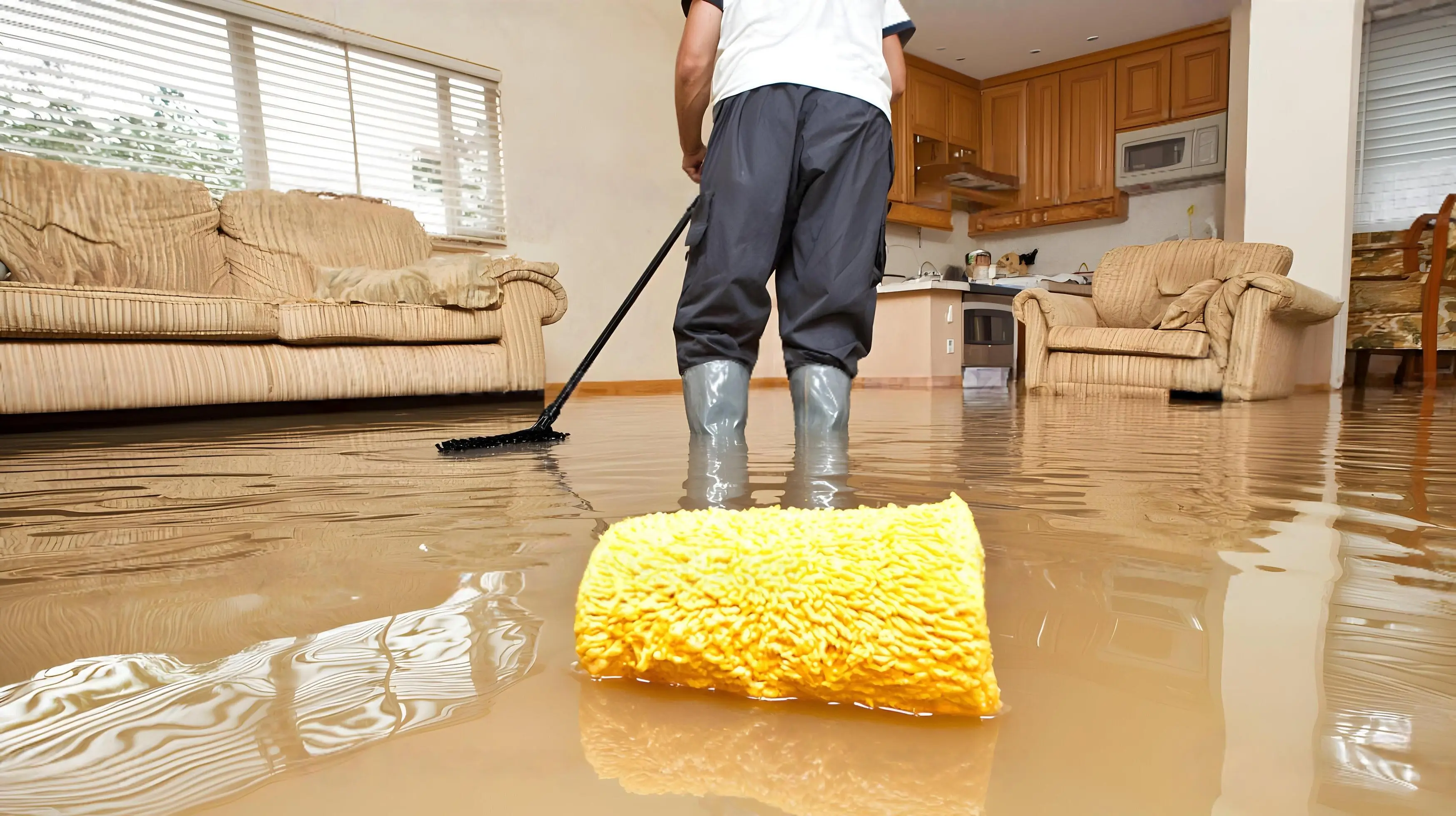
When elevated summer humidity, chronic riverfront groundwater seepage along the Detroit River, or plumbing leaks trigger microbial growth in your River Rouge home, toxic mold spores rapidly spread through HVAC ducts and interior wall assemblies. Our certified Wayne County mold remediation specialists arrive within 60 minutes to inspect the moisture source, establish negative air containment, and eliminate active colonies.
What Happens When You Call
Our 24/7 live dispatch connects you with an environmental remediation coordinator who schedules an immediate Wayne County field assessment.
Certified mold remediation technicians arrive at your River Rouge property equipped with calibrated moisture meters and thermal imaging cameras.
We establish negative air pressure containment chambers with HEPA filtration to prevent airborne cross-contamination during remediation.
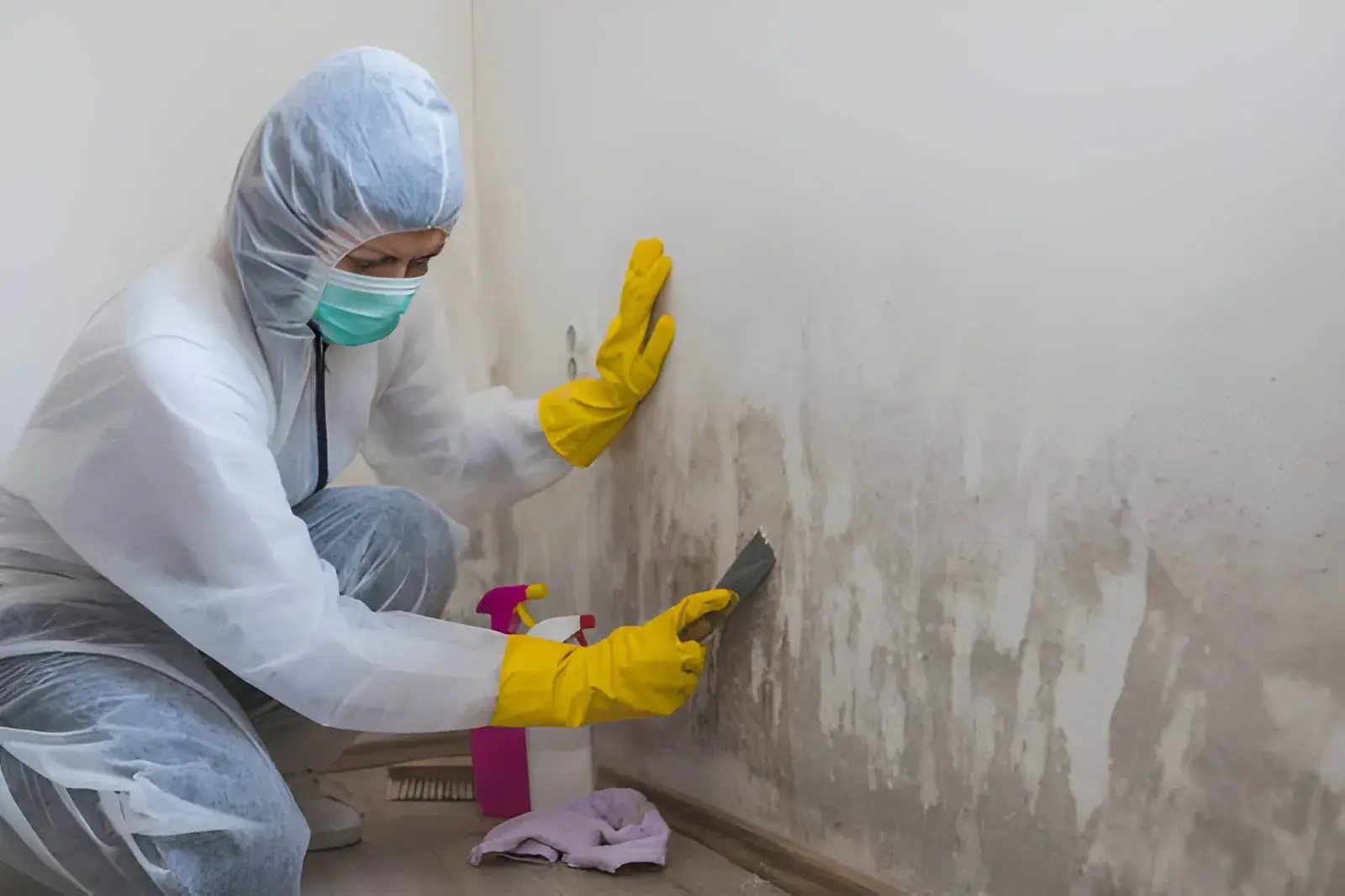
All colonized building materials are safely extracted or abated, surfaces are sanitized with EPA-registered antimicrobials, and clearance testing is performed.
Microbial contamination compromises indoor air quality and degrades structural wood framing, thriving whenever sustained moisture meets organic cellulose building materials. Whether you discover black mold colonies spreading across damp basement masonry, heavy fungal growth beneath attic roof decking, or a persistent musty odor circulating through your forced-air heating system, prompt containment is critical. At X Response, our certified specialists execute complete mold remediation following the IICRC S520 standard. We install physical isolation barriers, deploy commercial HEPA air filtration equipment, perform safe physical removal, and resolve underlying moisture intrusion so mold cannot return. Call now. Your local remediation team is standing by.
Why River Rouge Homes Are Vulnerable to Mold
Indoor mold growth across River Rouge is driven by the community's low-lying riverfront geography, aging housing infrastructure, and regional climate extremes. According to the U.S. Environmental Protection Agency, if mold growth covers more than 10 square feet or stems from extensive water damage, formal professional remediation protocols should be consulted. Situated beside the confluence of the Rouge and Detroit rivers at an elevation of only 584 feet, River Rouge experiences elevated water tables that maintain continuous dampness in surrounding soils. Subterranean basements and crawl spaces continually absorb moisture from these saturated soils, creating persistent damp environments favorable for fungal propagation.
Residential properties throughout River Rouge predominantly consist of homes built during the mid-20th-century industrial expansion. Most dwellings feature full subterranean basements constructed from concrete block, poured concrete, or vintage brick masonry. Downriver Wayne County is characterized by dense, low-permeability lacustrine clay soils that hold moisture against foundation walls long after rains stop. This moisture migrates directly through foundation masonry via capillary vapor transmission. During humid Michigan summers, evaporation from basement walls and floor slabs drives indoor relative humidity to high levels, providing ideal conditions for Aspergillus, Penicillium, and Cladosporium mold species to colonize drywall, wood studs, and stored furnishings.
Winter weather conditions introduce separate moisture hazards that feed hidden mold growth inside living spaces and attics. During harsh Michigan winters, indoor heating creates a strong natural stack effect, drawing warm, humid air upward through ceiling penetrations into cold attics. When this moist air contacts cold, uninsulated roof sheathing, water vapor condenses into liquid droplets. Over several winter months, chronic condensation saturates roof rafters and plywood decking, fostering dense black fungal growth that rots structural lumber and compromises roof stability before homeowners notice visible signs in spring.
Furthermore, recurring combined sewer surcharges and unresolved plumbing leaks represent acute triggers for hazardous microbial blooms in River Rouge. Because sewage backups introduce organic waste along with massive moisture volume, toxic Stachybotrys chartarum colonies can establish within 48 hours on cellulose building materials. When central HVAC systems draw air from contaminated basement utility rooms, fungal spores and volatile organic compounds (VOCs) circulate throughout the home, triggering allergies, asthma flare-ups, and severe respiratory symptoms. Certified professional remediation is required to isolate spores, sanitize structural elements, and ensure safe indoor air.
Detroit River Floodplain and High Water Tables
With a low ground elevation of 584 feet along the Detroit River, River Rouge basements face continuous groundwater pressure that drives moisture through foundation walls and floor slabs.
Dense Lacustrine Clay Soils and Moisture Retention
Slow-draining Wayne County clay soils retain surface runoff against foundation perimeters, keeping concrete block basements chronically damp throughout the spring and summer.
Humid Continental Summers and Elevated Basement RH
Humid summer air combines with subterranean evaporation to push basement relative humidity to high levels, creating optimal conditions for rapid mold spore germination.
Winter Thermal Bridging and Attic Condensation
Warm, moist air escaping into cold attics during freezing winters condenses against roof decking, feeding extensive mold growth and wood rot on framing timbers.
Combined Sewer Backups and Black Mold Colonization
Municipal sewer surcharges deposit organic waste and water onto basement subfloors, fostering rapid colonization of toxic Stachybotrys chartarum within 48 hours.
From chronic basement moisture vapor and attic condensation to sewer-related mold blooms, fungal contamination in River Rouge demands certified containment and root-cause moisture correction. Our local team arrives within 60 minutes to inspect your property and restore clean indoor air.
What Happens to Your Home While You Wait
24 to 48 Hours
Microscopic mold spores settle on damp organic materials such as drywall paper, wood framing, and carpet backing, germinating and establishing initial hyphal networks.
3 to 7 Days
Visible microbial colonies form along wall surfaces and structural studs, developing distinct black, white, or green surface discolorations accompanied by noticeable musty odors.
1 to 2 Weeks
Colonies mature and begin sporulating, releasing millions of airborne spores and volatile organic compounds (VOCs) that trigger respiratory irritation and contaminate indoor air quality.
2 to 4 Weeks
Fungal mycelium penetrates deeply into porous building materials, breaking down cellulose fibers and causing permanent structural degradation in wood framing, subfloors, and drywall.
Months and Beyond
Extensive microbial colonization compromises structural integrity, rots floor joists, and completely infests HVAC ductwork, requiring costly whole-house containment and extensive structural demolition.
Early detection and certified containment are crucial to prevent widespread spore migration and costly structural repairs. Contact X Response today. Our River Rouge specialists are available 24/7.
How We Restore Mold-Affected River Rouge Homes
Our remediation methodology complies strictly with the ANSI/IICRC S520 Standard for Professional Mold Remediation, focusing on root-cause moisture control, physical containment, and verified clearance.
Comprehensive Moisture Mapping and Visual Inspection
Our certified technicians perform a detailed assessment using thermal imaging cameras and digital pinless moisture meters to locate the primary source of moisture intrusion and map the full spatial boundaries of microbial contamination.
HEPA Negative Air Pressure Containment
Prior to disturbing any contaminated materials, we seal off the work area using 6-mil polyethylene sheeting, airtight zipper entryways, and critical barrier seals over HVAC supplies. Industrial HEPA air filtration units maintain continuous negative air pressure, preventing spores from migrating into occupied living areas.
Controlled Material Extraction and HEPA Vacuuming
Porous materials that cannot be salvaged, such as mold-infested drywall, deteriorated carpet cushion, and compromised insulation, are carefully bagged under negative pressure and removed. Remaining structural studs and framing are vacuumed using commercial HEPA equipment capturing particles down to 0.3 microns.
Abrasive Remediation and EPA Antimicrobial Application
Deeply rooted surface growth on structural lumber, fieldstone, and concrete is eliminated through HEPA sanding, wire brushing, or dry ice blasting. All exposed framing is then treated with an EPA-registered botanical antimicrobial agent that destroys remaining fungal organisms and prevents re-colonization.
Structural Encapsulation and Clearance Verification
Treated structural wood surfaces are sealed with a mold-resistant polymer encapsulant coating. The space remains under continuous HEPA air scrubbing until independent Post-Remediation Verification (PRV) testing confirms normal fungal ecology and verified dry standards.
The X Response Difference
When mold threatens your residential or commercial property in River Rouge, trust the local specialists who provide certified containment and guaranteed structural decontamination.
Insurance Claim Guidance for River Rouge Homeowners
Understanding insurance coverage for mold remediation in River Rouge requires careful review of your specific property policy terms and endorsements. Under standard Michigan homeowners insurance policies, mold remediation is typically excluded unless it directly results from a covered sudden and accidental water loss, such as a burst plumbing supply pipe or a ruptured water heater. Even when coverage applies, many insurance carriers enforce strict mold sub-limits ranging from $5,000 to $10,000 unless an optional mold endorsement was purchased. If mold develops from long-term seepage, high summer humidity, or poor ventilation, claims are frequently contested or denied under maintenance exclusion clauses. Our certified specialists document every phase of your remediation with objective moisture readings, high-resolution photographs, and itemized Xactimate estimates to support your claim.
How X Response Helps
- Conduct comprehensive photographic and video documentation of all mold contamination and associated water damage prior to starting abatement
- Document the exact moisture intrusion point to verify whether the loss originated from a covered sudden and accidental plumbing event
- Maintain digital moisture logs and psychrometric readings that track structural drying and environmental containment levels
- Compile itemized, transparent estimates utilizing Xactimate software, the standardized platform required by property insurance adjusters
- Coordinate directly with your insurance adjuster to explain containment requirements, specialized equipment, and necessary safety procedures
X Response operates solely as an emergency environmental remediation contractor. We do not adjust insurance claims, offer legal interpretations of policy language, or act as public adjusters. All policy coverage determinations remain exclusively between the policyholder and their licensed insurance company.
Certified Restoration Specialists Serving River Rouge
Our mold remediation specialists serving River Rouge reside throughout Wayne County and surrounding southeast Michigan communities. We possess deep technical expertise in regional environmental conditions, from high water table challenges along the Rouge and Detroit riverfronts to chronic attic condensation during cold Michigan winters. Having remediated hundreds of Downriver properties affected by basement dampness, crawlspace vapor drive, and plumbing-related mold, our team handles every project with the utmost professionalism and care for your family's health.
Every crew supervisor holds active certification from the Institute of Inspection, Cleaning and Restoration Certification (IICRC) as an Applied Microbial Remediation Technician (AMRT) and Water Damage Restoration Technician (WRT). Operating with commercial HEPA negative air machines, digital moisture detectors, and hospital-grade botanical disinfectants, our team ensures your property is safely returned to clean, healthy environmental standards.
In River Rouge, X Response works with H2O Pros, an independent local restoration partner serving Wayne County.