
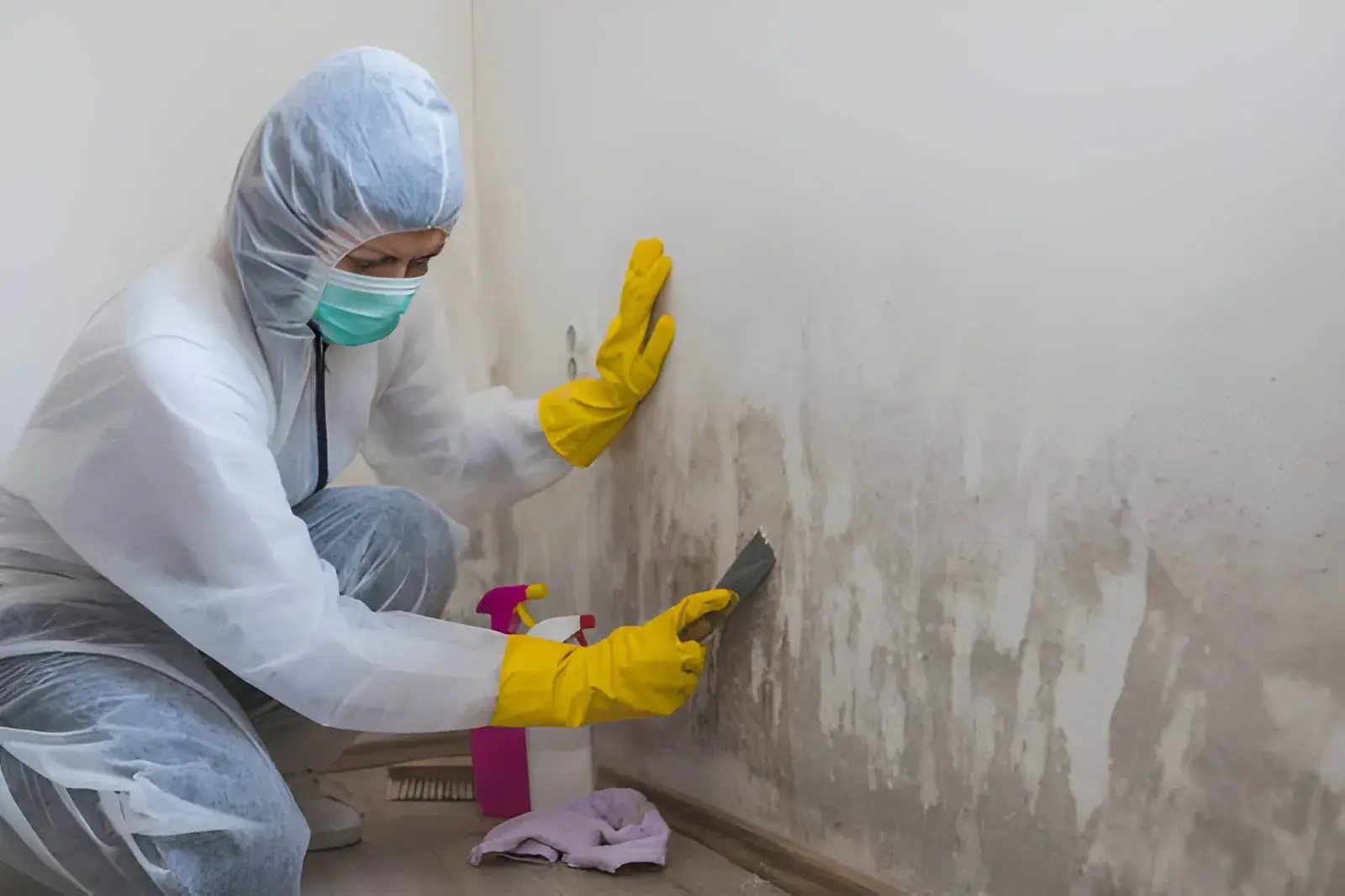
Mold Remediation in Girard, PA
Microscopic mold spores colonize damp subflooring, basement wall framing, and crawl spaces within 24 to 48 hours of water intrusion. Our certified remediation specialists mobilize across Girard to erect containment barriers and safely eradicate fungal contamination.
What Happens When You Call
Your inquiry connects directly with an environmental remediation supervisor who reviews moisture history and schedules an immediate on-site inspection.
Certified remediation technicians arrive at your Girard property equipped with infrared cameras, calibrated moisture meters, and containment supplies.
We erect sealed polyethylene containment barriers, install HEPA negative air machines, and place work areas under continuous negative pressure.
Technicians remove contaminated porous materials, HEPA-vacuum structural framing, apply botanical antimicrobials, and maintain commercial dehumidification.
Discovering visible mold growth or detecting persistent musty odors in your Girard home requires immediate, scientific containment to prevent airborne spores from contaminating living spaces. X Response follows strict ANSI/IICRC S520 remediation standards to isolate fungal colonies, safely eliminate contamination, and correct underlying moisture sources. Schedule a certified microbial assessment right away.
Why Girard Homes Are Vulnerable to Mold
Girard, Pennsylvania, sits on the glacial lake plain of western Erie County, just four miles south of the Lake Erie shoreline, where maritime lake effects produce a distinctly humid, high-precipitation microclimate. During the summer months, warm lake breezes drive outdoor relative humidity levels consistently above 75 percent, while severe winter blizzards deposit heavy snowpacks that slowly melt against foundation perimeters during spring thaws. According to the U.S. Environmental Protection Agency, indoor relative humidity should be maintained below 60 percent to prevent mold colonization on porous structural materials like drywall and framing lumber. In a lakeshore community where deep winter frost is followed by muggy summer warmth, residential properties face persistent subterranean moisture loads that encourage active fungal colonization.
The structural characteristics of residential construction throughout Girard Borough and Girard Township create specific vulnerabilities to chronic moisture and microbial proliferation. Many local homes feature full below-grade basements or unconditioned crawl spaces built on dense glacio-lacustrine clay subsoils that exhibit poor natural drainage. During seasonal precipitation surges and winter snowmelts, groundwater saturates the soil surrounding foundations, creating severe lateral hydrostatic pressure that drives water vapor through concrete masonry pores and floor-to-wall cold joints. When this subterranean moisture vapor enters cool, unventilated basements, it condenses against exposed wooden floor joists, subfloor sheathing, and drywall paper. Without continuous mechanical dehumidification, common fungal species including Aspergillus, Cladosporium, and Stachybotrys chartarum flourish, releasing airborne spores and musty volatile compounds that degrade indoor air quality.
Lake Erie Summer Humidity and Persistent Dampness
Moist lake breezes during warm summer months keep ambient humidity elevated, driving moisture into cool basements and promoting rapid fungal spore germination.
Heavy Glacial Clay Soils and Hydrostatic Pressure
Dense clay subsoils in western Erie County retain groundwater, building lateral pressure that forces moisture vapor through basement foundation walls.
Spring Snowpack Melt and Sump Inundation
Rapid melting of heavy lake-effect snowpacks overwhelms perimeter drainage and sump pits, leaving residual standing water that fuels mold growth.
Inadequately Ventilated Basements and Crawl Spaces
Unconditioned subterranean crawl spaces and closed basements lack balanced mechanical ventilation, trapping humid air and creating microclimates ideal for fungal growth.
Eradicating mold in Girard homes requires specialized physical containment combined with definitive structural moisture correction.
What Happens to Your Home While You Wait
Within 1 Hour
Water breaches basement walls or indoor relative humidity rises above 65 percent, creating optimal conditions for dormant airborne mold spores to settle.
1 to 24 Hours
Microscopic fungal spores germinate on damp cellulose building materials including floor joists, drywall paper backing, and subfloor plywood.
24 to 48 Hours
Active hyphae penetrate porous organic building materials. Visible microbial clusters begin forming on unconditioned basement framing, releasing early volatile organic compounds.
48 to 72 Hours
Established fungal colonies mature and begin producing airborne reproductive mycotoxins and spores. A noticeable, musty odor permeates through HVAC returns into upper living quarters.
One Week and Beyond
Extensive fungal proliferation digests wood lignins and cellulose, causing structural dry rot in joists and subfloors. Contamination spreads throughout interior wall cavities, requiring extensive containment.
Prompt professional containment prevents localized moisture from becoming an extensive, whole-house environmental hazard. Reach out to our Girard remediation team today.
How We Restore Mold-Affected Girard Homes
Our mold remediation protocol adheres strictly to the ANSI/IICRC S520 Standard for Professional Mold Remediation, ensuring thorough physical removal and verified structural cleanliness.
Comprehensive Moisture Mapping and Visual Inspection
We inspect structural assemblies using infrared thermography, non-invasive pin meters, and hygrometers to pinpoint the exact moisture sources sustaining fungal growth.
Negative Air Containment and Isolation
Technicians construct sealed 6-mil polyethylene containment barriers with zippered airlocks, deploying industrial HEPA negative air scrubbers to prevent cross-contamination to clean rooms.
HEPA Filtration and Bio-Washing
Airborne fungal spores and dust particles are captured using continuous HEPA air filtration. Non-salvageable contaminated porous materials are double-bagged and removed under sealed containment.
Controlled Structural Remediation and Cleaning
Exposed structural framing is HEPA-vacuumed, micro-sanded or dry-ice blasted to remove deeply rooted hyphae, and treated with EPA-registered botanical antimicrobials.
Structural Dehumidification and Clearance Verification
We deploy commercial low-grain refrigerant dehumidifiers to return structural moisture content below 15 percent, preparing the environment for independent third-party clearance air testing.
The X Response Difference
Choose X Response for scientifically rigorous mold remediation that permanently restores healthy indoor air quality to your Girard residence.
Insurance Claim Guidance for Girard Homeowners
Navigating mold property insurance claims in Pennsylvania requires careful attention to policy language and root-cause documentation. Standard homeowners policies frequently include restrictive mold coverage caps (often $5,000 to $10,000) or exclude mold entirely unless it results directly from a covered peril, such as a sudden pipe burst or roof failure. Insurers routinely deny claims attributed to chronic humidity, long-term groundwater seepage, or deferred maintenance. Our comprehensive moisture logs, photographic evidence, and cause-of-loss scoping provide the precise technical foundation required to demonstrate coverage under covered plumbing and storm perils.
How X Response Helps
- Identify and document the primary covered moisture event that initiated the secondary fungal contamination.
- Establish precise containment boundaries and compile photographic evidence before any demolition begins.
- Maintain detailed daily psychrometric drying logs and moisture content charts satisfying Pennsylvania claims requirements.
- Separate remediation costs into covered structural mitigation line items and non-covered maintenance improvements.
- Format all estimates using industry-standard Xactimate software with certified environmental remediation coding.
X Response provides objective structural inspection data, moisture logs, and remediation scopes to assist policyholders. We do not act as public adjusters; final coverage decisions remain the sole responsibility of your insurer.
Certified Restoration Specialists Serving Girard
Our Girard environmental remediation specialists understand the sensitive nature of mold contamination. When fungal growth threatens the health of your family and the integrity of your home, our team provides calm, scientific leadership. We possess specialized expertise in northwestern Pennsylvania construction, understanding how to remediate damp basements and lake-effect moisture issues without inflicting structural damage.
Every project is directed by professionals certified by the Institute of Inspection, Cleaning and Restoration Certification (IICRC) as Applied Microbial Remediation Technicians (AMRT) and Water Damage Restoration Technicians (WRT). Utilizing commercial HEPA filtration, botanical antimicrobials, and thermal diagnostics, we deliver exceptional remediation outcomes that stand the test of time.
In Girard, X Response works with Restoworks Disaster Restoration, an independent local restoration partner serving Erie County.
Mold Remediation FAQ for Girard Homeowners
Other Emergency Services in Girard
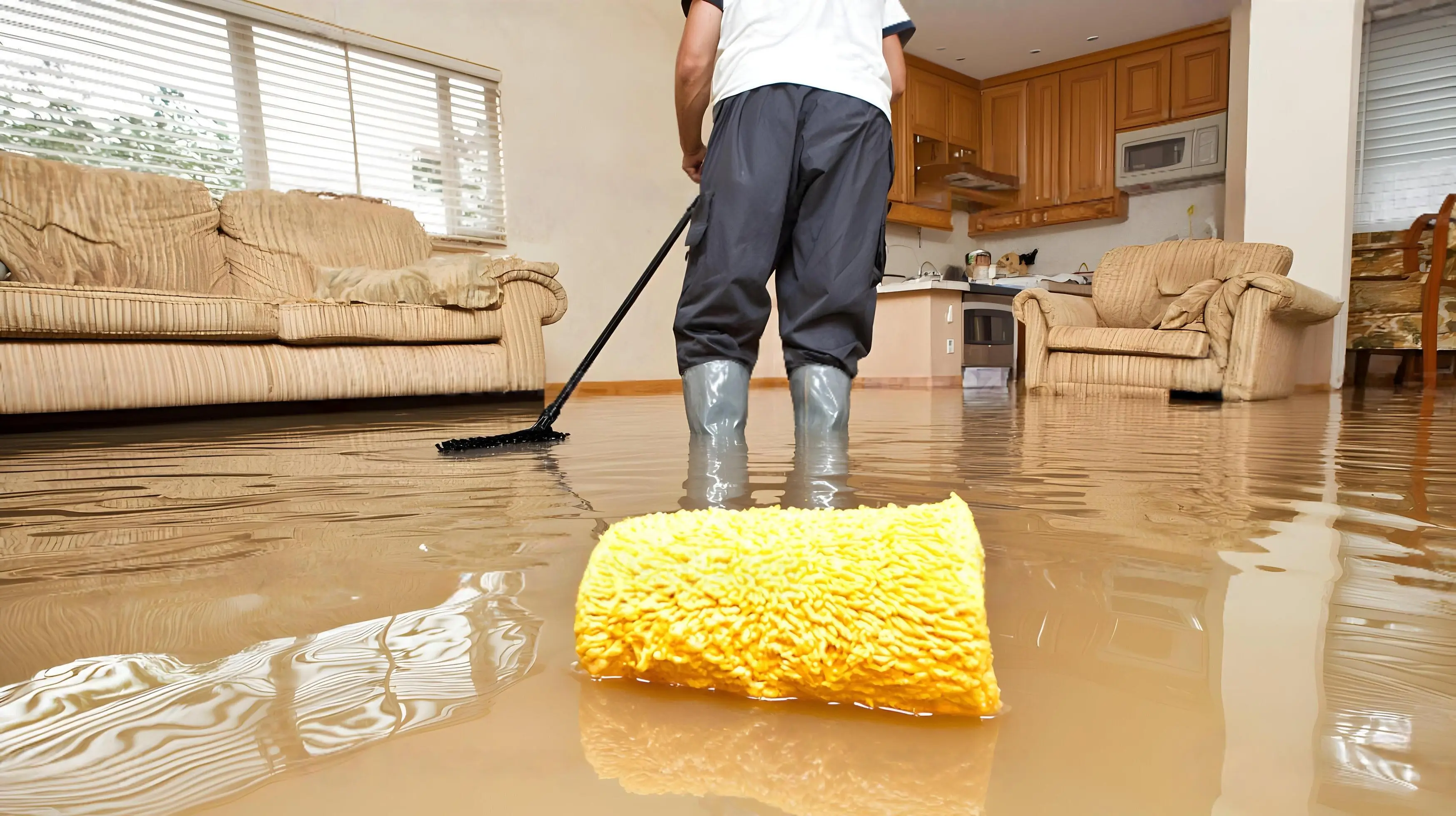
Water Damage Restoration
Burst pipes, storm flooding, standing water. We extract, dry, and restore before mold sets in.
Learn more
Fire Damage Restoration
Structural damage, soot, debris. We stabilize, clean, and rebuild what fire destroyed.
Learn more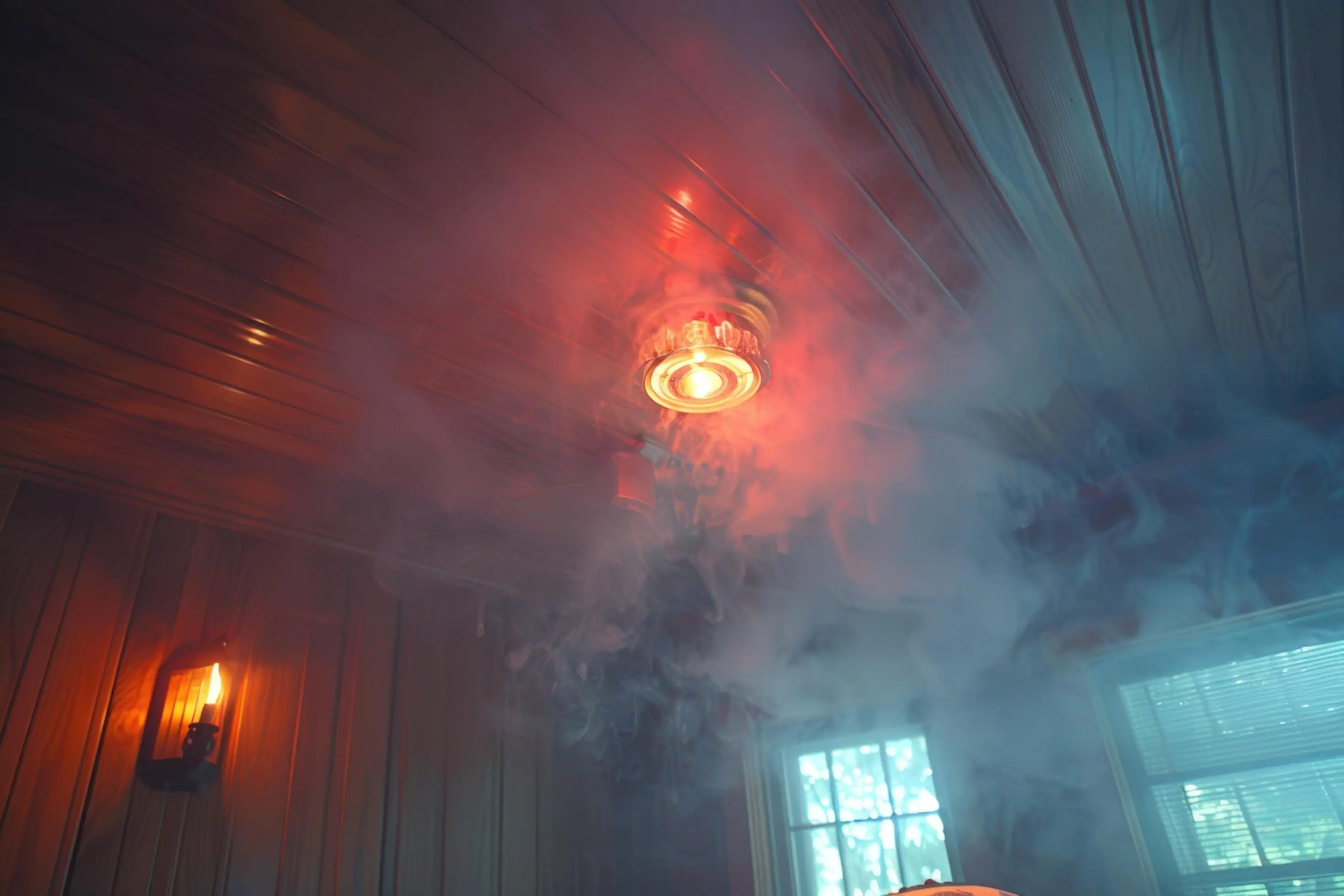
Smoke Damage Restoration
Soot residue, chemical odors, HVAC contamination. We decontaminate surfaces, eliminate odors, and restore air quality.
Learn more