
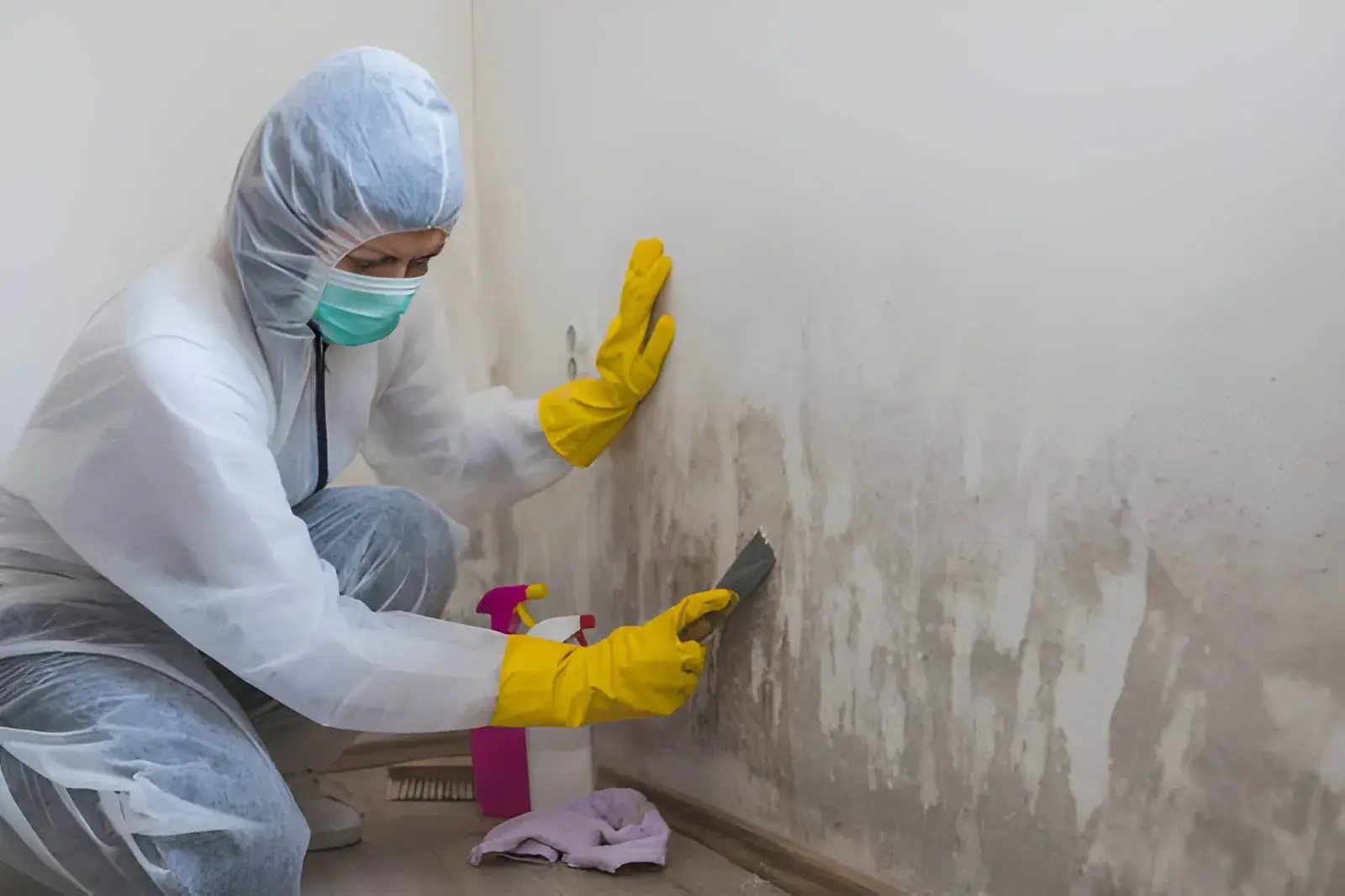
Mold Remediation in Erie, PA
Airborne mold spores spread through heating ducts and multiply inside damp walls within 24 to 48 hours of moisture intrusion. Our certified Erie mold specialists arrive in 60 minutes to establish negative-pressure containment and eliminate microbial growth at the source.
What Happens When You Call
Direct emergency dispatch mobilizes an experienced Erie remediation specialist within minutes to coordinate immediate moisture assessment and containment.
Our certified technician arrives on site within 60 minutes to perform thermal moisture mapping, relative humidity testing, and visual mold inspection.
We isolate contaminated areas using heavy plastic containment barriers and continuous HEPA negative air machines to prevent spore migration.
Technicians remove non-salvageable materials, apply EPA-registered antimicrobials to structural framing, and complete HEPA vacuuming with final air quality verification.
Discovering black mold on your baseboards, smelling musty odors in your basement, or suffering recurring allergy symptoms inside your home demands immediate, certified remediation. Bleach and surface wipes do not kill deep fungal roots embedded in porous timber and masonry. X Response delivers scientific microbial remediation designed specifically for lakeside properties. From sealed containment barriers to HEPA filtration and moisture source elimination, we restore clean, healthy living environments. Call now. Your team is standing by.
Why Erie Homes Are Vulnerable to Mold
Erie, Pennsylvania, situated along the shoreline of Lake Erie in Erie County, experiences environmental conditions that make residential properties particularly susceptible to chronic mold colonization. With a population of 94,831 and an elevation dropping from 728 feet on the city's southern bluffs to 571 feet at Presque Isle Bay, Erie's humid continental climate brings an average of 44 inches of annual precipitation and prolonged summer humidity levels that consistently exceed 75 percent. According to the U.S. Environmental Protection Agency, indoor relative humidity should be maintained below 60 percent, ideally between 30 and 50 percent, and damp materials must be dried within 24 to 48 hours to prevent mold growth. In Erie's maritime environment, warm moisture-laden air blowing off Lake Erie readily penetrates older home envelopes, condensing against cooler basement slabs and uninsulated foundation walls.
The structural age and geological foundation of Erie homes dramatically amplify this moisture challenge. The city is underlain by Devonian shale bedrock overlain by dense glacial till soils with high clay content, which retain groundwater and drain poorly. In older neighborhoods like West Bayfront, Little Italy, and East Bayfront, residential foundations built between the 1880s and 1940s commonly feature porous fieldstone, sandstone blocks, and unreinforced mortar joints. Over decades, intense hydrostatic ground pressure forces water through hairline fissures and mortar seams, creating chronic dampness, efflorescence, and hidden moisture reservoirs behind finished drywall. When homeowners finish basements without adequate exterior waterproofing or continuous dehumidification, fungal colonies of Aspergillus, Penicillium, and Stachybotrys flourish unseen inside perimeter stud cavities.
Lake Erie Coastal Humidity and Condensation Dynamics
During warm summer months, humidity levels along Lake Erie frequently climb above 80 percent. When this moist outdoor air infiltrates cooler below-grade basements and shaded crawl spaces, it reaches its dew point, depositing liquid condensation on cold concrete, exposed copper pipes, and subfloor joists.
Porous Sandstone and Fieldstone Foundation Seepage
Many older homes across Erie rest on stone and mortar foundations. Unlike modern poured concrete, porous sandstone blocks and aging lime mortar naturally absorb groundwater from saturated glacial till soils, creating capillary wicking that continuously elevates indoor humidity and feeds mold colonies.
Winter Freeze-Thaw Cycles and Foundation Fractures
Erie's harsh winters, with over 104 inches of snowfall, cause severe ground freezing and thawing. Expanding frost heaves exert lateral force against basement walls, widening mortar cracks and opening pathways for spring meltwater to seep into wall assemblies where microbial spores thrive.
Inadequate Crawl Space Ventilation and Encapsulation
Older residential additions and bungalows across Erie often feature unsealed dirt crawl spaces beneath living areas. Earth moisture evaporates directly into floor joists and subflooring, rotting structural wood, causing floor sagging, and allowing airborne mold spores to rise into living areas.
Erie properties require specialized mold remediation that addresses both active microbial contamination and the chronic lakefront moisture sources driving it. Our certified specialists eliminate fungal growth and implement lasting moisture control.
What Happens to Your Home While You Wait
24 to 48 Hours
Microscopic mold spores settle onto wet organic substrates like drywall paper, wood framing, or carpet backing, germinating and establishing hyphal root systems within 48 hours of initial moisture intrusion.
3 to 7 Days
Active mold colonies expand across surfaces, becoming visible as discolored black, green, or white patches. Spores begin releasing pungent microbial volatile organic compounds (mVOCs), creating noticeable musty smells throughout basements and crawl spaces.
1 to 2 Weeks
Fungal hyphae penetrate deeply into porous drywall and wood fibers, consuming cellulose materials. Airborne spore counts rise dramatically, contaminating forced-air HVAC ductwork and triggering coughing, sneezing, and respiratory irritation in sensitive occupants.
2 to 4 Weeks
Extensive colonization causes drywall to soften, crumble, and detach from wall studs. Subflooring and structural framing begin exhibiting wood rot, while personal contents stored in basements, including clothing, cardboard, and upholstery, suffer permanent contamination.
One Month and Beyond
Widespread contamination spreads throughout the building envelope. Structural timbers lose load-bearing capacity, requiring extensive demolition and carpentry repairs. Remediating mature infestations requires aggressive physical removal, negative-pressure containment, and extensive clearance testing.
Mold colonies spread rapidly across damp building materials in northwestern Pennsylvania. Contact X Response now for certified inspection and 60-minute emergency arrival.
How We Restore Mold-Affected Erie Homes
Our Erie mold remediation process adheres strictly to ANSI/IICRC S520 professional standards, ensuring safe containment, complete physical removal, and verified clearance.
Comprehensive Inspection and Moisture Mapping
Our certified remediation technicians arrive in Erie equipped with thermal imaging cameras, pin and pinless moisture meters, and digital hygrometers. We map moisture boundaries behind walls, evaluate foundation intrusion points, and identify visible and hidden mold colonies.
Isolation and Negative Air Containment
To prevent mold spores from cross-contaminating unaffected living spaces, we construct sealed containment chambers using 6-mil poly sheeting and zipper doors. Commercial HEPA negative air machines run continuously, venting filtered air outdoors and maintaining negative room pressure.
HEPA Filtration and Controlled Demolition
Industrial HEPA air scrubbers capture airborne spores, particulate matter, and mycotoxins throughout the remediation zone. Heavily contaminated, non-salvageable materials like water-logged drywall, ceiling tiles, and carpet padding are carefully bagged, sealed, and removed.
Structural Surface Decontamination
Exposed structural framing, joists, and concrete foundation walls are cleaned using HEPA vacuuming and specialized antimicrobial agents. For deep colonization on wood timbers, we deploy dry ice or soda blasting to remove embedded fungal roots without compromising structural integrity.
Antimicrobial Treatment and Environmental Verification
All treated structural framing is sealed with an EPA-registered antimicrobial barrier coating that inhibits future mold colonization. A final visual inspection and third-party clearance air testing verify that indoor spore counts have returned to normal, safe baseline levels.
The X Response Difference
Choose X Response for scientifically certified, permanent mold remediation across Erie County.
Insurance Claim Guidance for Erie Homeowners
Mold remediation insurance claims in Pennsylvania require clear documentation establishing a direct link to a covered peril. Standard homeowner property insurance policies typically exclude coverage for mold resulting from long-term deferred maintenance, chronic seepage, or ambient high humidity. However, if mold growth develops as the direct consequence of a sudden and accidental covered water event, such as a burst frozen plumbing line or storm-damaged roof intrusion, remediation costs are often covered up to policy mold sub-limits. Providing immediate, professional documentation is critical to substantiating your claim.
How X Response Helps
- Obtain professional moisture mapping and photographic logs that connect mold growth directly to a sudden, covered water intrusion.
- Verify policy language regarding specific mold endorsements and sub-limits, which commonly range from $5,000 to $10,000 in Pennsylvania.
- Document all containment, demolition, and antimicrobial treatments using standard Xactimate line items required by insurance carriers.
- Coordinate with an independent third-party environmental professional for pre- and post-remediation air quality testing.
- Submit formal remediation scopes promptly to avoid insurer claims of avoidable secondary property damage.
X Response provides objective technical moisture documentation and certified remediation estimates. We do not act as licensed public adjusters and do not settle insurance claims; final coverage determinations remain solely with your insurance carrier.
Certified Restoration Specialists Serving Erie
Our Erie mold remediation team holds specialized certifications through the Institute of Inspection, Cleaning and Restoration Certification (IICRC), including Applied Microbial Remediation Technician (AMRT) and Water Damage Restoration (WRT). Serving Erie and surrounding Erie County communities, our technicians possess deep expertise in the moisture challenges unique to Great Lakes coastal properties.
We utilize commercial-grade negative air machines, true HEPA vacuum systems, thermal imaging cameras, and EPA-registered botanical antimicrobials to handle mold problems of any scale. From damp historic basements near Presque Isle Bay to modern residences experiencing attic moisture issues, our team treats your home with uncompromising professionalism.
In Erie, X Response works with Restoworks Disaster Restoration, an independent local restoration partner serving Erie County.
Mold Remediation FAQ for Erie Homeowners
Other Emergency Services in Erie
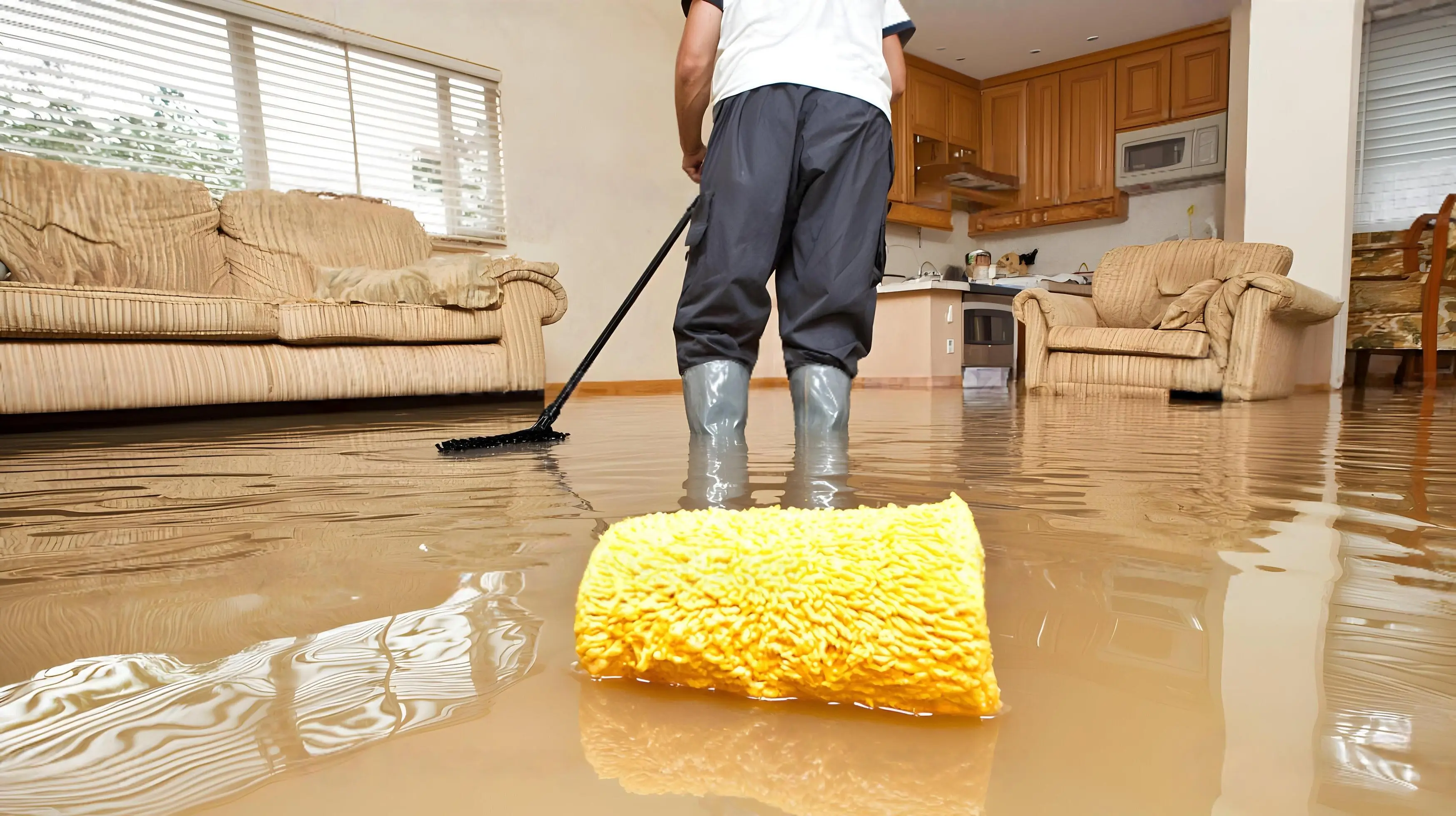
Water Damage Restoration
Burst pipes, storm flooding, standing water. We extract, dry, and restore before mold sets in.
Learn more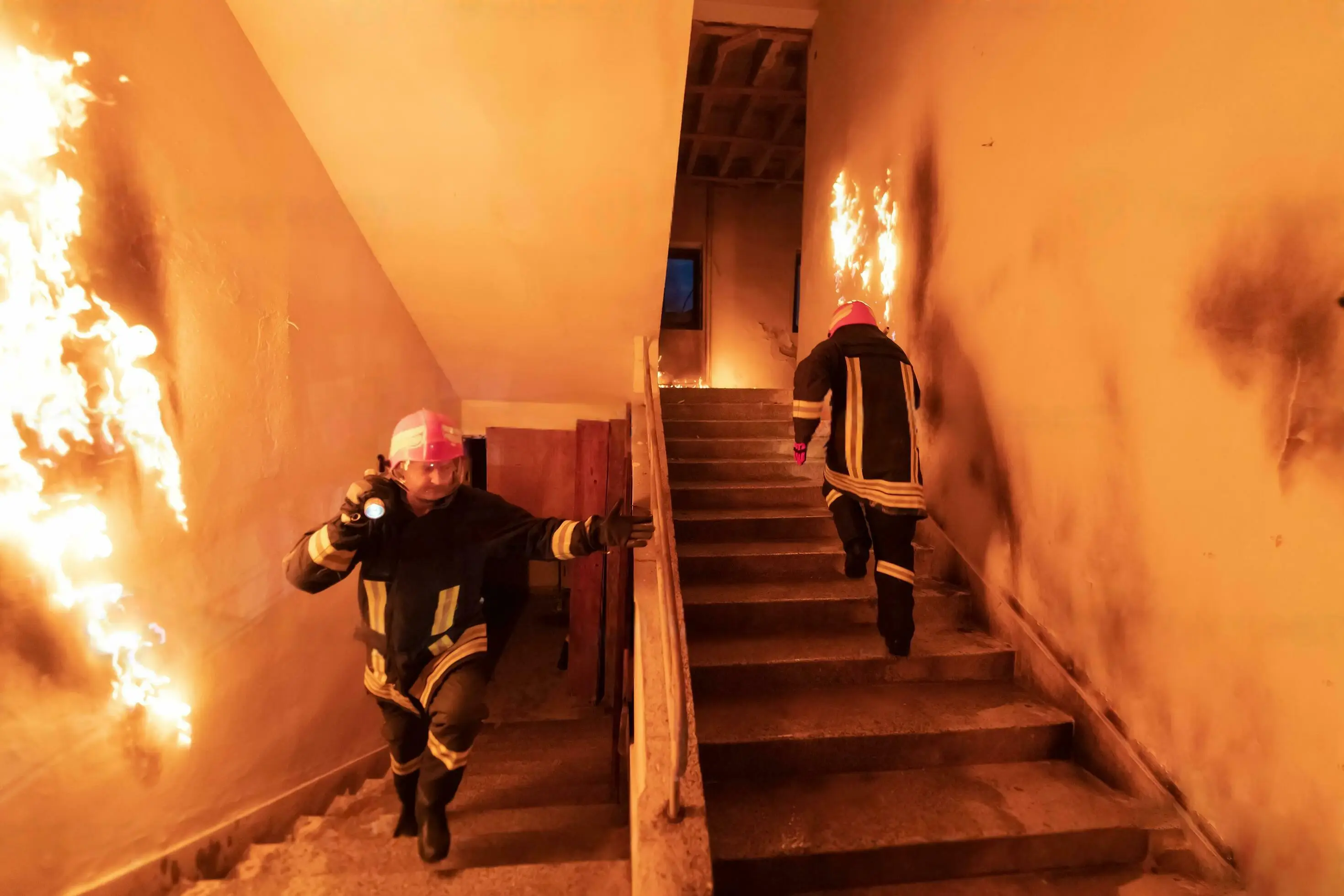
Fire Damage Restoration
Structural damage, soot, debris. We stabilize, clean, and rebuild what fire destroyed.
Learn more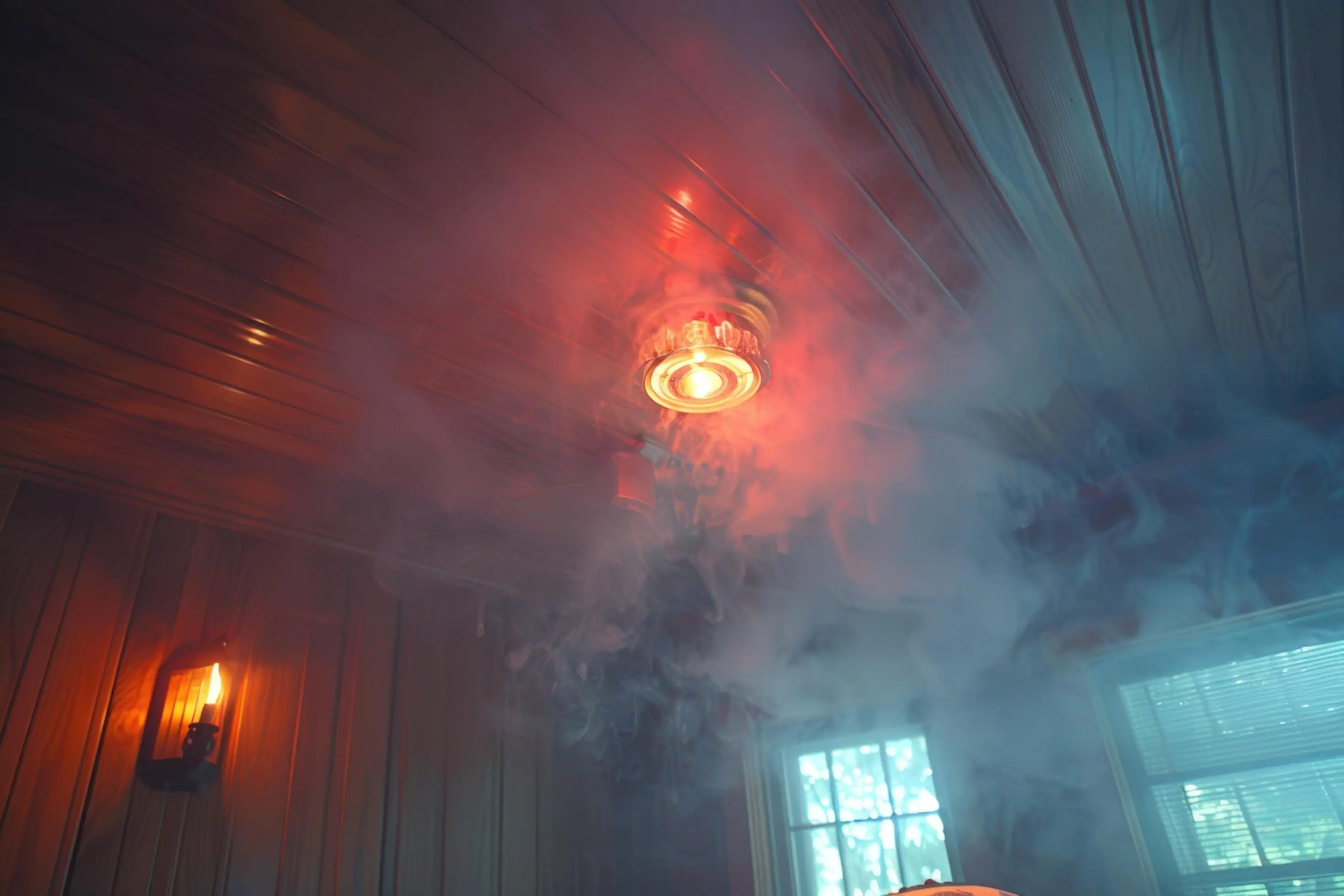
Smoke Damage Restoration
Soot residue, chemical odors, HVAC contamination. We decontaminate surfaces, eliminate odors, and restore air quality.
Learn moreNearby Service Areas
Also serving nearby: