
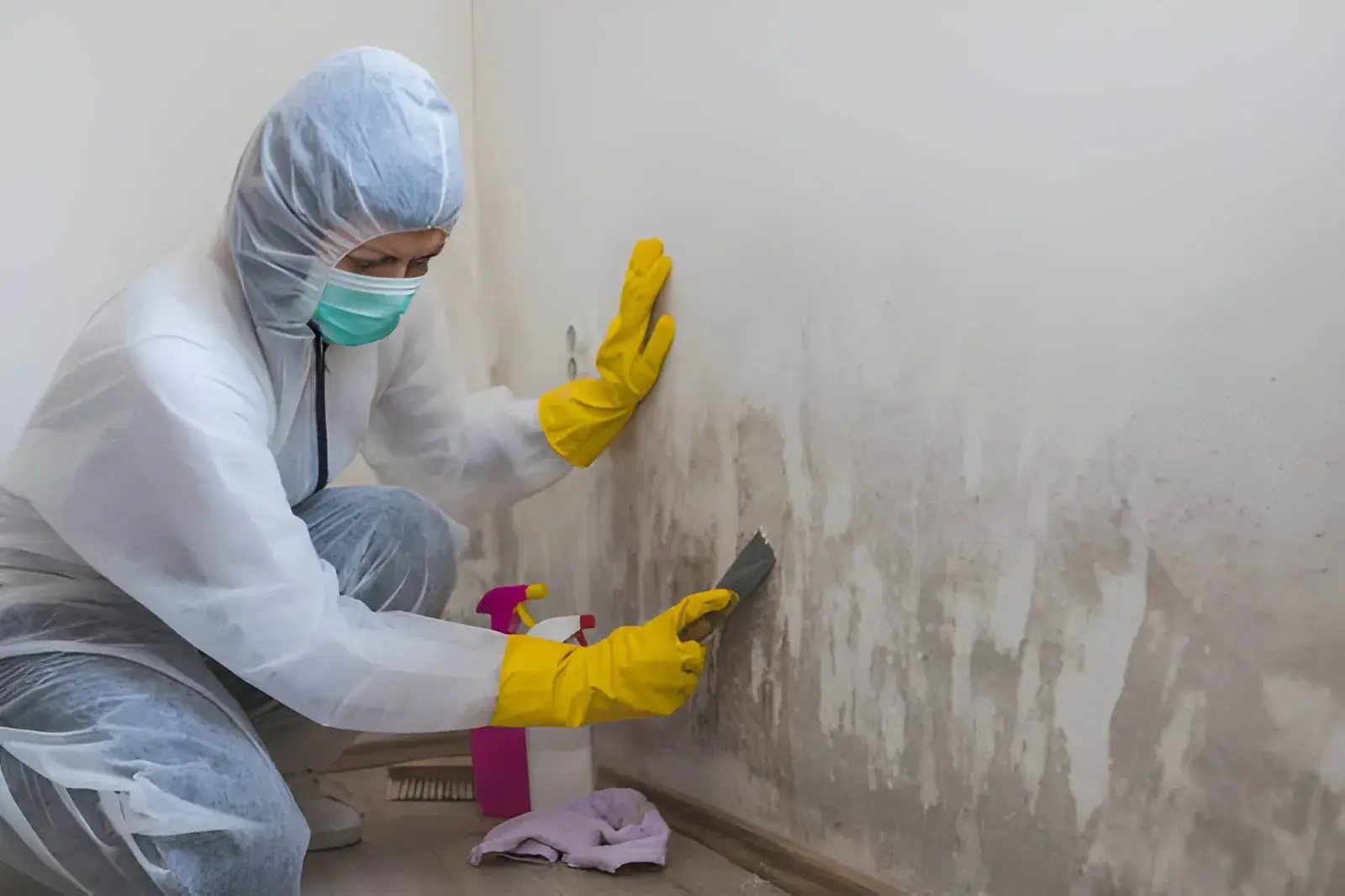
Mold Remediation in Baytown, TX
Mold spores colonize damp drywall and framing within 24 to 48 hours in Baytown's humid climate. Our TDLR-compliant team responds within 60 minutes.
What Happens When You Call
Emergency intake assesses the contamination scale and coordinates TDLR-compliant protocol guidelines for your Harris or Chambers county home.
Licensed remediation technicians establish sealed poly-containment zones with negative air HEPA filtration to prevent spore dispersal.
Crews systematically remove colonized drywall, insulation, and contaminated substrates under strict safety controls.
Structural framing and concrete slabs undergo detailed HEPA vacuuming, antimicrobial treatment, and independent post-remediation clearance.
Discovering active mold growth or persistent musty odors indicates unmanaged moisture that requires immediate, licensed intervention. In Baytown's humid coastal climate, fungal colonization advances rapidly through wall cavities, subflooring, and central air conditioning ductwork. X Response mobilizes certified remediation specialists within minutes, establishing critical containment barriers and deploying commercial HEPA filtration to safeguard your indoor air quality. Call now. Your team is standing by.
Why Baytown Homes Are Vulnerable to Mold
Baytown is a coastal industrial municipality of roughly 84,000 residents situated across Harris and Chambers counties, Texas, along the northern shore of Galveston Bay. The city experiences an intense humid subtropical climate, maintaining an average relative humidity near 75% throughout the year, with morning humidity regularly surpassing 90% from April through October. Ambient temperatures consistently remain in the 80s and 90s for eight months of the year, creating ideal biological incubation conditions where fungal species such as Aspergillus, Penicillium, Cladosporium, and Stachybotrys colonize any building material exposed to moisture within 24 to 48 hours.
When Hurricane Beryl knocked out power for more than 2.7 million homes across the Houston metro in July 2024, properties throughout Harris, Brazoria, and Galveston counties sat in heat and humidity with no air conditioning for days, triggering widespread mold growth that overwhelmed local remediation capacity. In Baytown, thousands of single-family slab-on-grade homes and waterfront properties lost climate control while outdoor heat indices climbed above 100 degrees. Indoor humidity surged over 85%, turning preexisting minor roof leaks, plumbing condensation, and flood dampness into aggressive mold outbreaks within days. This disaster highlighted that in coastal Southeast Texas, continuous mechanical climate control is all that keeps indoor air safe from pervasive environmental mold.
Year-Round Coastal Humidity and Rapid Fungal Colonization
Unlike northern regions where cold winter months arrest biological activity, Baytown maintains year-round temperatures and moisture levels optimal for mold propagation. Unconditioned indoor spaces rapidly reach moisture equilibrium with the outdoor Gulf air. At indoor relative humidity levels above 60%, porous organic materials such as drywall paper, baseboards, and carpet backing absorb moisture from the air, allowing dormant spores to germinate without direct liquid water contact.
Texas TDLR Licensing Requirements (Occupations Code Chapter 1958)
The State of Texas strictly regulates mold remediation through the Texas Department of Licensing and Regulation (TDLR) under Texas Occupations Code Chapter 1958 and 25 TAC Chapter 295. State law enforces a mandatory conflict-of-interest separation: the licensed Mold Assessment Consultant (MAC) who writes the remediation protocol and performs post-remediation clearance testing cannot be affiliated with the Mold Remediation Contractor (MRC) executing the physical cleanup. This legal firewall protects Baytown consumers, ensuring independent verification and the issuance of a valid Certificate of Mold Damage Remediation (Form CMDR-1) for property records.
Slab-on-Grade Moisture Migration Through Coastal Clay
Most Baytown homes sit directly on concrete slab foundations resting atop dense Beaumont Formation clay. The clay subsoil retains groundwater indefinitely. Moisture migrates upward through micro-capillaries in the porous concrete slab, causing chronic dampness beneath glued vinyl planks, laminate flooring, and carpeting. This sub-slab dampness fuels hidden fungal growth beneath floor coverings and along the bottom plates of interior partition framing.
HVAC Condensate Failures in Coastal Homes
Baytown residences operate central air conditioning systems from March through November. Air conditioning evaporator coils condense gallons of water daily from indoor air. Clogged condensate drain lines, rusted drain pans, or cracked attic drip trays release water directly into ceiling drywall and attic insulation. Furthermore, cold supply ducts routed through hot, humid attics suffer condensation sweat, resulting in mold colonizing the outer duct wrap and entering internal airflow channels.
Residual Hidden Mold from Historical Tropical Floods
Baytown housing stock has weathered numerous major flood events, including Hurricane Carla (1961), Hurricane Ike (2008), Hurricane Harvey (2017), and Hurricane Beryl (2024). Homes that underwent incomplete post-flood remediation or rapid drywall replacement often retain active fungal colonies concealed within lower wall cavities and behind exterior brick veneer, slowly releasing mycotoxins and spores into living areas.
Managing mold in Baytown requires more than superficial surface cleaning. It demands professional containment, adherence to Texas TDLR licensing regulations, thorough material removal, and complete moisture source correction to ensure lasting indoor environmental safety.
What Happens to Your Home While You Wait
Within 24 Hours
Microscopic mold spores settle on moist organic substrates and initiate germination. Internal moisture within drywall paper and sub-slab padding begins feeding initial hyphal thread expansion.
24–48 Hours
Hyphae spread across surfaces, forming micro-colonies on drywall backing, framing lumber, and cabinetry bases. Early musty odors become noticeable in enclosed rooms and closets.
48–72 Hours
Visible black, green, or white mold colonies appear on walls, baseboards, and ceiling tiles. Millions of new airborne spores are released into the indoor airstream, contaminating HVAC ductwork.
One Week
Fungal mycelium penetrates deeply into the porous gypsum core of drywall and into the grain of structural wood framing. Soft goods, insulation, and carpeting become unsalvageable.
One Month and Beyond
Severe biological degradation compromises structural integrity. Drywall crumbles, wood rot begins on foundation plates, and airborne spore concentrations present serious respiratory and health hazards.
Prompt licensed remediation protects your family's health and property value. Contact X Response immediately for TDLR-compliant mold remediation in Baytown.
How We Restore Mold-Affected Baytown Homes
Our mold remediation protocol adheres strictly to Texas TDLR standards and IICRC S520 guidelines, delivering documented decontamination and guaranteed clearance.
Independent Assessment Protocol Review
We review the comprehensive mold remediation protocol prepared by your independent licensed Mold Assessment Consultant (MAC). The protocol defines exact containment boundaries, engineering controls, and work scopes required for the project.
Critical Containment and Negative Air Engineering
Technicians construct sealed polyethylene containment barriers with airlock chambers. Industrial HEPA-filtered negative air machines exhaust air outside, establishing negative pressure that prevents spores from escaping into unaffected living spaces.
Controlled Removal of Contaminated Materials
Colonized porous materials, including damaged drywall, fiberglass insulation, and carpet underlayment, are carefully bagged in sealed disposal bags and removed from the structure under continuous negative air pressure.
Structural Cleaning and Antimicrobial Sanitization
All remaining framing, concrete slabs, and semi-porous surfaces undergo thorough HEPA vacuuming, wire brushing, and application of EPA-registered, hospital-grade antimicrobial solutions to eliminate root fungal structures.
Clearance Testing and Certificate of Remediation
The independent MAC conducts rigorous visual inspection and air quality sampling. Upon passing clearance, the consultant issues a clearance report, allowing us to provide your official Certificate of Mold Damage Remediation (Form CMDR-1).
The X Response Difference
Demand TDLR-licensed professionalism to ensure legal compliance, genuine indoor safety, and protected property value.
Insurance Claim Guidance for Baytown Homeowners
Mold insurance coverage in Texas varies widely depending on your policy terms and the underlying water source. Most standard Texas homeowner policies require an explicit mold coverage endorsement, which covers remediation up to a specified cap (typically $5,000 to $50,000) when resulting from a covered sudden and accidental water peril, such as a burst pipe. Our team works seamlessly with your insurer to document the direct causal link between the covered water loss and microbial growth.
How X Response Helps
- Comprehensive photographic documentation of mold colonization and underlying water intrusion source
- Itemized Xactimate estimates formatted to match Texas insurance claim requirements
- Coordination with licensed third-party assessment consultants for formal protocol submission
- Daily moisture and containment logs demonstrating compliance with IICRC S520 and TDLR standards
- Final clearance documentation and issuance of the Texas Certificate of Mold Damage Remediation (CMDR-1)
X Response performs independent certified remediation and documentation services. Insurance coverage limits, deductible applications, and claim approvals remain the sole determination of your insurance carrier.
Certified Restoration Specialists Serving Baytown
Our Baytown mold remediation specialists operate in strict compliance with Texas Department of Licensing and Regulation (TDLR) standards, holding active Mold Remediation Contractor (MRC) licenses and IICRC Applied Microbial Remediation Technician (AMRT) credentials. We possess extensive field experience addressing the complex fungal profiles common to Harris and Chambers counties' coastal climate.
We equip our crews with commercial-grade remediation equipment, including high-capacity HEPA air scrubbers (99.97% capture at 0.3 microns), negative air pressure monitors, commercial desiccant dehumidifiers, and full personal protective equipment (PPE). Our team is dedicated to providing thorough, legally defensible, and permanent mold remediation for Baytown homes and commercial facilities.
In Baytown, X Response works with First Response Restoration, an independent local restoration partner serving Harris County.
Mold Remediation FAQ for Baytown Homeowners
Other Emergency Services in Baytown
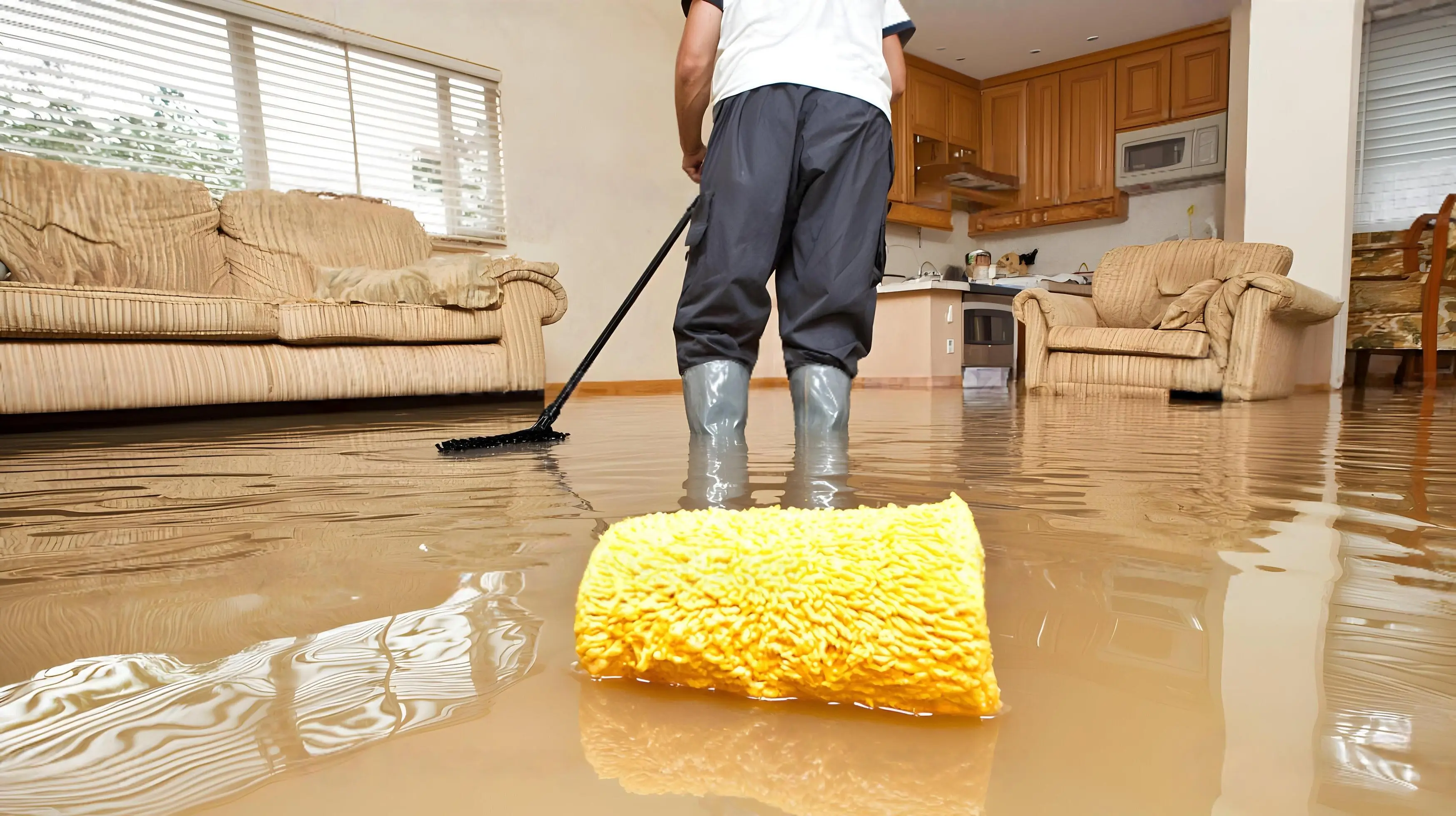
Water Damage Restoration
Burst pipes, storm flooding, standing water. We extract, dry, and restore before mold sets in.
Learn more
Fire Damage Restoration
Structural damage, soot, debris. We stabilize, clean, and rebuild what fire destroyed.
Learn more
Smoke Damage Restoration
Soot residue, chemical odors, HVAC contamination. We decontaminate surfaces, eliminate odors, and restore air quality.
Learn more
Sewage Cleanup
Sewer backups, contaminated water, biohazard. We extract, sanitize, and restore safely.
Learn moreNearby Service Areas
Also serving nearby: