
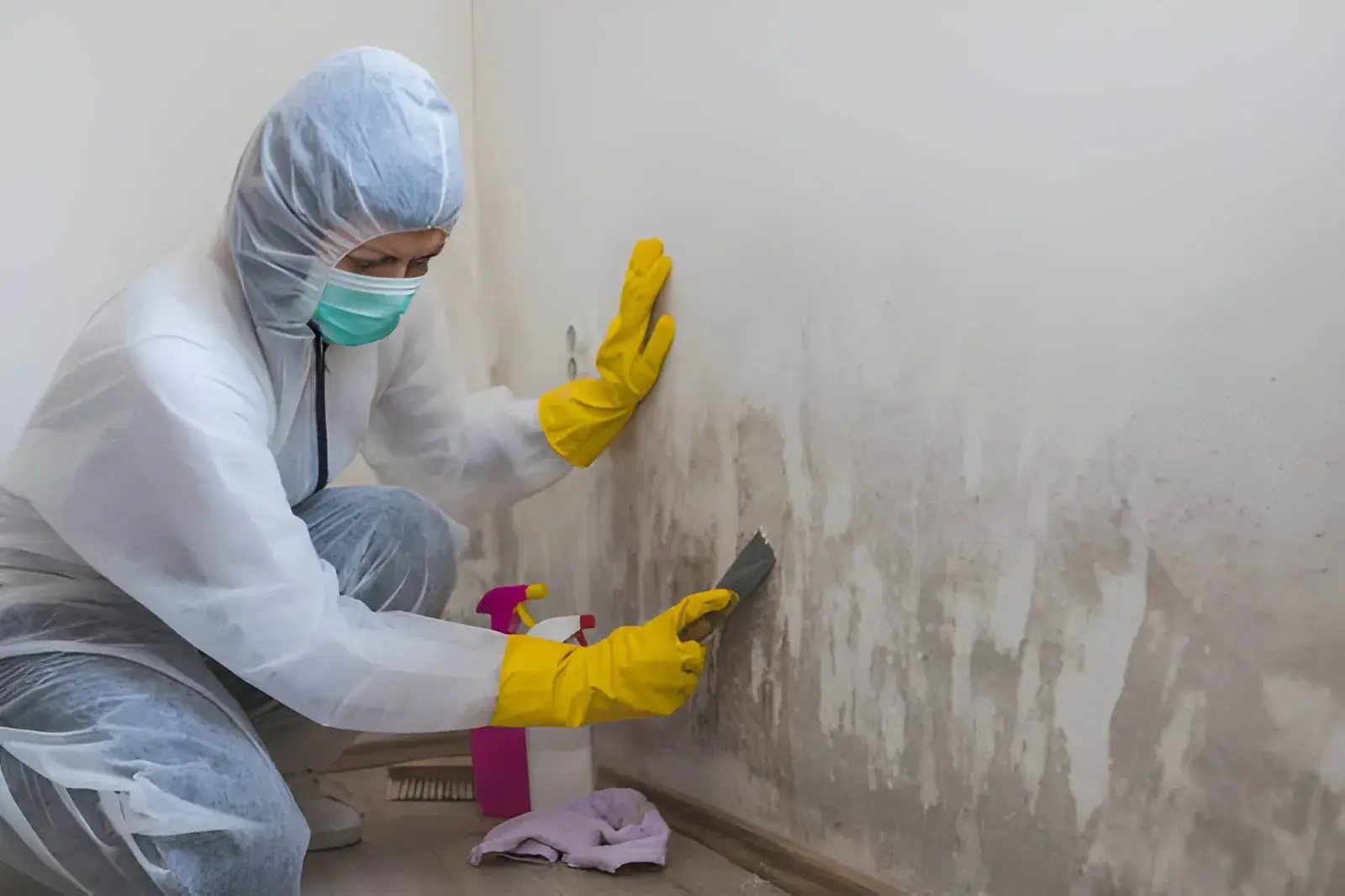
Mold Remediation in League City, TX
Mold colonizes damp materials within 24 hours in League City's bay-driven humidity. Our TDLR-licensed team responds to emergencies within 60 minutes.
What Happens When You Call
A real person answers, not a call center. We assess your situation, determine the likely scope, and dispatch your licensed mold remediation team immediately.
Your dedicated team is dispatched from our local base serving League City and the surrounding Galveston County communities.
Team arrives with containment materials, HEPA air scrubbers, moisture meters, and sampling equipment. Assessment and containment begin immediately.
Mold extent mapped, containment established, remediation plan documented. You know exactly what comes next.
You have discovered mold in your home, or conditions exist that make colonization inevitable: a persistent leak, standing moisture from a recent storm, or the extended AC downtime that follows every power outage in League City's coastal climate. The bay-driven humidity means mold grows faster here than in inland communities. You need a TDLR-licensed remediation team that can contain the growth, remove contaminated materials, correct the moisture source, and have results independently verified. Call now. Your team is standing by.
Why League City Homes Are Vulnerable to Mold
League City is a city of approximately 120,000 residents primarily in Galveston County, Texas, situated adjacent to Clear Lake and Galveston Bay along the I-45 corridor. The city's proximity to the bay creates a humidity environment distinct from inland Houston metro communities. Air arriving off Galveston Bay carries moisture year-round, keeping high outdoor humidity consistently. Unlike inland communities where humidity drops during fall and winter, League City's bay influence maintains elevated moisture levels even during the cooler months. Indoor air quality professionals serving the area identify this bay-driven humidity as the root of most indoor moisture complaints in League City homes, noting that on mild spring and fall days when the air conditioning barely runs, indoor humidity climbs unchecked because there is no mechanical dehumidification occurring.
This bay-proximity humidity dynamic creates a mold vulnerability that operates differently from inland communities like Pearland or Sugar Land. In those cities, mold risk peaks during summer when heat and humidity combine, and the AC system provides year-round dehumidification as a byproduct of cooling. In League City, the critical mold risk periods include the shoulder seasons, the mild weeks in March through April and October through November, when temperatures sit in the comfortable 65 to 75 degree range. During these periods, the thermostat does not call for cooling, the AC system sits idle for hours or days, and indoor humidity drifts upward toward the bay's high ambient levels. A slow leak, condensation drip, or elevated slab moisture that might stay managed by a running AC system becomes an active mold site when the mechanical dehumidification stops during mild weather.
Bay-Driven Humidity and the Shoulder-Season Mold Window
League City's proximity to Galveston Bay creates year-round humidity conditions that differ from inland communities. While inland Houston suburbs experience their highest mold risk during the hot, humid summer months when AC runs continuously and any interruption creates immediate risk, League City faces an additional vulnerability during the mild shoulder seasons. When outdoor temperatures sit between 65 and 75 degrees, the AC system does not cycle because there is no cooling demand. Without the AC running, indoor humidity equilibrates with the bay-influenced outdoor air within hours, climbing and often peaking inside the home. Building materials at these humidity levels absorb moisture from the air itself, even without direct water contact. Over a mild week in March or October, drywall paper facing, wood framing, and carpet backing can reach moisture levels sufficient for mold germination simply from the ambient humidity that the idle AC system is no longer removing.
Salt Air Corrosion Creating Building Envelope Gaps
Galveston Bay produces salt-laden air that deposits chlorides on every exterior surface continuously. Over time, this salt exposure corrodes flashing, deteriorates caulk and sealant joints, degrades window weatherstripping, and pits metal components of the building envelope. The resulting gaps allow humid exterior air to infiltrate wall cavities, attic spaces, and the interface between the slab and framing. In inland communities, the building envelope maintains its integrity for 15 to 20 years before weather-sealing components need replacement. In League City's salt-air environment, degradation begins within 5 to 8 years depending on exposure orientation. These envelope failures introduce moisture pathways that the original construction did not have, feeding humidity directly into wall cavities where mold colonizes unseen behind finished surfaces.
Texas TDLR Mold Licensing and Independent Verification
Texas requires specific state licensing for mold remediation through the Texas Department of Licensing and Regulation under Occupations Code Chapter 1958. The law separates mold assessment from remediation and prohibits the same company from performing both on the same project. This separation protects League City homeowners by ensuring the company testing for mold has no financial incentive to find more than exists, and the company removing mold has its work independently verified by a separate licensed assessor. For homes in Galveston County's salt-air environment where envelope degradation creates hidden moisture pathways, independent assessment is particularly important because the moisture source may not be immediately obvious and requires objective investigation before remediation begins.
HVAC Condensation in Coastal Cooling Systems
League City homes run air conditioning for ten or more months annually. The systems work harder here than in inland communities because the air arriving off the bay carries more moisture that the evaporator coil must extract in addition to cooling the temperature. This increased condensation load produces more water in the drip pan and condensate drain line, increasing the probability of overflow when lines clog or pans crack. The salt in the coastal air also corrodes condensate drain pans and connections faster than inland systems experience, creating leaks that drip into air handler closets, wall cavities, and ceiling spaces. HVAC-related moisture is one of the most common mold sources in League City homes: the system that controls humidity produces water as a byproduct and operates in an environment that accelerates the failure of the components designed to remove that water safely.
Post-Flood Mold from Hurricane and Tropical Storm Events
League City experienced significant flooding during Hurricane Harvey in 2017 when approximately 50 inches of rain fell directly on the city. Homes throughout the Clear Creek and Dickinson Bayou corridors sustained water intrusion that introduced the conditions for mold growth. As with Pearland, the remediation quality varied widely, and homes that received incomplete treatment or unlicensed work may carry residual mold in concealed wall cavities, beneath flooring, and in HVAC systems years later. Hurricane Beryl in July 2024 added a new layer when the power outage eliminated air conditioning for days, causing mold growth in homes that had no water intrusion at all. The combination of storm-related flooding and post-storm power outages makes hurricane events a dual mold threat in League City: water from below and humidity from above.
Mold in League City is driven by the bay-proximity humidity that maintains colonization conditions year-round, including during the mild shoulder seasons when AC systems sit idle and indoor humidity drifts to dangerous levels. Salt air corrosion degrades the building envelope on an accelerated timeline, creating hidden moisture pathways. HVAC systems produce more condensation than inland units while operating in an environment that corrodes the drainage components faster. And hurricane events deliver both flooding and extended power outages that eliminate mechanical humidity control entirely. Effective mold remediation requires TDLR-licensed professionals who identify the specific moisture source driving the growth, correct it permanently, and have results independently verified before declaring the home safe.
What Happens to Your Home While You Wait
Within 24 Hours
Mold spores begin germination on materials that have reached sufficient moisture content. In League City's bay-driven humidity, materials can reach colonization moisture levels from ambient air alone during mild weather when AC is not running. No direct water contact is required. This is the window where restoring mechanical dehumidification or professional drying can still prevent colonization entirely.
24–48 Hours
Active hyphal growth extends across the surface of damp materials. Colonies forming on drywall paper facing, wood framing connections, and carpet backing may not yet be visible to the naked eye but are detectable with moisture meters and air sampling. Professional intervention can still limit scope to targeted treatment rather than material removal.
48–72 Hours
Visible mold growth appears. Colonies produce spores that become airborne and colonize new areas. Musty odor becomes detectable. Running the HVAC system distributes spores through supply ductwork to unaffected rooms. The remediation scope begins expanding beyond the original moisture site as contamination spreads through the air distribution system.
One Week
Mold penetrates substrate materials. Drywall paper facing is consumed. Wood framing develops surface colonization extending into the grain. Carpet and pad become unsalvageable. Remediation now requires material removal with full containment to prevent cross-contamination during demolition. The project scope and cost increase substantially at this stage.
One Month and Beyond
Extensive colonization throughout concealed wall cavities, beneath flooring, and in HVAC ductwork. Wood decay organisms may develop alongside surface mold. Indoor air quality deteriorates to levels producing respiratory symptoms. Full remediation requires systematic containment, removal of all contaminated porous materials, HEPA cleaning, and independent post-remediation verification by a separate TDLR-licensed assessor.
In League City, mold does not require a dramatic water event to establish. Bay-driven humidity alone provides sufficient moisture during mild-weather periods when the AC is idle. Contact X Response now. Our TDLR-licensed team responds within 60 minutes.
How We Restore Mold-Affected League City Homes
From the moment our team arrives, every step follows IICRC S520 protocols and complies with Texas TDLR mold remediation requirements. Here is the process for League City homes.
Licensed Assessment and Moisture Source Identification
Our team performs comprehensive moisture assessment using thermal imaging, pin and pinless meters, and hygrometers. In League City homes, we specifically investigate the shoulder-season humidity pathway: is the AC running frequently enough to dehumidify, or are mild-weather idle periods allowing ambient bay humidity to wet interior materials? We check condensate drain lines and pans for salt corrosion leaks, inspect the building envelope for salt-degraded weather sealing, and assess slab moisture migration at perimeter connections. The moisture source must be identified and correctable before remediation begins.
Containment and Air Quality Control
The affected area is isolated using polyethylene sheeting, negative air pressure, and HEPA air scrubbers before any contaminated material is disturbed. The HVAC system is shut down and supply vents sealed within the containment zone to prevent the air handler from pulling contaminated air into the distribution system. For League City homes where mold has already entered the HVAC ductwork from a condensation leak at the air handler, the entire supply side may require isolation until the system is decontaminated.
Contaminated Material Removal
Porous materials with mold growth that has penetrated the substrate are removed per IICRC S520 and Texas regulatory requirements. Affected drywall is cut at least two feet beyond visible growth. Insulation, carpet, and particleboard substrates are removed and disposed within the containment zone. Non-porous materials including framing lumber and concrete are HEPA vacuumed and treated with antimicrobial agents. For League City homes where salt-corroded envelope gaps created the moisture pathway, those gaps are sealed during reconstruction to prevent recurrence.
HEPA Cleaning and Antimicrobial Treatment
All remaining surfaces within the containment zone are HEPA vacuumed to remove settled spores, then treated with EPA-registered antimicrobial agents. For League City's slab-on-grade homes where capillary moisture from the coastal water table contributed to the growth, we apply moisture-blocking treatments to the slab surface before new materials are installed. HVAC components within or adjacent to the affected area are inspected and cleaned or replaced depending on contamination level and salt-corrosion condition.
Post-Remediation Verification
Texas TDLR regulations require a separate licensed mold assessment company to verify remediation success before the area is cleared for reconstruction. X Response coordinates with independent assessors for post-remediation inspection and air sampling. Clearance criteria include visual confirmation of no remaining mold, moisture readings within acceptable ranges, and air sample spore counts at or below outdoor ambient levels. Only after independent clearance is reconstruction authorized. This third-party verification protects your insurance claim and any future real estate transaction.
The X Response Difference
When you contact X Response for mold remediation in League City, you get a TDLR-licensed team that understands the bay-driven humidity patterns, the salt-accelerated envelope degradation, and the HVAC condensation failures specific to coastal Galveston County homes.
Insurance Claim Guidance for League City Homeowners
Mold insurance coverage in League City follows the same Texas patterns as other communities: coverage exists only when mold results from a covered water damage event, with sublimits typically between $10,000 and $25,000. The complexity in League City is demonstrating the covered peril when the moisture source is ambient bay humidity during mild weather or salt-corroded HVAC components that leaked gradually. Insurers may classify these as maintenance issues rather than covered perils unless the documentation clearly connects the mold to a sudden, identifiable failure. A clogged condensate line that overflows suddenly may be covered. Gradual envelope degradation that allowed humidity infiltration over months likely is not.
How X Response Helps
- Document the specific moisture source and determine whether it qualifies as a covered sudden-and-accidental event under your Texas policy
- Photograph visible mold and capture moisture readings before remediation begins
- Obtain the independent TDLR-licensed post-remediation assessment report required by carriers for claim approval
- Separate mold remediation scope from any underlying water damage scope for proper coverage categorization
- Identify your policy's mold sublimit early so you understand coverage caps relative to expected remediation cost
X Response does not file claims on your behalf, adjust claims, or make coverage determinations. We provide documentation and guidance to help you make informed decisions about your property and your policy. Coverage decisions are made solely by your insurance carrier.
Certified Restoration Specialists Serving League City
When you contact X Response for mold remediation in League City, your team includes TDLR-licensed professionals who specialize in coastal Galveston County homes. They understand the bay-proximity humidity dynamics that create mold risk during mild-weather periods when AC sits idle. They know how salt air corrodes condensate pans, drain connections, and building envelope components on a 5 to 8 year timeline rather than the 15 to 20 years inland components survive. They have worked through post-hurricane mold from Harvey and Beryl, HVAC condensation failures in systems stressed by coastal humidity loads, and the shoulder-season mold events that catch League City homeowners off guard because no water intrusion occurred.
Every technician holds current IICRC AMRT certification alongside TDLR credentials for mold remediation work in Texas. Equipment includes commercial HEPA air scrubbers, negative air machines, thermal imaging cameras, professional hygrometers, and containment materials. When your team arrives, they bring everything required to assess, contain, remediate, and prepare for independent verification in a single mobilization.
In League City, X Response works with First Response Restoration, an independent local restoration partner serving Galveston County.
Mold Remediation FAQ for League City Homeowners
Other Emergency Services in League City
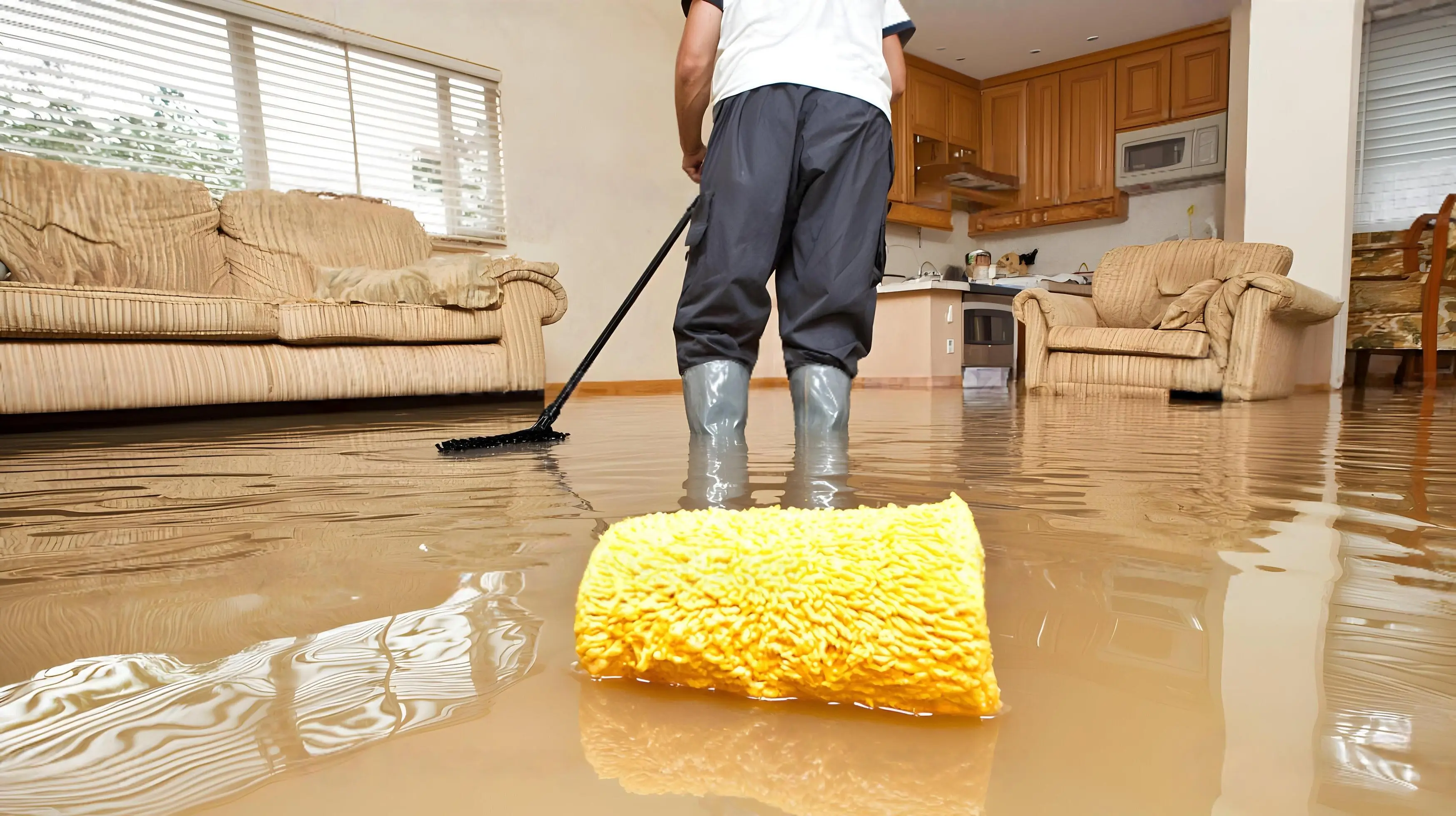
Water Damage Restoration
Burst pipes, storm flooding, standing water. We extract, dry, and restore before mold sets in.
Learn more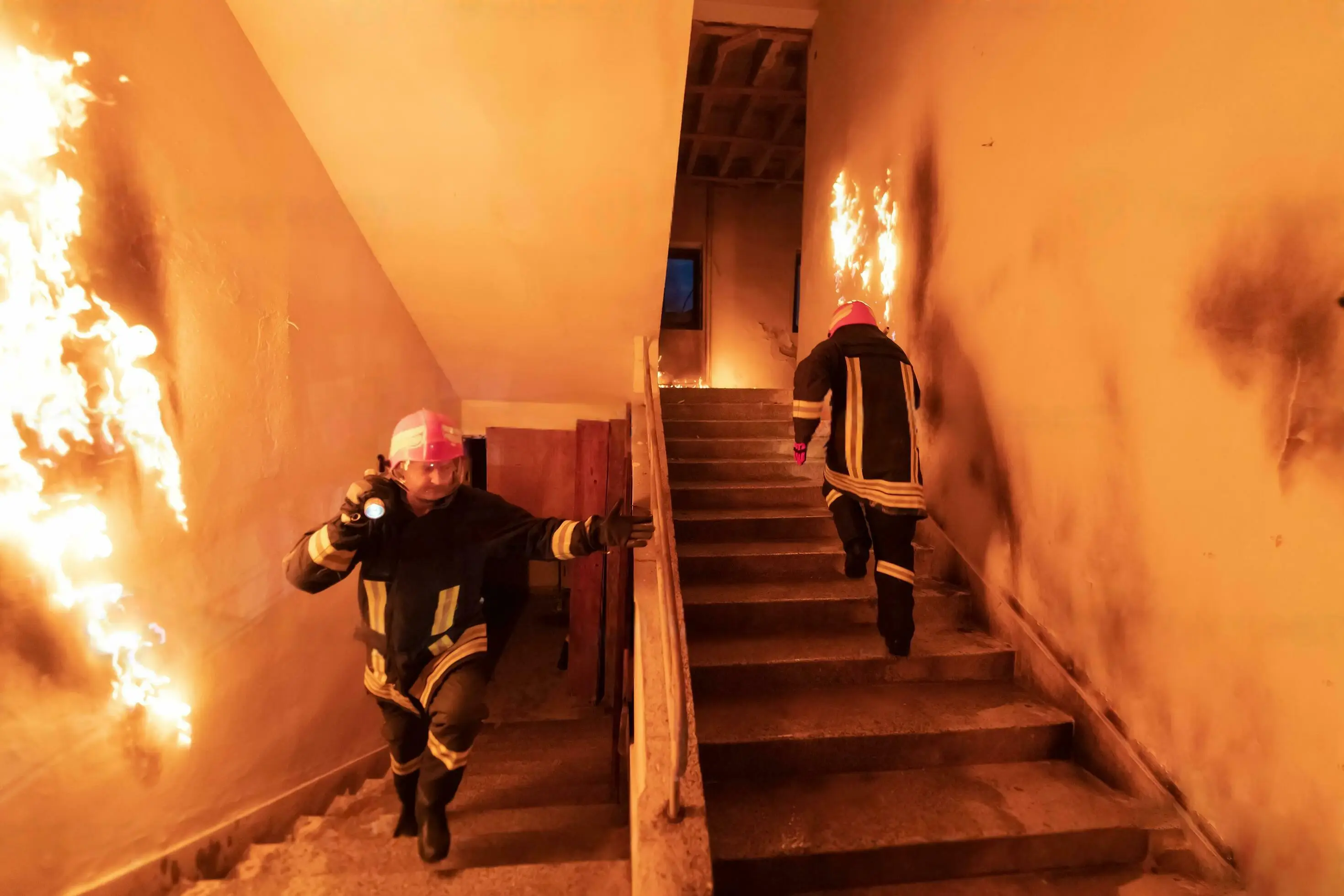
Fire Damage Restoration
Structural damage, soot, debris. We stabilize, clean, and rebuild what fire destroyed.
Learn more
Smoke Damage Restoration
Soot residue, chemical odors, HVAC contamination. We decontaminate surfaces, eliminate odors, and restore air quality.
Learn more
Sewage Cleanup
Sewer backups, contaminated water, biohazard. We extract, sanitize, and restore safely.
Learn moreNearby Service Areas
Also serving nearby: