
Sewage Cleanup in Lenexa, KS
Sewage contains bacteria, viruses, and parasites that become airborne as contaminated water sits. Our local team responds to Lenexa sewage emergencies immediately.
What Happens When You Call
A real person answers, not a call center. We assess your situation, determine the contamination source and extent, and begin dispatching your team immediately.
Your dedicated remediation team is dispatched from our local base serving Lenexa and the surrounding Johnson County communities.
Team arrives with extraction equipment, antimicrobial agents, and personal protective equipment rated for Category 3 contamination. Extraction and disinfection begin immediately.
Contaminated water extracted, affected materials identified for removal, disinfection underway. You know exactly what the scope involves and what comes next.
Sewage is in your home. Whether it backed up through a floor drain, overflowed from a toilet, or entered through a foundation breach during a storm, the contamination is Category 3, the most hazardous classification in water damage restoration. Every surface the water touched is now contaminated with bacteria, viruses, parasites, and chemical waste. The air above the water carries these pathogens as aerosols. This is not a cleanup you should attempt yourself. You need a team with hazardous waste training, proper protective equipment, and the protocols to make your home safe again. Call now. Your team is standing by.
Why Lenexa Homes Are Vulnerable to Sewage
Lenexa is a city of approximately 59,427 residents in Johnson County, Kansas, served by Johnson County Wastewater (JCW) for sanitary sewer service. JCW operates the collection system that carries wastewater from Lenexa homes to treatment facilities, and the agency has documented inflow and infiltration (I&I) issues across its countywide service area. I&I occurs when stormwater enters the sanitary sewer system through cracked pipes, deteriorated joints, illegal connections, and manhole covers that allow surface water in during heavy rainfall. When the sanitary system receives more flow than it was designed to carry, the excess has to go somewhere, and that somewhere is often the lowest fixtures in the system: residential basement floor drains, toilet connections, and shower drains. In Lenexa, where finished basements extend the living space below the sewer main elevation, these backups deposit raw sewage directly into occupied living areas.
The City of Lenexa's 87th Street and Bluejacket Street stormwater improvement project replaced an 83-inch by 57-inch corrugated metal pipe under Bluejacket immediately north of 87th Street and lined or replaced existing smaller pipes along Melrose Drive in the nearby Pine Ridge Business Park. This project illustrates the age and condition of underground infrastructure across the city: corrugated metal pipes installed decades ago have reached the end of their service life, with corrosion, joint separation, and structural deterioration that both reduce capacity and allow groundwater infiltration. When stormwater pipes fail to carry their designed volume, runoff finds alternative paths, including into the adjacent sanitary sewer system through shared trenches and deteriorated separation barriers. The city's active investment in infrastructure replacement acknowledges that aging pipes create both flooding and sewage backup conditions, but the replacement program addresses one project at a time while thousands of feet of aging pipe remain in service.
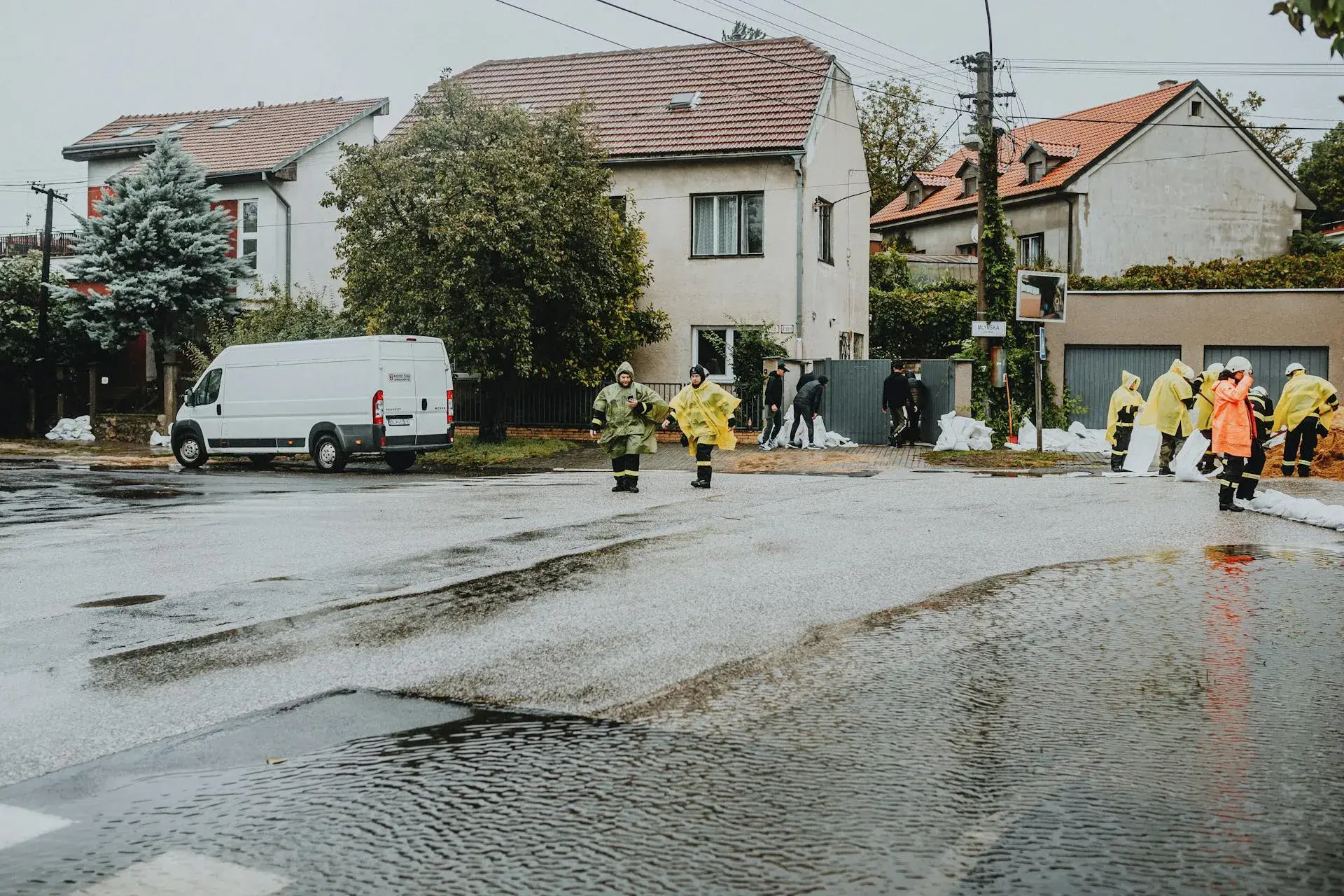
In July 2025, a low-water bridge overflow in Lenexa flooded a neighborhood, sent water into basements, and caused more than 1,700 power outages. This event demonstrated how Lenexa's stormwater infrastructure, even with the Rain to Recreation improvements, can be overwhelmed by intense rainfall that exceeds design capacity. When the stormwater system surcharges simultaneously with the sanitary sewer system, both systems back up into homes. The stormwater carries surface debris, soil, petroleum, and animal waste, while the sanitary backup carries raw human waste. The combined contamination is worse than either system alone. Power outages compound the problem by disabling sump pumps that protect basements from groundwater intrusion and ejector pumps that prevent sanitary backflow in homes where fixtures sit below the sewer main. During the July 2025 event, homes lost all active defense against both groundwater and sewage simultaneously.
Johnson County Wastewater I&I Issues
Johnson County Wastewater has documented inflow and infiltration across its service area, including the collection system serving Lenexa. During significant rain events, stormwater enters the sanitary system through multiple pathways: cracked vitrified clay pipes from original subdivision construction, separated joints in aging mains, root intrusion that creates entry points, and surface connections (sometimes illegal) that channel downspout water or area drains directly into sanitary lines. When the combined flow exceeds pipe capacity, the system surcharges. In flat terrain like much of Lenexa, surcharging means the sewage level in mains rises above the elevation of basement fixtures, creating hydrostatic pressure that forces raw sewage backward through floor drains, toilet connections, and any fixture below the backup elevation. Homes with functioning backflow prevention valves are protected, but many Lenexa homes, particularly those built before backflow prevention became standard practice, have direct unprotected connections between basement fixtures and the municipal system.
Aging Infrastructure and Pipe Replacement Timelines
The 87th/Bluejacket stormwater project's replacement of corrugated metal pipe illustrates infrastructure age across Lenexa's underground systems. Corrugated metal pipe has a typical service life of 25 to 50 years depending on soil chemistry and water conditions. Pipes installed during Lenexa's development boom in the 1970s and 1980s are now 40 to 50 years old, at or beyond their design life. As these pipes corrode, they lose structural integrity and hydraulic capacity simultaneously: corrosion roughens the interior surface (increasing flow resistance), joint separation allows soil infiltration (reducing effective diameter), and structural deformation reduces cross-sectional area. The net result is pipes that carry significantly less than their original design volume. The city replaces infrastructure as budgets and priorities allow, but the entire system ages together, meaning capacity deficiencies exist across the network, not just at individual project sites. For homeowners, this means sewage backup risk is a systemic condition related to infrastructure age, not just an isolated plumbing problem.
Low-Water Bridge Overflow and Combined System Failure
The July 2025 flooding event in Lenexa began when a low-water bridge was overwhelmed by runoff volume that exceeded its passage capacity. The resulting overflow flooded adjacent properties and demonstrated how single infrastructure chokepoints can create cascading failure. When the stormwater system surcharges at a point like a low-water crossing, the backup propagates upstream through connected pipes, raising water levels in upstream manholes and eventually forcing water to the surface at the lowest points in the system. In residential areas, those lowest points are often basement floor drains and sump pits that connect to the storm system. Simultaneously, the same rain event that overwhelms stormwater infrastructure also overloads the sanitary system through I&I, creating conditions where both systems back up into homes at the same time. The 1,700+ power outages during this event disabled the sump pumps and ejector pumps that represent homeowners' last defense against backup.
Finished Basements as Contamination Zones
Lenexa's residential construction relies heavily on finished basements that contain bedrooms, family rooms, home offices, and entertainment areas. These finished spaces contain the same materials found on upper floors: carpet, drywall, wood trim, upholstered furniture, and electronics. When sewage backs up through a floor drain or toilet at basement level, it contacts all of these materials with Category 3 contaminated water. Unlike a basement used only for storage or mechanical equipment, a finished basement requires the same level of extraction, disinfection, and restoration as any main-floor living area. Drywall must be removed to a minimum of two feet above the water line because capillary wicking draws contaminated water upward through the paper facing. Carpet and padding in contact with sewage cannot be salvaged and must be disposed of as contaminated waste. Wood framing must be treated with antimicrobial agents. The extensive use of finished basements in Lenexa means sewage backup events are not minor inconveniences; they are full-scale restoration projects affecting primary living space.
Power Outages and Defense System Failure
Sewage backup in Lenexa homes often correlates with power outages because the two conditions share the same trigger: severe storm events. The same rainfall that overwhelms the sewer system also brings lightning, wind, and flooding that knock out electrical service. In Lenexa, where 1,700+ outages occurred during the July 2025 event, the power loss disables the two mechanical systems that protect basements from sewage: sump pumps that manage groundwater intrusion, and sewage ejector pumps that maintain positive flow from below-grade fixtures to the municipal main. Without power, both systems fail. Groundwater rises through the sump pit and sewer pressure forces waste backward through the ejector check valve (which relies on the pump running to maintain positive pressure). Battery backup sump pumps provide limited protection, typically four to eight hours depending on water volume, but extended outages outlast battery capacity. Homes without any backup power for these systems have zero protection during exactly the conditions when protection is most needed.
Sewage backup in Lenexa is a systemic risk driven by aging infrastructure, documented I&I issues in the Johnson County Wastewater system, basement-reliant housing construction, and storm events that overwhelm both stormwater and sanitary systems simultaneously. The July 2025 flooding demonstrated how quickly conditions escalate when infrastructure chokepoints fail and power outages disable homeowner defense systems. Professional sewage cleanup must address the biological hazard, the material contamination, and the underlying vulnerability that allowed the backup to reach living space.
What Happens to Your Home While You Wait
Within 1 Hour
Sewage water is spreading across basement flooring, wicking into carpet padding, and climbing drywall through capillary action. Bacteria including E. coli, Salmonella, and Hepatitis A virus are present on every surface the water has touched. Pathogens become airborne as aerosols above the water surface. The contamination zone expands as water follows gravity to the lowest areas of the basement and saturates materials from the bottom up.
1–24 Hours
Contaminated water wicks further up drywall, potentially reaching 12 to 18 inches above the visible water line through capillary action. Bacteria multiply rapidly in the nutrient-rich sewage, increasing the biological load on all affected surfaces. Porous materials (carpet, padding, drywall paper facing, cardboard, fabric) absorb contamination that penetrates beyond surface disinfection capability. Odor intensifies as anaerobic bacteria produce hydrogen sulfide and methane.
24–48 Hours
Mold colonization begins on sewage-saturated materials, combining fungal contamination with bacterial hazard. Wood subfloor and framing begin absorbing contaminated moisture, swelling at joints. Structural materials that remain saturated will require antimicrobial treatment even after drying. The scope of materials requiring demolition increases as contamination penetrates deeper. Sewage odor permeates into concrete, wood grain, and wall cavities.
48–72 Hours
Mold growth becomes visible on affected surfaces. Structural saturation reaches framing members in wall cavities and subfloor sheathing. Contamination has penetrated beyond surface-level treatment in most porous materials. Salvageable materials cross the threshold into replacement territory. The biological hazard intensifies as multiple pathogen types multiply in the warm, moist, nutrient-rich environment of a saturated basement.
One Week and Beyond
Extensive mold colonization throughout affected areas. Structural materials may require replacement rather than treatment. Contamination has migrated through wall cavities and into insulation. Odor bonds permanently to concrete and wood that was not treated promptly. The restoration shifts from targeted cleanup to extensive demolition, structural treatment, and reconstruction. Health risks from sustained pathogen and mold exposure increase significantly.
Sewage contamination is a biological hazard that worsens every hour. Bacteria are multiplying, materials are absorbing contamination deeper, and mold colonization begins within 24 to 48 hours. Contact X Response now. Our Lenexa team responds with Category 3 protocols immediately.
How We Restore Sewage-Damaged Lenexa Homes
Sewage cleanup requires hazardous material handling protocols, biological decontamination, and structural restoration. Category 3 water demands a higher standard of extraction, disinfection, and material removal than clean water damage. Here is how our team handles each phase for Lenexa homes.
Emergency Extraction and Hazard Containment
Our team arrives in full personal protective equipment rated for Category 3 biological contamination. We immediately begin extracting standing sewage using truck-mounted extraction units that remove contaminated water directly to holding tanks for proper disposal. We establish containment barriers at the boundary of affected and unaffected areas to prevent cross-contamination during the extraction process. In Lenexa basements, we check whether the backup source is still active (system still surcharging) and, if so, implement temporary backflow protection before extraction begins. Removing water while the system is still backing up accomplishes nothing.
Contaminated Material Removal
All porous materials that contacted sewage are removed and disposed of as contaminated waste. This includes carpet, padding, drywall (removed to a minimum of two feet above the water line due to capillary wicking), insulation within affected wall cavities, cardboard, paper goods, and any fabric or upholstered items that absorbed contaminated water. In Lenexa's finished basements, this often means removing walls, flooring, and trim from entire rooms because the basement is a contained basin where sewage spreads to contact every surface at floor level. Removed materials are bagged within the containment area and transported directly to disposal.
Antimicrobial Treatment and Disinfection
After contaminated materials are removed, all remaining structural surfaces (concrete floor, wood framing, subfloor sheathing, foundation walls) receive antimicrobial treatment. We apply EPA-registered disinfectants effective against the full spectrum of pathogens present in raw sewage, including bacteria, viruses, and parasitic organisms. Treatment is applied to all surfaces within the affected area, including concealed framing surfaces exposed by drywall removal. Multiple applications may be required for heavily contaminated structural wood that absorbed sewage through end grain. We verify disinfection through ATP testing on treated surfaces.
Structural Drying and Monitoring
With contaminated materials removed and remaining structure disinfected, commercial drying equipment is deployed to reduce moisture content in structural materials to levels that will not support mold growth or material degradation. In Lenexa basements, concrete floors and foundation walls retain moisture longer than wood-framed components, requiring extended drying periods with commercial dehumidifiers and directed air movement. We monitor daily with moisture meters and document the drying curve. Drying is not complete until all materials reach target moisture content for Johnson County's climate conditions, accounting for seasonal baseline humidity.
Reconstruction and Prevention
Once drying is verified and all surfaces pass antimicrobial clearance, reconstruction begins. In Lenexa homes that experienced sewage backup from system surcharging, we recommend installation of a backflow prevention valve on the main sewer lateral as part of the reconstruction. This device prevents future system surcharges from forcing sewage back into the home. We rebuild to match existing finishes, manage the entire process through a single point of contact, and provide completion documentation including moisture readings, disinfection verification, and before-and-after photography for your insurance claim.
The X Response Difference
When you contact X Response for sewage cleanup in Lenexa, you get a team trained in Category 3 hazardous contamination protocols that treats the biological hazard, removes contaminated materials, disinfects the structure, and addresses the conditions that allowed the backup to reach your living space.
Insurance Claim Guidance for Lenexa Homeowners
Sewage backup insurance coverage in Kansas depends on your specific policy endorsements. Standard homeowner's policies typically exclude sewer backup and drain overflow unless you purchased a specific sewer backup endorsement (sometimes called water backup coverage). This endorsement is a separate line item with its own coverage limit, often $5,000 to $25,000, which may not cover the full cost of restoring a finished basement. In Lenexa, where finished basements represent significant living space and restoration costs can exceed $25,000 for extensive backups, understanding your sewer backup endorsement limit before an event occurs is critical. Sewage backup caused by a covered event like sudden storm flooding may be treated differently than backup from system age or maintenance failure.
How X Response Helps
- Verify whether your policy includes a sewer backup/water backup endorsement and document its coverage limit
- Photograph standing sewage, the entry point, and all affected areas before any cleanup begins
- Document the weather event or system failure that caused the backup, including duration and any municipal notifications
- Catalog affected contents with pre-loss values, as contents claims are often separate from structural restoration
- Report the claim immediately, as some policies require notification within a specific timeframe for sewer backup events
X Response does not file claims on your behalf, adjust claims, or make coverage determinations. We provide documentation and guidance to help you make informed decisions about your property and your policy. Coverage decisions are made solely by your insurance carrier.
Certified Restoration Specialists Serving Lenexa
When you contact X Response for sewage cleanup in Lenexa, your team arrives trained in Category 3 contamination protocols and equipped for biological hazard remediation. They understand the specific conditions that create sewage backup in Johnson County: the I&I issues in the JCW collection system, the aging infrastructure that loses capacity with every year of service, the power outage correlation that disables ejector and sump pumps during the exact storm events that surcharge the system, and the finished basement construction that turns every backup into a full restoration project. They have managed sewage cleanup after system surcharges, ejector pump failures, lateral collapses, and the combined stormwater-sanitary overflow conditions that major storms create.
Every technician holds current IICRC certification in water damage restoration with specific training in Category 3 contaminated water. Equipment includes truck-mounted extraction units, commercial dehumidifiers, HEPA air scrubbers, negative air machines, ATP testing meters, and EPA-registered antimicrobial agents rated for sewage pathogen elimination. Personal protective equipment includes full-face respirators, chemical-resistant suits, and contamination-rated gloves and boots. Kansas handles contractor licensing at the local level through Johnson County, and our team meets all applicable requirements for both hazardous material remediation and structural reconstruction.
In Lenexa, X Response works with Best Option Restoration, an independent local restoration partner serving Johnson County.
Sewage Cleanup FAQ for Lenexa Homeowners
Other Emergency Services in Lenexa
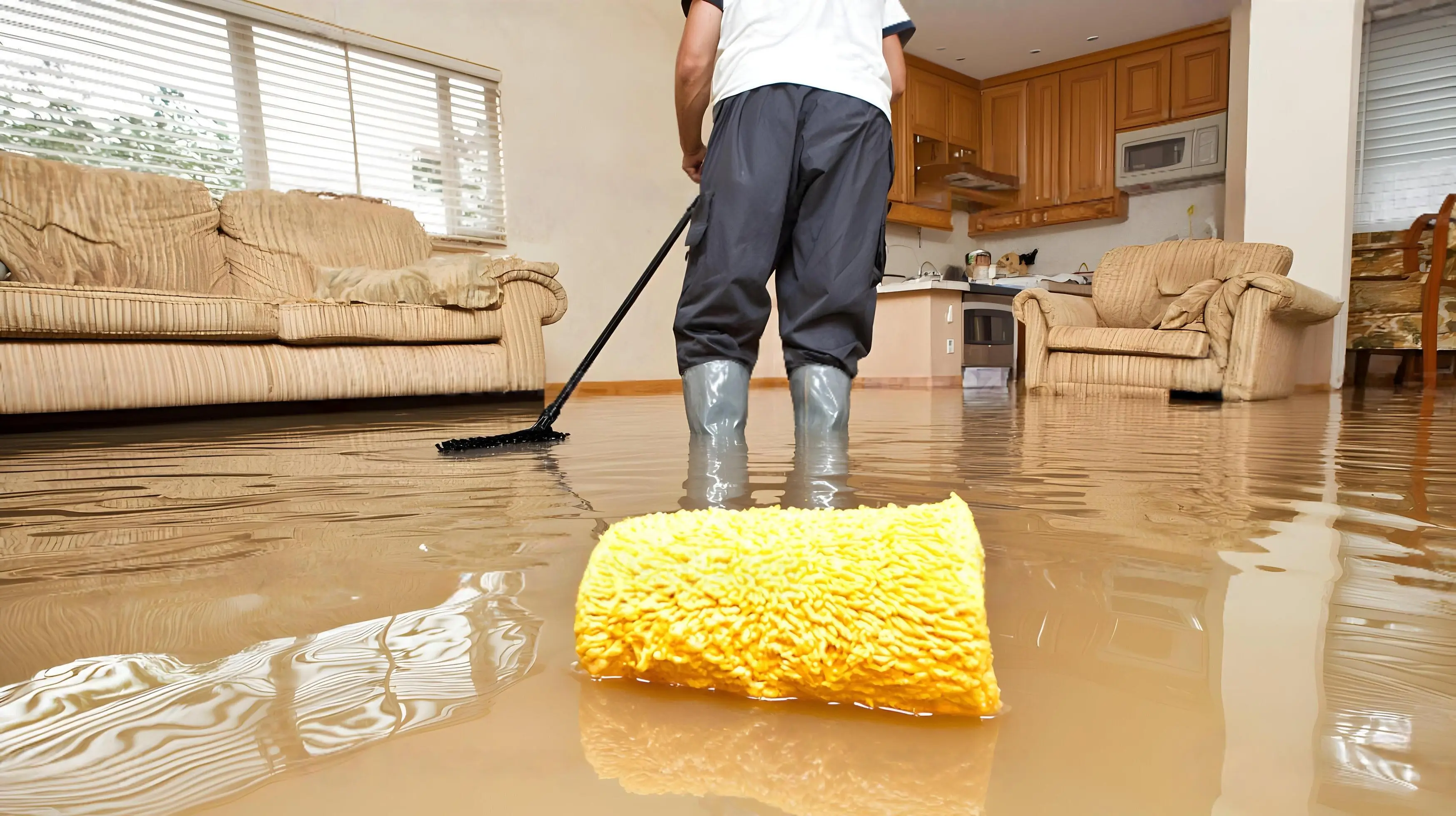
Water Damage Restoration
Burst pipes, storm flooding, standing water. We extract, dry, and restore before mold sets in.
Learn more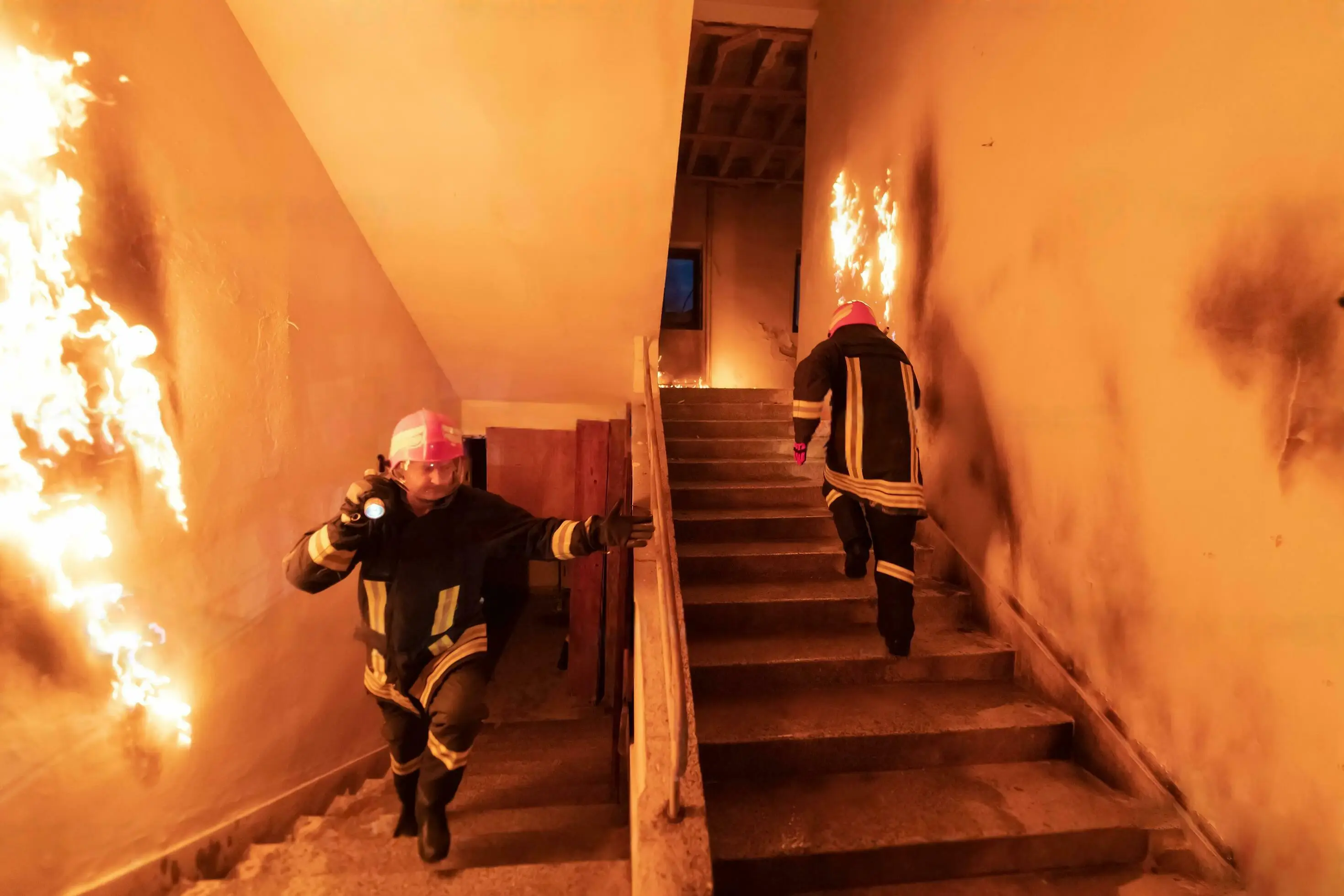
Fire Damage Restoration
Structural damage, soot, debris. We stabilize, clean, and rebuild what fire destroyed.
Learn more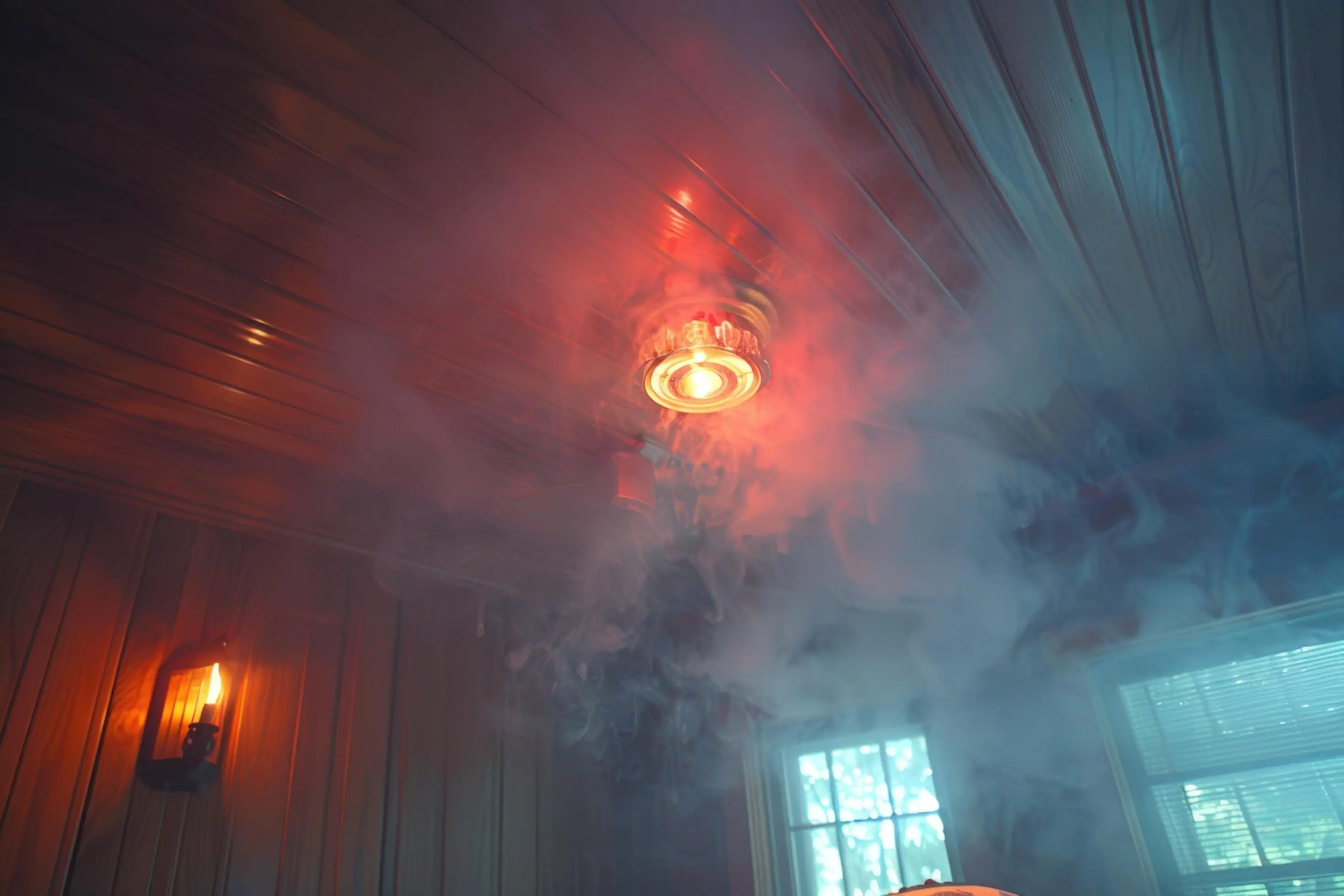
Smoke Damage Restoration
Soot residue, chemical odors, HVAC contamination. We decontaminate surfaces, eliminate odors, and restore air quality.
Learn more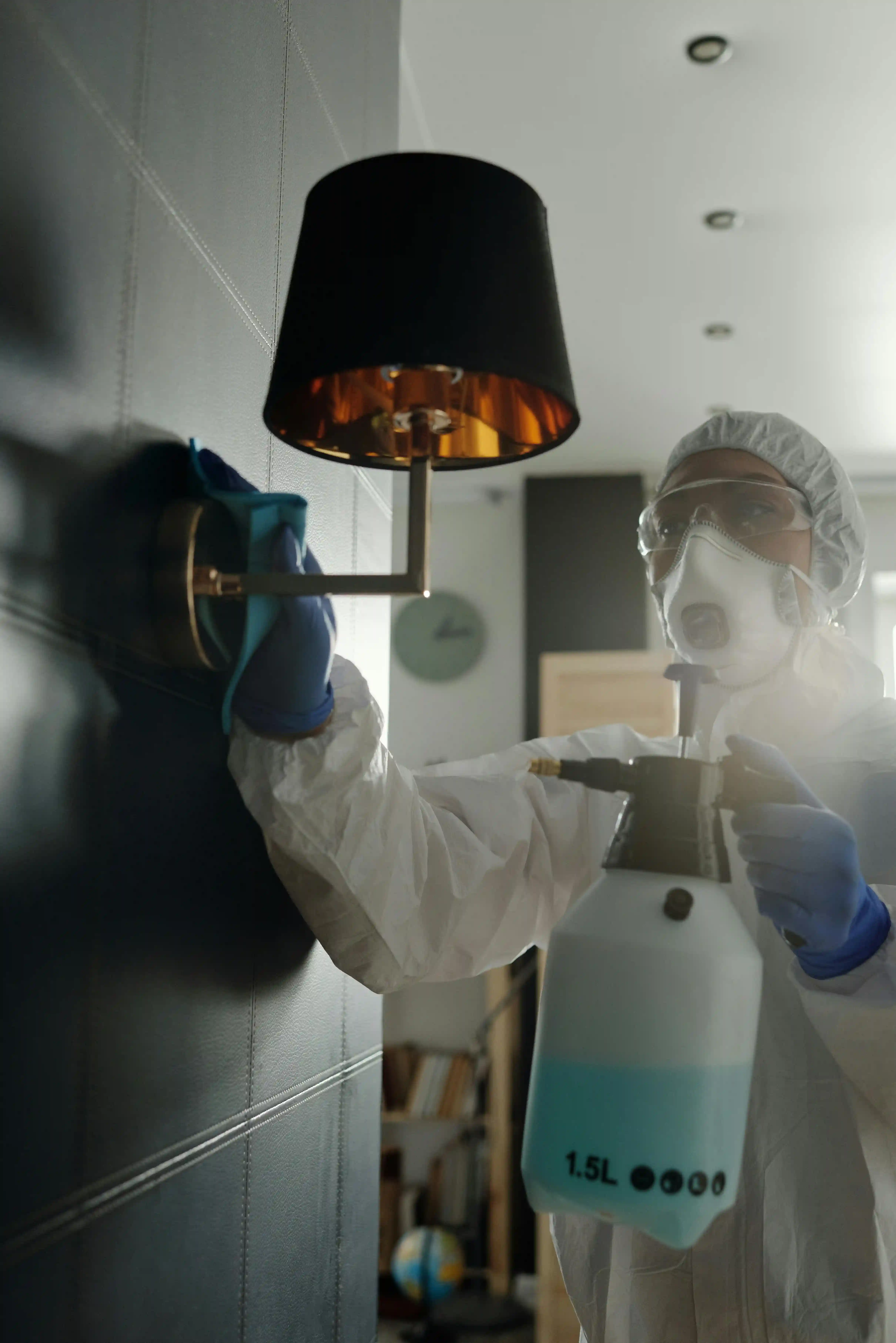
Mold Remediation
Testing, containment, removal, prevention. We find the source, eliminate the growth, and stop it from returning.
Learn moreNearby Service Areas
Also serving nearby: