
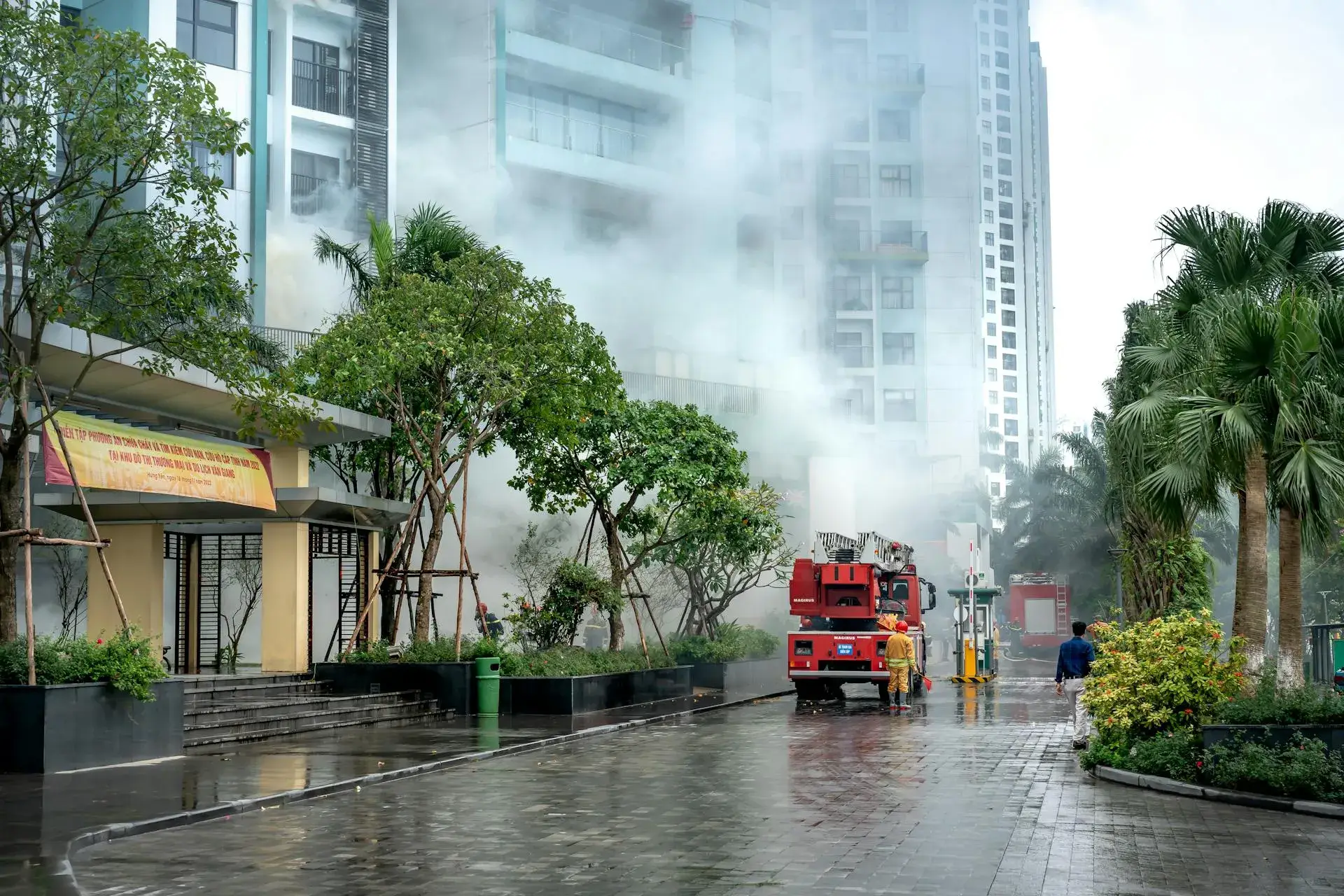
Smoke Damage Restoration in Clearwater, FL
Florida's oppressive coastal humidity turns lingering soot into a corrosive acid that destroys fixtures overnight. Our local Clearwater team responds within 60 minutes to neutralize smoke damage and decontaminate your central air system.
What Happens When You Call
A real person answers your call. We assess your Pinellas County property, identify whether the HVAC system is currently spreading contaminants, and dispatch a team.
Your dedicated restoration team is dispatched directly from our local Clearwater base, equipped with specialized chemical sponges and hydroxyl generators.
The team arrives, seals off unaffected areas, shuts down compromised air handlers, and begins neutralizing the highly acidic soot before Florida's humidity activates it.
Soot is removed, structural deodorization begins, and a comprehensive scope of work is documented for your Florida insurance adjuster.
The flames never touched your bedroom, yet everything you own smells like toxic smoke. In a Clearwater home where the central AC runs nine months out of the year, smoke doesn't stay confined to the kitchen, it travels through the ductwork and embeds into every porous surface. X Response is built to stop this progression. When you call, our Pinellas County team mobilizes down US-19 or Gulf-to-Bay Boulevard within minutes. We manage the entire mitigation process: chemical soot removal, thermal fogging, HVAC decontamination, and insurance coordination. Call now. Your team is standing by.
Why Clearwater Homes Are Vulnerable to Smoke Damage
Clearwater faces a unique set of challenges when it comes to residential smoke damage. Because Clearwater residents rely heavily on central air conditioning year-round, HVAC systems in both single-family homes and high-rise condos often pull thick, oily smoke through the ductwork during a fire, spreading toxic soot far beyond the flames. When a kitchen fire breaks out in an Island Estates condo or a North Beach home, the air handler immediately distributes that toxic smoke throughout the entire unit, and sometimes into shared condo ventilation systems. Attempting to turn the AC back on in the sweltering Florida heat only worsens the contamination, blowing carcinogenic particulates onto upholstery, bedding, and clothing.
Beyond the mechanical spread of smoke, Florida's climate acts as a massive accelerant for property destruction. In Pinellas County's humid, salty coastal environment, the moisture in the air interacts with the chemical composition of soot, turning it into a highly corrosive acid. This acidic soot actively eats into metal plumbing fixtures, tarnishes glass, and permanently discolors drywall if not removed with specialized chemical sponges. Immediate mitigation is not a luxury in Clearwater; it's a race to physically remove the soot before the coastal humidity permanently etches it into your home's finishes.
The HVAC Contamination Cycle
Florida homes are sealed tight for air conditioning efficiency. When a fire occurs, the forced-air system becomes a superhighway for smoke. If the ductwork is not professionally decontaminated, turning your AC back on to combat the Clearwater heat will continuously recirculate toxic soot and smoke odors for years.
Humidity-Driven Acidic Corrosion
Soot is highly acidic. When combined with Clearwater's coastal humidity, this acidity is activated. Within hours, metal fixtures in your bathroom begin to pit, appliances tarnish, and grout lines yellow permanently. Standard household cleaners only smear this oily residue deeper into the pores.
High-Rise Condo Complexities
Restoring a smoke-damaged condo on Sand Key requires vastly different techniques than a single-family home. Odor molecules can travel through shared walls and HVAC chases, requiring advanced molecular deodorization like thermal fogging and coordination with HOA management to ensure building-wide safety.
Secondary Mold Risk
Firefighters use water to extinguish flames. When that water sits in a smoke-damaged Clearwater home, it quickly breeds mold. Smoke damage restoration in Florida must seamlessly integrate with structural drying, as the high humidity ensures that wet, soot-covered drywall will begin growing mold in just 24 to 48 hours.
Toxic Particulate Settling
Smoke contains microscopic toxic particulates, including plastics, synthetic fabrics, and chemicals that burned in the fire. In the stagnant air of a home without AC, these particulates settle onto every horizontal surface, posing severe respiratory risks to anyone breathing the indoor air.
These factors compound each other. The central air system spreads the smoke, the oppressive coastal humidity turns the soot into an active acid, and the standing water threatens mold. Effective smoke damage restoration in Clearwater demands a team that can simultaneously handle intricate chemical cleanup, HVAC decontamination, and molecular deodorization.
What Happens to Your Home While You Wait
Within Minutes
Acidic soot residues begin yellowing plastics and discoloring highly porous materials. The smoke odor penetrates deeply into carpets, drapes, and clothing across the entire Clearwater home.
1-24 Hours
Metal fixtures, door knobs, and appliances begin to pit and corrode as the soot interacts with Pinellas County's ambient humidity. Unsealed wood furniture stains irreparably.
24-48 Hours
Corrosion and staining become permanent on many surfaces. The acidic soot etches window glass and tarnishes metal. If the HVAC system was running, the ductwork is now heavily coated in toxic residue.
48-72 Hours
Synthetic materials emit toxic off-gassing, making the indoor air quality hazardous. If water was used to extinguish the initial fire, Florida's sweltering heat causes mold colonies to form within the soot-covered drywall.
One Week and Beyond
Restoration costs skyrocket. Odors become so deeply embedded in the structure that replacing drywall and framing may be the only solution. The home becomes uninhabitable without major Clearwater permitting and reconstruction.
In Florida's humid climate, the difference between chemically saving your fixtures and facing a total loss is measured in hours. Contact X Response now. Our Clearwater team responds within 60 minutes.
How We Restore Smoke-Damaged Clearwater Homes
From the moment our team arrives in your Clearwater neighborhood, every step is meticulously documented for your insurance carrier. Here is exactly what our chemical soot removal and deodorization process involves.
Air Quality Control and Assessment
We arrive equipped with particulate meters to assess the indoor air quality. We immediately shut down compromised HVAC systems to prevent further spread and deploy commercial HEPA air scrubbers to begin pulling toxic smoke particulates out of the humid coastal air.
Dry Chemical Soot Removal
Water smears oily soot. We utilize specialized dry-cleaning sponges and industrial vacuums to physically lift and remove acidic soot from walls, ceilings, and belongings. This prevents the soot from etching into finishes due to Florida's coastal moisture.
HVAC System Decontamination
Because smoke behaves like a gas, we meticulously clean and seal the entire HVAC ductwork system. This is a critical step in Clearwater, ensuring that toxic particulates and odors aren't blasted back into your home when you turn the central AC on.
Molecular Deodorization
Masking the smell of a fire with fragrances fails in the Florida heat. We use advanced thermal fogging, ozone chambers for personal belongings, and hydroxyl generators to neutralize smoke odor molecules at the microscopic level, permanently eliminating the smell from porous materials.
Quality Verification
We conduct a final inspection to verify that all surfaces are free of acidic residue and the indoor air quality meets strict safety standards. We hand you completion documentation formatted exactly how Florida adjusters require.
The X Response Difference
When you contact X Response, you get a dedicated Clearwater restoration team that manages everything, from advanced chemical soot removal and HVAC decontamination to permanent molecular deodorization.
Insurance Claim Guidance for Clearwater Homeowners
Smoke damage claims are notoriously scrutinized by Florida insurance carriers. While standard homeowner's policies generally cover smoke damage, disputes frequently arise over hidden damage, particularly soot inside HVAC ductwork and the necessity of complete molecular deodorization versus superficial cleaning. Proper documentation meeting Florida Department of Financial Services standards is essential to prove the full extent of the contamination.
How X Response Helps
- Document all smoke webs, soot settling, and HVAC contamination with professional photos tailored for Florida adjusters
- Detail the specific, specialized dry-cleaning techniques required for acidic soot removal
- Provide justification for advanced molecular deodorization (like hydroxyl generation) versus basic ozone or masking
- Align our restoration scope with standard Florida insurance coverage categories for efficient processing
- Include detailed air quality readings and particulate counts to substantiate the health hazards
X Response does not file claims on your behalf, adjust claims, or make coverage determinations. We provide documentation and guidance to help you make informed decisions about your property and your policy. Coverage decisions are made solely by your insurance carrier.
Certified Restoration Specialists Serving Clearwater
When you contact X Response for a smoke damage emergency in Clearwater, your restoration team is drawn from certified professionals who work across Pinellas County. They understand the specific chemical challenges of restoring homes in a high-humidity coastal environment. They know how to combat rapid acidic corrosion, how to decontaminate complex condo HVAC setups, and how to draw deeply embedded odors out of drywall. This is a local team with deep local expertise.
Every technician holds current IICRC certification in Fire and Smoke Restoration (FSRT) and Odor Control (OCT). Equipment is commercial-grade and maintained to manufacturer specifications. When your local team arrives, they bring everything needed to begin mitigation immediately, from specialized dry-sponges to commercial HEPA air scrubbers.
In Clearwater, X Response works with Dry Out Daddy Restoration, an independent local restoration partner serving Pinellas County.
Smoke Damage Restoration FAQ for Clearwater Homeowners
Other Emergency Services in Clearwater
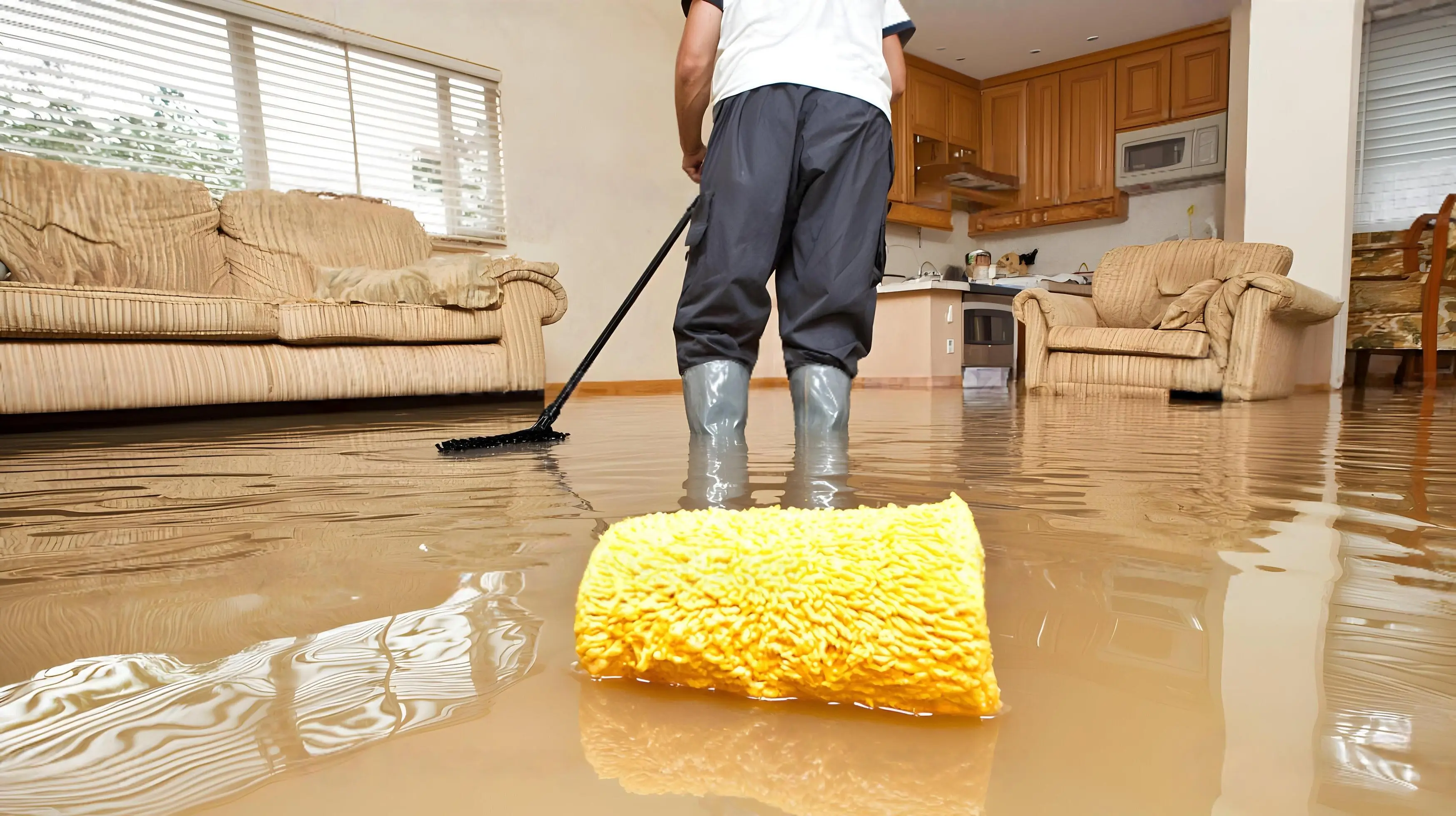
Water Damage Restoration
Burst pipes, storm flooding, standing water. We extract, dry, and restore before mold sets in.
Learn more
Fire Damage Restoration
Structural damage, soot, debris. We stabilize, clean, and rebuild what fire destroyed.
Learn more
Mold Remediation
Testing, containment, removal, prevention. We find the source, eliminate the growth, and stop it from returning.
Learn more
Sewage Cleanup
Sewer backups, contaminated water, biohazard. We extract, sanitize, and restore safely.
Learn more