
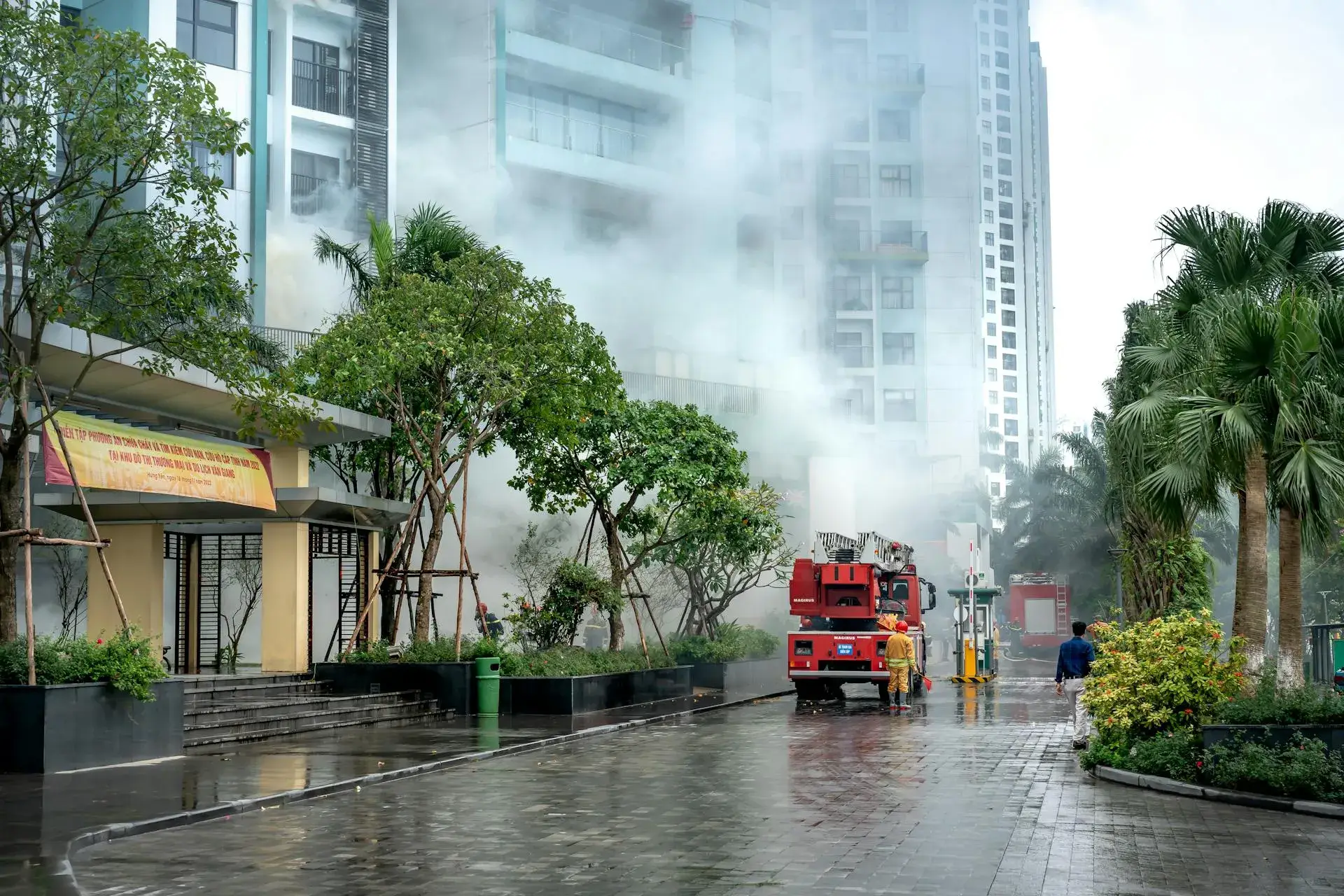
Smoke Damage Restoration in Bonner Springs, KS
Microscopic soot particles penetrate HVAC ductwork and deep wall framing within minutes. Our Bonner Springs smoke team responds immediately.
What Happens When You Call
Your phone call reaches an experienced smoke remediation specialist who assesses fuel sources, soot characteristics, and contamination boundaries.
Our certified smoke abatement crew dispatches directly to your Bonner Springs home equipped with industrial HEPA air scrubbers and hydroxyl generators.
Technicians map soot deposition patterns, test material porosity, and seal off the HVAC system to prevent cross-contamination into unaffected living areas.
We deploy specialized dry-cleaning chem-sponges, apply targeted chemical counter-agents, and execute thermal fogging to permanently eliminate smoke odors.
Smoke damage is deceptive because the most dangerous contaminants are completely invisible. Long after a kitchen grease fire, an electrical short, or a furnace puff-back is controlled, caustic airborne soot particles continue migrating through your living space. In Bonner Springs homes, central forced-air heating and air conditioning networks pull these chemical residues into ductwork, redistributing acrid odors to every bedroom. X Response delivers comprehensive smoke mitigation to decontaminate surfaces, cleanse ductwork, and permanently eliminate odors at the molecular level. Call now for expert smoke remediation.
Why Bonner Springs Homes Are Vulnerable to Smoke Damage
Smoke migration presents complex property and health hazards across the hilly residential terrain of western Wyandotte and southern Leavenworth counties. Bonner Springs was incorporated as a city on November 10, 1898, spanning 16 square miles along the northern bluffs of the Kansas River valley. Across the community, residential architecture varies from historic homes near downtown Oak Street to contemporary multi-level properties and suburban ranches along K-7 and Morse Avenue. A common feature across these homes is reliance on central forced-air HVAC networks. When a smoke-producing event occurs, whether a cooking fire, an electrical failure in a wall outlet, or an overheated appliance motor, hot smoke rises quickly and enters return air registers. The blower fan draws microscopic soot particles into ductwork trunk lines, spreading fine carbon particulates and noxious combustion odors into every room.
The chemical composition of smoke in Bonner Springs homes varies significantly according to the burning fuel source. Smoldering kitchen incidents involving cooking oils or animal fats produce transparent, sticky protein residues that leave little dark soot but coat cabinets and walls in an amber-colored film that emits sickening, rancid odors. Conversely, fires involving synthetic carpet fibers, foam furniture cushioning, or vinyl window blinds produce dense, black carbon soot loaded with caustic hydrochloric and sulfuric acid compounds. In the humid summer air of the Kansas River valley, these acidic residues rapidly corrode metallic bathroom fixtures, etch glass windows, and permanently discolor painted walls. Furthermore, during harsh Kansas winters, older furnaces and heating stoves can suffer sudden burner puff-backs, discharging oily petroleum soot into finished living areas.
Forced-Air HVAC Contamination and Whole-House Distribution
Virtually all Bonner Springs homes rely on central forced-air heating and cooling systems. When an air handler operates during a smoke event, soot particles bypass standard furnace filters and coat interior sheet metal ductwork, turning the entire heating system into a distribution network for toxic chemical odors. Every time the thermostat calls for heat or cooling, acrid combustion particulates are blown directly into bedrooms and common living areas.
Multi-Level Bluff Topography and Thermal Stack Dynamics
Many residences in Bonner Springs are built on steep hillsides overlooking the Kansas River, featuring multi-level floor plans, vaulted ceilings, and walkout basements. In these structures, the natural thermal stack effect pulls hot smoke upward through open stairwells and ceiling plenums into attic framing. Soot accumulates heavily along upper wall ledges and attic trusses, releasing lingering odors that filter down into living spaces long after the original incident.
Protein Residues from Kitchen Cooking Flare-Ups
Unattended cooking flare-ups represent the single most common cause of smoke damage in residential neighborhoods. Burning grease, cooking spray, and proteins produce a clear, highly adhesive residue that bonds firmly to kitchen cabinetry, tile backsplashes, and drywall. Standard household detergents only smear this sticky film, leaving behind stubborn, rancid odors that intensify on warm, humid Kansas summer days.
Winter Heating Appliance Puff-Backs
During sustained sub-freezing weather across eastern Kansas, residential furnaces operate under heavy heating demands. In older homes with oil burners or aging natural gas furnaces, delayed ignition can cause a sudden puff-back explosion. This event forces heavy, oily soot backward through exhaust flues and directly into basement living areas, covering carpeting, furniture, and family belongings in a dark petroleum film.
Acidic Chemical Etching on Modern Synthetic Finishes
Contemporary homes contain vast amounts of petroleum-based polymers, including vinyl plank flooring, synthetic upholstery, and plastic appliance housings. When burned, these materials release acidic vapors that react with atmospheric humidity. In Bonner Springs homes, this caustic chemical film quickly pits polished chrome bathroom fixtures, tarnishes decorative brass, and permanently yellows painted woodwork if not neutralized within hours.
Eradicating smoke damage in Bonner Springs requires scientific understanding of combustion chemistry, airflow mechanics, and molecular deodorization. Simply masking odors with perfumed sprays or repainting walls without decontaminating substrates traps toxic soot in your home. X Response deploys industrial HEPA air scrubbers, dry-cleaning chemical sponges, and commercial thermal foggers to eliminate smoke particles and restore fresh, clean indoor air.
What Happens to Your Home While You Wait
Within Minutes
Microscopic soot particles settle into carpet fibers, upholstered furniture, and draperies. Hot smoke gases penetrate wall cavities and attic insulation, depositing caustic chemical films across horizontal surfaces and starting the process of surface discoloration.
Within 24 Hours
Acidic residues begin permanently yellowing porous plastic surfaces, fiberglass shower enclosures, and light switches. Metal fixtures, including brass door hardware and polished chrome plumbing, begin pitting and tarnishing. Unprotected wood finishes absorb oily smoke residues.
24–48 Hours
Porous painted walls, wallpaper, and cabinetry absorb soot into their molecular matrix, causing permanent discoloration that standard cleaning cannot reverse. Grout in tiled bathrooms absorbs smoke gases, turning dark and emitting pungent odors.
48–72 Hours
Synthetic fabrics, carpets, and clothing suffer permanent chemical fiber degradation. Soot residues solidify into a hard, greasy film on walls and ceilings, requiring abrasive chemical removal or encapsulation rather than non-destructive surface wiping.
One Week and Beyond
Smoke odor becomes completely embedded within framing lumber, subflooring, and insulation behind drywall. The entire structural envelope requires deep thermal fogging, ductwork replacement, and extensive primer encapsulation to eliminate persistent chemical off-gassing.
Do not let corrosive smoke residues inflict irreversible damage on your property. Contact X Response today. Our Bonner Springs smoke remediation specialists are ready to help.
How We Restore Smoke-Damaged Bonner Springs Homes
Our smoke restoration protocol combines rigorous physical decontamination with scientific molecular neutralization to return your home to pristine condition.
Comprehensive Soot Inspection and Fuel Mapping
We evaluate the entire residence to determine the exact fuel source, whether synthetic plastics, wood, oil, or protein grease. Our technicians inspect attic framing, crawl spaces, and interior ductwork, mapping the full migration path of smoke to establish a precise cleaning protocol.
HVAC Isolation and Mechanical Air Scrubbing
We seal off supply and return registers to prevent further soot circulation and install industrial-grade HEPA air filtration scrubbers equipped with activated carbon and potassium permanganate filters to capture airborne soot particles and volatile organic compounds.
Dry Chemical Sponge and Surface Decontamination
Using vulcanized natural rubber dry-cleaning sponges, we lift loose soot particles from ceilings, walls, and delicate woodwork without applying water, which would smear oily carbon. We then apply specialized alkaline cleaning counter-agents to dissolve bonded residues safely.
Thermal Fogging and Hydroxyl Odor Elimination
We deploy industrial thermal foggers that vaporize solvent-based odor counteractants into microscopic droplets. These neutralizers follow the exact physical path that smoke traveled, penetrating wall cavities and framing to chemically dismantle odor-causing compounds at the molecular level.
HVAC Duct Cleaning and Sanitization
Our team thoroughly cleans the home's entire ventilation system, scrubbing trunk lines, vacuuming duct runs under negative pressure, and treating interior surfaces with EPA-registered antimicrobial encapsulation sealants to ensure clean, odor-free airflow.
The X Response Difference
Trust X Response to restore clean air, pristine surfaces, and total peace of mind to your Bonner Springs home after a smoke or soot emergency.
Insurance Claim Guidance for Bonner Springs Homeowners
Filing an insurance claim for smoke damage in Kansas requires detailed technical documentation because the most severe damage is often hidden behind finished surfaces. Standard homeowner policies throughout Wyandotte County cover smoke and soot damage resulting from sudden accidental fires, electrical shorts, and heating equipment puff-backs. However, insurance adjusters frequently attempt to limit claims to superficial surface wiping, overlooking extensive soot contamination inside HVAC ductwork, attic insulation, and interior wall framing. Our team provides rigorous documentation that proves the full extent of smoke migration, ensuring your claim covers comprehensive decontamination and proper odor neutralization.
How X Response Helps
- Conduct non-destructive wipe tests and chemical sampling to prove soot migration to your insurance adjuster
- Document soot accumulation inside enclosed furnace cabinets, HVAC trunk lines, and return air chases
- Catalog damaged textiles, window coverings, and furniture requiring professional off-site dry-cleaning restoration
- Establish clear cause-of-loss documentation for furnace puff-backs, electrical shorts, or localized kitchen fires
- Submit fully itemized restoration scopes that comply with standard insurance claims handling guidelines
X Response is an independent certified restoration contractor. We do not act as licensed public adjusters or claim negotiators. We provide objective, technical damage assessments and professional restoration services to support your insurance claim.
Certified Restoration Specialists Serving Bonner Springs
Our smoke restoration specialists serving Bonner Springs bring decades of collective expertise in environmental decontamination and indoor air quality management. We have restored historic residences along Oak Street, modern bluff-side homes overlooking the Kansas River, and suburban properties across western Wyandotte County. Our team understands that living with the acrid, lingering odor of smoke is not just unpleasant, it is a persistent health hazard that impacts your family's daily well-being. We work with precision and empathy to ensure your home is completely free of chemical contaminants.
Every project is supervised by technicians certified by the IICRC in Odor Control (OCT) and Fire and Smoke Restoration (FSRT). We utilize the latest scientific odor neutralization technologies, including hydroxyl generators, commercial thermal foggers, and HEPA negative-air machines. Our commitment to ongoing technical training ensures that your Bonner Springs residence receives the most advanced, non-destructive smoke remediation available in the industry today.
In Bonner Springs, X Response works with Best Option Restoration, an independent local restoration partner serving Wyandotte County.
Smoke Damage Restoration FAQ for Bonner Springs Homeowners
Other Emergency Services in Bonner Springs
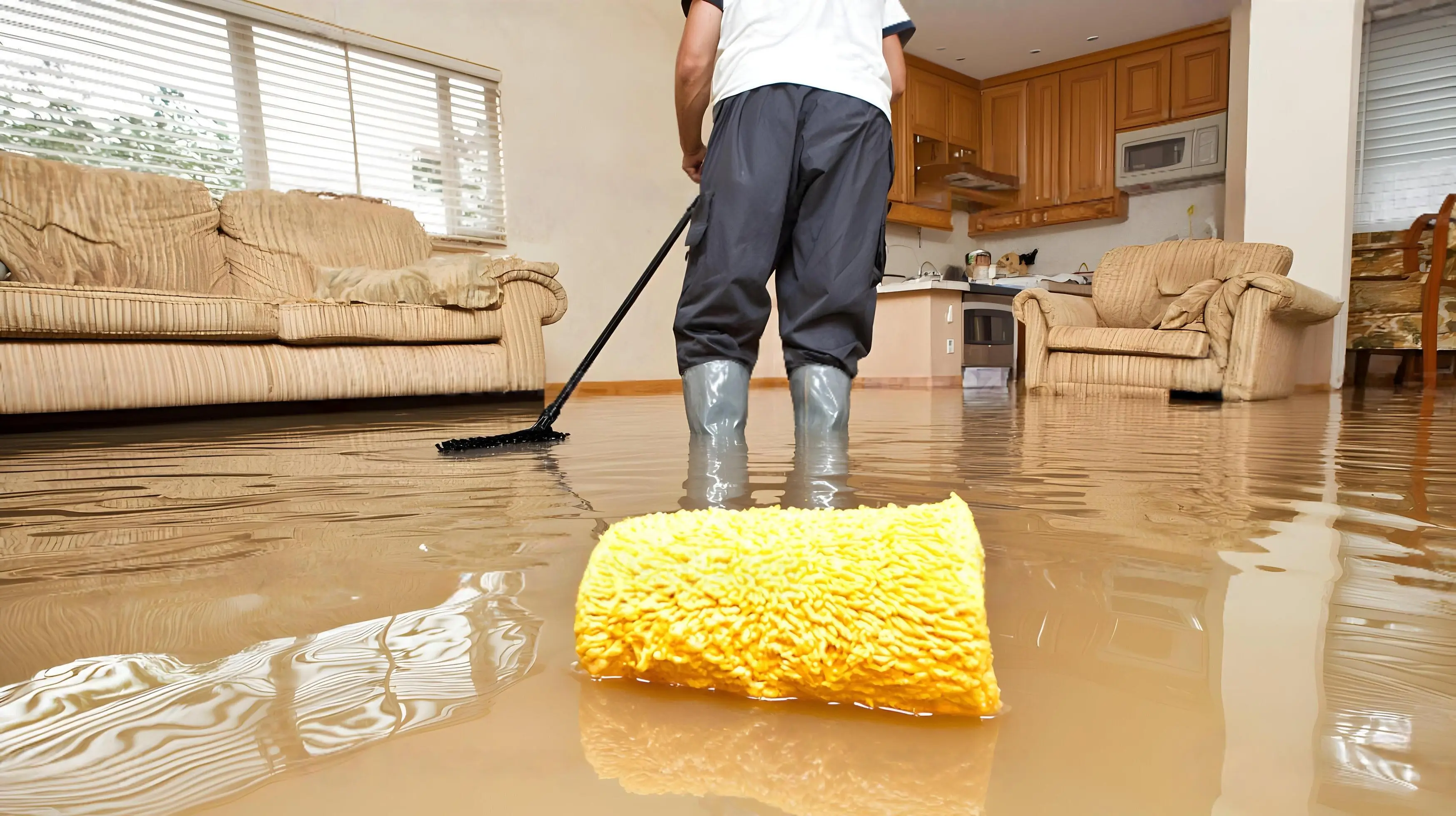
Water Damage Restoration
Burst pipes, storm flooding, standing water. We extract, dry, and restore before mold sets in.
Learn more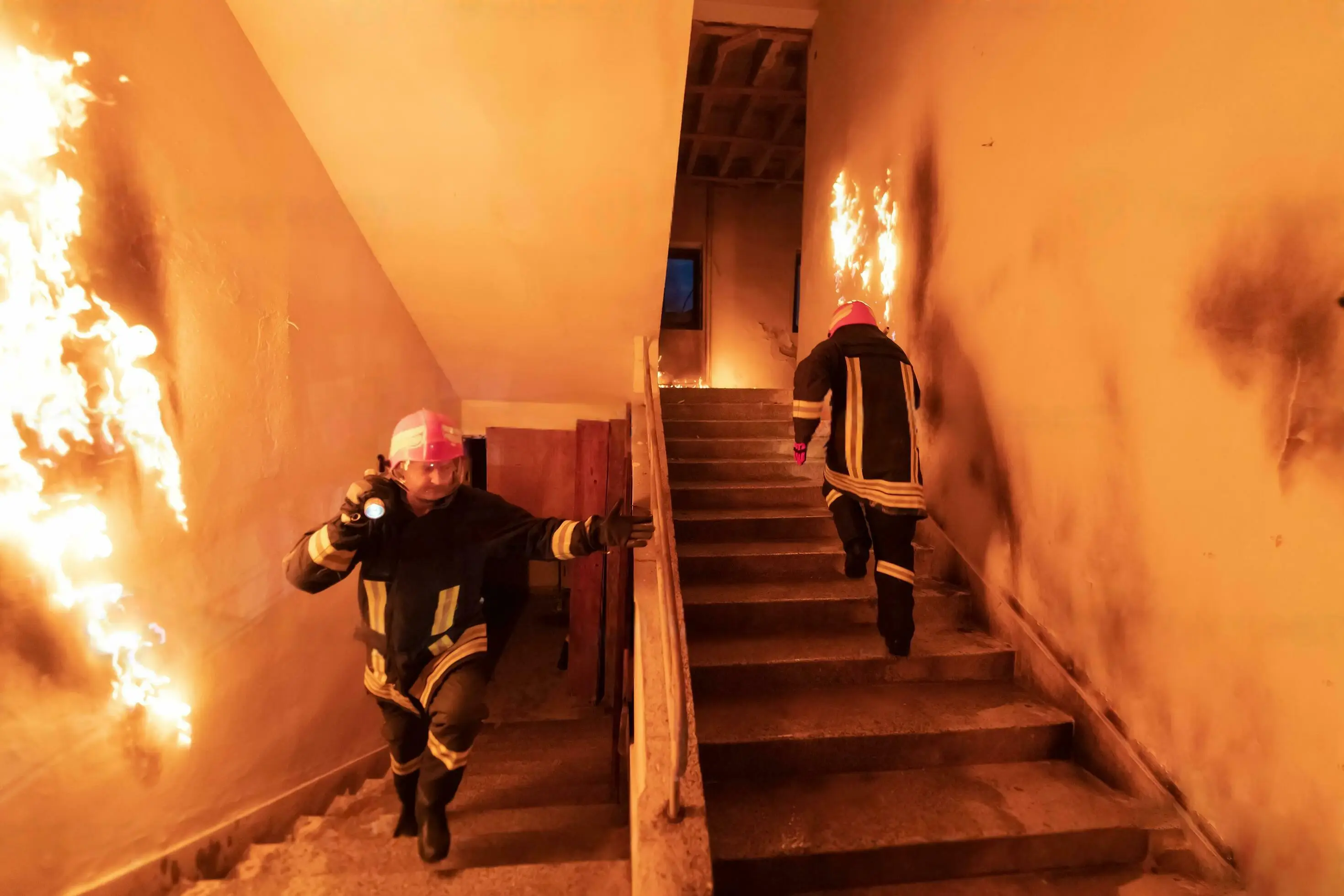
Fire Damage Restoration
Structural damage, soot, debris. We stabilize, clean, and rebuild what fire destroyed.
Learn more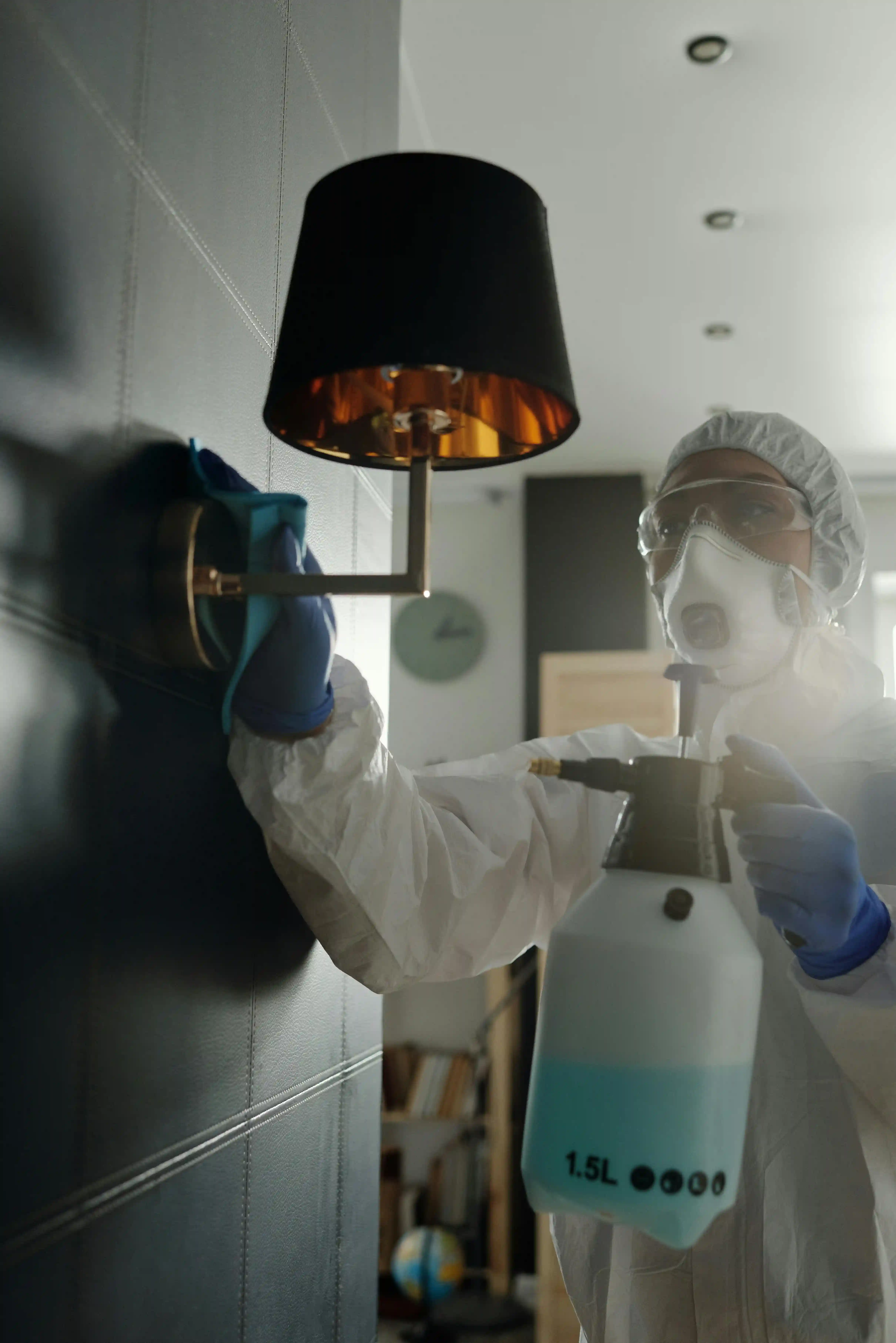
Mold Remediation
Testing, containment, removal, prevention. We find the source, eliminate the growth, and stop it from returning.
Learn more
Sewage Cleanup
Sewer backups, contaminated water, biohazard. We extract, sanitize, and restore safely.
Learn more