

Water Damage Restoration in Bonner Springs, KS
Every hour of standing water accelerates structural rot and mold colonization. Our Bonner Springs response crew is on scene within 60 minutes.
What Happens When You Call
Your phone call connects directly with a local restoration manager who evaluates water depth, structural hazards, and immediate dispatch needs.
Our certified water mitigation team departs from our regional base, arriving in Bonner Springs equipped with industrial extractors and thermal cameras.
Technicians map moisture penetration, inspect below-grade foundations, and begin rapid water removal from floors, walls, and structural cavities.
Commercial dehumidifiers and high-velocity air movers are installed, calibrated, and documented to initiate scientific structural drying.
Water intrusion demands immediate, decisive action before structural wood frames warp and secondary microbial growth takes hold. Whether you are dealing with a sudden appliance supply failure, a storm-induced basement flood, or surface runoff from the Kansas River bluffs, X Response provides immediate relief. When you call our emergency line, a live coordinator dispatches our dedicated local team immediately. From initial extraction to certified moisture clearance, one team manages every detail. Call now for 24/7 emergency response.
Why Bonner Springs Homes Are Vulnerable to Water Damage
Bonner Springs occupies a geographically dramatic landscape in the western Kansas City metropolitan area, where the northern bluffs of the Kansas River valley meet the rolling terrain of Wyandotte, Leavenworth, and Johnson counties. The U.S. Geological Survey operates river gaging station 06892500 on the Kansas River at Bonner Springs, monitoring flood stage thresholds and discharge across Wyandotte County. With an official flood stage established at 22 feet, the Kansas River serves as the dominant hydrological feature of the community, receiving storm runoff from Wolf Creek, local limestone ravines, and extensive municipal storm drainage channels. The city's topography transitions steeply from elevation peaks near 1,000 feet along the northern ridge lines down to the flat alluvial floodplain bordering Kaw Drive and the Union Pacific rail corridor. When severe Midwestern thunderstorm complexes track across the Kaw Valley, torrential sheet runoff rushes down these steep bluffs, overwhelming roadside swales and creating severe flash-flooding conditions for homes situated along lower contours.
The structural vulnerability of Bonner Springs residences is shaped by this steep terrain combined with heavy glacial till and claypan soils that cover the valley ridges. In neighborhoods surrounding historic downtown along Oak Street, Second Street, and Nettleton Avenue, older residential properties feature stone masonry or concrete block basements that are highly susceptible to hydrostatic water seepage during extended rain events. Meanwhile, contemporary developments north toward K-7 and Morse Avenue feature modern poured concrete basements that act as subterranean collection basins when saturated clay soils swell against foundation walls. Compounding these natural drainage pressures, intense summer supercell storms frequently trigger regional electrical power outages that disable mechanical sump pumps at the exact moment groundwater pressure reaches peak intensity against basement perimeters.
Kansas River Valley Hydrology and USGS Monitoring
The southern boundary of Bonner Springs is defined by the Kansas River, where USGS gauge 06892500 tracks water levels and volumetric discharge. During sustained spring snowmelt or multi-day rainfall systems, river elevations rise rapidly, creating high backwater pressure that slows or halts gravity discharge from local tributaries including Wolf Creek. Low-lying properties along Kaw Drive, K-32, and the river bottomlands face direct flood threats, while nearby neighborhoods experience groundwater tables that rise up into residential foundation footings.
Steep Valley Bluffs and High-Velocity Sheet Runoff
The dramatic elevation drop from the northern ridge lines down to the river floodplain creates significant storm runoff velocity. During intense summer downpours, millions of gallons of rainwater cascade down residential hillsides toward properties situated on terraced lots. Saturated topsoil cannot absorb the deluge, turning driveways, backyard swales, and window wells into fast-moving channels that breach basement window seals and pour directly into lower living levels.
High-Shrink Claypan Soils and Hydrostatic Basement Pressure
Wyandotte County soils are predominantly silty clay loams formed from glacial drift and wind-blown loess. These soils exhibit pronounced shrink-swell properties, expanding dramatically when soaked by seasonal precipitation. Saturated clay exerts massive lateral hydrostatic pressure against subterranean basement walls, forcing water through hairline settlement cracks, mortar joints in older stone foundations, and the cold joint where basement floor slabs meet the structural perimeter footing.
Finished Below-Grade Living Spaces
Throughout both historic Bonner Springs neighborhoods and newer residential subdivisions, homeowners have converted below-grade basements into master suites, entertainment rooms, and home offices. Finishing a basement places drywall, baseboard trim, carpeting, and electrical systems at the lowest elevation of the structure. When groundwater intrudes or a sump pump fails, porous materials absorb contaminated moisture within hours, requiring extensive extraction and specialized cavity drying to prevent total loss.
Severe Thunderstorm Power Outages and Sump Pump Failure
Because local soils drain poorly, nearly every home with a basement in Bonner Springs relies on a mechanical sump pump to manage perimeter groundwater. However, severe convective storms in eastern Kansas routinely generate damaging straight-line winds and cloud-to-ground lightning that sever overhead electrical lines. When grid power fails during a downpour, unprotected sump pumps stop running instantly, allowing sump pits to overflow and flood finished basements in under an hour.
Water damage in Bonner Springs is driven by the interaction of river valley hydrology, steep bluff topography, and dense clay soils. Whether a property suffers from flash-flood runoff along K-7, hydrostatic foundation seepage in an older stone basement, or a storm-induced sump pump failure, effective restoration requires deep technical knowledge of local construction and hydrology. X Response provides rapid emergency extraction, precision moisture mapping, and industrial structural drying tailored specifically to Bonner Springs homes.
What Happens to Your Home While You Wait
Within 1 Hour
Water spreads across basement floors, saturating carpeting and wicking into drywall, wooden baseboards, and interior framing. In Bonner Springs homes along steep bluffs, sediment-laden runoff enters through foundation joints, carrying fine silt and organic debris that stains flooring and furnishings.
1–24 Hours
Drywall wicks water twelve to eighteen inches above the baseboard line, softening and losing structural rigidity. Wood trim swells and warps. Ambient humidity inside the basement rises above seventy percent, creating an optimal incubation environment for microbial growth in dark wall cavities.
24–48 Hours
Active mold colonization initiates on damp paper drywall backing, carpet padding, and unfinished wood joists. Saturated carpet underlayment begins delaminating, and engineered wood flooring buckles as moisture penetrates tongue-and-groove seams from below.
48–72 Hours
Fungal colonies expand into nearby HVAC supply plenums and return ducts, allowing central ventilation systems to circulate spores to upper living floors. Drywall cores disintegrate, requiring full demolition, and restoration scopes expand from basic drying into regulated microbial remediation.
One Week and Beyond
Prolonged saturation causes structural wood decay along bottom plates and rim joists. Concrete floor slabs absorb deep moisture that can take weeks to extract without specialized drying equipment. Insurance carriers begin questioning delays, increasing the risk of contested claim settlements.
Rapid mitigation within the first 24 hours makes the difference between saving finished materials and undertaking extensive demolition. Contact X Response immediately. Our Bonner Springs crew deploys within the hour.
How We Restore Water-Damaged Bonner Springs Homes
Our water mitigation methodology adheres to strict IICRC S500 standards, utilizing scientific psychrometric calculations to return properties to certified dry baselines.
Emergency Diagnostic Assessment and Moisture Mapping
Our technicians arrive equipped with FLIR infrared thermal imaging cameras and non-penetrating electronic moisture meters to trace every path of water intrusion. In Bonner Springs homes, we thoroughly examine basement perimeter walls, crawl spaces, and concealed plumbing chases, documenting exact moisture boundaries before work begins.
High-Capacity Water Extraction
We deploy industrial truck-mounted extraction units and heavy-duty submersible pumps to evacuate bulk standing water quickly. On finished carpeting, weighted extraction rovers squeeze water out of both carpet and underlying pad, removing up to ninety-five percent of absorbed moisture and significantly shortening drying cycles.
Targeted Cavity Drying and Dehumidification
We install commercial low-grain refrigerant (LGR) dehumidifiers alongside high-velocity axial air movers configured in precision aerodynamic arrays. In the humid Kansas River valley, mechanical moisture removal is critical to pull water vapor out of structural framing, concrete slabs, and enclosed wall cavities.
Antimicrobial Treatment and Environmental Cleansing
All affected structural surfaces are treated with EPA-registered broad-spectrum botanical antimicrobials to neutralize bacteria and inhibit mold growth. Commercial HEPA air scrubbers run continuously to filter out microscopic airborne particulates and preserve healthy indoor air quality throughout your home.
Daily Psychrometric Monitoring and Final Clearance
Technicians return every twenty-four hours to record temperature, relative humidity, and moisture content readings across affected building materials. Equipment remains operational until calibrated instruments confirm all components match established dry standards. We provide complete documentation for your insurance provider.
The X Response Difference
When water threatens your property, choose X Response for rapid local deployment, scientific moisture control, and transparent insurance documentation.
Insurance Claim Guidance for Bonner Springs Homeowners
Navigating a water damage insurance claim in Kansas requires understanding how policy language defines the cause of loss. Standard homeowner insurance policies in Wyandotte and Leavenworth counties cover sudden and accidental internal water discharges, such as ruptured supply pipes, failed water heaters, or overflowing washing machines. However, water damage resulting from external rising surface water, such as Kansas River overflow or flash-flood sheet runoff down valley bluffs, is excluded under standard policies and requires dedicated flood insurance through the National Flood Insurance Program (NFIP) or a private underwriter. In addition, water backing up through basement floor drains or failing sump pumps requires a specific Water Backup and Sump Overflow endorsement. Our team documents the exact point of entry and provides technical drying logs to help your adjuster evaluate your claim efficiently.
How X Response Helps
- Conduct thorough initial photo and thermal video documentation of all water-damaged structural elements before teardown begins
- Isolate and identify the exact failure mechanism of the water source to substantiate appropriate policy coverage categories
- Maintain daily psychrometric drying logs that justify the deployment of every dehumidifier and air mover to your insurer
- Itemize non-salvageable structural materials and personal contents using standard industry replacement cost software
- Communicate directly with your insurance adjuster to provide requested moisture readings and expedite claim resolution
X Response is an independent disaster restoration contractor. We do not act as licensed insurance adjusters, public adjusters, or legal representatives. We provide objective technical documentation and professional mitigation services to support your claim.
Certified Restoration Specialists Serving Bonner Springs
Our water restoration specialists serving Bonner Springs bring deep regional expertise and dedicated community commitment to every job. Having restored historic properties near downtown Oak Street, walkout basements along the Kaw River bluffs, and contemporary homes in master-planned subdivisions, our technicians understand the distinct construction styles and geological challenges of Wyandotte and Leavenworth counties. We arrive with empathy and clear communication, taking immediate control of the emergency to protect your home and ease your stress.
Every crew leader maintains active certification from the Institute of Inspection, Cleaning and Restoration Certification (IICRC), including Water Damage Restoration Technician (WRT) and Applied Structural Drying (ASD) credentials. We operate modern, fully stocked response vehicles equipped with commercial extraction units, calibrated infrared cameras, and commercial LGR dehumidifiers. By adhering to the highest scientific standards, our team guarantees that your Bonner Springs residence is restored safely, thoroughly, and without delay.
In Bonner Springs, X Response works with Best Option Restoration, an independent local restoration partner serving Wyandotte County.
Water Damage Restoration FAQ for Bonner Springs Homeowners
Other Emergency Services in Bonner Springs
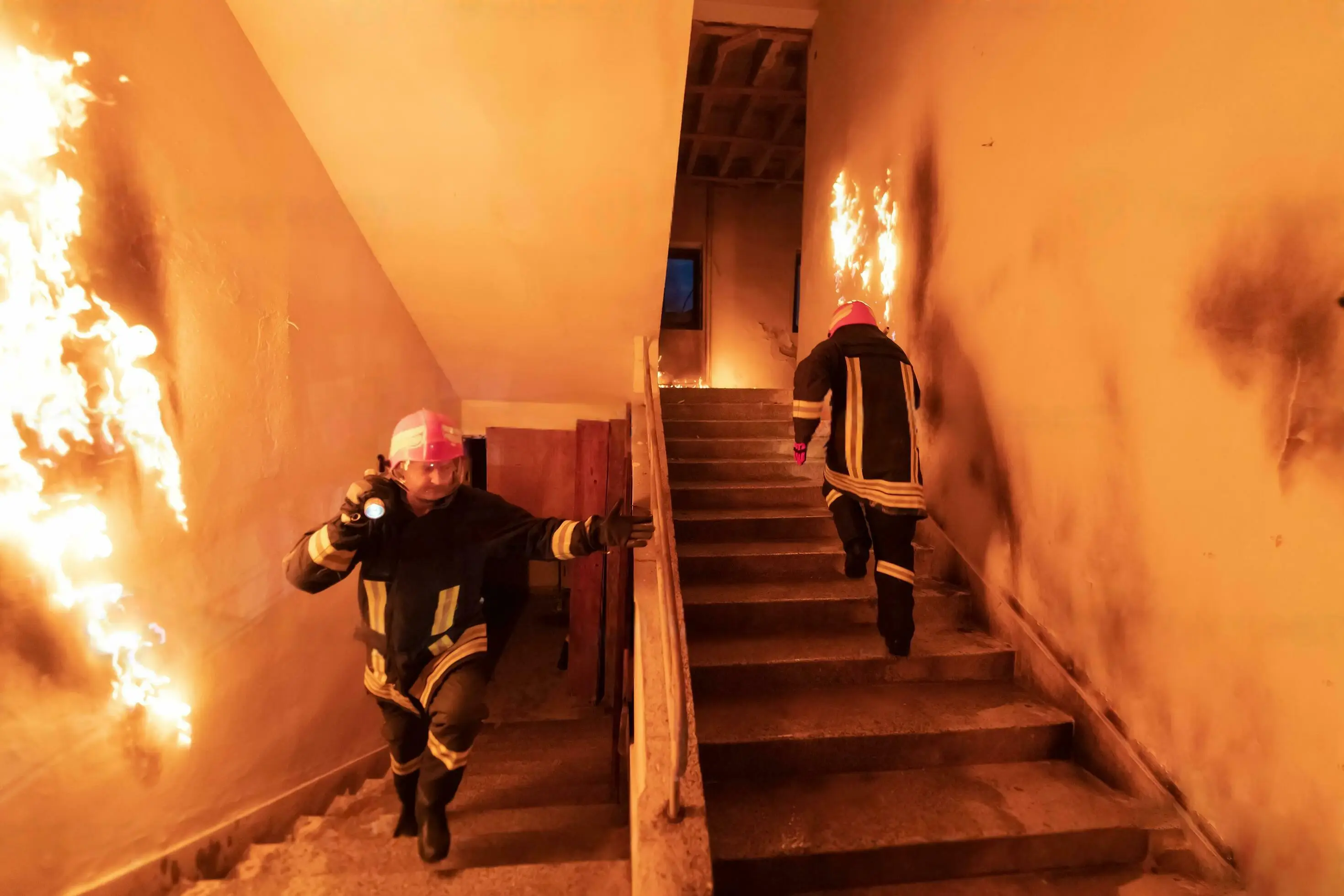
Fire Damage Restoration
Structural damage, soot, debris. We stabilize, clean, and rebuild what fire destroyed.
Learn more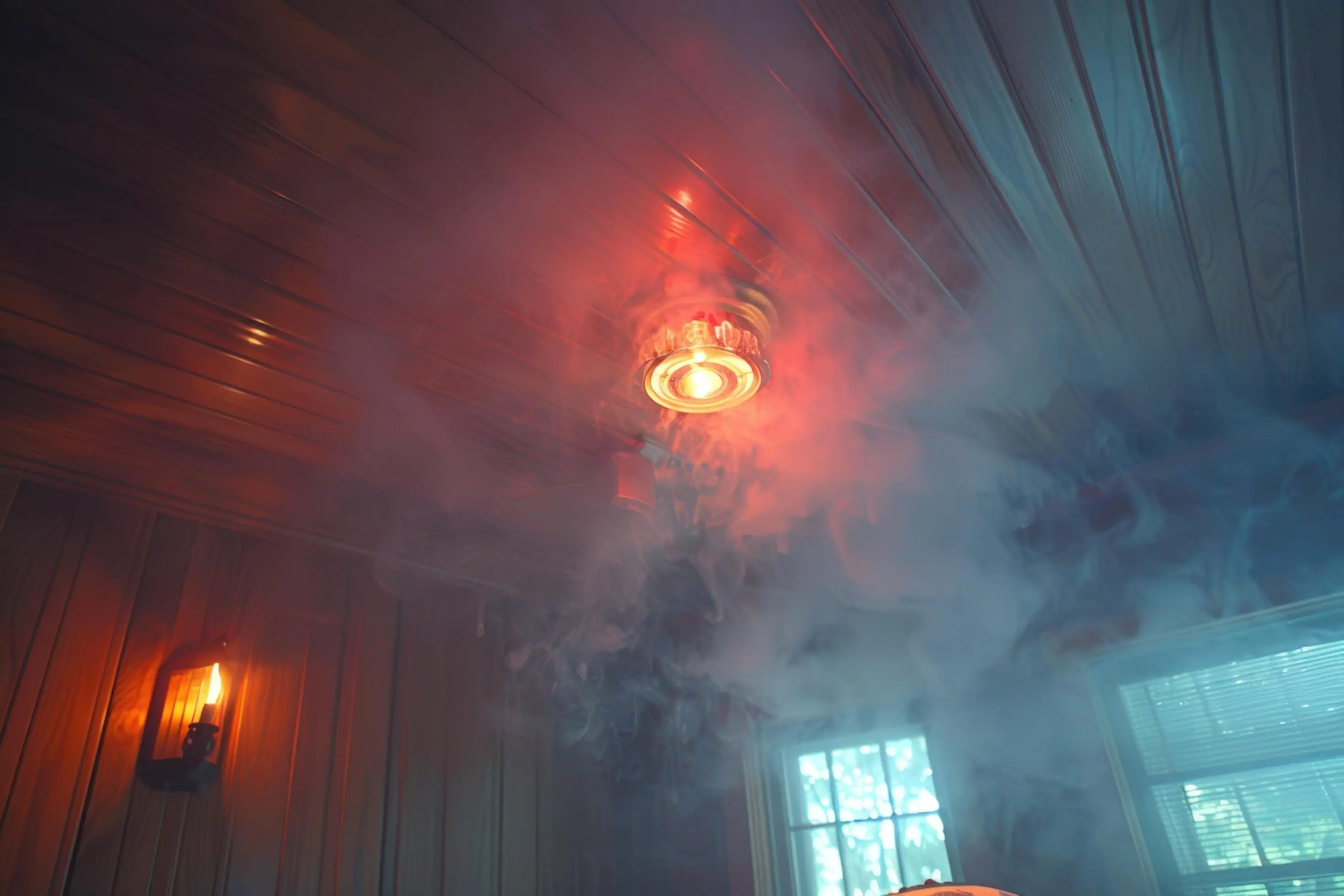
Smoke Damage Restoration
Soot residue, chemical odors, HVAC contamination. We decontaminate surfaces, eliminate odors, and restore air quality.
Learn more
Mold Remediation
Testing, containment, removal, prevention. We find the source, eliminate the growth, and stop it from returning.
Learn more
Sewage Cleanup
Sewer backups, contaminated water, biohazard. We extract, sanitize, and restore safely.
Learn more