
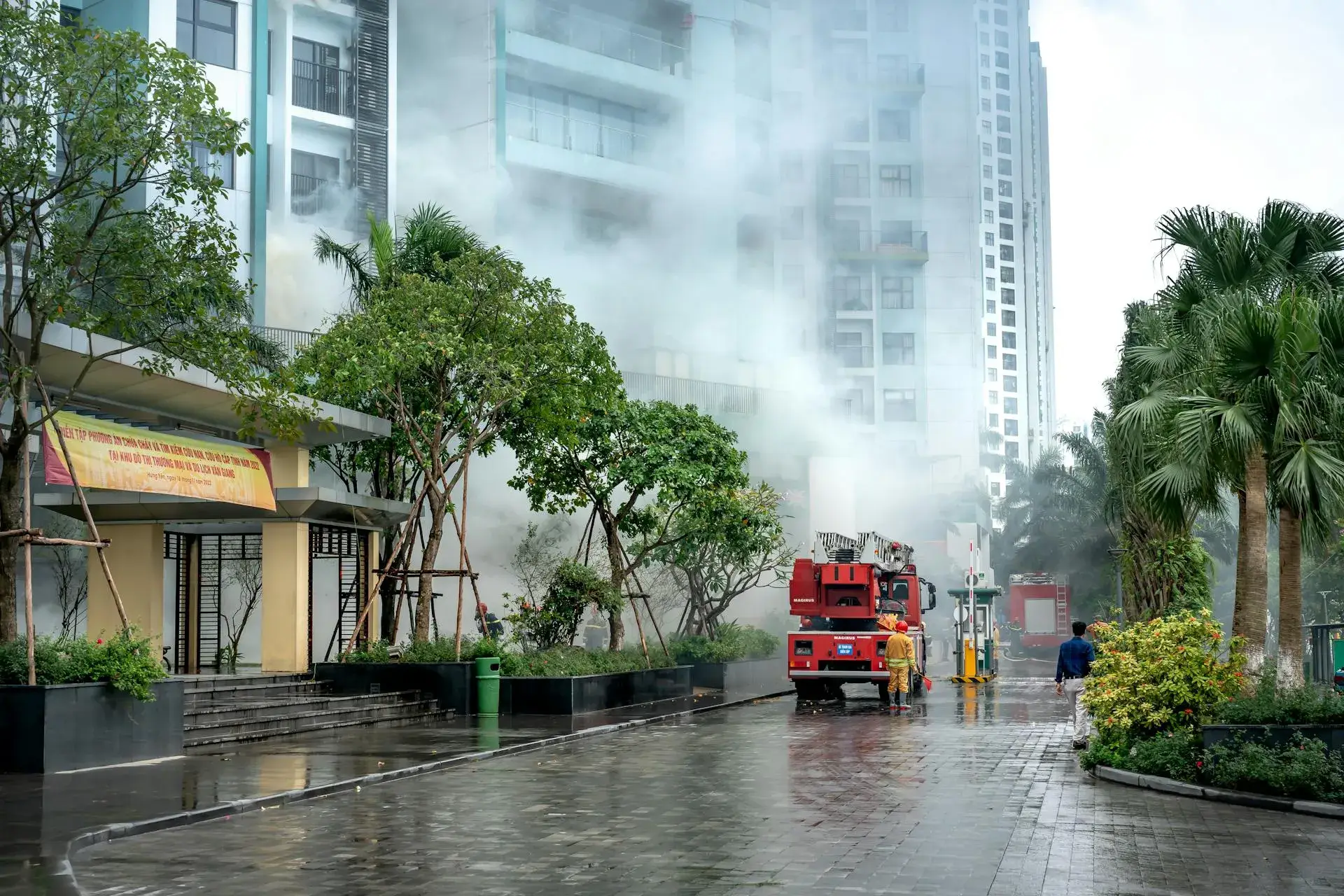
Smoke Damage Restoration in Basehor, KS
Smoke particles penetrate HVAC systems and deep wall cavities within minutes. Our Basehor smoke restoration team responds immediately.
What Happens When You Call
Your phone call reaches a dedicated restoration specialist who evaluates the smoke source, fuel type, and building contamination levels.
Our certified smoke abatement team dispatches directly to your Basehor residence with commercial air scrubbers, hydroxyl generators, and specialized chem-sponges.
Technicians map soot distribution, test surface reactivity, and isolate the home's HVAC system to prevent cross-contamination to unaffected rooms.
We begin intensive HEPA air filtration, apply targeted soot-lifting counter-agents, and deploy molecular thermal fogging to eliminate embedded odors.
Smoke damage is insidious because microscopic combustion particles travel far beyond the visible boundaries of a fire. Even a localized electrical short, a kitchen cooking mishap, or a furnace puff-back sends caustic aerosolized soot drifting through your entire home. In Basehor homes with modern central heating and cooling, HVAC ductwork rapidly distributes these toxic residues to every bedroom and closet. X Response delivers targeted smoke mitigation to decontaminate surfaces, cleanse ductwork, and eliminate persistent chemical odors at their molecular source. Call now for immediate smoke cleanup.
Why Basehor Homes Are Vulnerable to Smoke Damage
Smoke damage poses severe risks to indoor environmental safety and property value throughout Basehor and rural Leavenworth County. The Fairmount Township Fire Department operates two stations to protect Fairmount Township and the City of Basehor, maintaining 24-hour emergency response across the district. While emergency firefighters work swiftly to suppress active blazes, the smoke produced during structural fires, electrical malfunctions, or appliance failures spreads rapidly through homes. In modern subdivisions such as Falcon Lakes, Prairie Gardens, and Wolf Creek Meadows, contemporary residential design emphasizes open-concept floor plans with vaulted ceilings and central forced-air HVAC networks. When hot smoke rises, thermal expansion pushes microscopic combustion particles into attic trusses, wall voids, and ceiling cavities, where soot settles out of sight while emitting volatile organic compounds into the living space.
The chemical profile of smoke in Basehor residences varies greatly depending on the combustion source. A smoldering kitchen fire involving cooking oils creates nearly invisible, sticky protein residues that coat walls and cabinetry, emitting rancid, sickening odors. In contrast, electrical fires involving synthetic wiring insulation produce dense, black carbon soot containing hydrochloric acid that corrodes electronics and tarnishes metallic fixtures. Furthermore, during bitter Kansas winters, older furnaces and heating stoves in township properties can experience severe burner puff-backs, discharging oily petroleum soot through supply registers into every furnished room. Without prompt professional neutralization, these acidic residues cause permanent yellowing of painted finishes, ruin delicate draperies, and severely irritate respiratory systems.
Central HVAC System Contamination and Recirculation
The vast majority of Basehor homes utilize central forced-air heating and cooling systems with return air grilles located throughout living areas and basements. If an air handler cycles during or immediately following a smoke event, millions of microscopic soot particles are pulled directly into the ductwork. Soot coats interior sheet metal, fiberglass acoustic lining, and air-conditioning evaporator coils, converting the entire ventilation system into a distribution mechanism that blows toxic chemical odors whenever the fan engages.
Open-Concept Architecture and Thermal Drift
Newer construction throughout southern Leavenworth County features two-story great rooms and open kitchens that lack structural partitions. Smoke generated in one corner of the home encounters zero physical barriers, allowing hot combustion gases to rise and pressurize the upper level. Soot settles across high ledges, light fixtures, and ceiling drywall, creating widespread contamination even when the underlying fire was confined to a small kitchen stove or electrical outlet.
Protein Residue from Kitchen Cooking Incidents
Cooking-related incidents represent the most common cause of non-structural smoke damage in Basehor. Burning animal fats, butter, and vegetable oils generate grease-based protein smoke that does not leave a heavy black soot layer. Instead, it deposits an almost imperceptible, amber-colored greasy film that discolors kitchen cabinets, permeates porous wood trim, and produces an extremely stubborn, unpleasant odor that resists standard household detergents.
Winter Heating Appliance Puff-Backs and Soot Infiltration
During sustained sub-freezing winter weather in eastern Kansas, residential furnaces operate continuously under heavy cycling. Oil-fired boilers, older natural gas furnaces, or wood-burning fireplace inserts can suffer from delayed ignition, commonly known as a puff-back. This sudden explosion of trapped fuel vapors forces greasy black soot backward through flue pipes and directly into basement air spaces, coating furniture, carpeting, and clothing in oily carbon film.
Chemical Reactivity with Modern Synthetic Materials
Modern homes contain abundant synthetic compounds, including vinyl flooring, polyurethane foam upholstery, and PVC plumbing. Combustion of these materials releases acidic gases that dissolve into atmospheric moisture. In the humid Kansas summer climate, these airborne acids corrode bathroom chrome, pit architectural glass, and permanently discolor painted walls if not chemically counteracted within hours of exposure.
Managing smoke damage in Basehor requires specialized diagnostic knowledge of combustion chemistry, HVAC dynamics, and molecular deodorization. Simply masking odors with air fresheners or washing walls with soap and water leaves dangerous chemical particulates behind. X Response deploys advanced HEPA filtration, chemical sponge extraction, and thermal deodorization technologies to restore healthy indoor air quality and eliminate smoke odors permanently.
What Happens to Your Home While You Wait
Within Minutes
Microscopic soot particles settle into carpet fibers, upholstered furniture, and draperies. Hot smoke gases penetrate wall cavities and attic insulation, depositing caustic chemical films across horizontal surfaces and starting the process of surface discoloration.
Within 24 Hours
Acidic residues begin permanently yellowing porous plastic surfaces, fiberglass shower enclosures, and light switches. Metal fixtures, including brass door hardware and polished chrome plumbing, begin pitting and tarnishing. Unprotected wood finishes absorb oily smoke residues.
24–48 Hours
Porous painted walls, wallpaper, and cabinetry absorb soot into their molecular matrix, causing permanent discoloration that standard cleaning cannot reverse. Grout in tiled bathrooms absorbs smoke gases, turning dark and emitting pungent odors.
48–72 Hours
Synthetic fabrics, carpets, and clothing suffer permanent chemical fiber degradation. Soot residues solidify into a hard, greasy film on walls and ceilings, requiring abrasive chemical removal or encapsulation rather than non-destructive surface wiping.
One Week and Beyond
Smoke odor becomes completely embedded within framing lumber, subflooring, and insulation behind drywall. The entire structural envelope requires deep thermal fogging, ductwork replacement, and extensive primer encapsulation to eliminate persistent chemical off-gassing.
Immediate intervention prevents corrosive smoke residue from permanently etching and discoloring your home. Contact X Response now. Our Basehor smoke remediation specialists are standing by.
How We Restore Smoke-Damaged Basehor Homes
Our smoke restoration protocol combines rigorous physical decontamination with scientific molecular neutralization. Here is our step-by-step process for Basehor residences.
Comprehensive Soot Inspection and Fuel Source Identification
We evaluate the entire residence to determine the exact fuel source, whether synthetic plastics, wood, oil, or protein grease. Our technicians inspect attic framing, crawl spaces, and interior ductwork, mapping the full migration path of smoke to establish a precise cleaning protocol.
HVAC Isolation and Mechanical Air Scrubbing
We seal off supply and return registers to prevent further soot circulation and install industrial-grade HEPA air filtration scrubbers equipped with activated carbon and potassium permanganate filters to capture airborne soot particles and volatile organic compounds.
Dry Chemical Sponge and Surface Decontamination
Using vulcanized natural rubber dry-cleaning sponges, we lift loose soot particles from ceilings, walls, and delicate woodwork without applying water, which would smear oily carbon. We then apply specialized alkaline cleaning counter-agents to dissolve bonded residues safely.
Thermal Fogging and Hydroxyl Odor Elimination
We deploy industrial thermal foggers that vaporize solvent-based odor counteractants into microscopic droplets. These neutralizers follow the exact physical path that smoke traveled, penetrating wall cavities and framing to chemically dismantle odor-causing compounds at the molecular level.
HVAC Duct Cleaning and Sanitization
Our team thoroughly cleans the home's entire ventilation system, scrubbing trunk lines, vacuuming duct runs under negative pressure, and treating interior surfaces with EPA-registered antimicrobial encapsulation sealants to ensure clean, odor-free airflow.
The X Response Difference
Trust X Response to restore clean air, pristine surfaces, and total peace of mind to your Basehor home after a smoke or soot emergency.
Insurance Claim Guidance for Basehor Homeowners
Smoke damage insurance claims in Kansas require specialized documentation because the most severe damage is often invisible to an untrained eye. Standard homeowner insurance policies in Leavenworth County cover smoke and soot damage resulting from sudden accidental fires, appliance malfunctions, and heating equipment puff-backs. However, insurance adjusters frequently attempt to limit claims to surface wiping in rooms with visible char, overlooking extensive soot contamination inside HVAC ductwork, blown-in attic insulation, and interior wall framing. Our team provides rigorous documentation that proves the full extent of smoke migration, ensuring your claim covers comprehensive decontamination and proper odor neutralization.
How X Response Helps
- Conduct non-destructive wipe tests and chemical sampling to prove soot migration to your insurance adjuster
- Document soot accumulation inside enclosed furnace cabinets, HVAC trunk lines, and return air chases
- Catalog damaged textiles, window coverings, and furniture requiring professional off-site dry-cleaning restoration
- Establish clear cause-of-loss documentation for furnace puff-backs, electrical shorts, or localized kitchen fires
- Submit fully itemized restoration scopes that comply with standard insurance claims handling guidelines
X Response is an independent certified restoration contractor. We do not act as licensed public adjusters or claim negotiators. We provide objective, technical damage assessments and professional restoration services to support your insurance claim.
Certified Restoration Specialists Serving Basehor
Our smoke restoration specialists serving Basehor bring decades of collective expertise in environmental decontamination and indoor air quality management. We have restored historic residences along Leavenworth Road, contemporary family homes in Wolf Creek Meadows, and semi-rural properties throughout Fairmount Township. Our team understands that living with the acrid, lingering odor of smoke is not just unpleasant, it is a persistent health hazard that impacts your family's daily well-being. We work with precision and empathy to ensure your home is completely free of chemical contaminants.
Every project is supervised by technicians certified by the IICRC in Odor Control (OCT) and Fire and Smoke Restoration (FSRT). We utilize the latest scientific odor neutralization technologies, including hydroxyl generators, commercial thermal foggers, and HEPA negative-air machines. Our commitment to ongoing technical training ensures that your Basehor residence receives the most advanced, non-destructive smoke remediation available in the industry today.
In Basehor, X Response works with Best Option Restoration, an independent local restoration partner serving Leavenworth County.
Smoke Damage Restoration FAQ for Basehor Homeowners
Other Emergency Services in Basehor
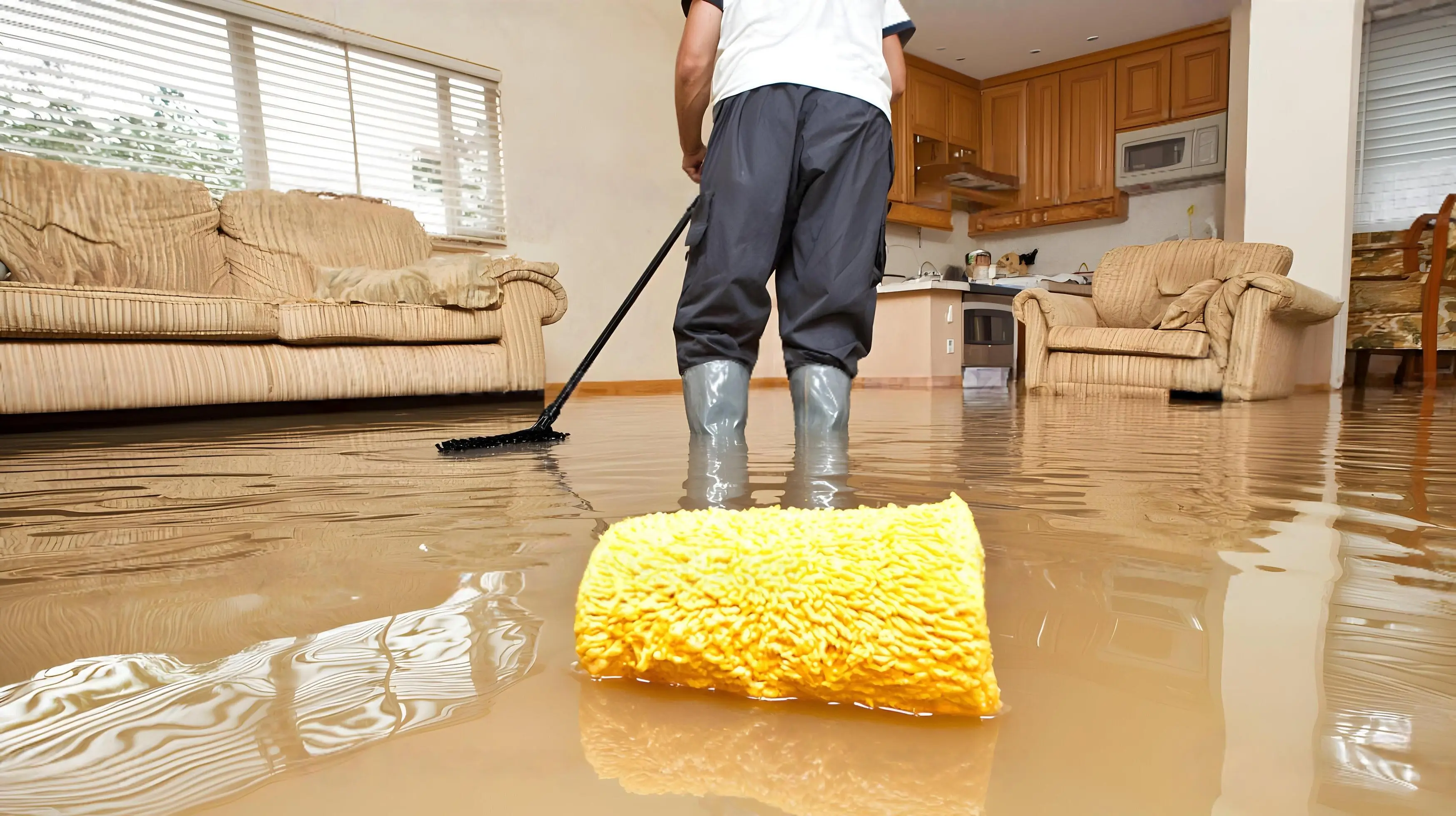
Water Damage Restoration
Burst pipes, storm flooding, standing water. We extract, dry, and restore before mold sets in.
Learn more
Fire Damage Restoration
Structural damage, soot, debris. We stabilize, clean, and rebuild what fire destroyed.
Learn more
Mold Remediation
Testing, containment, removal, prevention. We find the source, eliminate the growth, and stop it from returning.
Learn more
Sewage Cleanup
Sewer backups, contaminated water, biohazard. We extract, sanitize, and restore safely.
Learn more