
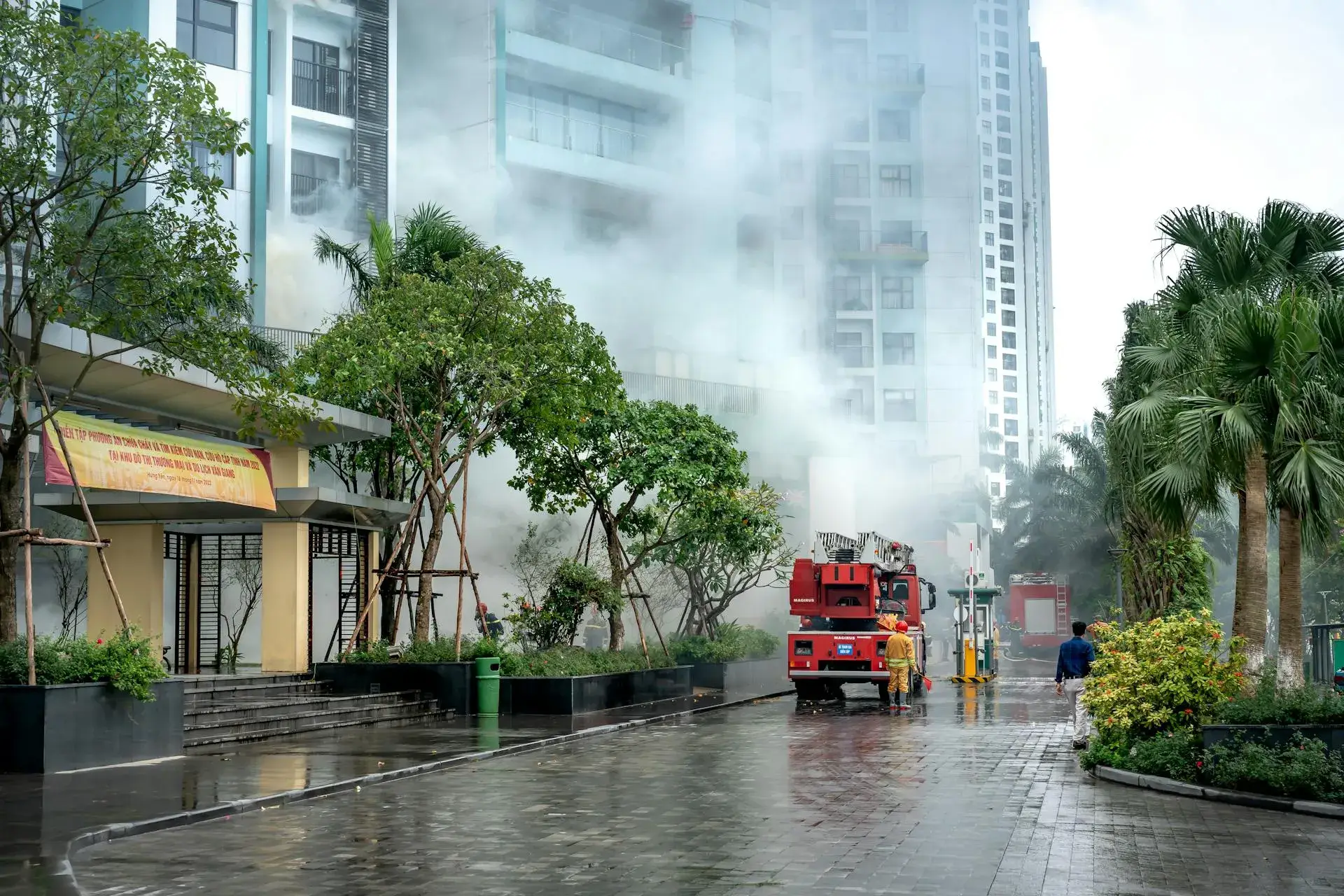
Smoke Damage Restoration in Parkville, MO
Microscopic smoke particulates and corrosive combustion gases penetrate deep into porous drywall, structural framing, and HVAC systems within minutes. Our Parkville smoke mitigation team mobilizes within 60 minutes.
What Happens When You Call
Your emergency call connects directly with an IICRC-certified Smoke and Odor Restoration Specialist who assesses soot classification and dispatches our Platte County unit.
Our mobile response truck arrives at your Parkville property within 60 minutes, bringing commercial negative air HEPA scrubbers, hydroxyl generators, and thermal aerosol units.
Technicians seal the contaminated zone, install temporary plastic containment barriers, and establish negative air pressure to stop particulate migration.
We apply specialized dry chemical sponges, enzymatic degreasers, and molecular deodorization treatments to strip soot and eliminate odors at the molecular level.
Rapid smoke remediation is essential to prevent acidic soot residues from permanently binding with surfaces and releasing toxic chemical off-gases into indoor air. Whether addressing protein smoke from a kitchen flare-up along Main Street, heavy timber smoke in a historic building near Park University, or furnace puff-back residue in a Riss Lake or Thousand Oaks residence, X Response provides certified molecular deodorization. A dedicated environmental restoration supervisor oversees your recovery from air scrubbing to thermal fogging. Call our 24/7 emergency dispatch line now for immediate response.
Why Parkville Homes Are Vulnerable to Smoke Damage
PM stands for particulate matter (also called particle pollution): the term for a mixture of solid particles and liquid droplets found in the air. In Parkville and across southern Platte County, smoke infiltration after a fire creates an invisible environmental crisis. Driven by convective thermal currents and stack effect pressures along Parkville's steep river bluff topography, microscopic combustion particles circulate rapidly through multi-story residences and commercial properties. These fine particulates carry complex aromatic hydrocarbons, organic acids, and toxic chemicals that settle deep into carpet fibers, upholstered furnishings, structural timber framing, and porous native limestone foundations.
Parkville's distinctive building architecture influences how smoke migrates and bonds to interior substrates. In the historic downtown commercial district and residential properties surrounding Park University, century-old timber framing, tongue-and-groove lath, and unsealed masonry walls act like sponges, absorbing heavy wood smoke and synthetic combustion byproducts. Conversely, custom executive homes across Riss Lake, The National, Creekside, and Riverchase feature expansive multi-floor layouts and sophisticated zoned HVAC systems. When a fire occurs in these homes, forced-air blower systems pull ionized soot particles directly into ductwork networks, distributing corrosive chemical residues across distant bedrooms, home theaters, and finished walk-out basements.
River Bluff Elevation Stack Effect
Steep topography along the Missouri River valley enhances interior vertical thermal updrafts, pulling smoke particulates upward through stairwells and multi-story cathedral ceilings.
Porous Historic Limestone and Native Timbers
Historic structures along Main Street contain open-pore native limestone and vintage pine framing that trap pungent volatile organic compounds deep within their structure.
Multi-Zone HVAC Ductwork Contamination
Modern luxury homes in Riss Lake and Thousand Oaks utilize complex forced-air networks that circulate corrosive carbon soot throughout all living zones within minutes.
Protein and Synthetic Residue Binding
Kitchen grease fires generate virtually invisible protein residues that emit intense odors and permanently discolor varnishes and paint finishes if not neutralized immediately.
Winter Furnace Puff-Back Vulnerability
Cold seasonal temperatures cause oil burners and forced-air heating units to experience delayed ignition puff-backs, coating walls and ceilings in oily, oily soot.
Resolving smoke damage in Parkville demands advanced expertise in combustion chemistry, aerosol dynamics, and non-destructive surface cleaning. From historic properties to modern hillside residences, X Response provides certified, rapid-recovery restoration.
What Happens to Your Home While You Wait
Within Minutes
Fine particulate soot settles onto horizontal surfaces, penetrating porous wall finishes, tarnishing brass fixtures, and discoloring synthetic draperies.
1–24 Hours
Acidic soot reacts chemically with painted surfaces, fiberglass tubs, and kitchen cabinetry, causing permanent yellowing and corrosion of metal components.
24–48 Hours
Unaddressed smoke residues penetrate deep into porous drywall and hardwood flooring. Corrosive compounds begin irreversibly etching chrome fixtures and mirrors.
48–72 Hours
Volatile organic compounds embed themselves into structural wall cavities and attic insulation, producing persistent odors that standard cleaning products cannot remove.
One Week and Beyond
Soot particulates fuse permanently with porous substrates, requiring aggressive abrasive media blasting, complete drywall removal, and expensive structural replacements.
Immediate intervention within the first 24 hours prevents irreversible surface bonding and stops ongoing indoor air toxicity. Contact X Response immediately for 24/7 smoke damage restoration in Parkville.
How We Restore Smoke-Damaged Parkville Homes
Our smoke restoration protocols strictly adhere to the ANSI/IICRC S520 and S500 standards, employing advanced physical particulate extraction, chemical surface neutralization, and molecular odor elimination.
Comprehensive Particulate Inspection and Soot Classification
We arrive within 60 minutes in Parkville to inspect damage, categorize soot types (wet, dry, protein, or fuel oil), and map particulate migration throughout the structure.
Negative Air HEPA Filtration and Zone Containment
We erect heavy plastic containment barriers and deploy commercial negative air scrubbers equipped with multi-stage HEPA and activated carbon filters to purify ambient air.
Dry Chemical Sponge and Specialized Surface Cleansing
Technicians utilize vulcanized natural rubber sponges, enzymatic degreasers, and ultrasonic immersion systems to lift surface soot without driving particulates deeper into materials.
Thermal Aerosol Fogging and Hydroxyl Gas Deodorization
We introduce vaporized odor counteractants and hydroxyl gas that mimic the penetration patterns of fire smoke, neutralizing odor molecules inside wall cavities and structural timber.
HVAC System Decontamination and Surface Encapsulation
Our team brushes, vacuums, and sanitizes forced-air ductwork, followed by applying specialized clear or pigmented shellac primers to lock in any non-removable sub-surface stains.
The X Response Difference
When smoke and soot compromise your Parkville residential or commercial property, choose X Response for rapid response, certified combustion chemistry knowledge, and lasting air purification.
Insurance Claim Guidance for Parkville Homeowners
Filing an insurance claim for smoke and soot damage in Parkville requires meticulous physical documentation proving the extent of airborne contamination. Missouri property insurance policies cover direct smoke losses, soot damage, and deodorization expenses resulting from covered fires or heating equipment malfunctions. However, because smoke damage often extends into areas untouched by flames, insurance adjusters require technical evidence demonstrating widespread particulate contamination. Our restoration specialists conduct chemical wipe sampling, inspect hidden HVAC cavities, photograph soot trails, and prepare standardized Xactimate line-item estimates.
How X Response Helps
- Perform systematic chemical sponge wipe tests to substantiate soot presence in rooms remote from the fire origin
- Document particulate contamination inside furnace plenums, return ducts, and attic insulation spaces
- Compile comprehensive photographic evidence of etched finishes, discolored paints, and compromised personal contents
- Generate itemized cleaning and deodorization estimates formatted in carrier-approved Xactimate software
- Coordinate directly with your insurer and independent adjuster to secure swift authorization for complete structural remediation
X Response is an independent disaster recovery and restoration contractor. We are not licensed insurance adjusters, public adjusters, or attorneys. We provide technical structural data and professional mitigation services to support your insurance claim.
Certified Restoration Specialists Serving Parkville
Our Parkville smoke mitigation team consists of IICRC-certified Fire and Smoke Restoration Technicians, Master Odor Control Specialists, and certified indoor environmental technicians based right in the Kansas City metro. Having restored smoke-damaged properties across Platte County, our specialists understand the unique airflow patterns, historic masonry behaviors, and high-value finishing considerations common to Parkville properties.
We operate a dedicated fleet of emergency mitigation units equipped with commercial HEPA air scrubbers, high-output hydroxyl generators, thermal aerosol foggers, and advanced duct-cleaning vacuum systems. Operating 24 hours a day, 365 days a year, our Parkville team delivers rapid containment, scientific particulate extraction, and guaranteed odor elimination.
In Parkville, X Response works with Best Option Restoration, an independent local restoration partner serving Platte County.
Smoke Damage Restoration FAQ for Parkville Homeowners
Other Emergency Services in Parkville
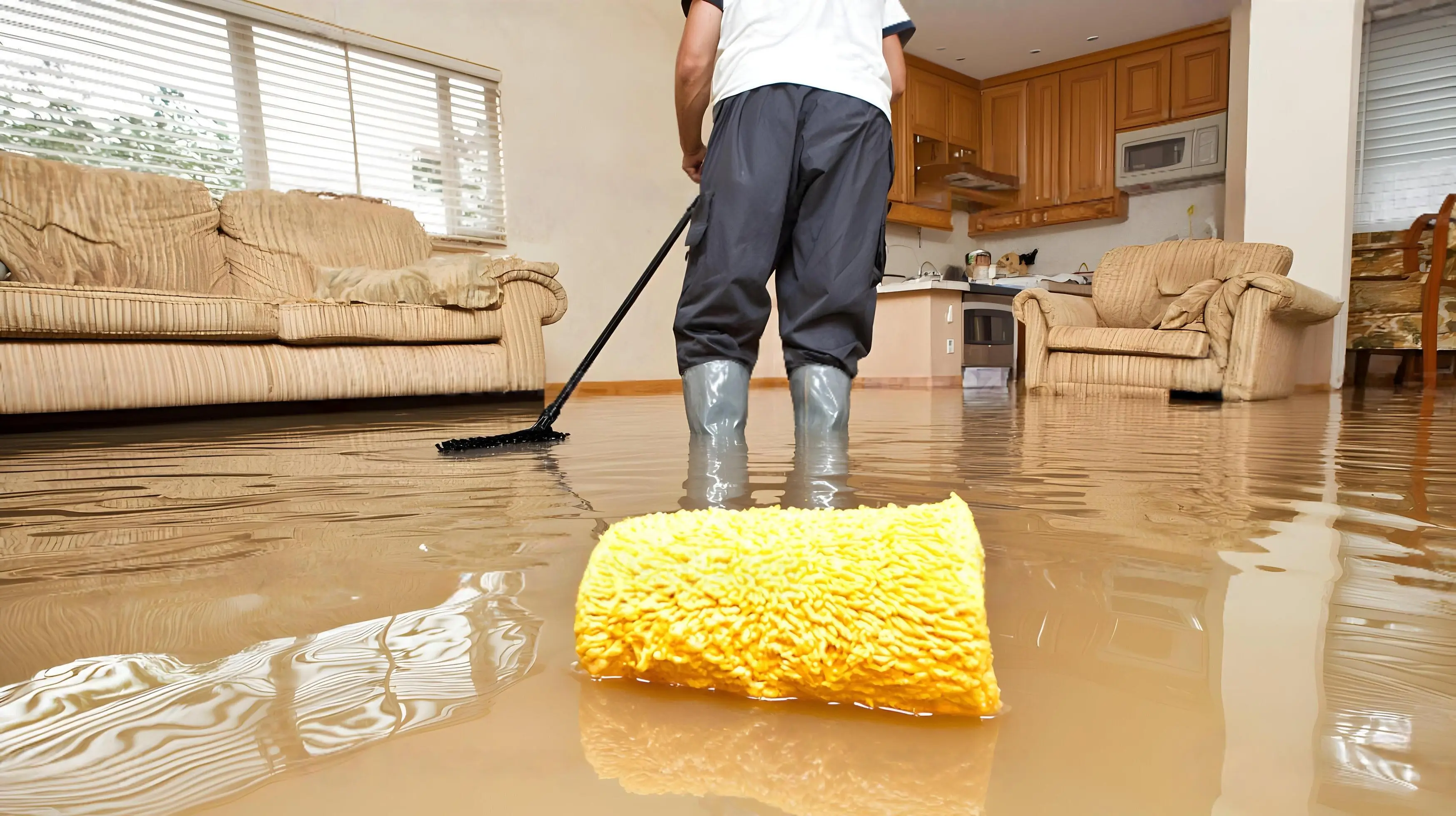
Water Damage Restoration
Burst pipes, storm flooding, standing water. We extract, dry, and restore before mold sets in.
Learn more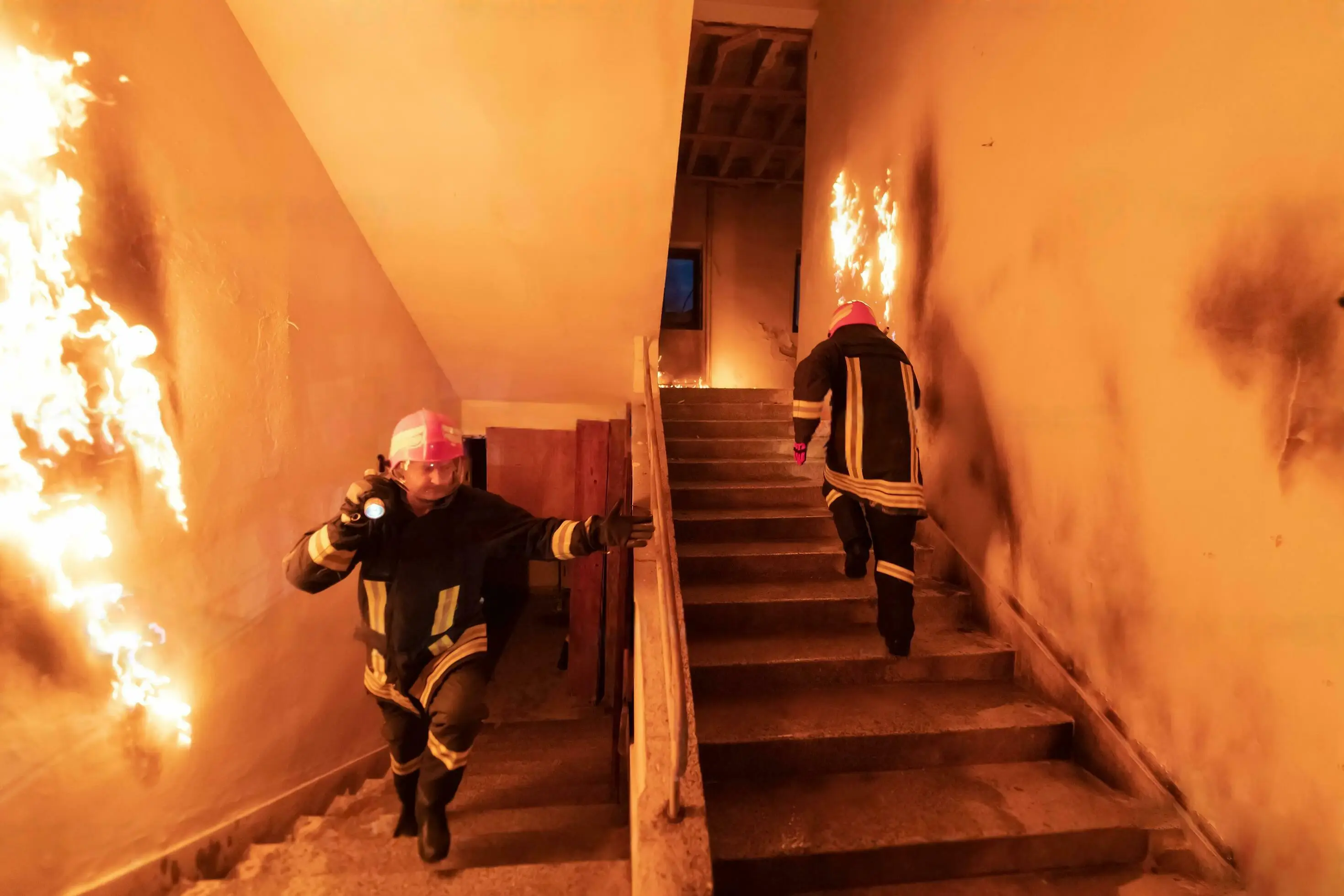
Fire Damage Restoration
Structural damage, soot, debris. We stabilize, clean, and rebuild what fire destroyed.
Learn more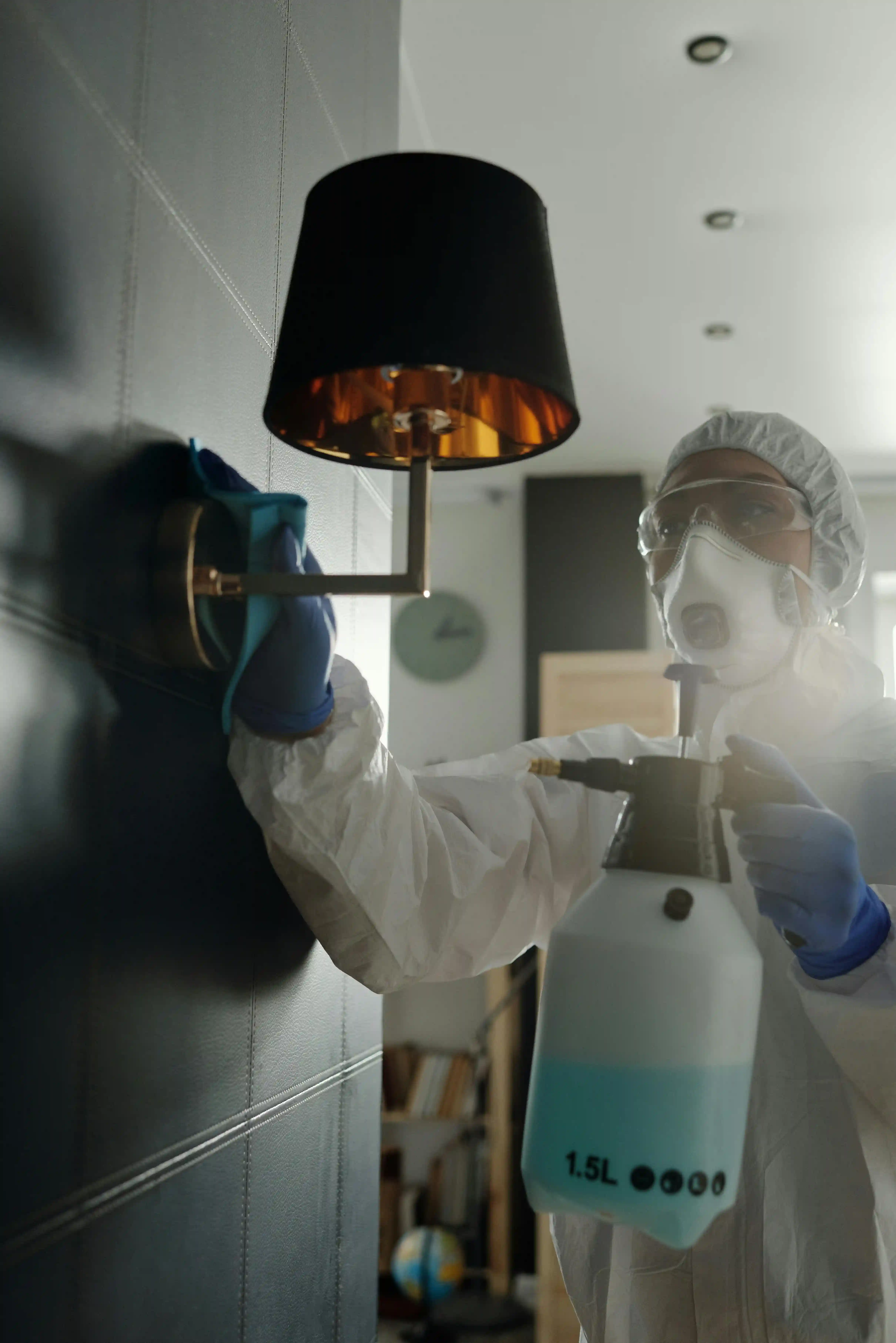
Mold Remediation
Testing, containment, removal, prevention. We find the source, eliminate the growth, and stop it from returning.
Learn more
Sewage Cleanup
Sewer backups, contaminated water, biohazard. We extract, sanitize, and restore safely.
Learn more