

Water Damage Restoration in Mesa, AZ
Every hour of standing water accelerates structural damage and mold risk in Mesa's extreme heat. Our certified East Valley team responds within 60 minutes.
What Happens When You Call
A real restoration specialist answers your call immediately to assess the water source, identify safety risks, and dispatch emergency crews.
Our dedicated East Valley crew arrives at your Mesa property in under 60 minutes with truck-mounted extractors and commercial drying equipment.
Technicians map moisture using infrared thermography and calibrate commercial dehumidification systems to begin active extraction.
We document every stage with quantitative moisture logs, daily drying charts, and photo evidence formatted directly for your insurance carrier.
Water spreads across concrete slabs and wicks into drywall within minutes, while desert heat accelerates evaporation into enclosed spaces. X Response mobilizes immediately to halt the damage clock. When you call, a certified local team dispatches from our East Valley base to arrive within the hour. One dedicated team coordinates emergency extraction, structural drying, moisture mapping, and insurance documentation. Call now. Your team is standing by.
Why Mesa Homes Are Vulnerable to Water Damage
Mesa is Arizona's third-largest city, spanning 138 square miles across the Phoenix East Valley with a population exceeding 504,000 residents in Maricopa County. The city stretches from the urban core bordering Tempe in the west to the desert foothills of the Superstition Mountains and Usery Mountain Regional Park in the east. Ancient Hohokam canal systems first established over a thousand years ago established the irrigation pathways that modern Salt River Project canals still follow today. While Mesa averages only about 9 to 10 inches of annual precipitation, its desert terrain features dense caliche subsoils that prevent natural water absorption. When intense summer monsoon storms or winter atmospheric disturbances drop heavy rainfall, water has nowhere to soak into the earth, creating severe surface runoff across streets, neighborhoods, and commercial corridors.
On September 8, 2014, tropical moisture from the remnants of Hurricane Norbert produced a historic 1-in-1,000 year rainfall event across the Phoenix area, dumping more than 4 inches of rain across Mesa and flooding major freeways including US 60. Runoff overwhelmed retention basins near Stapley Drive and Broadway Road, inundating dozens of residential properties and turning neighborhood roads into raging waterways. More recently, intense monsoon cells continue to trigger rapid flooding across Mesa, pushing drainage infrastructure beyond design thresholds and sending storm runoff into ground-level living spaces. Combined with pressurized water distribution mains that endure intense thermal expansion under 115-degree summer temperatures, Mesa properties face substantial water damage risks from both weather events and plumbing failures.
Residential architecture across Mesa relies almost universally on slab-on-grade concrete foundations without basements. From established mid-century homes in central Mesa and citrus grove subdivisions in Lehi to master-planned communities in Dobson Ranch, Red Mountain, and Eastmark, plumbing supply lines are typically routed beneath or directly through concrete slabs. Over time, hard groundwater rich in calcium carbonate causes pinhole corrosion in buried copper lines, leading to concealed slab leaks that saturate structural footings for weeks before visible signs emerge.
Monsoon Flash Flooding and Caliche Hardpan
Mesa's soil profile contains dense layers of caliche, a concrete-like sedimentary deposit cemented by calcium carbonate. During summer monsoon cloudbursts that drop one to two inches of rain in under thirty minutes, caliche prevents vertical infiltration. Runoff gathers rapidly on the surface, filling retention basins, overflowing culverts, and pooling against exterior walls. Because Mesa homes sit directly on concrete slabs without elevated foundations or basements, rising floodwater enters through doorway thresholds, weep screeds, and garage entries. This exterior storm water carries silt, organic debris, and street runoff, requiring immediate category 3 water extraction and antimicrobial sanitation.
Concealed Slab Leaks Beneath Concrete Foundations
Most Mesa homes built between the 1970s and early 2000s feature copper plumbing lines embedded beneath or cast directly into concrete slab foundations. The combination of abrasive sand sub-bases, thermal expansion from high water temperatures, and aggressive mineral content in East Valley water causes copper pipes to pit and develop pinhole leaks. Water escaping under 60 to 80 PSI travels along the underside of the slab, wicking upward through floor tiles, engineered wood, and perimeter baseboards. By the time homeowners detect warm floor spots or hear running water, thousands of gallons have saturated the underlying soil and structural drywall.
Thermal Stress on Pressurized Water Mains
Mesa's municipal water infrastructure operates under severe environmental stress. Ground temperatures near the surface fluctuate drastically between summer highs exceeding 140 degrees beneath asphalt and cooler winter lows. This continuous thermal expansion and contraction puts immense stress on aging ductile iron, PVC, and concrete transmission mains. When municipal mains rupture along major corridors like Main Street, Broadway Road, or Southern Avenue, high-pressure water inundates adjacent residential blocks, submerging driveways and entering homes through ground-level exterior walls before emergency shutoff valves can be isolated.
Evaporative Cooler Overflow and Roof Leaks
Thousands of residences and commercial workshops throughout older Mesa neighborhoods still utilize roof-mounted evaporative coolers. These swamp coolers rely on continuous water supply lines, float valves, and recirculating pumps. High ambient heat, UV degradation, and heavy mineral scale buildup cause float valves to stick open or supply hoses to crack. Because these units sit on rooftops, overflow water cascades directly into attic insulation, saturates ceiling drywall, and runs down interior wall framing, causing extensive structural ceiling collapse if unaddressed.
Hard Water Mineral Scaling and Appliance Failures
East Valley tap water contains elevated levels of dissolved minerals from Salt River Project reservoirs and deep groundwater wells. Over time, mineral scale accumulates in water heater tanks, washing machine hoses, dishwasher solenoids, and reverse osmosis supply lines. Scaled water heaters overheat and suffer tank bottom ruptures, suddenly releasing 40 to 75 gallons of scalding water across utility closets, garages, and adjacent bedrooms. Flexible stainless steel braided hoses and plastic quick-connect fittings also become brittle and burst without warning.
Restoring water-damaged properties in Mesa requires specialized knowledge of desert construction methods, caliche soil behavior, and the physics of slab-on-grade structural drying. Our local restoration specialists utilize industrial extraction equipment and targeted dehumidification systems engineered specifically for East Valley conditions.
What Happens to Your Home While You Wait
Within 1 Hour
Standing water spreads rapidly across slab flooring, finding grout lines, carpet tack strips, and expansion joints. Moisture wicks into baseboards and the bottom edges of drywall cavities. In Mesa's ambient warmth, water begins evaporating into the air, raising indoor relative humidity and exposing furniture legs, cabinetry bases, and personal items to elevated moisture levels.
1 to 24 Hours
Drywall wicks water upward toward the 12-inch to 24-inch mark. Particleboard cabinets in kitchens and bathrooms swell, lose structural integrity, and begin delaminating. Water trapped beneath laminate flooring or tile underlayment begins breaking down adhesives. Odors develop as moisture reacts with carpet backing, and electrical wall outlets touching damp insulation create serious shock hazards.
24 to 48 Hours
Optimal conditions for microbial growth align as interior temperatures between 75 and 85 degrees combine with elevated humidity inside enclosed wall cavities. Mold spores begin colonizing the paper facing of wet drywall and framing studs. The EPA recommends drying materials within 24 to 48 hours to halt mold growth; exceeding this threshold transitions clean water losses into hazardous contamination scenarios.
48 to 72 Hours
Visible mold colonies emerge on baseboards, drywall surfaces, and inside HVAC duct returns. Spores spread through the home's forced-air system, contaminating rooms that never had direct water contact. Wood framing studs experience moisture-induced warping, and gypsum board sags under its own saturated weight, requiring destructive tear-out rather than restorative in-place drying.
One Week and Beyond
Severe structural degradation takes hold. Saturated soil beneath concrete slabs can erode or shift, threatening foundation stability. Black mold infestations require full containment protocols, negative air scrubbers, and extensive demolition of drywall, cabinetry, and flooring. Restoration costs escalate significantly, and insurance adjusters closely scrutinize claims for evidence of neglected mitigation.
In Mesa's climate, delay transforms straightforward water extraction into costly mold remediation and structural rebuilding. Contact X Response immediately for 24/7 emergency dispatch.
How We Restore Water-Damaged Mesa Homes
Every water damage project follows a scientifically verified drying protocol adhering to IICRC S500 standards, engineered to return your Mesa property to baseline moisture levels quickly and safely.
Emergency Moisture Mapping and Source Isolation
Upon arrival, our certified technicians immediately isolate the water source, shut down compromised electrical circuits, and deploy thermal imaging cameras and penetrating moisture meters. We map the precise boundary of moisture migration across slab foundations, behind baseboards, and inside wall cavities without unnecessary demolition.
High-Volume Water Extraction
We utilize industrial truck-mounted extraction units and weighted sub-surface extractors to remove standing water from concrete slabs, tile flooring, and carpet assemblies. Removing water in liquid form is 1,200 times faster than evaporation, drastically reducing total drying time and preserving structural materials.
Targeted Structural Drying and Dehumidification
We position high-velocity centrifugal air movers to create cyclonic airflow across wet surfaces while deploying commercial Low Grain Refrigerant (LGR) dehumidifiers and desiccant units. These machines extract dozens of gallons of airborne moisture daily, drawing trapped water out of concrete slabs, wall cavities, and ceiling framing.
Antimicrobial Treatment and Air Scrubbing
To protect indoor air quality and prevent fungal colonization, we apply EPA-registered botanical antimicrobials to all affected building components. Commercial HEPA air scrubbers run continuously to filter airborne particulates, dust, and microbial spores from the indoor environment.
Daily Moisture Monitoring and Documentation
Technicians return daily to record psychrometric readings, including relative humidity, ambient temperature, and specific humidity (grains per pound). Equipment is repositioned based on real-time data until every structural element reaches documented dry standard goals, culminating in a comprehensive insurance-ready completion package.
The X Response Difference
When water threatens your Mesa home or business, you need certified restoration specialists with proven East Valley experience. X Response delivers rapid, measurable results.
Insurance Claim Guidance for Mesa Homeowners
Navigating property insurance claims after water damage requires immediate mitigation and meticulous documentation. Standard Arizona homeowner policies typically cover sudden and accidental water discharges such as burst copper supply pipes, water heater ruptures, and appliance malfunctions. However, exterior flood damage resulting from monsoon surface runoff or wash overflow requires separate flood insurance through the National Flood Insurance Program (NFIP) or private flood carriers. Slab leaks occupy a distinct category where water damage to flooring and drywall is generally covered, though repair of the buried plumbing line itself may be subject to specific policy exclusions.
How X Response Helps
- Document all visible and hidden moisture with high-resolution date-stamped photographs and infrared thermal imaging.
- Maintain comprehensive daily moisture logs demonstrating active mitigation in accordance with policyholder duty-to-mitigate clauses.
- Provide line-item scopes using industry-standard pricing databases recognized by all major property insurance adjusters.
- Segregate sudden plumbing losses from exterior surface water intrusion to ensure correct claim classification.
- Assist property owners in understanding their policy deductibles, coverage limits, and temporary living expense provisions.
X Response is an independent professional restoration contractor. We provide objective technical documentation, moisture logs, and scopes of work to support your insurance claim. We do not adjust claims or provide legal advice; final coverage determinations rest solely with your insurance carrier.
Certified Restoration Specialists Serving Mesa
Our restoration technicians serving Mesa and the East Valley are certified by the Institute of Inspection, Cleaning and Restoration Certification (IICRC) in Water Damage Restoration (WRT), Applied Structural Drying (ASD), and Microbial Remediation (AMRT). Operating from our local East Valley base, our crews possess specialized expertise in desert residential construction, including post-tension slab foundations, Spanish tile roof structures, and high-heat HVAC airflow dynamics.
Equipped with advanced diagnostic tools including FLIR thermal cameras, Delmhorst moisture meters, and truck-mounted extraction units, our team handles losses of all sizes across Mesa, from Dobson Ranch townhomes to expansive properties in Citrus and Lehi. We uphold the highest standards of safety, professionalism, and customer communication on every project.
In Mesa, X Response works with No Worries Rooter, an independent local restoration partner serving Maricopa County.
Water Damage Restoration FAQ for Mesa Homeowners
Other Emergency Services in Mesa
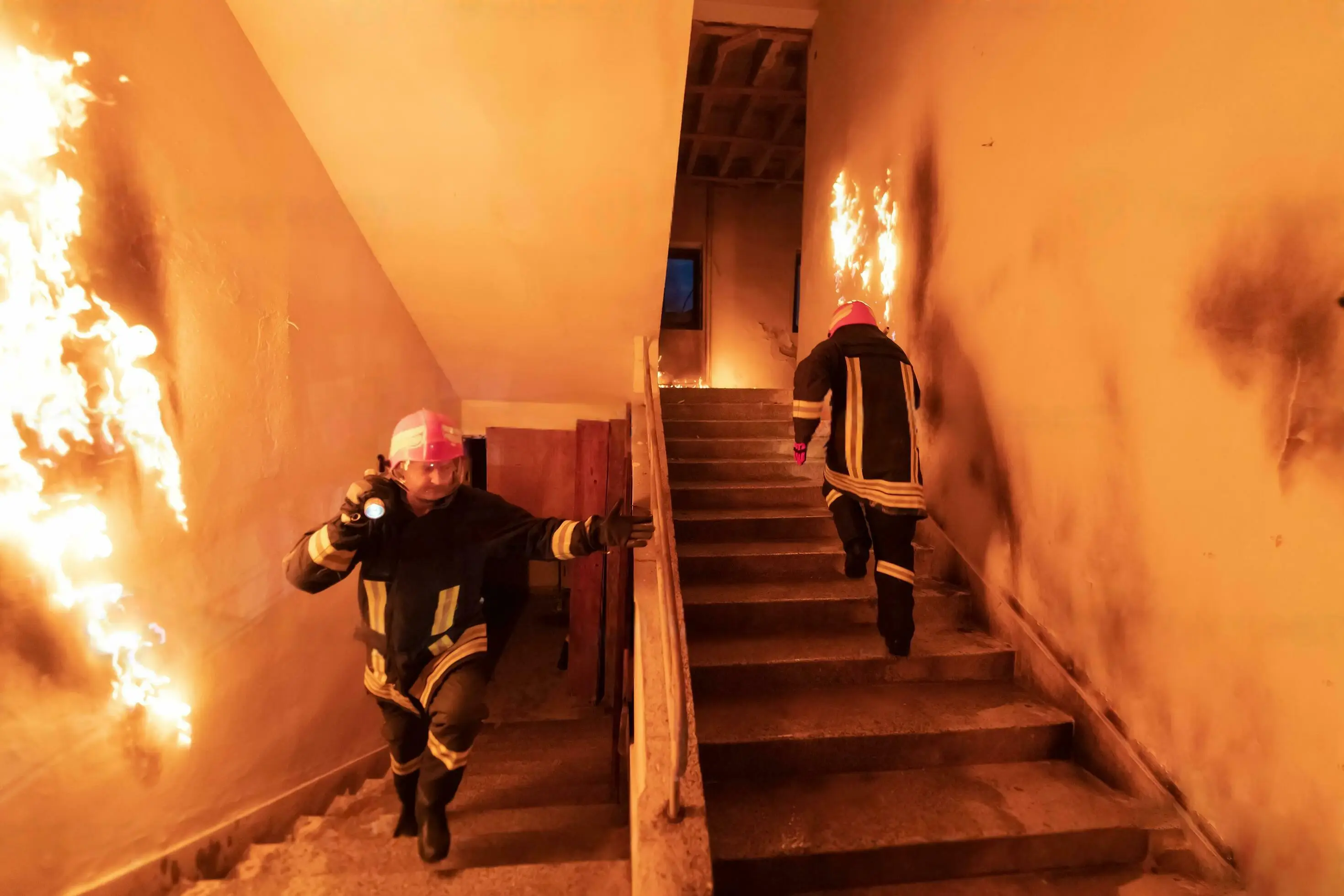
Fire Damage Restoration
Structural damage, soot, debris. We stabilize, clean, and rebuild what fire destroyed.
Learn more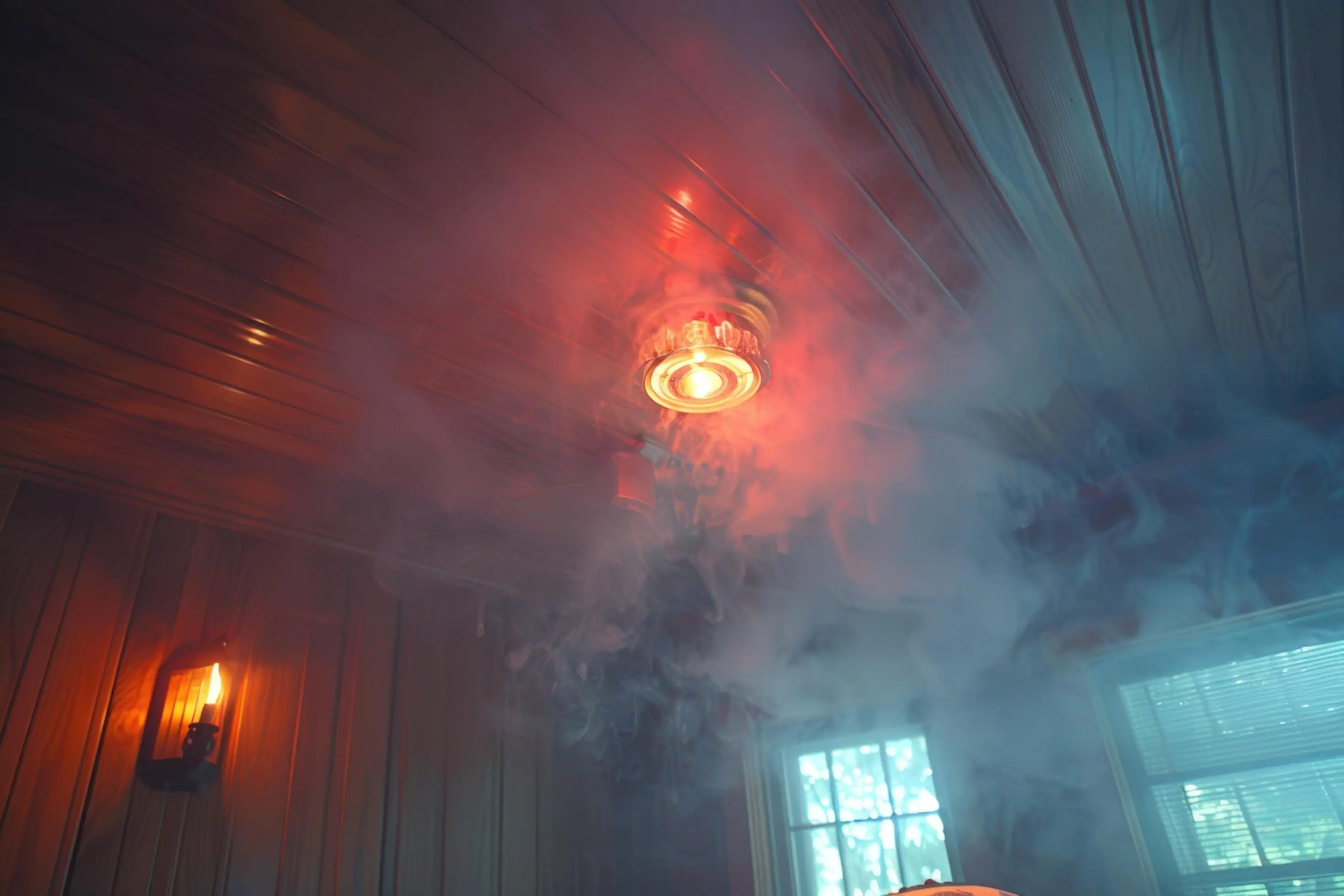
Smoke Damage Restoration
Soot residue, chemical odors, HVAC contamination. We decontaminate surfaces, eliminate odors, and restore air quality.
Learn more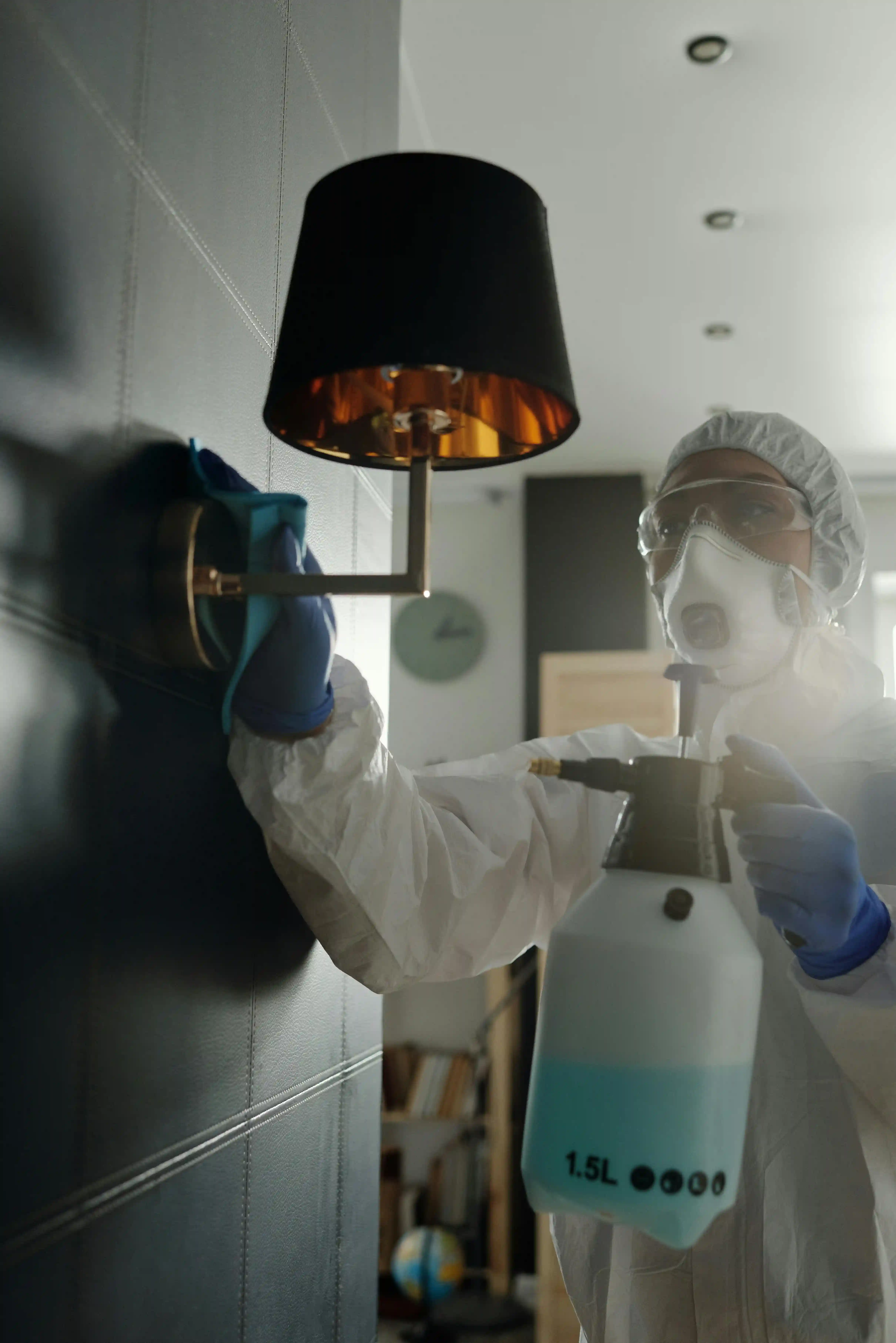
Mold Remediation
Testing, containment, removal, prevention. We find the source, eliminate the growth, and stop it from returning.
Learn more
Sewage Cleanup
Sewer backups, contaminated water, biohazard. We extract, sanitize, and restore safely.
Learn more