
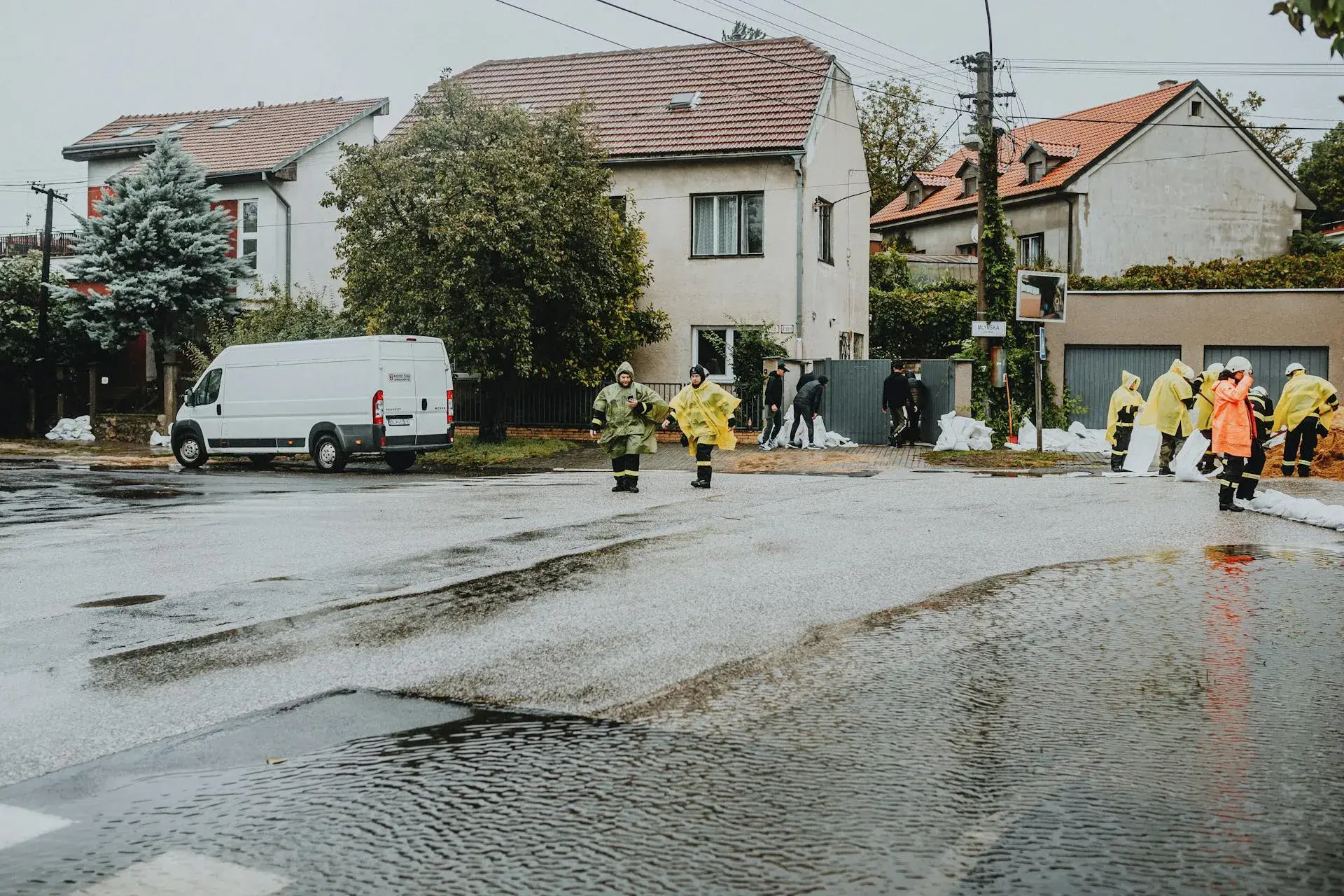
Sewage Cleanup in Mesa, AZ
Raw sewage contains pathogenic bacteria and viruses that spread hazardous contamination across your home within minutes. Our certified East Valley team responds within 60 minutes.
What Happens When You Call
A certified biohazard response specialist answers immediately, identifies the backup source, provides critical safety instructions, and dispatches crews.
Our local East Valley team arrives at your Mesa property in under 60 minutes in full personal protective equipment (PPE) with commercial extraction rigs.
Technicians isolate the contaminated zone under negative air pressure, extract all black water, and safely remove contaminated porous materials.
We apply EPA-registered broad-spectrum disinfectants, deploy industrial dehumidifiers, and verify structural cleanliness with ATP bioluminescence testing.
A sewage backup is an immediate biological emergency. Black water contains hazardous pathogens, organic waste, and chemical toxins that saturate porous building materials and release harmful airborne contaminants. In Mesa's high indoor temperatures, bacterial multiplication occurs at an alarming rate. X Response mobilizes certified biohazard remediation technicians equipped with specialized containment gear, hospital-grade disinfectants, and heavy-duty extraction units. Call now. Your team is standing by.
Why Mesa Homes Are Vulnerable to Sewage
Mesa is home to more than 504,000 residents across 138 square miles in Maricopa County. The City of Mesa Water Resources Department operates an extensive wastewater collection network comprising thousands of miles of sanitary sewer mains, lift stations, and advanced treatment facilities including the Northwest Water Reclamation Plant and Greenfield Water Reclamation Plant. While this infrastructure processes tens of millions of gallons of sewage daily, residential plumbing systems throughout Mesa face intense challenges from aggressive tree root intrusion, intense grease buildup, and seasonal storm water infiltration during monsoon events.
The EPA estimates there are at least 23,000 to 75,000 sanitary sewer overflows per year in the United States, which can back up into homes and create severe biohazard contamination. In Mesa, sewer main blockages and lateral line failures force untreated raw sewage backward through household plumbing fixtures, erupting through lowest-level toilets, shower pans, and floor drains. Because Mesa homes are built on concrete slabs without basements, black water flows directly across finished living spaces, seeping beneath baseboards, saturating drywall, and contaminating tile grout across multiple rooms within minutes.
Raw sewage is classified under IICRC S500 standards as Category 3 'black water,' the most dangerous category of property water damage. It carries severe biological pathogens including *Escherichia coli*, *Salmonella*, *Campylobacter*, Hepatitis A virus, rotavirus, and harmful parasites like *Giardia lamblia*. In Mesa's warm indoor environment, where ambient temperatures accelerate microbial metabolism, bacteria double in population every 20 minutes in untreated sewage, turning an already hazardous spill into a severe toxic threat if not remediated immediately by certified professionals.
Aggressive Desert Tree Root Infiltration
In the arid East Valley climate, desert trees and ornamental landscaping such as mesquite, palo verde, ficus, and oleander extend deep, aggressive root systems in search of subterranean moisture. Older clay tile, cast iron, and concrete sewer lateral pipes serving established homes in central Mesa, Lehi, and Westwood contain joints that loosen over time. Seeking moisture and nutrients, microscopic root tendrils penetrate these joints, expanding into dense root balls inside the pipe. The roots trap toilet paper and solids, causing complete line blockages that force municipal and household sewage backward into residential bathrooms.
Fats, Oils, and Grease (FOG) Solidification
Fats, oils, and grease poured down kitchen drains represent a leading cause of sewer line clogs in Mesa. While grease enters drains in liquid form, it cools and congeals as it travels through buried lateral lines, coating the inner pipe walls. In Mesa's high ground temperatures, grease combines with mineral scale and unflushable wipes to form dense, rock-hard obstructions known as fatbergs. When a lateral line becomes blocked, household wastewater from washing machines, dishwashers, and upper fixtures backs up through ground-level showers and toilets.
Monsoon Storm Water Infiltration and Inflow (I&I)
During severe summer monsoon storms, intense rainfall overwhelms storm drainage channels and retention basins. Storm runoff infiltrates the municipal sanitary sewer system through submerged manhole covers, cracked main lines, and illegal roof drain connections. When sewer mains become hydraulically overloaded, the excess volume creates immense backpressure in the system. Homes located in lower-elevation neighborhoods or near the end of main lines experience sudden raw sewage eruptions through floor drains and toilets.
Corrosion of Aging Cast Iron Drain Pipes
Thousands of residences built in Mesa prior to the mid-1980s feature original cast iron drain-waste-vent (DWV) piping embedded beneath concrete slab foundations. Hydrogen sulfide gas produced naturally by decomposing sewage reacts with moisture to form sulfuric acid, which corrodes the interior crown and bottom channel of buried cast iron pipes. Over decades, the bottom of the pipe completely rusts away, creating structural collapses that catch waste solids and cause recurring, catastrophic sewage backups beneath the slab.
Sewage Migration Across Slab-on-Grade Flooring
Mesa's standard slab-on-grade home construction lacks basements or subfloor cavities that might otherwise contain spilled sewage. When a toilet or bathtub overflows with black water, the sewage spreads unhindered across tile, laminate, and carpeted floors. Black water wicks into baseboards, drywall framing, and door casings while penetrating the porous cementitious grout between ceramic and travertine tiles. Remediating slab-on-grade sewage spills requires complete sanitization of the concrete foundation and removal of all saturated porous materials.
Cleaning raw sewage in Mesa requires certified biohazard containment, hospital-grade antimicrobial disinfection, and rapid structural drying to eliminate toxic pathogens and restore safe indoor air quality.
What Happens to Your Home While You Wait
Within 1 Hour
Raw sewage discharges across bathroom, hallway, and bedroom floors. Highly contaminated black water wicks into baseboards, carpet padding, and drywall edges. Pathogenic bacteria and viruses begin penetrating porous building materials, and pungent volatile organic compounds (VOCs) and sewer gases (hydrogen sulfide, methane) fill indoor air.
1 to 24 Hours
Bacterial colonies expand exponentially in Mesa's warm indoor environment. Liquid sewage saturates drywall up to 12 inches above the floor. Particleboard bathroom vanities absorb black water, swell, and delaminate. Grout lines, unsealed tile, and concrete slab subfloors absorb contaminated moisture, creating deep biohazard reservoirs that cannot be cleaned with household mops.
24 to 48 Hours
Severe biological contamination spreads into enclosed wall cavities. Airborne bio-aerosols containing endotoxins and bacterial fragments circulate through the HVAC system into unaffected living areas. Fungal spores combine with bacterial pathogens, initiating aggressive mold colonization on wet drywall paper.
48 to 72 Hours
Porous materials, including carpeting, padding, baseboards, custom cabinetry, and drywall, become permanently contaminated and structurally compromised. Toxic sewer odors embed deeply into concrete subfloors and structural wall studs, requiring aggressive demolition, chemical pressure washing, and structural sealing.
One Week and Beyond
Unremediated sewage creates an extreme biological health hazard. Structural timber suffers dry rot and bacterial degradation. Microscopic biohazards remain trapped beneath flooring and inside wall framing, posing severe chronic health risks for occupants and significantly complicating property resale and insurance claim settlements.
Raw sewage is a certified biohazard emergency that requires immediate professional intervention. Contact X Response immediately for 24/7 emergency sewage extraction and disinfection in Mesa.
How We Restore Sewage-Damaged Mesa Homes
Our sewage remediation protocol adheres strictly to IICRC S500 and OSHA standards for Category 3 black water cleanup, ensuring total pathogen eradication and complete property restoration.
Emergency Biohazard Containment and Safety Isolation
Our technicians arrive in full Level C personal protective equipment (PPE), including Tyvek suits, nitrile gloves, and full-face respirators equipped with organic vapor/HEPA cartridges. We establish critical containment barriers over affected doorways and HVAC registers to isolate biological contaminants from clean living areas.
Category 3 Black Water Extraction
We deploy industrial truck-mounted vacuum systems and specialized submersible pumps to rapidly remove all liquid sewage, sludge, and gross organic matter from concrete slabs, tile flooring, and plumbing fixtures, safely disposing of the waste in compliance with local environmental regulations.
Demolition and Removal of Contaminated Porous Materials
Under IICRC standards, porous materials that have absorbed raw sewage cannot be sanitized. We systematically remove and double-bag all contaminated carpeting, pad, baseboards, saturated drywall (cut 12 to 24 inches above the moisture line), fiberglass insulation, and compromised vanity cabinetry.
Hospital-Grade Antimicrobial Sanitization and Pressure Cleaning
All remaining non-porous and semi-porous surfaces, including concrete slab foundations and structural framing, are detailed with EPA-registered hospital-grade disinfectants, virucides, and fungicidal solutions. We perform thorough mechanical scrubbing and high-temperature extraction to destroy all bacterial and viral pathogens.
Structural Drying, Air Scrubbing, and Clearance Testing
Commercial HEPA air scrubbers and hydroxyl generators run continuously to capture airborne bio-aerosols and eliminate sewer odors. Industrial LGR dehumidifiers and air movers dry structural framing to documented baseline standards. We verify biological cleanliness using ATP (Adenosine Triphosphate) bioluminescence testing before clearing the property for rebuild.
The X Response Difference
Do not risk your health with amateur sewage cleanup. X Response delivers certified, hospital-grade disinfection and complete peace of mind.
Insurance Claim Guidance for Mesa Homeowners
Insurance coverage for sewage backups under Arizona property policies depends heavily on whether your policy includes a specific Water Backup and Sump Discharge Endorsement. Standard homeowner policies frequently exclude sewer line backups originating off the property or from main line surcharges unless this endorsement is present (typically offering $5,000 to $25,000 in dedicated coverage). If the backup was caused by an on-premises plumbing failure, standard coverage may apply. Because Category 3 biohazard losses involve specialized personal protective equipment, hazardous waste disposal, and mandatory material demolition, detailed technical documentation is critical to ensure full insurer reimbursement.
How X Response Helps
- Document the precise backup origin (toilet, floor drain, shower pan) with high-resolution photographic evidence.
- Classify the loss explicitly as Category 3 black water to justify necessary safety containment and biohazard protocols.
- Compile itemized Xactimate estimates separating emergency extraction, biohazard sanitization, and structural rebuild.
- Provide hazardous waste disposal manifests and ATP clearance testing records for adjuster verification.
- Assist homeowners in navigating policy endorsements, deductibles, and Additional Living Expense provisions.
X Response is an independent certified restoration and biohazard remediation contractor. We provide complete technical assessments, disinfection logs, and itemized scopes to support your insurance claim. We do not act as public adjusters; final coverage determinations are made solely by your insurance carrier.
Certified Restoration Specialists Serving Mesa
Our sewage and biohazard remediation specialists serving Mesa and the East Valley hold premier certifications from the IICRC, including Water Damage Restoration (WRT), Applied Microbial Remediation (AMRT), and Trauma and Crime Scene Decontamination (TCST). Trained in OSHA bloodborne pathogen standards and hazardous waste management, our crews treat every sewage backup with the highest level of safety and technical rigor.
Equipped with advanced personal protective gear, truck-mounted extraction equipment, commercial air scrubbers, and hospital-grade sanitizing chemistry, our team responds 24/7 across Mesa, from downtown commercial properties to Dobson Ranch and Eastmark residences, delivering swift, thorough, and compassionate service.
In Mesa, X Response works with No Worries Rooter, an independent local restoration partner serving Maricopa County.
Sewage Cleanup FAQ for Mesa Homeowners
Other Emergency Services in Mesa
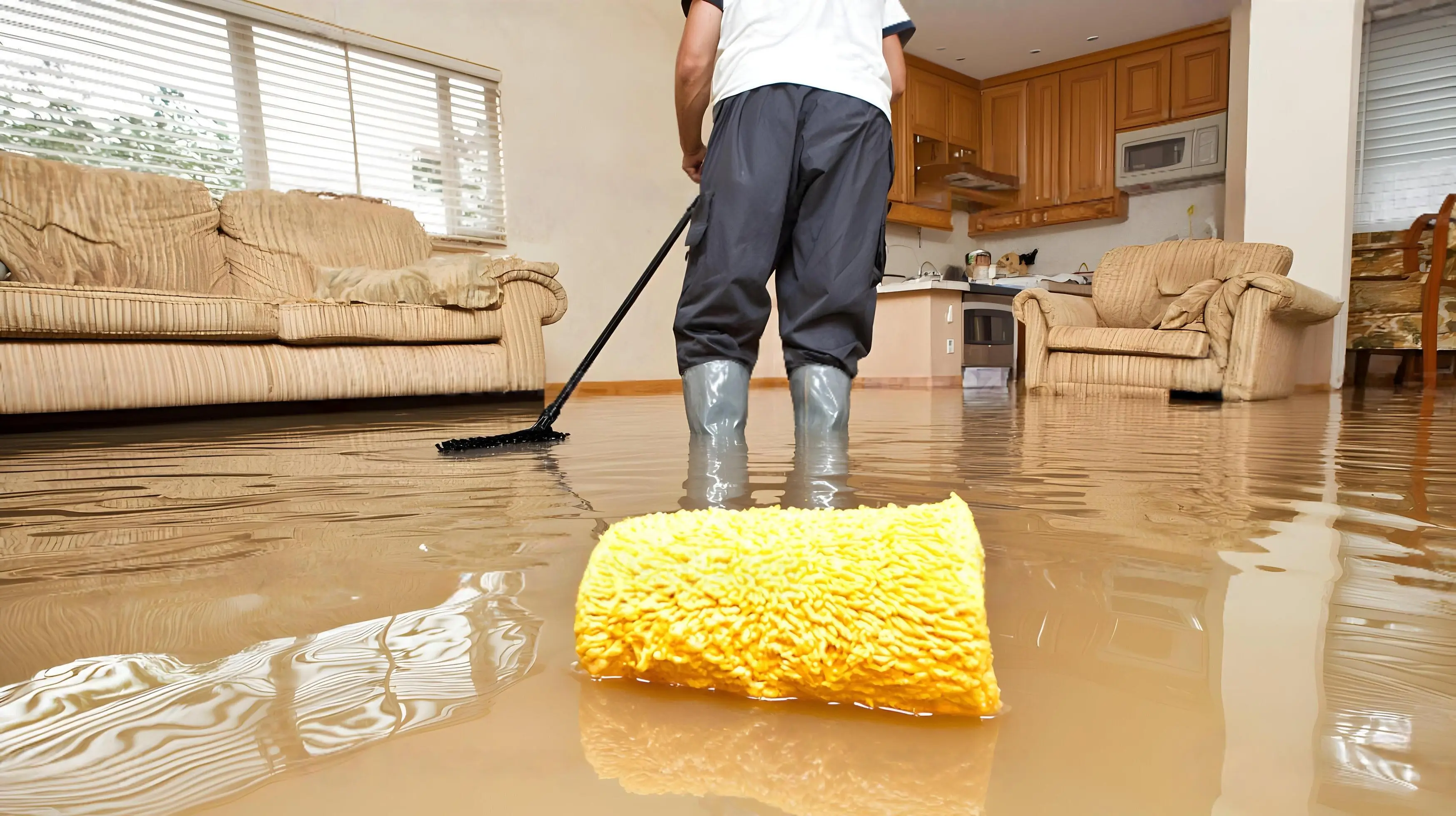
Water Damage Restoration
Burst pipes, storm flooding, standing water. We extract, dry, and restore before mold sets in.
Learn more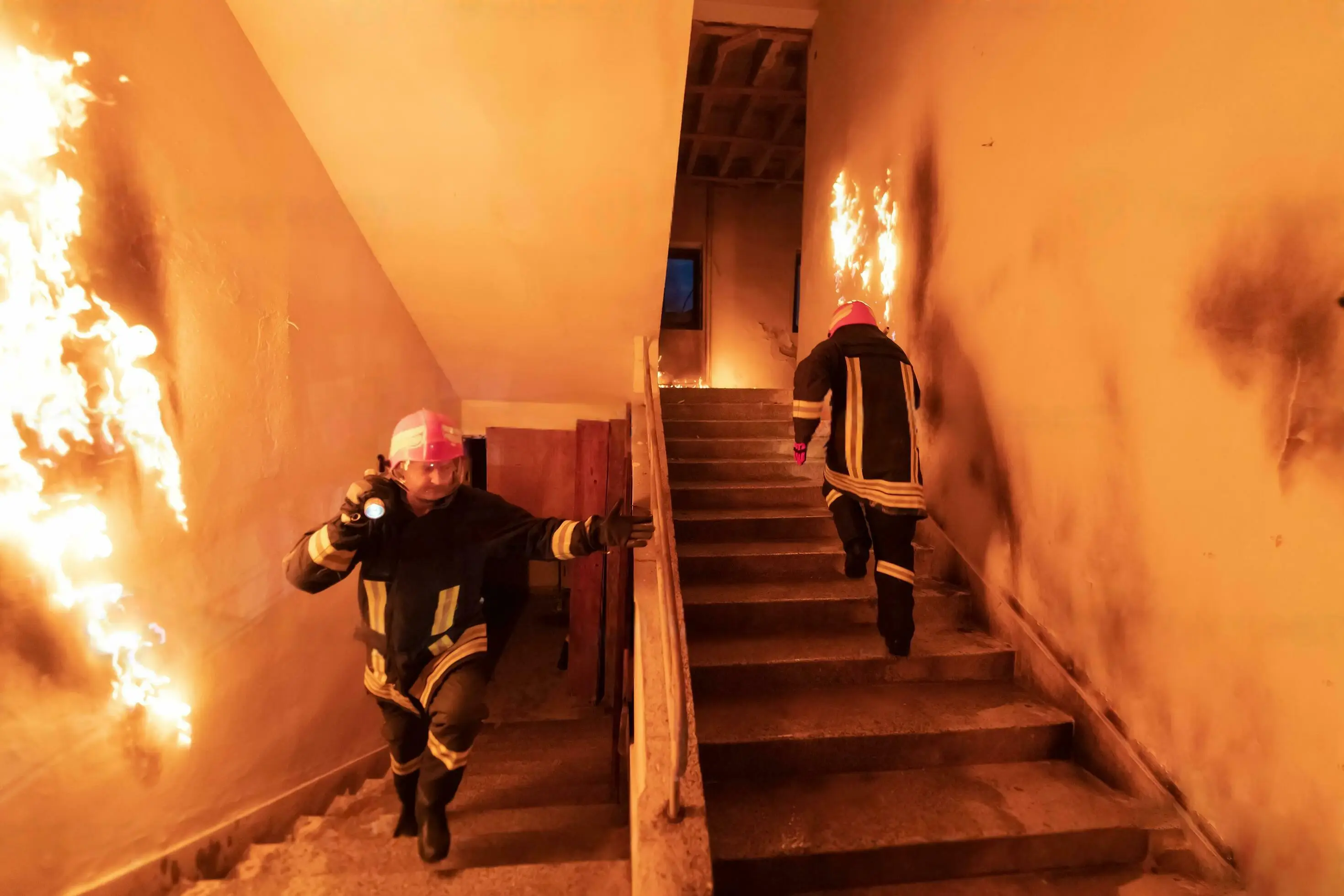
Fire Damage Restoration
Structural damage, soot, debris. We stabilize, clean, and rebuild what fire destroyed.
Learn more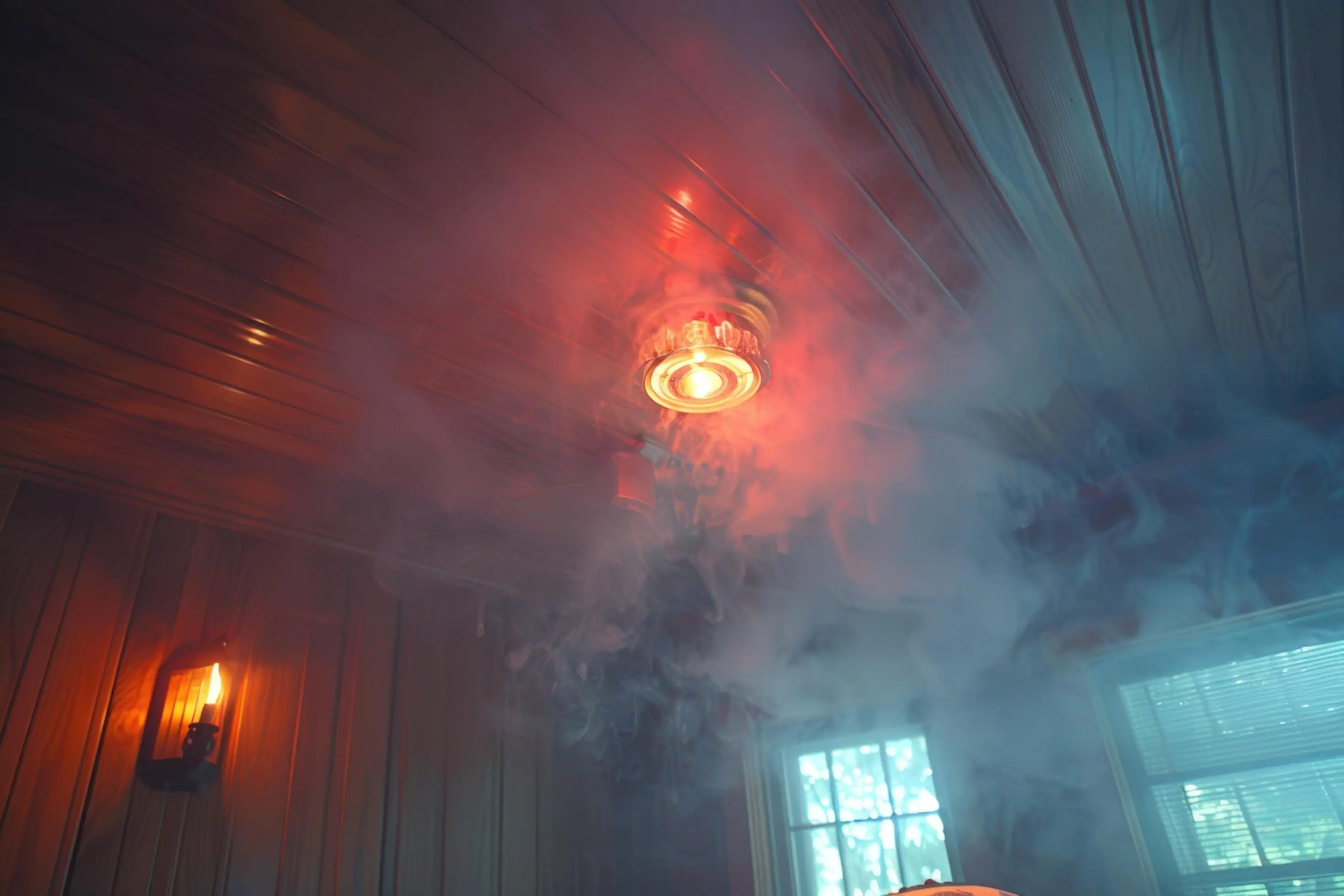
Smoke Damage Restoration
Soot residue, chemical odors, HVAC contamination. We decontaminate surfaces, eliminate odors, and restore air quality.
Learn more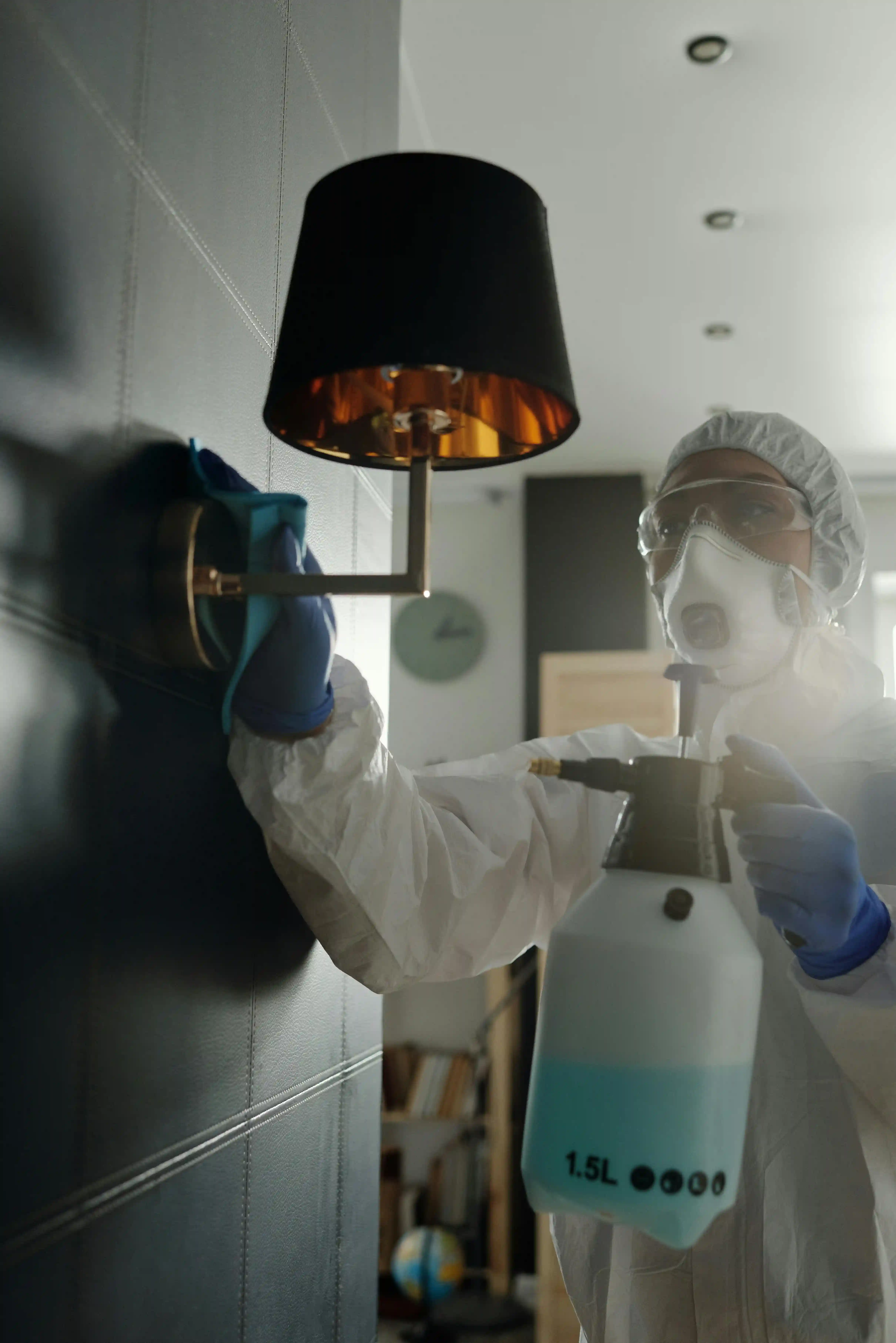
Mold Remediation
Testing, containment, removal, prevention. We find the source, eliminate the growth, and stop it from returning.
Learn more