
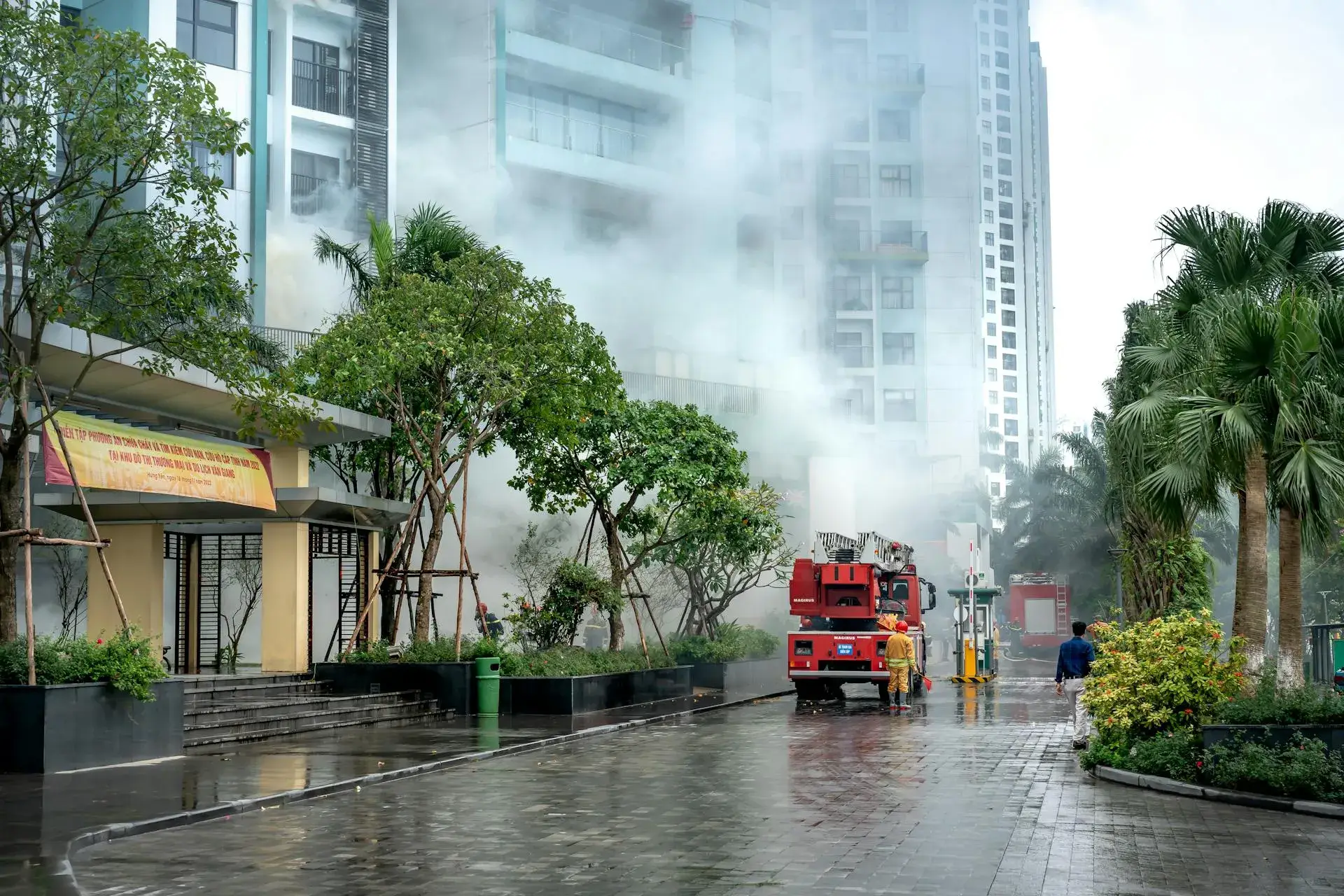
Smoke Damage Restoration in Mesa, AZ
Microscopic soot particles and volatile smoke compounds penetrate deeper into materials in Mesa's heat every hour. Our certified East Valley team responds within 60 minutes.
What Happens When You Call
A certified smoke restoration expert answers immediately, evaluates the contamination type and air quality hazards, and coordinates rapid response.
Our local East Valley crew arrives at your Mesa property in under 60 minutes with industrial HEPA air scrubbers and diagnostic soot sampling equipment.
We isolate the HVAC system, set up negative air containment, and deploy commercial hydroxyl generators to neutralize airborne volatile organic compounds.
Technicians execute systematic soot decontamination across all surfaces, test indoor air quality, and provide complete documentation for your insurance carrier.
Smoke spreads silently beyond the point of origin, carrying microscopic toxins, acidic soot, and persistent odors through forced-air ducts and porous surfaces. In Mesa's arid climate, heat drives smoke molecules deep into building materials. X Response mobilizes rapidly to halt chemical degradation. Our certified technicians deploy advanced molecular deodorization and HEPA filtration systems to restore clean, healthy indoor air. Call now. Your team is standing by.
Why Mesa Homes Are Vulnerable to Smoke Damage
Mesa is a major metropolitan center of over 504,000 residents in Maricopa County, positioned in the eastern Phoenix Valley bordered by the desert expanses of Tonto National Forest, the Superstition Wilderness, and the Salt River Pima-Maricopa Indian Community. While structure fires create intense localized smoke damage, Mesa properties also experience significant smoke impacts from regional wildland fires, summer dust storms, and agricultural burning. The city's arid climate and relentless sunshine create unique physical conditions where high indoor temperatures expand drywall pores, masonry, and wood framing, allowing microscopic smoke particulates to penetrate far deeper into structural substrates than occurs in cooler, humid environments.
The June 2020 Bush Fire burned 193,455 acres in Maricopa County northeast of Mesa, generating dense smoke plumes and heavy particulate fallout that settled across East Valley residential neighborhoods. During such events, shifting desert winds push massive volumes of fine particulate matter (PM2.5), wood ash, and volatile organic compounds across Mesa. These microscopic particles bypass standard fiberglass HVAC filters, infiltrating residential attics, coating insulation, and entering living spaces through recessed lighting fixtures, supply registers, and window seals.
Within Mesa homes, forced-air HVAC systems are essential for climate control for nearly ten months of the year. When a kitchen cooking fire, electrical short, or exterior smoke event occurs, the central air handler immediately draws contaminated air into return plenums. The system distributes acidic soot particles into every room, depositing oily residues across textured drywall, cabinetry, granite countertops, and electronic circuit boards. Without specialized decontamination, these residues cause ongoing respiratory irritation, corrode metal components, and release offensive odors every time the air conditioner cycles on.
Thermal Expansion and Deep Molecular Smoke Penetration
During Mesa's extended summer, attic temperatures regularly climb to 140 to 160 degrees, while uncooled living spaces quickly exceed 100 degrees. High thermal energy causes organic building materials like drywall, timber roof trusses, and acoustic plaster to expand at a microscopic level. Smoke vapors, consisting of volatile aromatic hydrocarbons and particulate carbon, penetrate deeply into these expanded pores. As the structure cools overnight or when air conditioning resumes, the material pores contract, trapping smoke compounds within the substrate. Effective remediation requires specialized thermal fogging that mimics the original heat dynamics to deliver odor-neutralizing agents to the exact depth where smoke resides.
HVAC System Contamination and Whole-House Distribution
Mesa residences rely heavily on central air conditioning systems with ductwork running through unconditioned attic spaces. When smoke is generated inside a property, the air conditioning blower pulls combustion gases into return air grills. Soot particles adhere to the interior surfaces of flexible and sheet-metal ducts, coat cooling evaporator coils, and contaminate blower fan assemblies. Each subsequent cooling cycle redistributes microscopic soot and burnt odors throughout the entire home, contaminating bedrooms and living areas far removed from the original source.
Interaction of Wildfire Smoke and Haboob Dust Particulates
During the summer monsoon season, desert dust storms (haboobs) and active wildfires frequently coincide in the East Valley. Fine airborne caliche dust particles collide with acidic smoke particulates, forming dense abrasive compounds that settle onto roofs, exterior stucco, solar panels, and outdoor AC condenser units. These mixed particulate deposits penetrate attic ridge vents and soffits, creating persistent odor reservoirs inside attic insulation that degrade indoor air quality long after outdoor skies clear.
Pervasive Protein Smoke from Kitchen Grease Fires
Kitchen grease fires produce a specialized category of smoke known as protein residue. Unlike dark carbon soot from burning wood, protein smoke produces a virtually invisible, highly pungent yellowish-amber varnish that coats kitchen cabinetry, vaulted ceilings, and appliances. Because protein residue is clear, property owners often overlook it during initial cleanup, only to discover severe paint blistering and intense rancid odors weeks later when summer heat reacts with the unmitigated grease films.
Synthetic Soot Corrosion on High-End Electronics and Finishes
Modern Mesa homes contain abundant synthetic materials, including plastics, foam furnishings, synthetic carpets, and complex electronics. When synthetic items burn, they release hydrochloric acid, hydrogen cyanide, and sticky electrostatic soot. These charged particles cling tenaciously to electronic motherboards, flat-screen televisions, chrome fixtures, and glass surfaces. Within 24 to 48 hours, the acidic moisture in the air causes irreversible pitting, tarnishing, and internal electrical short-circuits if not neutralized with specialized alkaline solutions.
Eliminating smoke and soot contamination in Mesa requires advanced thermodynamic cleaning techniques, specialized chemical chemistry, and whole-structure air scrubbing tailored to desert conditions.
What Happens to Your Home While You Wait
Within 1 Hour
Microscopic soot particles settle onto all horizontal and vertical surfaces. Electrostatic charges cause synthetic soot to cling to walls, ceiling fans, and electronic screens. Acidic residues begin chemically reacting with high-gloss finishes, acrylics, and uncoated metals, initiating early-stage surface pitting and staining.
1 to 24 Hours
Acidic smoke compounds cause yellowing and permanent discoloration on synthetic fabrics, vinyl flooring, and painted drywall. Fiberglass and porcelain bathroom fixtures begin etching. Uncleaned kitchen cabinets absorb protein grease residues, and HVAC ductwork becomes heavily contaminated as the air handler operates.
24 to 48 Hours
Chemical corrosion progresses rapidly on metal plumbing fixtures, electrical switches, and appliance housings. Soot penetrates deeper into porous grout, natural travertine tile, and unfinished wood. Odors bond firmly into attic insulation and drywall framing, making simple surface wiping completely ineffective.
48 to 72 Hours
Corrosion on electronics, computer hardware, and circuit boards becomes irreversible, resulting in permanent equipment failure. Porous building materials suffer deep chemical staining that cannot be cleaned, requiring aggressive surface abrasion, chemical sealing, or material replacement.
One Week and Beyond
Smoke odors become permanently entrenched within structural framing, concrete slabs, and attic insulation. Residual soot combines with ambient indoor humidity, creating persistent airborne VOCs that cause ongoing respiratory discomfort. Full restoration requires extensive thermal fogging, structural encapsulation, and selective drywall removal.
Prompt professional smoke remediation protects valuable electronics, finishes, and indoor air quality. Contact X Response now for 24/7 emergency response in Mesa.
How We Restore Smoke-Damaged Mesa Homes
Our comprehensive smoke remediation protocol follows IICRC S520 and S700 standards, utilizing advanced physics and chemistry to completely eliminate soot and odors from your Mesa property.
Comprehensive Soot Inspection and Air Quality Assessment
Our technicians inspect all rooms, attic spaces, and HVAC ductwork using specialized chemical sponge testing, laser particle counters, and infrared cameras to trace the full extent of smoke and soot migration throughout the structure.
Negative Air Containment and HEPA Air Scrubbing
We establish containment barriers around heavily impacted areas and install commercial-grade HEPA air scrubbers. Operating continuously, these units capture 99.97% of airborne particulates down to 0.3 microns, rapidly improving indoor air quality and preventing cross-contamination during cleaning.
Surface-Specific Soot Removal and Chemical Cleaning
We select specialized cleaning agents tailored to the soot type: dry vulcanized rubber sponges for dry carbon soot, specialized alkaline degreasers for oily protein residues, and ultrasonic cleaning baths for delicate personal contents, light fixtures, and window blinds.
HVAC System and Ductwork Decontamination
We perform a thorough mechanical cleaning of all supply ducts, return air plenums, blower fans, and evaporator coils. The entire duct network is sanitized with EPA-registered botanical antimicrobials and encapsulated to ensure no residual soot can enter the living space.
Molecular Odor Elimination and Structural Encapsulation
To eliminate stubborn embedded odors, we deploy industrial hydroxyl generators and thermal foggers that deliver microscopic deodorant droplets directly into building pores. Exposed structural framing in attics and wall cavities receives a high-performance shellac-based odor-barrier sealer before final restoration.
The X Response Difference
Don't let smoke and soot compromise your health and property value. X Response provides certified, lasting restoration.
Insurance Claim Guidance for Mesa Homeowners
Smoke damage claims in Arizona are covered under standard homeowner and commercial property insurance policies. However, because smoke and soot often travel invisibly through walls and HVAC systems, insurance adjusters may dispute the necessity of whole-house cleaning, duct sanitization, or attic insulation replacement. Proving the presence of microscopic soot through chemical swab testing and photographic documentation is essential for ensuring your carrier covers the full scope of remediation required to restore a healthy living environment.
How X Response Helps
- Conduct chemical swab testing to verify and document smoke particulate distribution in unaffected rooms.
- Provide detailed photo documentation of soot deposits inside HVAC ductwork, attic spaces, and wall cavities.
- Compile itemized Xactimate estimates aligning directly with standard insurance reimbursement categories.
- Differentiate between wood, synthetic, and protein smoke to justify appropriate specialized cleaning methods.
- Assist property owners in filing claims for personal contents, upholstery cleaning, and temporary living expenses.
X Response is an independent certified restoration contractor. We provide comprehensive technical reports, soot assessments, and repair scopes to assist with insurance claim processing. We do not act as public adjusters; final claim settlements depend on your individual policy provisions.
Certified Restoration Specialists Serving Mesa
Our smoke restoration and odor control specialists serving Mesa and the East Valley hold professional certifications from the IICRC in Fire and Smoke Damage Restoration (FSRT) and Odor Control (OCT). Our technicians are trained in the physics of aerosol dispersion, indoor air quality management, and substrate-specific chemical cleaning.
Equipped with state-of-the-art hydroxyl generators, thermal fogging equipment, and HEPA air filtration systems, our crews handle residential and commercial smoke losses across Mesa, from historical downtown properties to modern Eastmark developments, with unmatched precision and care.
In Mesa, X Response works with No Worries Rooter, an independent local restoration partner serving Maricopa County.
Smoke Damage Restoration FAQ for Mesa Homeowners
Other Emergency Services in Mesa
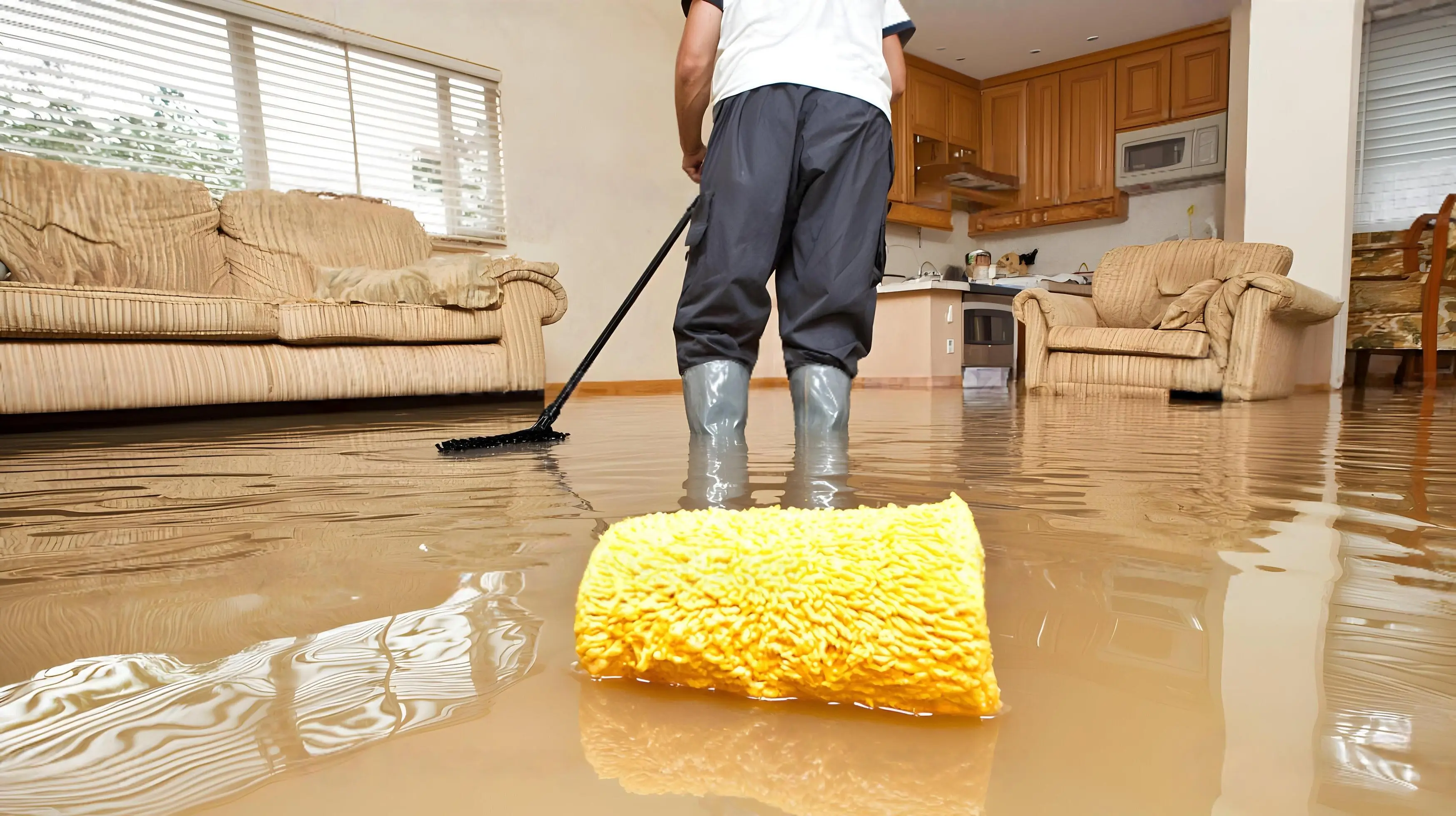
Water Damage Restoration
Burst pipes, storm flooding, standing water. We extract, dry, and restore before mold sets in.
Learn more
Fire Damage Restoration
Structural damage, soot, debris. We stabilize, clean, and rebuild what fire destroyed.
Learn more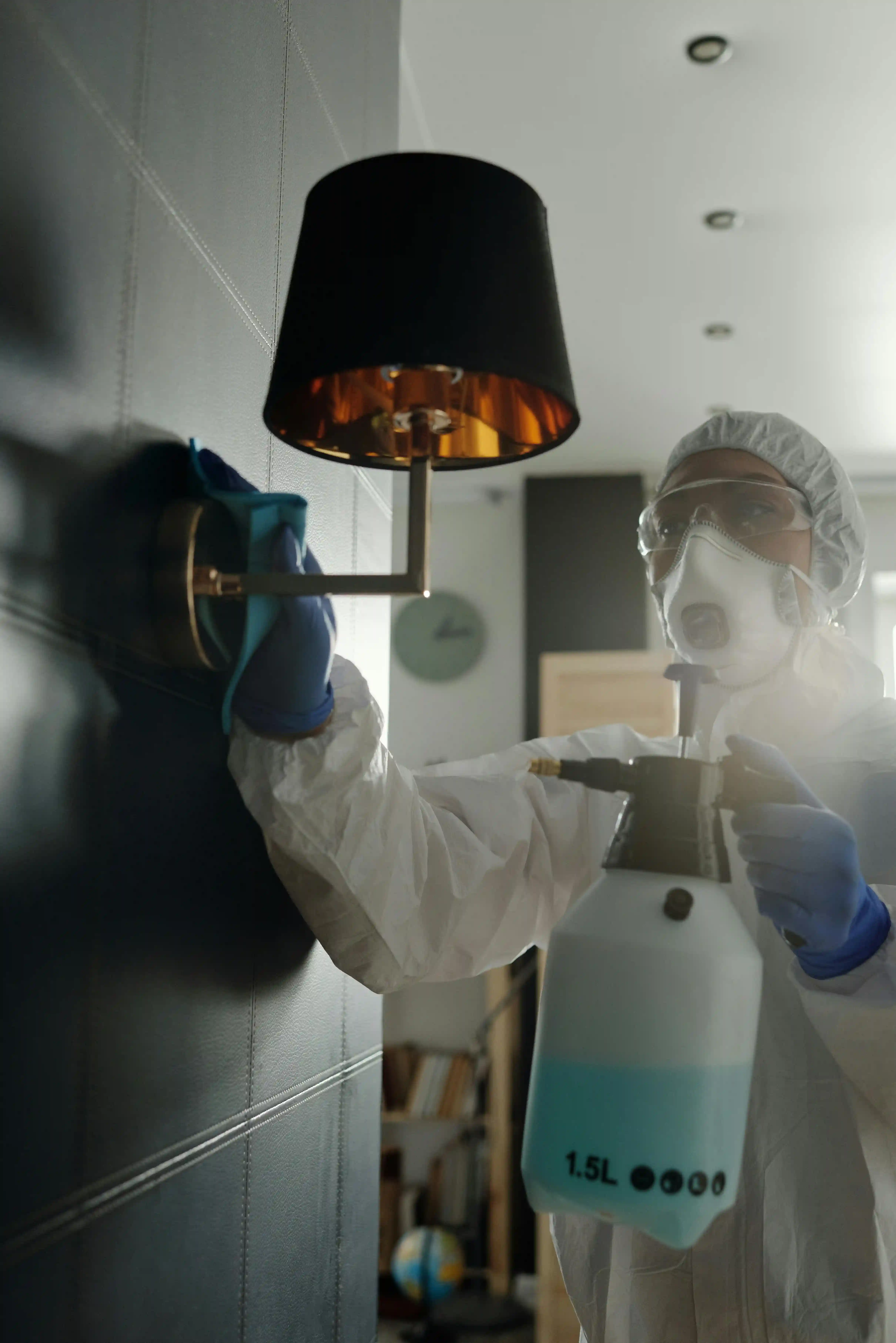
Mold Remediation
Testing, containment, removal, prevention. We find the source, eliminate the growth, and stop it from returning.
Learn more
Sewage Cleanup
Sewer backups, contaminated water, biohazard. We extract, sanitize, and restore safely.
Learn more