
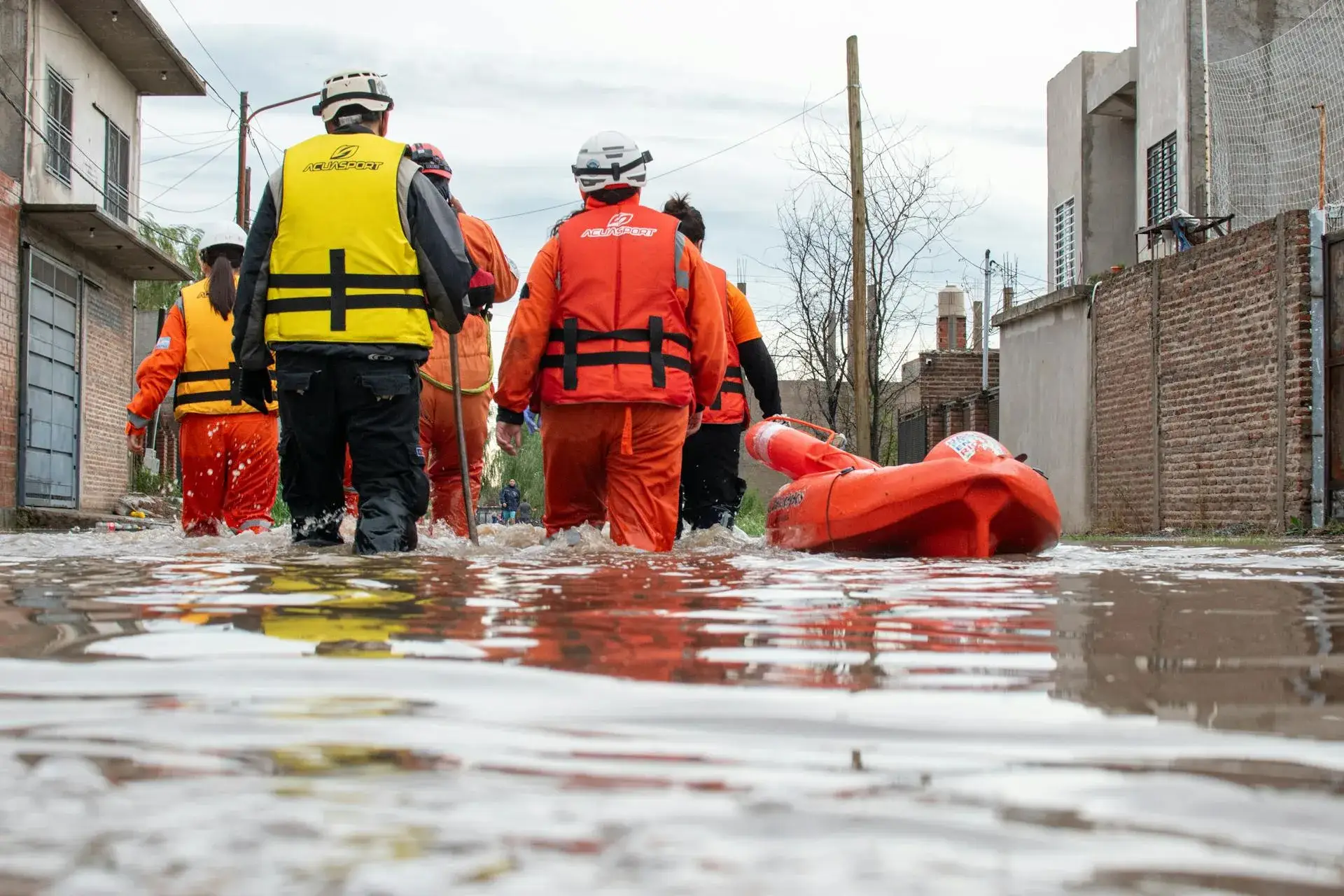
Water Damage Restoration in Hanover Park, IL
Every hour of standing water deepens structural damage and mold risk. Our local team responds to Hanover Park emergencies within 60 minutes.
What Happens When You Call
A real person answers, not a call center. We assess your situation, ask the right questions, and begin coordinating your response immediately.
Your dedicated restoration team is dispatched from our local base serving Hanover Park and the surrounding northwest suburban communities.
Team arrives with industrial extractors, commercial dehumidifiers, and moisture detection equipment. Emergency mitigation begins immediately.
Water extracted, drying equipment placed and calibrated, restoration plan documented. You know exactly what comes next.
Water is moving through your home and you need it stopped now. Not after a callback queue, not tomorrow morning. X Response exists for exactly this moment. When you reach out, your restoration team is mobilized within minutes and on site within the hour. From that point forward, one team manages everything: extraction, drying, documentation, and insurance guidance. You are never left guessing about the next step. Call now. Your team is standing by.
Why Hanover Park Homes Are Vulnerable to Water Damage
Hanover Park is a village of 37,470 residents straddling the Cook and DuPage county line in Chicago's northwest suburbs. Originally settled as Ontarioville in the 1870s around a Chicago and Pacific Railroad station on Edwin Bartlett's donated farmland, the community incorporated as Hanover Park on August 14, 1958, when the Cook County portion of Ontarioville sought to avoid annexation by neighboring Streamwood. The village covers 6.52 square miles across four townships (Hanover, Schaumburg, Wayne, and Bloomingdale) and operates under a council-manager form of government. The West Branch of the DuPage River runs through the heart of the village from northwest to southeast, draining a watershed that extends across much of northwestern Cook County and northeastern DuPage County. This river corridor defines both the village's geography and its primary flood vulnerability, as the West Branch collects stormwater runoff from a heavily urbanized watershed with extensive impervious surfaces, aging storm infrastructure, and limited remaining natural flood storage.
In June 2023, Hanover Park and Schaumburg announced a $6.2 million joint flood-relief project funded by a $1.7 million Illinois EPA grant and a $1.25 million MWRD grant to reduce recurring flooding along the West Branch of the DuPage River near Anne Fox Elementary School. The school and surrounding neighborhood had been among the places hardest hit by repeated flooding events. The project scope includes reducing streambank erosion, excavating the silted-in Springinsguth culvert that restricts flow, creating additional floodplain storage in Olde Salem Park, improving storm flow capacity in the channel, and realigning sections of the waterway. This is not the first major flood-control effort in the area. In August 2022, the Illinois Governor's Office announced that Hanover Park, Schaumburg, the Schaumburg Park District, and the MWRD would install multiple best management practices to reduce flooding and restore stream function along a one-mile stretch of the West Branch. The DuPage County Forest Preserve District also completed a river restoration and stabilization project along a 0.5-mile stretch of the West Branch at Mallard Lake Forest Preserve in Hanover Park between 2018 and 2019. The repeated investment in flood mitigation confirms that the West Branch corridor presents an ongoing and significant flood risk to the residential neighborhoods along its path.
The West Branch DuPage River and Flood Corridor
The West Branch of the DuPage River flows through Hanover Park's center, collecting stormwater from a large, heavily urbanized watershed that spans portions of Cook and DuPage counties. During heavy rainfall events, the river rises rapidly because the surrounding development has converted what was once farmland and prairie into impervious surfaces, including rooftops, parking lots, and roadways, that shed water directly into storm sewers and tributary channels rather than allowing it to infiltrate into the soil. The West Branch lacks the natural floodplain width it would need to contain large storm events safely. Decades of development have encroached on the river corridor, narrowing the channel and reducing the area available for floodwater to spread and slow. When the river overtops its banks, it enters the residential neighborhoods built along its path, sending floodwater across yards, into ground-level openings, through window wells, and into basements and crawlspaces. The $6.2 million 2023 project at Anne Fox Elementary and the earlier 2022 best-management-practices initiative both target this core problem: the West Branch carries more water than its current channel and infrastructure can handle during intense storms. Until those projects are fully constructed and functioning, homes along the river corridor remain exposed to overbank flooding during any rainfall event that exceeds channel capacity.
The MWRD Hanover Park Water Reclamation Plant and Upper DuPage Reservoir
The Metropolitan Water Reclamation District of Greater Chicago operates its Hanover Park Water Reclamation Plant within the village, processing wastewater from a significant portion of the surrounding suburban area. In 1969, the MWRD purchased the 200-acre Fischer Farm adjacent to the plant and constructed the Upper DuPage Reservoir, which holds approximately 75 million gallons of stormwater overflow. The reservoir was designed to capture combined stormwater and sewage that would otherwise overwhelm the system during heavy rain events, providing a buffer that reduces downstream flooding and prevents untreated discharges to the West Branch. However, the reservoir has finite capacity. During prolonged or repeated storm events, the 75 million gallons can be consumed, at which point the system reverts to managing overflow through other means. The presence of a major water reclamation facility within the village underscores the volume of wastewater and stormwater that flows through this area. For homeowners, the relevant consequence is that during storms large enough to stress the regional system, local storm and sanitary sewers can surcharge, pushing water back toward its source, which in residential areas means basements with floor drains, laundry connections, and low-lying plumbing fixtures.
1960s and 1970s Residential Construction and Basement Vulnerability
Hanover Park's major residential growth occurred in the 1960s and 1970s, when the village's population surged as developers converted the surrounding farmland into tract housing. The predominant construction types from this era include single-story ranch homes, bi-level homes, and split-level homes with full or partial basements. These homes were built with construction practices standard for the period: poured-concrete or concrete-block foundation walls, basement floor drains connected directly to the combined or storm sewer system, and minimal exterior waterproofing beyond a single coat of tar or asphalt-based damp-proofing on the foundation exterior. Many homes sit on lots that were graded to drain toward the street but lack positive slope away from the foundation on all sides, particularly along rear and side-yard areas where subsequent landscaping, patio construction, or fence installation has altered original drainage patterns. The floor drains in these basements provide a direct conduit for sewer surcharge water to enter the home when the system becomes pressurized during heavy rain. Unlike newer construction that requires backflow prevention devices, the 1960s and 1970s homes were built without them, and many homeowners have never retrofitted one. The result is a housing stock where basements serve as the system's lowest relief point during any storm that exceeds sewer capacity.
Flat Topography and Impervious Surface Expansion
Hanover Park sits on the flat glacial till plain typical of the Chicago metropolitan area, with elevations ranging from roughly 750 to 790 feet above sea level and minimal natural grade to direct surface runoff. Water that falls on this landscape has no natural slope to carry it away quickly. It pools in low spots, flows slowly toward storm inlets, and relies entirely on the engineered drainage system to move it off residential properties and into the West Branch or its tributaries. Over the decades since Hanover Park's initial development, the village and surrounding communities have continued to add impervious surfaces: commercial parking lots along Irving Park Road, expanded roadways, new construction on remaining vacant parcels, and residential improvements like driveways, patios, and additions. Each square foot of new impervious surface increases the volume and speed of stormwater entering the system during rain events without adding any additional capacity to the pipes, channels, and reservoirs that must carry it away. The cumulative effect is that storms that the original 1960s infrastructure was designed to handle now produce greater peak flows than the system can accommodate, leading to localized flooding in areas that may not have flooded when the homes were first built.
DuPage County Stormwater Management and Ongoing Planning
DuPage County Stormwater Management maintains jurisdiction over floodplain regulations, watershed planning, and stormwater infrastructure standards within the DuPage County portions of Hanover Park. In September 2024, DuPage County began developing a water quality watershed-based plan for the upper segments of the West Branch DuPage River, funded by the Illinois EPA through Section 604 of the Clean Water Act. This planning effort studies the specific drainage patterns, impairment sources, and flood-risk areas within the watershed that includes Hanover Park. The County also administers a Water Quality Improvement Program grant that funds local projects to improve stream and river conditions. These ongoing efforts confirm that the watershed Hanover Park sits within is not a stable, solved system. It is an active management challenge that multiple government agencies are working to address. For homeowners, this means the flood risk is real, recognized by county and state authorities, and being actively managed, but the infrastructure improvements that will reduce it are not yet complete.
These factors create a village where water damage is driven by the interaction between a major river corridor that regularly exceeds its channel capacity, aging residential construction with direct sewer connections and minimal waterproofing, flat terrain that cannot shed water quickly, and regional stormwater infrastructure still being upgraded. Effective restoration in Hanover Park requires identifying whether the water source is West Branch overbank flooding, sewer surcharge through basement drains, a supply-line failure, or groundwater intrusion through deteriorating 1960s-era foundations, because each source demands a different response protocol, contamination classification, and materials-salvage approach.
What Happens to Your Home While You Wait
Within 1 Hour
Water spreads across basement floors and wicks into the base of drywall, paneling, and wood trim. In Hanover Park's split-level and ranch homes with full basements, water pools at the lowest point near floor drains and spreads outward along the slab perimeter. Carpet padding absorbs water rapidly and traps it against the concrete where it is invisible from above. In finished basements with framed walls, water migrates behind drywall into wall cavities before visible signs appear at the surface. If the source is a sewer surcharge through the floor drain, the water carries bacterial contamination from the moment it enters the home, immediately classifying the event as Category 3 contamination requiring a different protocol than clean-water flooding.
1–24 Hours
Drywall and wood paneling wick moisture upward from the floor line, softening and expanding as they absorb. Laminate and engineered flooring begin to cup and swell at edges. Wood baseboards and door casings expand at joints and pull away from walls. The clay-heavy glacial till beneath Hanover Park holds moisture against exterior foundation walls, maintaining hydrostatic pressure even after visible interior water recedes. Musty odors develop as bacteria multiply in warm, damp wall cavities and beneath flooring systems. In homes with forced-air HVAC systems drawing return air from basement registers, contaminated air begins circulating to upper floors within hours of the initial flooding event.
24–48 Hours
Mold colonization begins in hidden spaces: behind baseboards, beneath flooring, inside wall cavities where moisture is trapped against cold concrete surfaces. The summer humidity typical of Cook and DuPage counties slows natural evaporation and accelerates biological growth. Drywall that remained intact begins losing structural integrity as the paper facing separates from the gypsum core. What started as a drying job begins crossing into demolition territory as materials pass the point where they can be salvaged. The scope of necessary work expands beyond the visible wet footprint into adjacent areas where moisture has migrated through capillary action in the concrete and wood framing.
48–72 Hours
Mold spreads into HVAC ductwork and distributes spores throughout the home through the forced-air system. In Hanover Park homes where basement HVAC equipment shares air with the living spaces above, contamination reaches every room served by the system. Engineered flooring and laminate that might have been saved with immediate extraction now require removal as the subfloor beneath retains moisture. Restoration costs climb sharply as demolition of affected materials becomes necessary rather than optional. The boundary between salvageable and unsalvageable expands with every hour of delay, converting what could have been a contained drying project into a full-scale rebuild of affected areas.
One Week and Beyond
Extensive mold growth through wall cavities, beneath flooring systems, and throughout HVAC distribution. Structural wood at sill plates and rim joists shows early signs of decay where moisture has been sustained against them. The scope shifts from restoration to significant demolition and rebuild of affected basement and lower-level areas. Insurance claims grow more complex and contested as carriers question whether timely mitigation could have limited the damage. Materials wet for more than 72 hours from a sewer surcharge source are classified as non-salvageable regardless of their apparent condition, expanding the demolition scope regardless of visual assessment.
The difference between drying your home in place and gutting it to the studs is often just a few hours of response time. Contact X Response now. Our Hanover Park team responds within 60 minutes.
How We Restore Water-Damaged Hanover Park Homes
From the moment our team arrives, every step is documented, measured, and verified. Here is exactly what the restoration process involves for Hanover Park properties.
Emergency Assessment and Documentation
Our team arrives with thermal imaging cameras and professional moisture meters to map the full extent of water intrusion. In Hanover Park homes, that means inspecting basements, lower-level living spaces in split-levels, wall cavities behind paneling, and areas beneath flooring where water migrates invisibly. We check behind baseboards, beneath carpet and pad, along foundation walls, and at every plumbing penetration. We determine whether the water source is a West Branch overbank flood, sewer surcharge through basement drains, a plumbing supply-line failure, or groundwater intrusion through deteriorating foundation walls. Source identification dictates contamination level, required PPE, and which materials can be saved versus which must be removed. Everything is documented with photos, moisture readings, and a written scope of work that guides the restoration and gives your insurance company the evidence it needs from day one.
Water Extraction
Standing water is removed using truck-mounted and portable extraction units capable of pulling hundreds of gallons per hour. For Hanover Park basements with significant standing water, we deploy submersible pumps and weighted extraction tools for carpet and pad systems. For finished basements and lower levels where water has migrated behind walls, we create strategic access points to reach trapped water in wall cavities. If flooding is ongoing because the West Branch is still elevated or the sewer system remains surcharged, we establish temporary pumping to manage active intrusion while extraction continues inside. In homes where the source is a sewer surcharge, we follow Category 3 contamination protocols from initial contact: all porous materials that contacted the water are removed rather than dried in place, and the affected area is treated as a biohazard until decontamination is complete.
Structural Drying and Dehumidification
This is the longest and most critical phase. We position commercial dehumidifiers and high-velocity air movers in a calculated pattern that drives airflow across every wet surface. The summer humidity across Cook and DuPage counties makes mechanical dehumidification essential rather than optional, as ambient air cannot absorb sufficient moisture to dry structures on its own. We dry basement walls, slab perimeters, wood framing, subfloor systems, and wall cavities directly, returning daily to take moisture readings and reposition equipment until meters confirm the structure has reached its dry standard. For Hanover Park homes where the clay-heavy glacial till continues to hold moisture against exterior foundation walls after the interior is pumped dry, we monitor for re-wetting and extend the drying period as needed. The flat terrain and heavy soils mean water drains slowly from the soil surrounding foundations, requiring patience and verification rather than assumptions.
Antimicrobial Treatment and Mold Prevention
Once surfaces are dry, we apply EPA-registered antimicrobial treatments to all affected areas. In Hanover Park, where summer humidity and the 24-to-48-hour mold colonization window create rapid growth conditions, treatment is essential even for clean-water events. For homes where the water source was a sewer surcharge carrying sanitary waste, antimicrobial treatment is mandatory and all porous materials that contacted the water have already been removed during extraction. HEPA air scrubbers run throughout the project to capture airborne spores and particulates, protecting indoor air quality while the structure dries and preventing cross-contamination to unaffected areas of the home. In split-level homes where the lower level connects directly to upper living spaces without a physical separation, containment barriers are critical to prevent spore migration during remediation work.
Quality Verification and Completion
Before we consider the job complete, a final inspection verifies that all moisture readings have returned to acceptable levels, every treated area is clean and dry, and the scope of work has been fully executed. We hand you completion documentation including before-and-after photos, final moisture readings, and a summary of all work performed. That record supports your insurance claim and gives you a clear account of what was done. If any area does not pass our quality check, we keep working until it does. There is no partial completion and no assumption that time alone has resolved moisture issues in Hanover Park's clay-soil environment.
The X Response Difference
When you contact X Response, you get a dedicated restoration team that manages everything, from emergency mitigation through insurance documentation to final quality verification. One team, one point of contact, one standard of work from start to finish.
Insurance Claim Guidance for Hanover Park Homeowners
Water damage insurance claims in Illinois depend almost entirely on the source of the water and whether you carry the right endorsements. Standard homeowner's policies cover sudden and accidental events like burst pipes, failed water heaters, and appliance line failures. Flood damage from rising surface water, including overbank flooding from the West Branch of the DuPage River, is not covered under a standard policy and requires separate flood insurance through the National Flood Insurance Program or a private carrier. Sewer and drain backup, a significant risk in Hanover Park where the combined system can surcharge during heavy rain and push contaminated water into basements through floor drains, typically requires its own endorsement that many homeowners do not carry until they experience their first backup event. The village's location along an active river flood corridor with ongoing mitigation projects and recurring storm events makes understanding your specific coverage essential before the next heavy rain arrives.
How X Response Helps
- Document all damage with professional photos, moisture readings, and a detailed scope of work from day one
- Identify the water source clearly, as sewer backup, river flooding, groundwater intrusion, and interior plumbing failure each trigger different coverage under Illinois policies
- Prepare documentation that meets Village of Hanover Park and Cook/DuPage county requirements so your claim is complete
- Align our restoration scope with standard insurance coverage categories so your adjuster can process the claim efficiently
- Explain your policy's likely coverage before you file, so you understand your options and potential out-of-pocket exposure
X Response does not file claims on your behalf, adjust claims, or make coverage determinations. We provide documentation and guidance to help you make informed decisions about your property and your policy. Coverage decisions are made solely by your insurance carrier.
Certified Restoration Specialists Serving Hanover Park
When you contact X Response for a water damage emergency in Hanover Park, your restoration team is drawn from certified professionals who work across Cook and DuPage counties and understand the specific challenges of restoring properties in this community. They know how the West Branch of the DuPage River behaves during heavy rain, how the 1960s and 1970s housing stock with below-grade floor drains and concrete-block foundations responds to surcharge events, how the flat glacial terrain holds moisture against foundations long after interior water is removed, and how the clay-heavy soils maintain hydrostatic pressure for days after a storm passes. They have worked through river-corridor flooding near the West Branch, sewer surcharge backups in split-level and ranch-home basements, supply-line failures in aging plumbing systems, and groundwater intrusion through deteriorating mid-century foundation walls. This is not a crew dispatched from hours away with no local context. It is a local team with local expertise, operating under national quality standards.
Every technician on your team holds current IICRC certification in water damage restoration and carries the appropriate Illinois state licensing for the work being performed. Equipment is commercial-grade and maintained to manufacturer specifications. When your team arrives, they bring everything needed to begin mitigation immediately, including submersible pumps for deep basement water, weighted extractors for carpet systems, commercial dehumidifiers sized for the volume and humidity conditions typical of suburban Cook and DuPage County properties, thermal imaging equipment to map hidden moisture behind walls and beneath floors, and Category 3 contamination response equipment for sewer backup events.
In Hanover Park, X Response works with Scene Cleaners, an independent local restoration partner serving Cook / DuPage County.
Water Damage Restoration FAQ for Hanover Park Homeowners
Other Emergency Services in Hanover Park

Fire Damage Restoration
Structural damage, soot, debris. We stabilize, clean, and rebuild what fire destroyed.
Learn more
Smoke Damage Restoration
Soot residue, chemical odors, HVAC contamination. We decontaminate surfaces, eliminate odors, and restore air quality.
Learn more
Mold Remediation
Testing, containment, removal, prevention. We find the source, eliminate the growth, and stop it from returning.
Learn more
Sewage Cleanup
Sewer backups, contaminated water, biohazard. We extract, sanitize, and restore safely.
Learn moreNearby Service Areas
Also serving nearby: