

Water Damage Restoration in Basehor, KS
Every hour of standing water deepens structural damage and mold risk. Our local team responds to Basehor emergencies within 60 minutes.
What Happens When You Call
A live restoration coordinator answers your call immediately, evaluates the situation, asks targeted diagnostic questions, and dispatches your local response team.
Your dedicated mitigation crew departs directly from our Kansas City metro operations hub serving Basehor and Leavenworth County communities.
Technicians arrive equipped with commercial extraction units, high-capacity refrigerant dehumidifiers, and thermal imaging cameras to begin containment without delay.
Water is thoroughly extracted, drying equipment is strategically positioned and calibrated, and an initial damage report is compiled for your records.
Water is moving through your home and you need it stopped immediately, not after an automated callback queue or tomorrow morning. X Response exists for this exact emergency. When you contact us, your restoration team mobilizes within minutes and arrives on site within the hour. From that point forward, a single dedicated team manages every phase: rapid extraction, structural drying, documentation, and insurance claim coordination. You are never left wondering what happens next. Call now. Your team is standing by.
Why Basehor Homes Are Vulnerable to Water Damage
Basehor is an expanding suburban community situated in southern Leavenworth County along the U.S. Highway 24 and U.S. Highway 40 corridor, positioned roughly ten miles west of the Kansas City metropolitan core. According to the United States Census Bureau, Basehor covers 6.75 square miles in southern Leavenworth County, where residential drainage flows through the Stranger Creek and Wolf Creek watersheds. As the third-largest municipality in Leavenworth County with a population approaching 7,000 residents, the city has experienced rapid residential growth over the past two decades. New subdivisions such as Falcon Lakes, Wolf Creek Meadows, Prairie Gardens, and Glenwood have expanded into former agricultural fields, creating dense pockets of single-family homes that sit directly within the natural drainage paths of local prairie tributaries. When severe Midwestern thunderstorms drop several inches of rain in a span of hours, these local waterways swell rapidly and overwhelm both surface drainage channels and municipal storm infrastructure.
The topography of Basehor features undulating hills underlain by heavy claypan and silty clay loam soils that have remarkably low natural percolation rates. During prolonged wet spells or sudden convective deluges, the ground quickly reaches total saturation, forcing enormous volumes of sheet runoff toward residential foundations rather than absorbing it into the subsoil. Homes throughout Basehor predominantly feature full below-grade concrete basements, which bear the full brunt of this hydrostatic pressure. Foundation walls, cold joints where the slab meets the footing, and subterranean window wells become entry points for pressurized groundwater. Compounding these natural vulnerabilities, intense summer storm fronts routinely bring severe straight-line winds and lightning strikes that disrupt local electrical service, disabling residential sump pumps at the precise moment groundwater pressure peaks against basement perimeters.
Stranger Creek and Wolf Creek Drainage Basins
The local drainage network around Basehor feeds directly into Wolf Creek and Little Stranger Creek, which convey runoff toward the broader Stranger Creek basin. During regional flood episodes, backwater pressure rapidly accumulates in tributary culverts and roadside drainage swales along 155th Street, State Avenue, and Leavenworth Road. When creeks exceed bankfull capacity, low-lying parcels experience localized surface pooling that backs up against residential lots. Saturated soil surrounding residential perimeters cannot drain into swollen municipal channels, converting what should be free-flowing stormwater runoff into trapped standing water that bears against subterranean foundation walls.
Heavy Claypan Soils and Hydrostatic Wall Pressure
Leavenworth County is characterized by dense glacial till and loess soils dominated by silty clay loams that expand significantly when wet. When heavy spring rains or summer downpours saturate these soils, the clay particles swell and exert tremendous lateral hydrostatic pressure against poured concrete and concrete block basement walls. This pressure forces groundwater through microscopic settlement fissures, tie-rod holes, and the cove joint where basement floor slabs meet structural footings. Even in homes with exterior perimeter drain tiles, fine clay silt frequently silts up corrugated drainage pipe over decades, leaving foundation perimeters defenseless against rising water tables.
Finished Basement Architecture and Asset Vulnerability
Across Basehor neighborhoods such as Falcon Lakes and Wolf Creek Meadows, the prevailing architectural standard includes full basements, a large percentage of which have been converted into finished living areas, home offices, and guest suites. Finishing a basement places drywall, acoustic baseboards, engineered flooring, carpeting, and expensive mechanical equipment at the lowest elevation of the structure. When groundwater intrudes or an appliance supply line ruptures, moisture immediately wicks into porous building materials, spreading laterally through concealed wall cavities before water is even detected on surface flooring.
Severe Storm Sump Pump Failures and Power Interruptions
Because Basehor basements sit deep within low-permeability soils, nearly every home relies on a mechanical sump pump to collect perimeter groundwater and discharge it away from the foundation. However, severe Midwestern squall lines and supercell thunderstorms frequently down overhead power lines across rural and suburban Leavenworth County. When utility power drops during torrential rainfall, primary sump pumps stop operating instantly. A pit can overflow in as little as fifteen minutes under peak hydrostatic inflow, dumping hundreds of gallons of subsurface runoff directly across finished basement floors.
Sub-Freezing Winter Temperatures and Pipe Freeze-Thaw Stress
Basehor experiences true continental winters with overnight temperatures routinely plunging into the single digits and below zero between December and February. Sustained Arctic air masses penetrate building envelopes, particularly along rim joists, cantilevered floor bays, and unconditioned crawl space additions. Water supply pipes routed through exterior walls or adjacent to unheated garage spaces freeze solid when insulation is displaced or drafts develop. When temperatures rebound and ice plugs melt, pressurized water escapes at full municipal pressure, flooding multiple levels of a home before the main shutoff valve can be reached.
These interrelated environmental and structural factors make water damage in Basehor both frequent and chemically complex. Whether moisture stems from swollen Wolf Creek tributaries, severe hydrostatic soil pressure, a storm-induced sump pump failure, or a ruptured supply line during a hard freeze, successful mitigation requires deep familiarity with local construction and geology. Generic extraction techniques fail to address the hidden moisture trapped behind finished basement walls and within saturated clay subgrades. Effective restoration demands rapid extraction, precision moisture mapping, and scientific dehumidification calibrated to the Kansas climate.
What Happens to Your Home While You Wait
Within 1 Hour
Standing water migrates across basement floor coverings and begins wicking upward into drywall, baseboards, and carpet padding. In Basehor homes with finished lower levels, water quickly pools in low corners and presses against subterranean perimeter framing. Porous carpet underlayment traps water against cold concrete slabs, initiating delamination and adhesive breakdown out of direct sight.
1–24 Hours
Drywall wicks water twelve inches or more above the baseboard line, losing structural cohesion and swelling visibly. Wooden studs and decorative millwork begin warping as moisture content spikes past twenty percent. The natural humidity of eastern Kansas slows ambient evaporation, ensuring framing stays wet. Musty organic odors emerge as microorganisms proliferate in stagnant wall cavities.
24–48 Hours
Active mold colonization begins on paper-faced gypsum, carpet backing, and wooden sill plates anchored to foundation walls. In summer, elevated outdoor temperatures accelerate fungal spore germination exponentially. Engineered hardwood and laminate floors cup and separate as water penetrates tongue-and-groove joints from underneath.
48–72 Hours
Fungal colonies expand into nearby HVAC returns and basement supply plenums, allowing central airflow to distribute spores throughout upper living spaces. Drywall deteriorates to crumbly pulp, requiring full removal. Restoration costs increase substantially as salvageable drying projects transform into regulated microbial remediation scopes.
One Week and Beyond
Severe fungal growth permeates structural framing, subflooring, and insulation batting throughout affected wall assemblies. Structural sill plates and floor joists experience chronic wet rot, threatening building load capacities. Demolition scopes expand to complete interior gut-outs, and insurance adjusters heavily scrutinize claims for possible neglect or delayed reporting.
The boundary between straightforward in-place drying and costly structural demolition is measured in hours. Contact X Response immediately. Our Basehor response team is equipped to deploy within 60 minutes.
How We Restore Water-Damaged Basehor Homes
Every water damage project executed by our team follows strict scientific principles and verified moisture metrics. Here is how we restore water-damaged homes across Basehor.
Emergency Thermal Assessment and Moisture Mapping
Our technicians arrive equipped with FLIR infrared thermal cameras and non-invasive moisture meters to chart the complete boundary of water intrusion. In Basehor homes, we thoroughly evaluate finished basements, perimeter foundation footings, and crawl spaces, identifying trapped moisture behind drywall that visual inspections miss. Every baseline reading is logged to establish clear drying benchmarks.
High-Volume Water Extraction
We deploy powerful truck-mounted extraction systems and heavy-duty submersible pumps to evacuate bulk standing water rapidly. In finished basements, we utilize weighted extraction rovers that compress carpet and pad simultaneously, pulling out up to ninety-five percent of trapped moisture. Temporary auxiliary pumping is established if external groundwater continues to seep through foundation joints.
Strategic Structural Evaporation and Dehumidification
We install commercial-grade low-grain refrigerant (LGR) dehumidifiers alongside high-velocity axial air movers configured in precision aerodynamic patterns. In eastern Kansas, where outdoor dew points frequently exceed sixty-five degrees from late spring to early autumn, mechanical moisture removal is essential. We create targeted pressure differentials to force dry air directly into wall cavities and beneath flooring.
Antimicrobial Treatment and Environmental Scrubbing
Once standing liquid is removed, we treat all affected surfaces with EPA-registered botanical antimicrobials to neutralize bacterial pathogens and inhibit mold germination. Industrial HEPA air filtration scrubbers operate continuously throughout the drying cycle, capturing airborne particulate matter and preserving clean indoor air quality throughout your home.
Daily Monitoring and Certified Quality Sign-Off
Technicians return every twenty-four hours to record psychrometric readings, adjust equipment placement, and log material moisture content against established dry standards. Once all building components match natural baseline equilibrium, equipment is removed. We provide a complete documentation packet, including drying logs and before-and-after photos, for your insurance claim.
The X Response Difference
Choosing X Response means securing a dedicated partner committed to restoring your property quickly, safely, and thoroughly under rigorous quality standards.
Insurance Claim Guidance for Basehor Homeowners
Navigating property insurance after a water intrusion event in Kansas requires understanding specific policy language and cause-of-loss definitions. Standard homeowner insurance policies generally cover sudden and accidental internal water discharges, such as a ruptured copper water pipe, an overflowing washing machine, or an appliance valve failure. Conversely, damage resulting from external rising surface water, overflowing creeks such as Wolf Creek, or general surface flash flooding is excluded from standard coverage and requires a dedicated flood policy through the National Flood Insurance Program (NFIP) or a private flood underwriter. In Basehor and Leavenworth County, sewer and drain backup is an equally critical consideration; backing up through floor drains or a failed sump pump pit typically requires a specific Water Backup and Sump Overflow endorsement. We assist homeowners by documenting the exact physical origin of the water to ensure clear, accurate reporting for your adjuster.
How X Response Helps
- Thoroughly document all physical damage using high-resolution digital photography and thermal infrared imagery before mitigation begins
- Isolate and identify the exact failure point of the water source to substantiate the appropriate coverage category under your policy
- Compile comprehensive moisture mapping data and psychrometric logs that prove the necessity of every piece of deployed drying equipment
- Itemize non-salvageable structural materials and personal property using standard industry-accepted replacement cost software
- Coordinate directly with your assigned insurance adjuster to supply requested documentation and avoid processing delays
X Response is an independent professional restoration contractor and does not act as a licensed insurance adjuster or legal representative. We provide factual documentation and technical drying logs to assist you and your carrier in evaluating your property claim.
Certified Restoration Specialists Serving Basehor
When water breaches your home in Basehor, you need a restoration team that combines technical mastery with extensive familiarity with Leavenworth County homes. Our certified technicians have spent years managing water emergencies across the western Kansas City metro, from aging farmsteads along rural township roads to newly constructed walkout basements in Falcon Lakes and Prairie Gardens. We understand how local clay soils swell against basement foundation walls, how quickly Wolf Creek and Stranger Creek drainage swales can back up during heavy downpours, and how local seasonal humidity impacts the structural drying process. Our staff approaches every project with urgency, professionalism, and genuine care for the families we serve.
Every lead mitigation specialist holds active credentials from the Institute of Inspection, Cleaning and Restoration Certification (IICRC), including Water Damage Restoration Technician (WRT) and Applied Structural Drying (ASD) certifications. We maintain a fleet of modern service vehicles loaded with high-capacity extraction units, commercial dehumidifiers, and electronic moisture probes. By pairing local responsiveness with industry-leading restoration standards, our team ensures your home is returned to a clean, safe, and fully dry condition as quickly as possible.
In Basehor, X Response works with Best Option Restoration, an independent local restoration partner serving Leavenworth County.
Water Damage Restoration FAQ for Basehor Homeowners
Other Emergency Services in Basehor
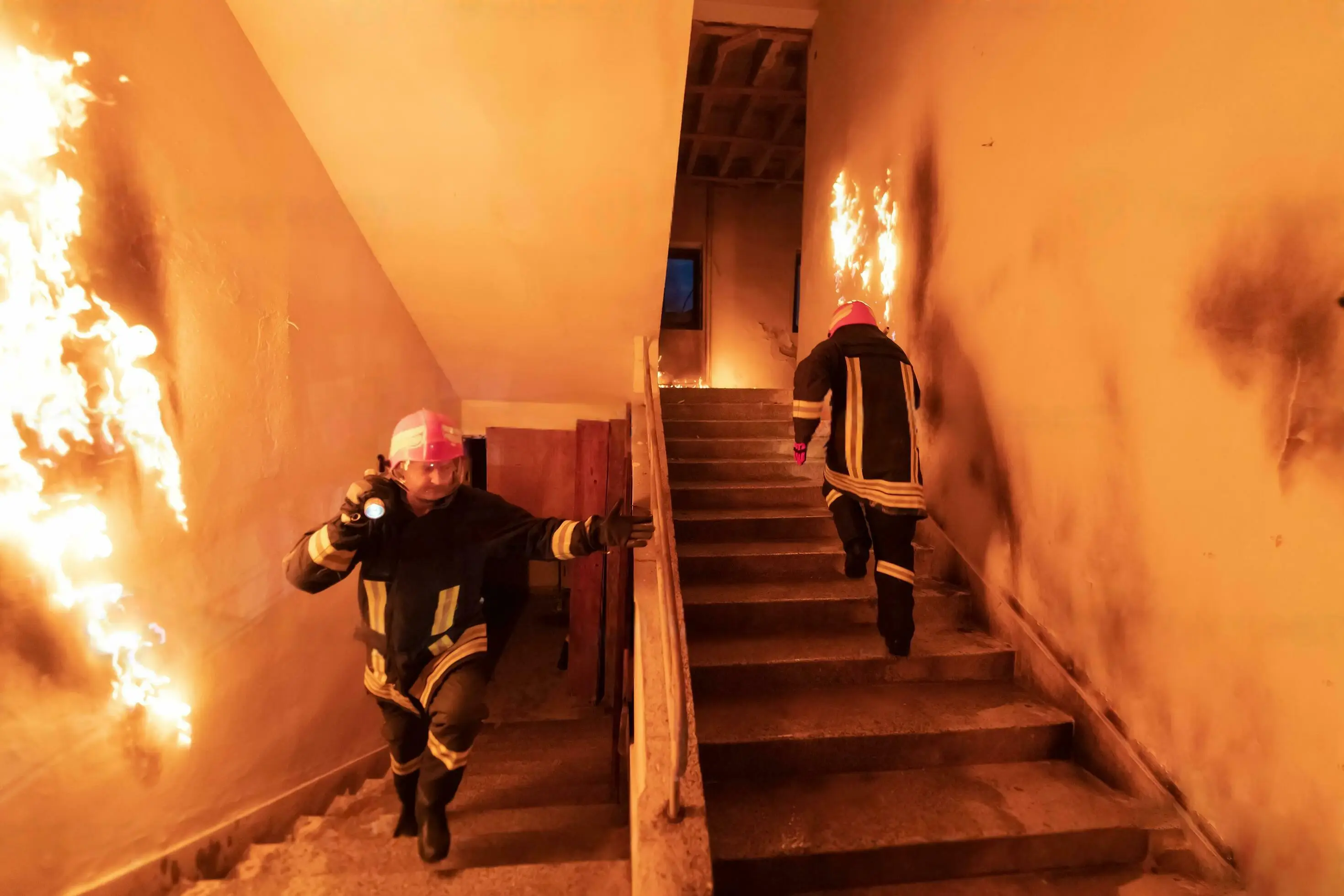
Fire Damage Restoration
Structural damage, soot, debris. We stabilize, clean, and rebuild what fire destroyed.
Learn more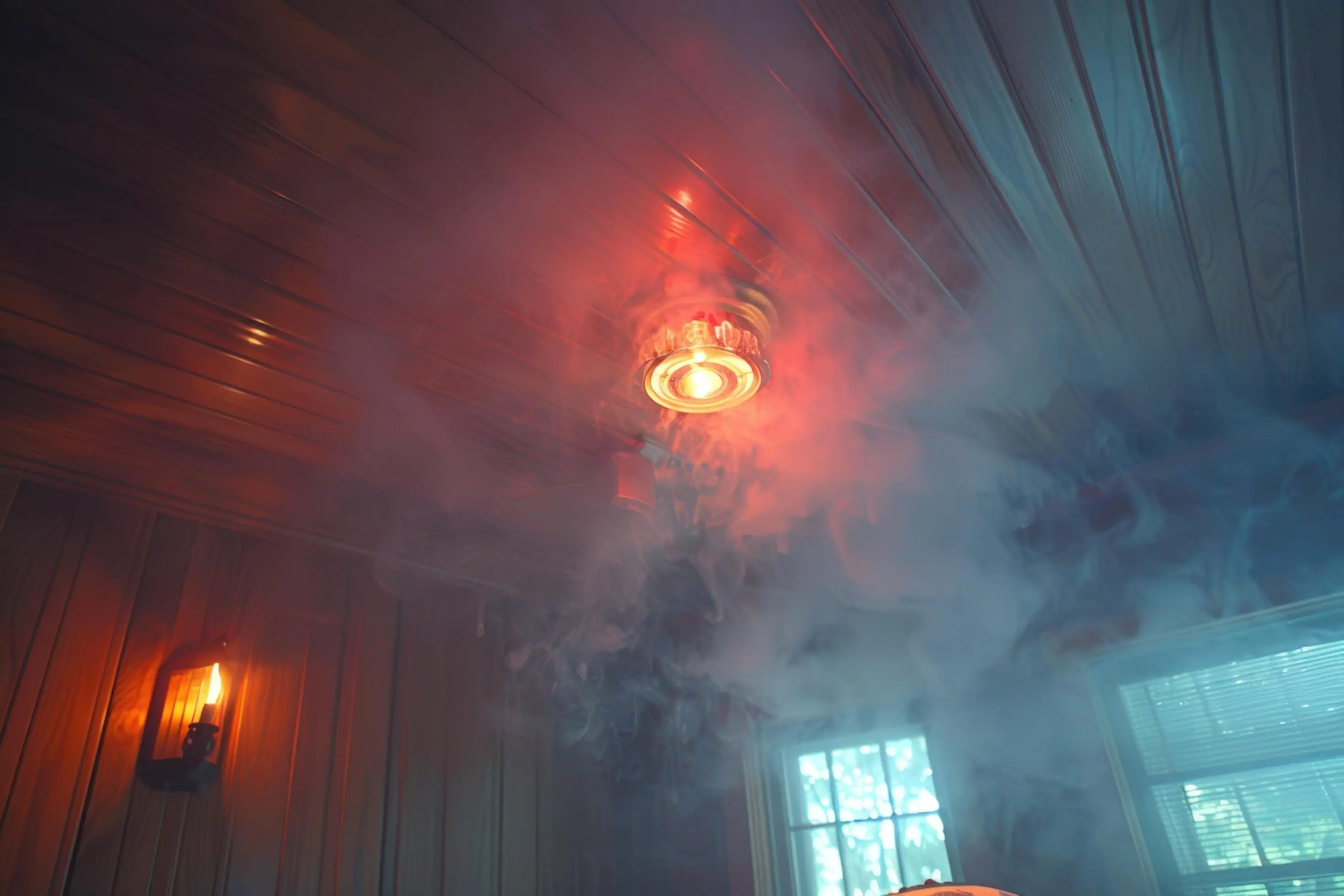
Smoke Damage Restoration
Soot residue, chemical odors, HVAC contamination. We decontaminate surfaces, eliminate odors, and restore air quality.
Learn more
Mold Remediation
Testing, containment, removal, prevention. We find the source, eliminate the growth, and stop it from returning.
Learn more
Sewage Cleanup
Sewer backups, contaminated water, biohazard. We extract, sanitize, and restore safely.
Learn more